When fourth grade students encounter a story written with deliberately mixed sentence structures, something interesting happens. They stop skimming and start paying attention. A narrative that jumps between short punchy sentences, long flowing ones, and everything in between forces readers to slow down and actually process what they’re reading.
This approach works because it mirrors how real writing actually functions. Professional authors vary their sentence length intentionally to create rhythm and emphasis. A single word sentence lands differently than a clause that stretches across multiple lines. Fourth grade readers who notice these patterns begin to understand that sentence structure isn’t just a grammar rule, it’s a tool for communication.
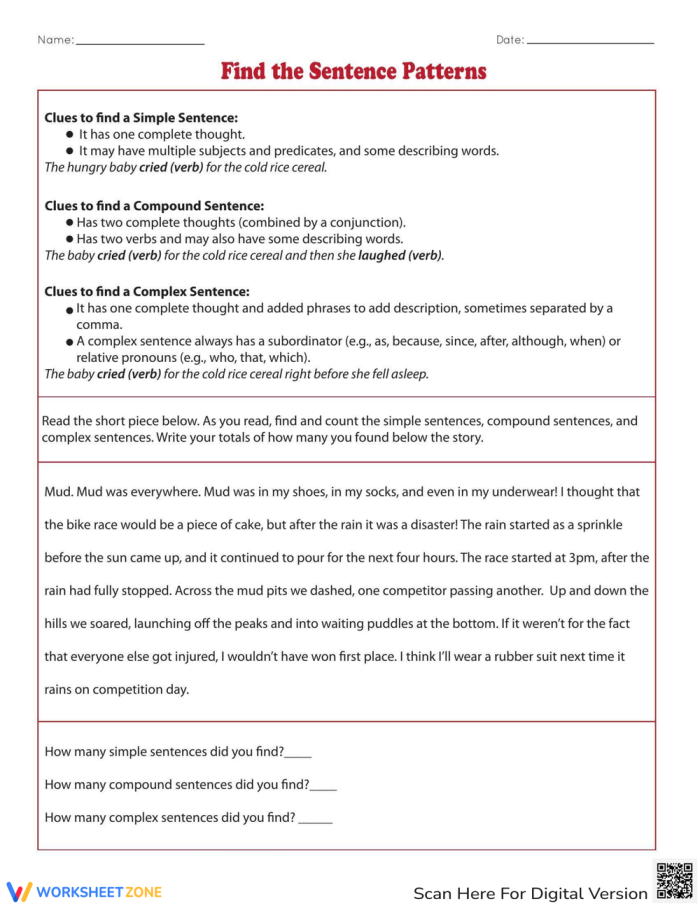
The “messy story” format gives students permission to engage with reading in a playful way. Rather than feeling like they’re completing another worksheet, they’re solving a puzzle. Each sentence they encounter becomes a small discovery. Did this one start with a verb or a noun? Is it a question, a statement, or a fragment? The act of noticing becomes the learning.
When you pair this type of reading exercise with other fourth grade activities, the benefits compound. Students who understand sentence patterns recognize how writers build emphasis and control pacing. This awareness transfers to their own writing. They begin experimenting with short sentences for impact and longer ones for explanation. They see how punctuation choices affect how sentences sound when read aloud.
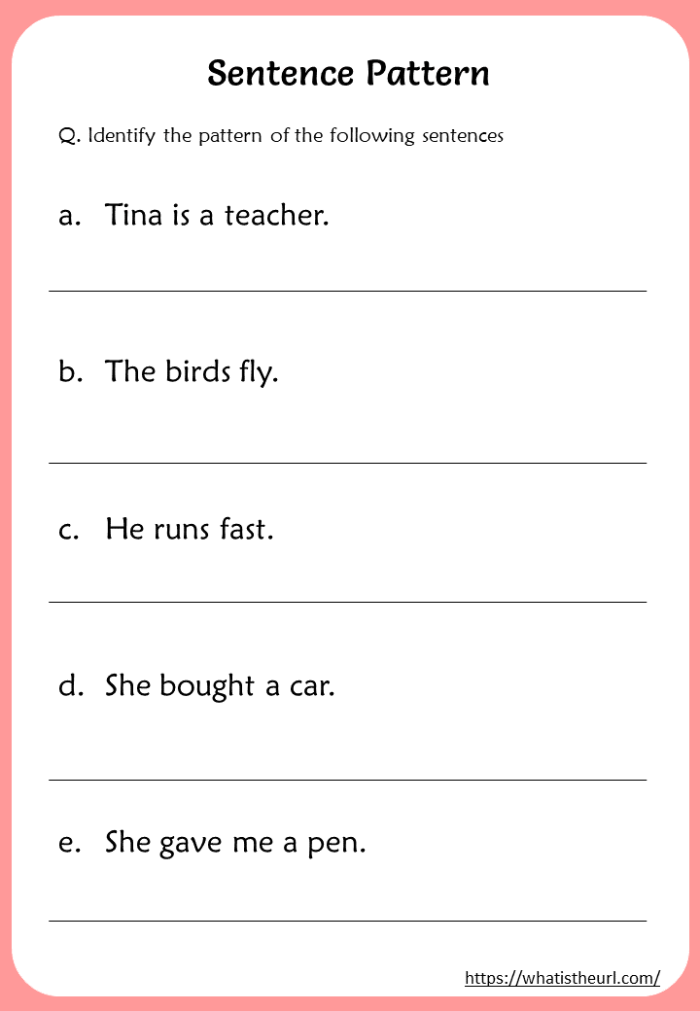
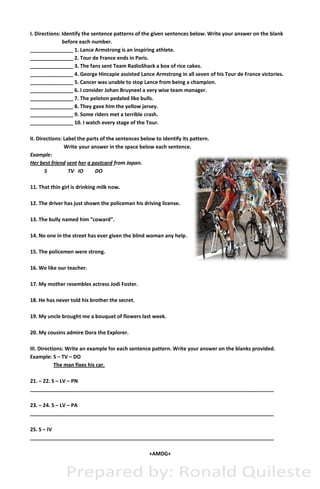
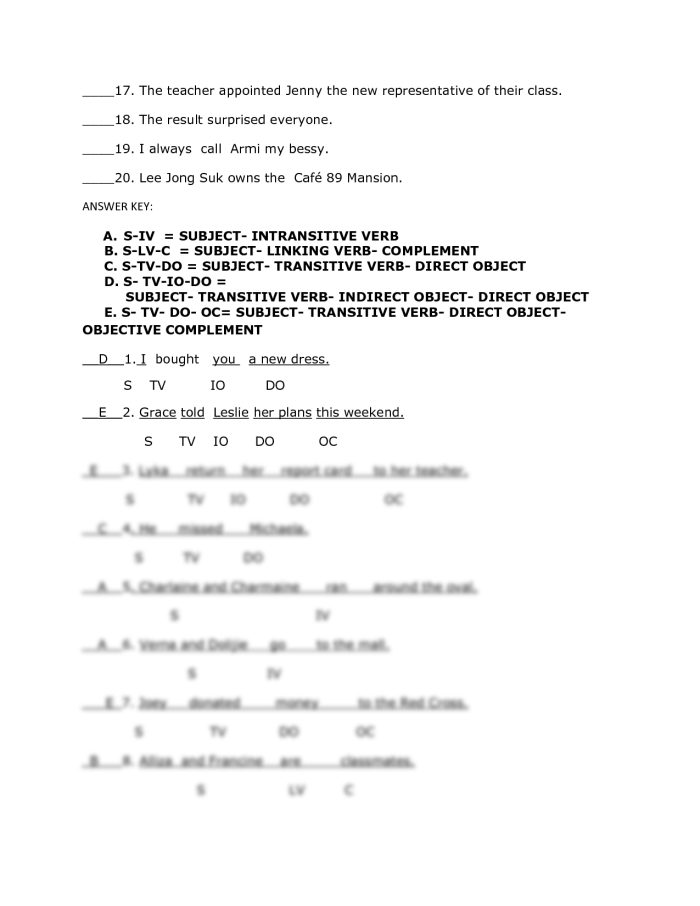
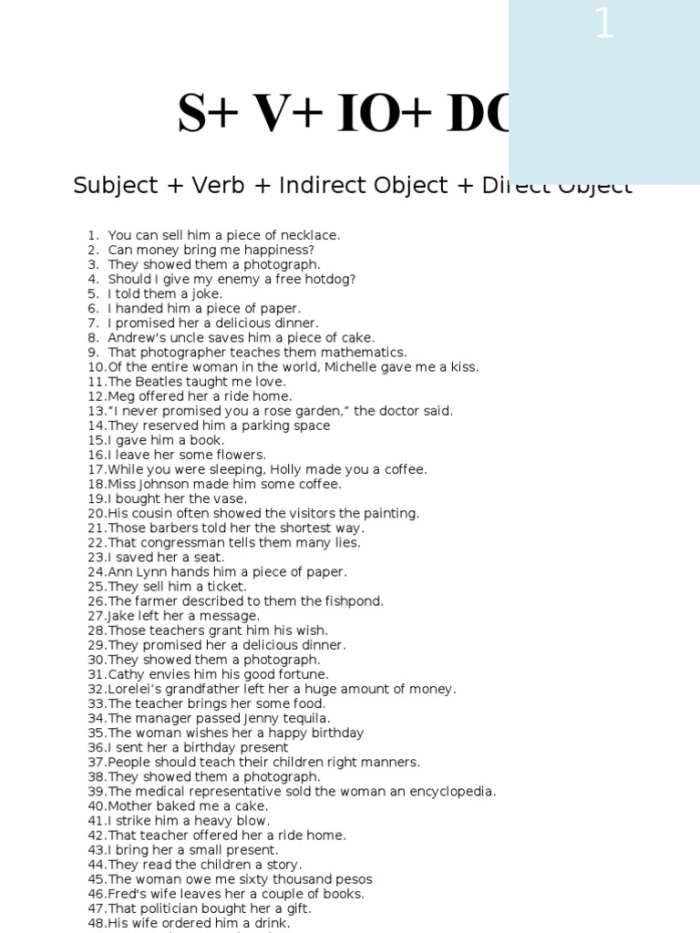
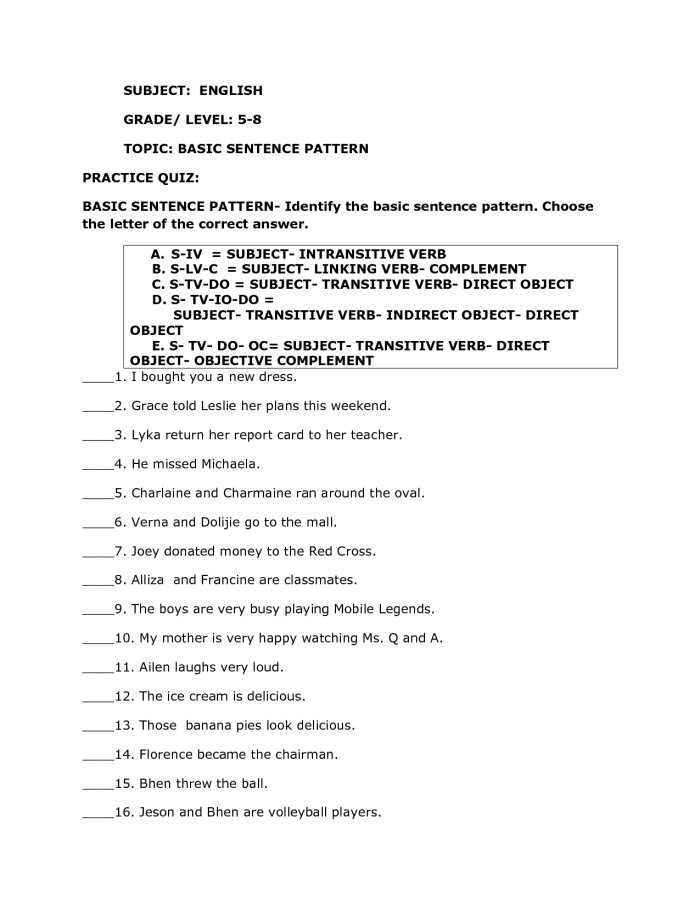
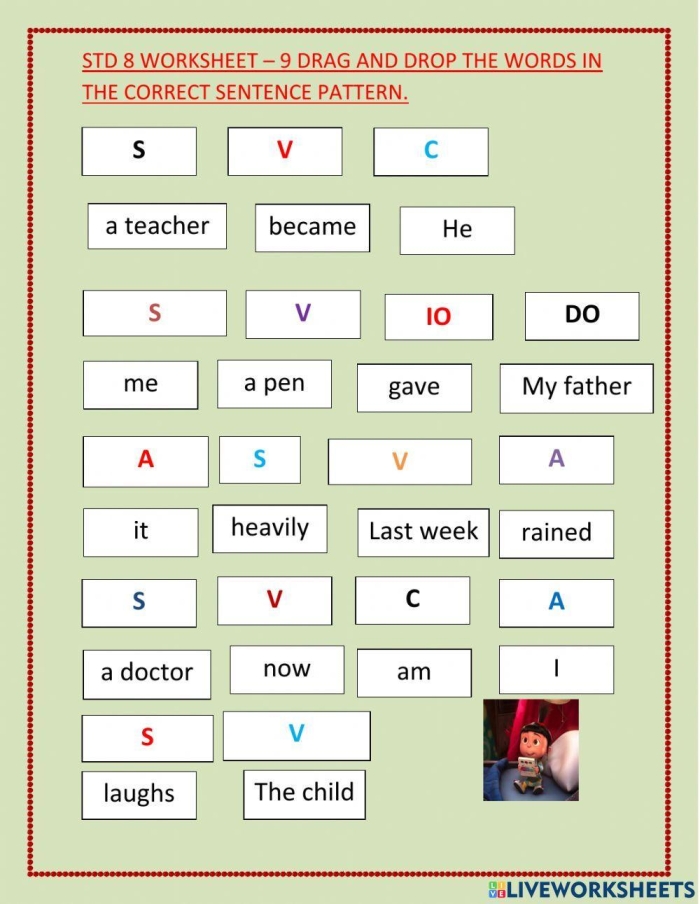
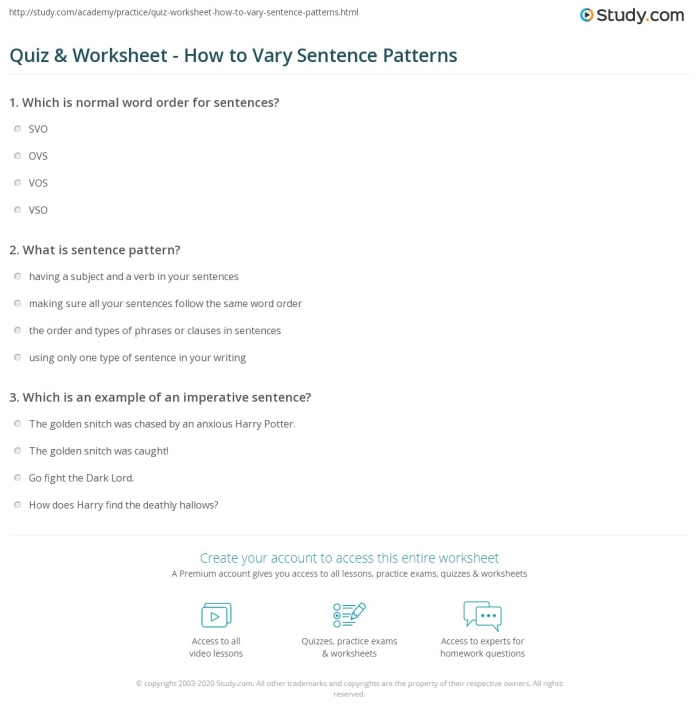
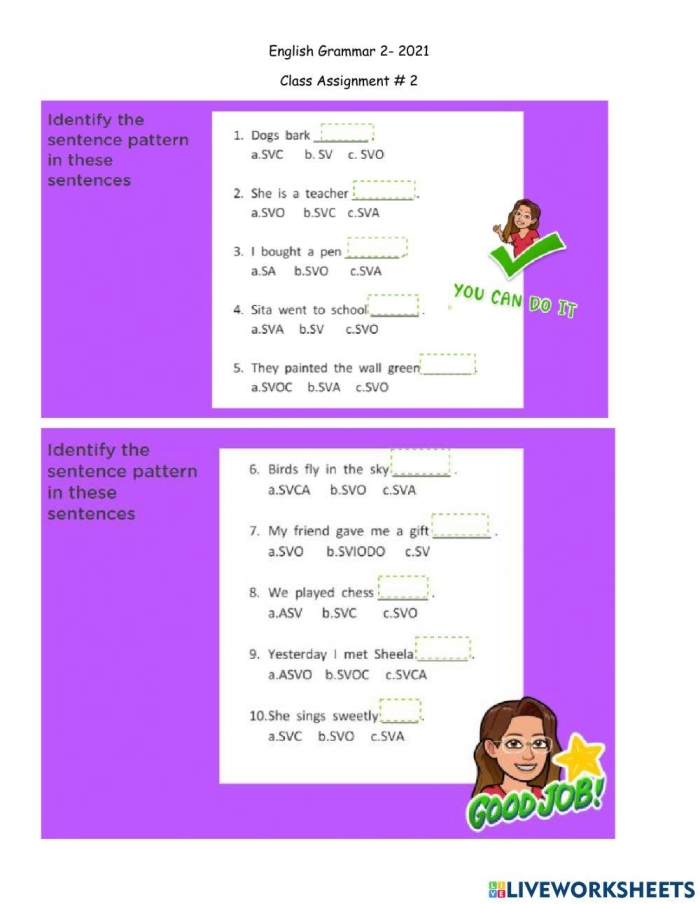
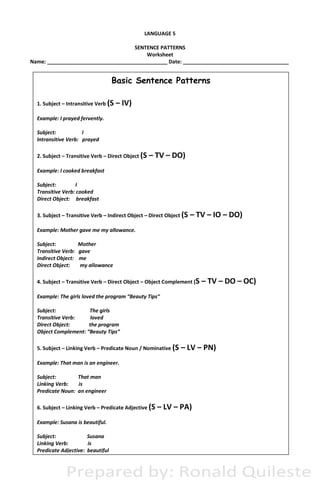
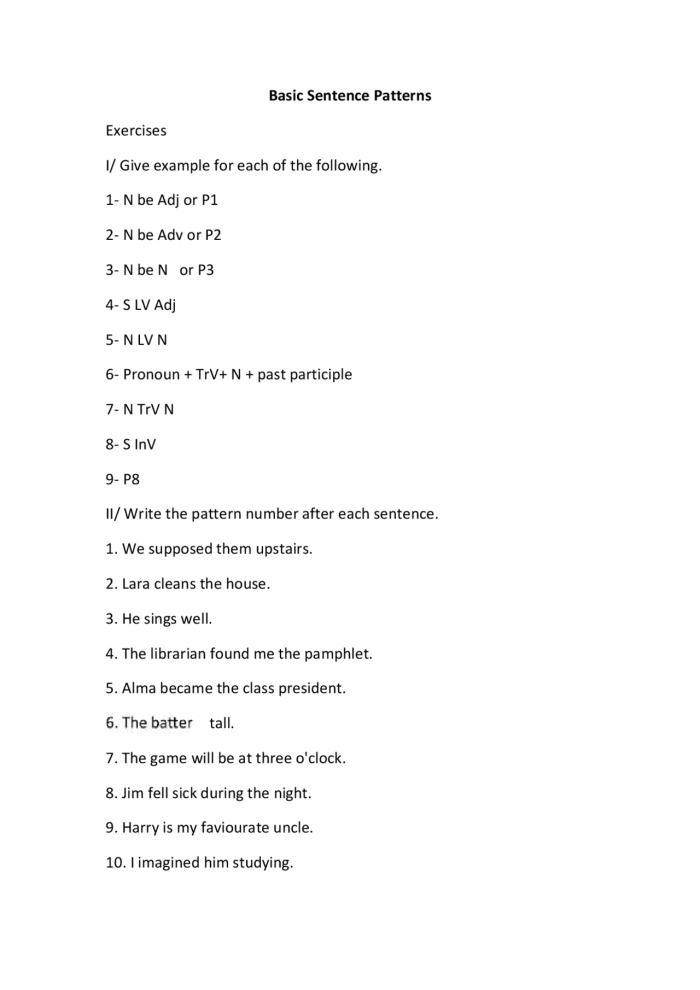
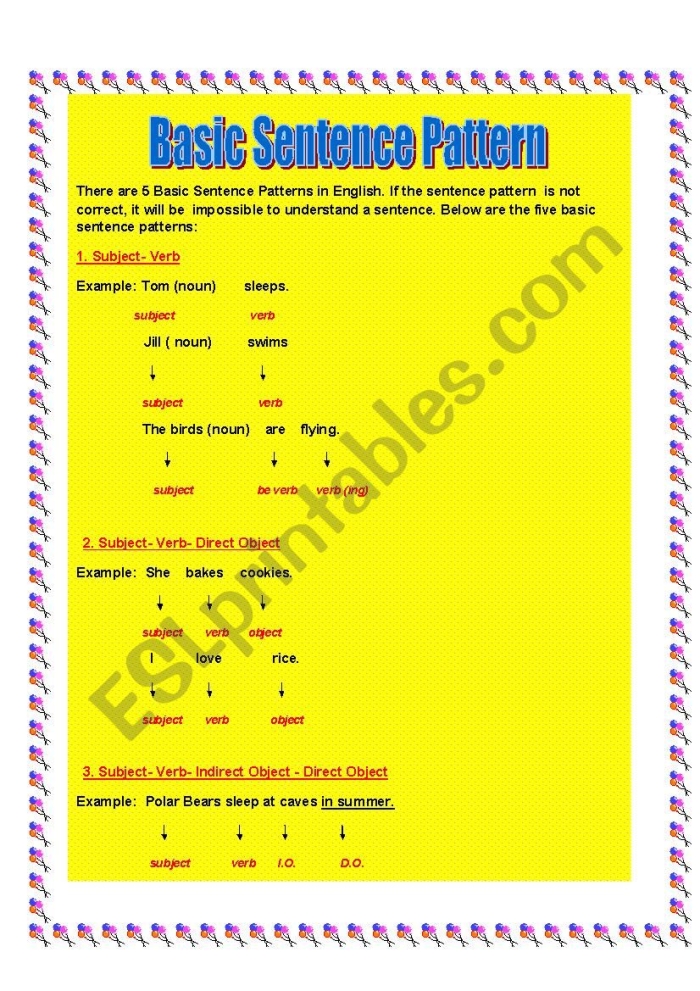
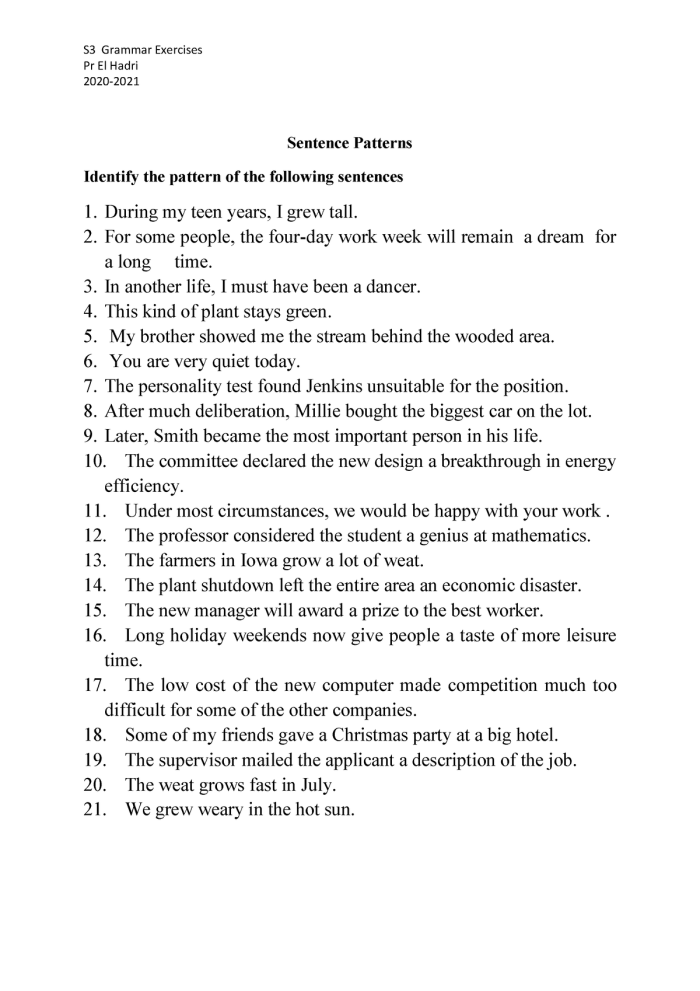
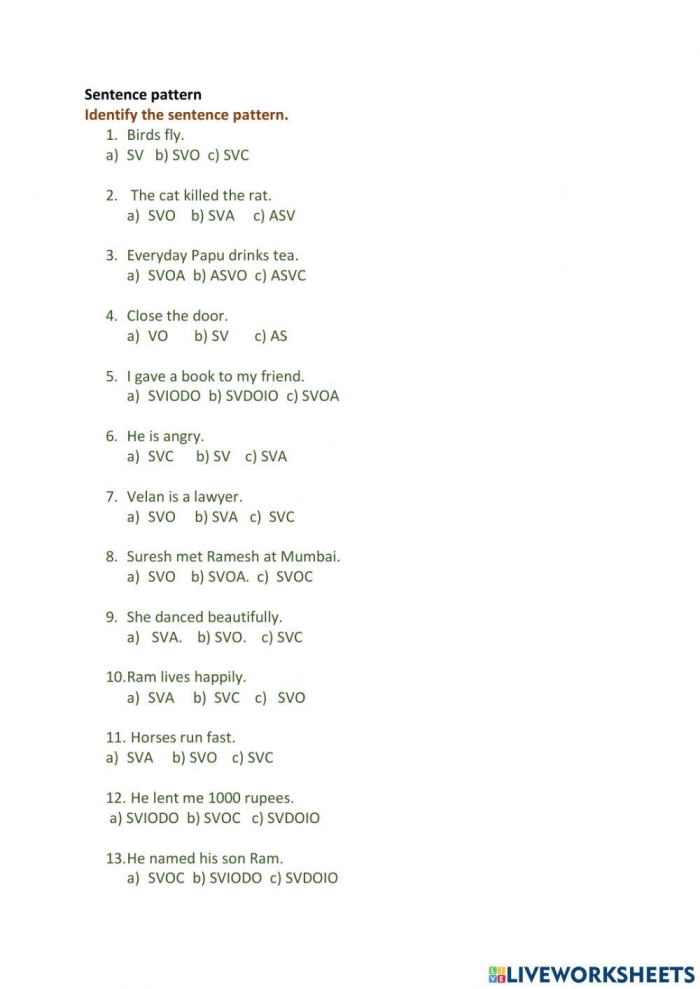
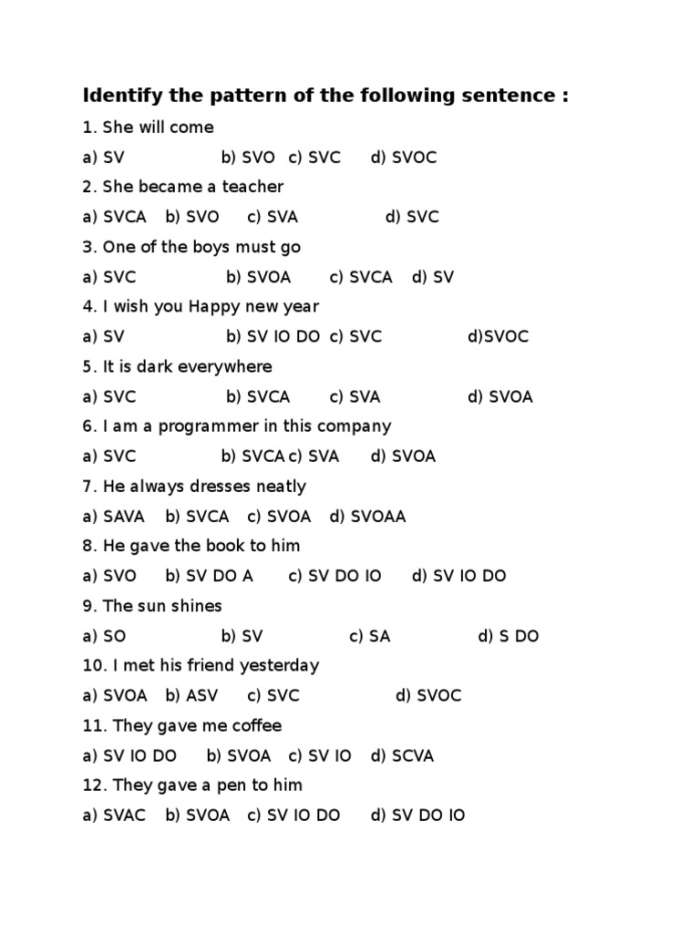
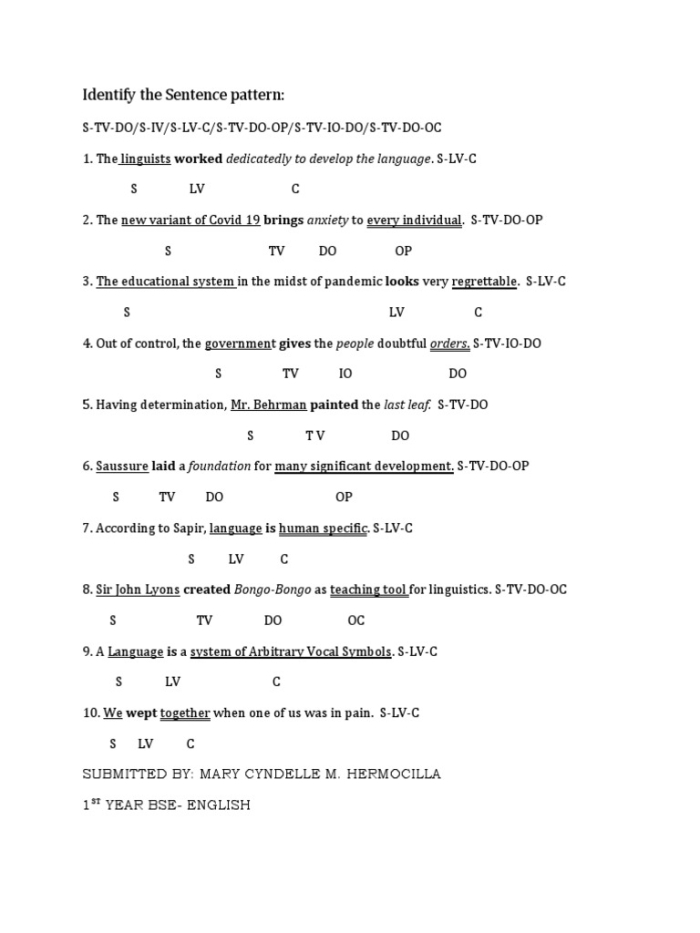
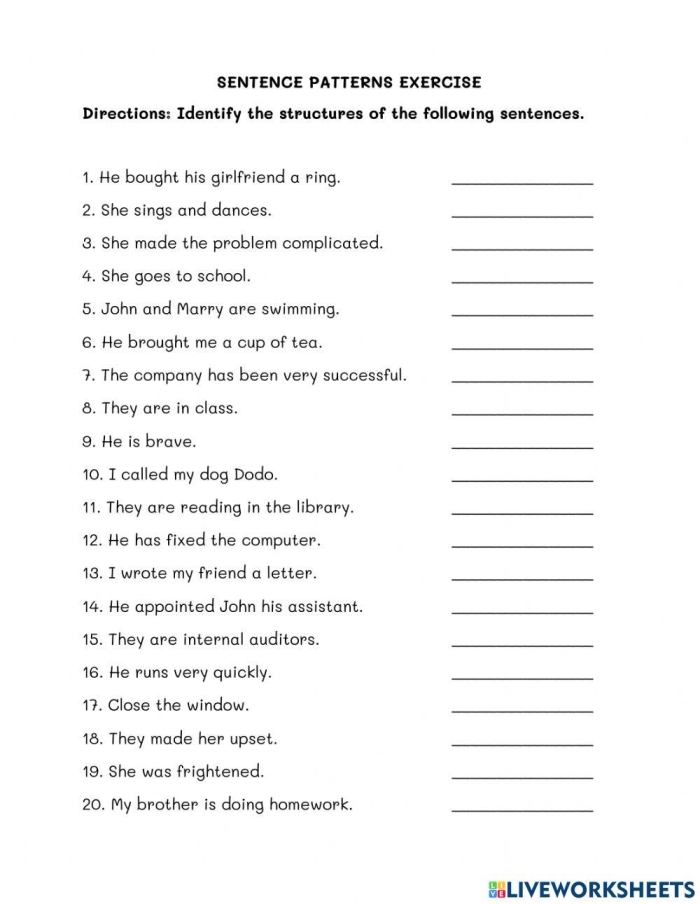
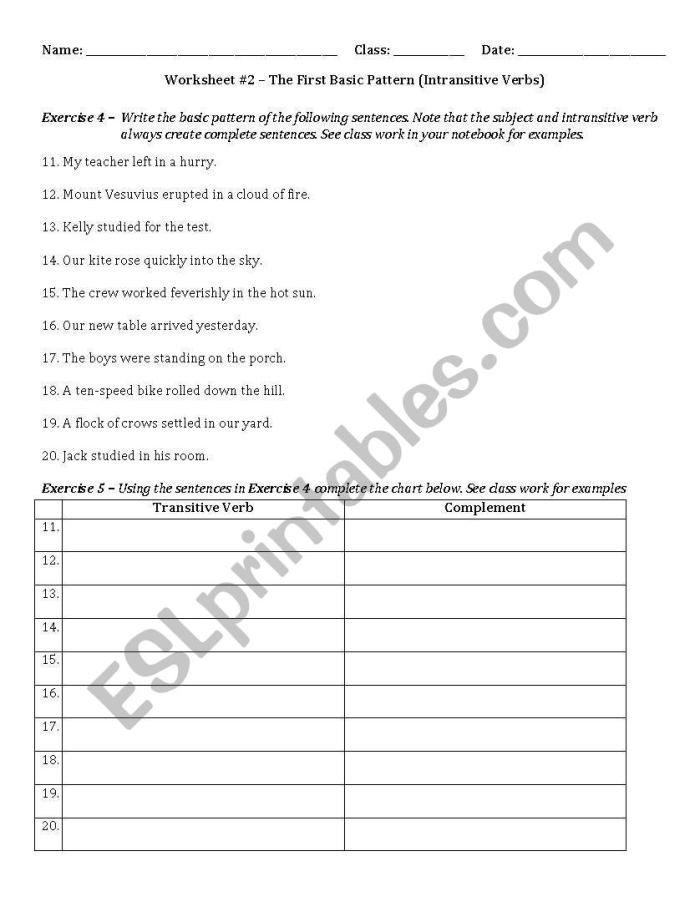
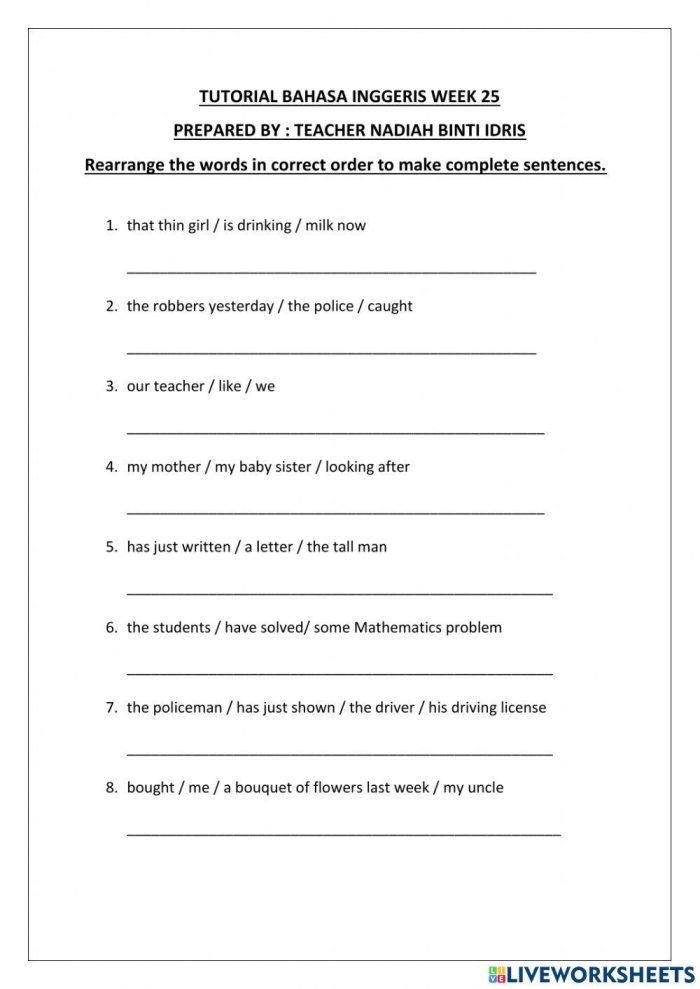
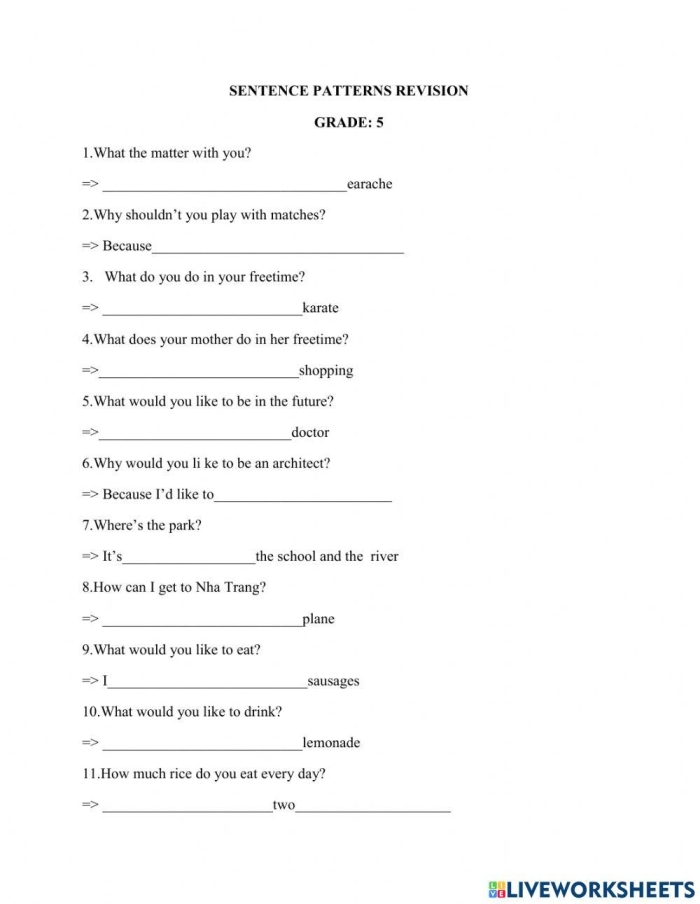
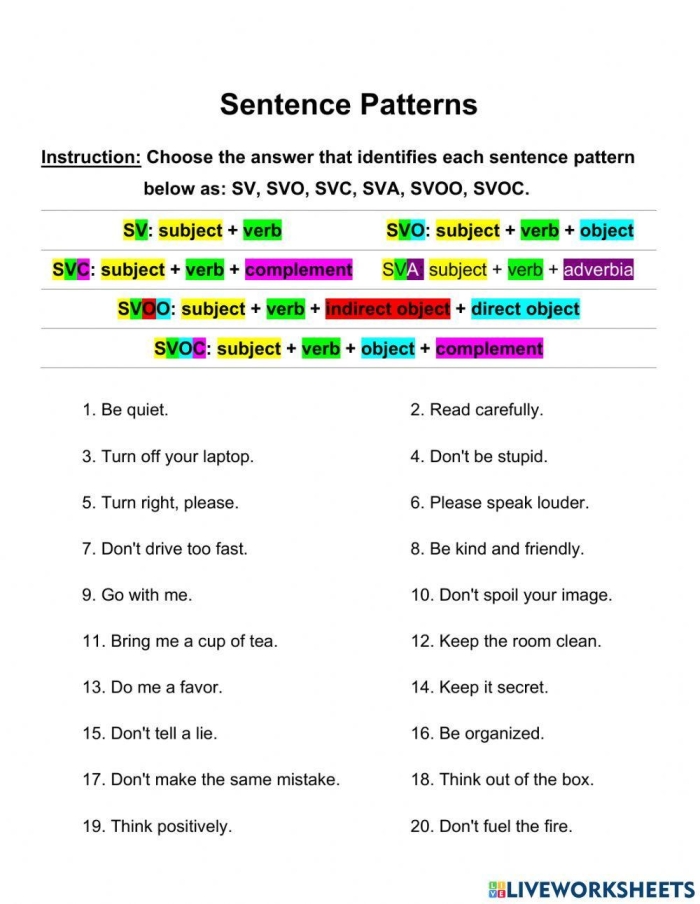
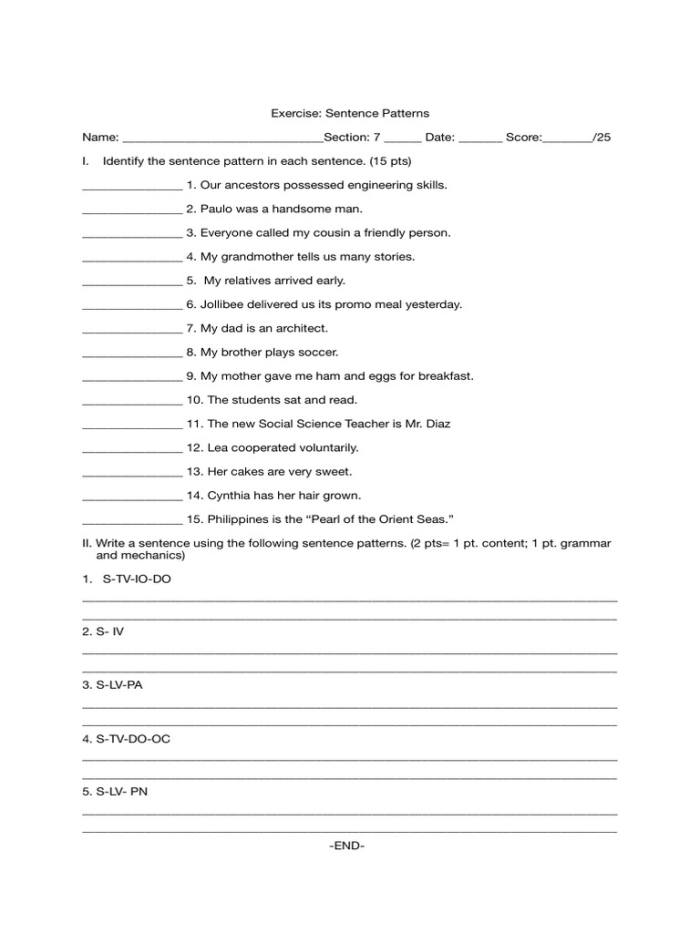
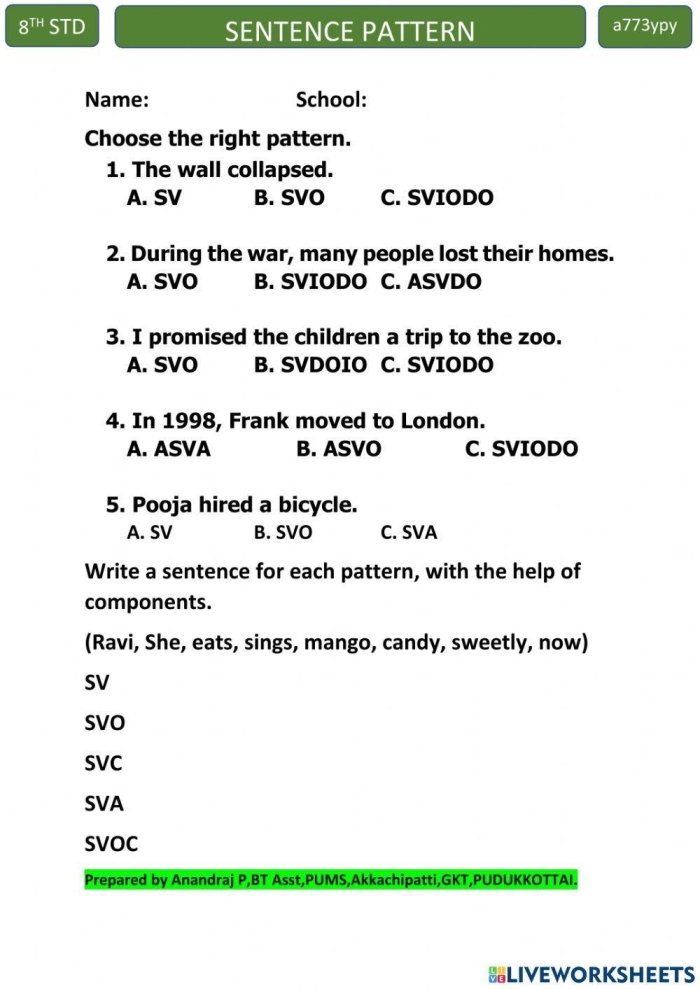
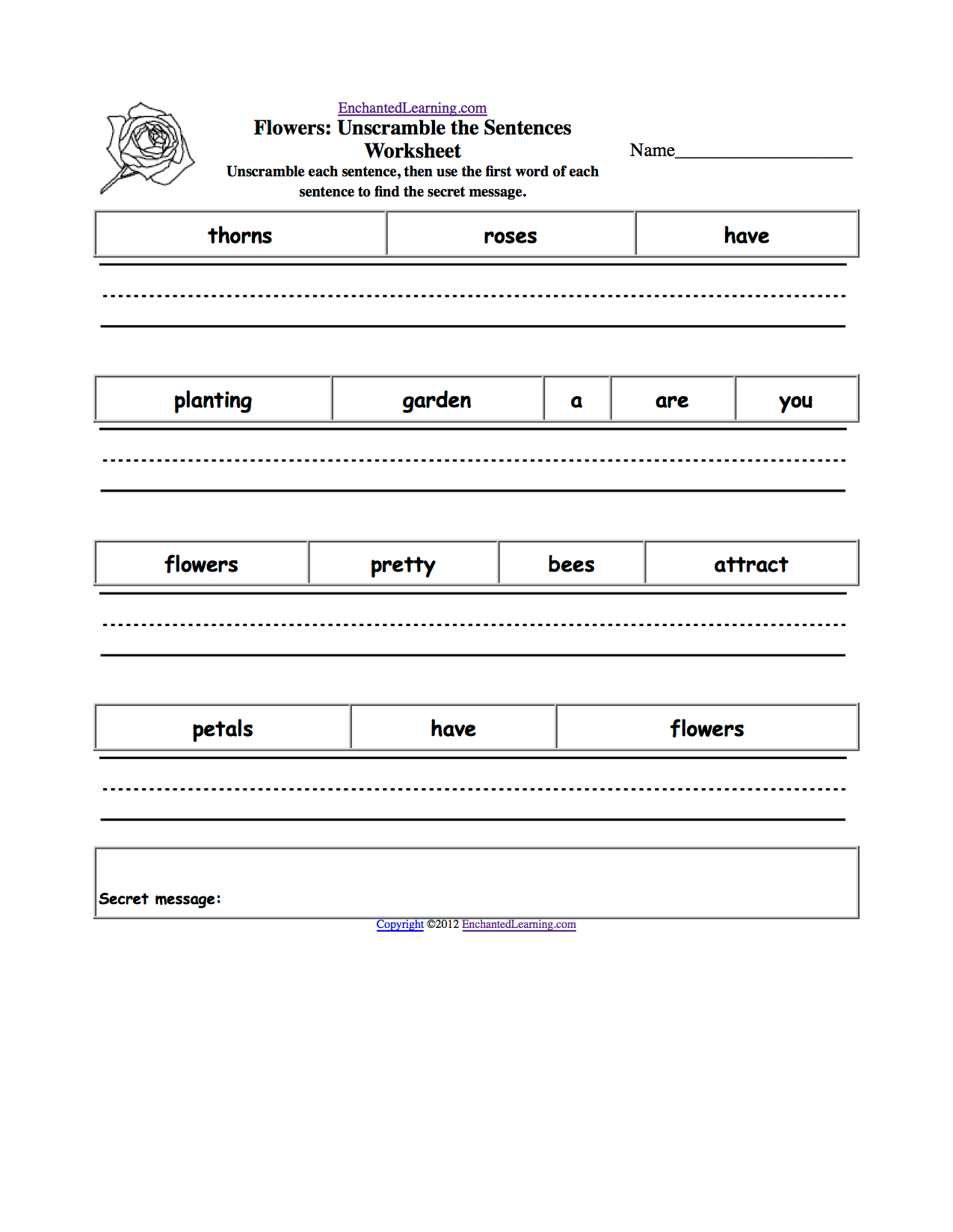
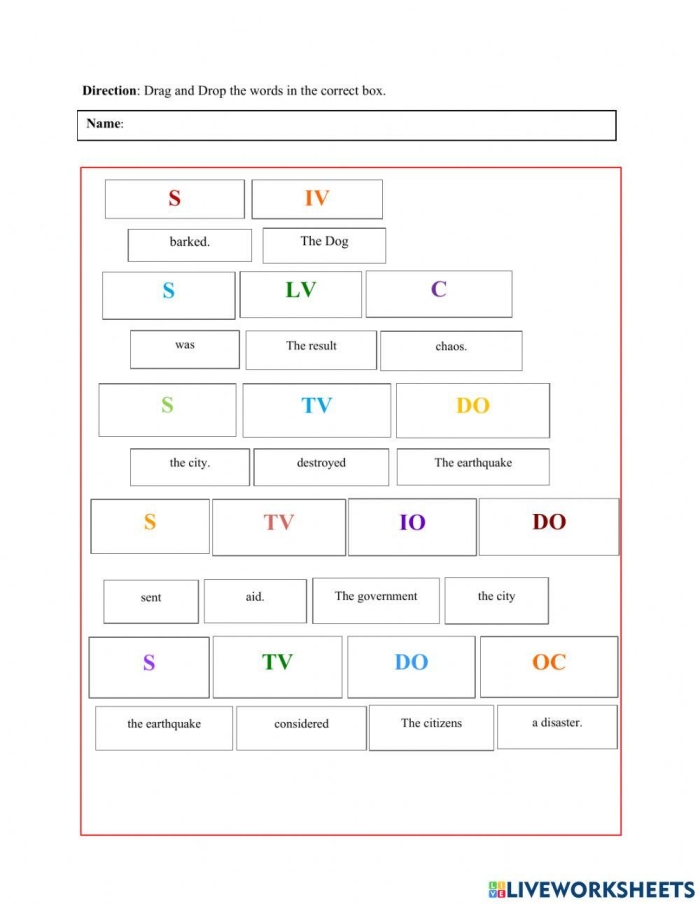
Worksheets that ask students to identify and categorize different sentence structures work best when the content itself is engaging. Stories with characters, conflict, and humor hold attention better than generic example sentences. A narrative about a chaotic day or an unexpected adventure gives readers a reason to care about the sentences they’re analyzing.
The real value emerges when students realize that noticing sentence patterns makes them better readers and writers. They stop seeing grammar as arbitrary rules and start seeing it as a writer’s toolkit. That shift in perspective, even in fourth grade, changes how they approach reading for years to come.
Practice with These Worksheets