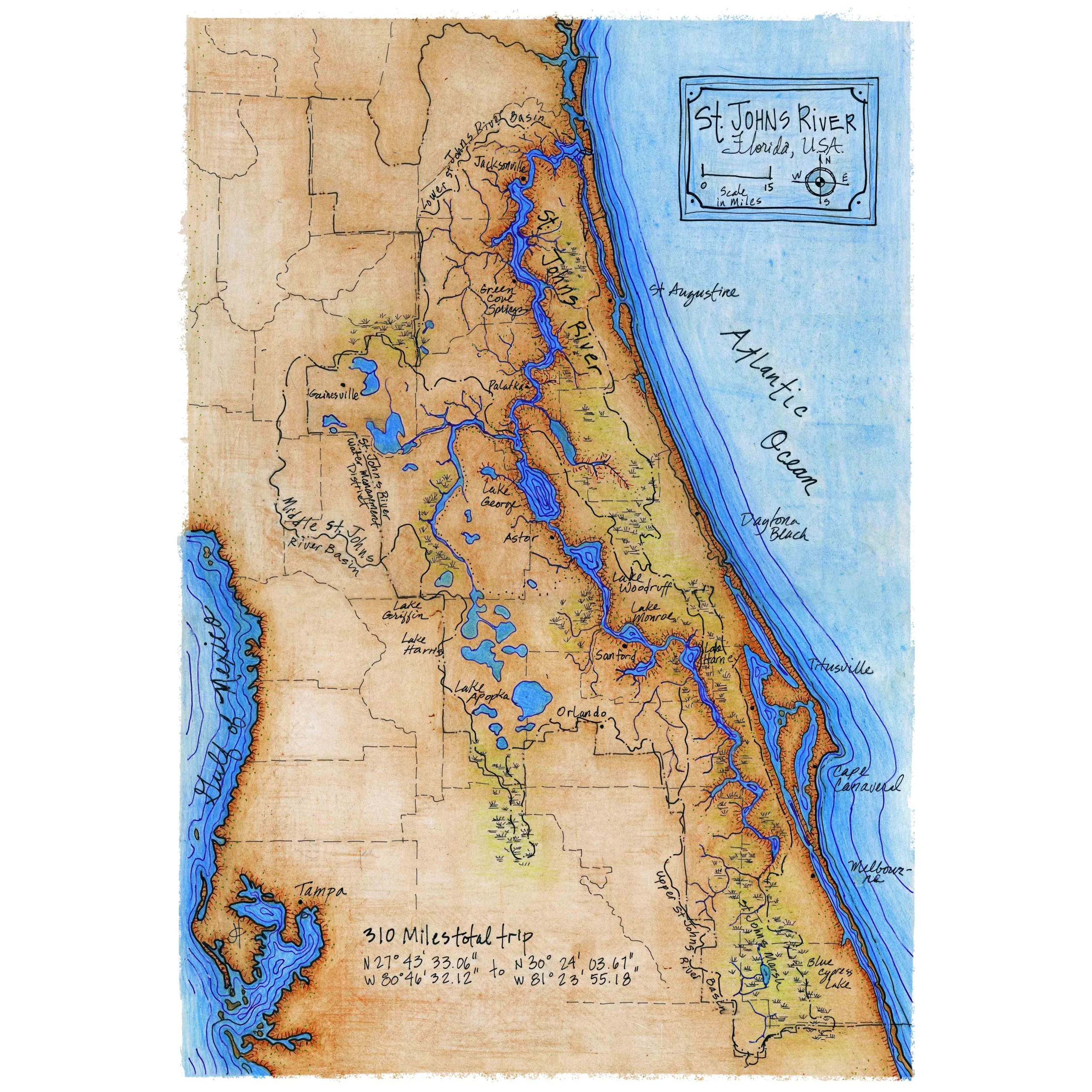
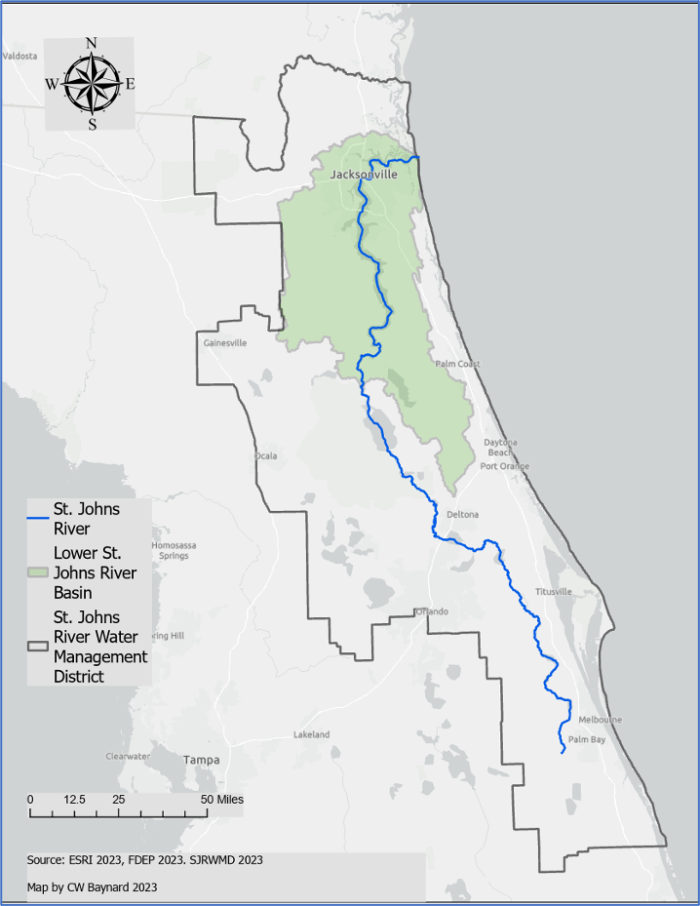
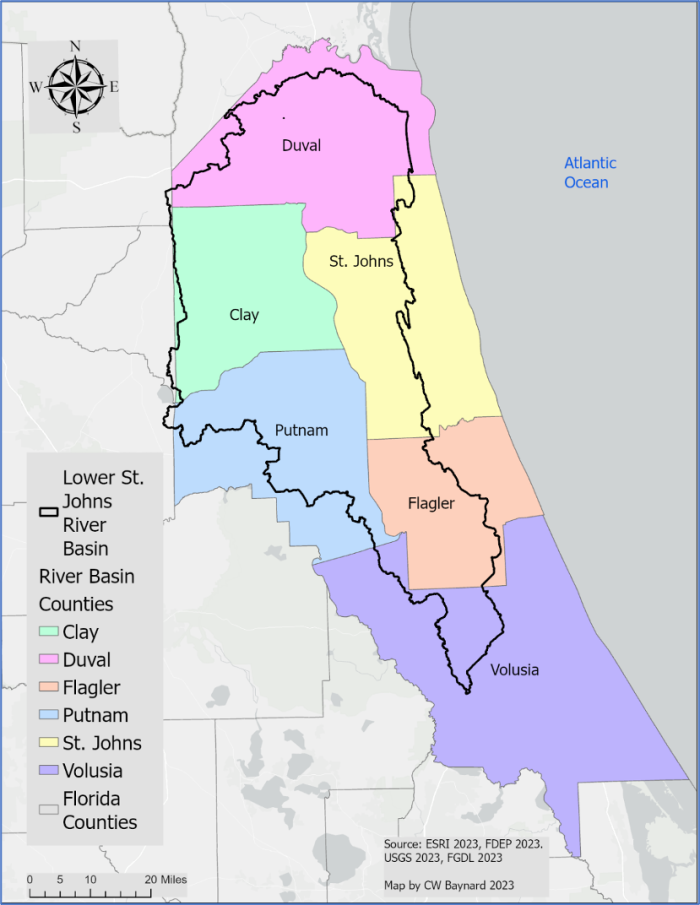
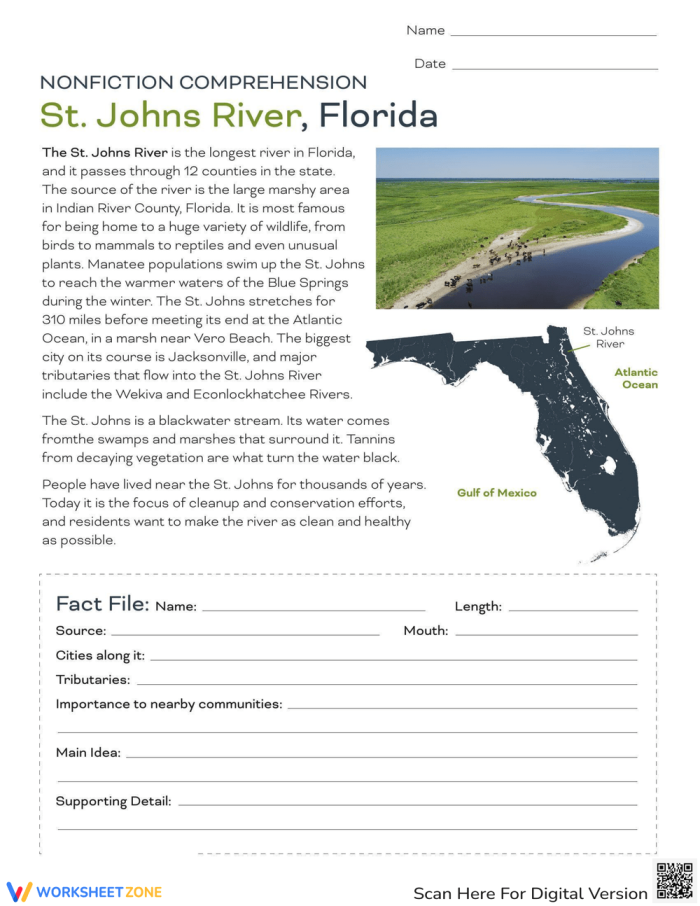
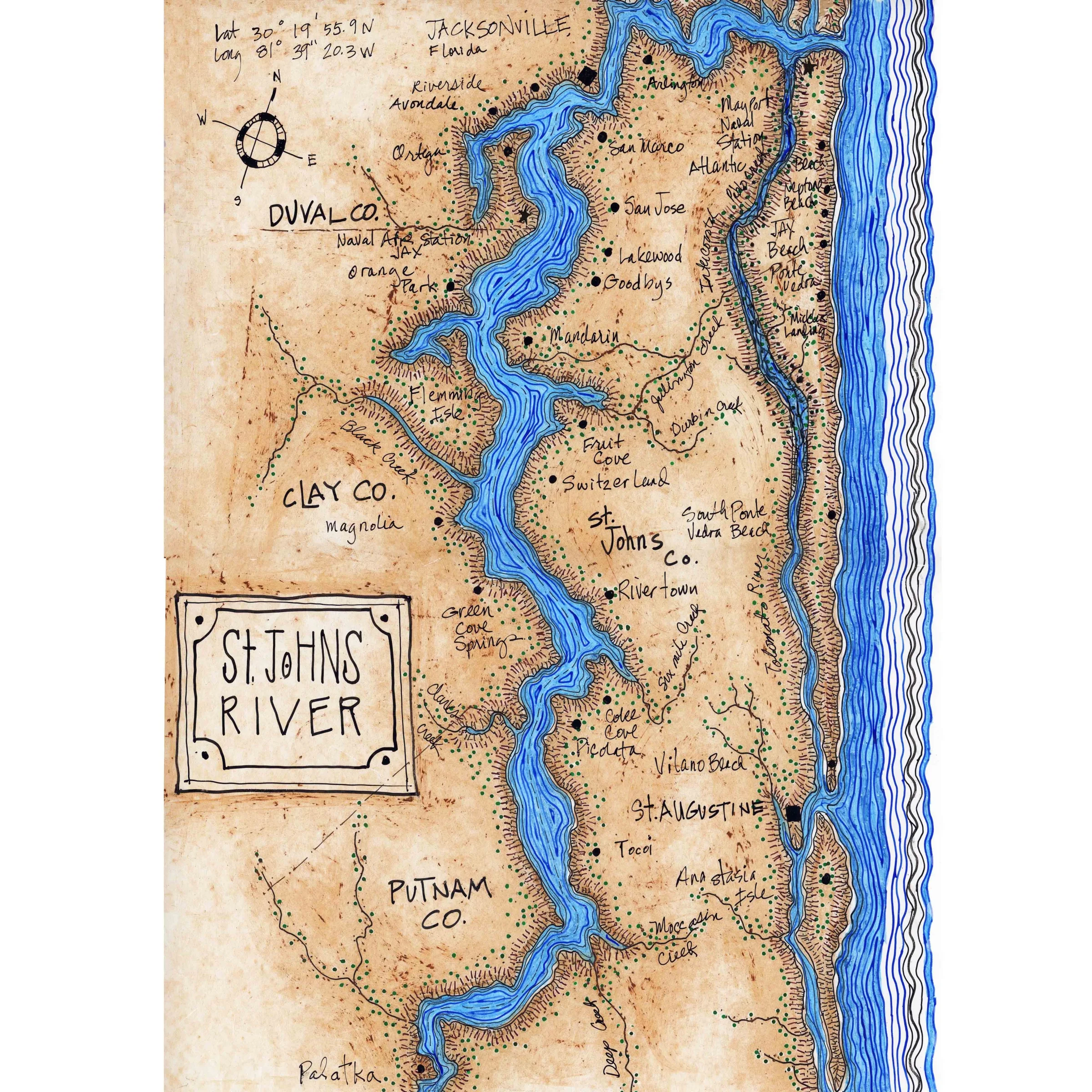
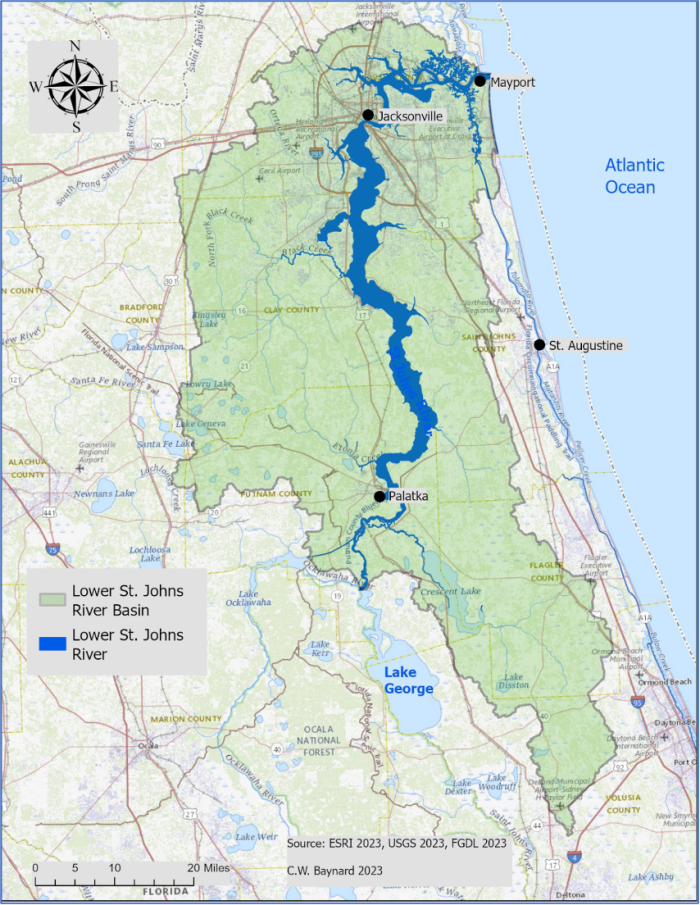
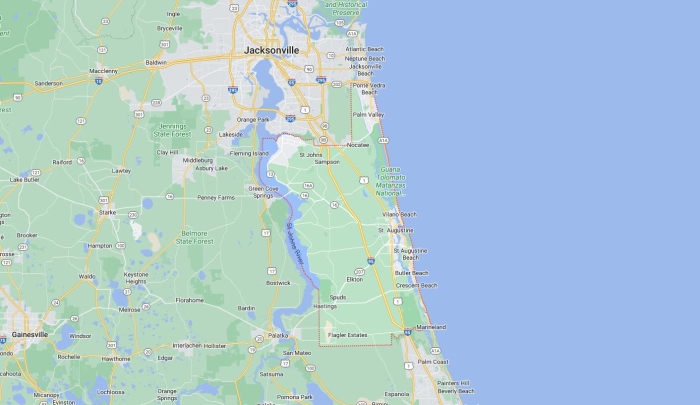
The St. Johns River, often celebrated as Florida’s longest river, is more than just a body of water—it’s a vital part of the state’s ecosystem and history. This river stretches approximately 310 miles from its source in the wetlands of central Florida to its mouth in the Atlantic Ocean. Through this journey, the river supports a diverse range of wildlife and offers unique opportunities for learning and exploration.
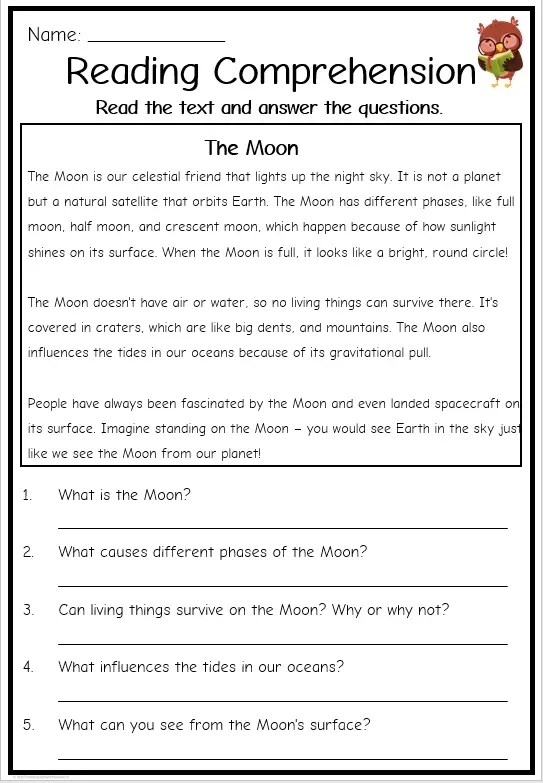
For fourth graders, understanding the St. Johns River can enhance their reading comprehension skills. In a dedicated worksheet, children will engage with specific facts and stories about the river, making connections to what they learn in their classrooms. This approach not only improves their reading abilities but also deepens their appreciation for Florida’s natural resources.
One notable feature of the St. Johns River is its slow flow, which allows for a rich habitat for various species. From manatees to alligators, the river is home to an array of wildlife that can capture the imagination of young learners. This aspect can be integrated into lessons about ecosystems and biodiversity, reinforcing concepts that are vital in fourth-grade science and grammar and mechanics studies.
Moreover, the river’s significance extends beyond its ecological impact. It has played a crucial role in Florida’s history, serving as a transportation route for early settlers and a source of commerce for local communities. By exploring these historical elements, students can gain insights into the cultural importance of the river, enhancing their understanding of Florida’s heritage.
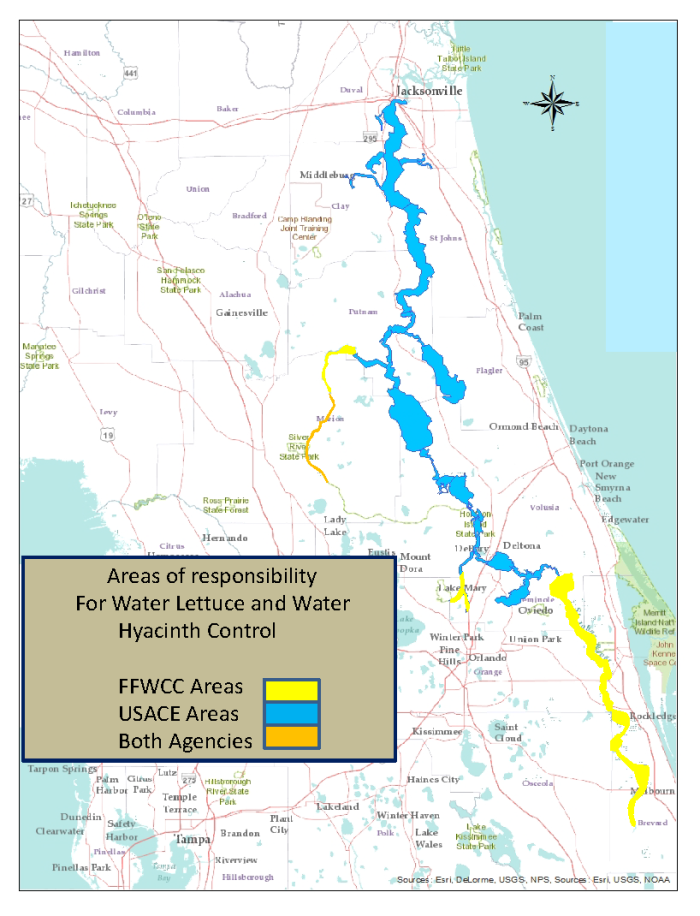
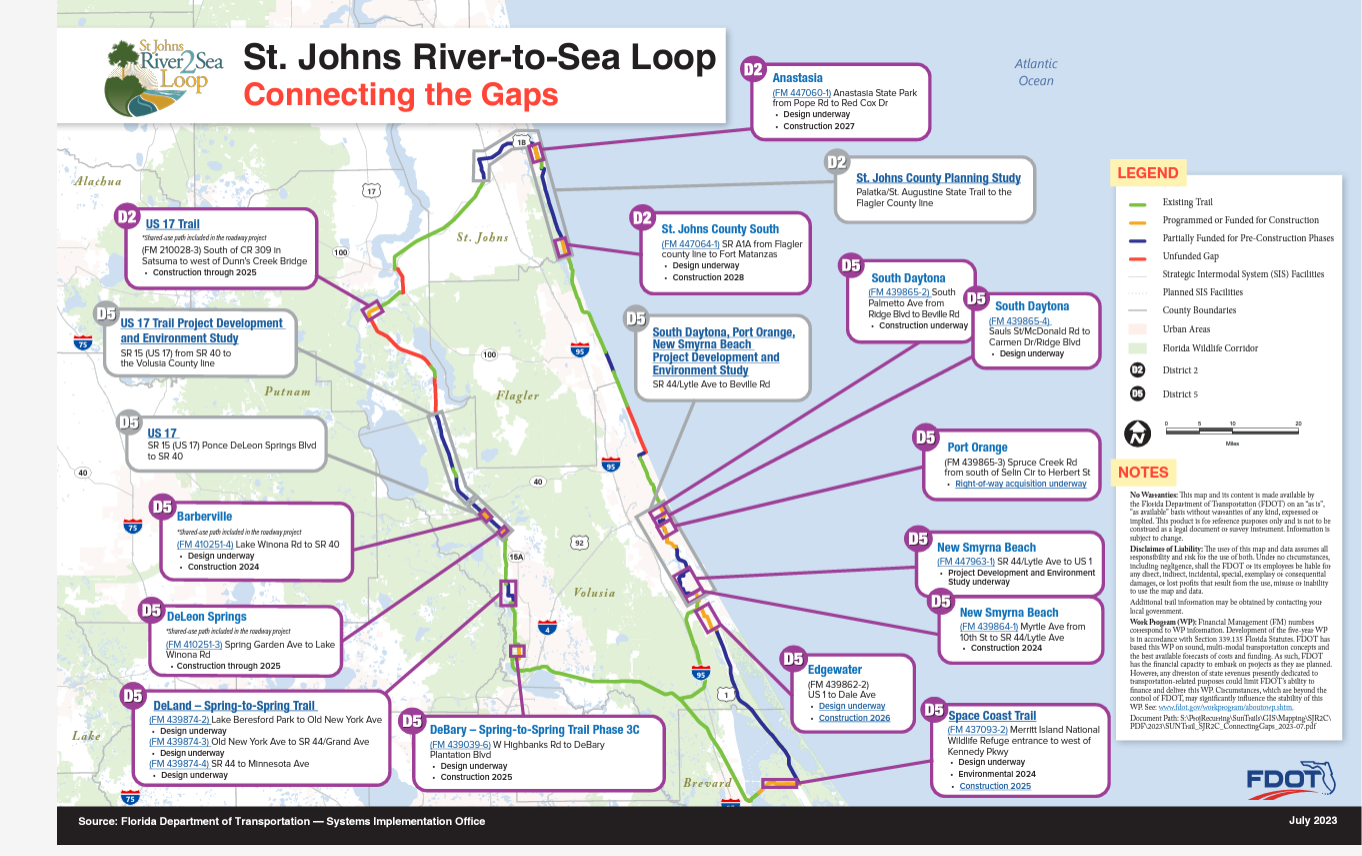
Incorporating the St. Johns River into reading comprehension exercises can also lead to discussions about maps and geography. As students learn to analyze various texts, they can use resources like map scales to better understand the river’s path and its surroundings. Such activities not only improve comprehension but also help students connect what they read to real-world contexts.
By focusing on the St. Johns River in reading comprehension worksheets, educators can provide fourth graders with a rich, engaging topic that aligns with their learning objectives. Whether it’s exploring the wildlife that inhabits the river or understanding its historical significance, students will find themselves immersed in a subject that is both educational and fascinating.
Practice with These Worksheets