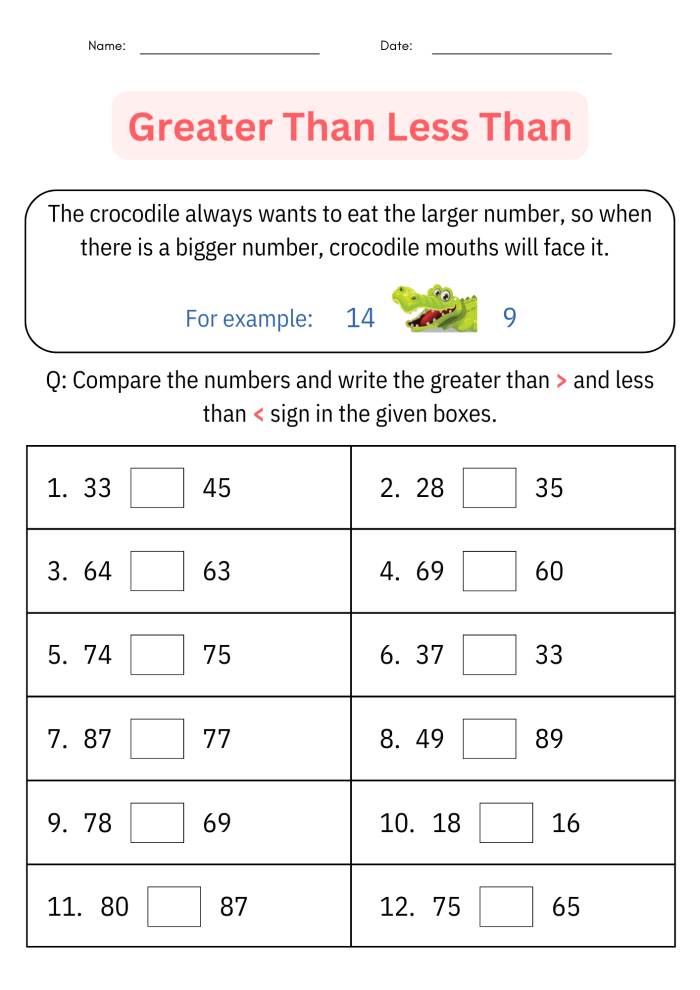
Here’s a trick that works every single time: alligators are hungry creatures, and they always want to eat the bigger meal. That’s the secret to teaching your first grader how to compare numbers using the greater than and less than symbols.
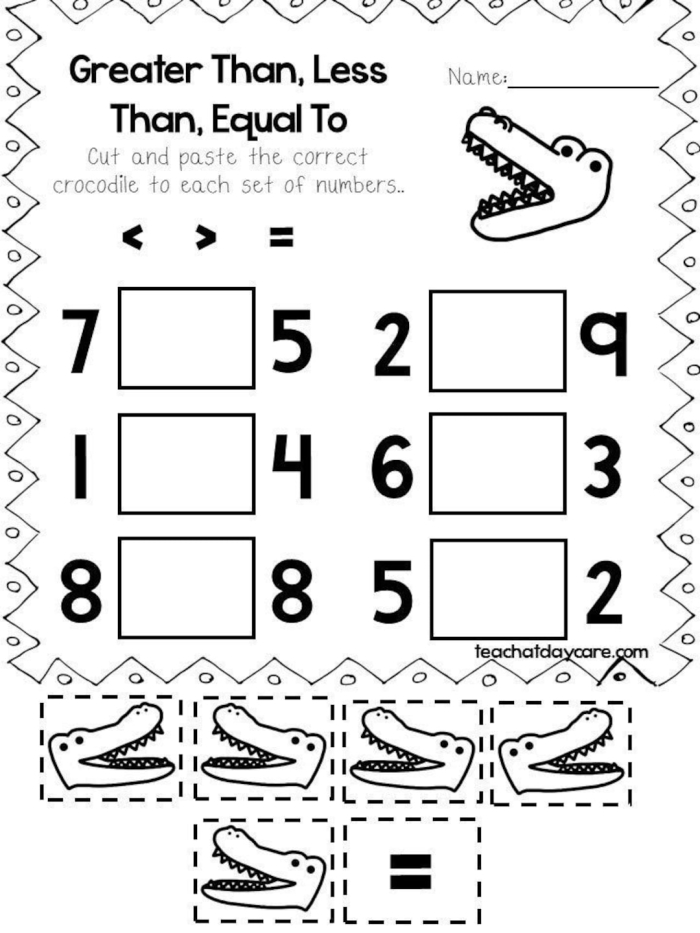
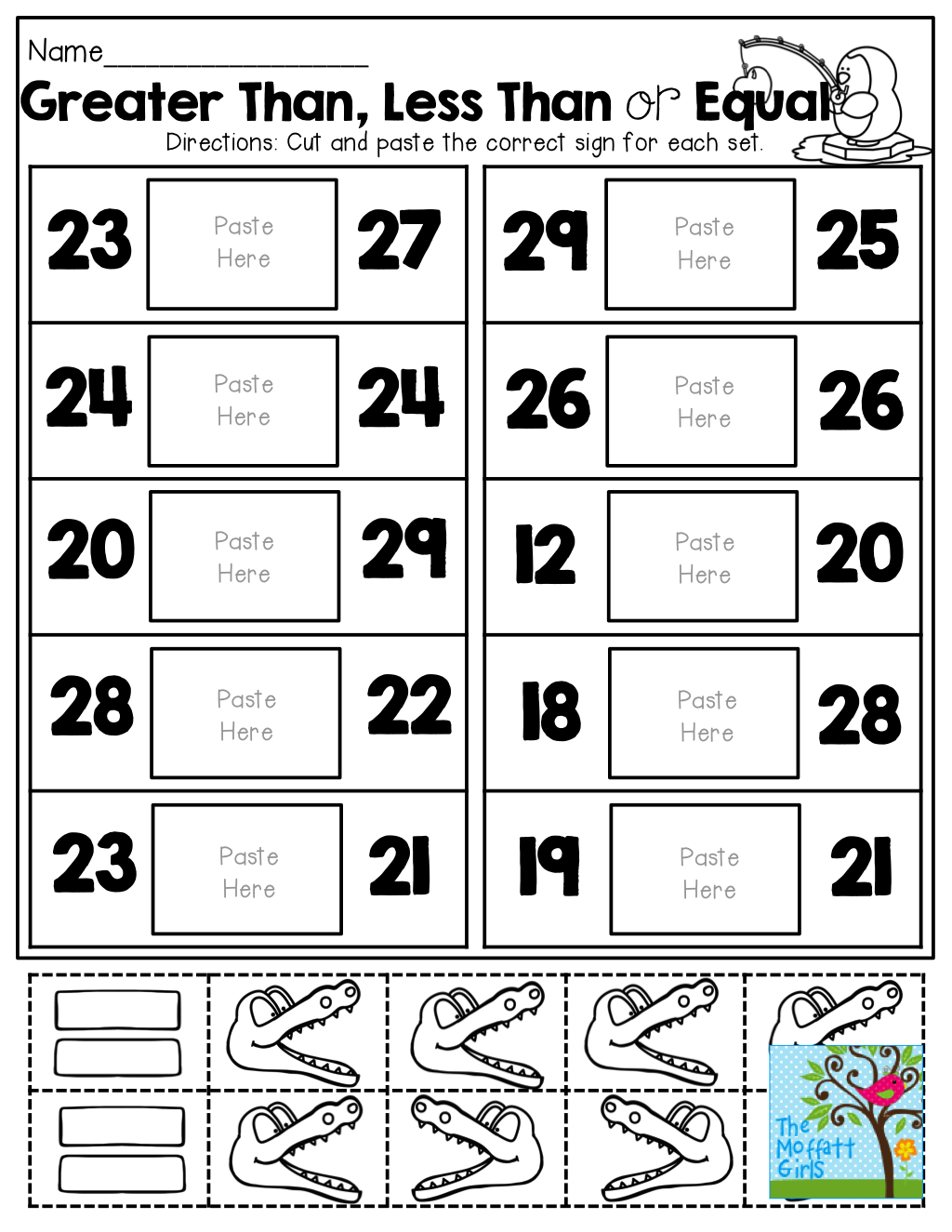
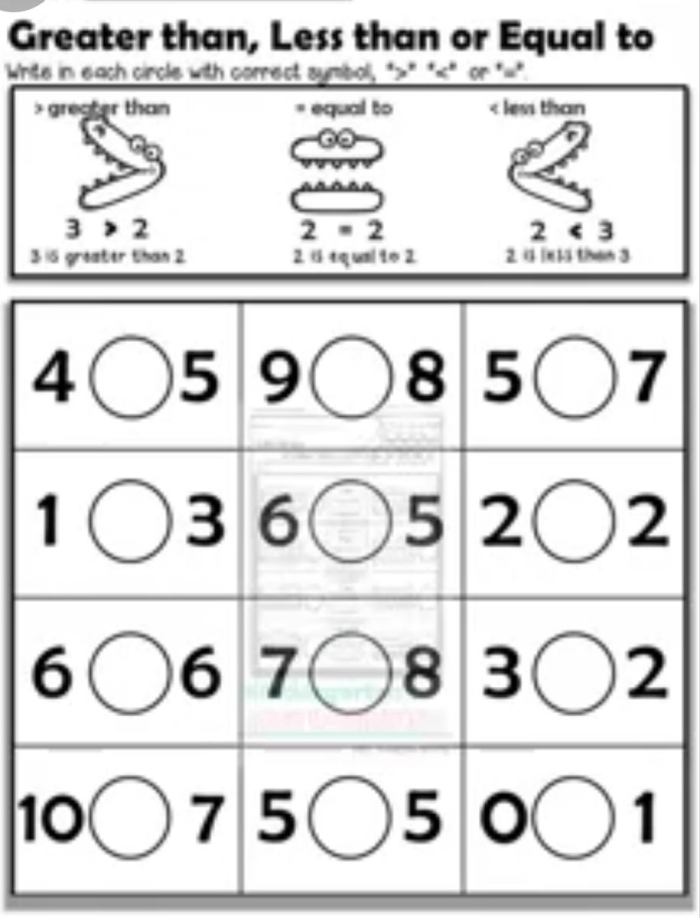
The greater than symbol (>) looks like an alligator’s open mouth, and the alligator is always facing the larger number because it wants to gobble up the bigger snack. When your child sees 7 > 3, the alligator’s mouth opens toward the 7. The less than symbol (<) works the same way, just flipped around. The alligator still wants the bigger number, so when you write 3 < 7, the narrow end points at the smaller number while the open mouth faces the 7.
This mental image sticks with kids because it connects to something concrete. Instead of memorizing abstract rules, they’re picturing a hungry alligator making choices about which pile of food is bigger. First grade place value instruction becomes so much easier when you give students this visual anchor.
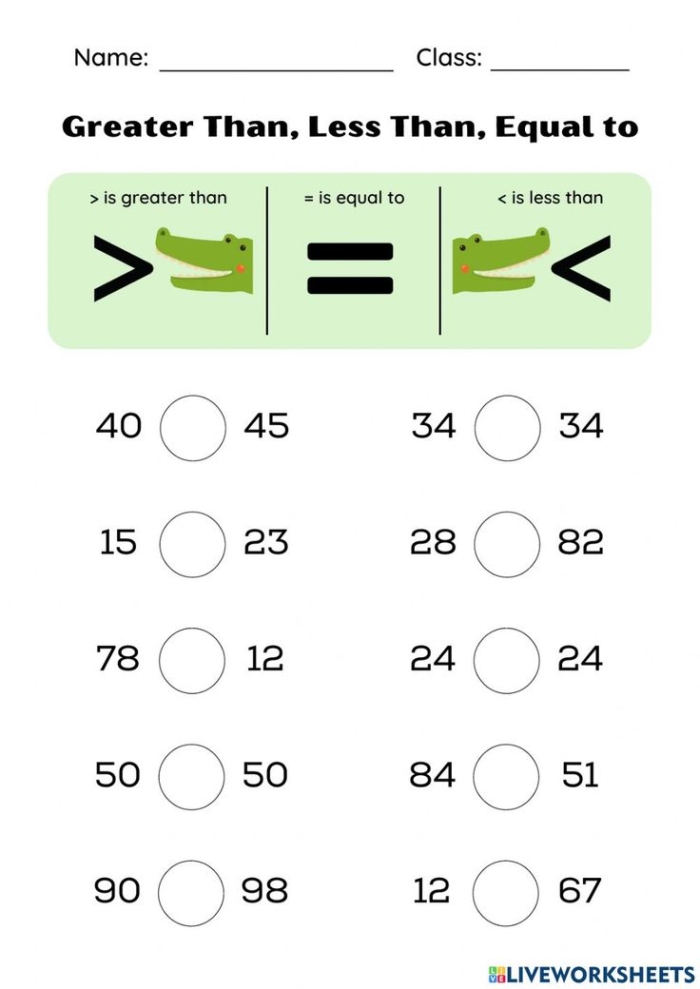
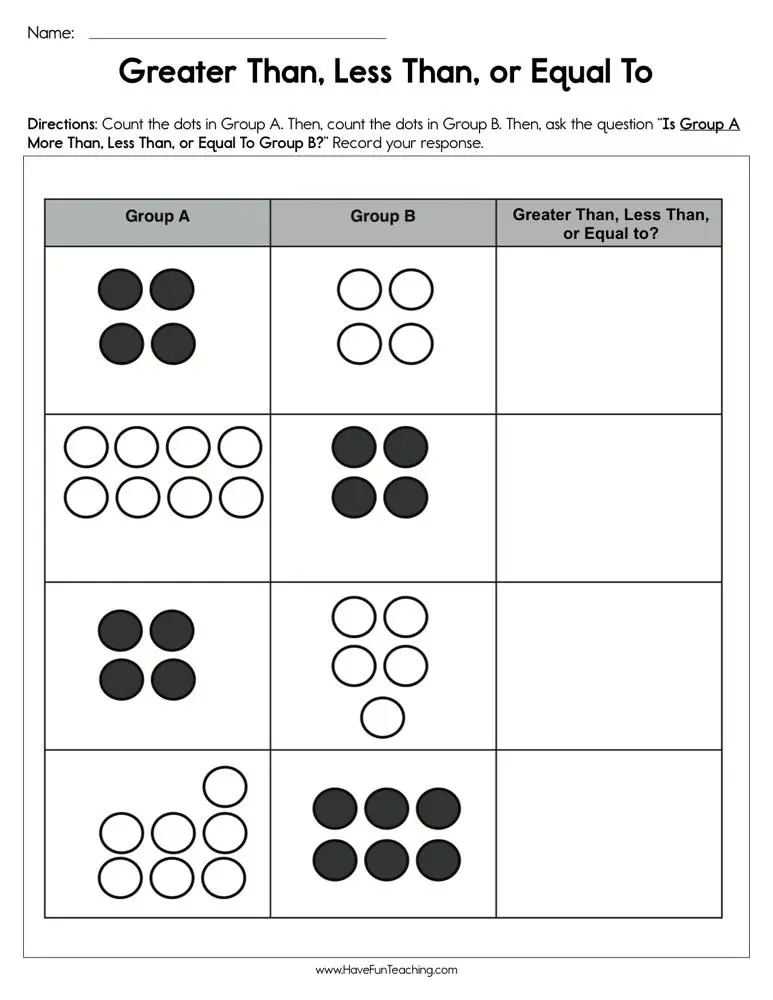
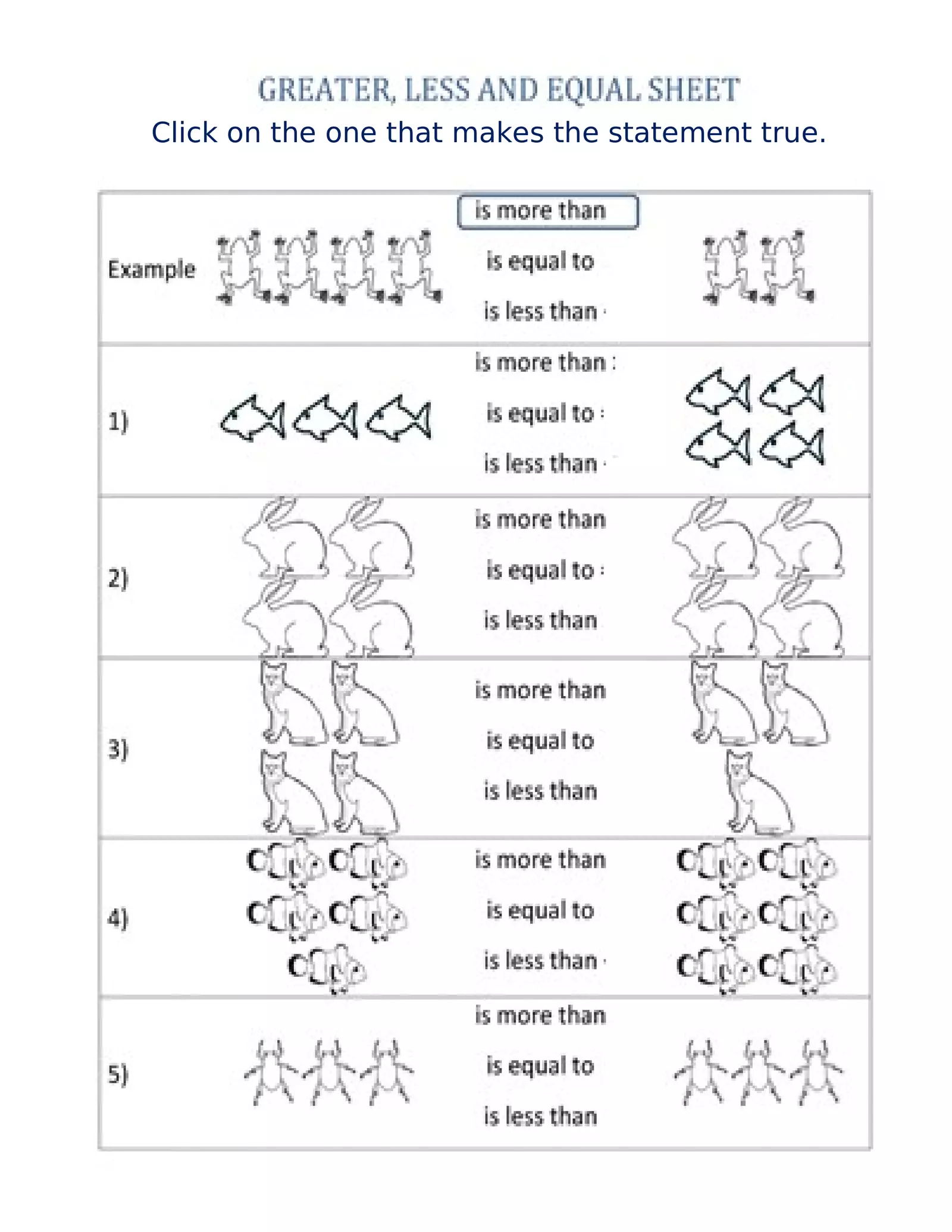
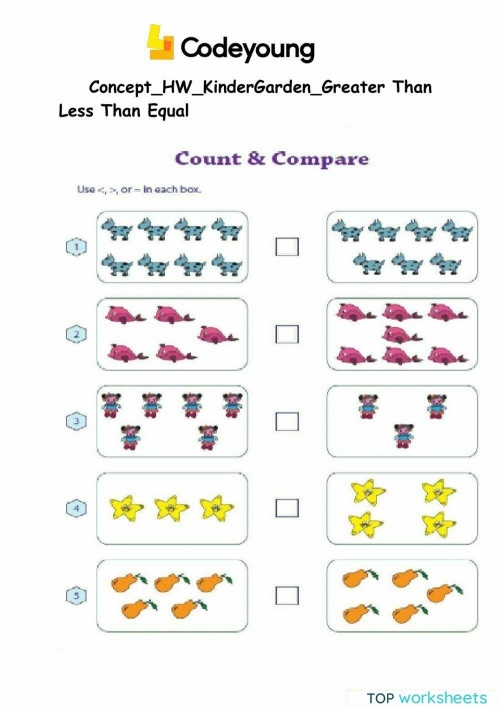
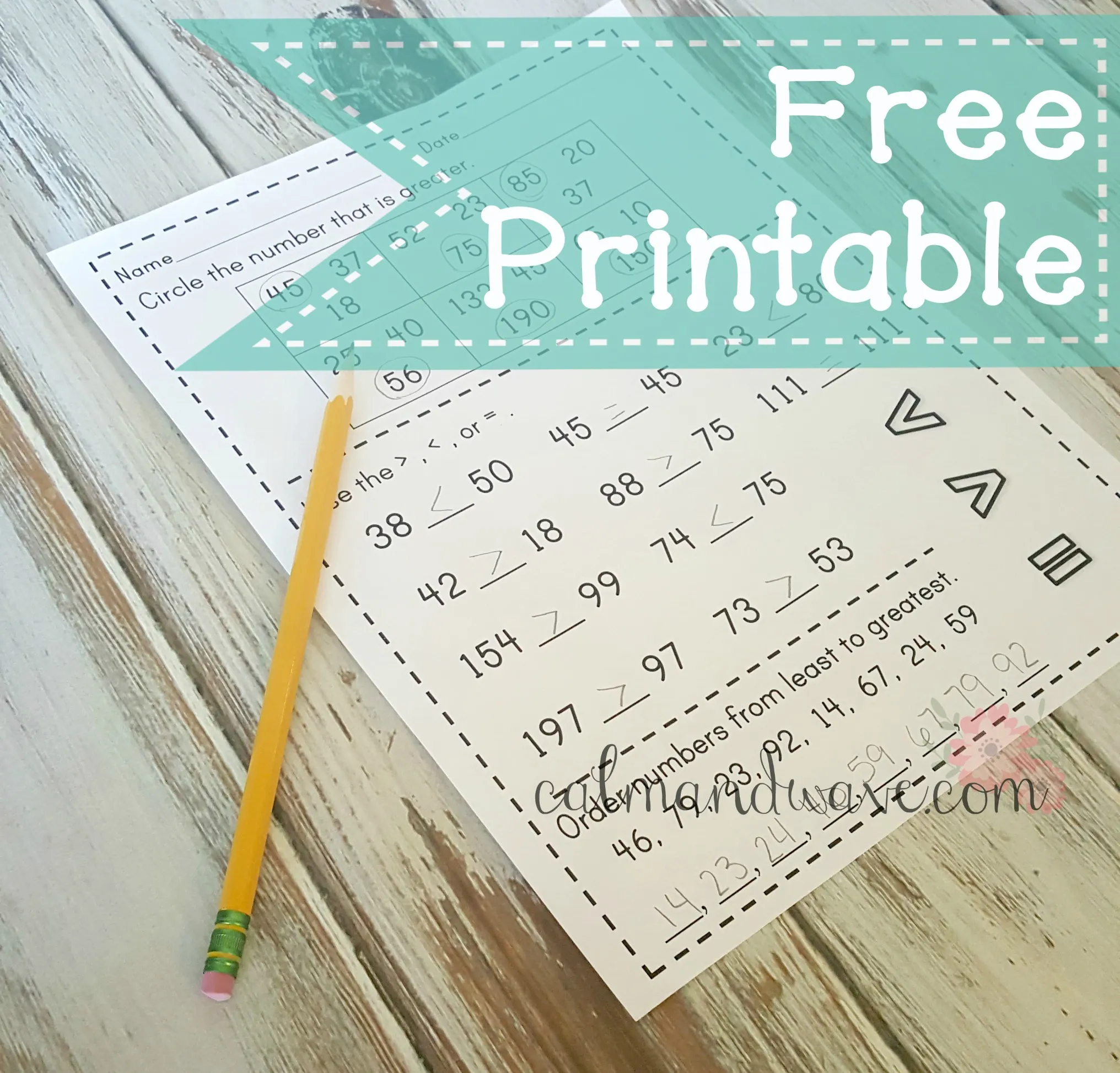
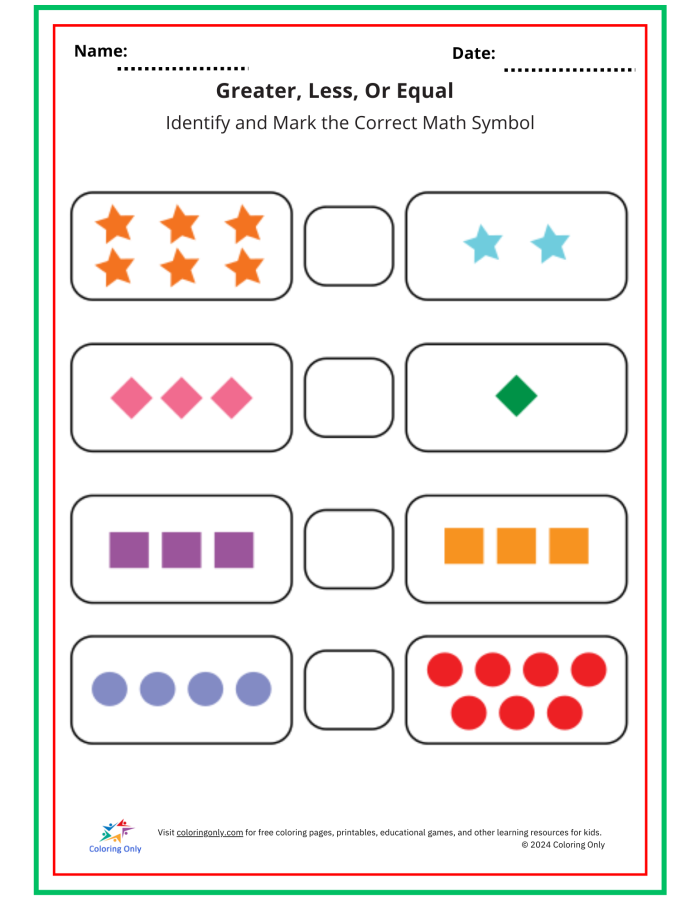
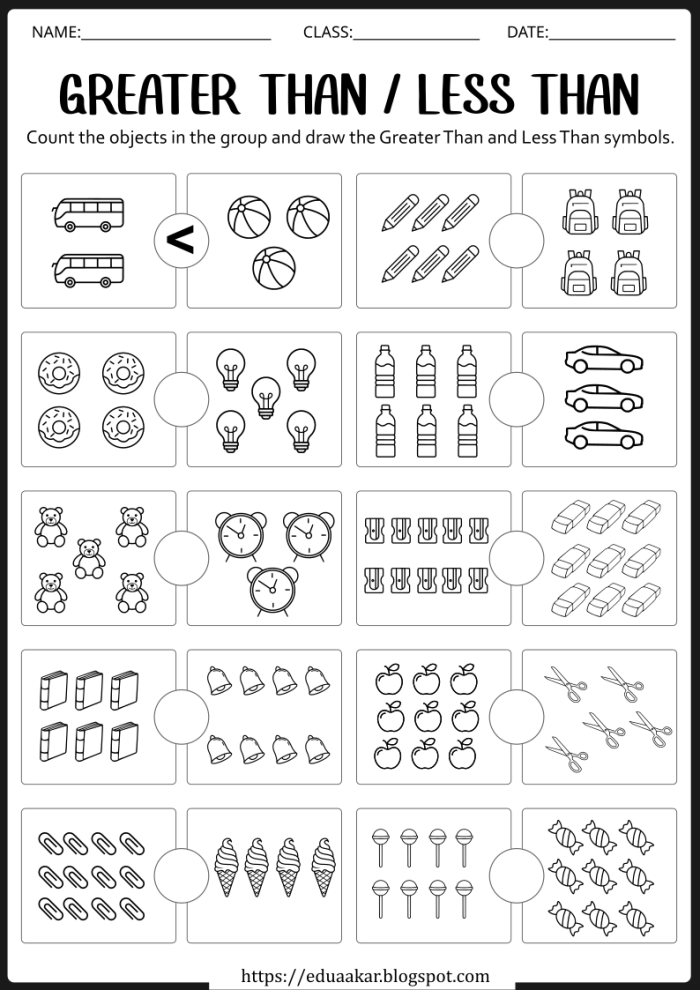
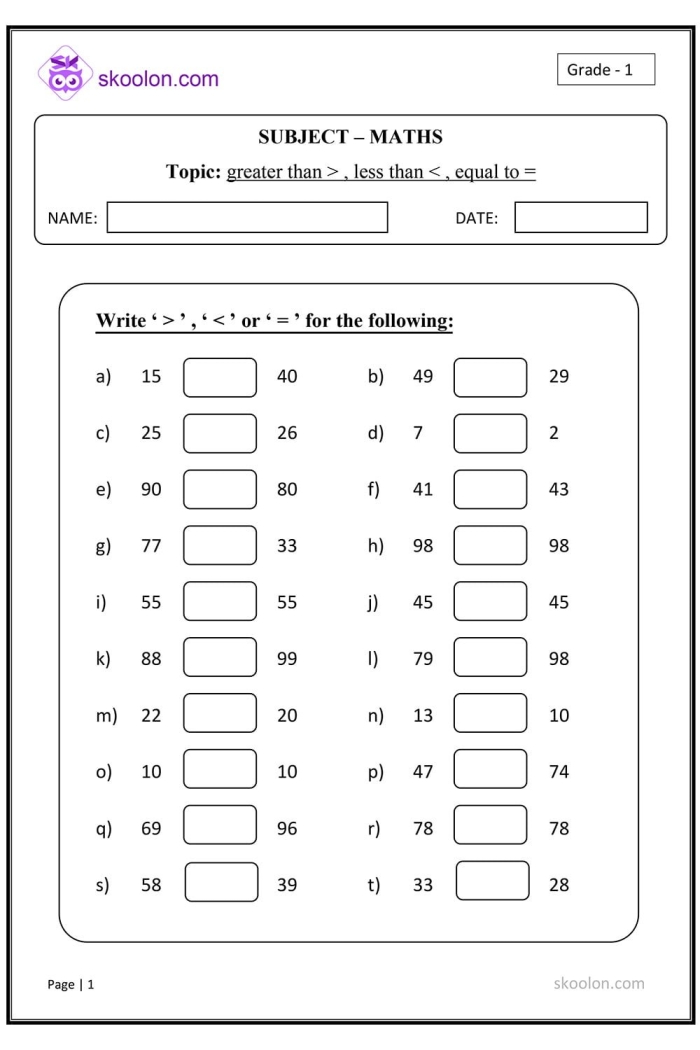
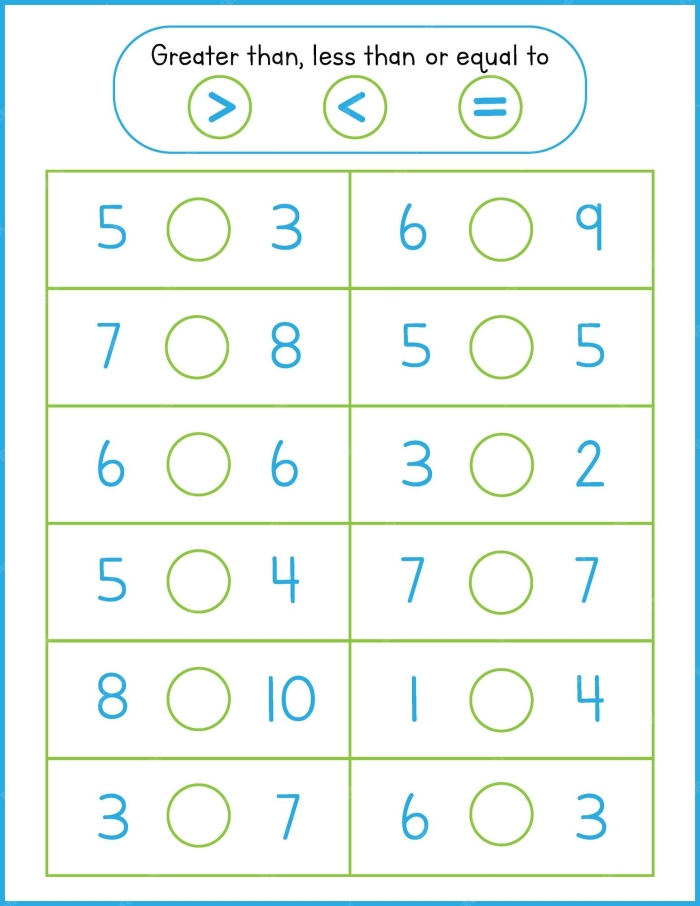
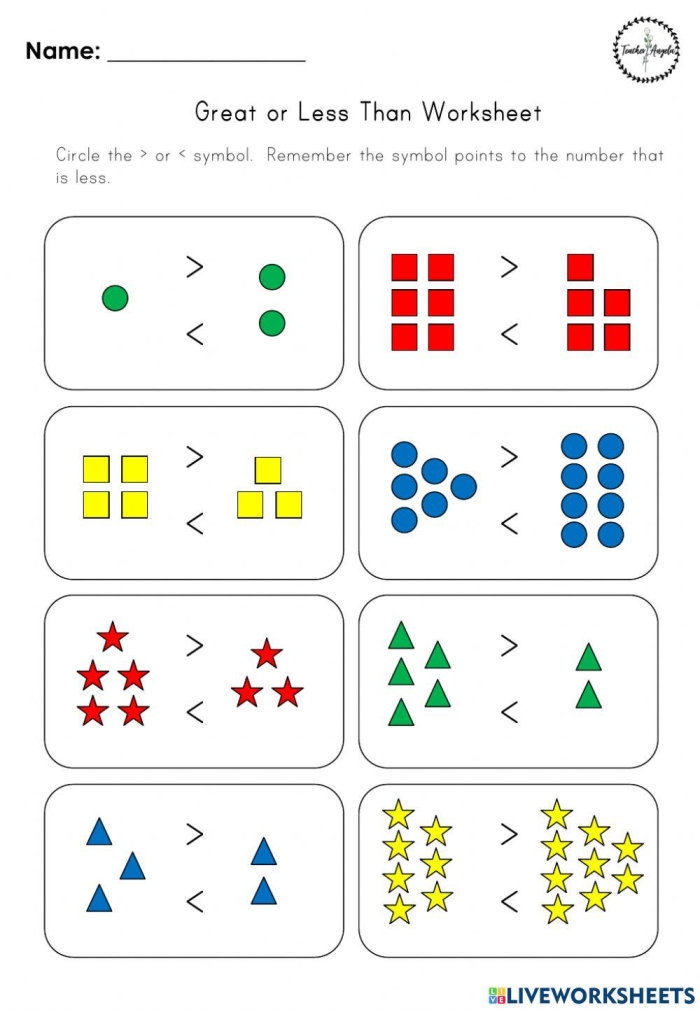
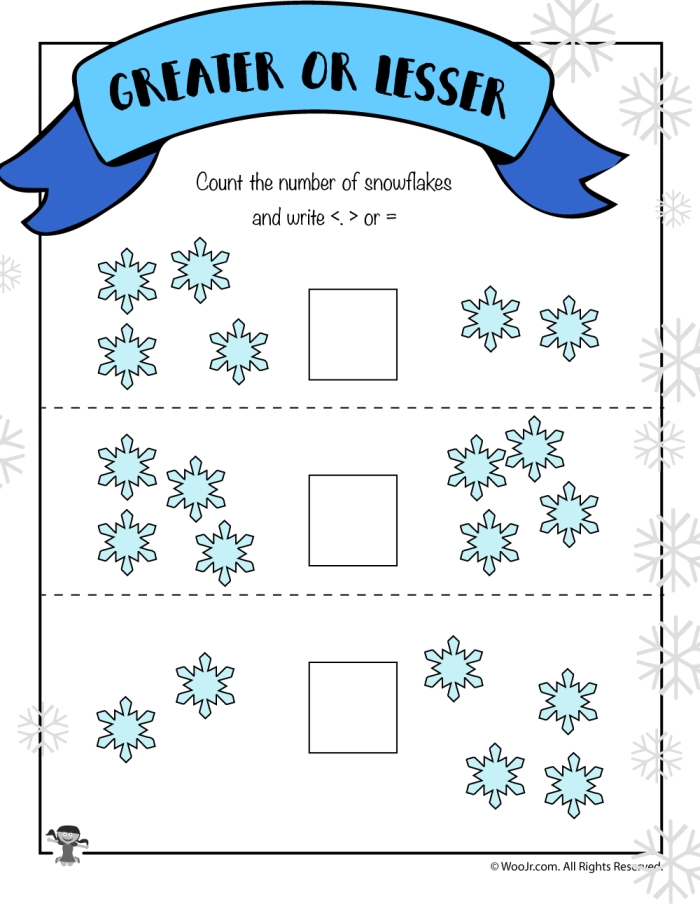
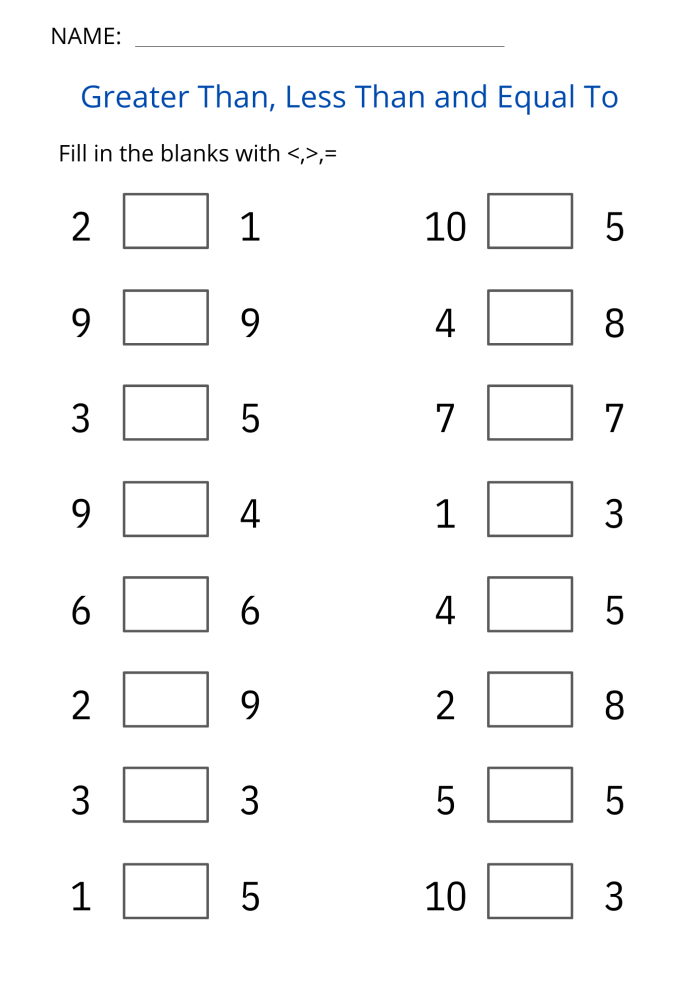
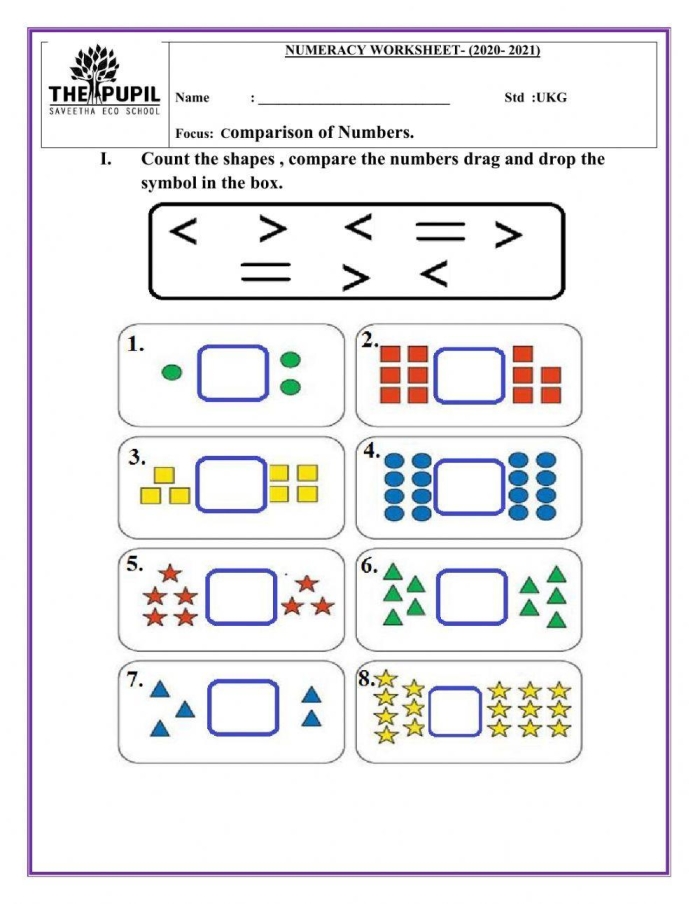
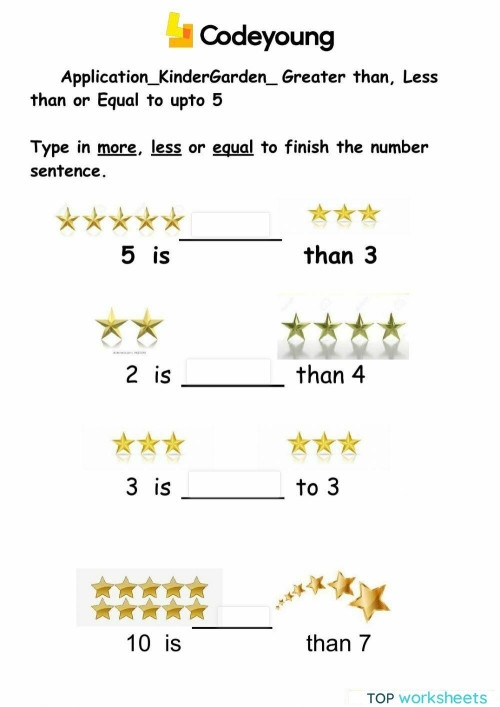
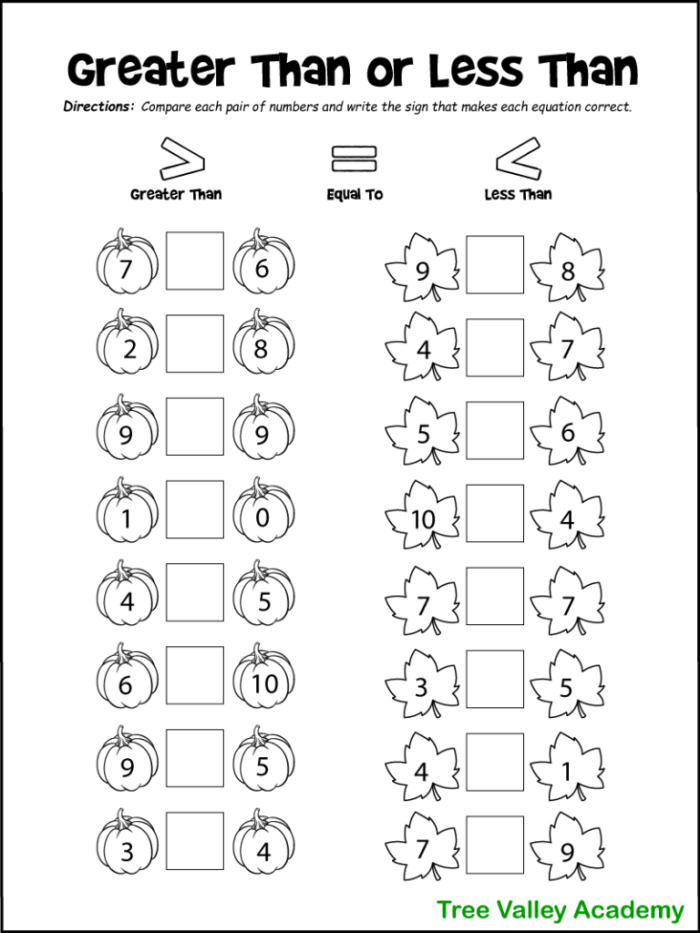
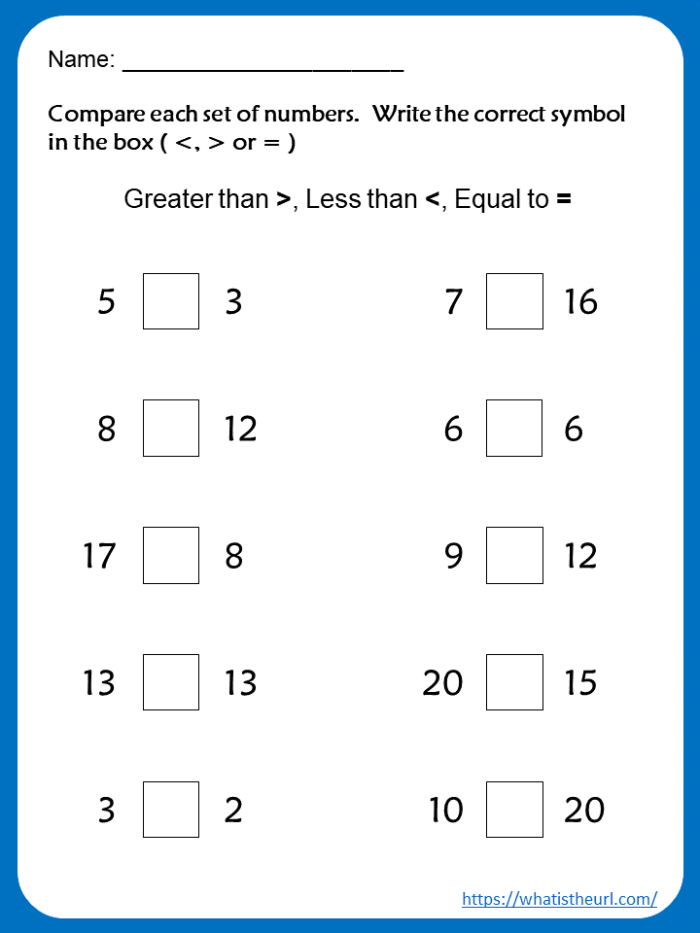
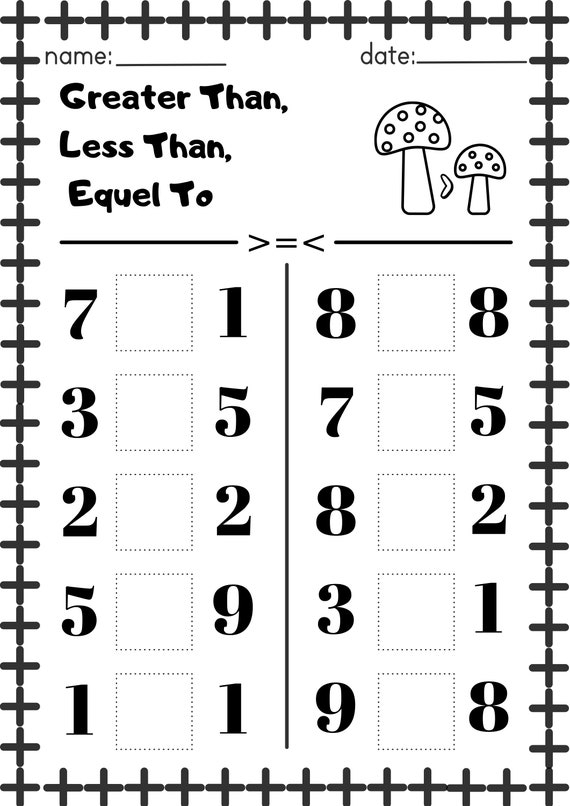
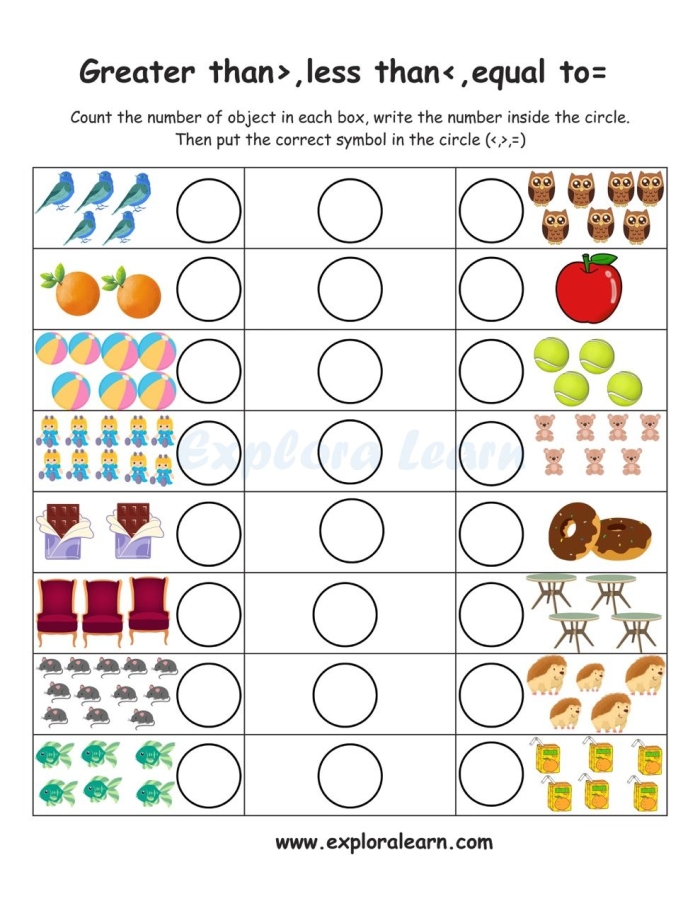
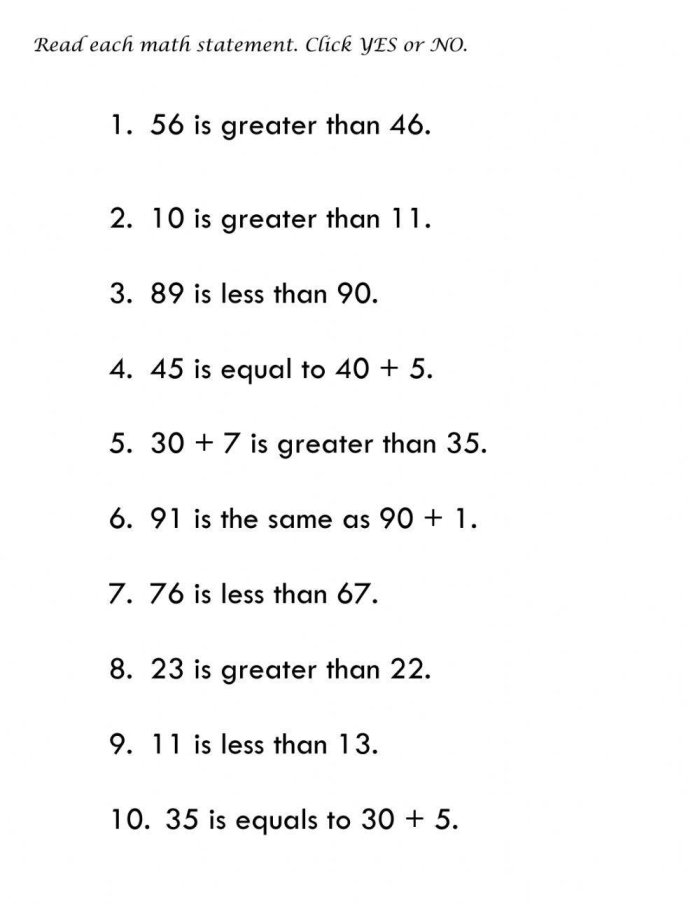
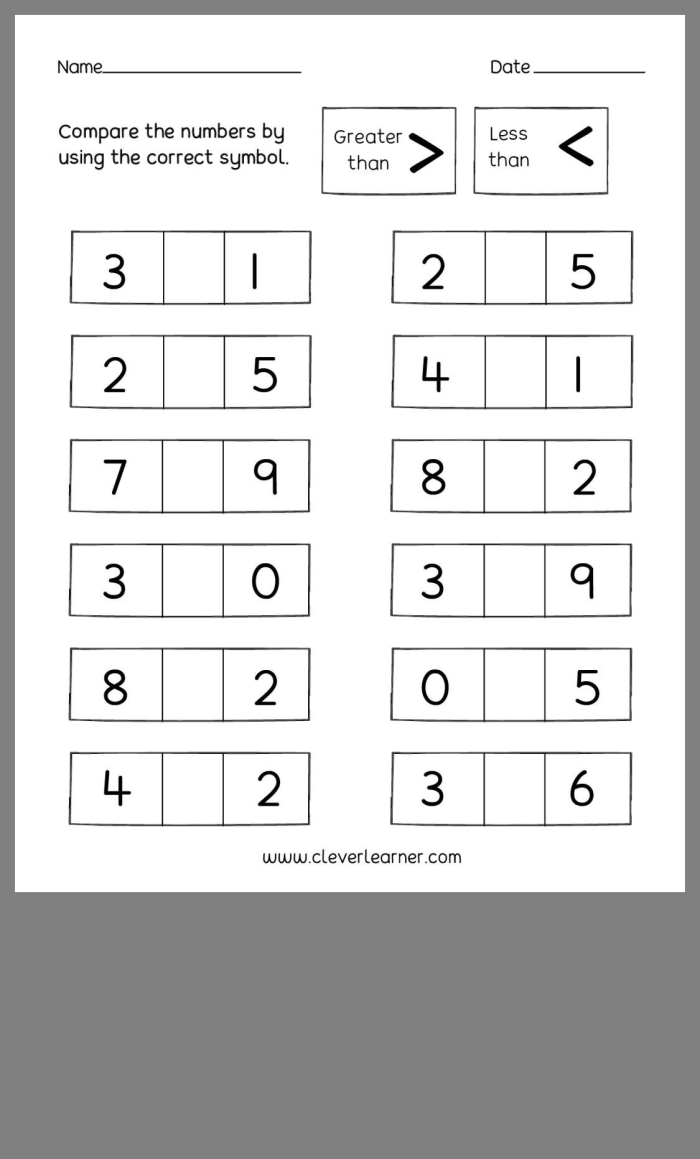
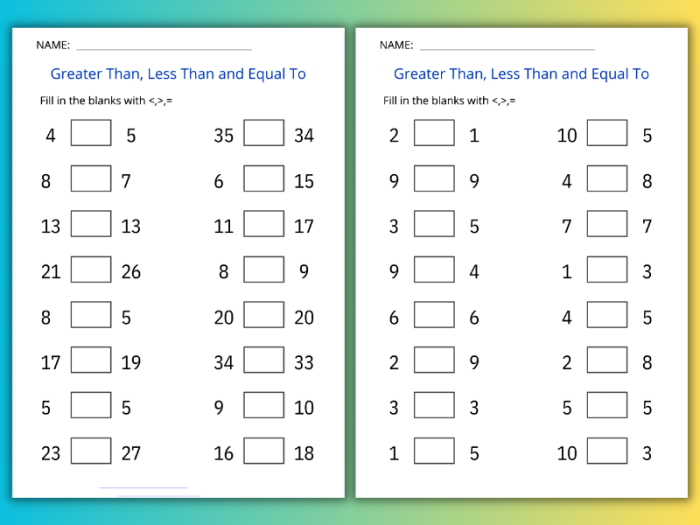
To reinforce this concept, practice with real objects. Use blocks, crackers, or toys to create two groups, then have your child identify which group is bigger and write the correct symbol between them. You can also use greater than, less than, and equal to worksheets that let kids practice comparing numbers repeatedly until the symbols feel automatic.
Once your child masters basic comparison, you can expand to word problems that involve multiple numbers or introduce digit cards for hands-on practice. The alligator trick remains useful throughout these activities because the core concept never changes. Your mini math star will soon compare numbers without hesitation, knowing exactly which way that hungry alligator should face.
Hands-On Worksheet Activities