Pick up a rock from your driveway, a riverbed, or a hiking trail, and you’re holding something with a real story to tell. Most people see rocks as simple, unchanging objects, but they’re actually the result of fascinating processes that take thousands or even millions of years to unfold. Understanding how rocks form gives you insight into Earth’s history and the forces constantly reshaping our planet.
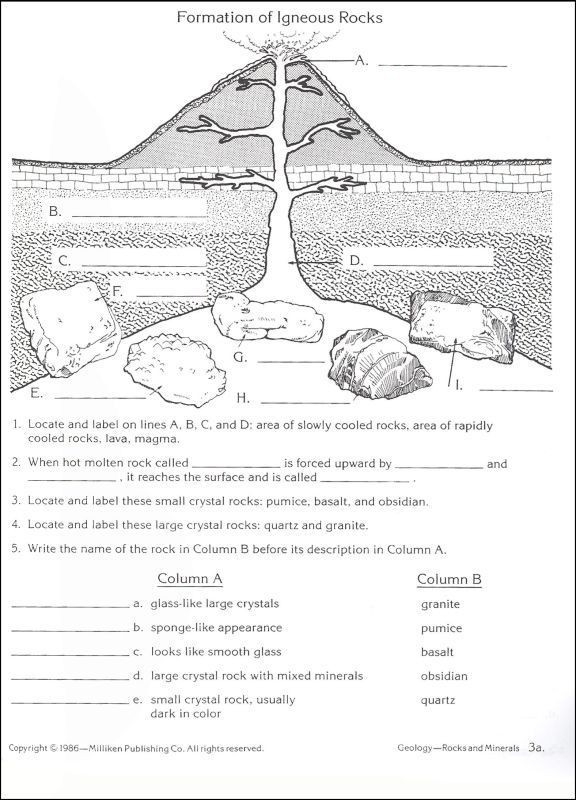
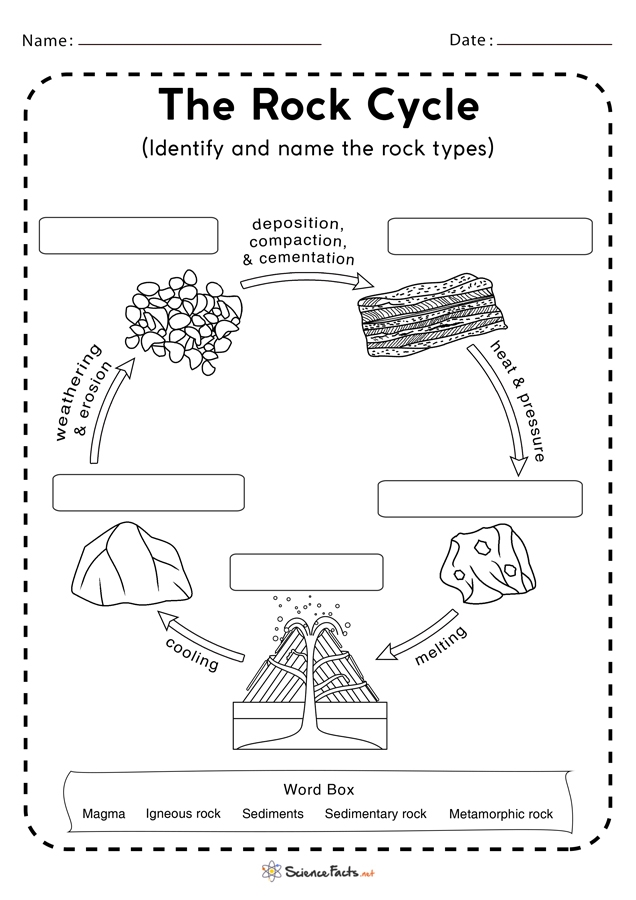
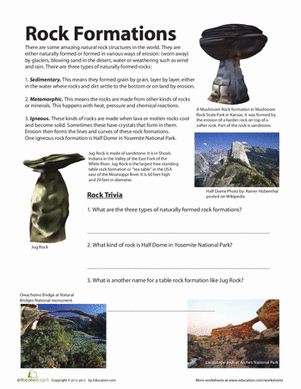
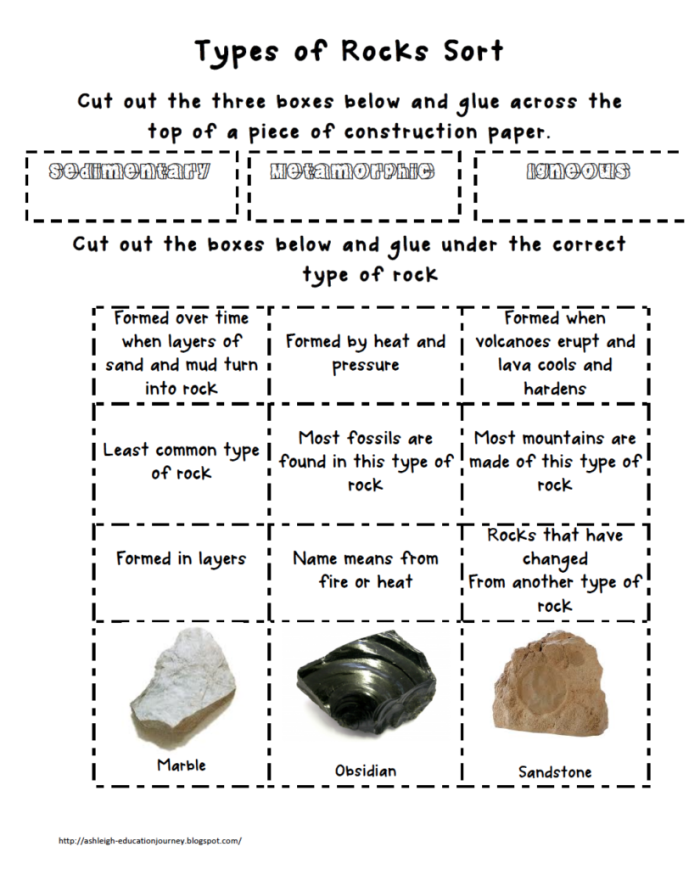
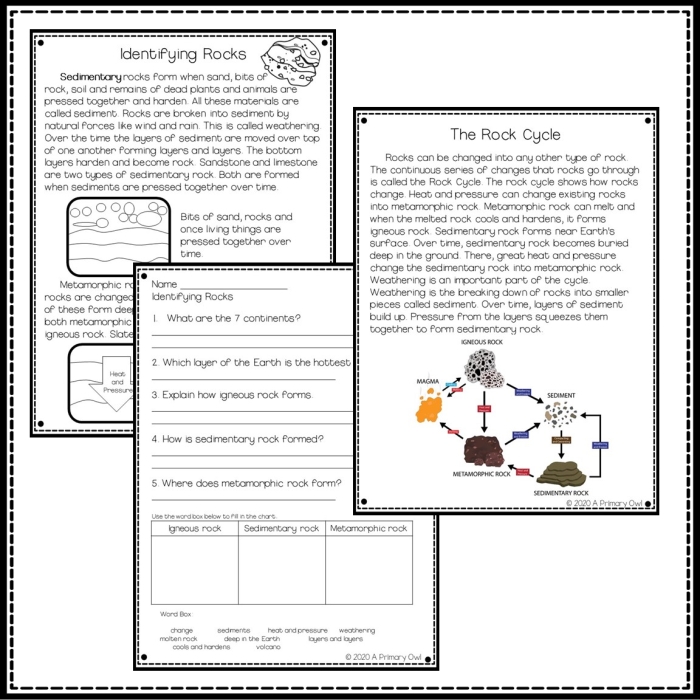
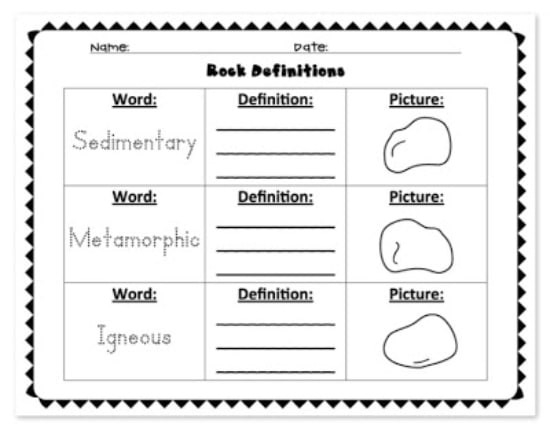
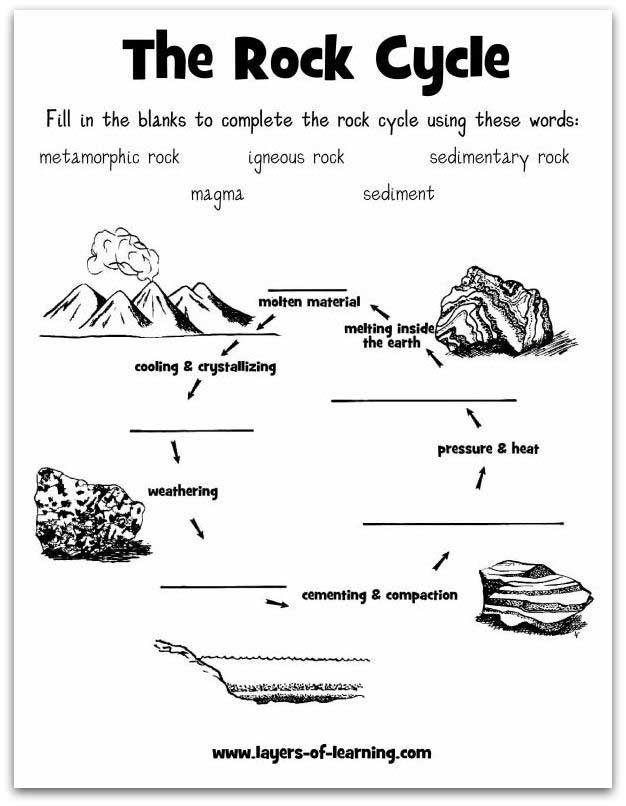
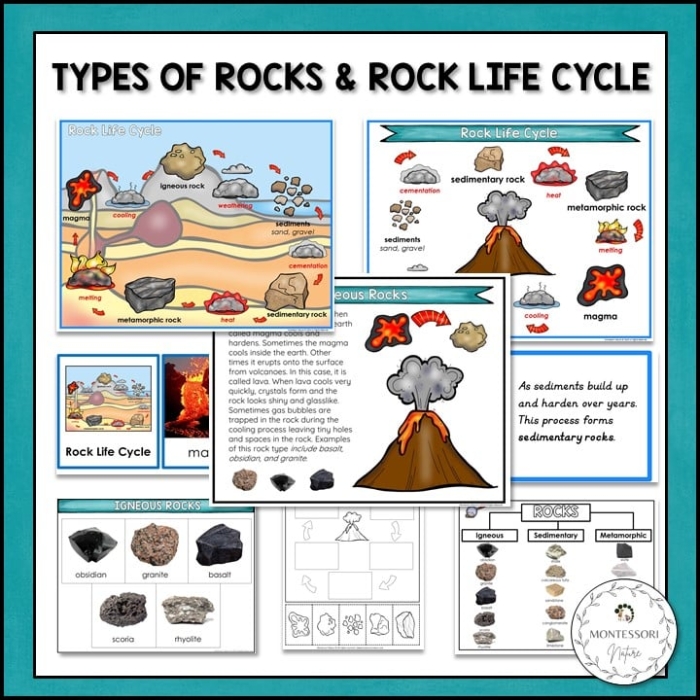
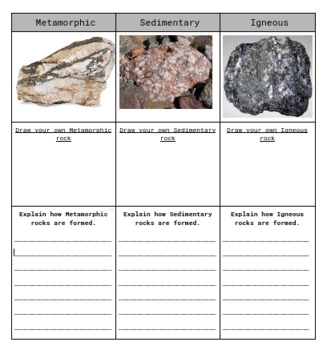
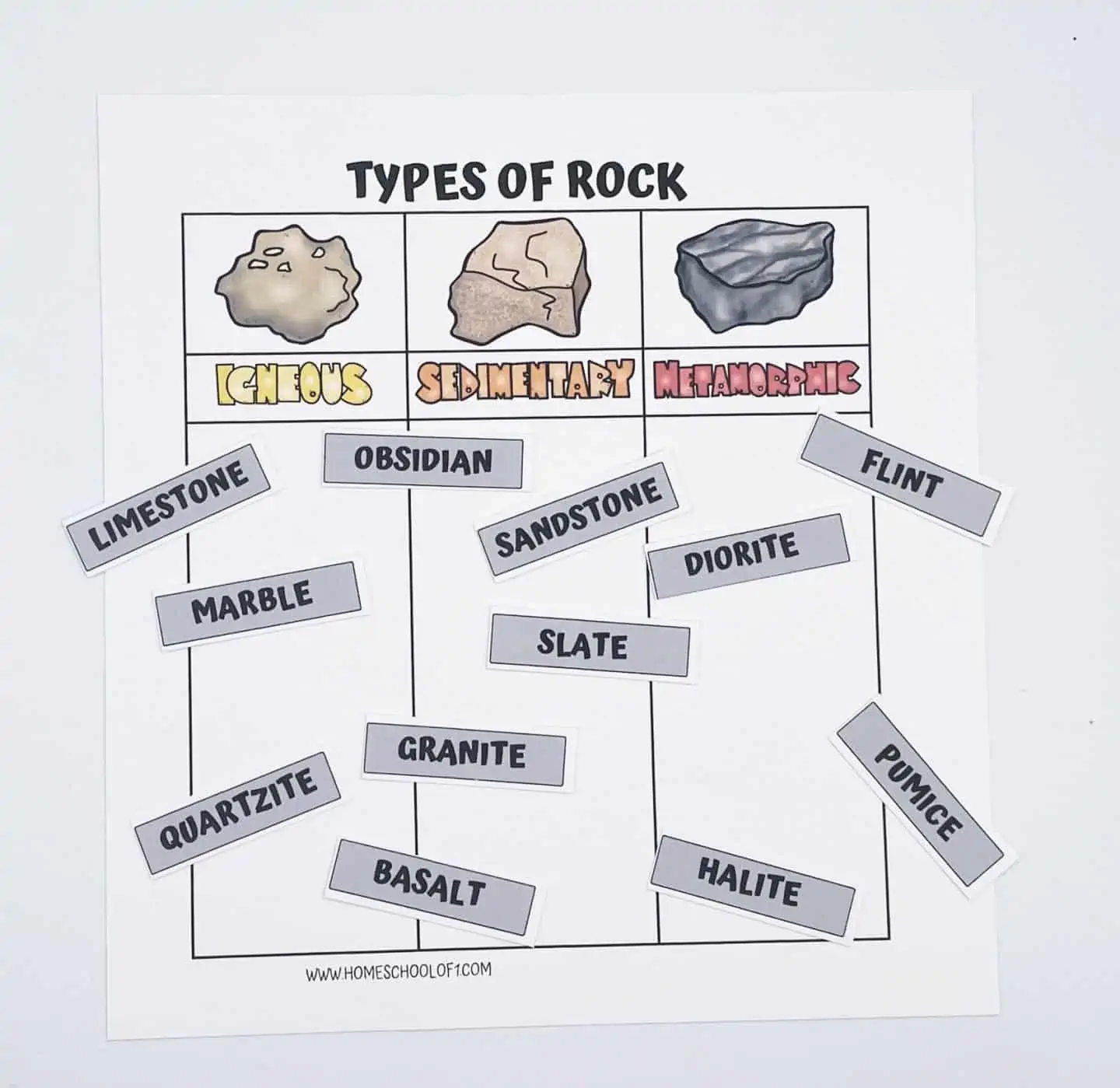
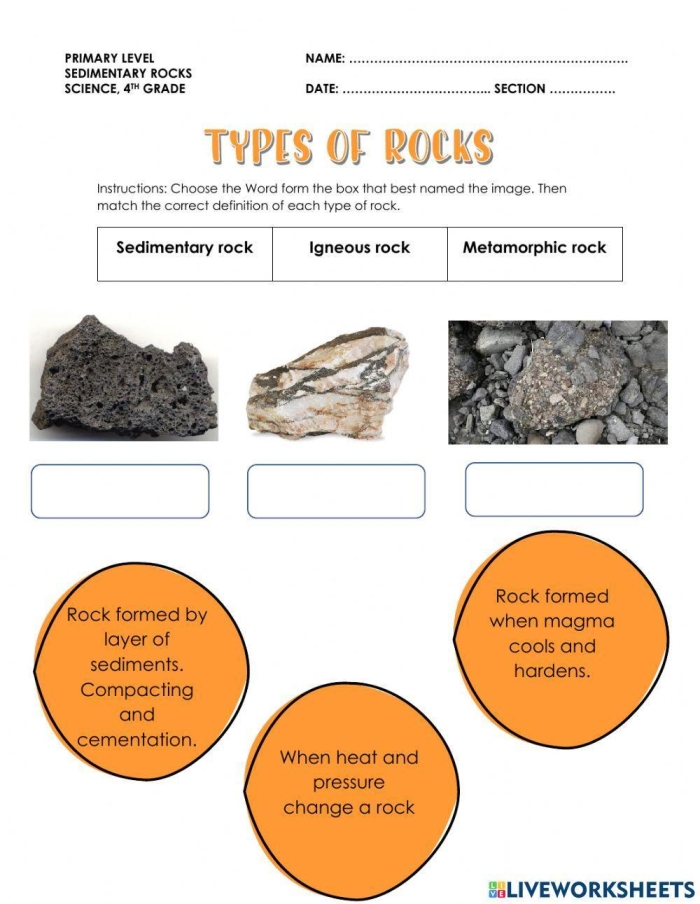
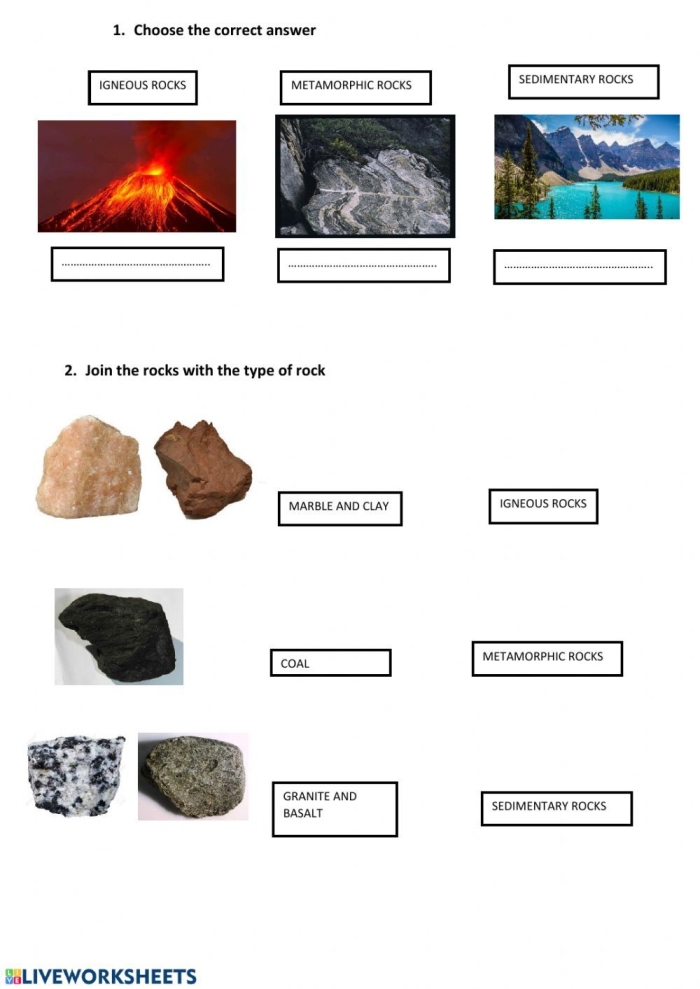
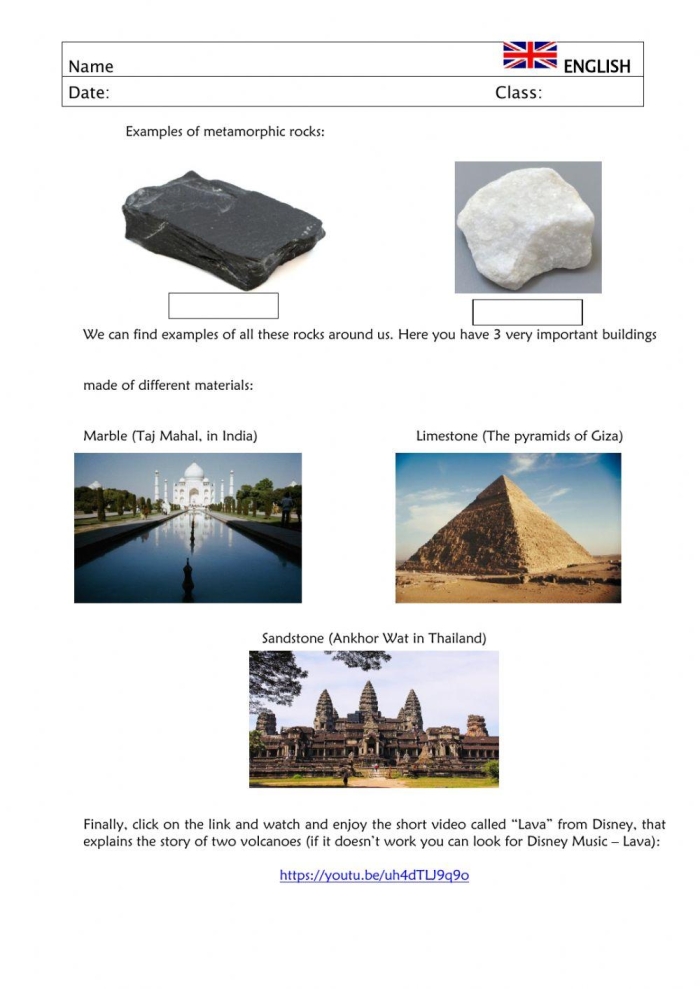
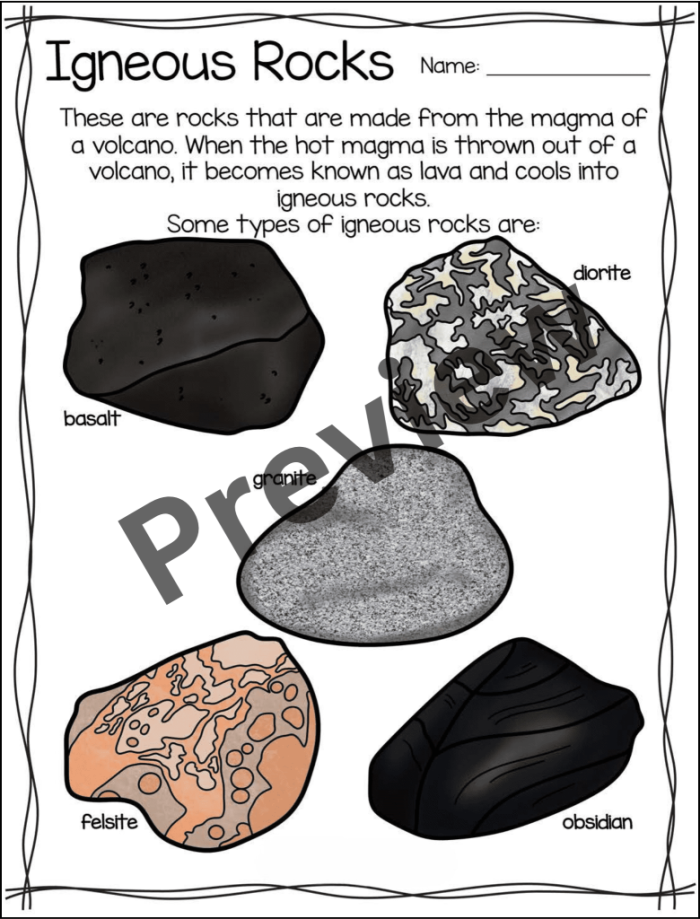
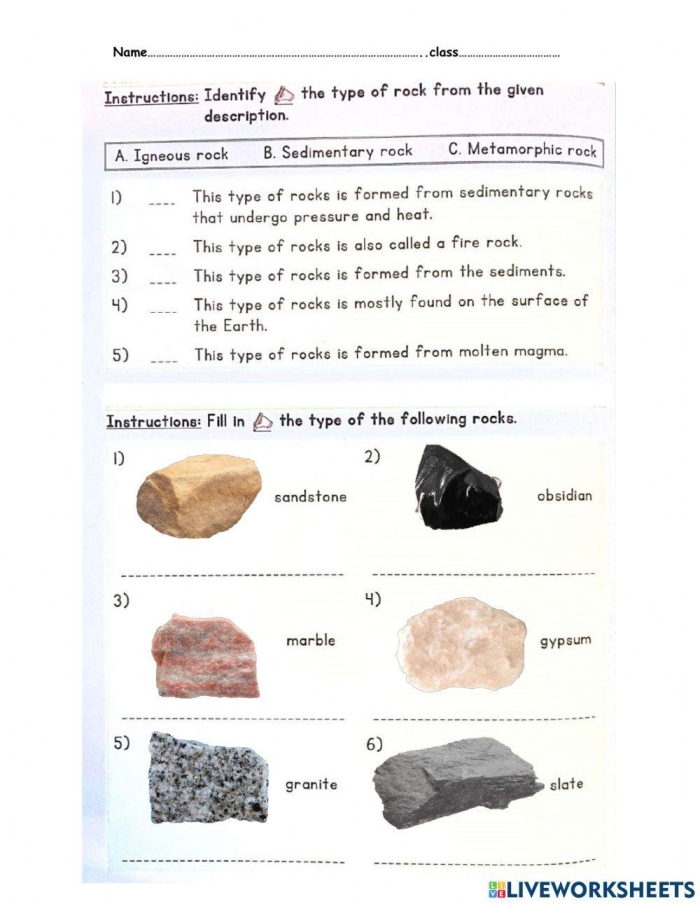
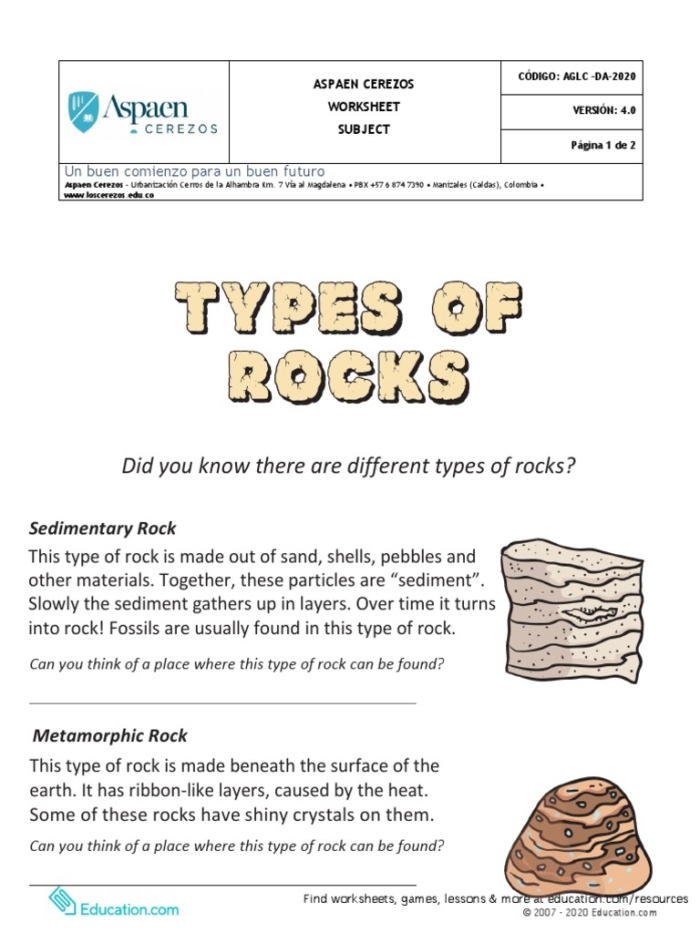
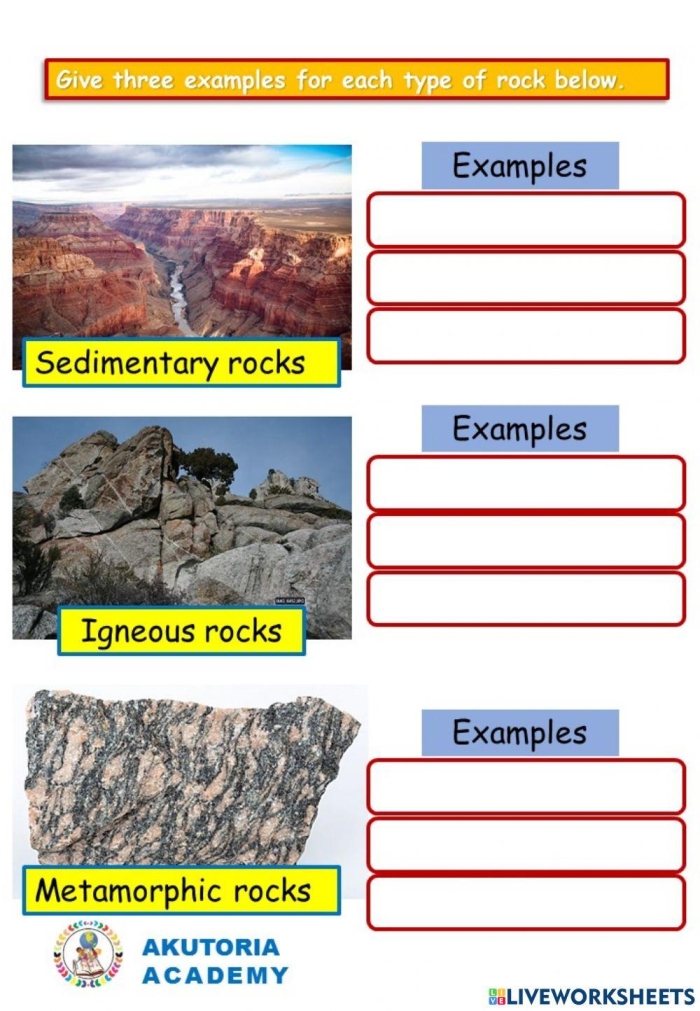
Rocks fall into three main categories based on how they form: igneous, sedimentary, and metamorphic. Igneous rocks form when molten material from deep within Earth cools and solidifies, either above or below the surface. Sedimentary rocks develop when layers of sand, silt, and other particles compress and cement together over time. Metamorphic rocks form when existing rocks are subjected to intense heat and pressure deep underground, causing their minerals to rearrange without melting completely. Each type tells a different chapter of Earth’s geological story.
For fourth grade Earth and Space Science students, learning about rock formations opens a window into how our planet works. Rather than memorizing definitions, hands-on exploration helps these concepts stick. When you examine rocks up close, you notice texture, color, and crystal patterns that reveal clues about their origins.
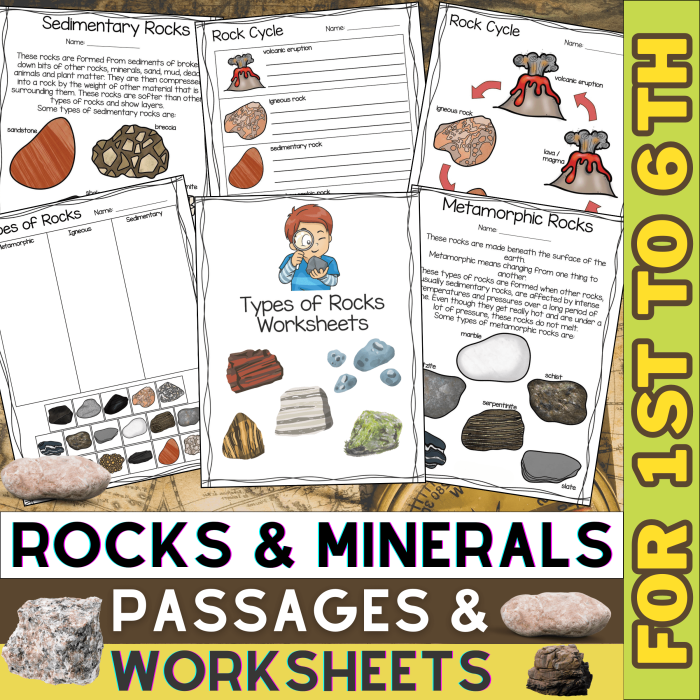
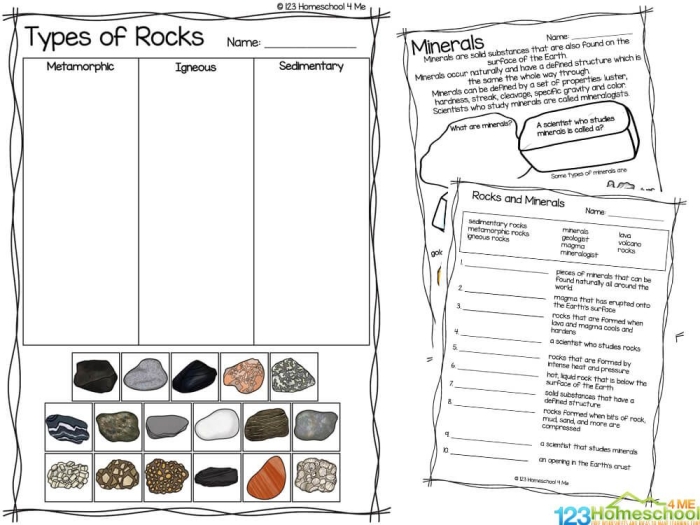
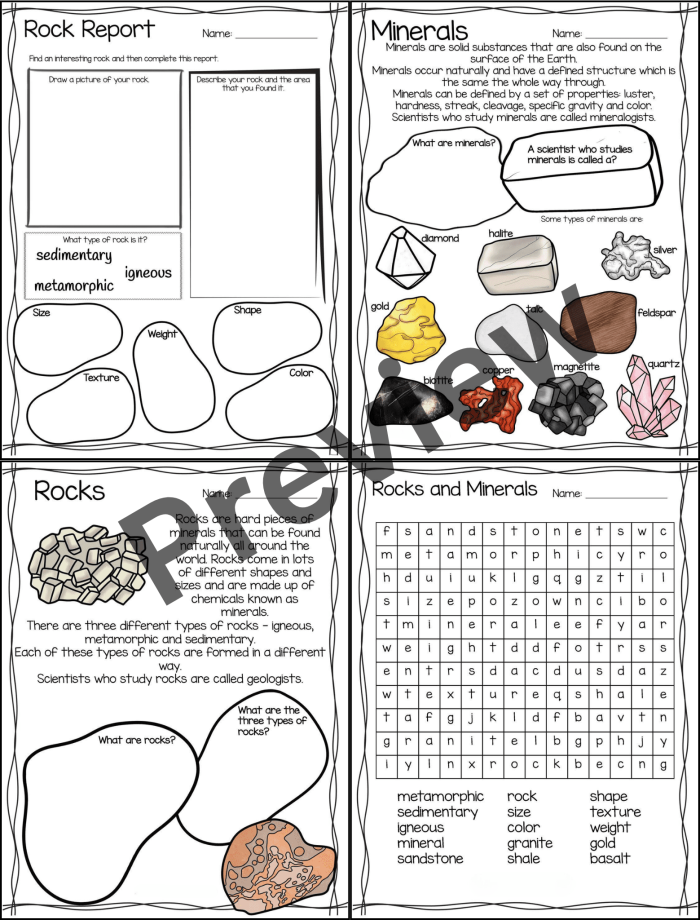
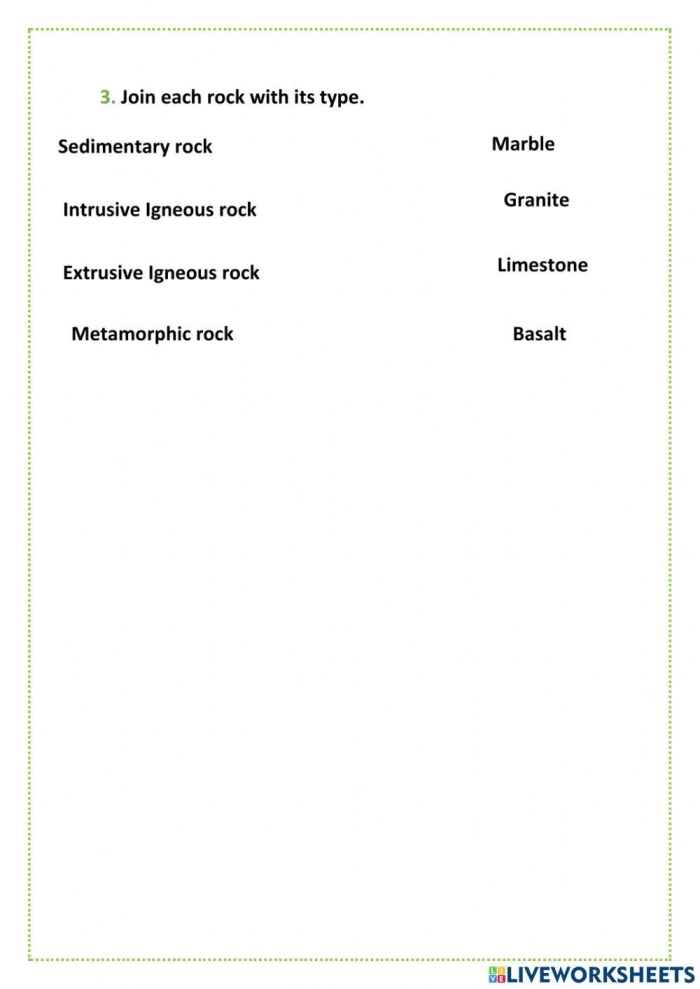
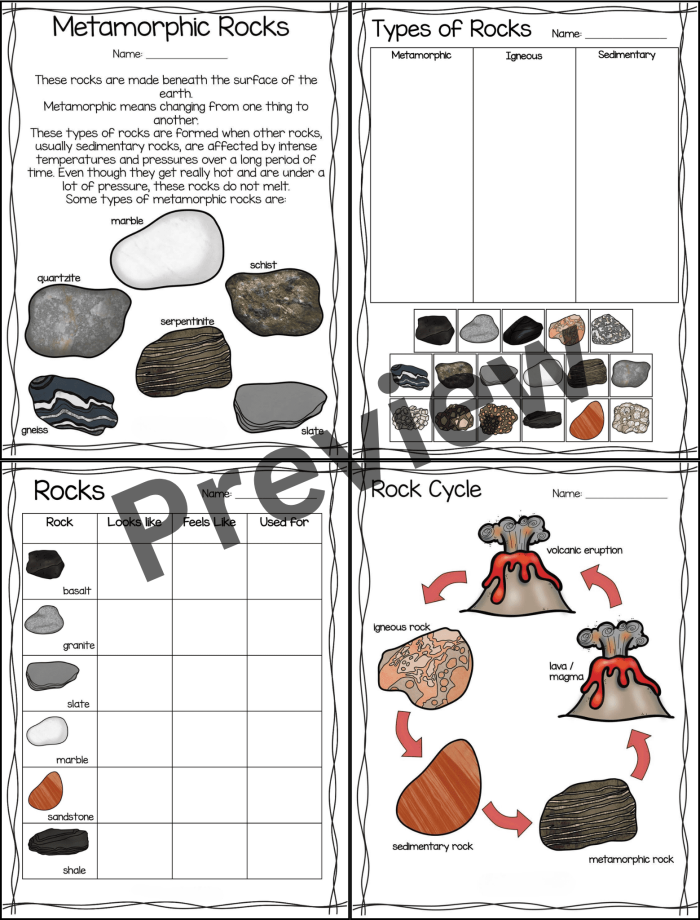
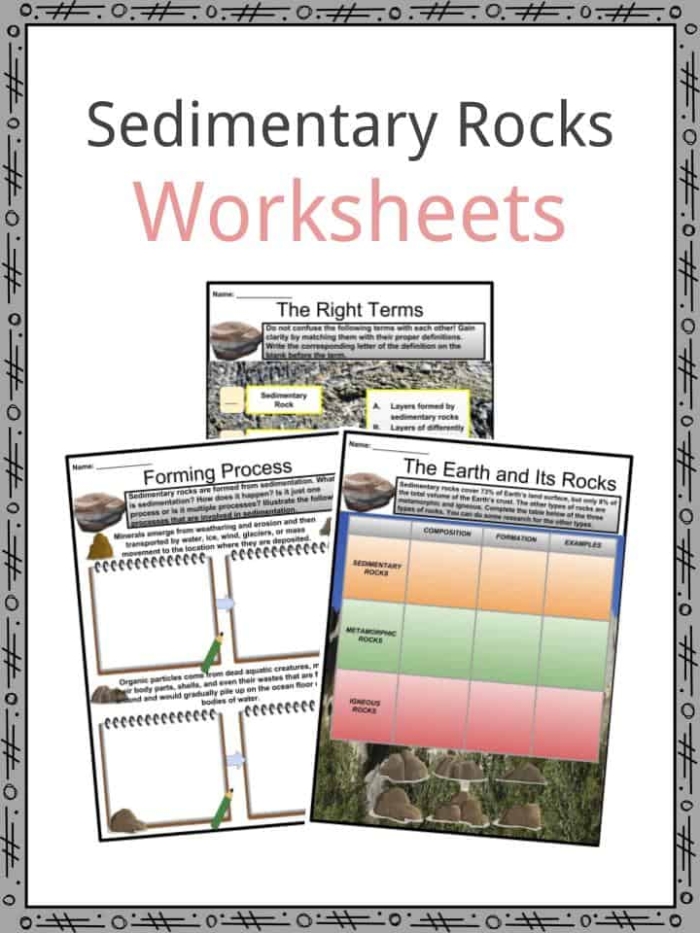
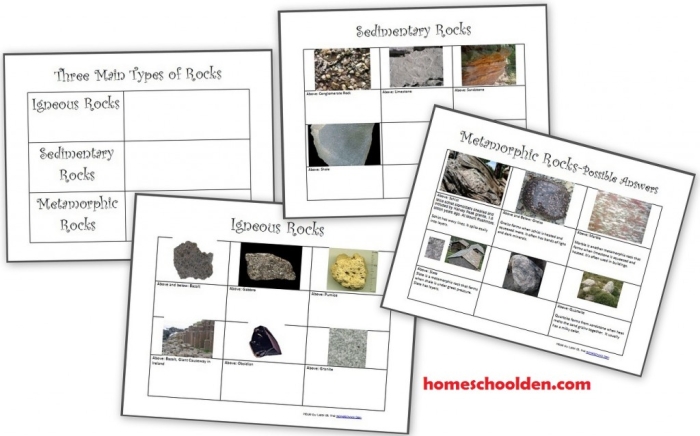
A well-designed science worksheet can guide your observation and help organize what you’re learning. Look for activities that combine rock identification with other skills, like main ideas and supporting details about Earth and Space Science, or practice word sorting for geology vocabulary. These approaches help reinforce both scientific knowledge and literacy skills simultaneously.
The next time you find a rock, take a moment to think about its journey. That simple object in your hand represents millions of years of transformation, pressure, and movement within Earth itself.
Printable Worksheets for Practice