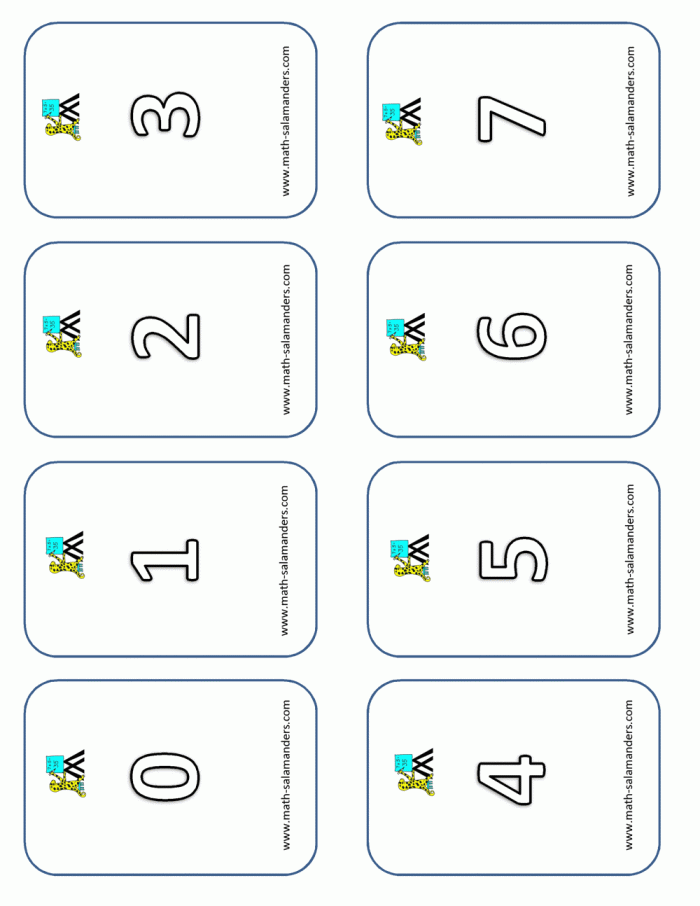
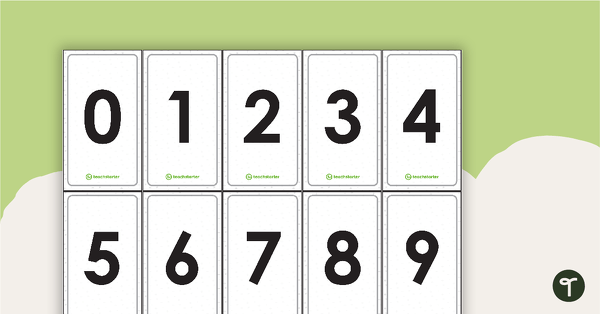
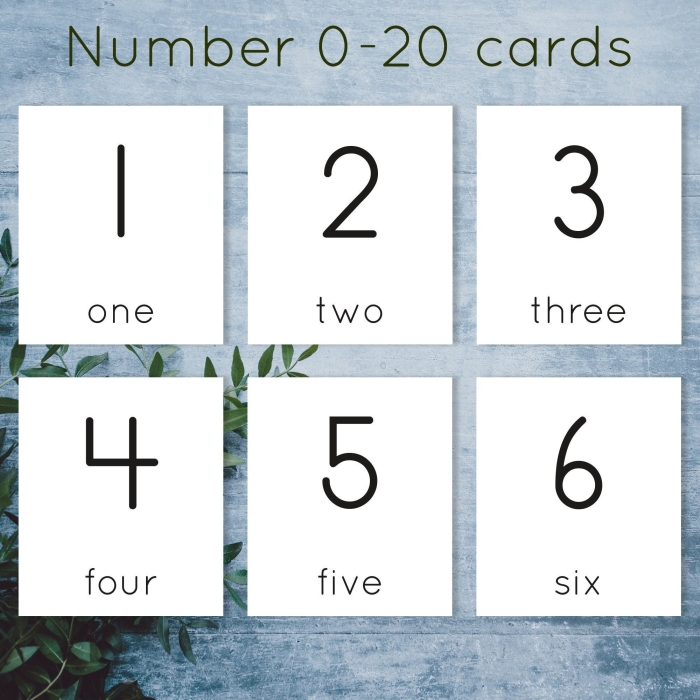
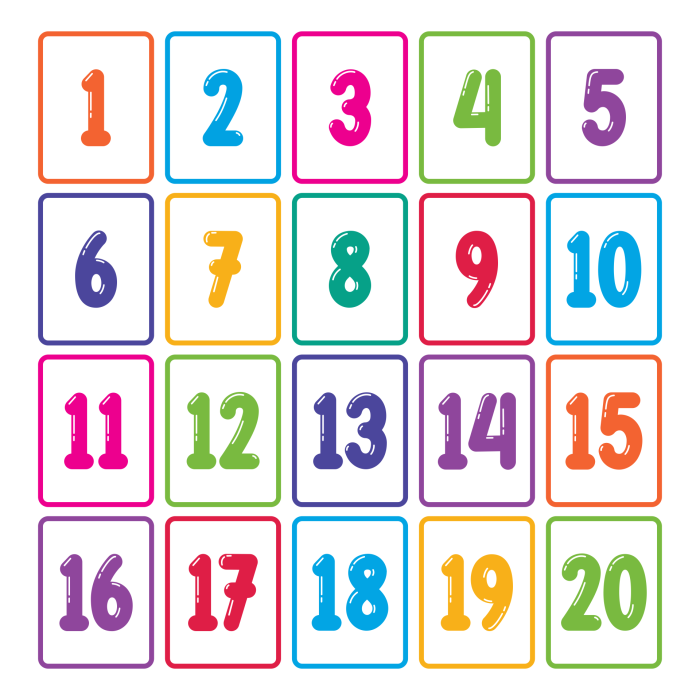
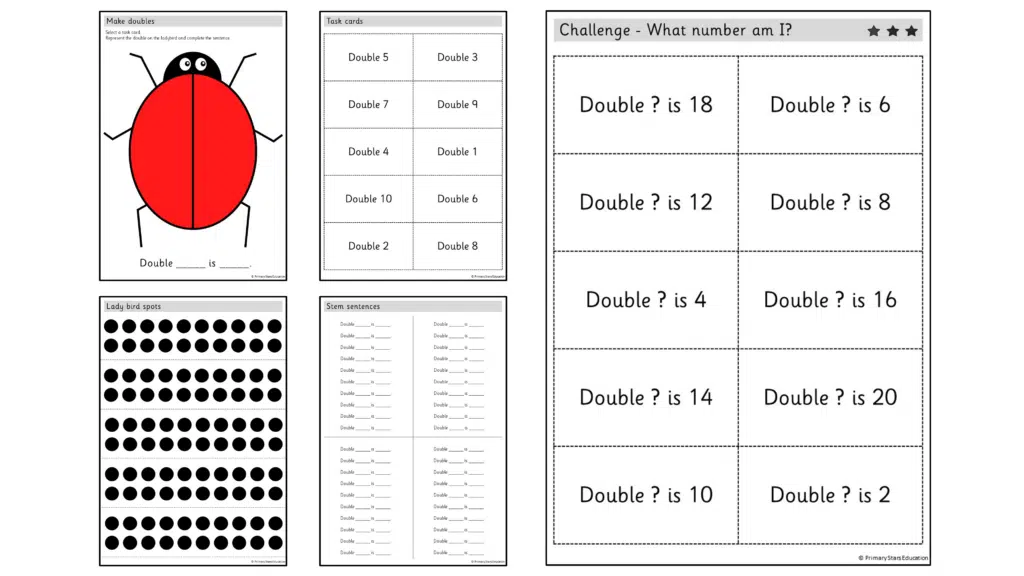
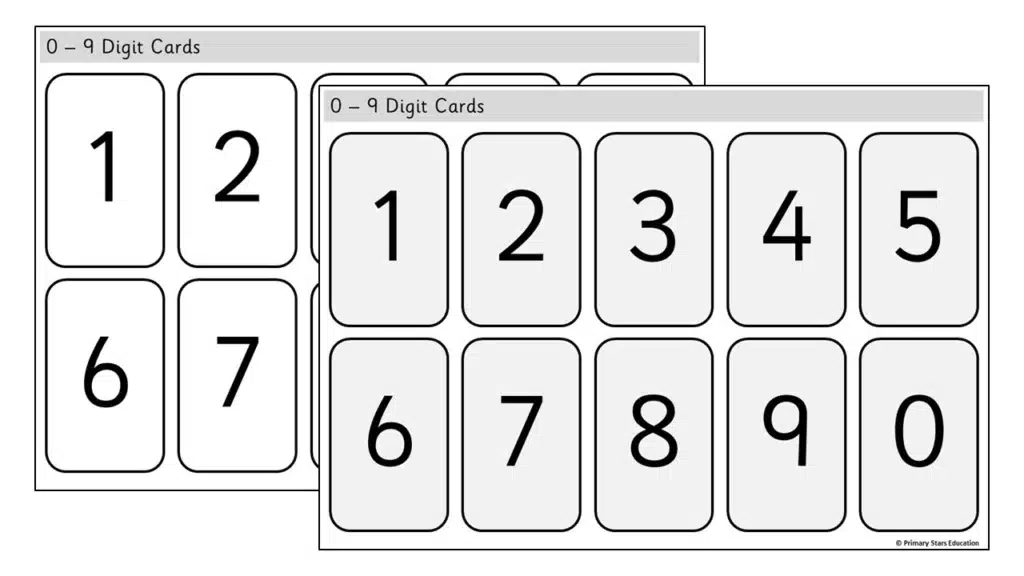
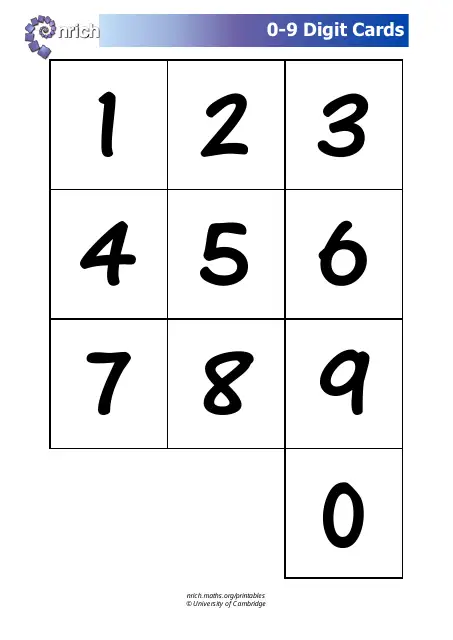
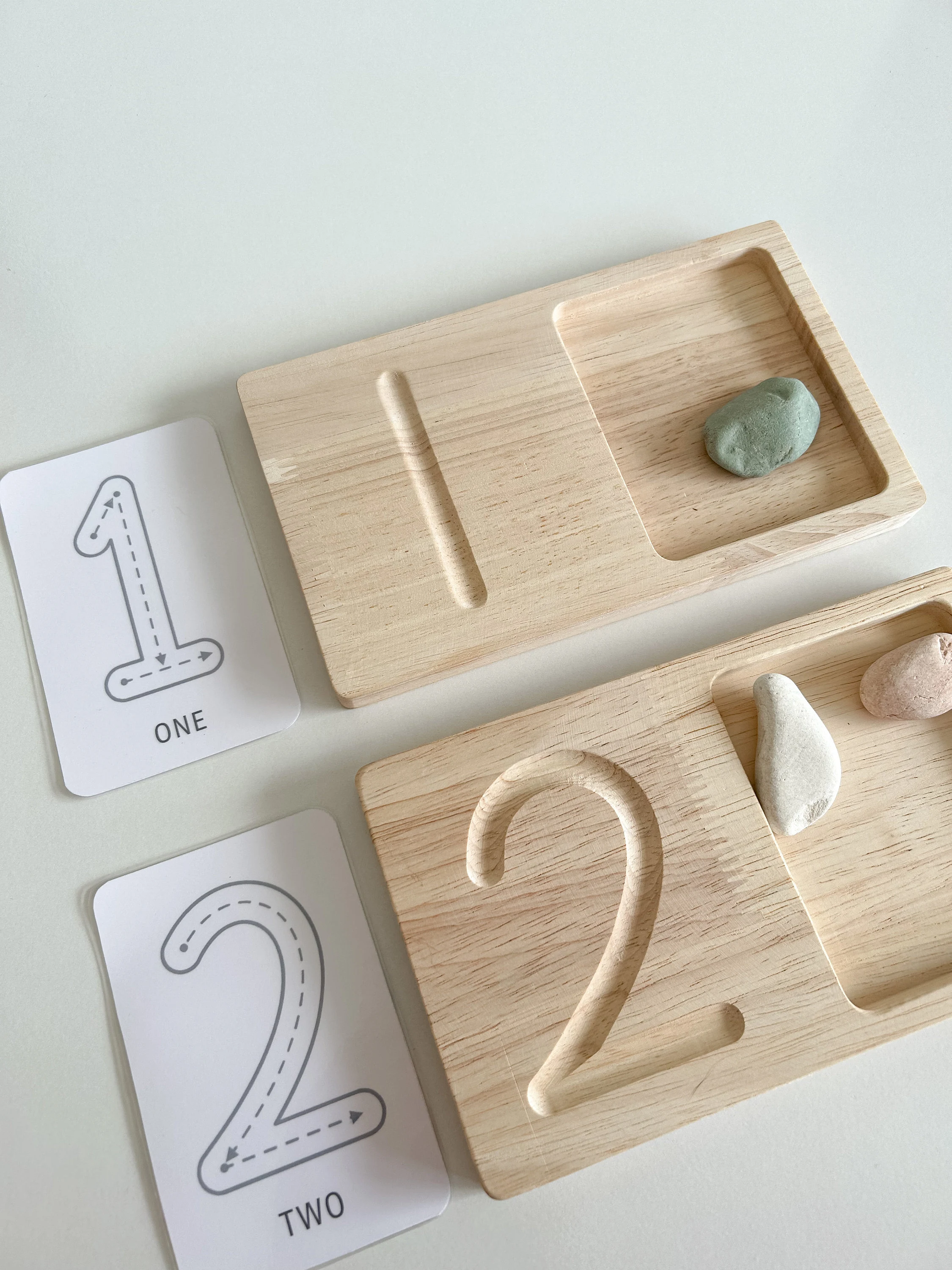
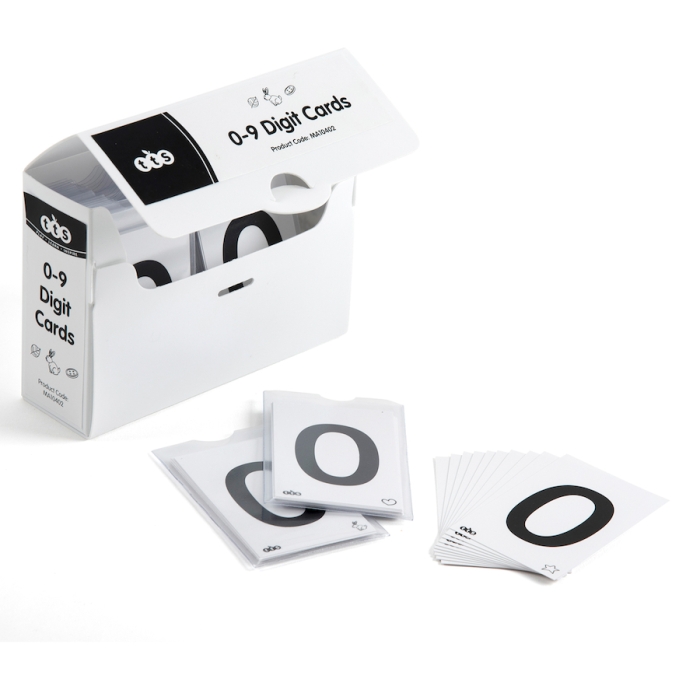
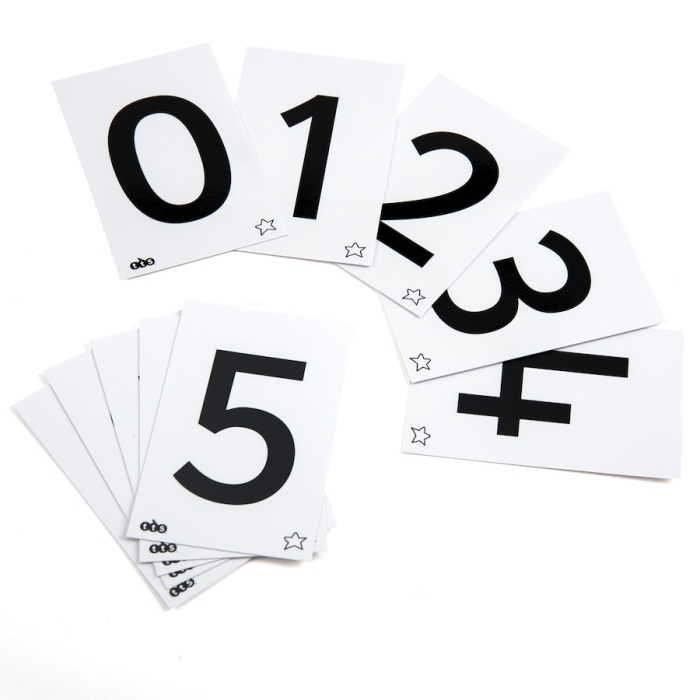
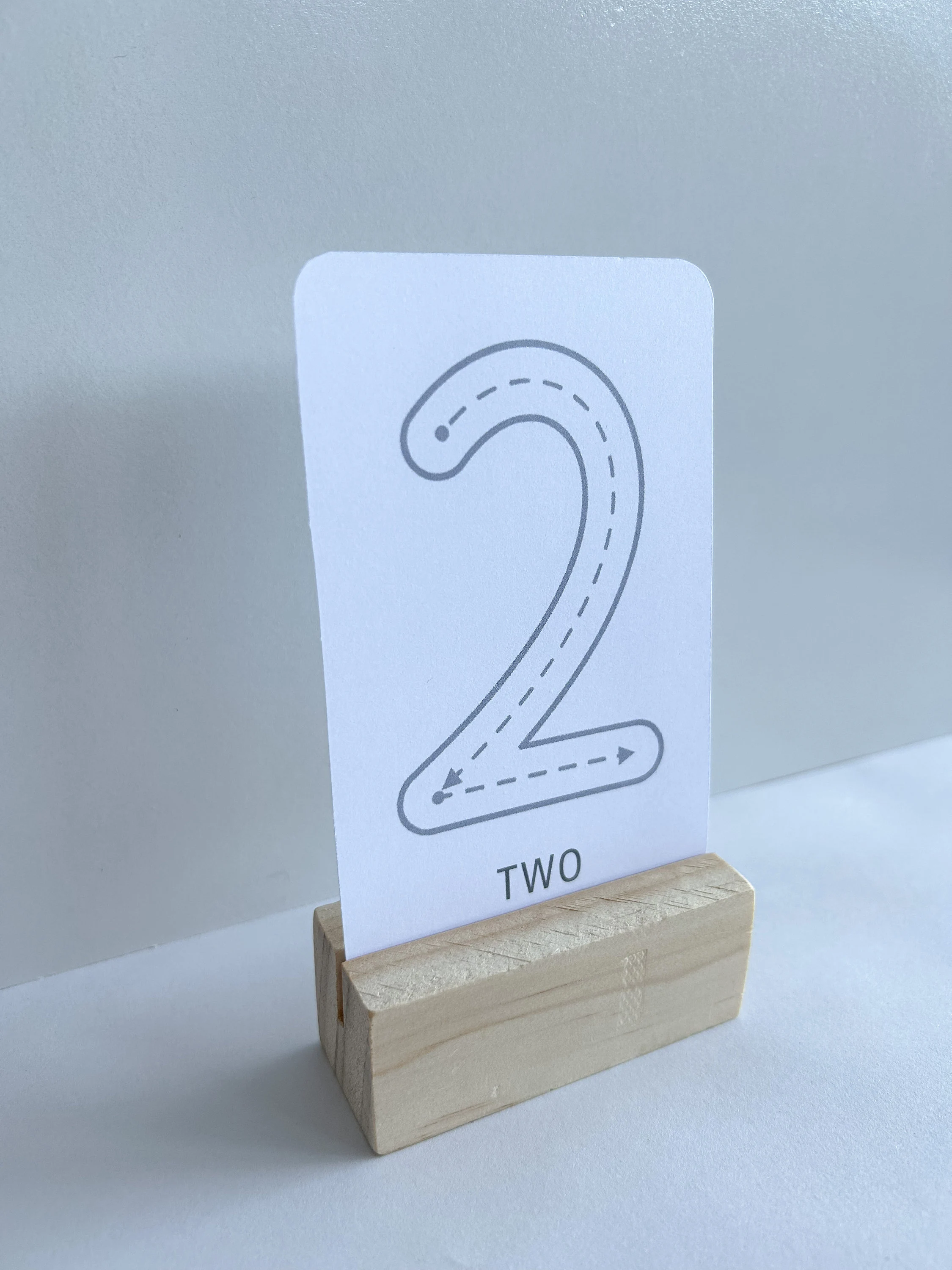
Digit cards are one of the simplest tools that deliver real results in early math instruction. A basic set of 0–9 digit cards works as a foundation for multiple learning goals, from the most straightforward number recognition drills all the way up to more complex place value concepts that first grade students need to master.
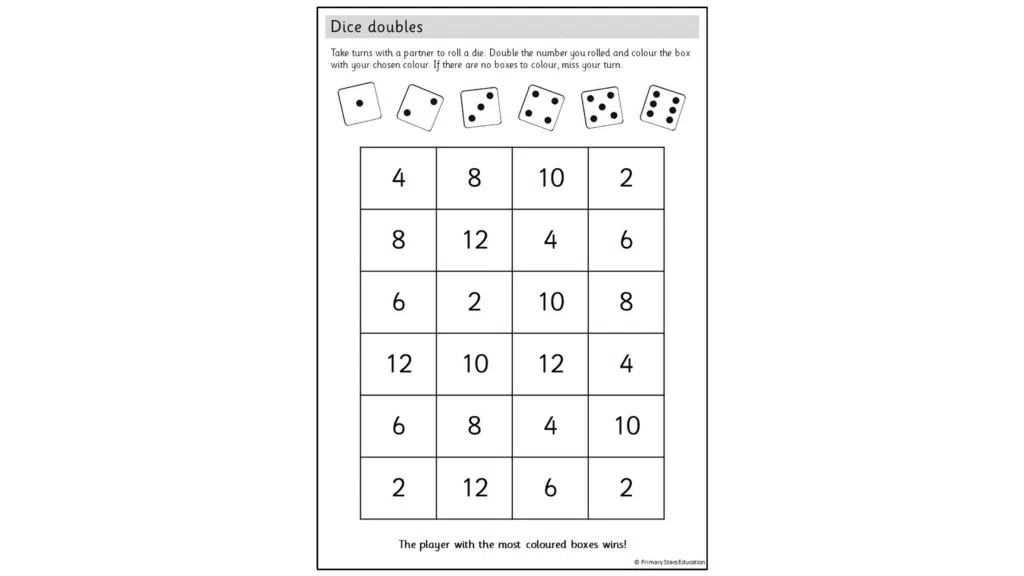
When you first introduce these cards, students benefit from simple repetition. Holding up a card and asking “What number is this?” builds automaticity with digit identification. Pairing cards with basic facts practice, like “Show me 5 plus 2,” keeps the activity brisk and focused. This foundational work matters because students who recognize digits quickly can direct their mental energy toward understanding what those digits actually represent.
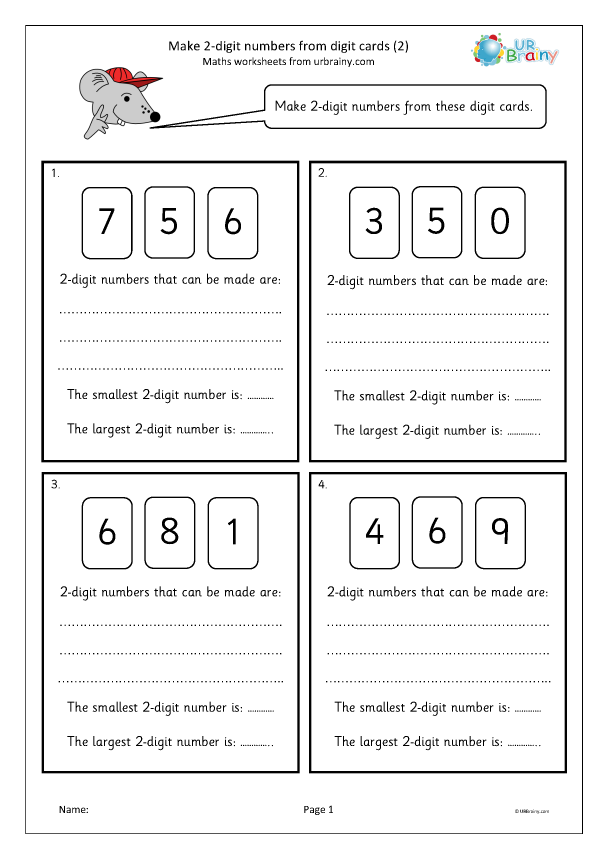
The real power emerges when you shift from recognition into place value instruction. First grade is where students begin grasping that a digit’s position changes its value. Using digit cards to build two-digit numbers makes this abstract concept concrete. When a student places a 3 in the tens place and a 7 in the ones place, they’re not just arranging cards, they’re building 37. They see it, touch it, and manipulate it.
The Hungry Alligator game takes this learning a step further. Students build numbers with their digit cards and compare them, using the alligator symbol to show which number is larger. This game format keeps engagement high while reinforcing the comparison skills that support deeper number sense. First grade students who play this game develop confidence with two-digit numbers faster than those who only complete worksheets.
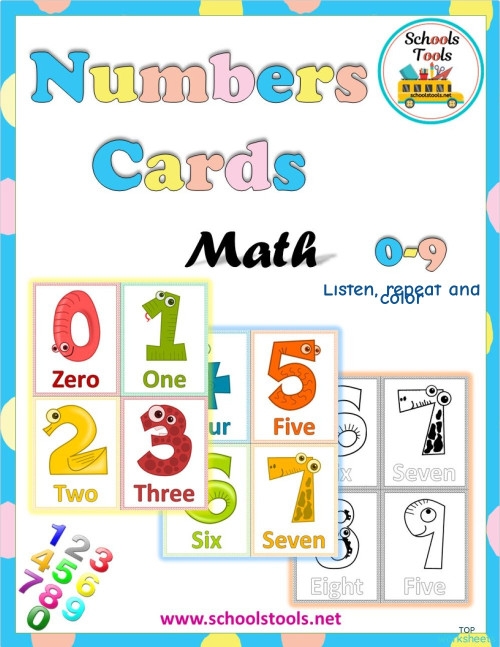
You can extend this work by having students convert between different number representations or move toward activities like color by number exercises that reinforce number recognition through a different modality. The flexibility of digit cards means they adapt to whatever direction your first grade classroom needs to go.
Start Practicing with These Worksheets