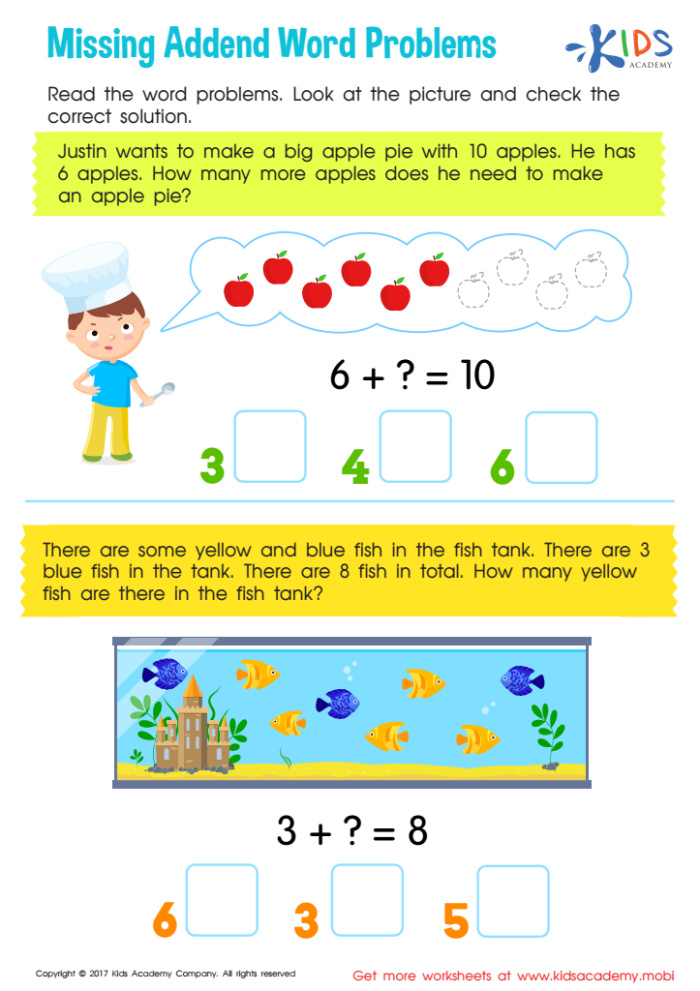
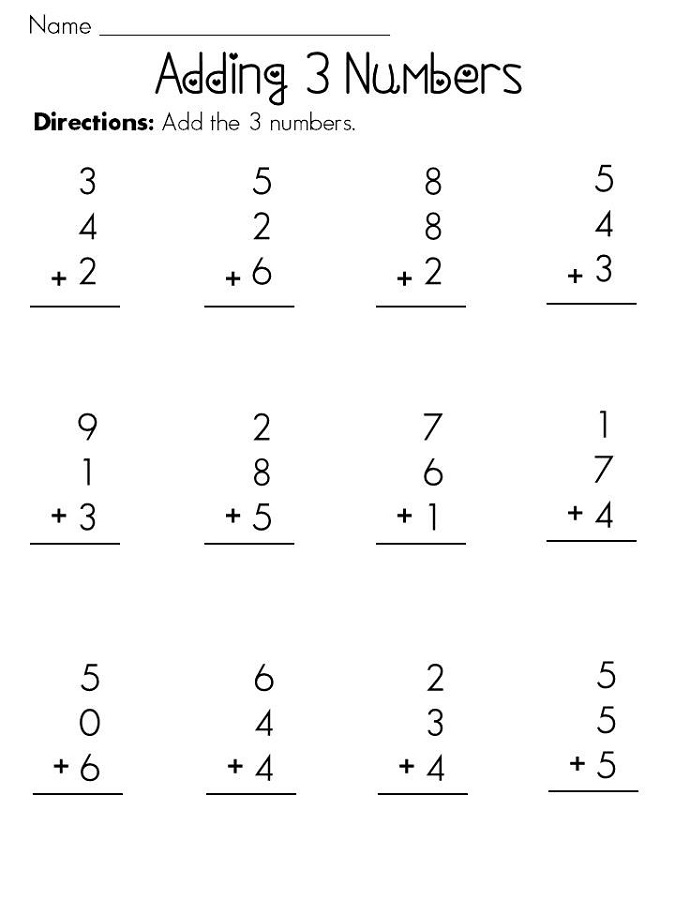
Teaching first graders to tackle word problems with three addends is a crucial step in developing their mathematical skills. These types of problems help students understand addition in a practical context, enabling them to see how numbers work together in everyday situations. By providing ample space for students to show their thinking, you encourage them to visualize the problem and articulate their thought processes clearly.
When students encounter a word problem, they often need to break down the information presented. For example, consider the problem: “Samantha has 3 apples, her friend gives her 2 more, and then her mom buys her 4 more. How many apples does Samantha have in total?” Here, students can learn to identify the three key addends—3, 2, and 4. When they write out their calculations, they can use the space provided to draw diagrams or write equations, which helps solidify their understanding.
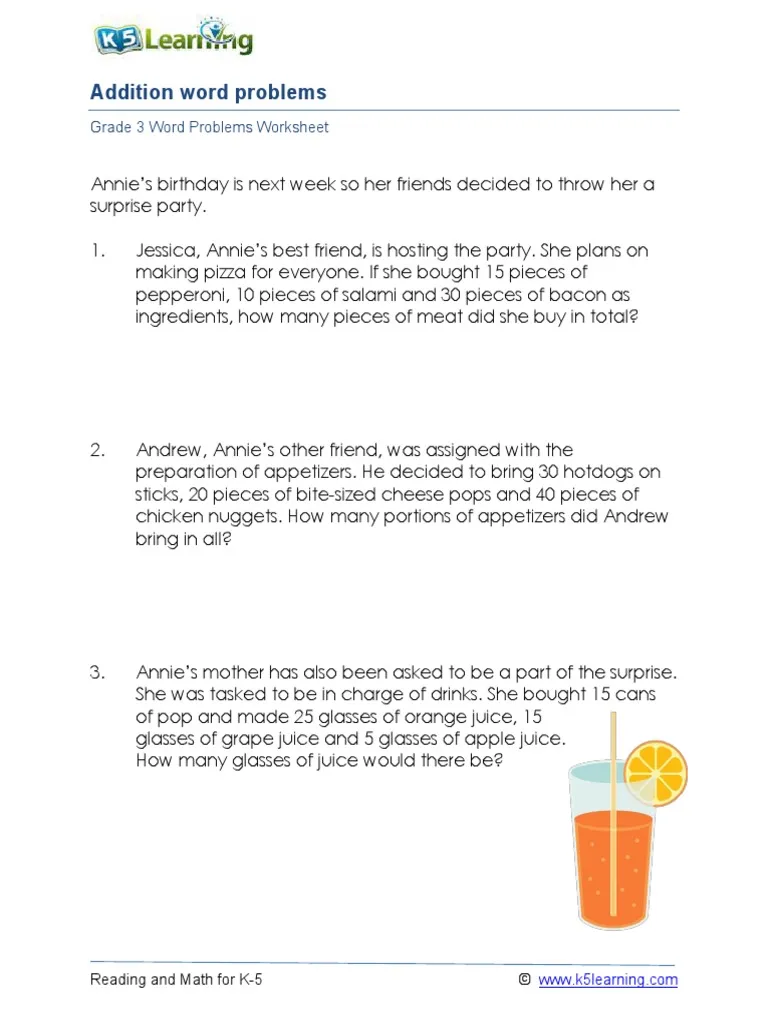
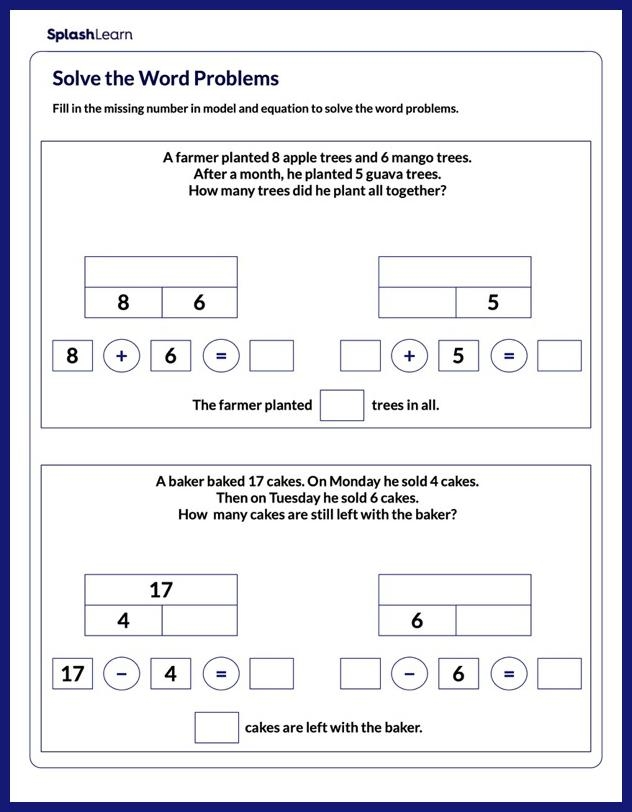
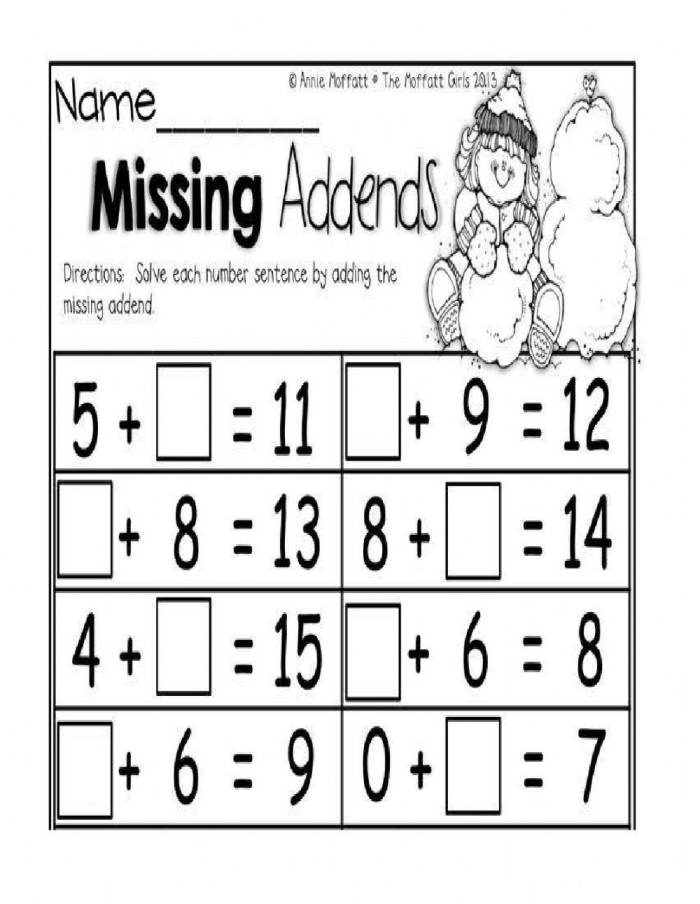
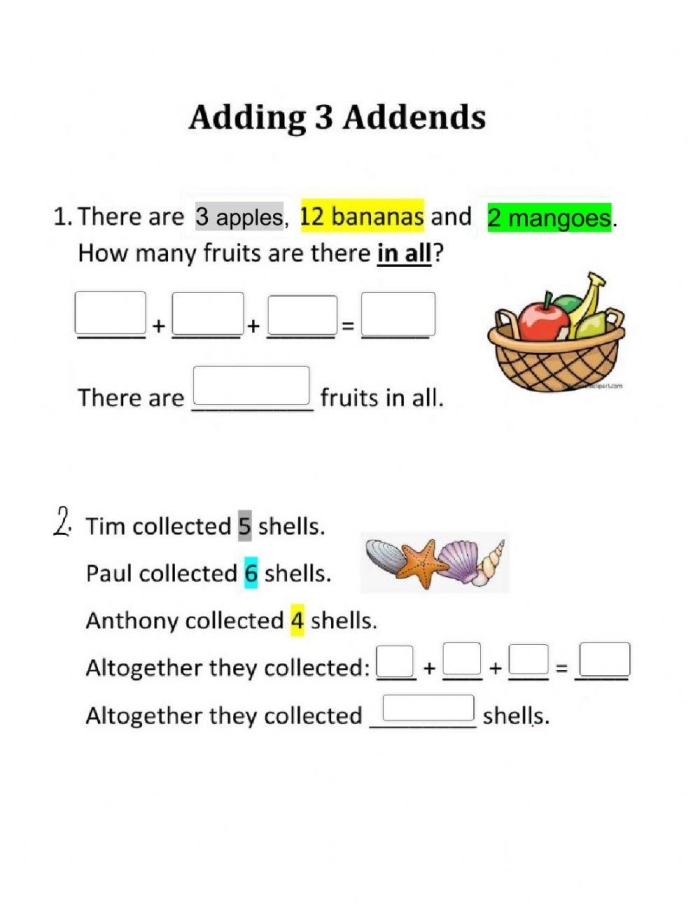
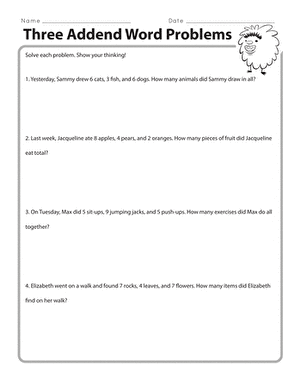
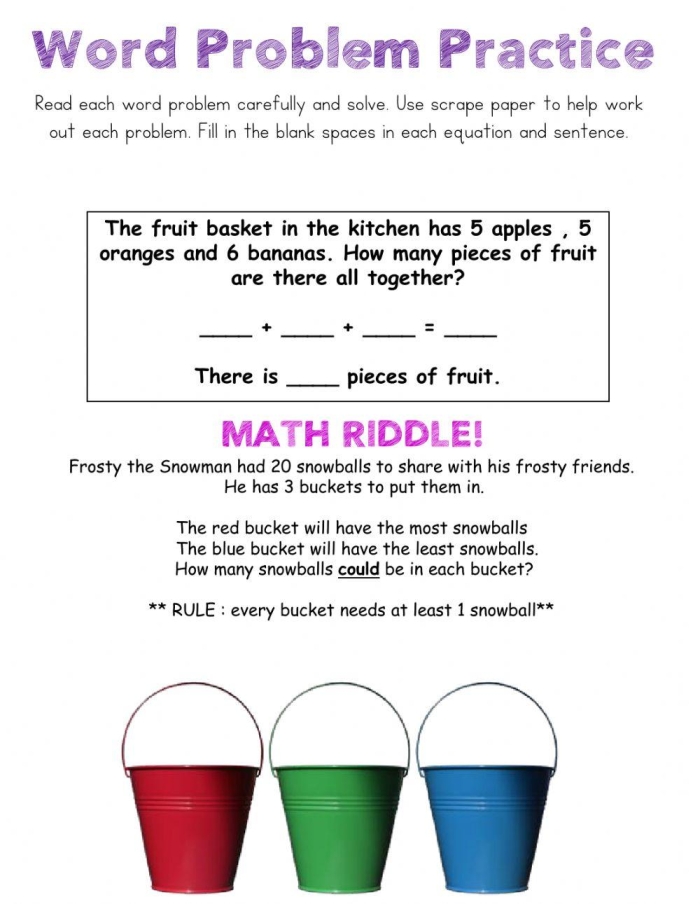
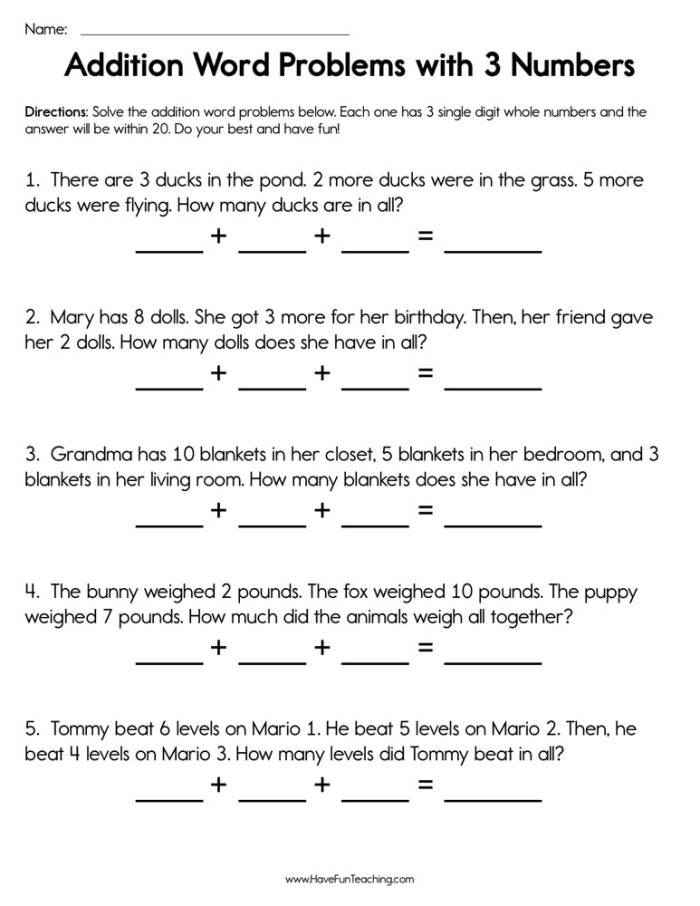
Using resources that focus on three addend word problems allows teachers to offer targeted practice. Printable worksheets can provide structured exercises that reinforce these concepts, making them an excellent tool for classroom or homework assignments. These worksheets often include various scenarios that engage students and connect math to their lives.
Moreover, encouraging students to explain their reasoning fosters deeper comprehension. When students articulate how they arrived at their answers, they develop critical thinking skills and gain confidence in their mathematical abilities. This approach aligns with first-grade learning goals, where place value and addition serve as foundational skills.
Ultimately, teaching students to solve word problems with three addends not only enhances their math skills but also prepares them for more complex problem-solving in the future. With the right resources and encouragement, students can thrive in their understanding of addition and develop a love for math.
Printable Worksheets for Practice