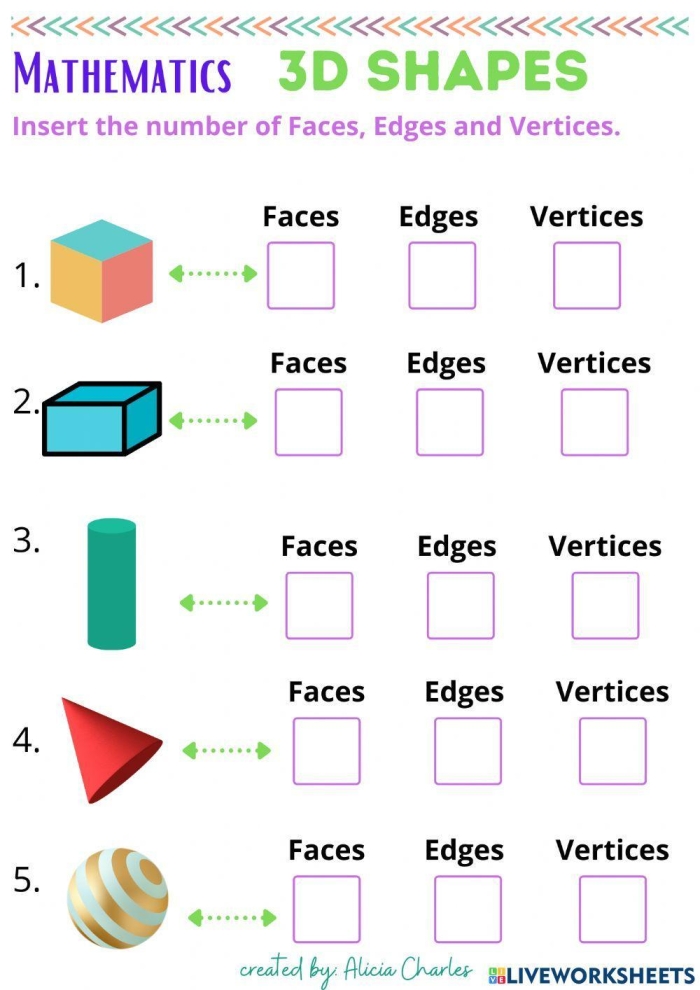
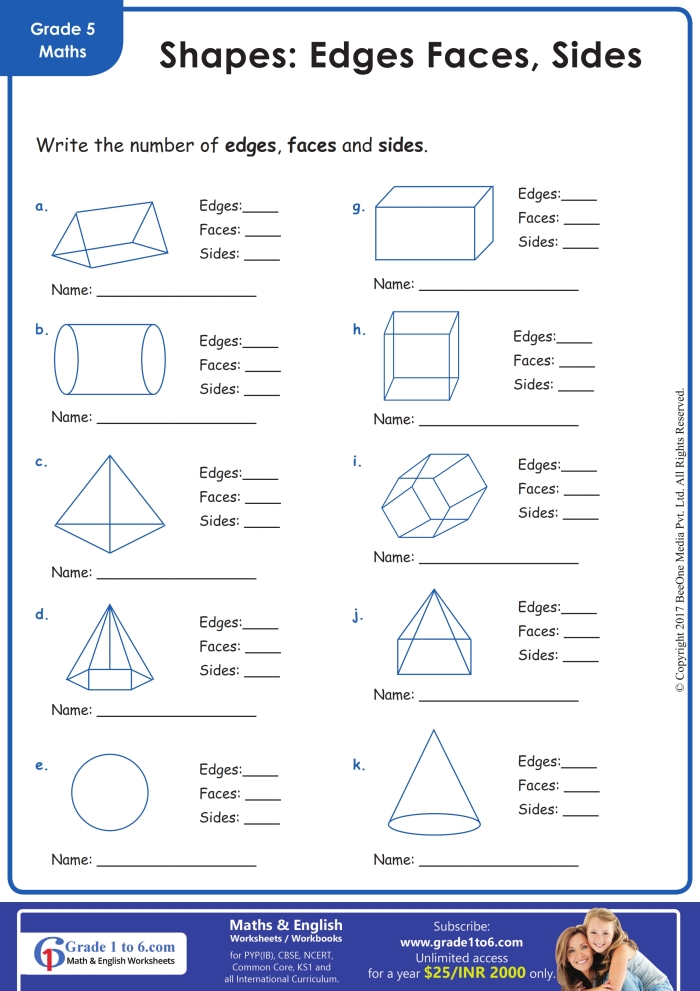
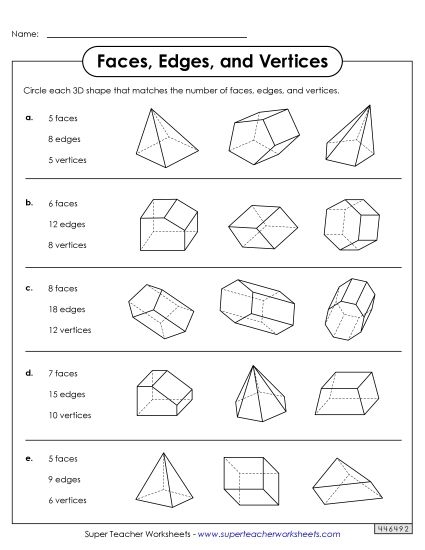
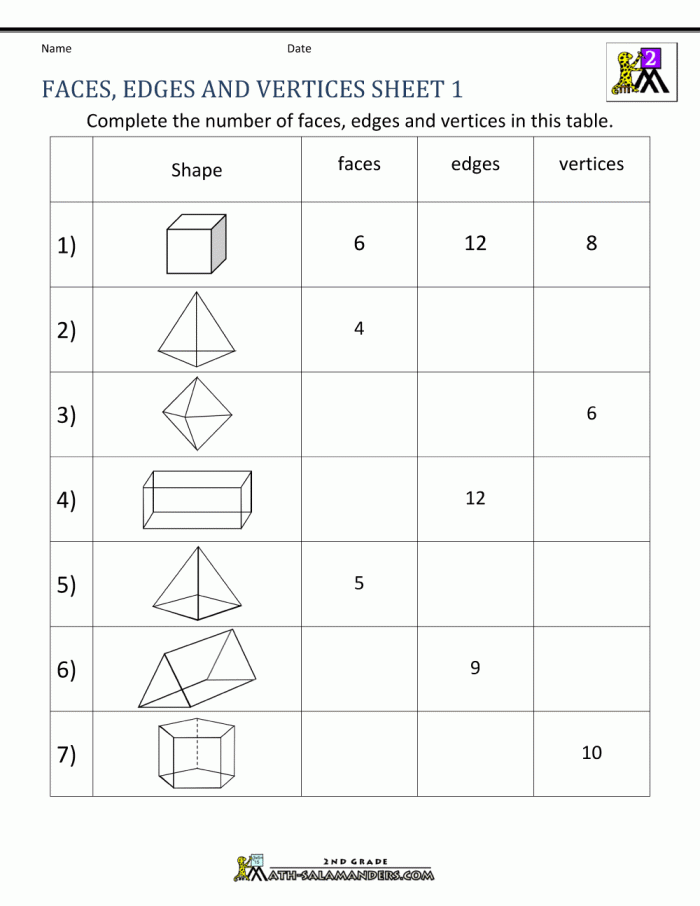
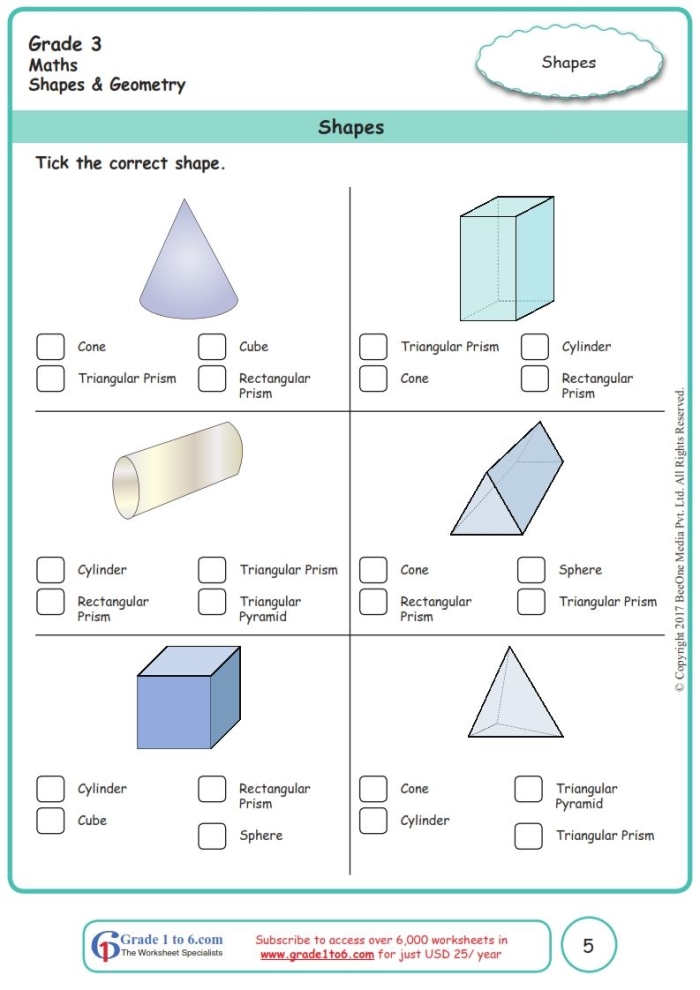
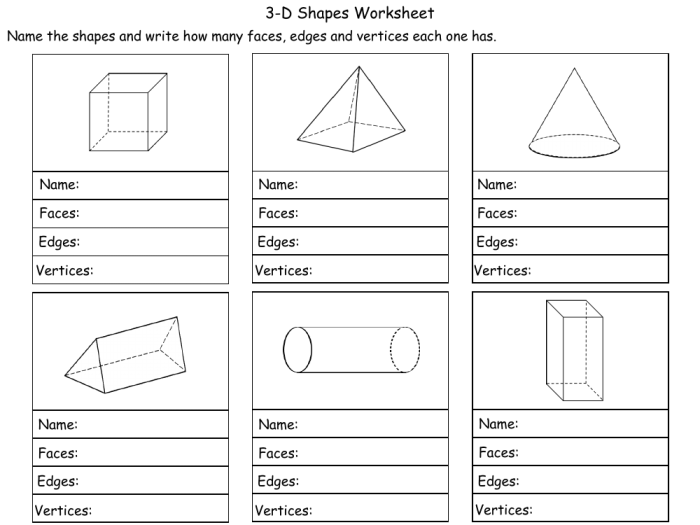
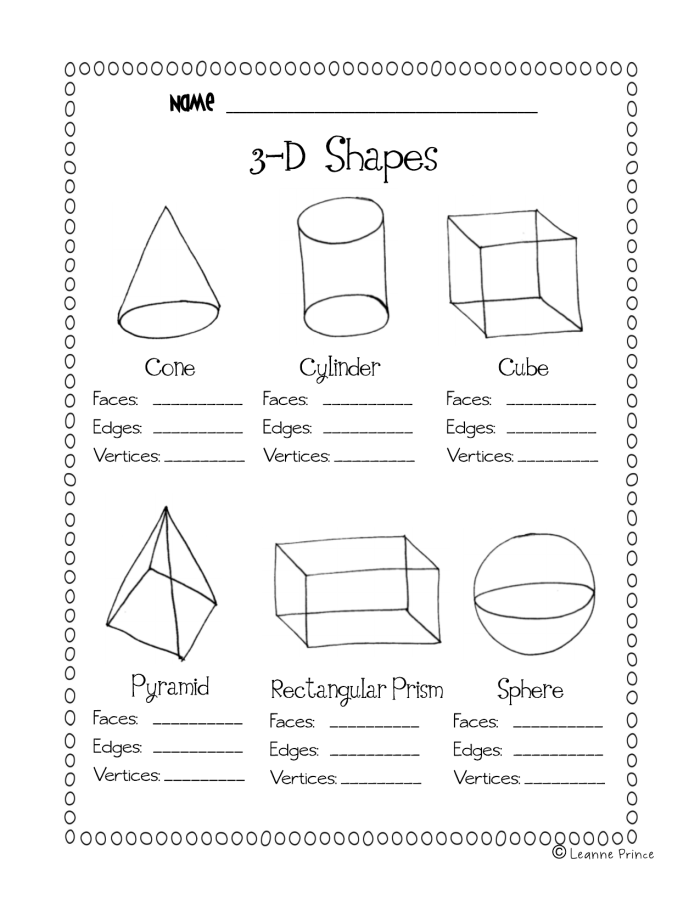
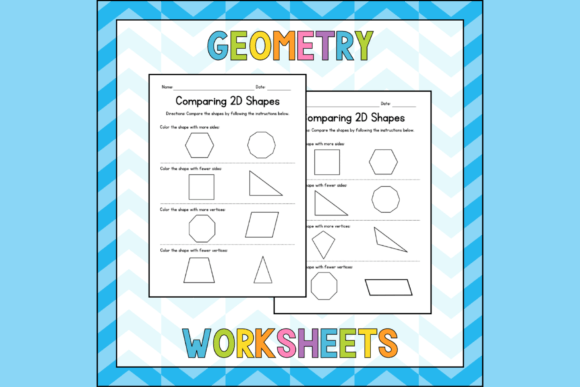
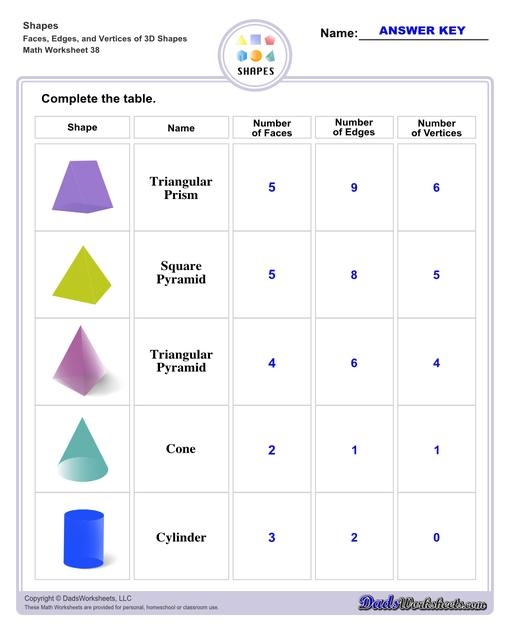
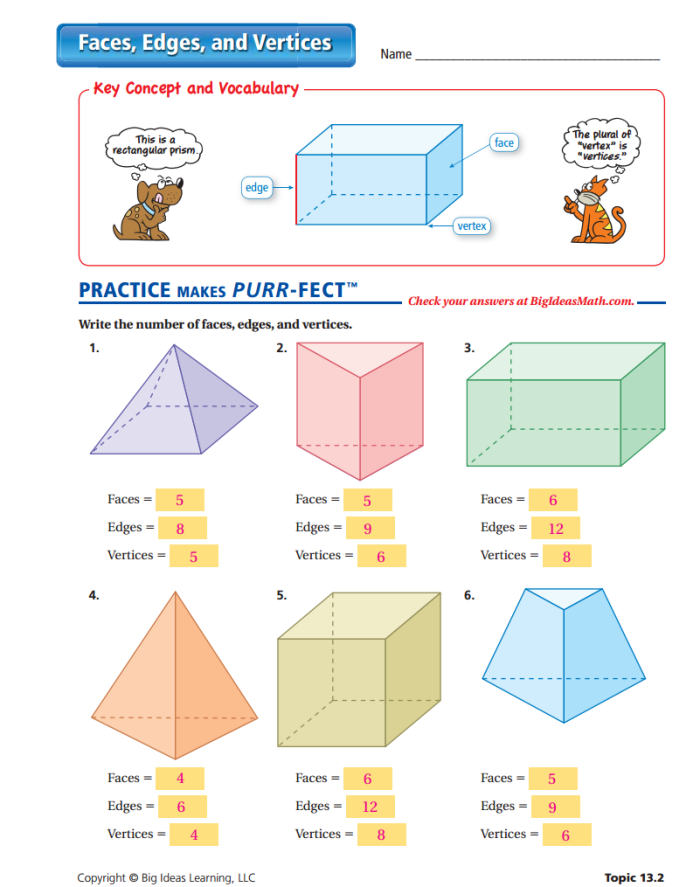
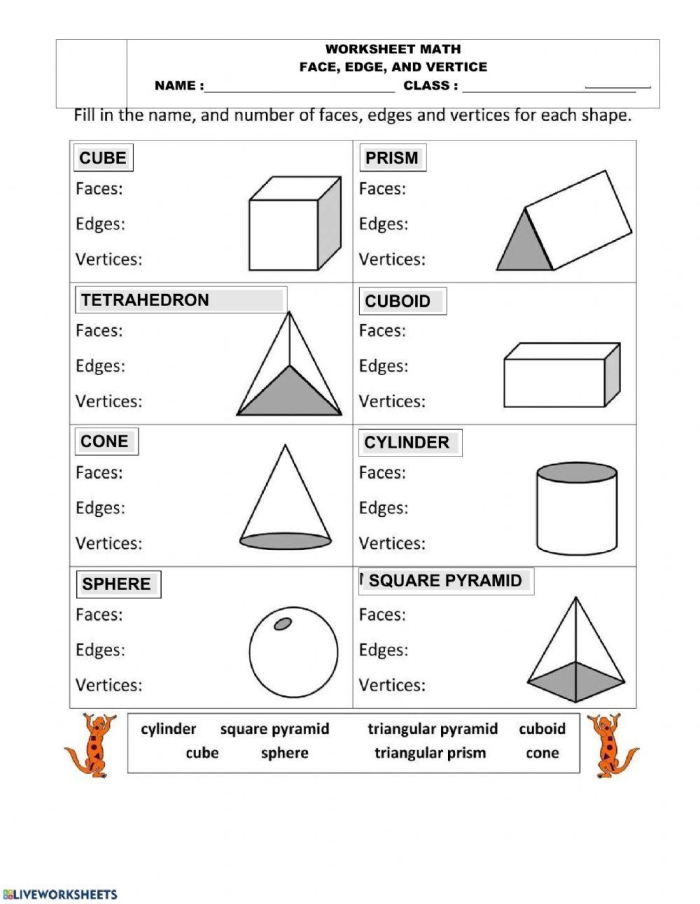
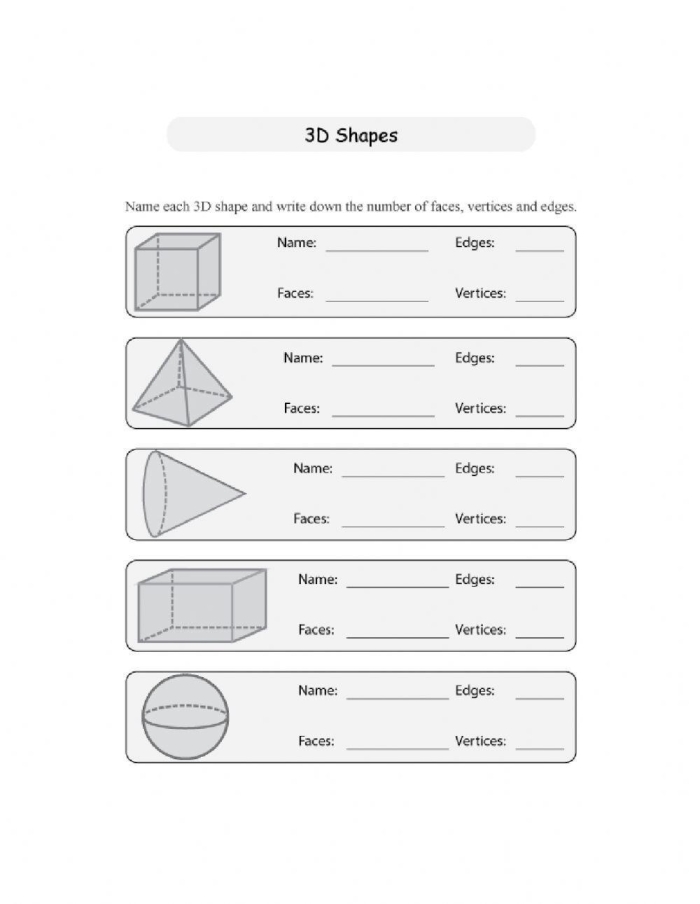
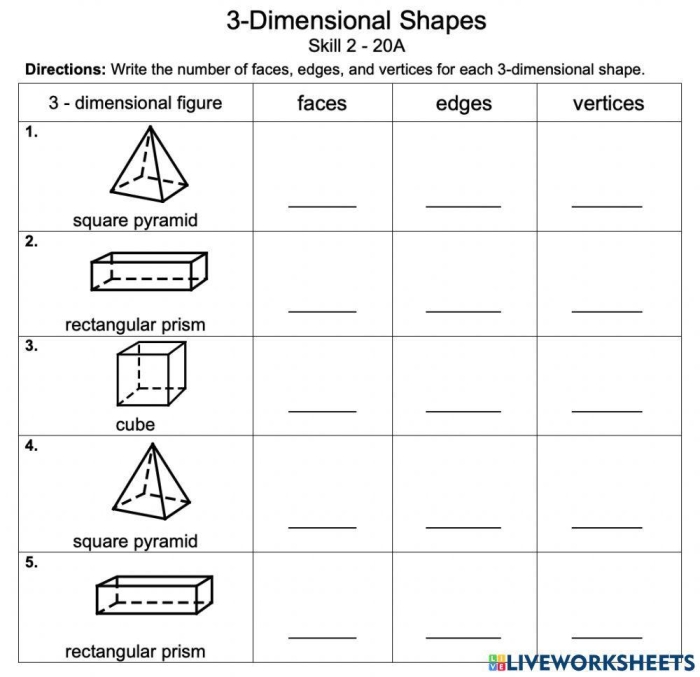
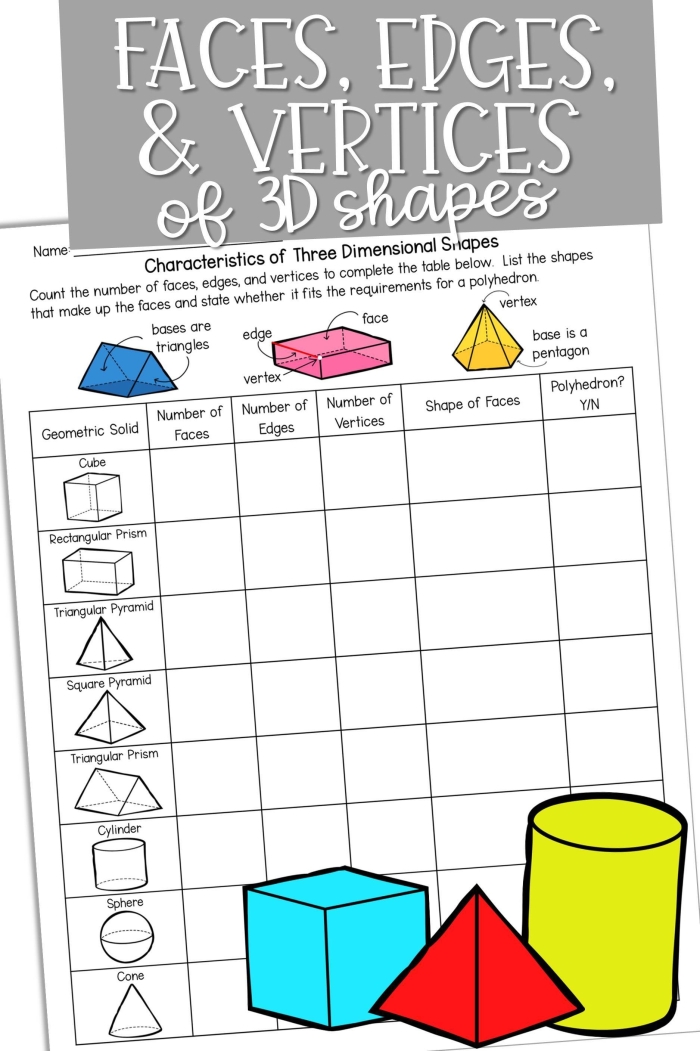
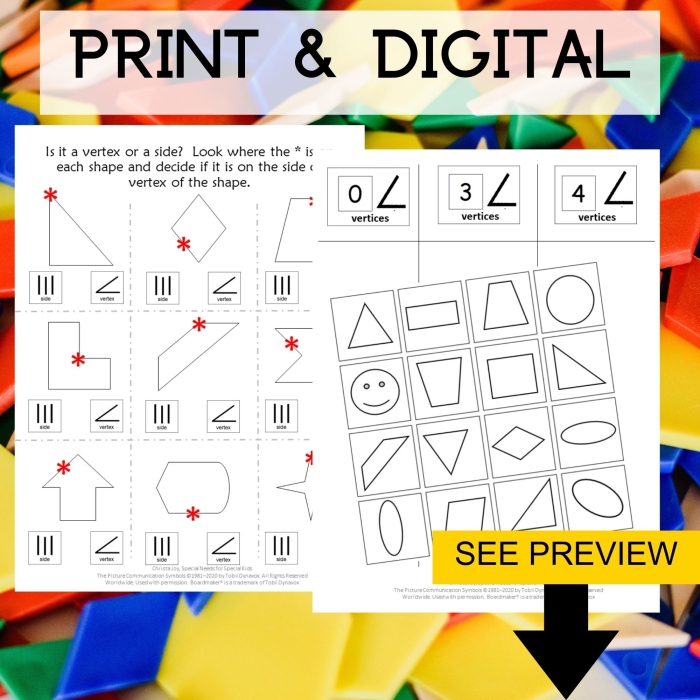
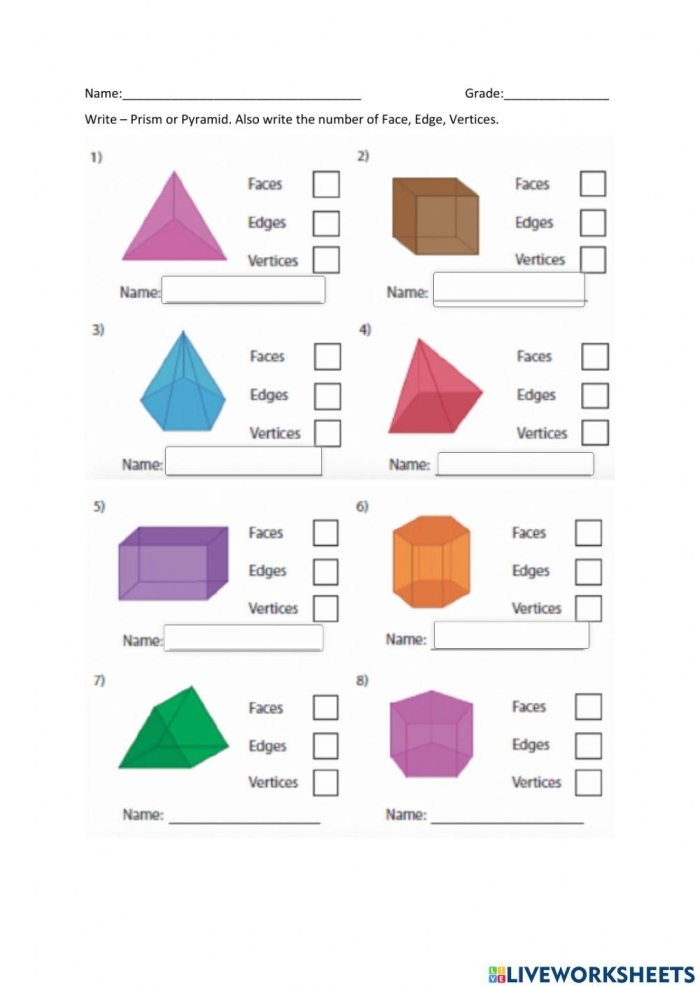
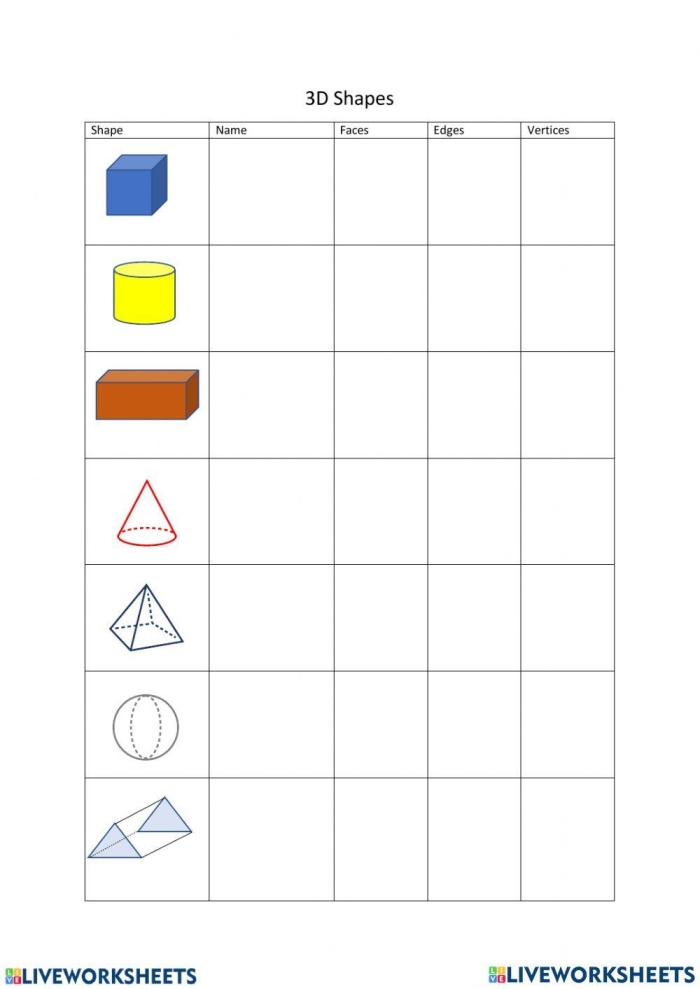
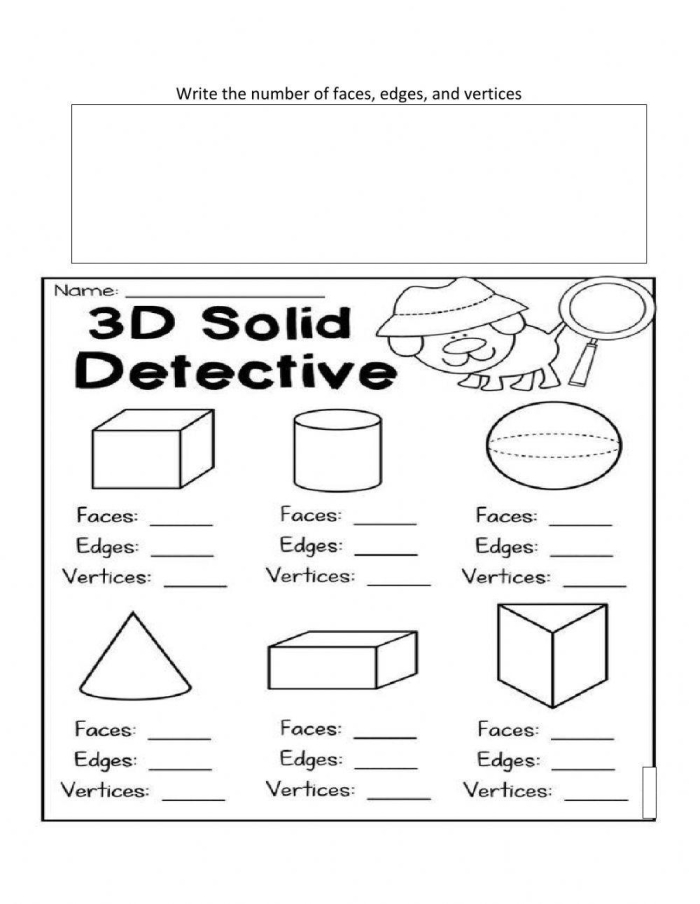
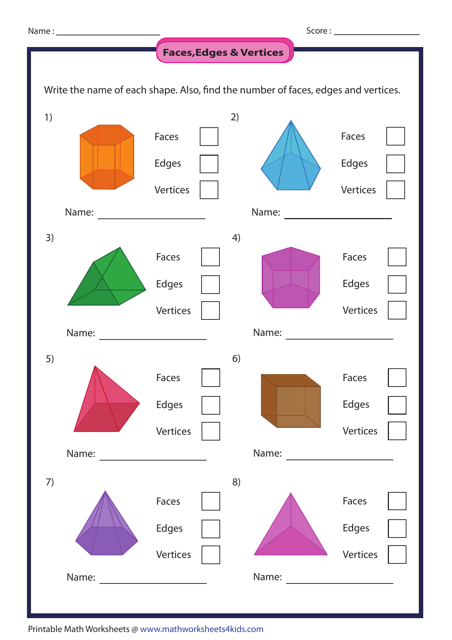
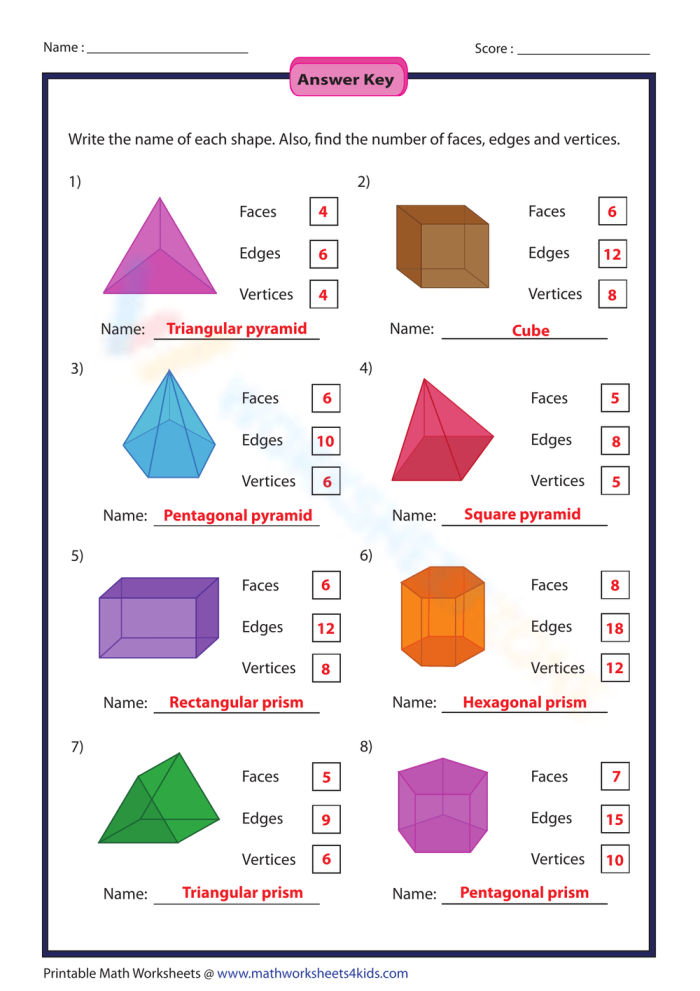
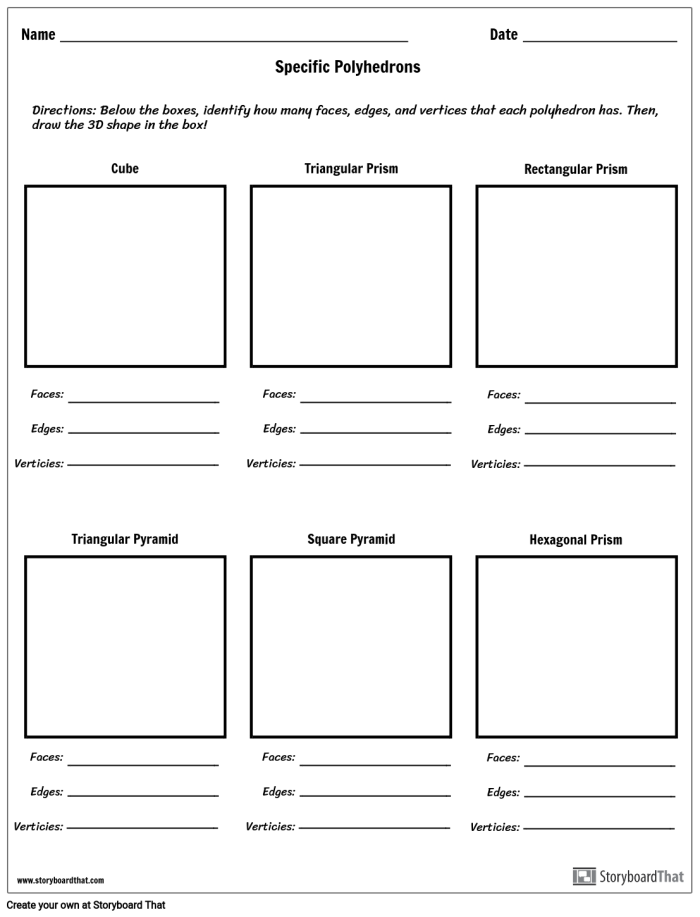
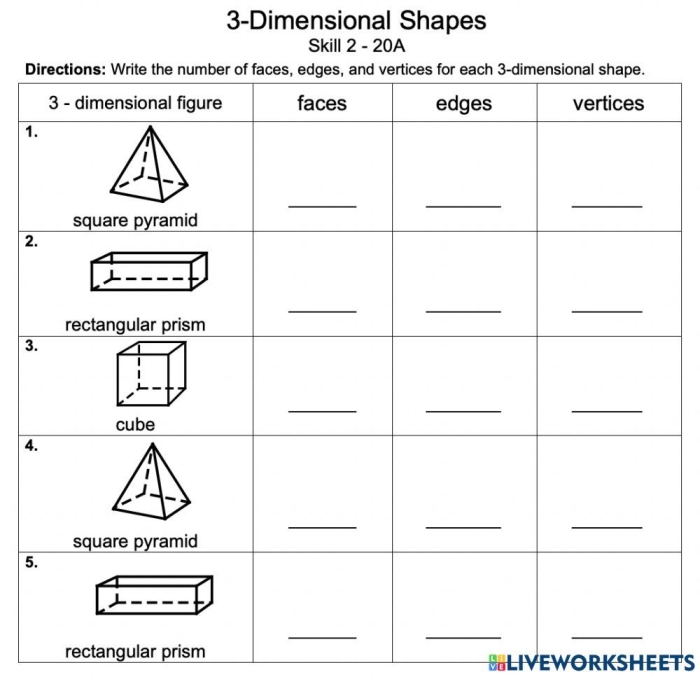
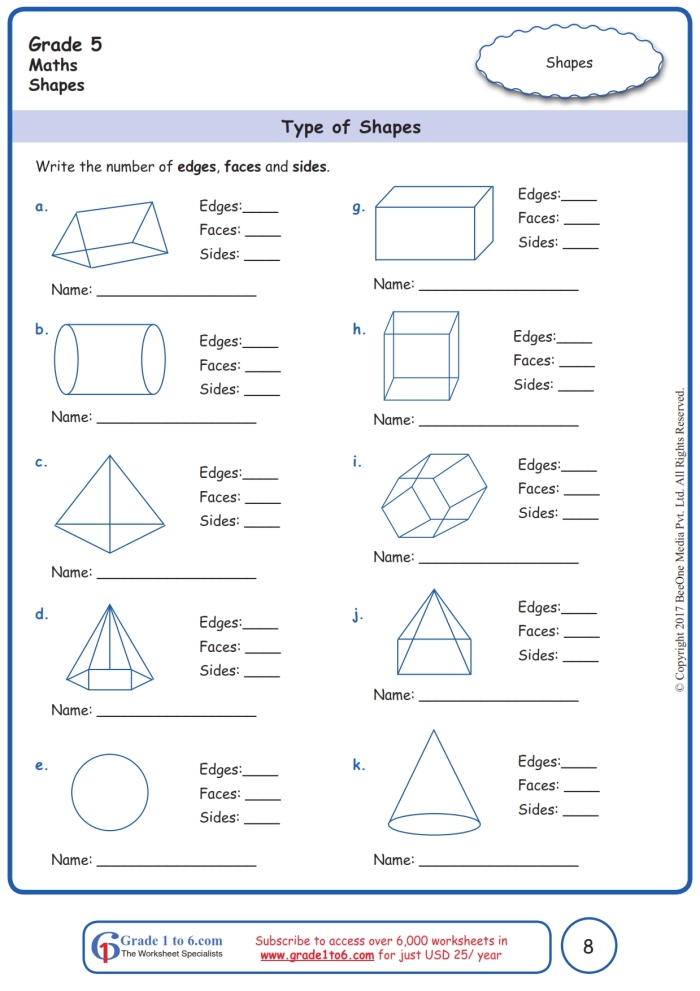
Understanding shapes is a fundamental part of geometry, especially for second graders. With a fill-in chart of 2D shapes, children can engage in an exciting activity that helps them identify edges and vertices. This hands-on approach not only makes learning enjoyable but also builds their foundational skills in geometry.
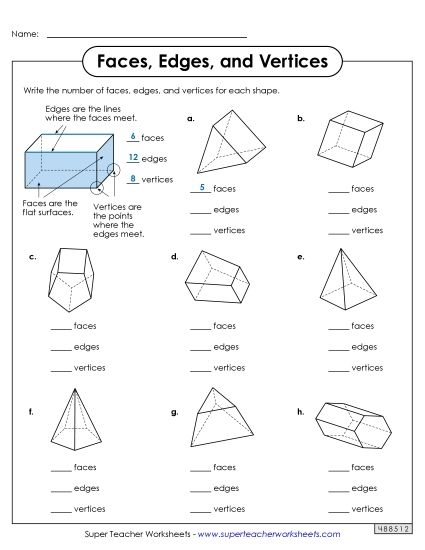
When kids look at shapes like triangles, squares, and circles, they can begin to see the world differently. Each shape has a specific number of edges and vertices. For instance, a triangle has three edges and three vertices, while a square has four edges and four vertices. By filling out a chart that requires them to identify these components, children can develop their observational skills and deepen their understanding of geometric concepts.
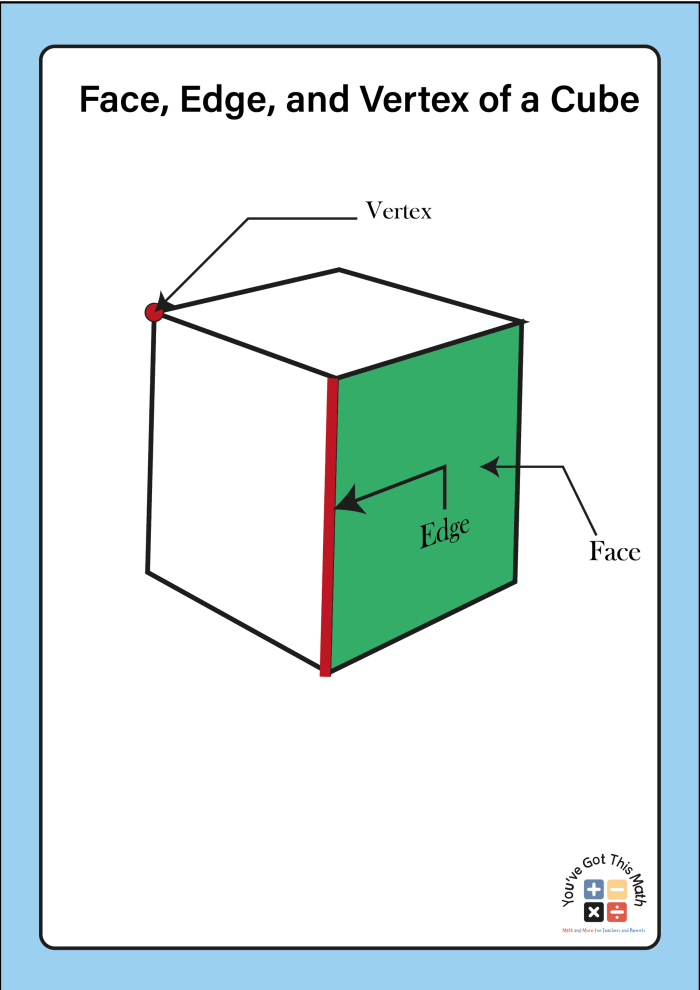
As they complete the chart, children practice critical thinking and improve their ability to differentiate between shapes. They learn that edges are the straight lines that form the boundary of a shape, while vertices are the points where two edges meet. This distinction is crucial, as it lays the groundwork for more advanced geometry topics in later grades. Such activities can be complemented by worksheets on revising spelling in geometry, which can help reinforce vocabulary associated with shapes.
Using these printable edges and vertices worksheets, educators and parents can provide children with a structured way to practice identifying and deconstructing shapes. This method not only aids in mastering geometric concepts but also encourages children to express their understanding of shapes creatively. Incorporating additional resources like those found at trapezoid identification worksheets can enhance their learning experience.
Overall, using a fill-in chart to explore edges and vertices is an effective way to engage second graders in geometry. By making learning interactive and fun, children are more likely to retain the knowledge they gain and develop a lasting interest in mathematics.
Start Practicing with These Worksheets