When second graders open a dictionary for the first time, they’re often staring at a page that looks overwhelming. Tiny text, strange symbols, and abbreviations can make a young reader feel lost. But dictionary skills are foundational to reading and writing success, and breaking down how dictionaries actually work makes all the difference.
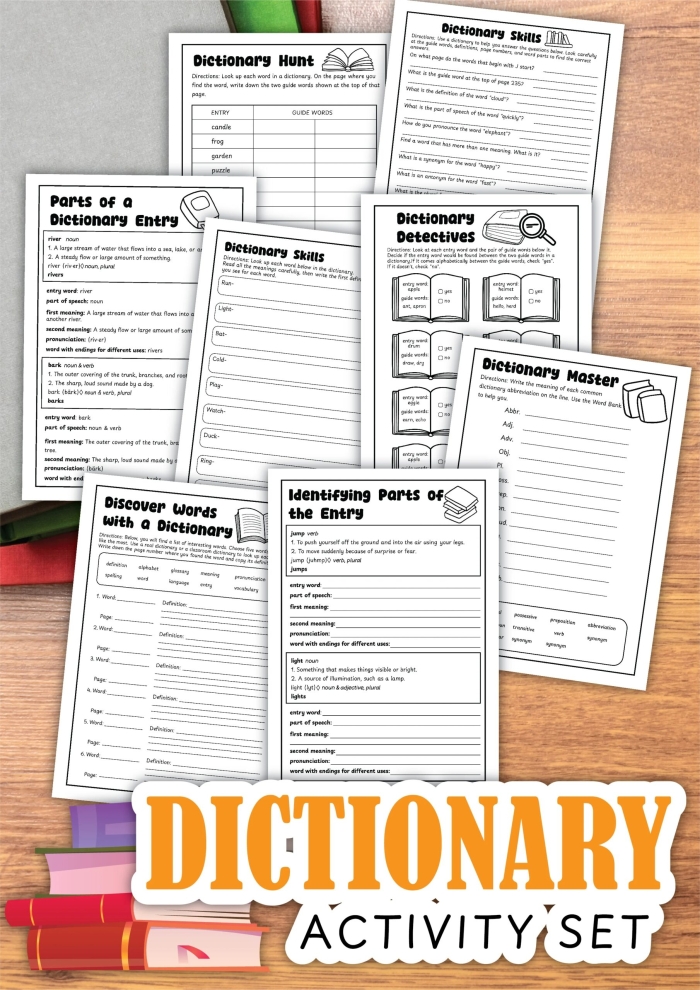
A dictionary entry isn’t just a word followed by its meaning. Each part serves a specific purpose that helps readers understand not just what a word means, but how to use it correctly. Teaching your child to recognize these components transforms the dictionary from an intimidating reference tool into something genuinely useful.
The Main Parts of a Dictionary Entry
The entry word appears first, usually in bold or a different color. This is the word you looked up, printed exactly as it should be spelled. Next comes the pronunciation guide, which shows how to say the word out loud using special symbols or phonetic spelling.
The part of speech tells you whether the word is a noun, verb, adjective, or something else. This matters because the same word can function differently depending on context. The definition explains what the word means, and many dictionaries include multiple definitions if a word has several uses.
Many entries also feature an example sentence showing the word in action. This helps young learners see how the word actually works in writing, which connects directly to their own writing practice. Some dictionaries add illustrations or related word forms to round out the entry.
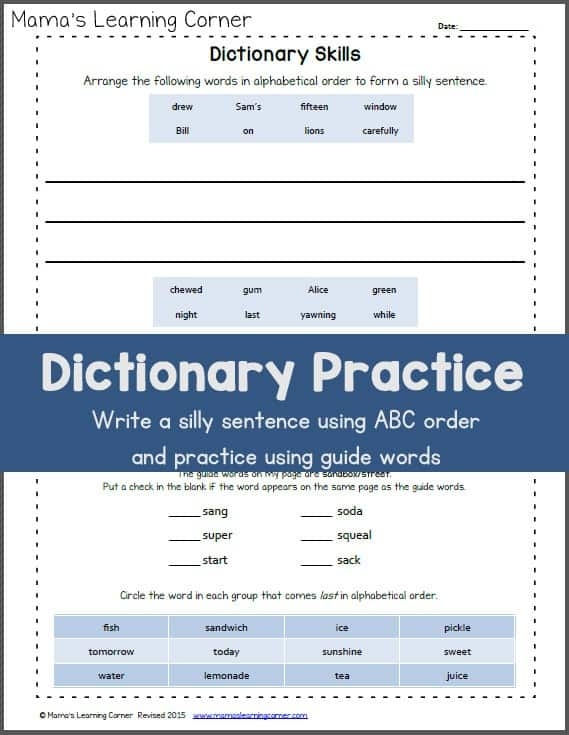
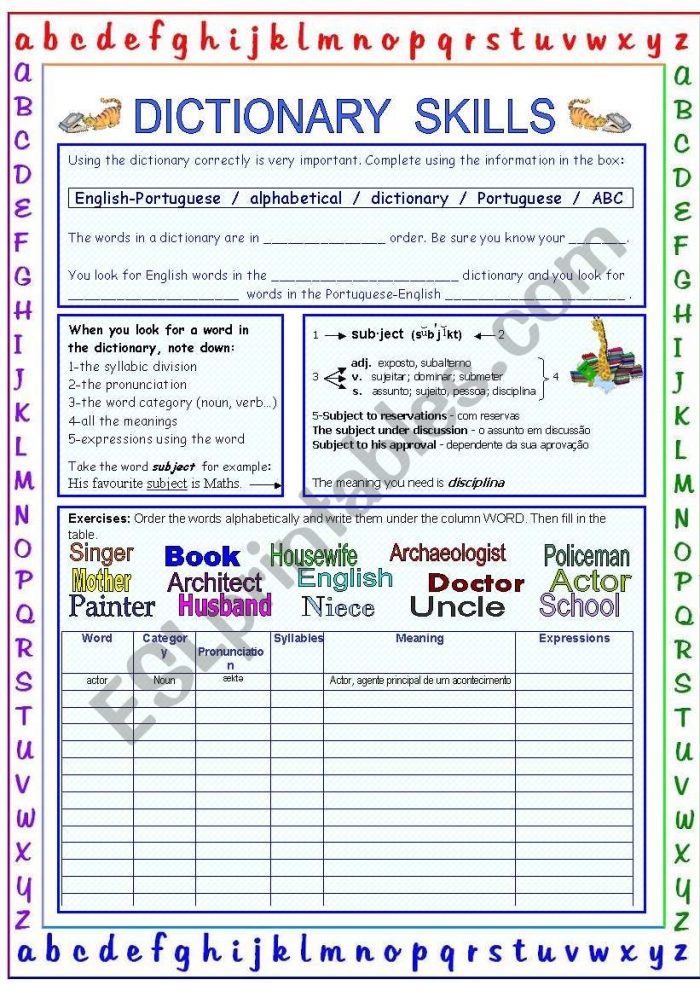
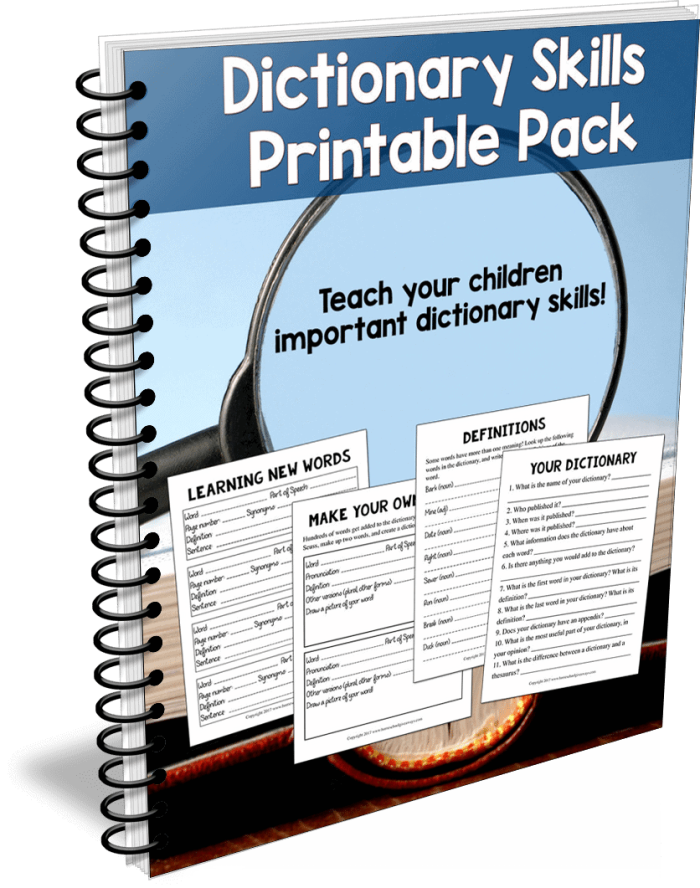
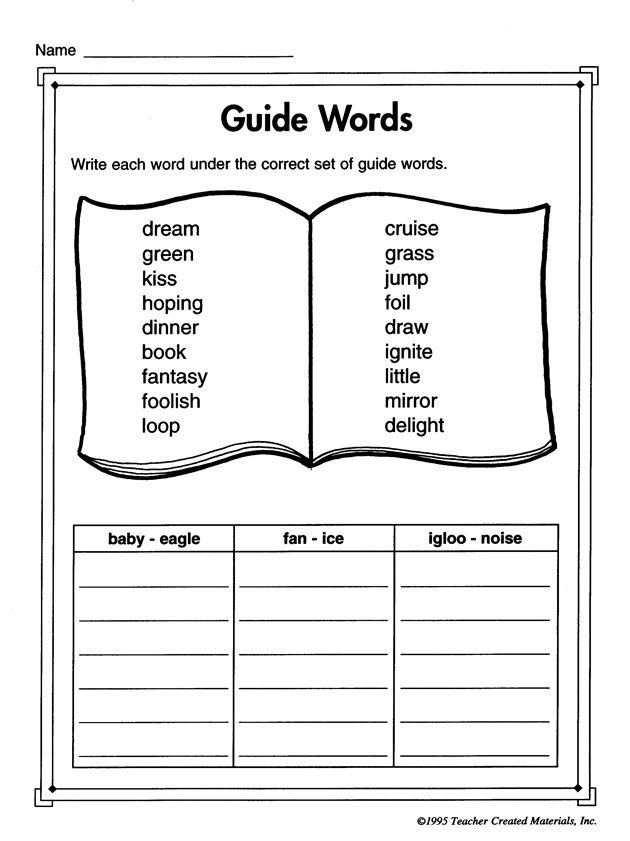
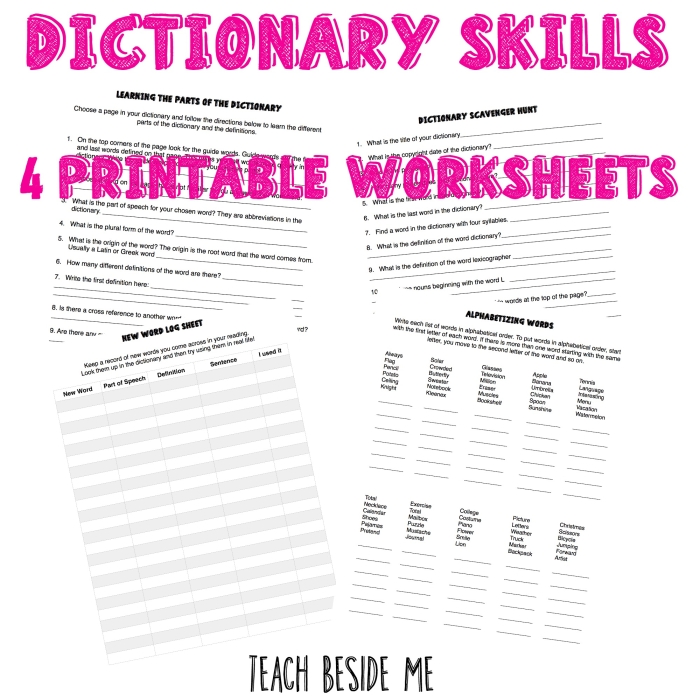
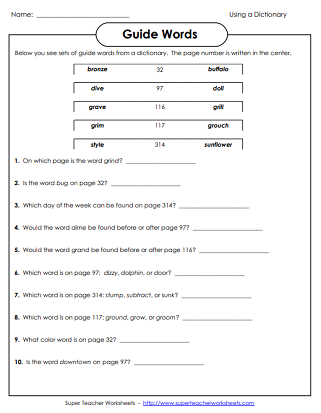
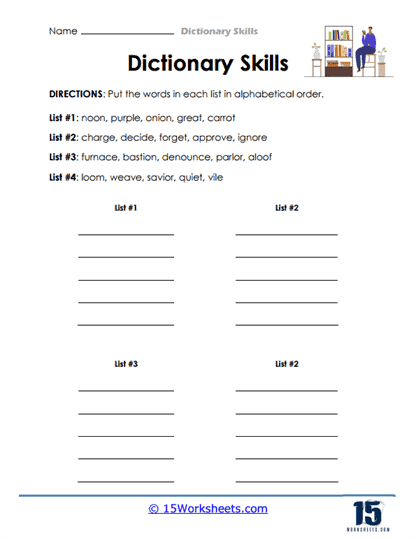
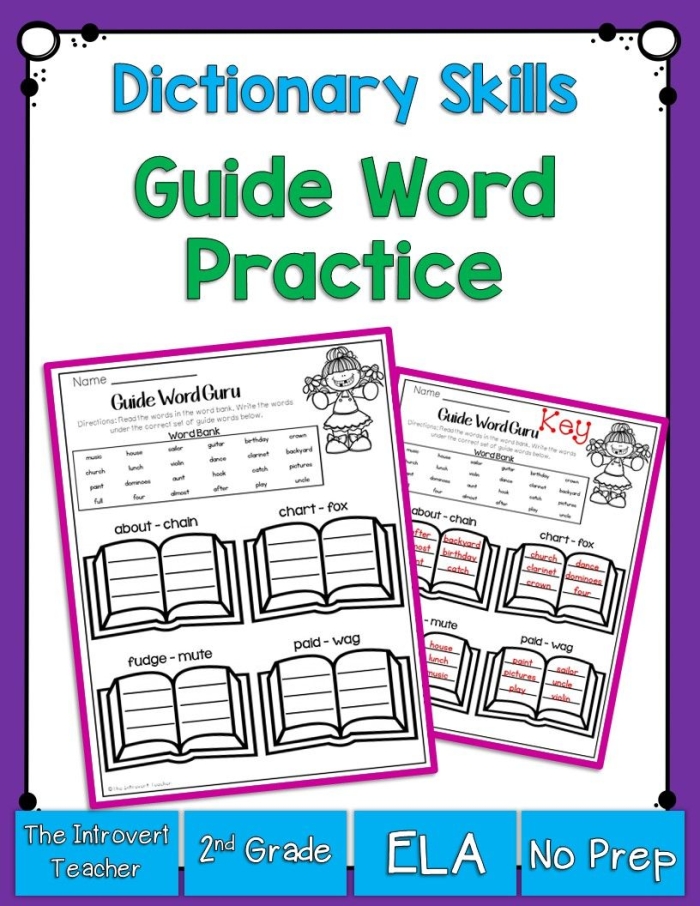
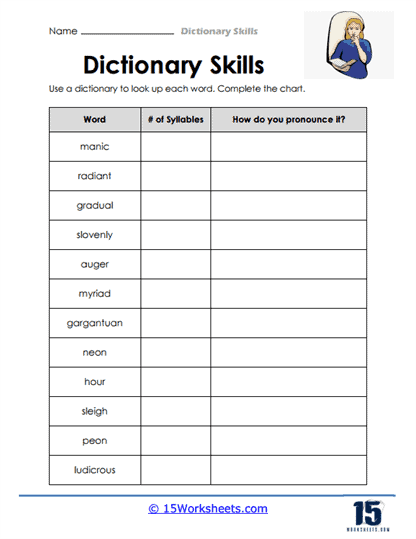
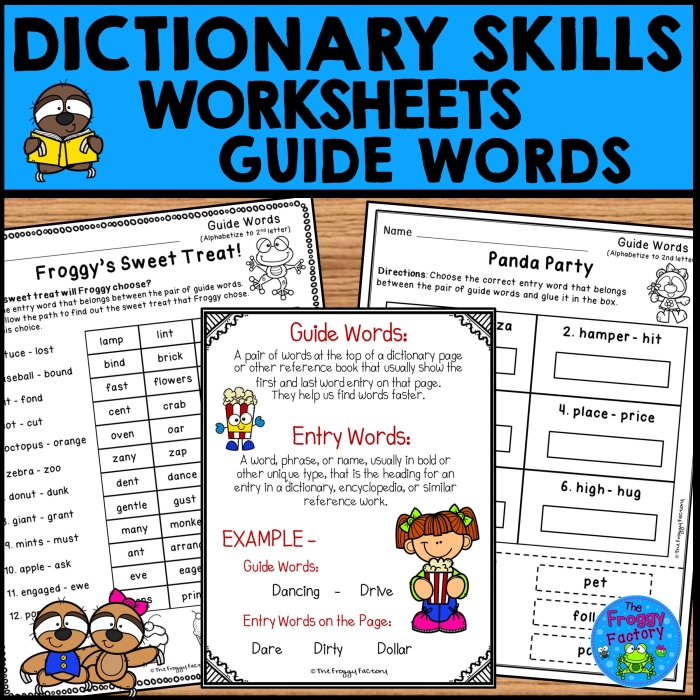
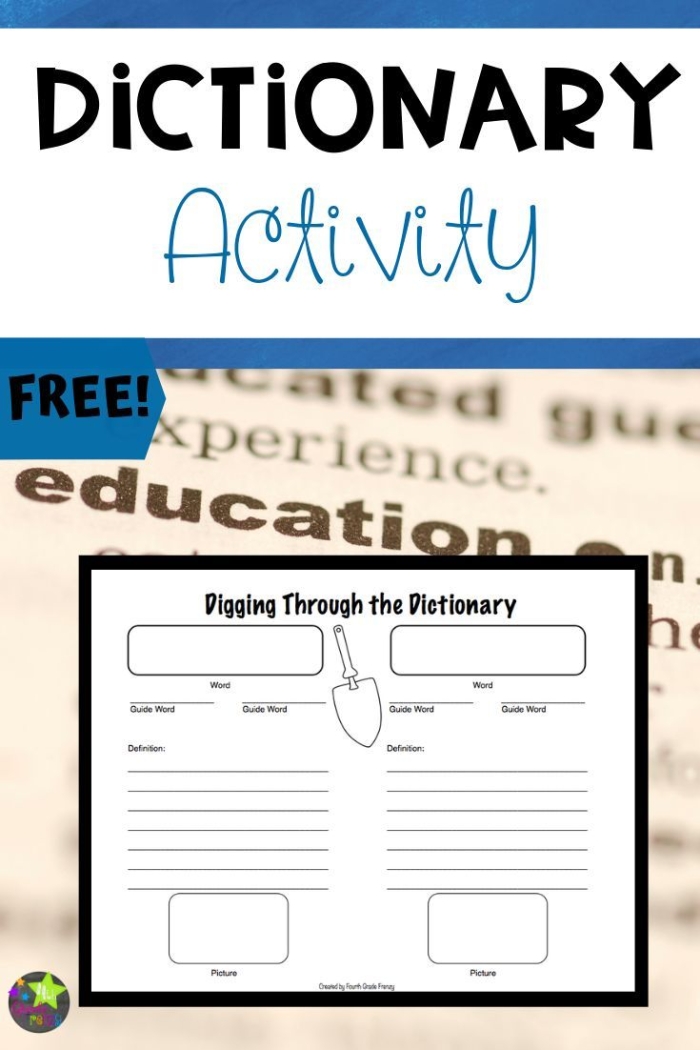
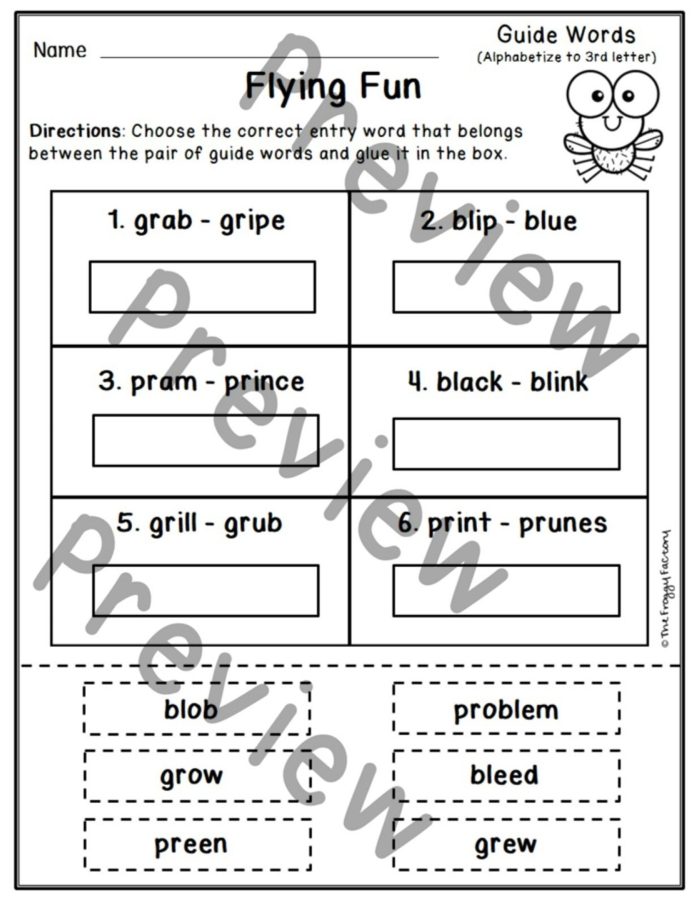
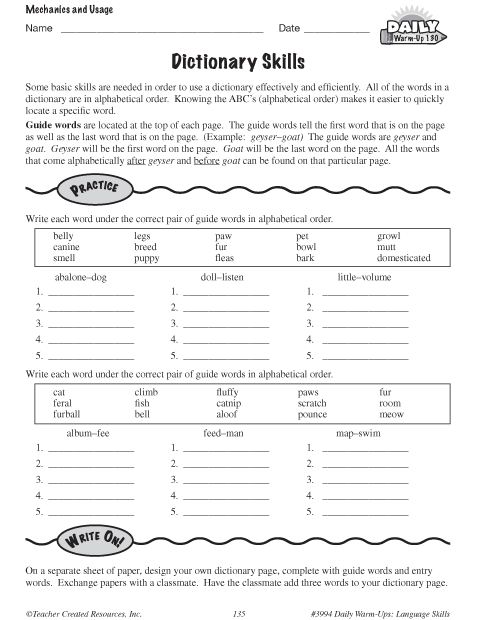
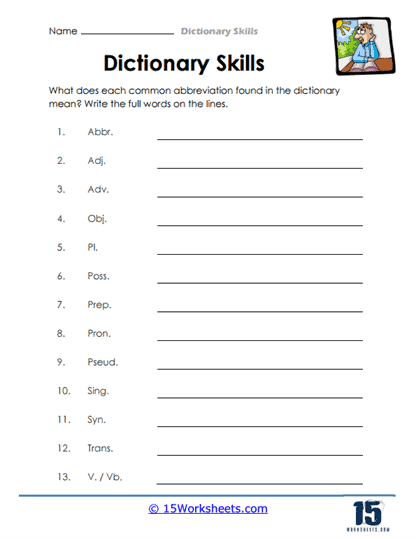
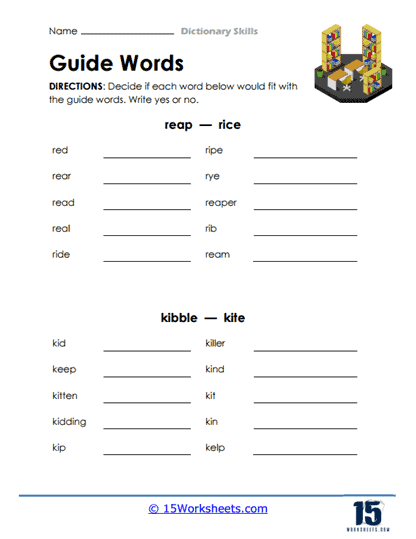
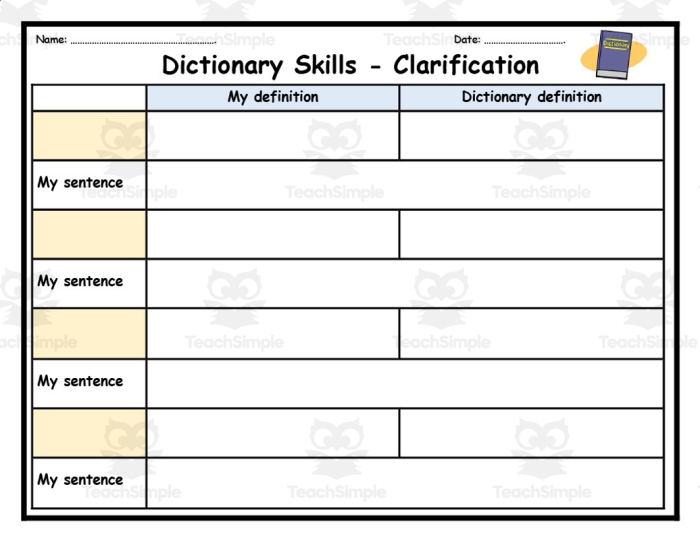
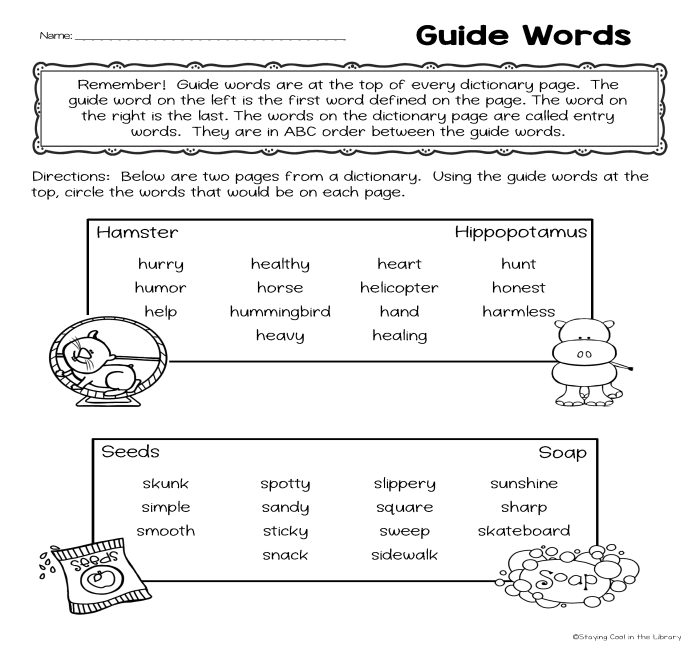
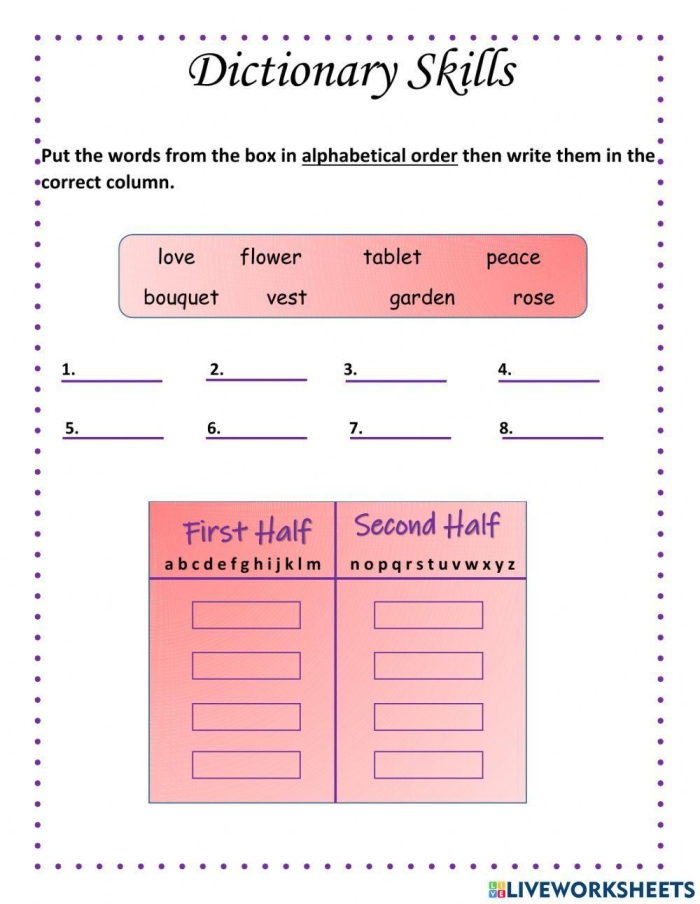
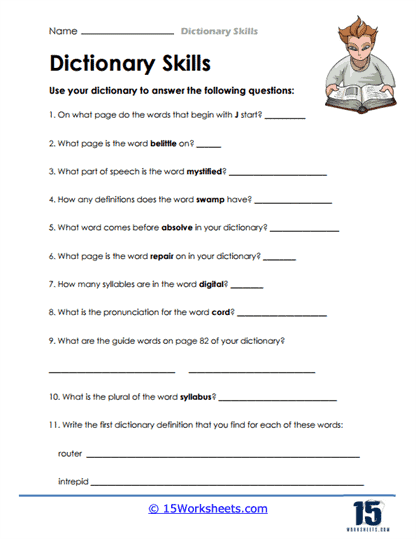
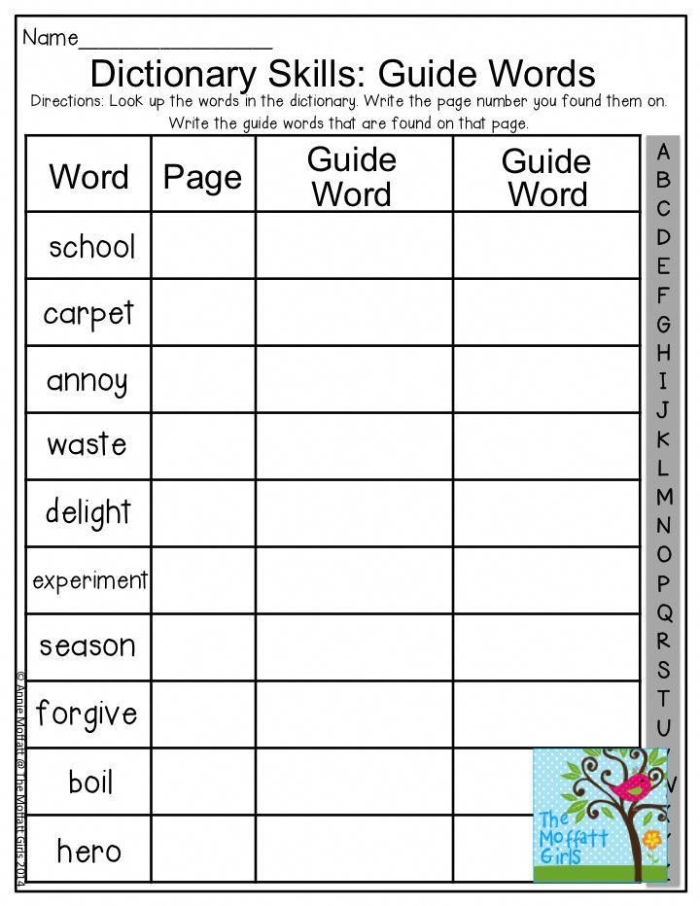
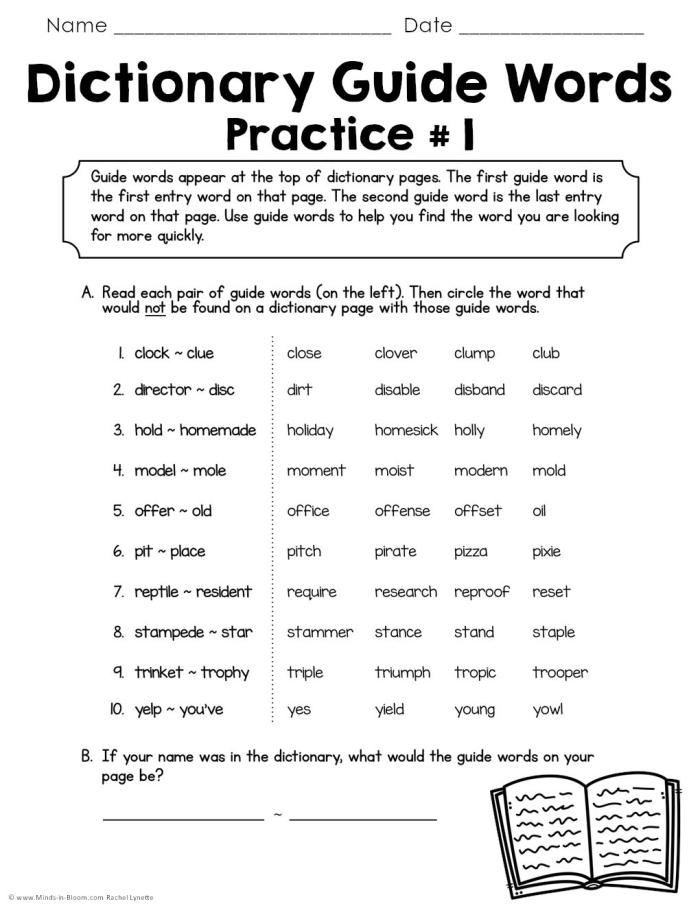
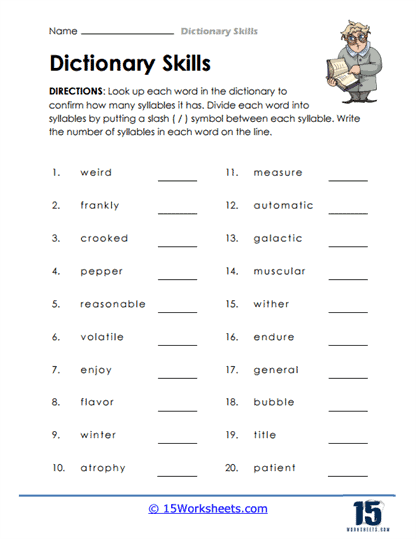
When teaching second grade writing, incorporating printable dictionary skills worksheets helps reinforce these concepts through practice. Activities that ask children to find specific information within entries build confidence and speed. You might also explore how sight words and foundational vocabulary appear in dictionaries, or use engaging formats like interactive learning games to make the skill stick.
The sooner your child becomes comfortable navigating dictionary entries, the more independent they’ll become as readers and writers.
Download These Worksheets for Practice