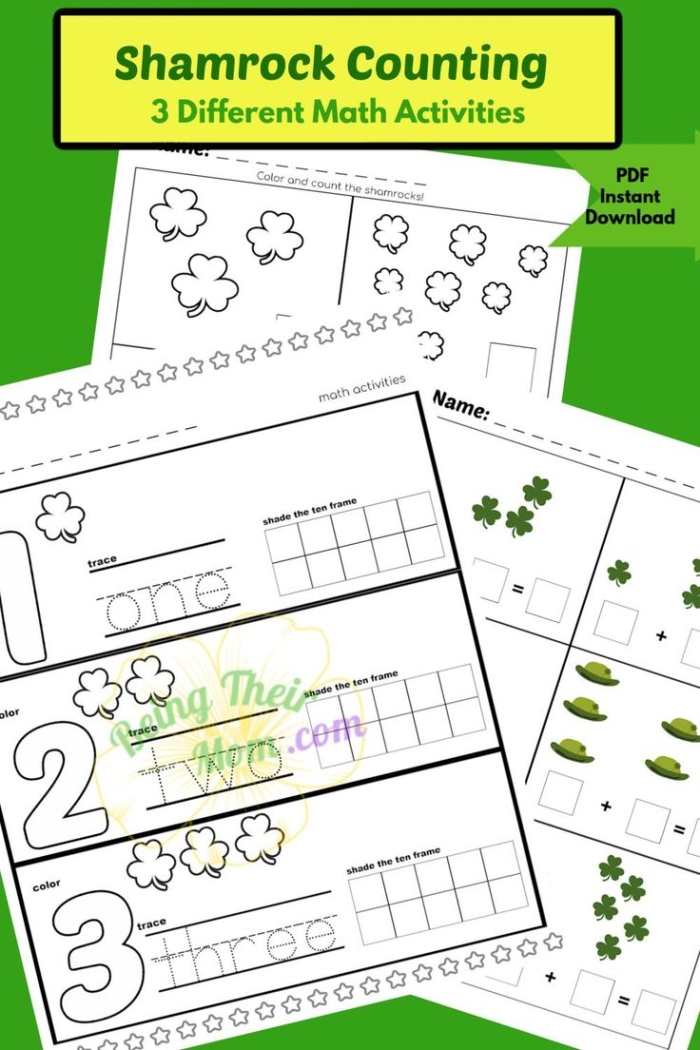
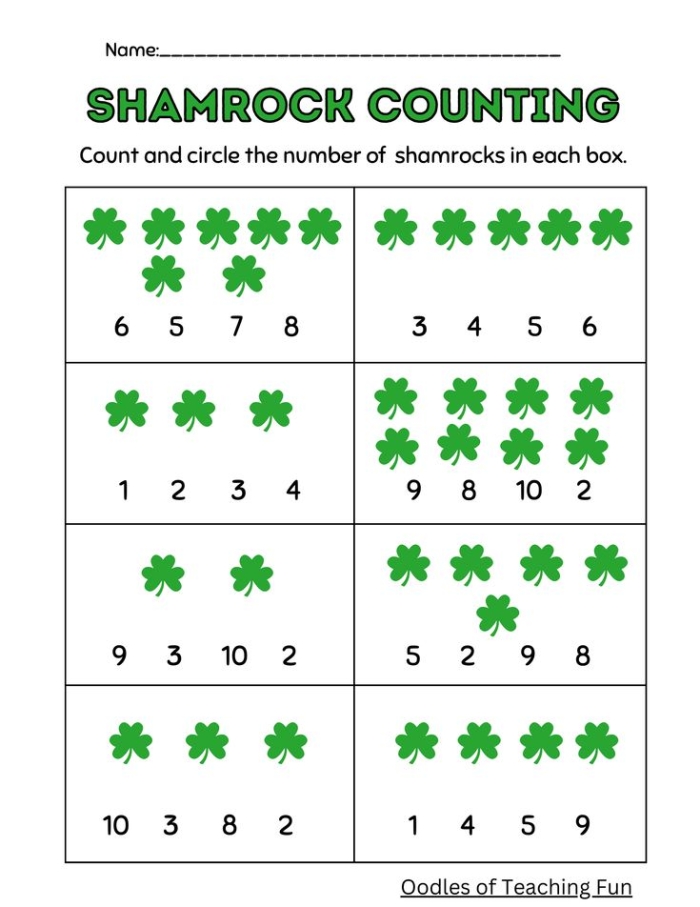
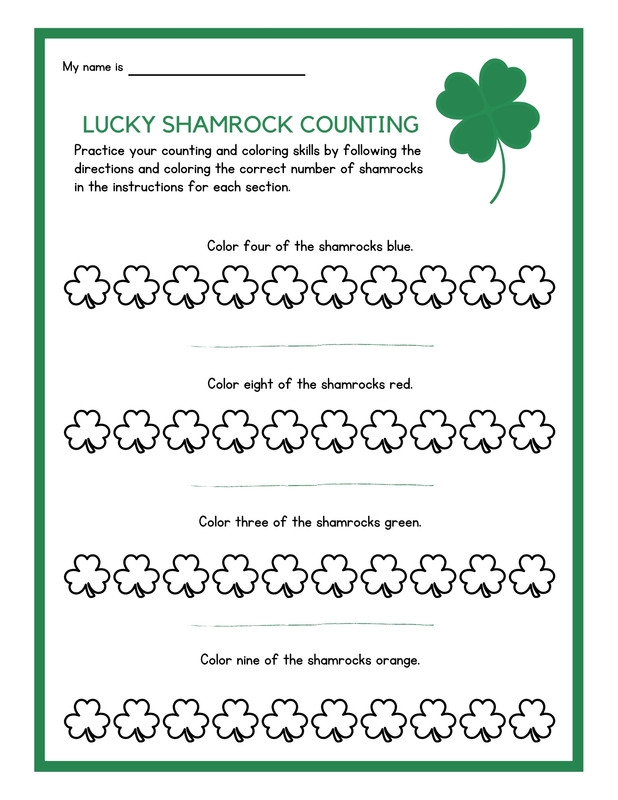
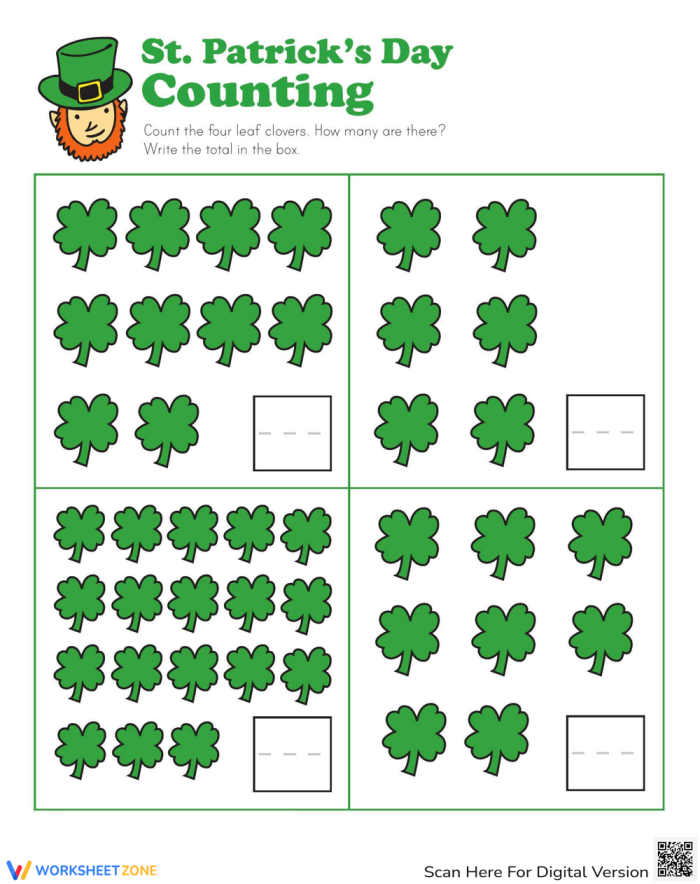
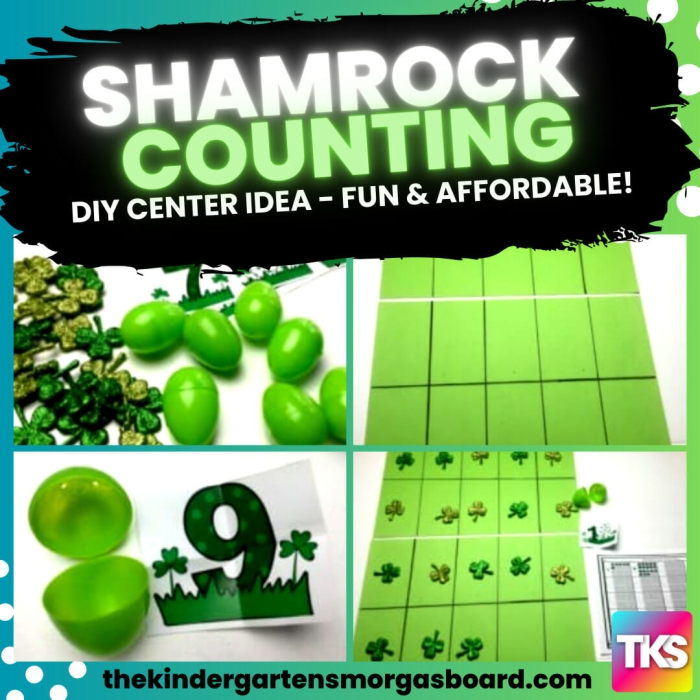
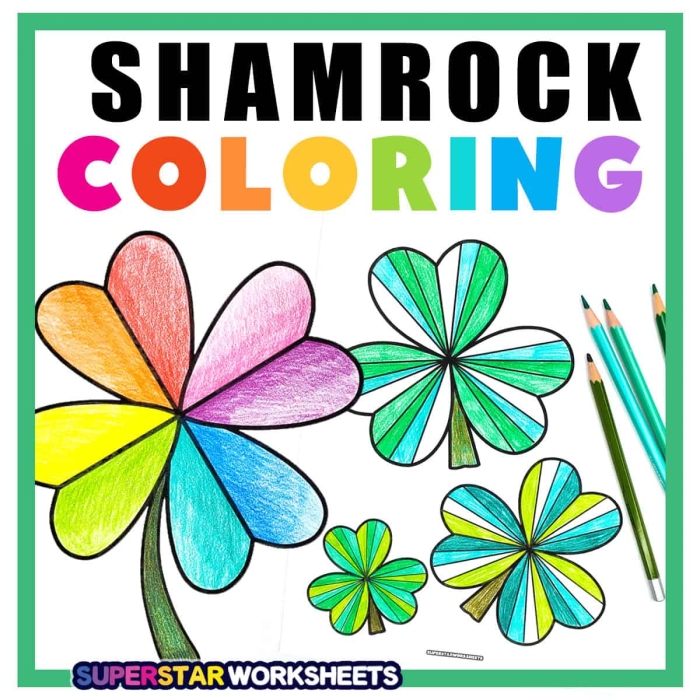
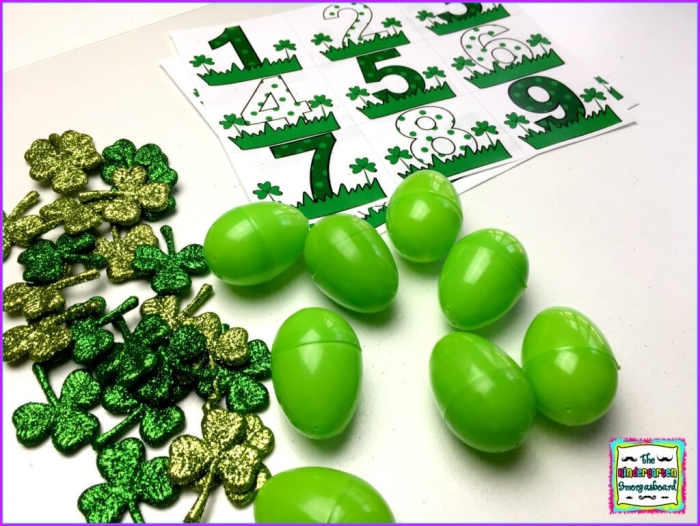
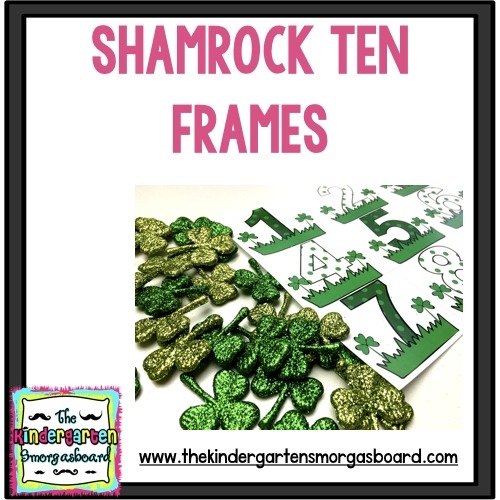
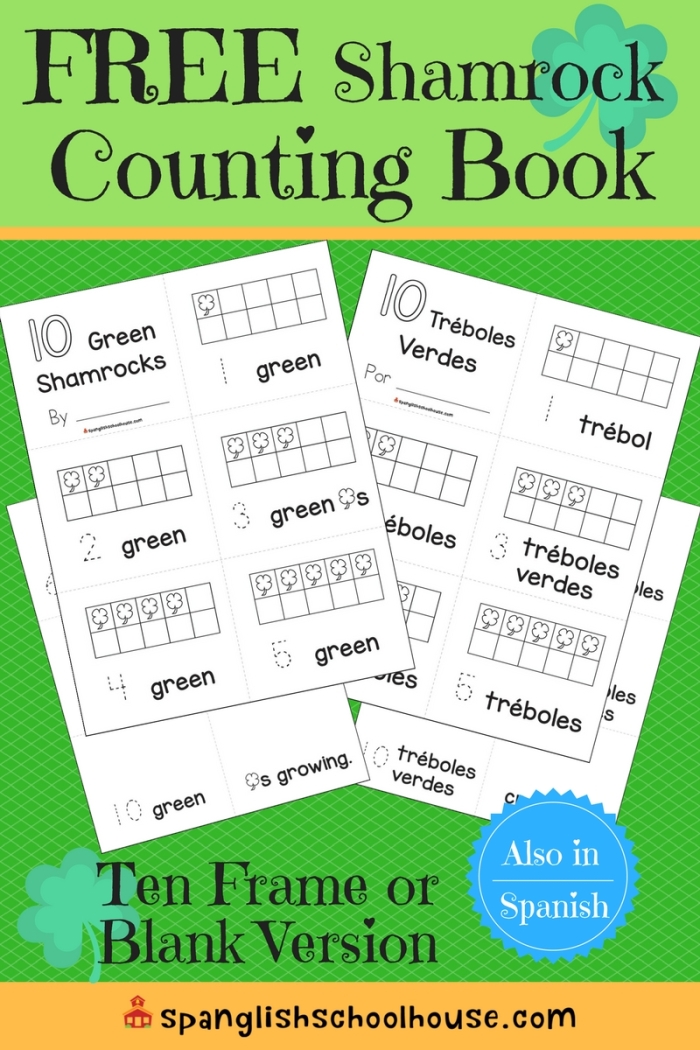
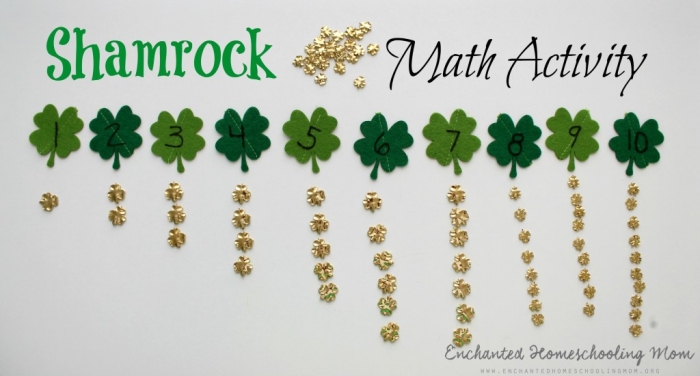
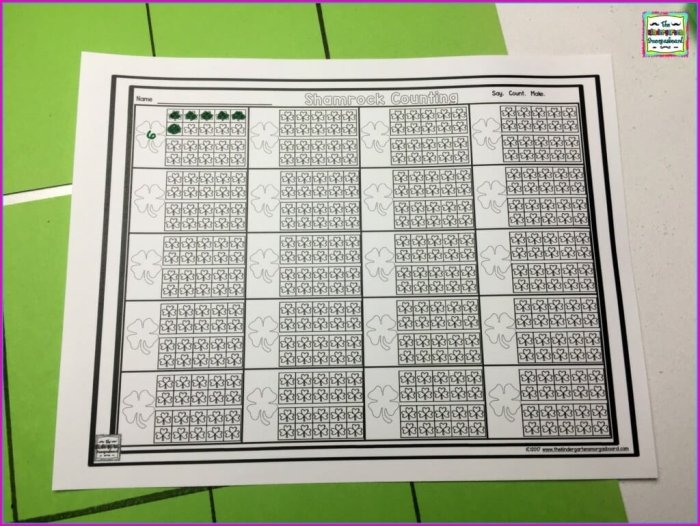
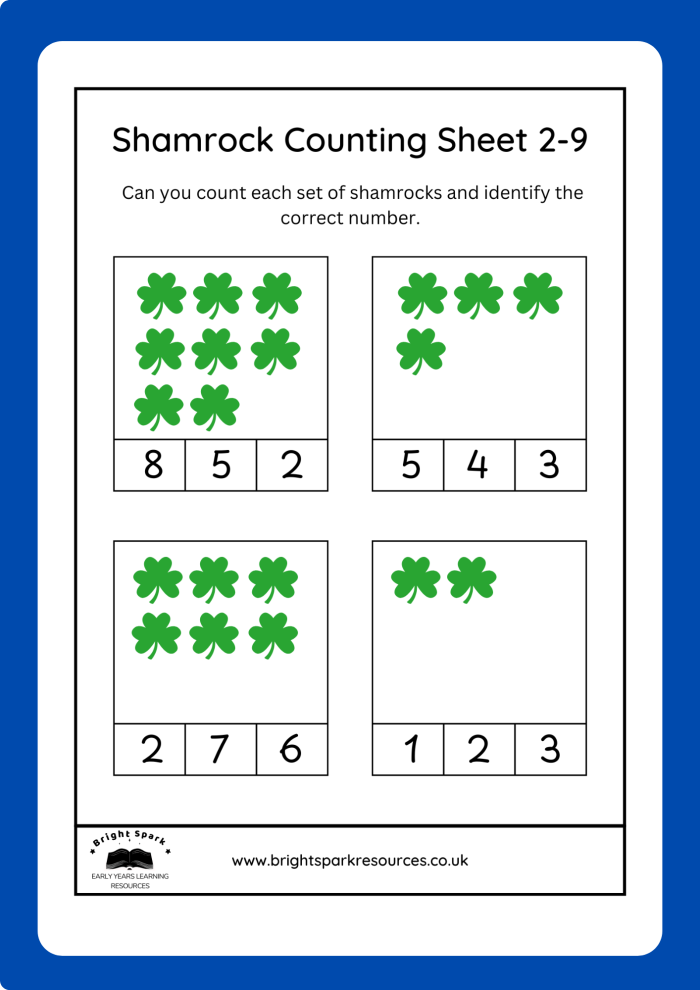
St. Patrick’s Day gives us the perfect excuse to turn counting practice into something kids actually want to do. A shamrock counting activity combines the holiday’s festive energy with solid math foundations, making it an ideal way to keep kindergarten learners engaged while they build number recognition skills.
When children count shamrocks across a worksheet or activity page, they’re doing more than just saying numbers in order. They’re developing one-to-one correspondence, which is the understanding that each object they touch or point to represents exactly one count. This foundational skill underpins all future math learning. As they move their finger from shamrock to shamrock, they’re also practicing motor control and visual tracking, both critical for early literacy and numeracy development.
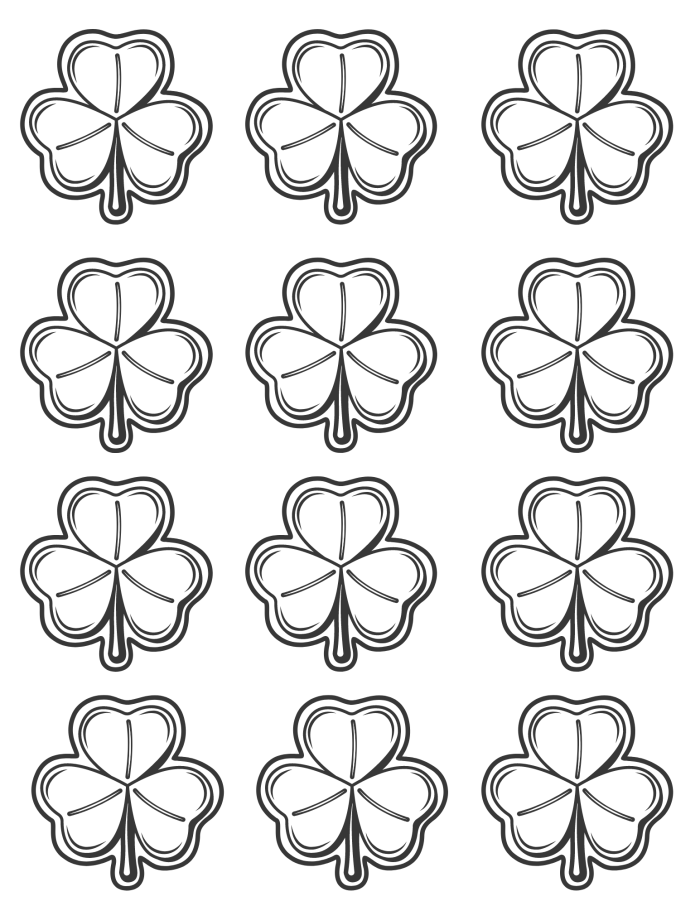
The beauty of a shamrock counting activity lies in its simplicity. A field of shamrocks scattered across a page gives children a concrete, visually interesting target. Unlike abstract number lines, the shamrocks provide something real to count. Kids can use their fingers to keep track, circle groups, or draw lines connecting the shapes. Some children benefit from counting aloud, while others prefer silent counting. The flexibility lets each learner work at their own pace.
For kindergarten classrooms, these activities fit naturally into geometry work as well. Children can discuss the three-leafed shape of the shamrock, compare it to other shapes they know, and even sort shamrocks by size or arrangement. If you’re looking for structured practice, geometry-focused kindergarten worksheets often include similar shape-based counting exercises that layer multiple skills together.
The seasonal angle keeps motivation high. Tying math practice to holidays means children associate learning with celebration rather than obligation. A shamrock counting worksheet becomes a keepsake from a fun day, not just another worksheet to complete.
Download These Worksheets for Practice