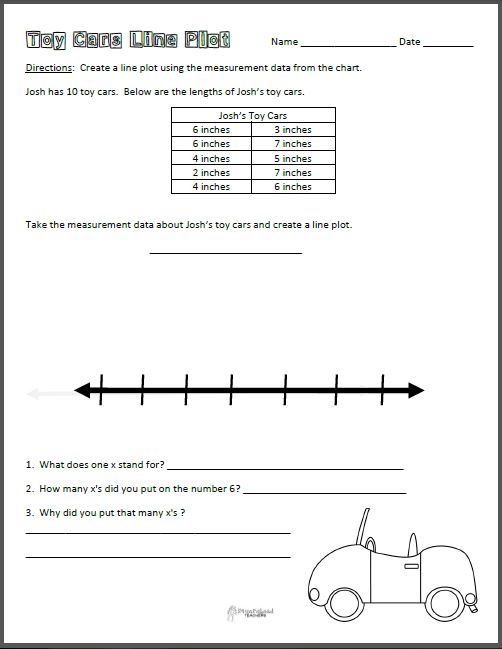
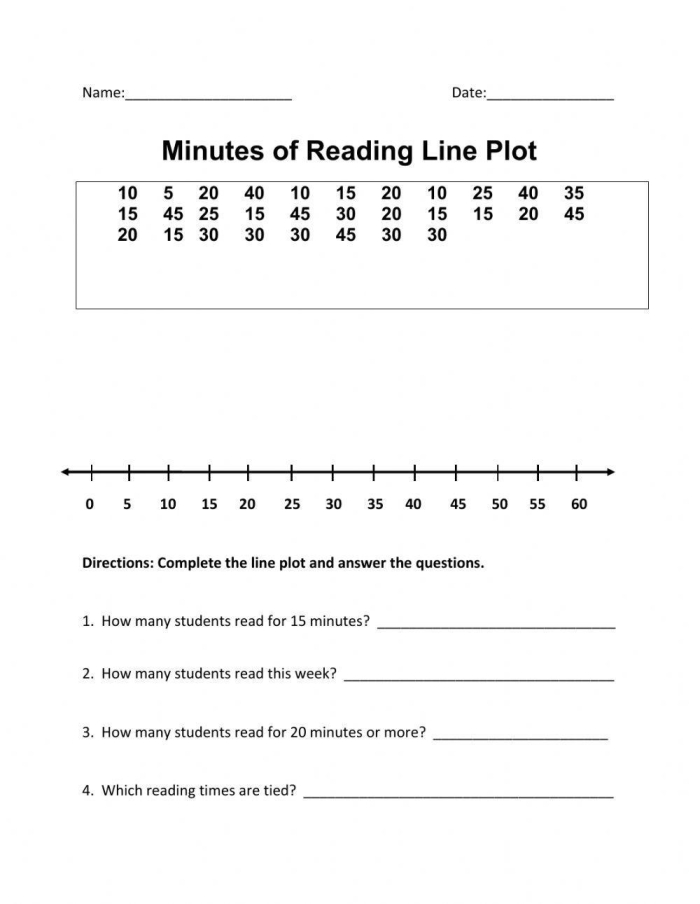
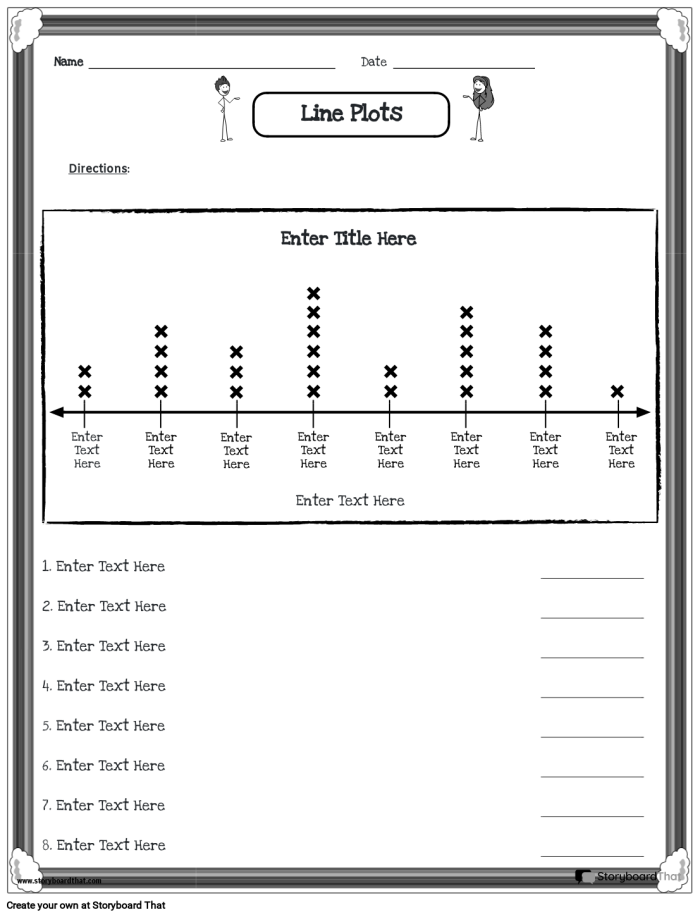
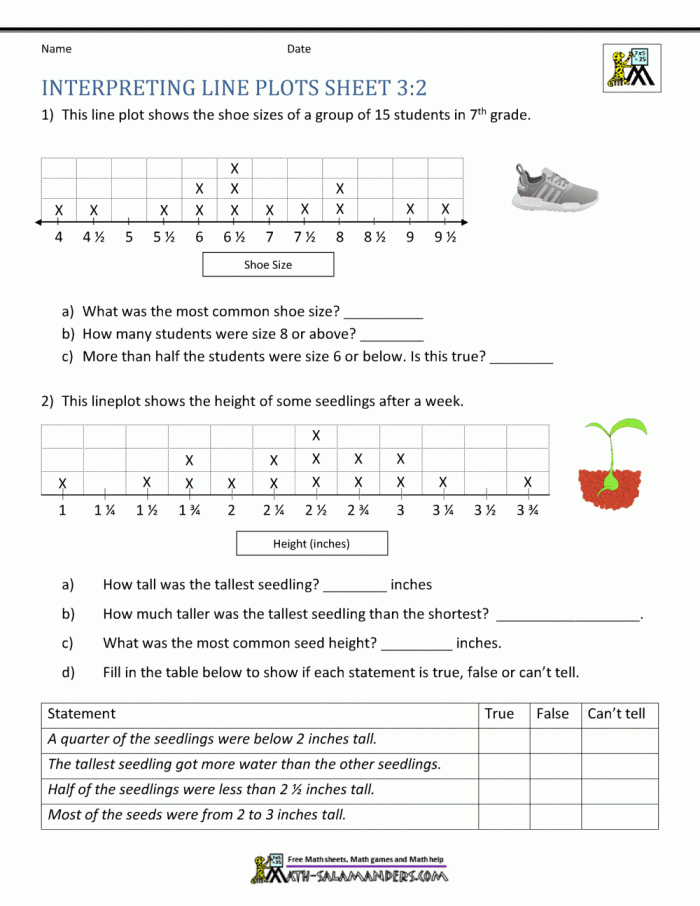
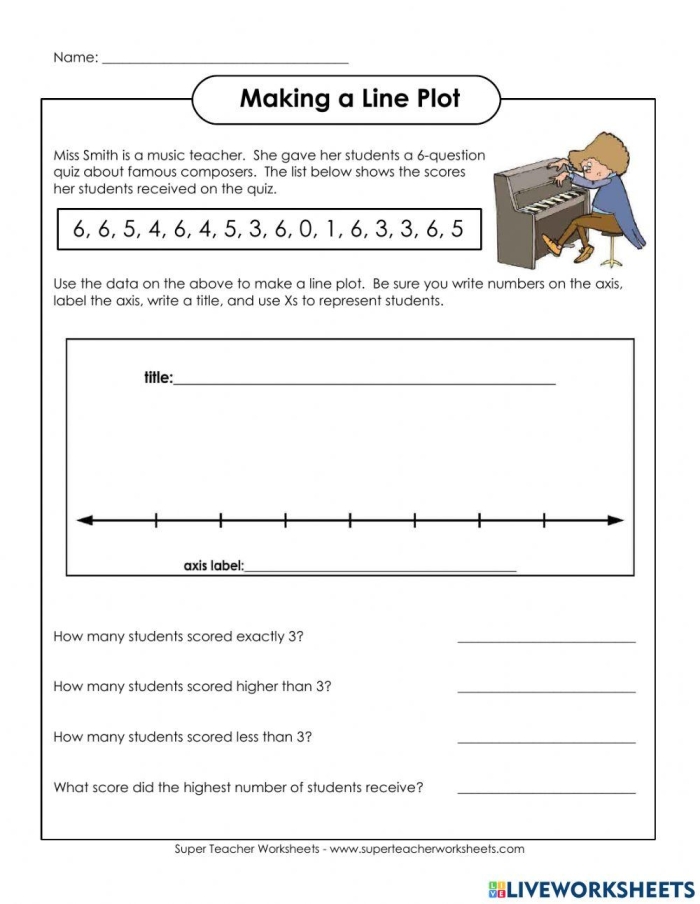
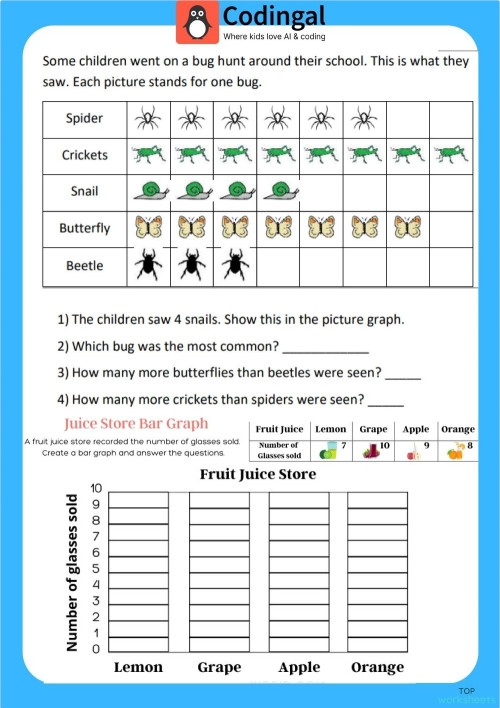
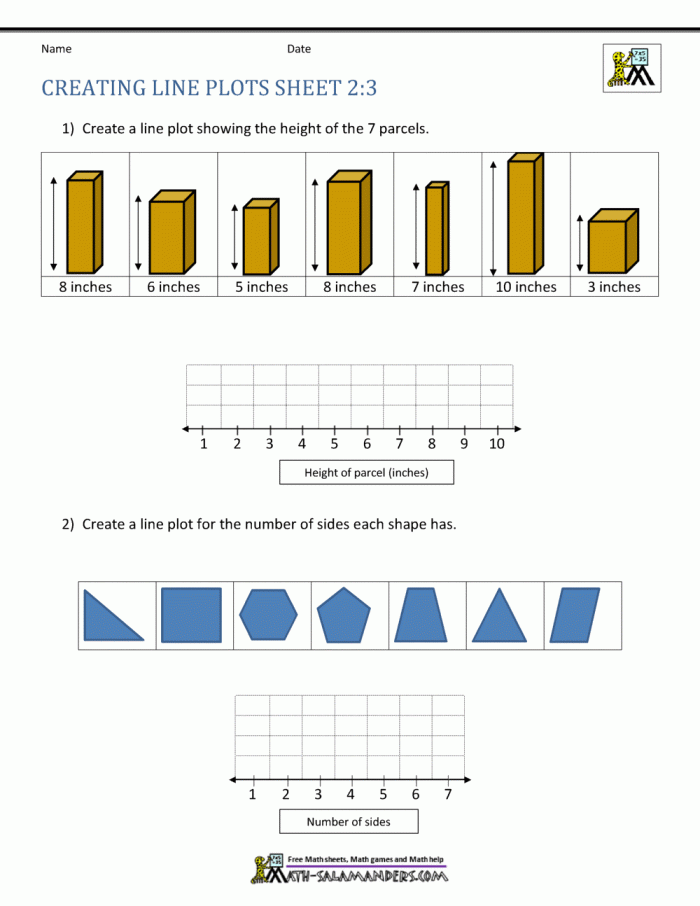
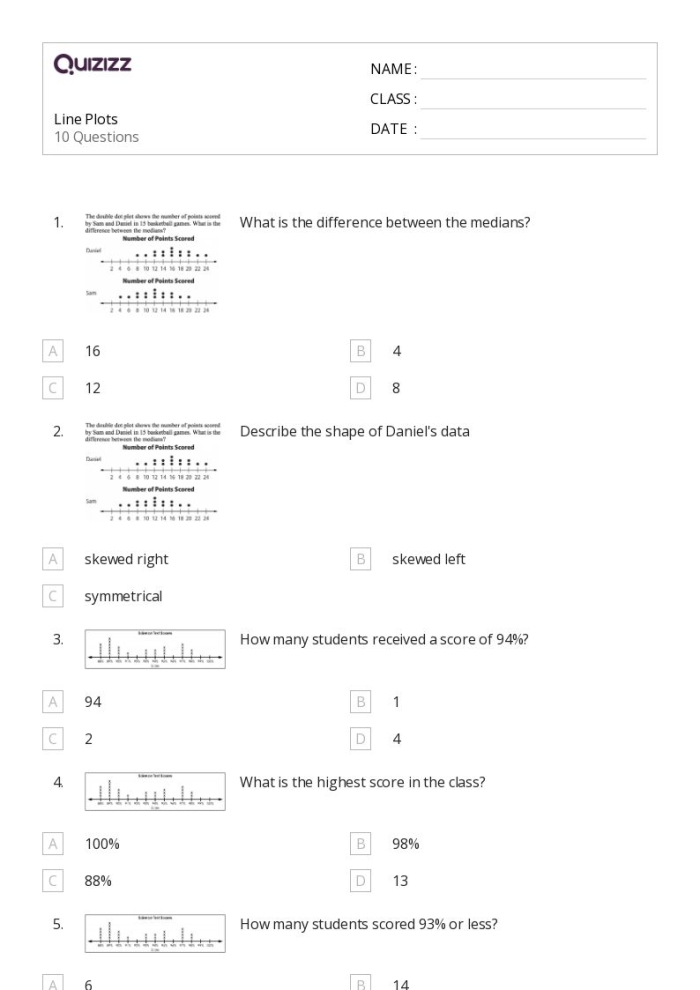
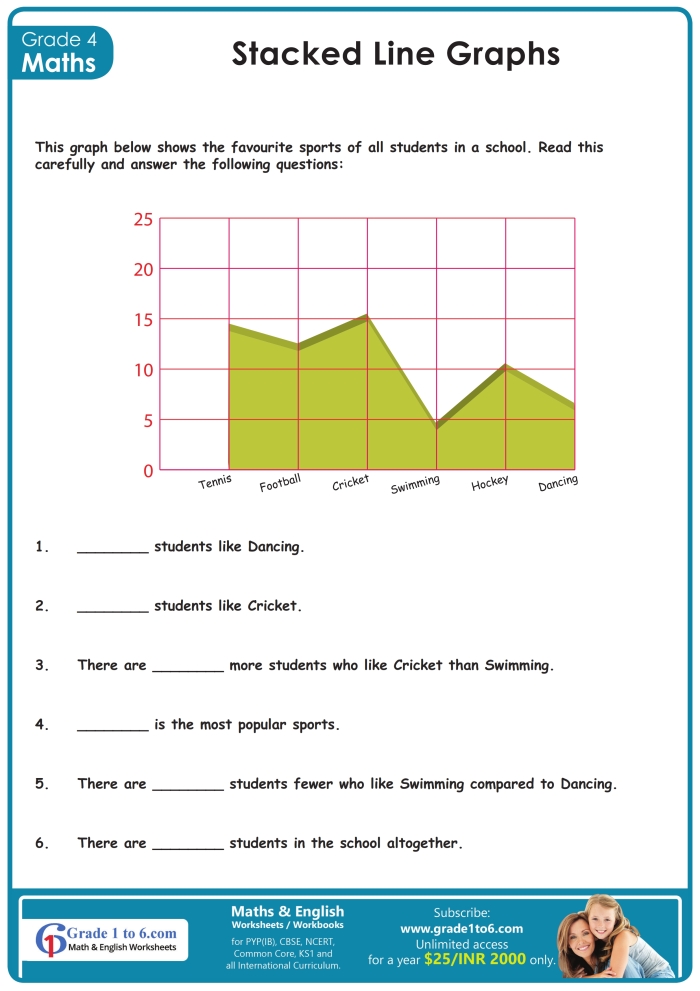
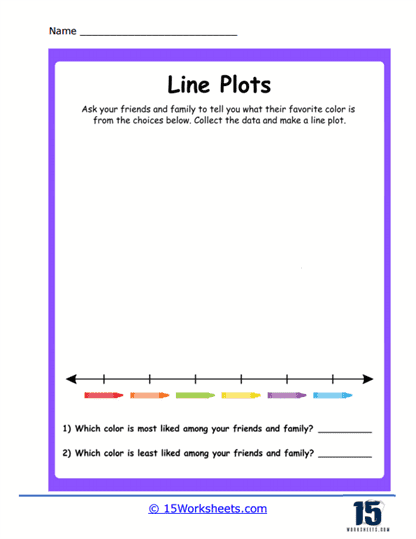
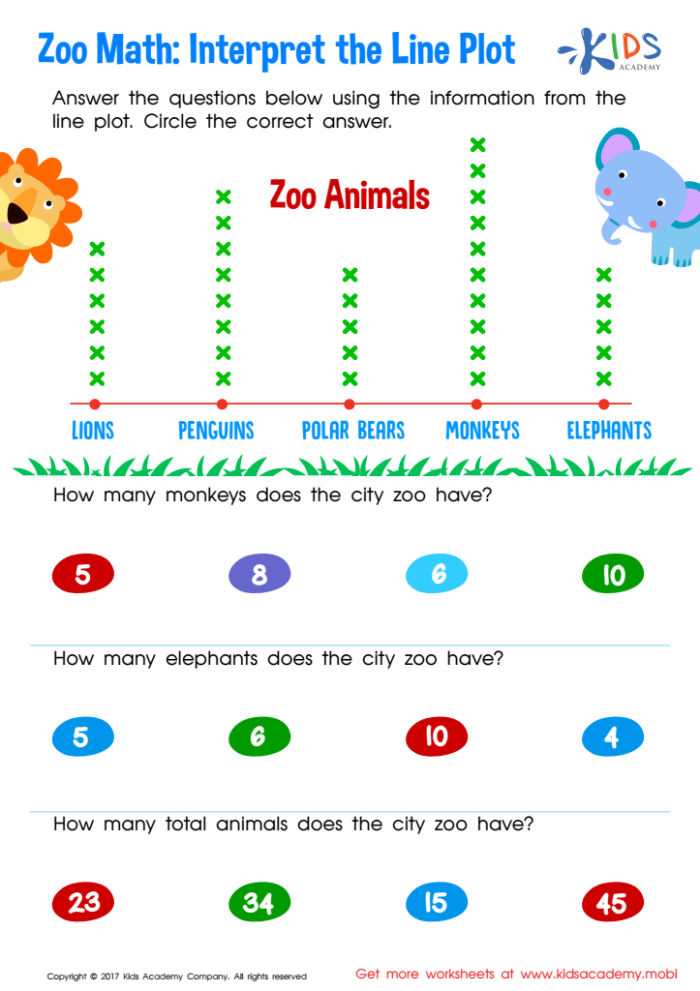
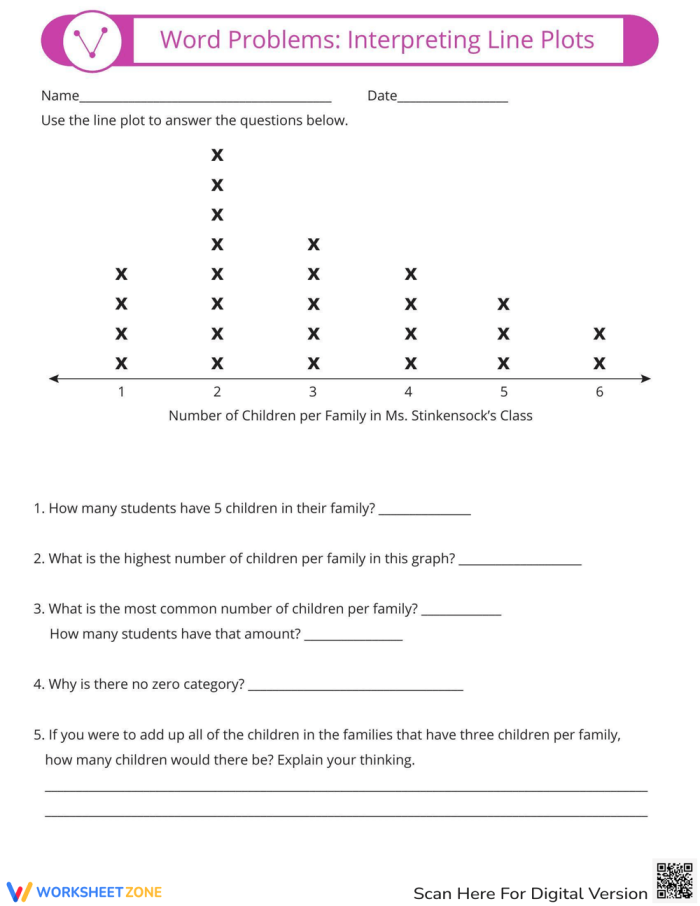
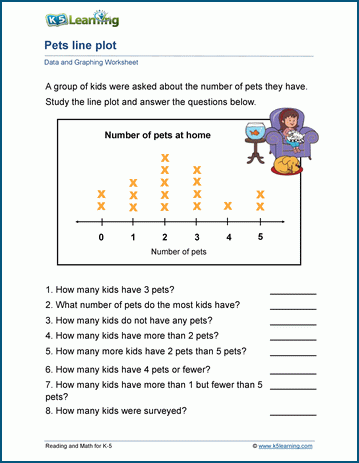
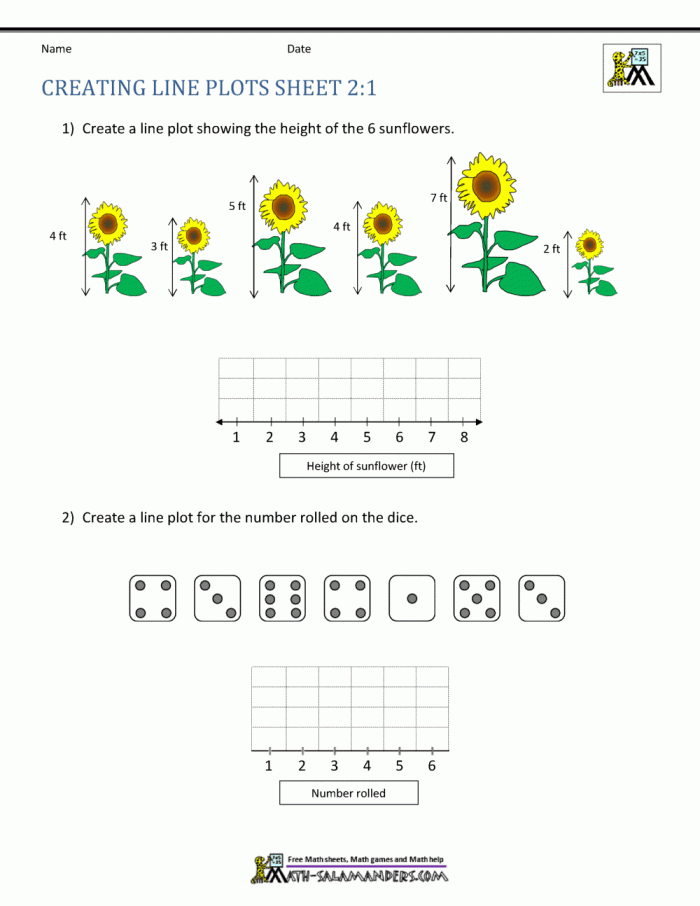
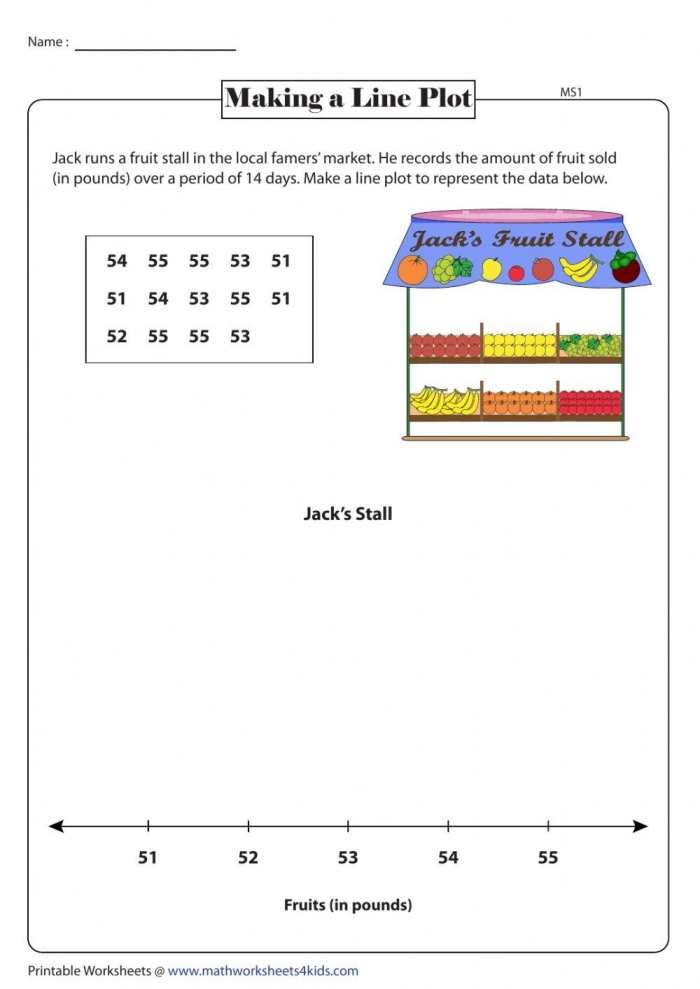
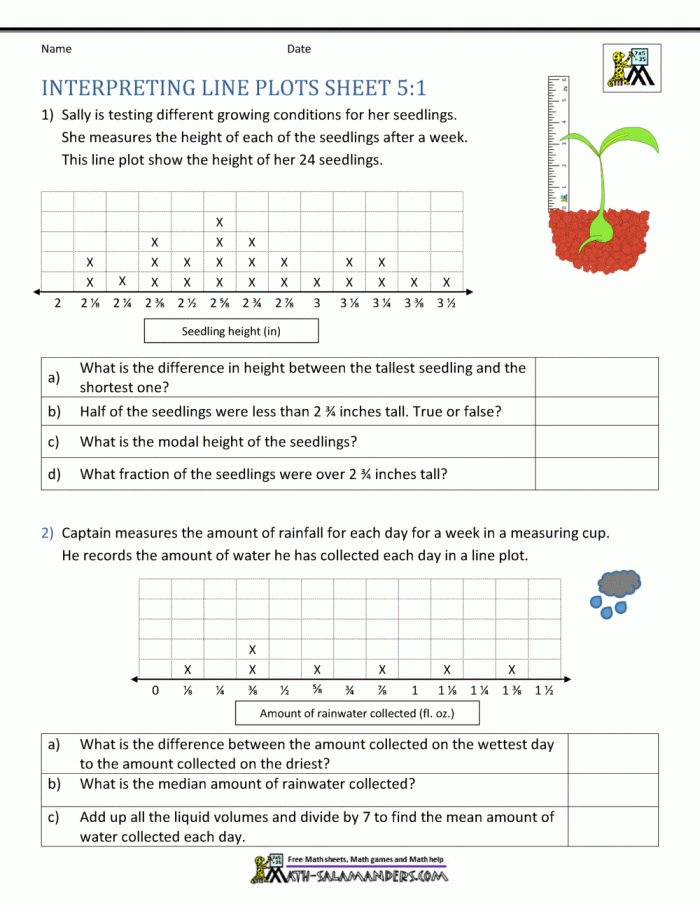
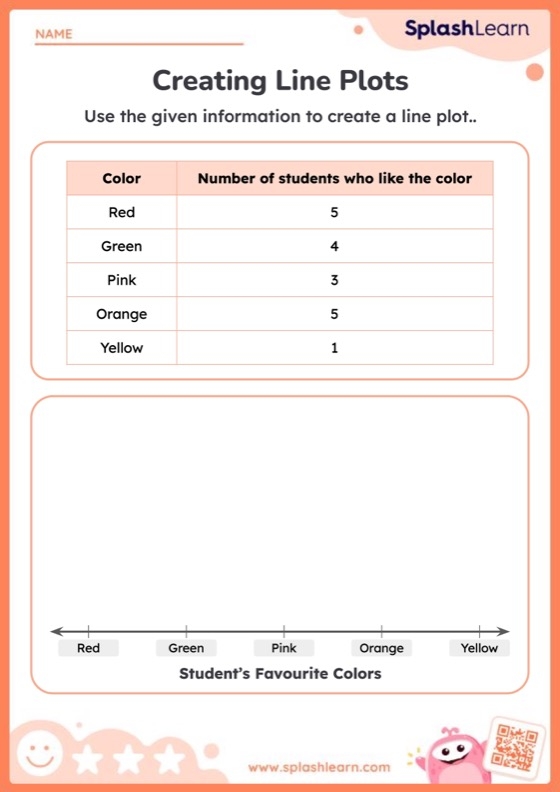
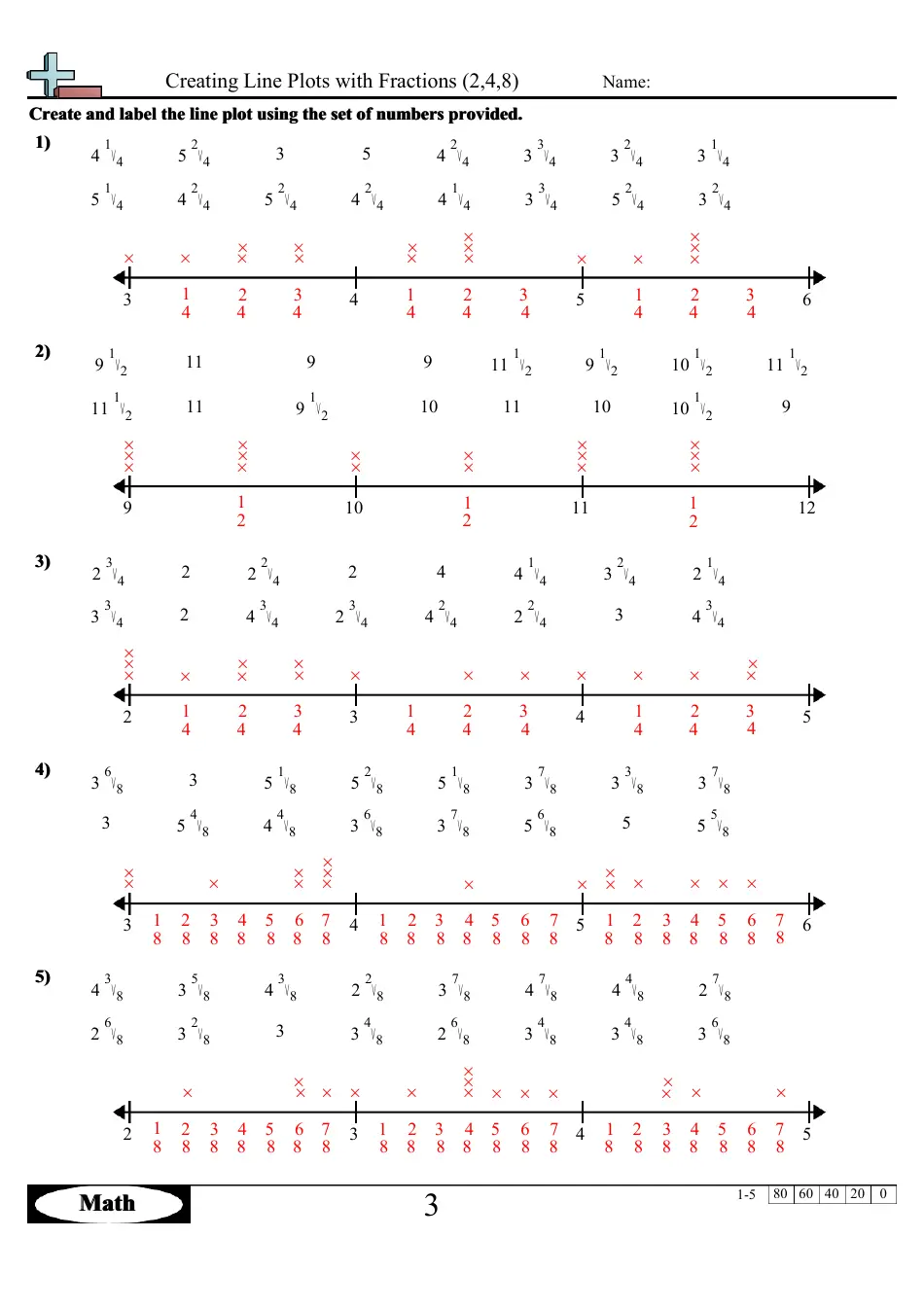
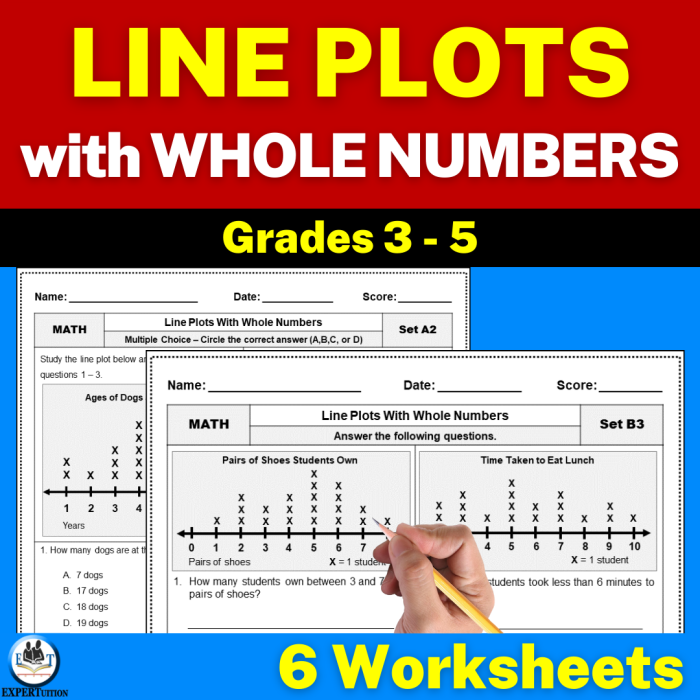
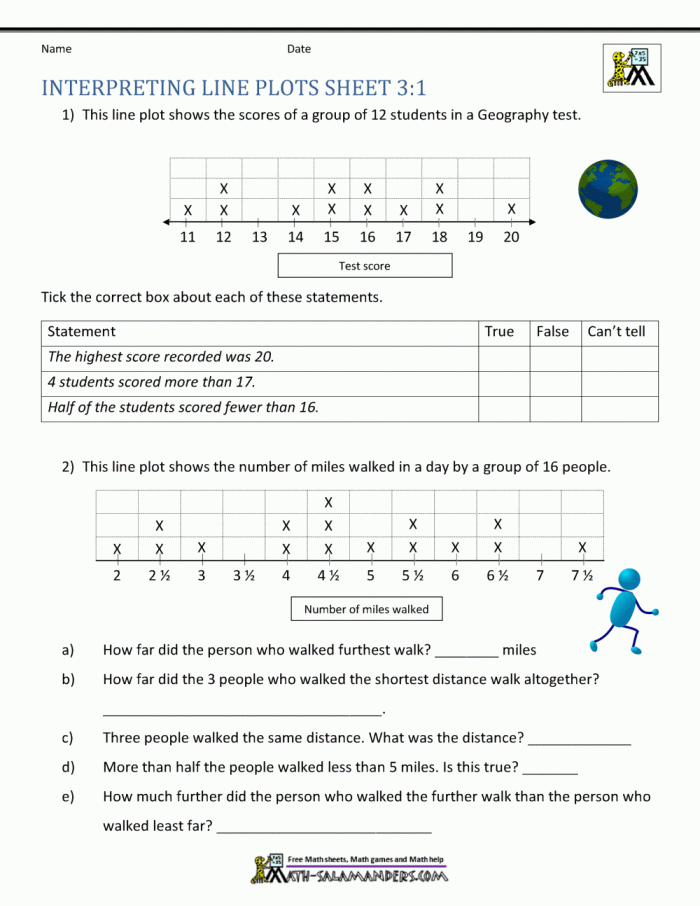
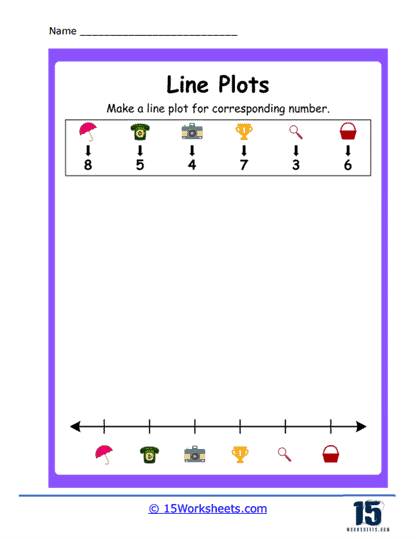
It’s time to flex your math muscles by encouraging third grade students to interact deeply with line plots. Instead of simply interpreting data, have them take the next step: creating their own problem questions based on the information presented. This approach not only reinforces their understanding of line plots but also sharpens critical thinking and communication skills.
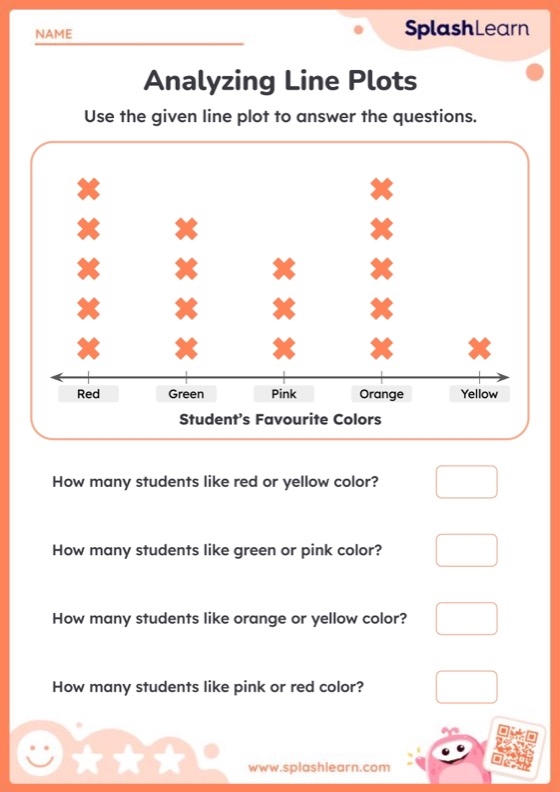
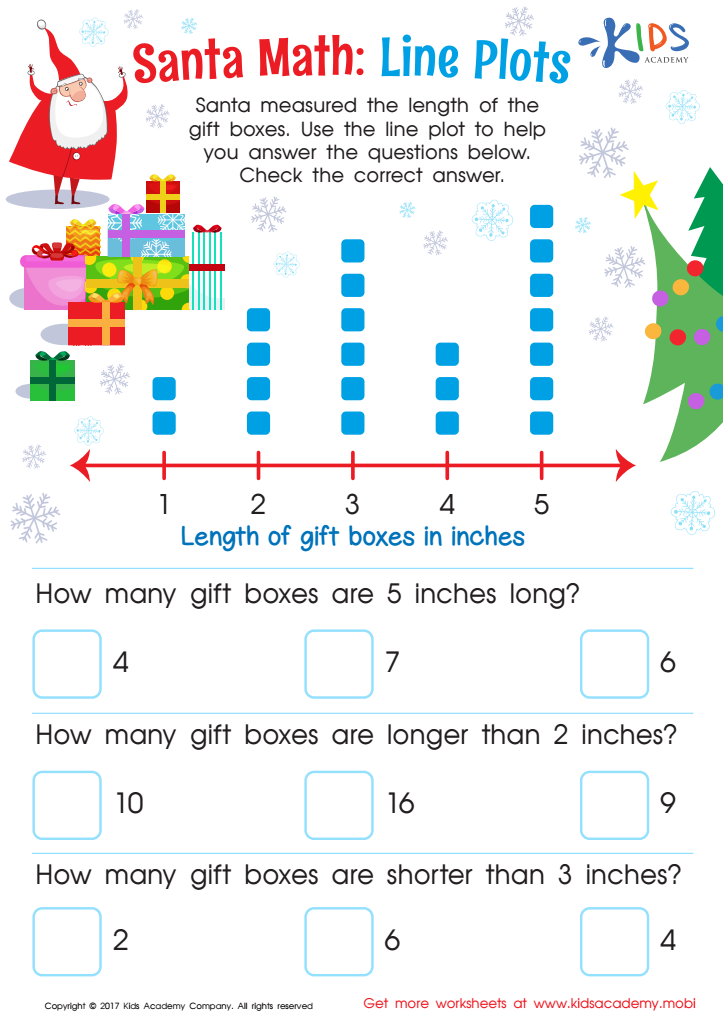
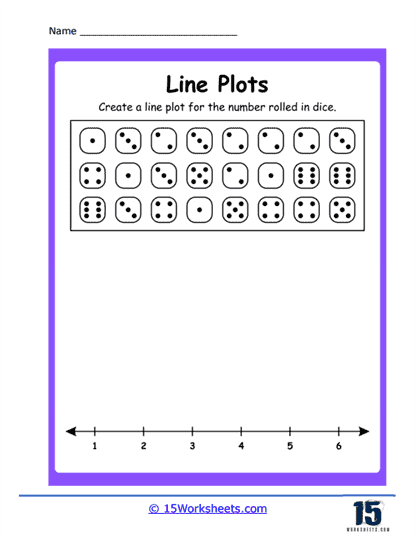
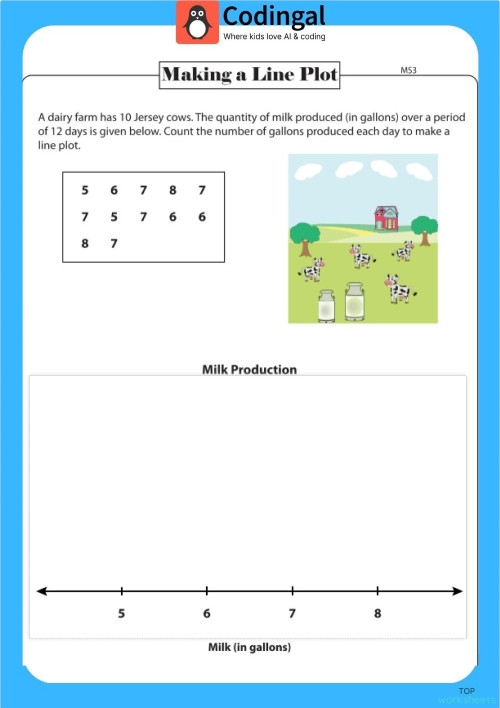
Line plots are a common tool in geometry lessons for this grade level. They display data points along a number line, making it easier for students to see frequency and distribution at a glance. By asking students to generate questions, you’re inviting them to think about what the data means and how it can be used. For example, if a line plot shows the lengths of pencils measured in centimeters, a student might ask, “How many pencils are longer than 7 centimeters?” or “What is the difference between the shortest and longest pencil?”
Creating problem questions encourages students to use precise vocabulary and understand measurement concepts, which are crucial in geometry. This method also aligns well with third grade standards, where students begin to explore measurement units like grams and kilograms alongside spatial reasoning. Resources like worksheets on measurement in grams and kilograms can complement line plot activities and enrich students’ grasp of numerical data.
When students compose their own questions, they practice formulating clear, meaningful queries. This skill goes beyond math, improving their overall ability to analyze information and communicate effectively. If you want to mix things up, try combining line plot exercises with activities that focus on naming shapes or understanding perimeter, such as those found in geometry worksheets on naming shapes and their attributes or presenting perimeter.
Using printable creating problem questions for line plots worksheets offers a structured way to guide students through this process. It helps maintain focus while allowing creativity to flourish. When students engage this way, they move beyond passive learning and take ownership of their mathematical thinking—a valuable step in their journey through third grade geometry.
Download These Worksheets for Practice