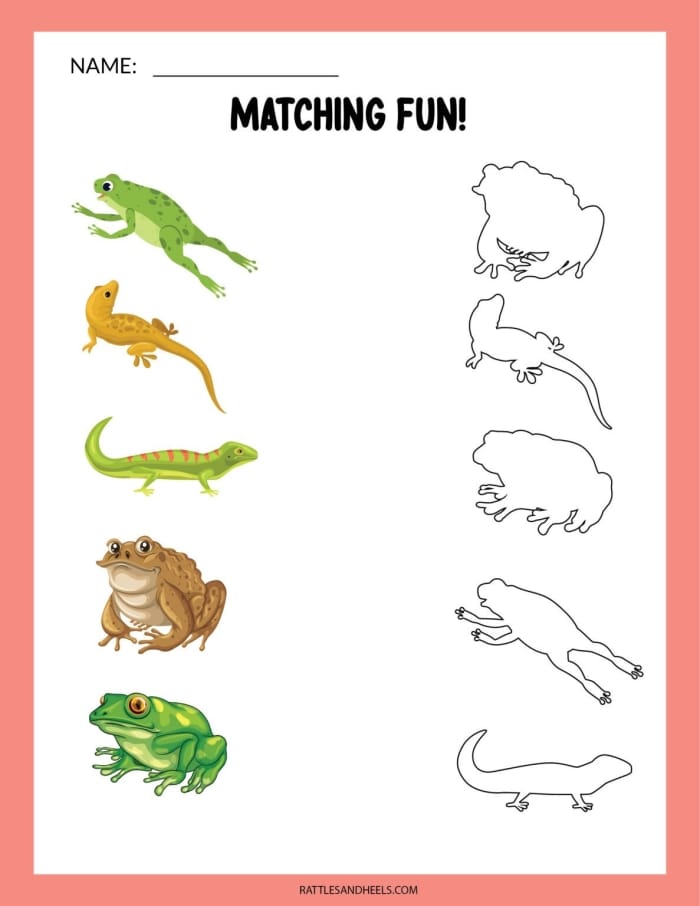
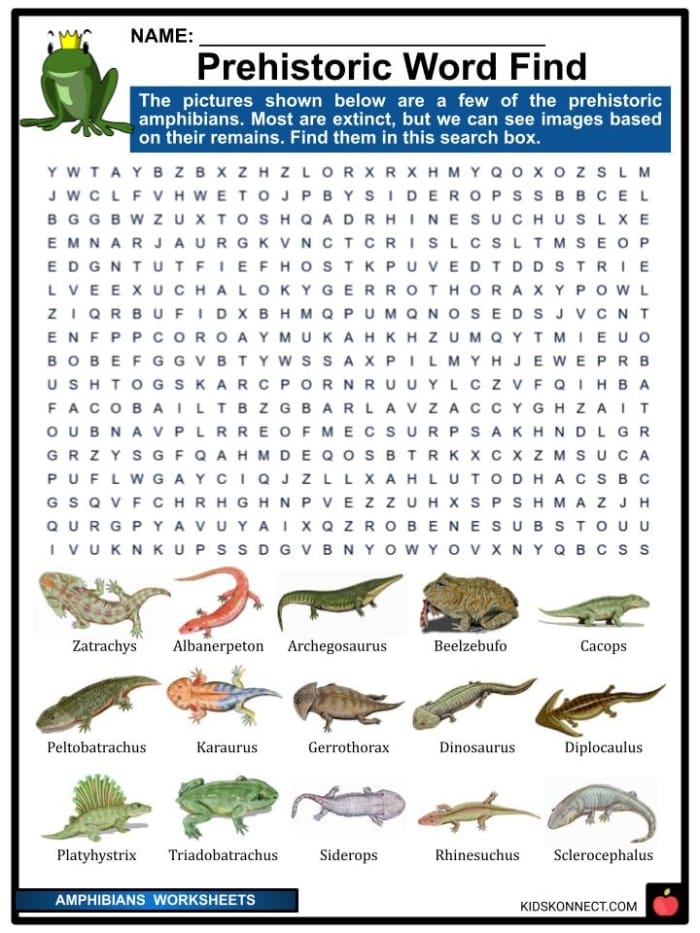
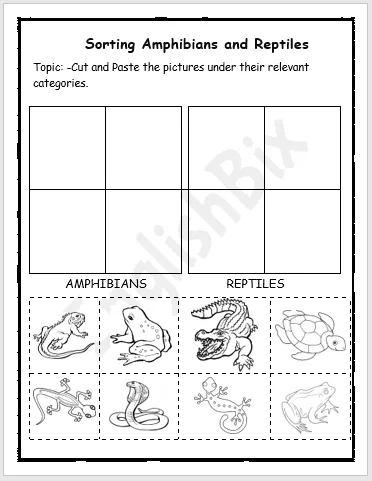
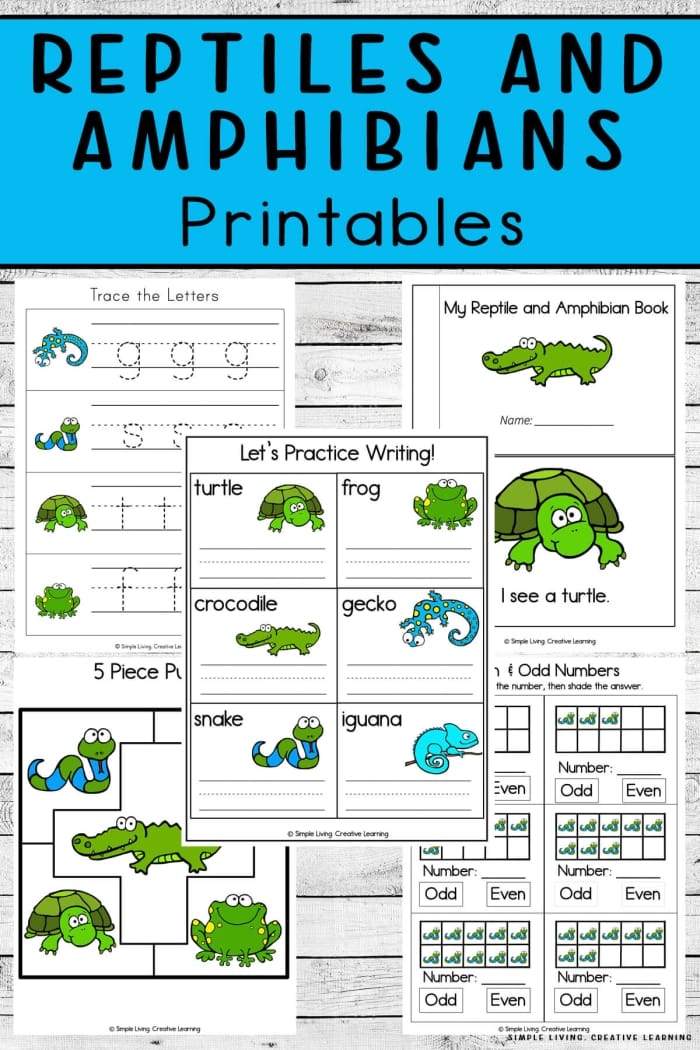
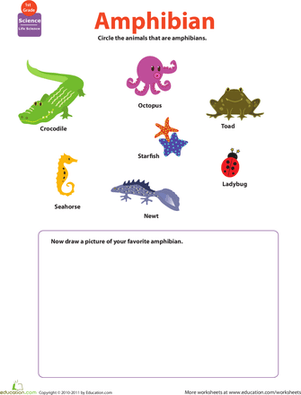
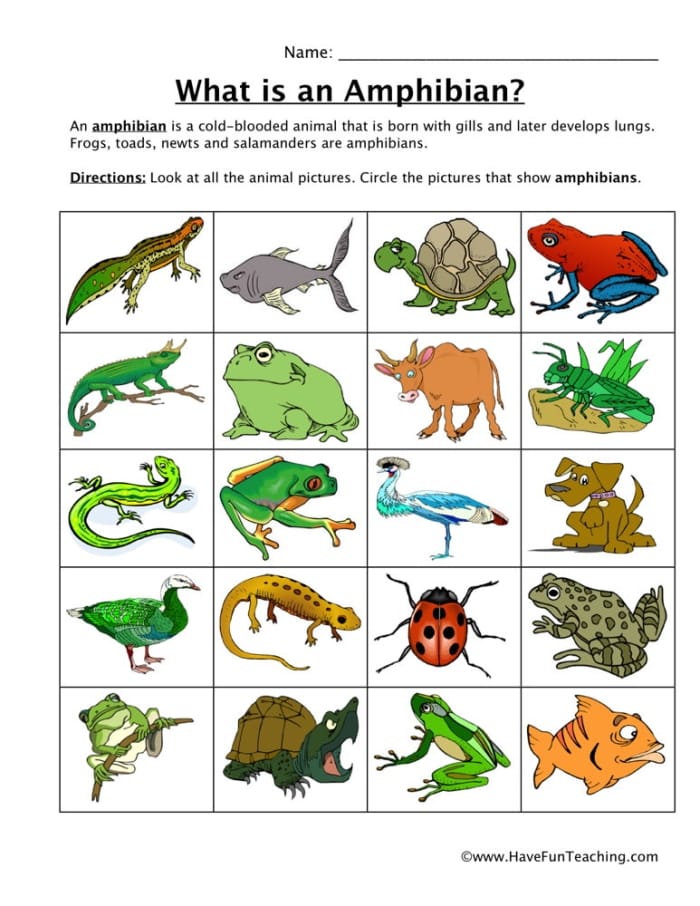
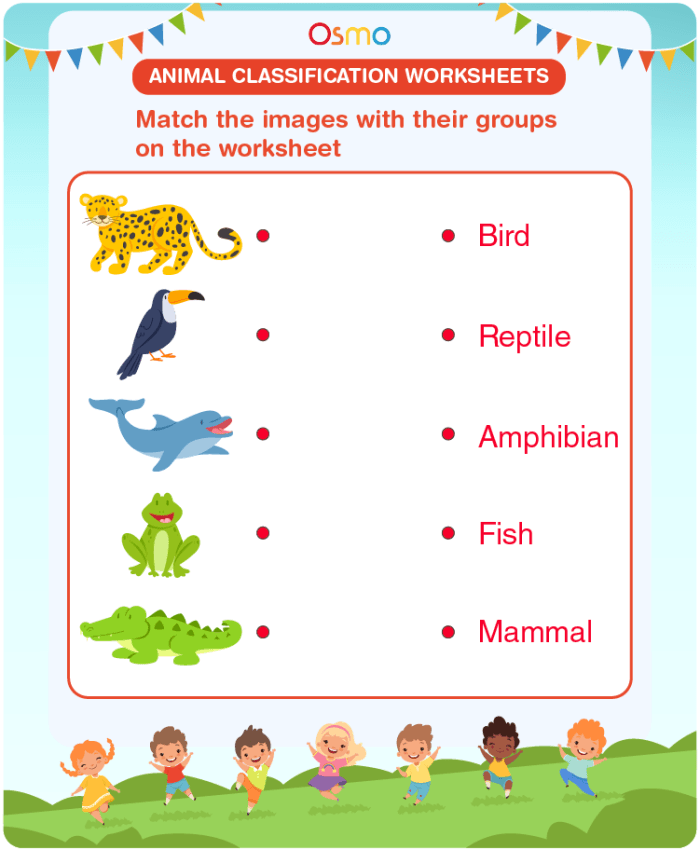
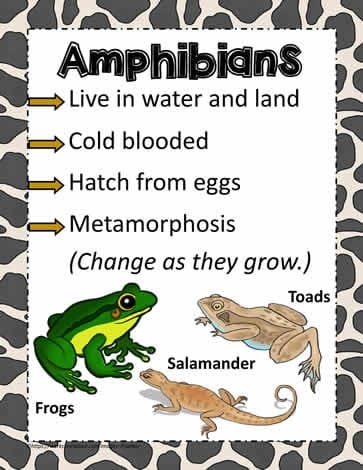
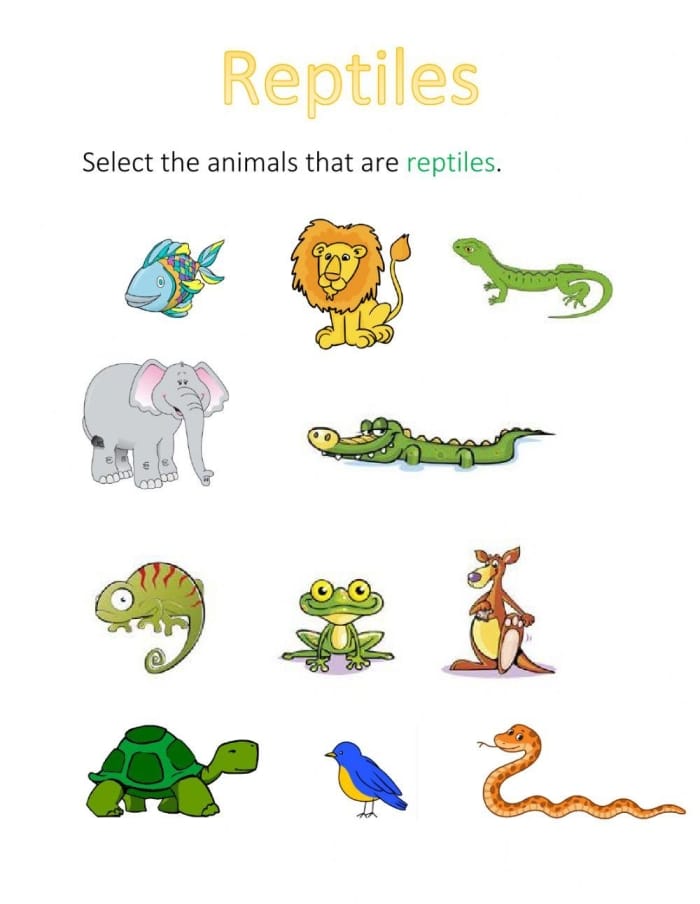
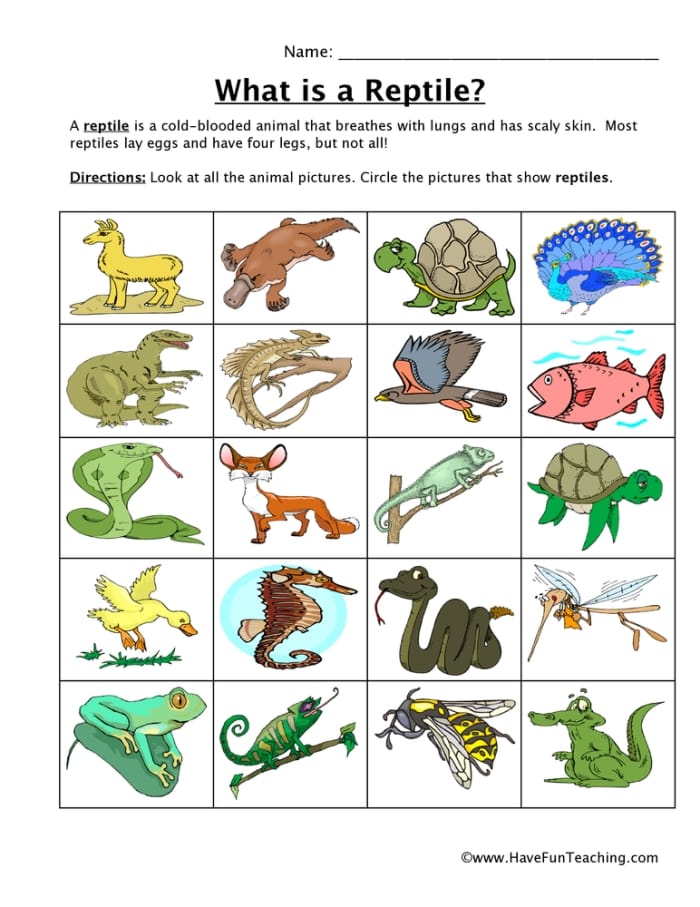
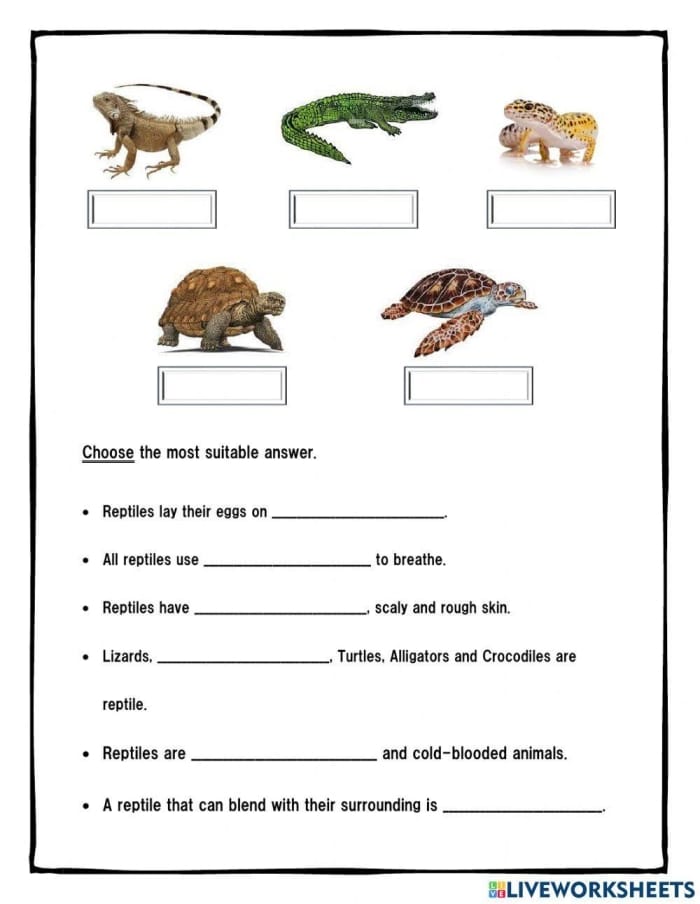
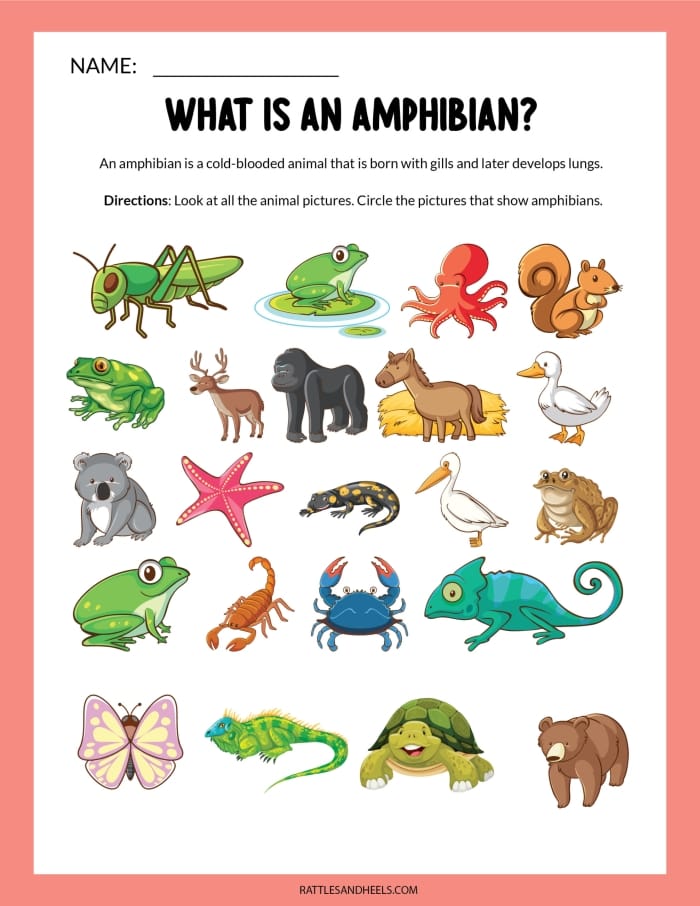
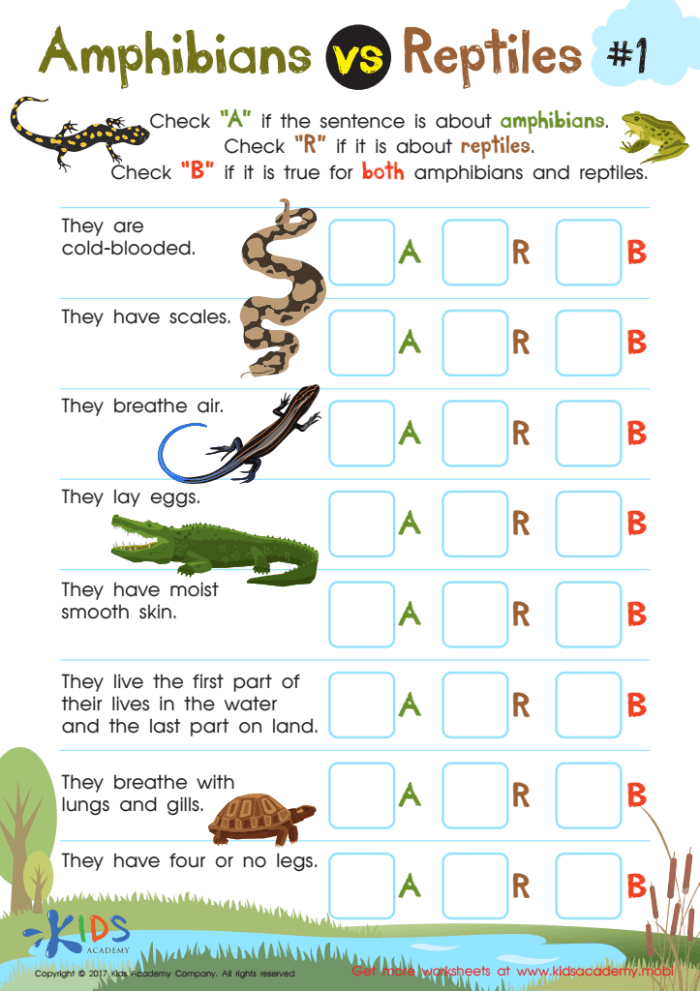
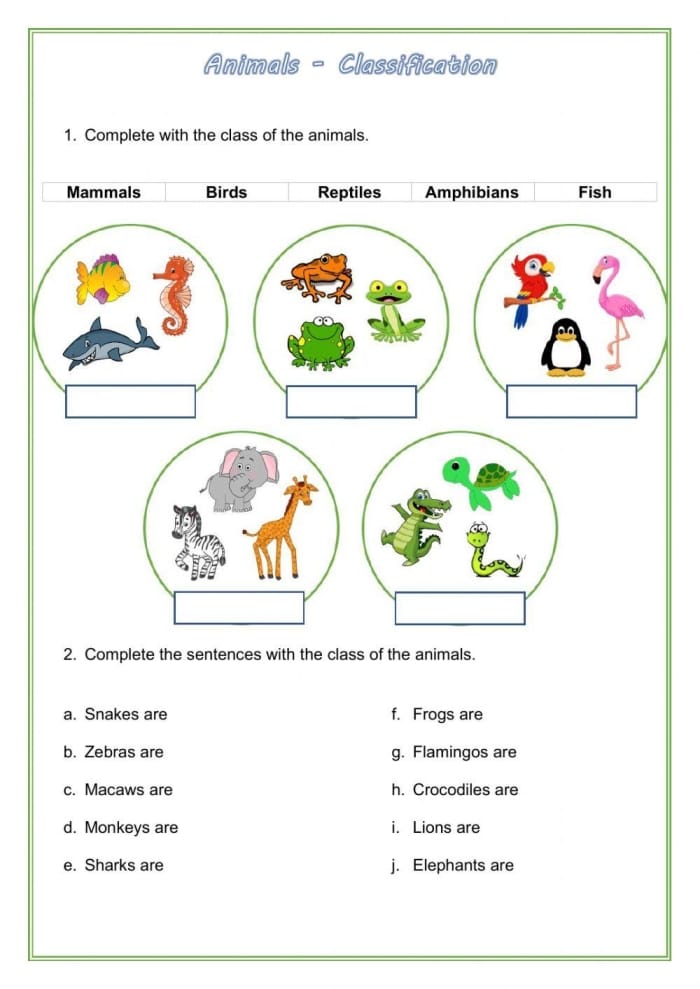
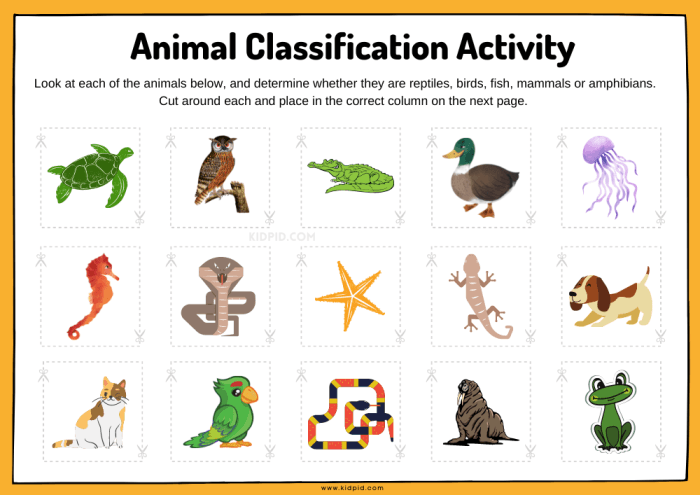
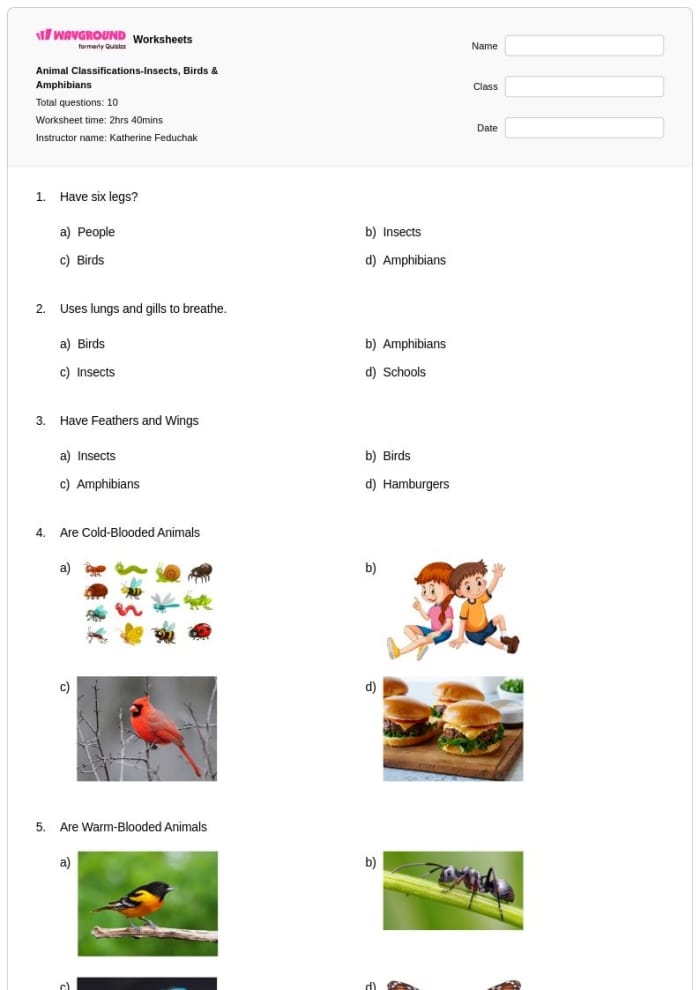
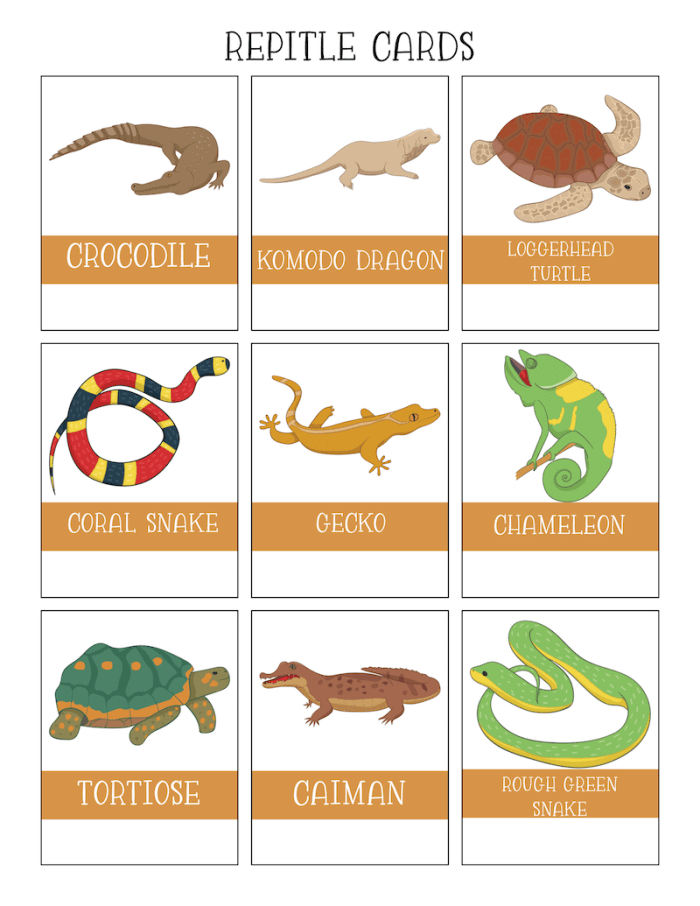
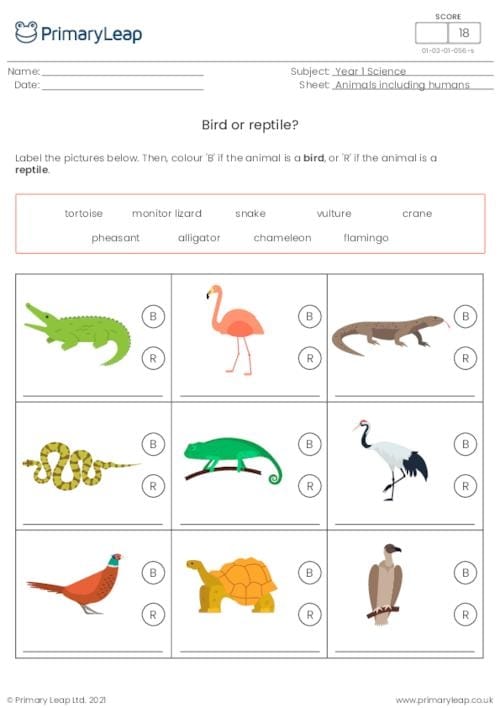
Getting first graders to think like scientists doesn’t require fancy equipment or complicated lessons. This worksheet takes a straightforward approach to animal classification by having students discover what makes amphibians unique, then identify which creatures belong in that group.
The activity works by guiding your child through a simple observation process. Rather than just telling them that amphibians have wet skin or lay eggs in water, the worksheet prompts them to notice these traits themselves. Once they understand what characteristics define an amphibian, they circle the animals that match. This hands-on discovery method sticks with kids much better than memorization.
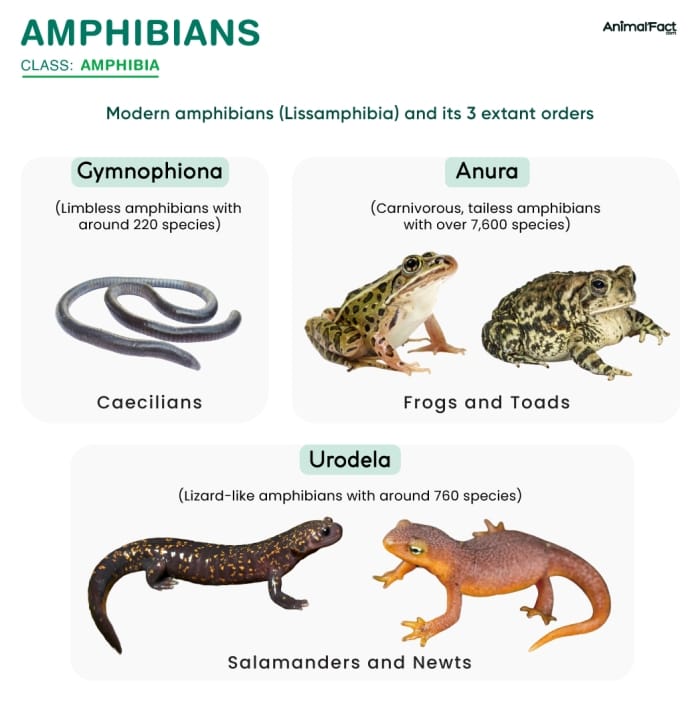
Amphibians are fascinating creatures for first graders to study because they’re relatable. Frogs, toads, and salamanders show up in backyards, ponds, and nature documentaries. Kids can connect what they learn on paper to animals they might actually encounter. The dual life cycle of amphibians, spending time both in water and on land, naturally captures young minds.
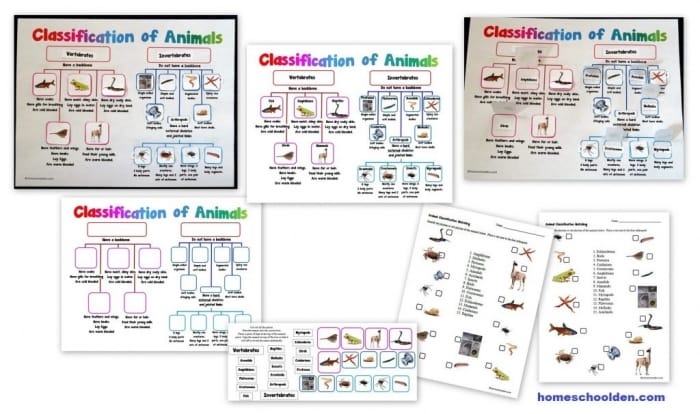
This type of classification activity builds critical thinking skills that extend far beyond life science. When your first grader learns to identify shared characteristics, they’re practicing the same mental process used in math, reading, and problem-solving. They’re learning to look for patterns and group things based on evidence.
Pairing this worksheet with other life science activities strengthens the learning experience. You might combine it with lessons about animal habitats and zoo locations or explore how plants create energy through photosynthesis. These connections help children see how different organisms fit into the natural world.
The worksheet format keeps things manageable for young learners. First grade students benefit from activities that are short enough to complete in one sitting but challenging enough to feel rewarding. This amphibian classification task hits that balance perfectly, leaving kids feeling accomplished without overwhelming them.
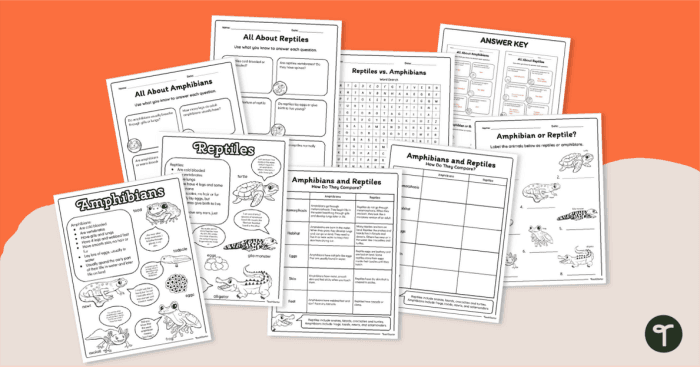
Printable Worksheets for Practice