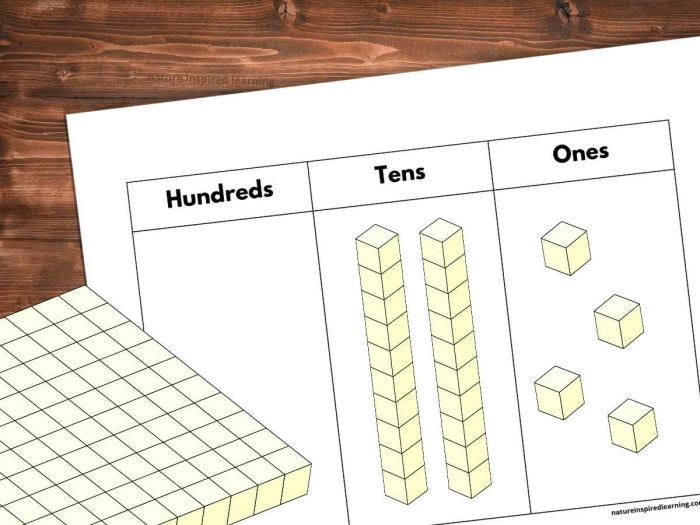
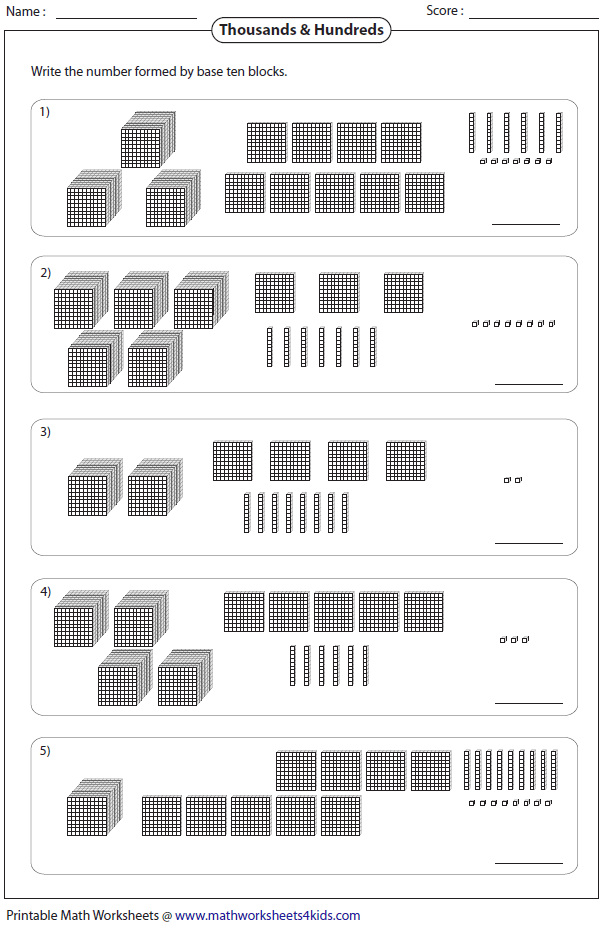
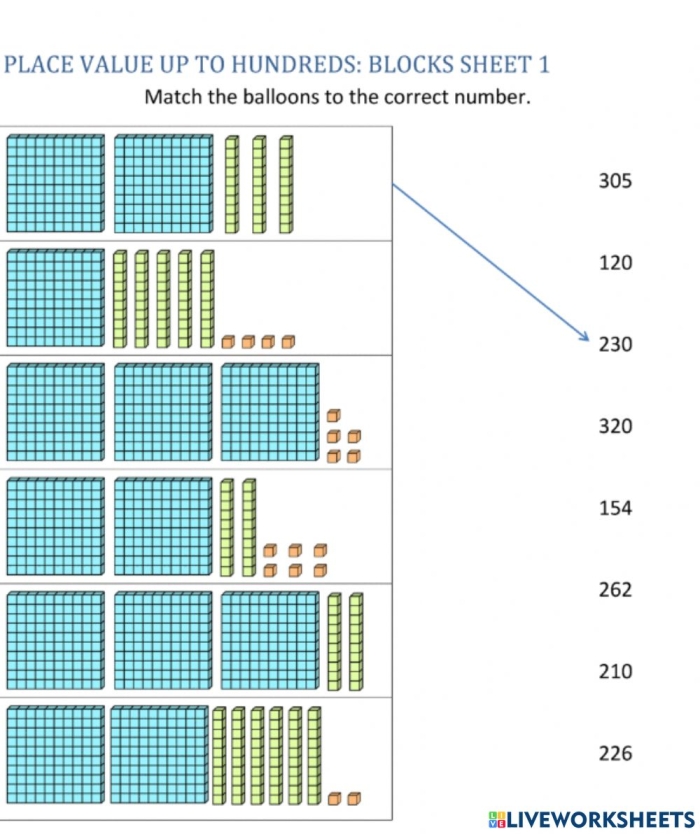
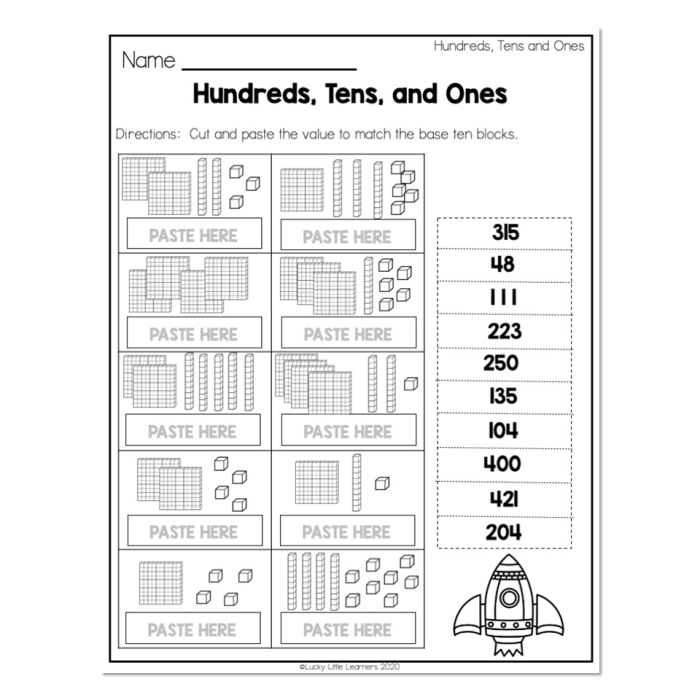
Concrete manipulatives make place value click for second grade learners in ways worksheets alone never can. When a child holds a hundreds block, a tens rod, and individual ones cubes in their hands, they experience the actual weight and volume difference between each place value. This tactile understanding becomes the foundation for everything from basic counting to multi-digit addition.
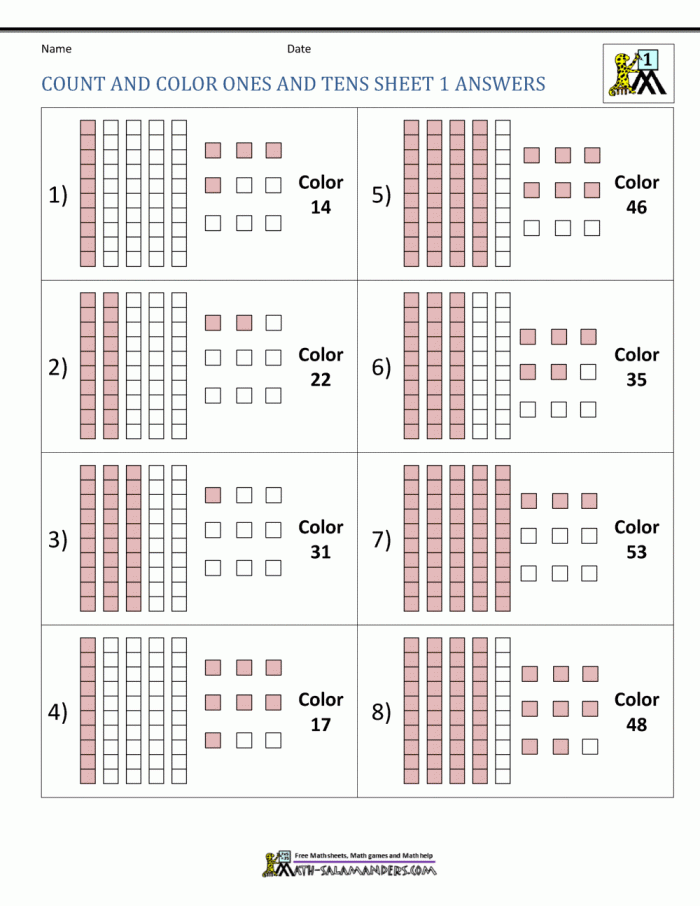
The beauty of using physical blocks lies in how they transform abstract concepts into something visible and moveable. A second grader can instantly see that one hundreds block equals ten tens rods, which equals one hundred ones cubes. They can trade ten ones for one tens rod, or ten tens rods for one hundreds block. This exchange process, repeated over and over, builds genuine comprehension rather than memorized procedures.
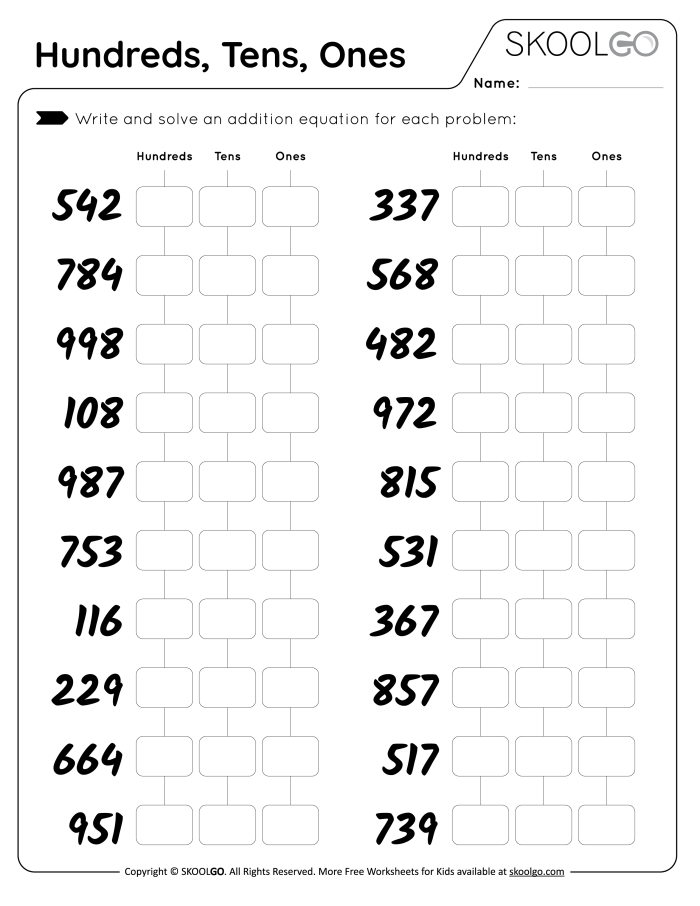
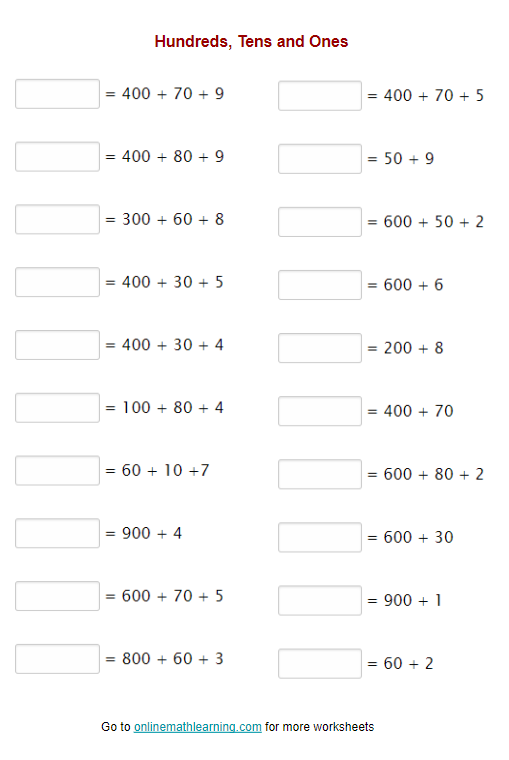
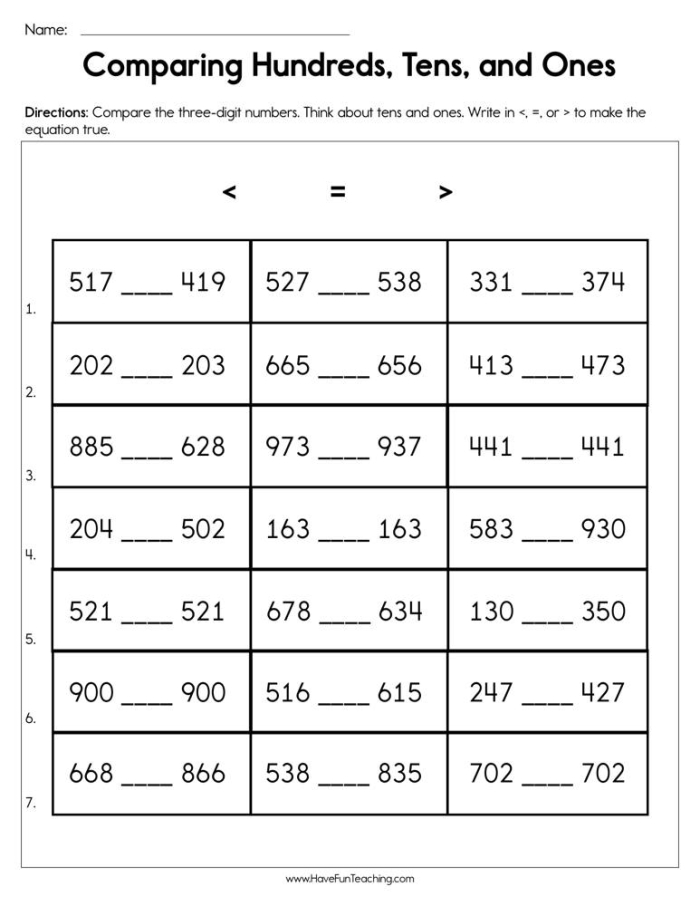
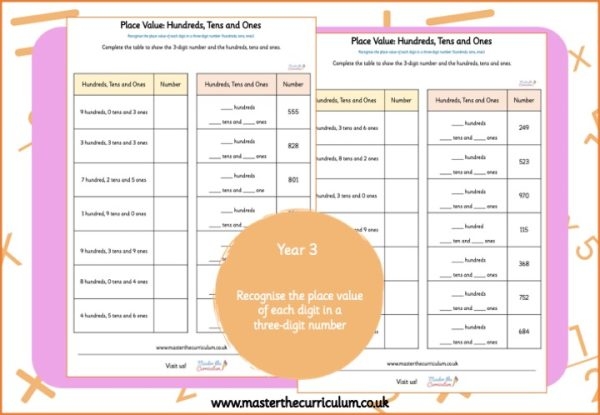
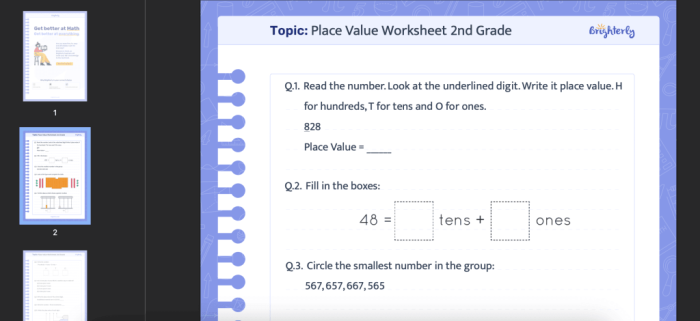
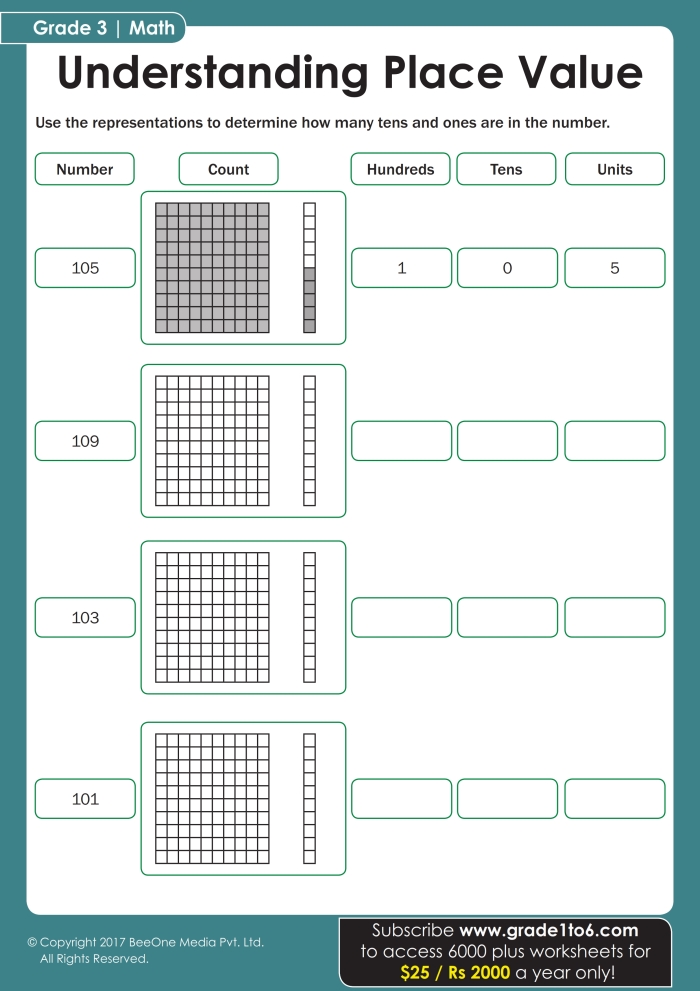
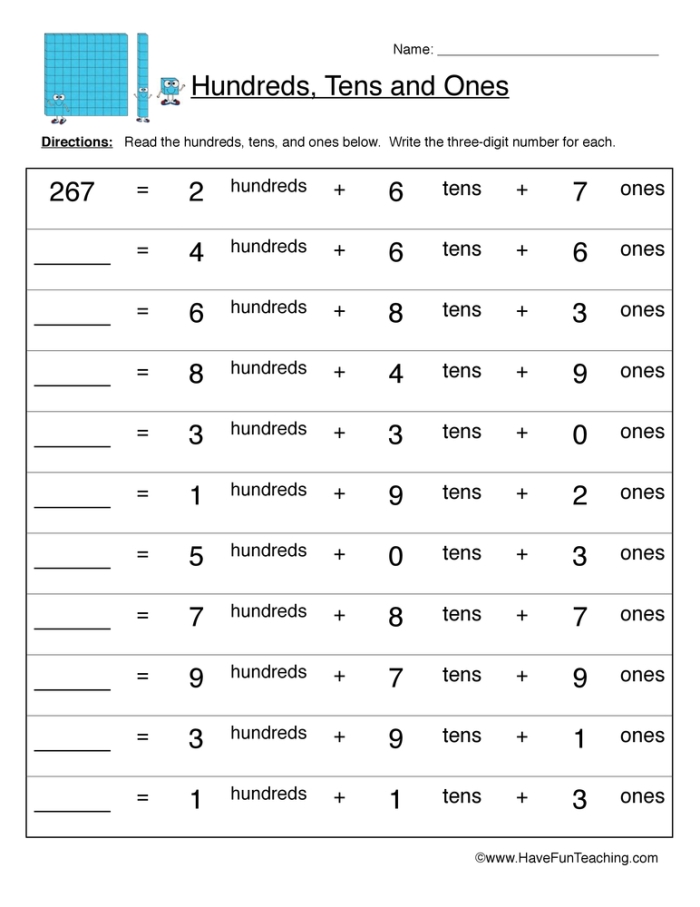
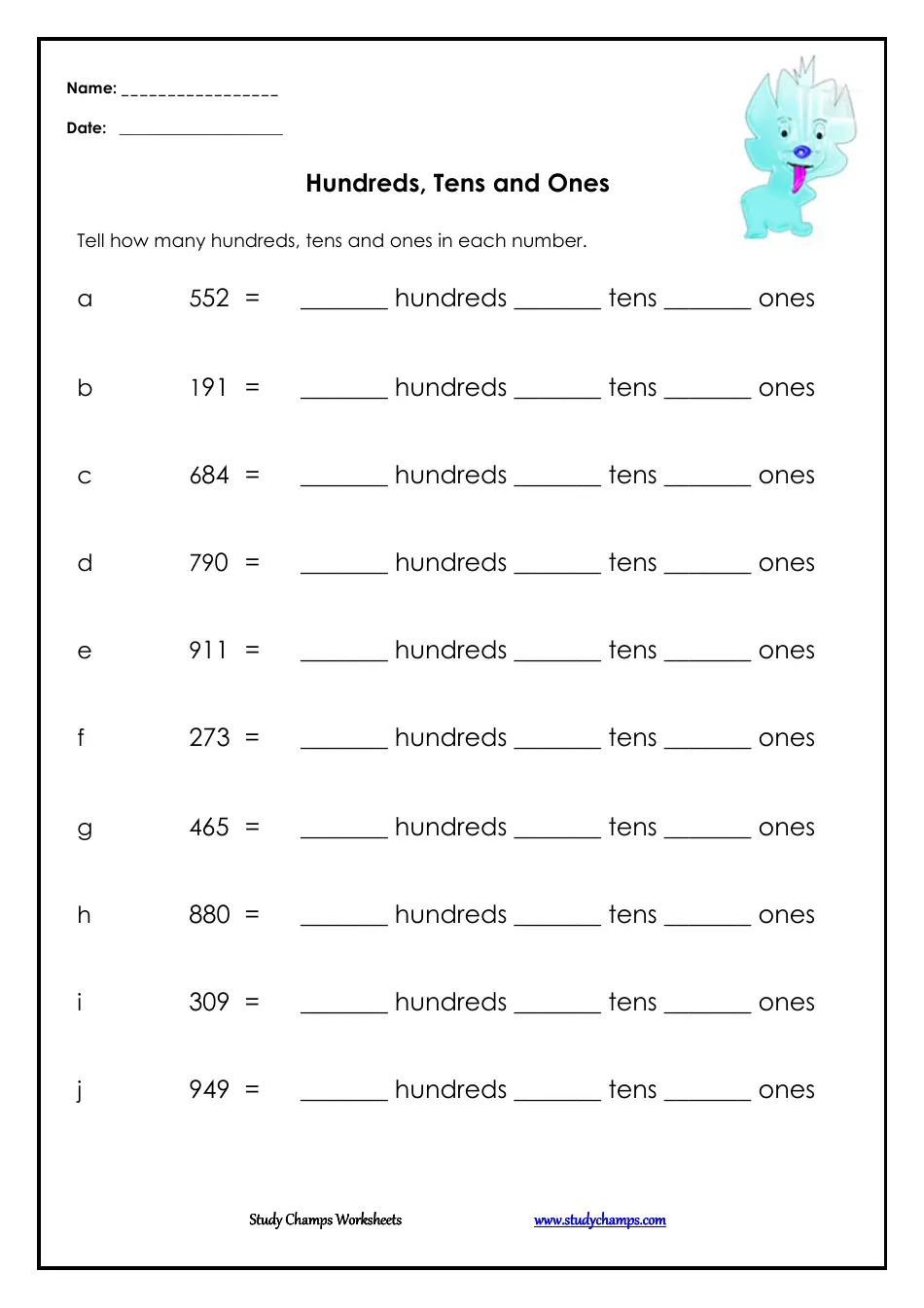
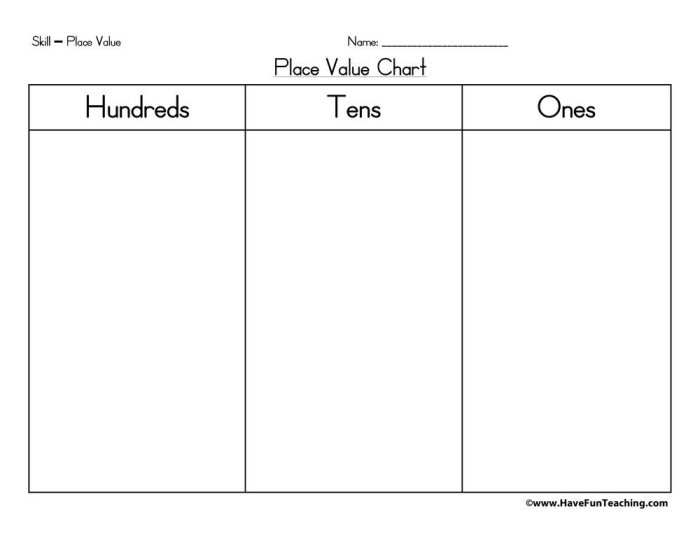
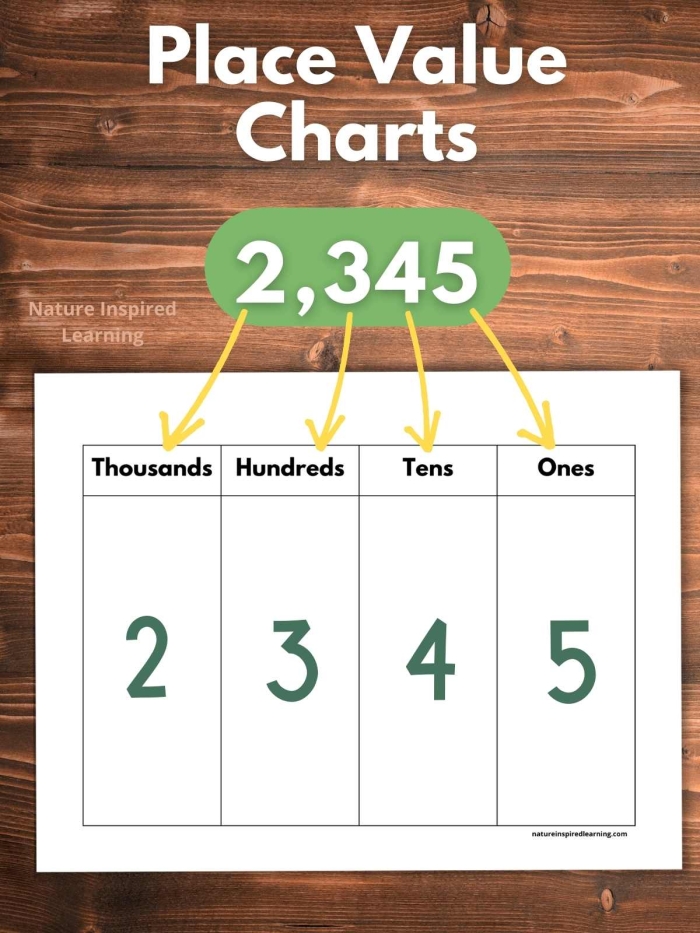
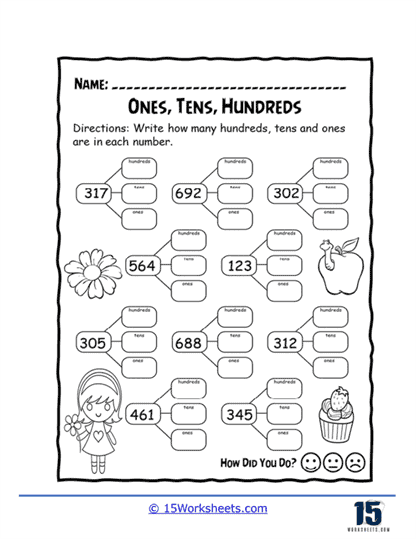
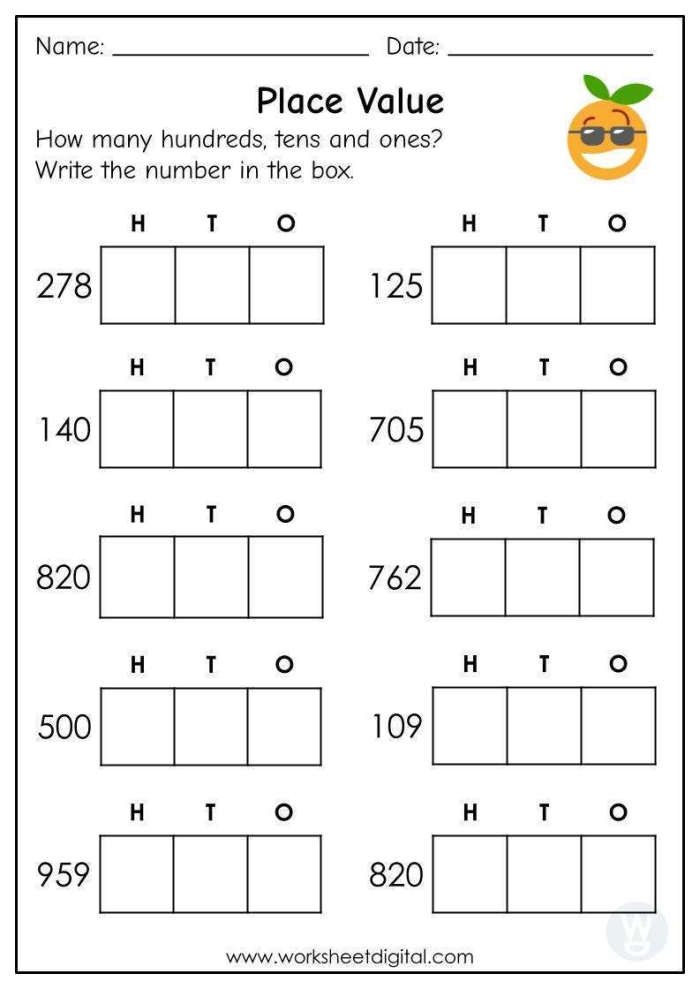
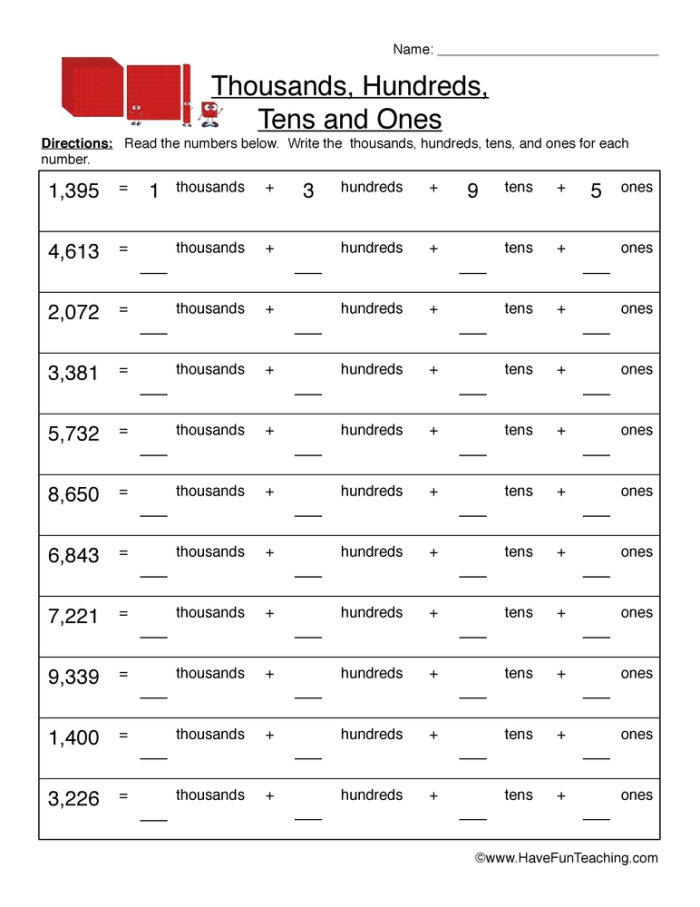
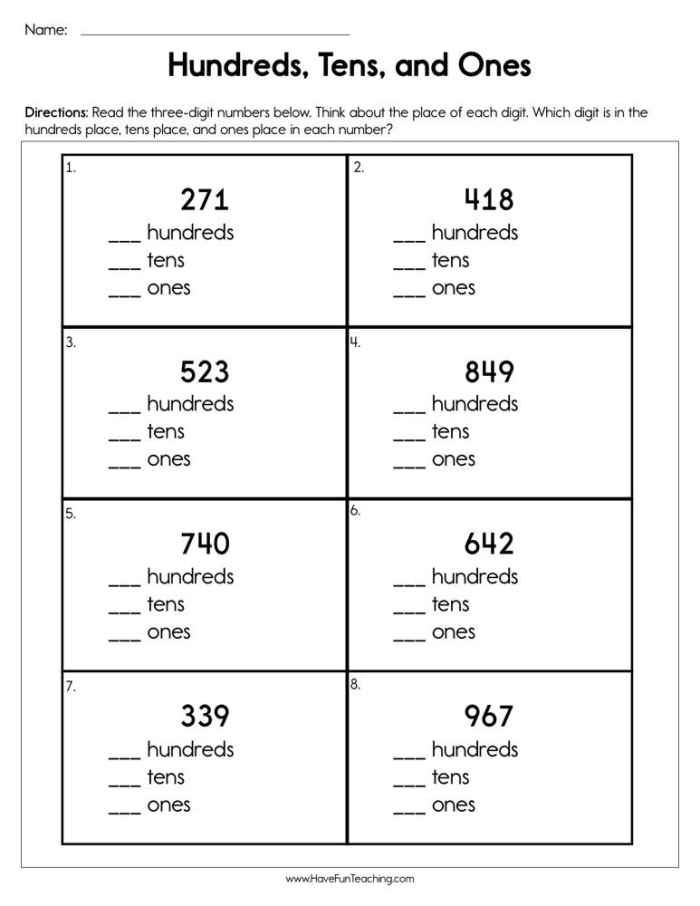
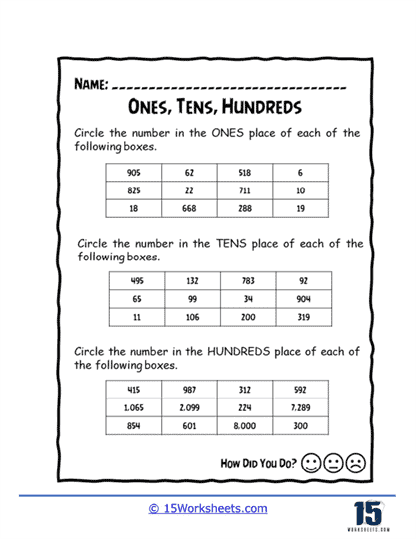
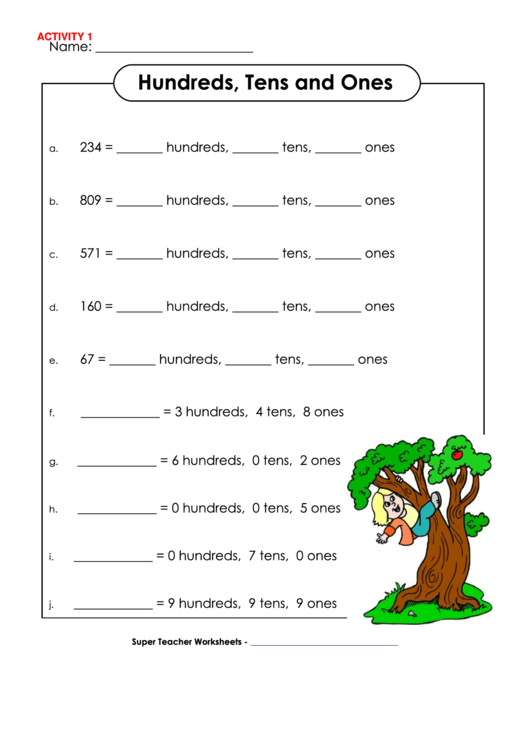
When you combine block practice with hundreds, tens, and ones place value worksheets, students reinforce what they’ve learned hands-on. The blocks provide the experience, and the worksheets cement the notation. Many teachers find that pairing these approaches cuts through confusion that often appears when children only see numbers on paper.
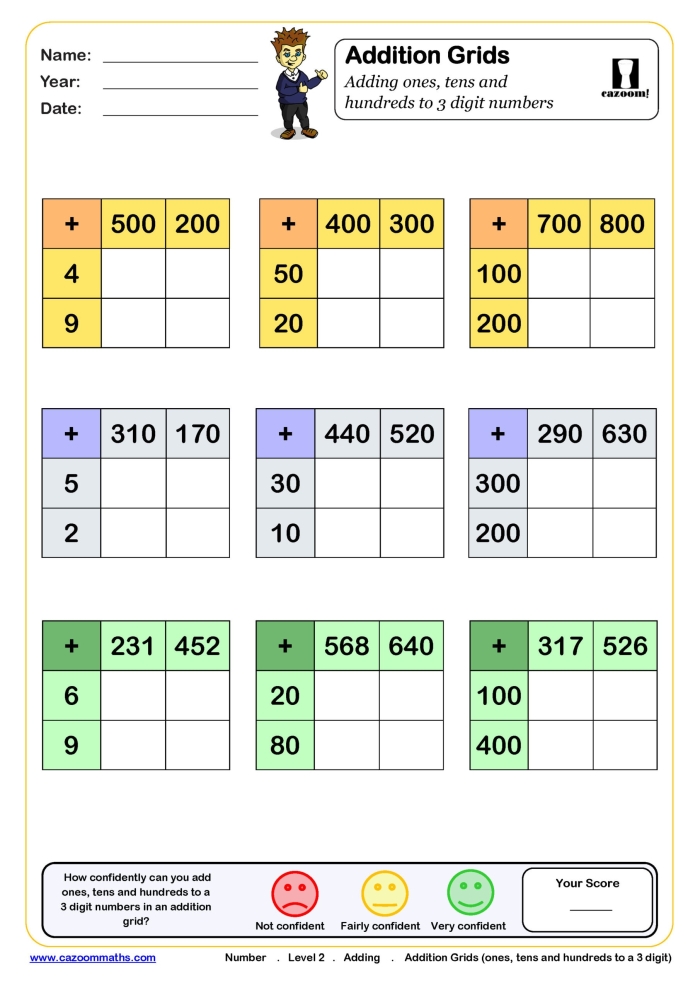
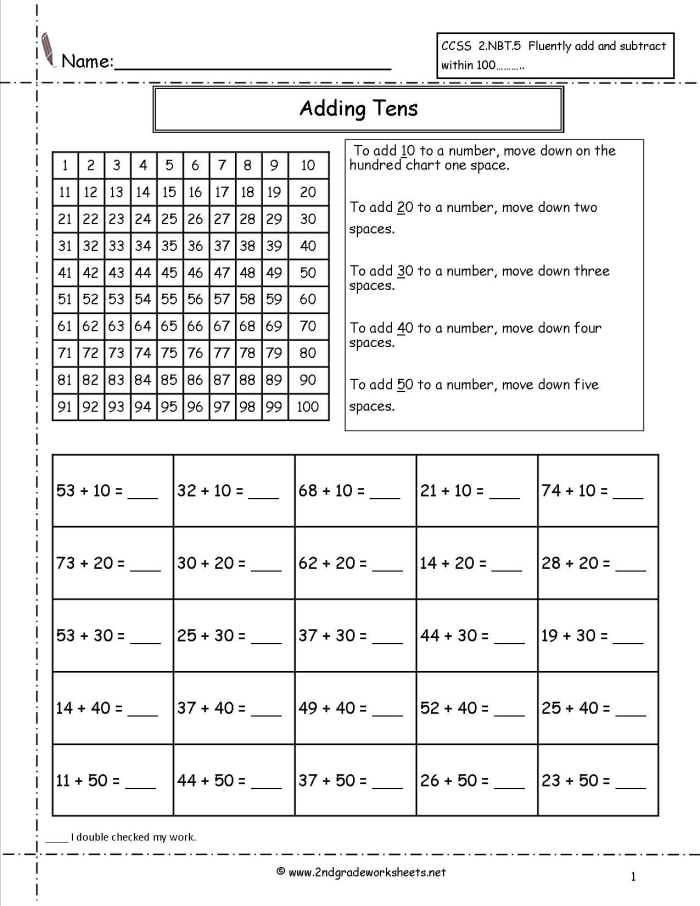
Beyond basic counting, blocks support deeper learning. Students working on three-digit addition with place value can physically combine groups before writing equations. They can also explore counting patterns and even connect place value to money concepts like understanding dimes.
The investment in quality blocks pays dividends. Children who manipulate these materials develop number sense that sticks with them through elementary math and beyond. They stop seeing place value as rules to follow and start seeing it as a logical system they actually understand.
Hands-On Worksheet Activities