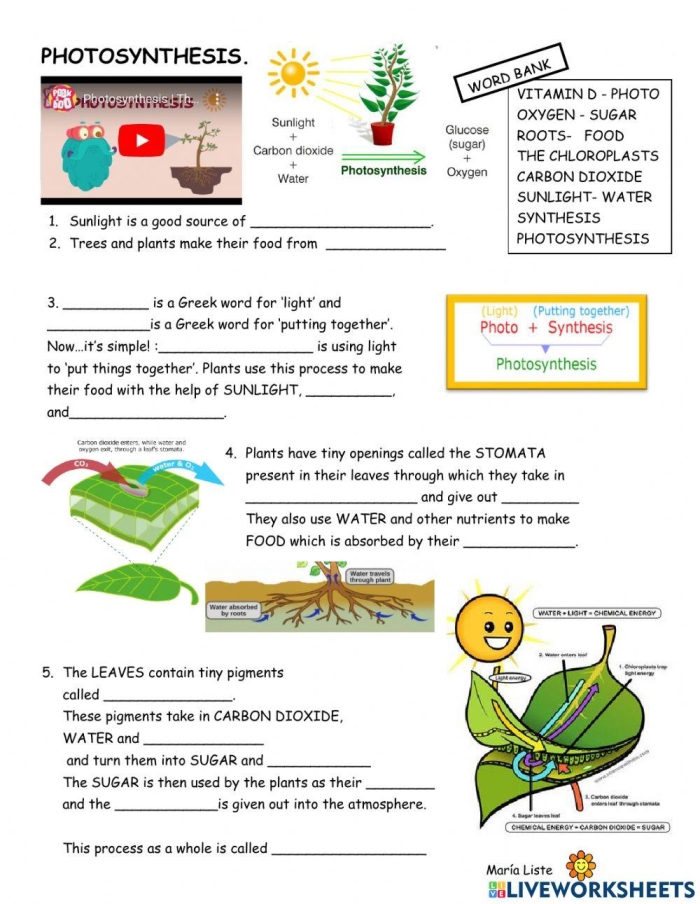
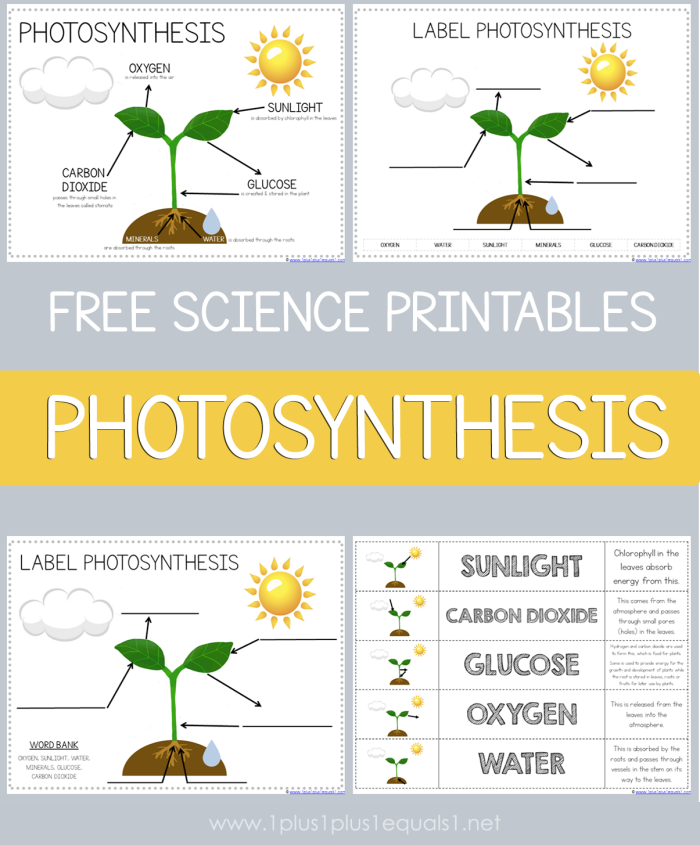
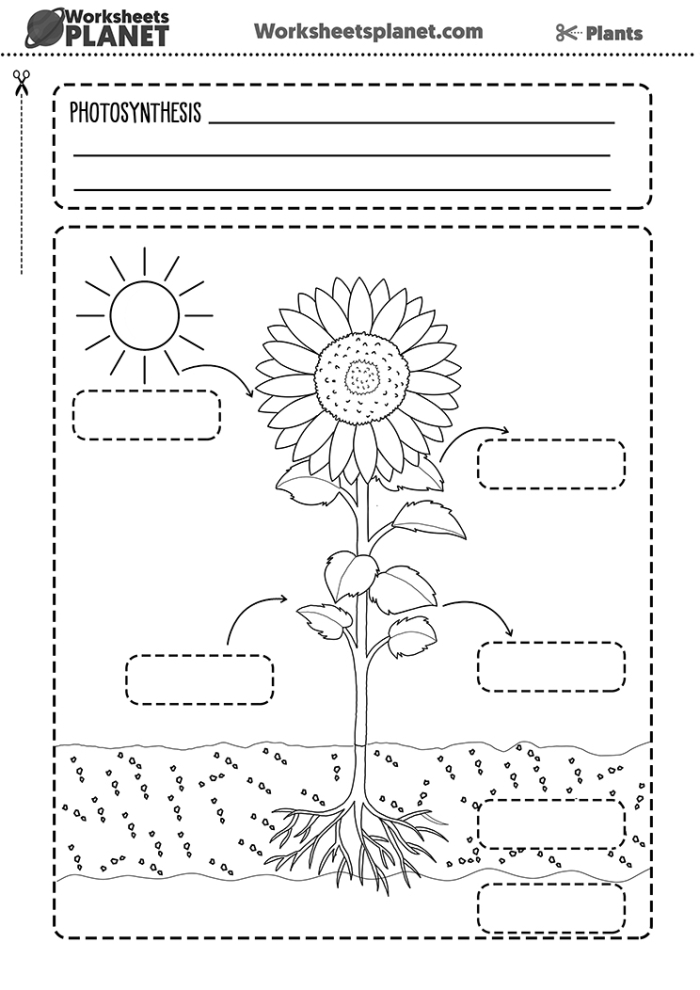
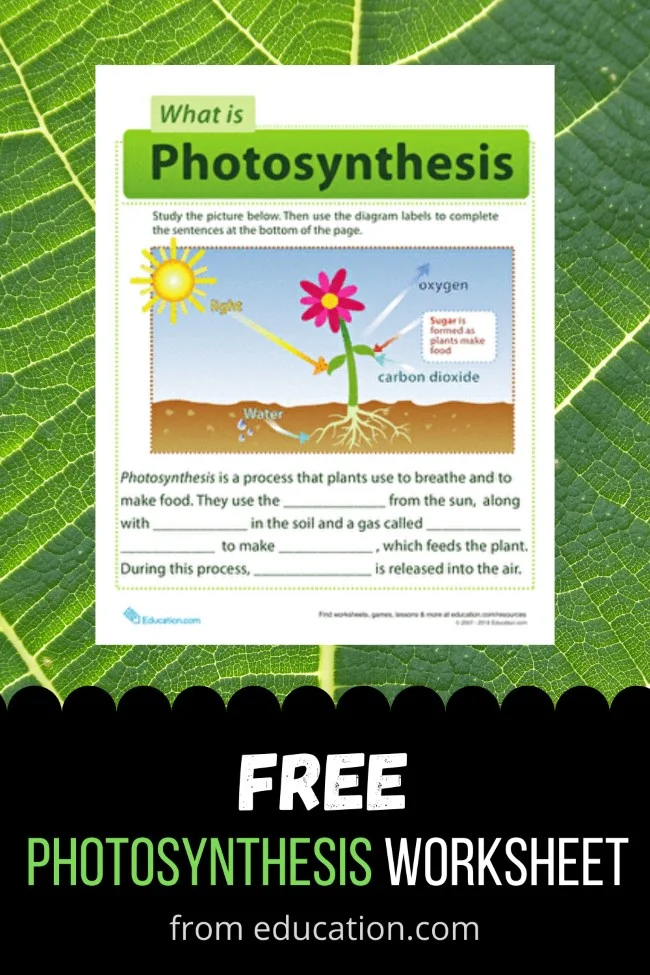
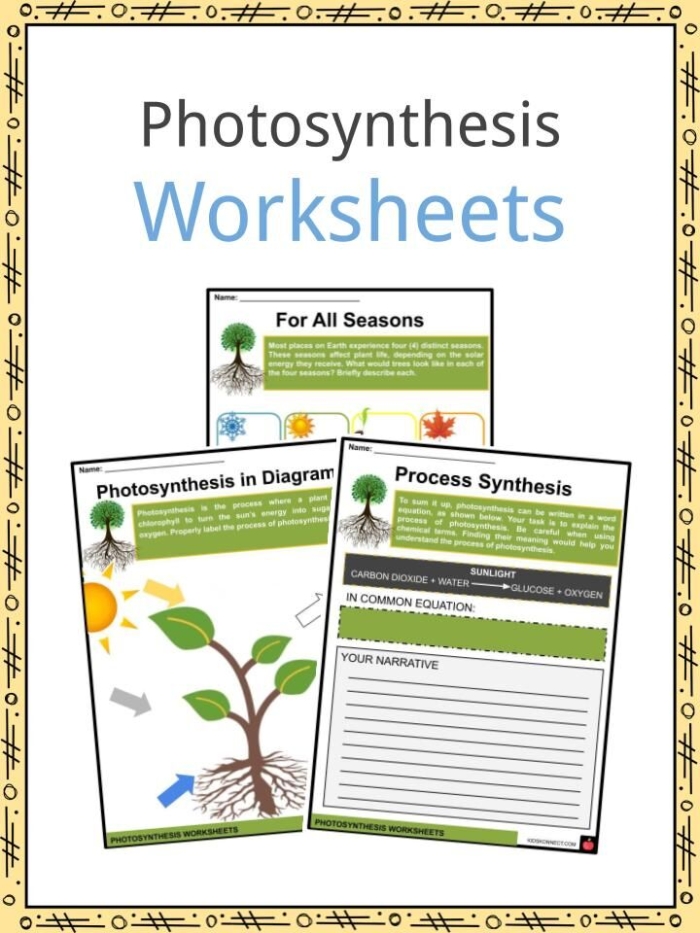
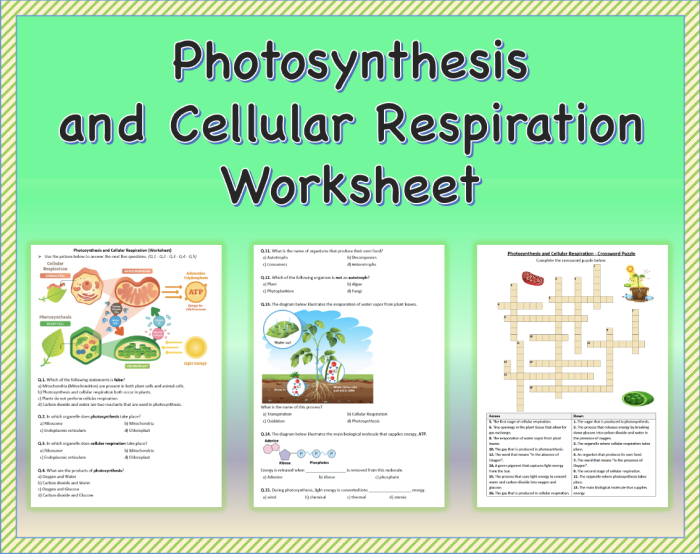
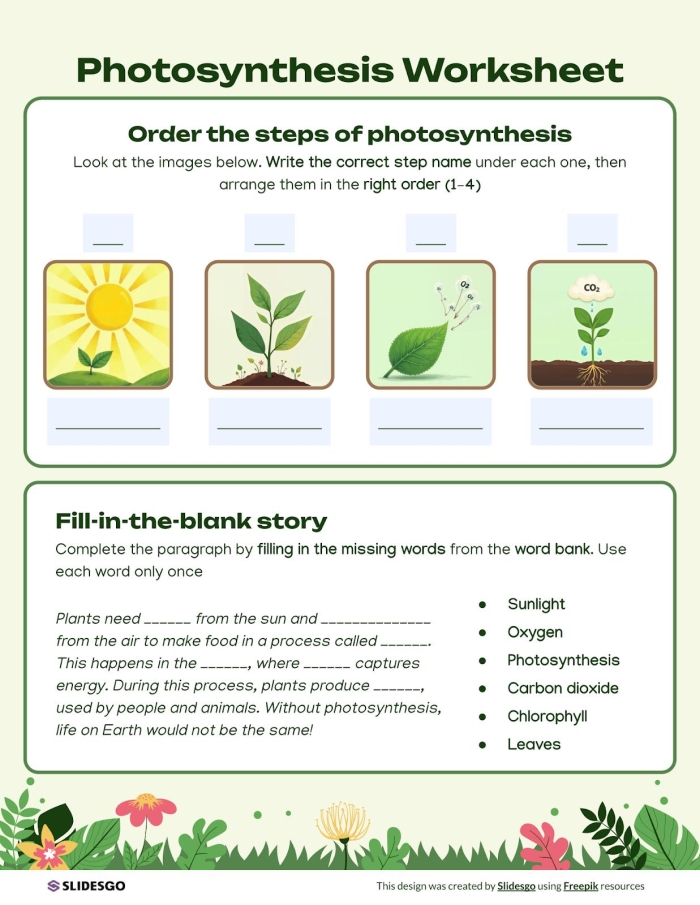
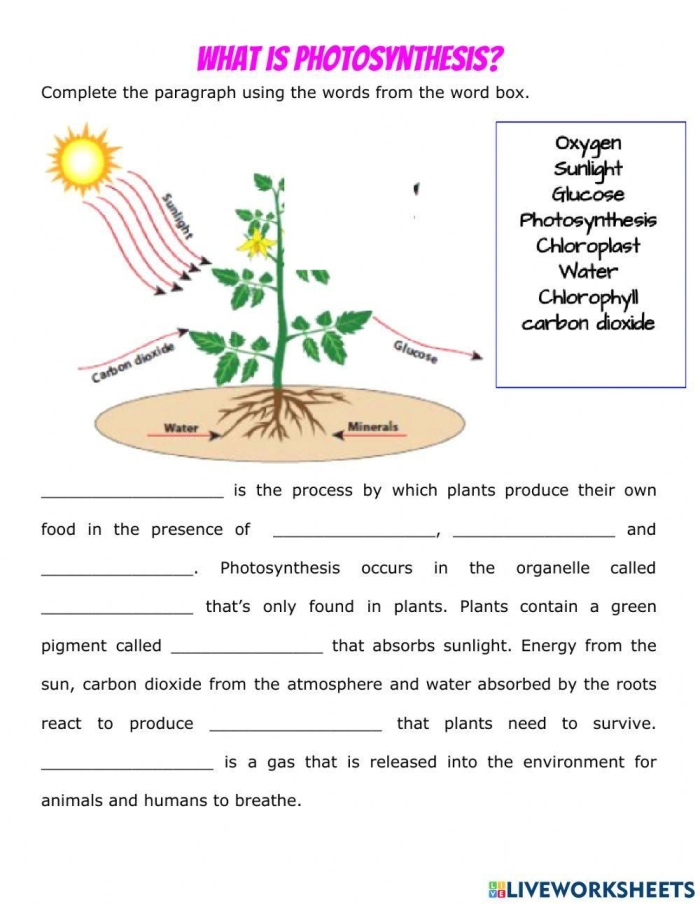
Plants are living things that need to eat and breathe, just like you do. The difference is that plants make their own food using sunlight, water, and air. This amazing process is called photosynthesis, and once your child understands it, they’ll never look at a green leaf the same way again.
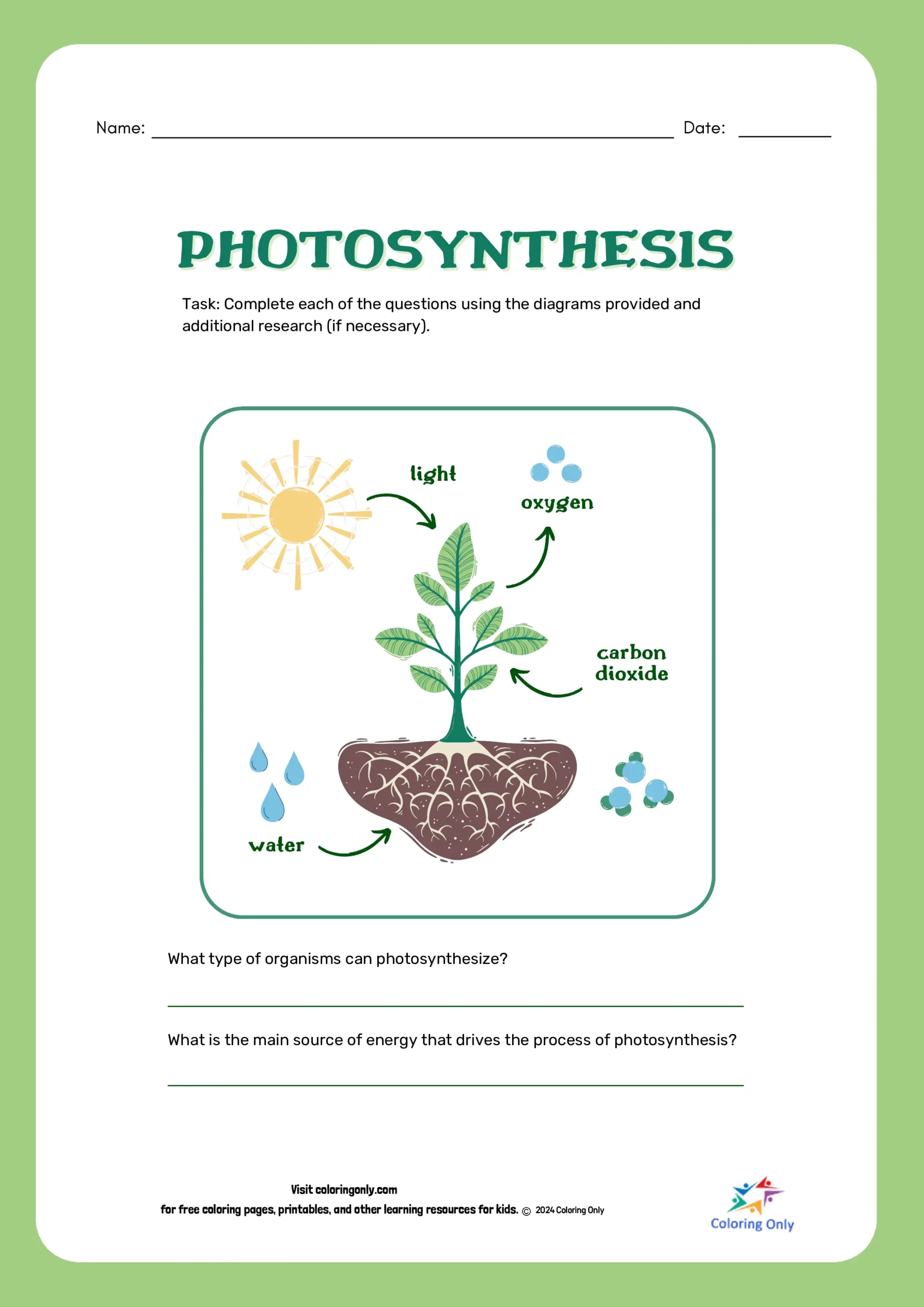
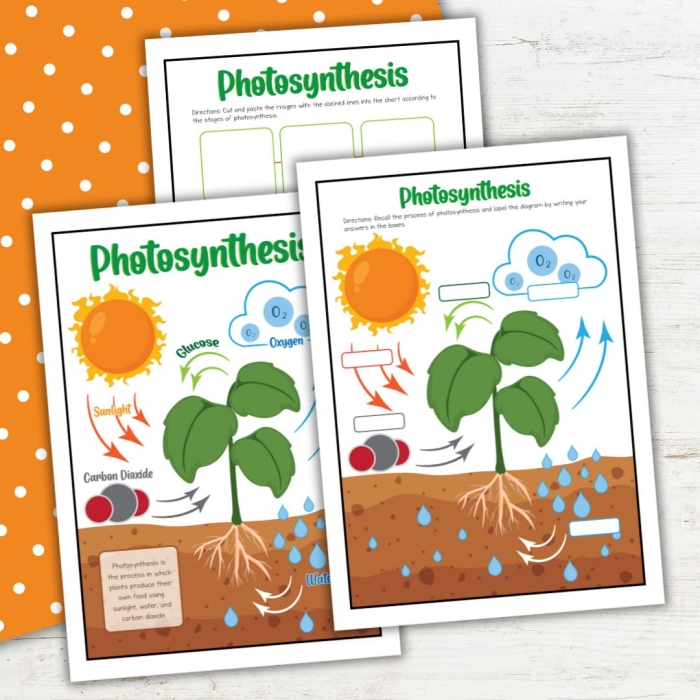
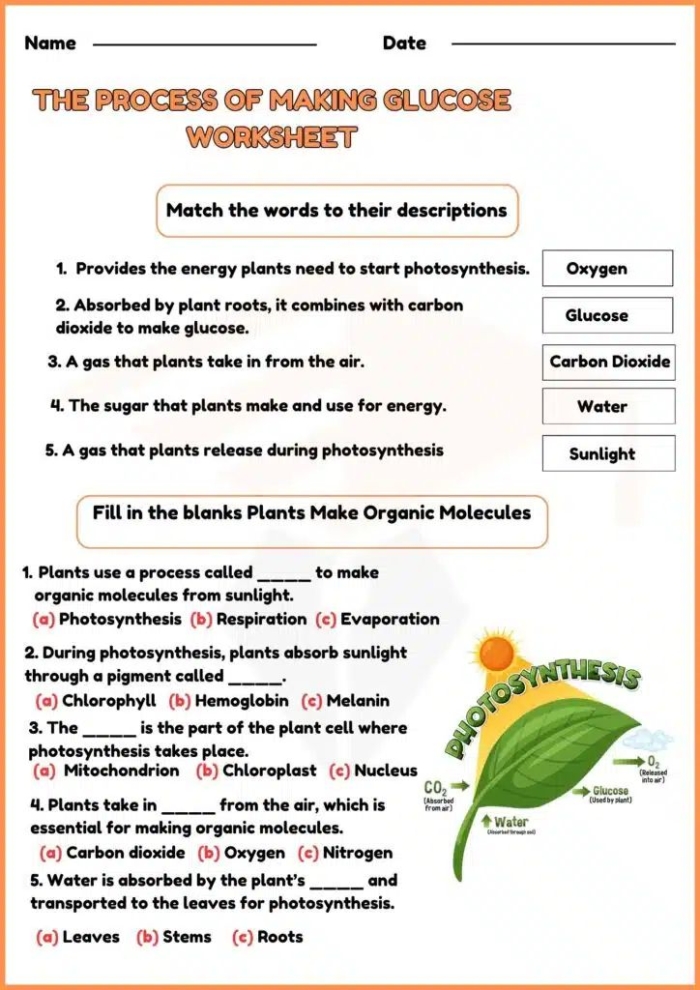
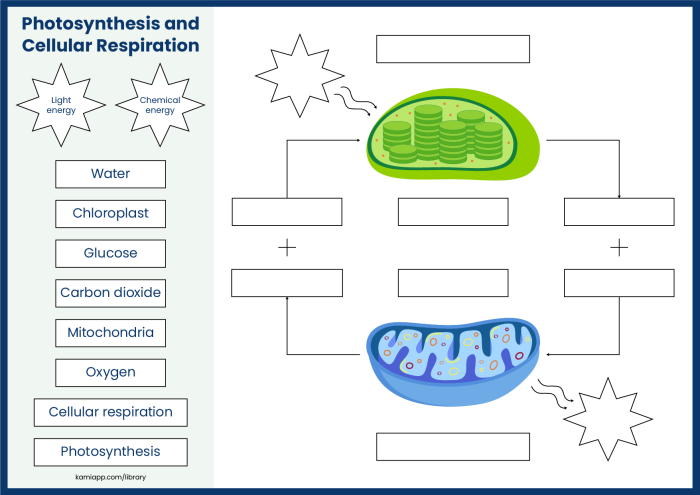
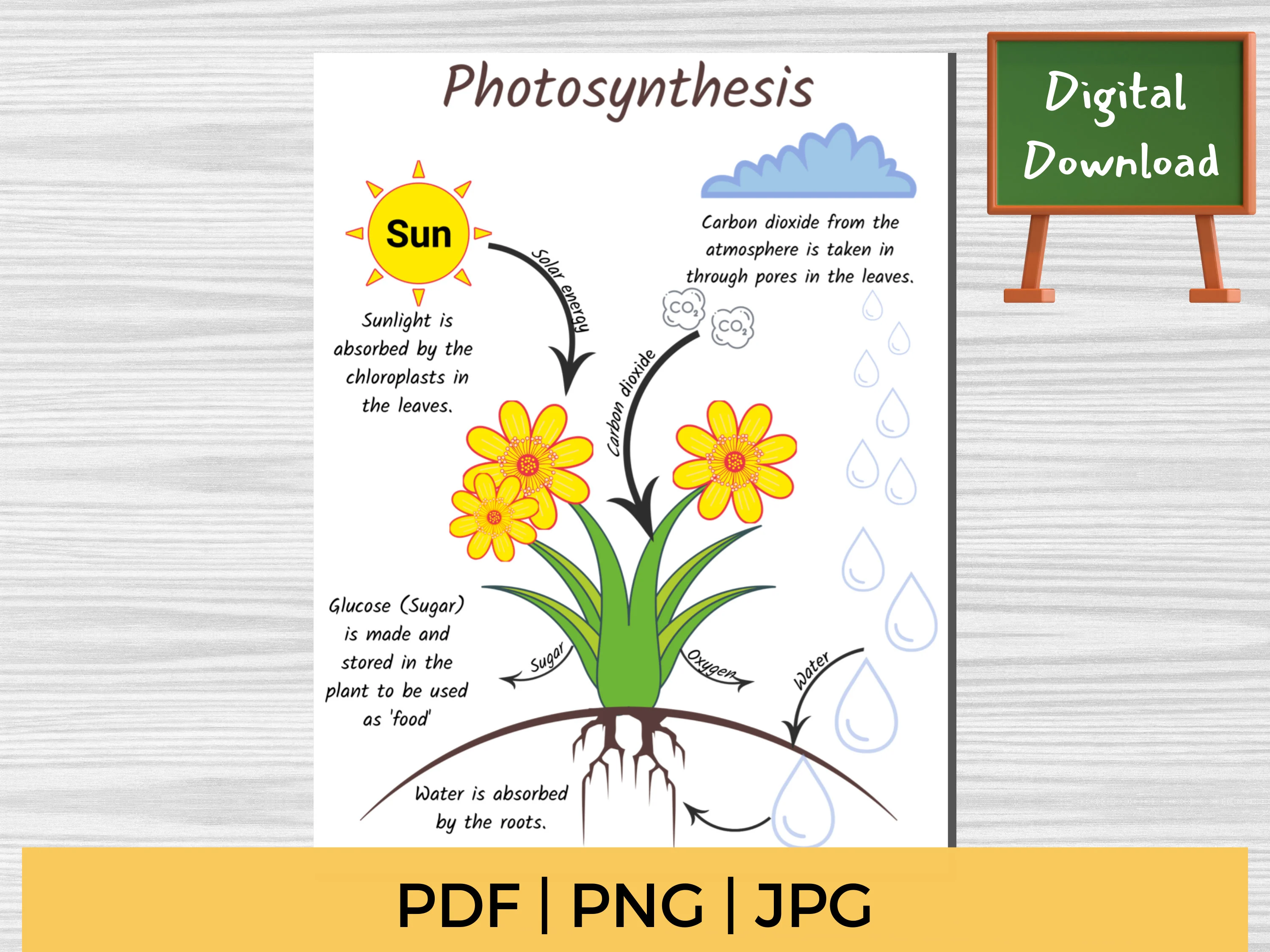
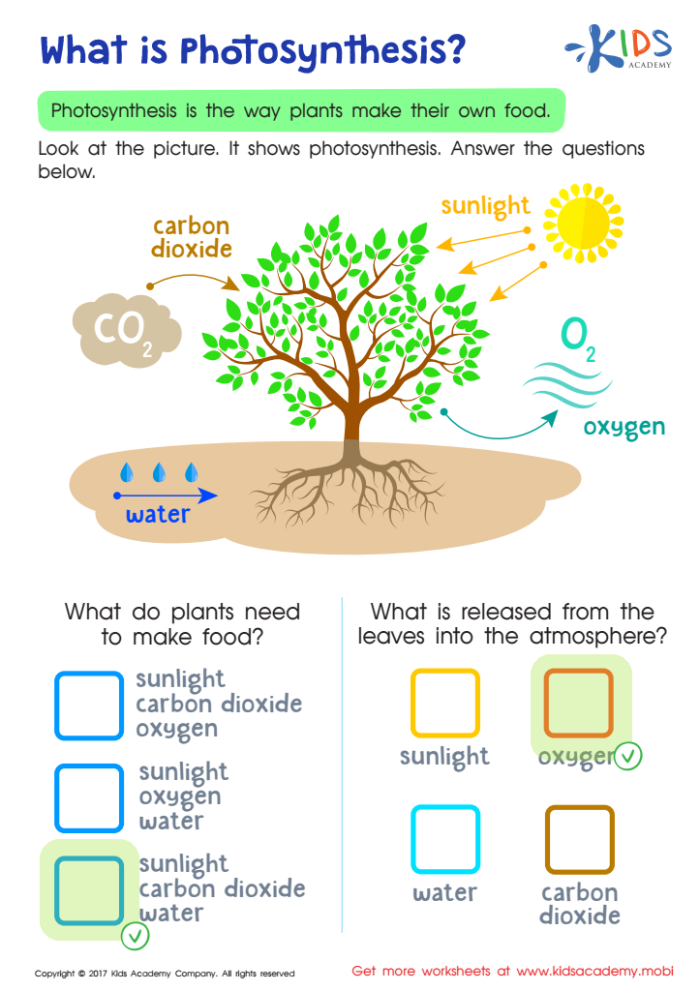
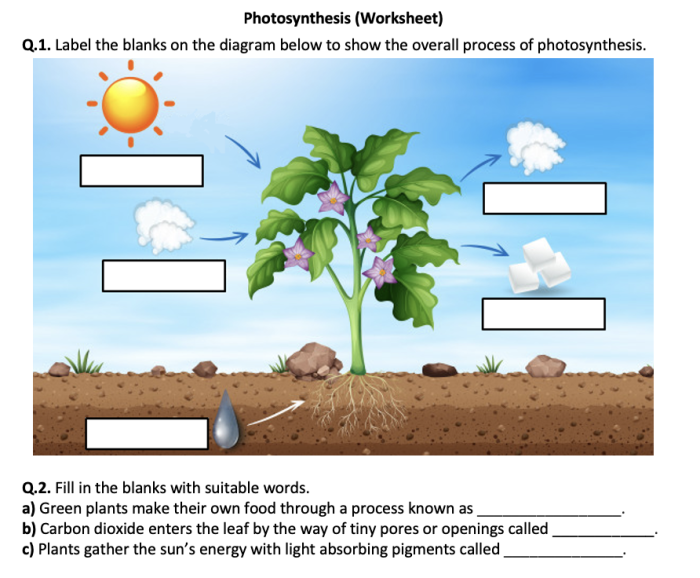
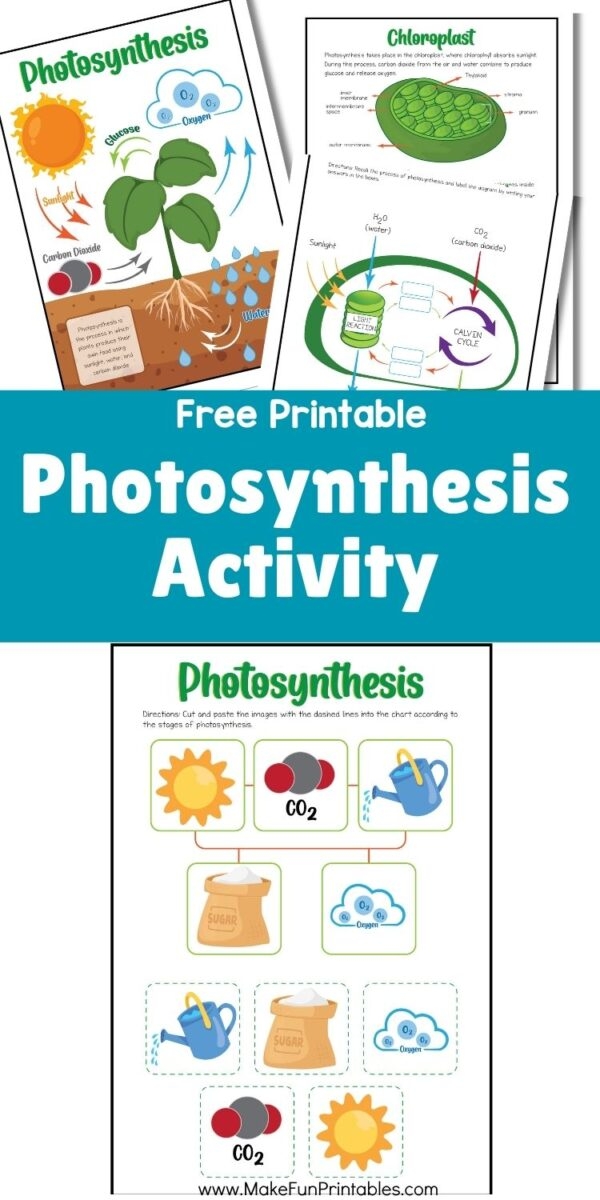
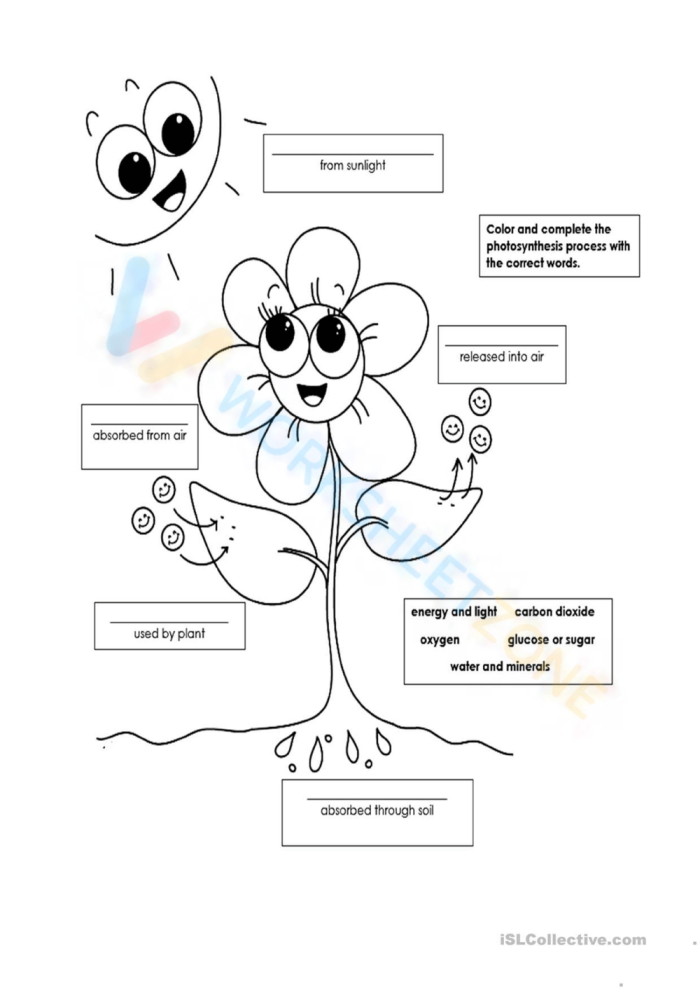
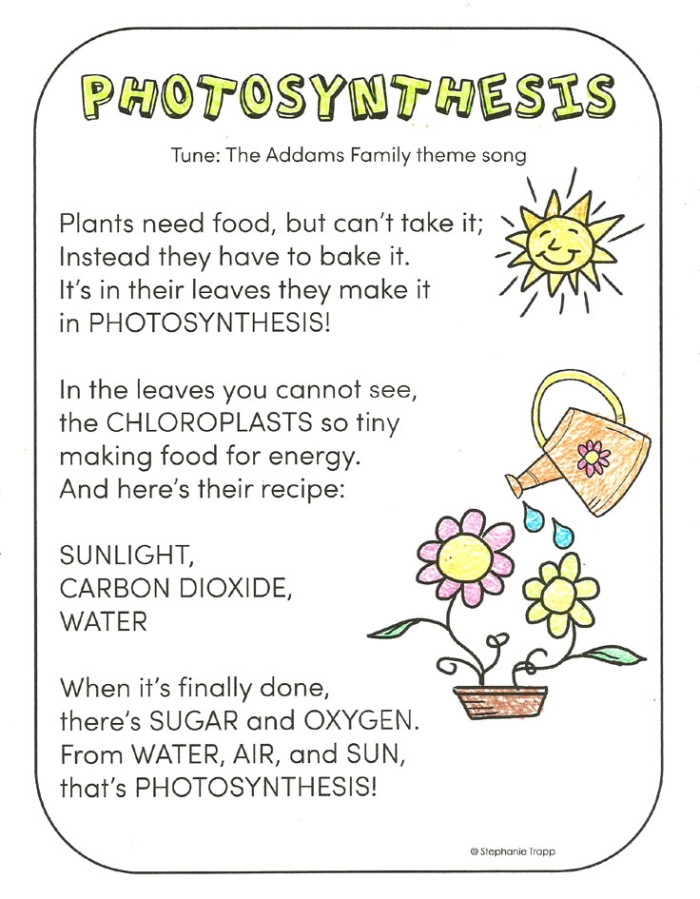
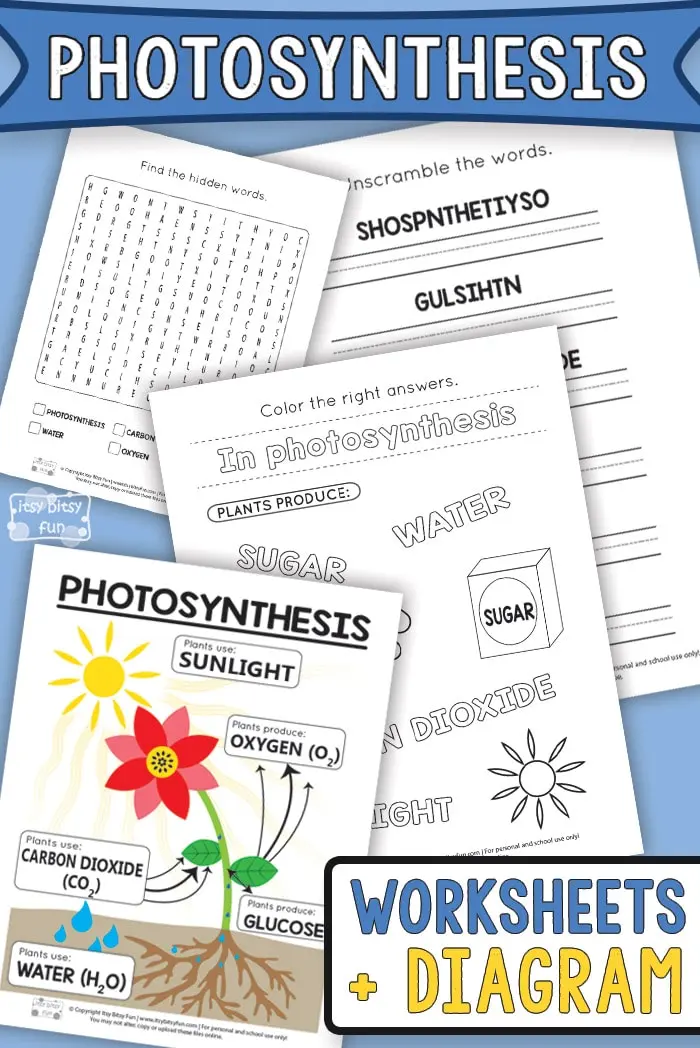
Here’s what happens inside a plant: When sunlight hits a leaf, the plant captures that energy and uses it to turn water from the soil and carbon dioxide from the air into sugar. That sugar becomes the plant’s food, giving it energy to grow taller, sprout new leaves, and produce flowers. At the same time, the plant releases oxygen as a byproduct, which is the air we breathe. Without plants doing photosynthesis all around us, we wouldn’t have oxygen to survive.
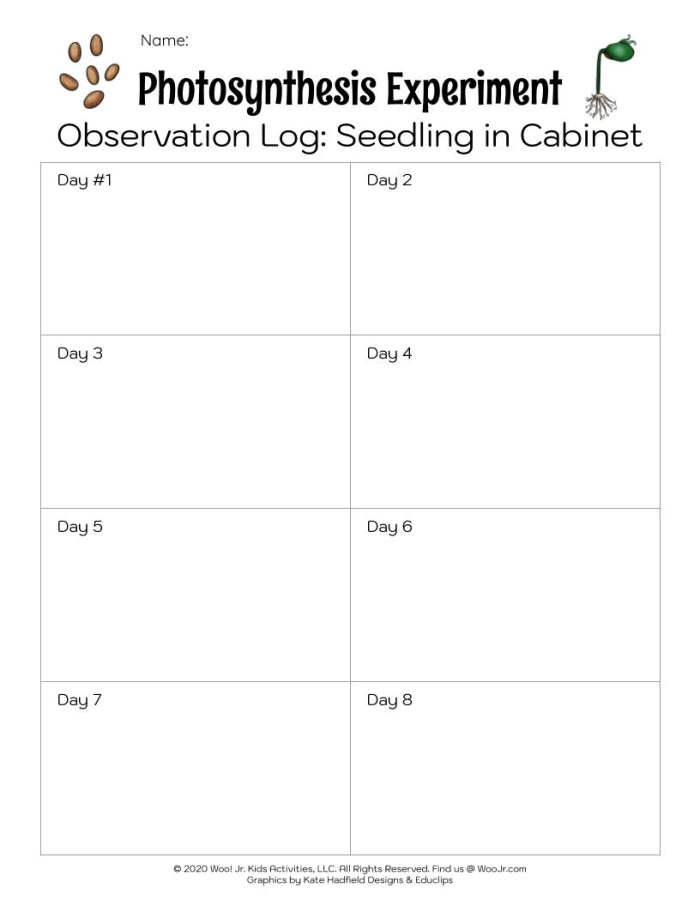
Teaching First Grade and Life Science concepts like photosynthesis doesn’t require complicated explanations. You can show your child a simple experiment: place a plant in sunlight and another in a dark corner, then observe which one stays healthy and green. The one in the light will thrive because it’s making food through photosynthesis. The one in darkness will weaken because it can’t perform this vital process.
To help reinforce this learning, consider using interactive activities. Counting exercises combined with life science topics help young learners practice math while exploring nature. You might also try color-by-number activities focused on plants to make the lesson more engaging and memorable.
The beauty of teaching photosynthesis to young learners is that it opens their eyes to how connected everything is. Plants feed themselves, produce oxygen for us, and create the foundation of nearly every food chain on Earth. That’s powerful knowledge for any budding naturalist to carry forward.
Use These Worksheets Today