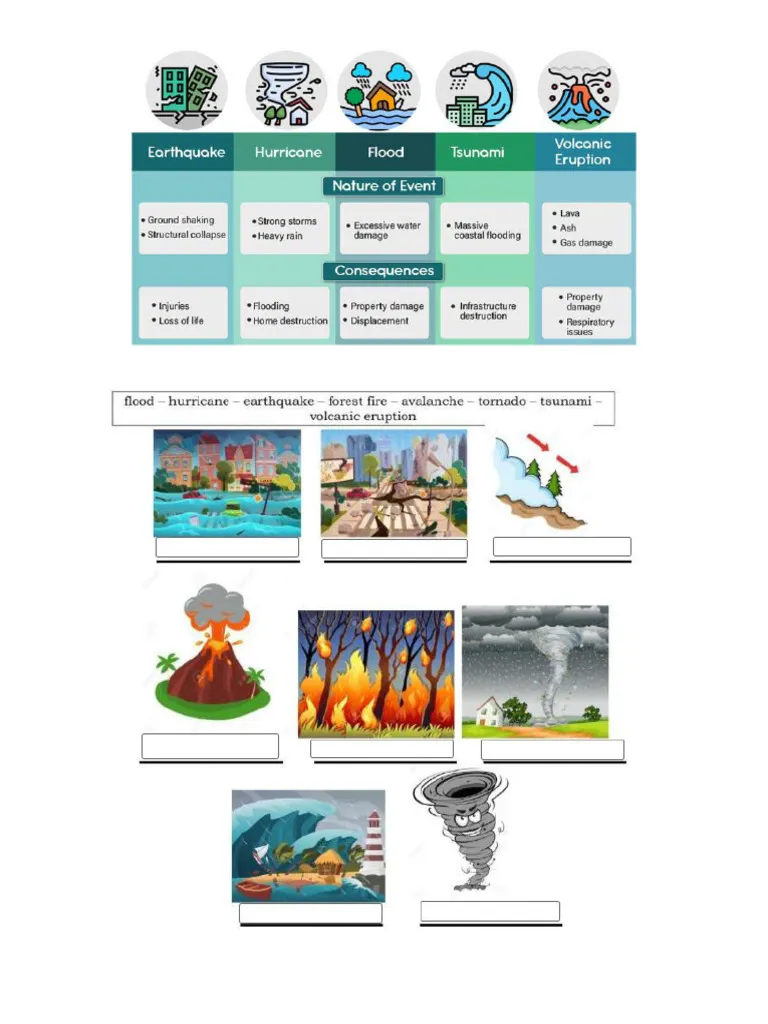
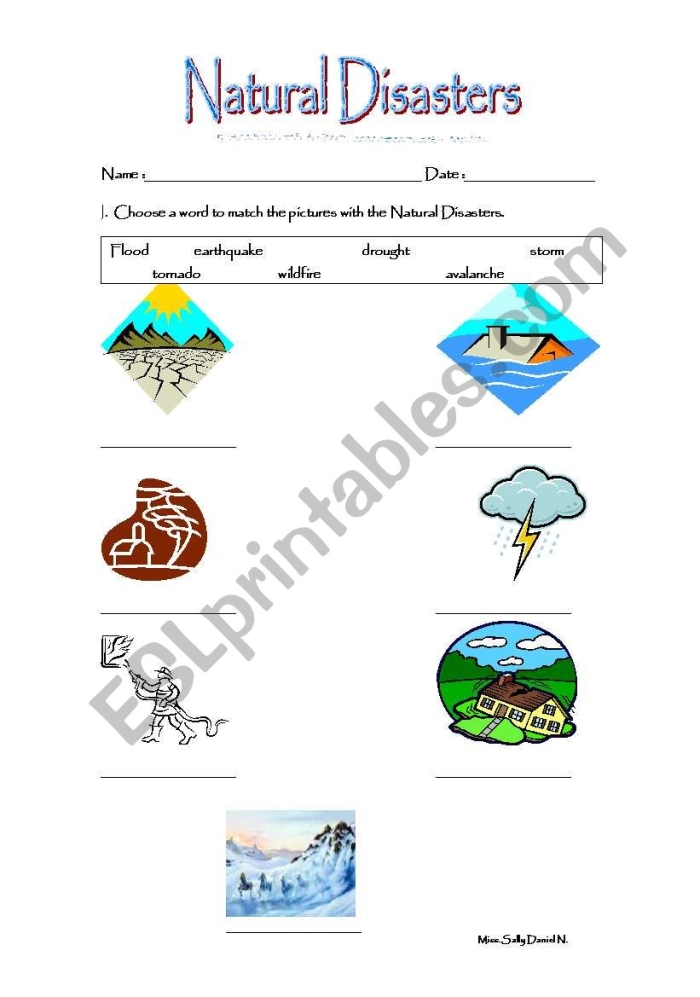
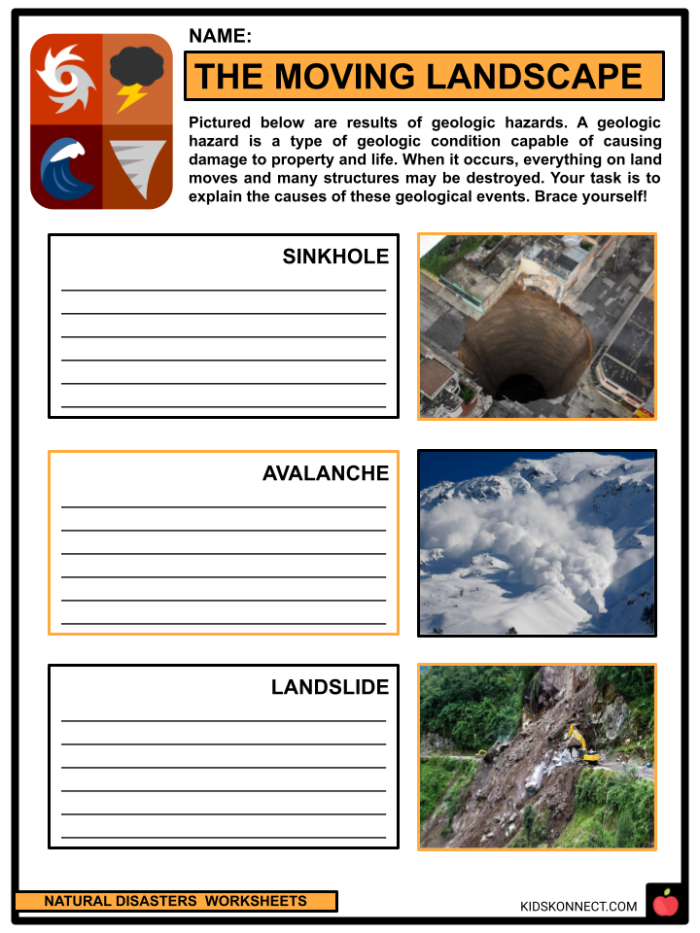
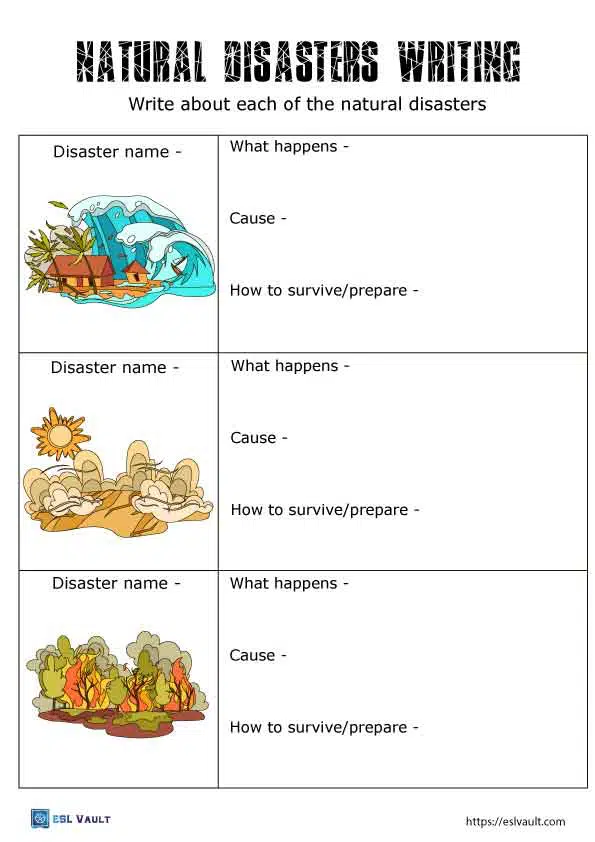
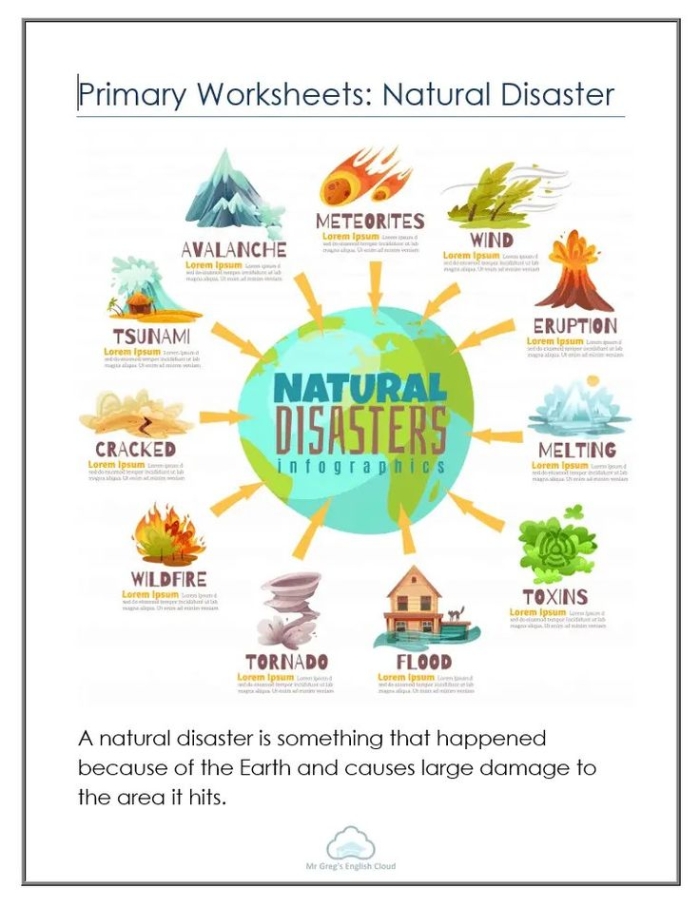
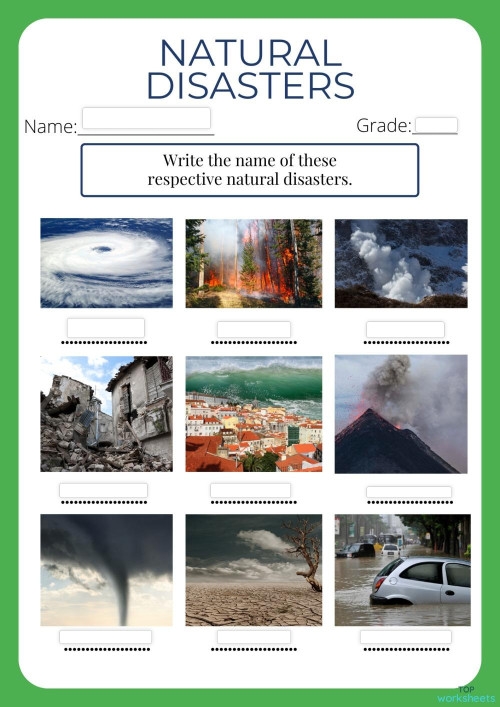
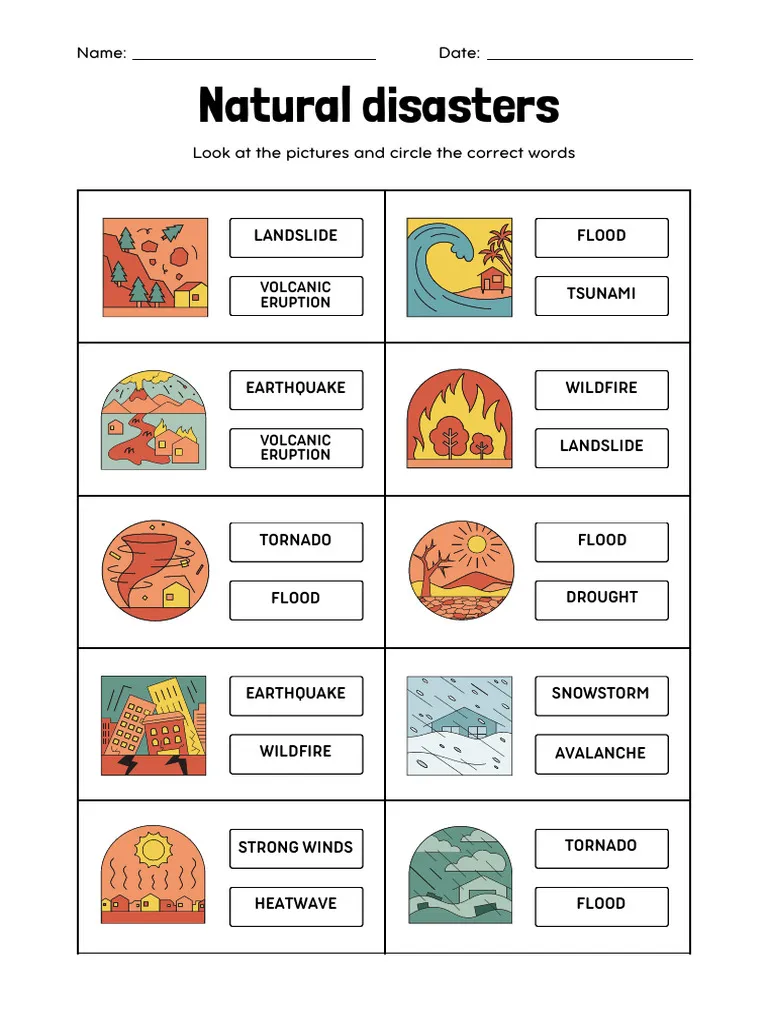
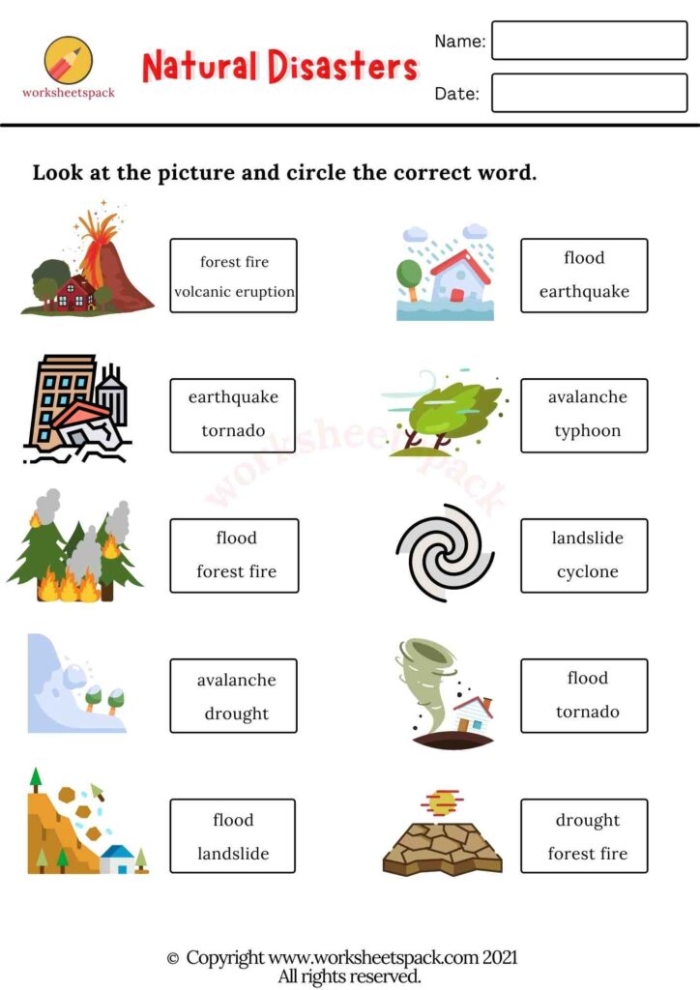
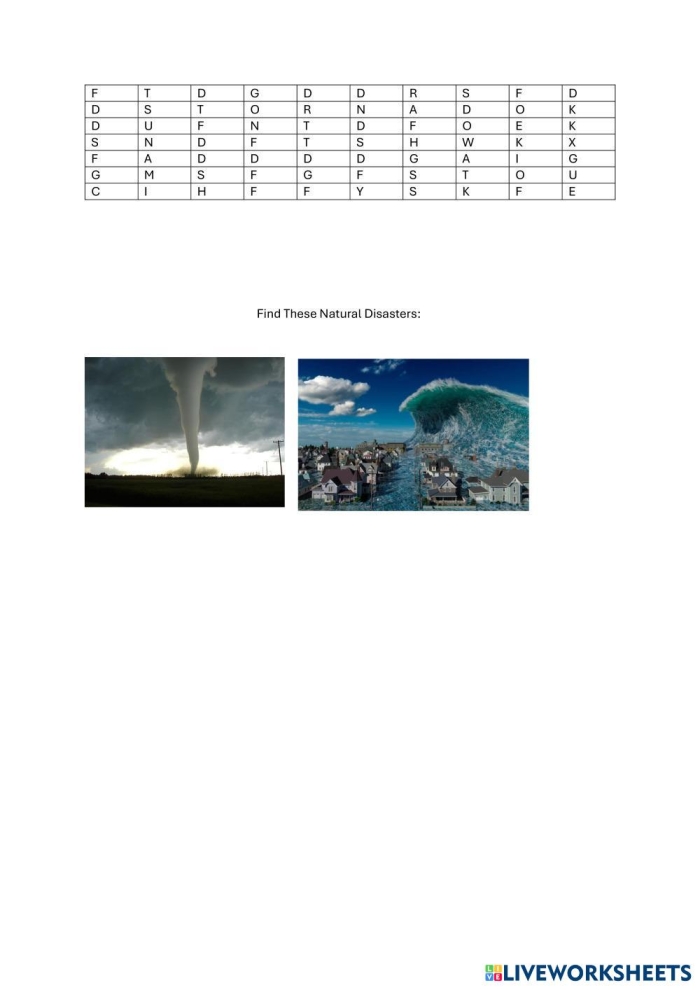
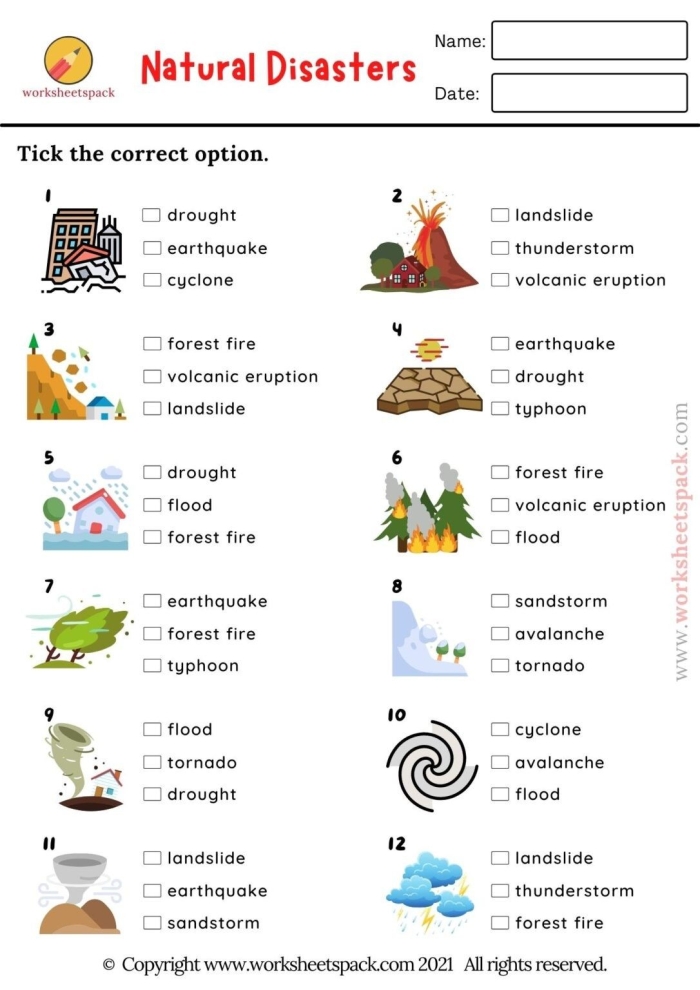
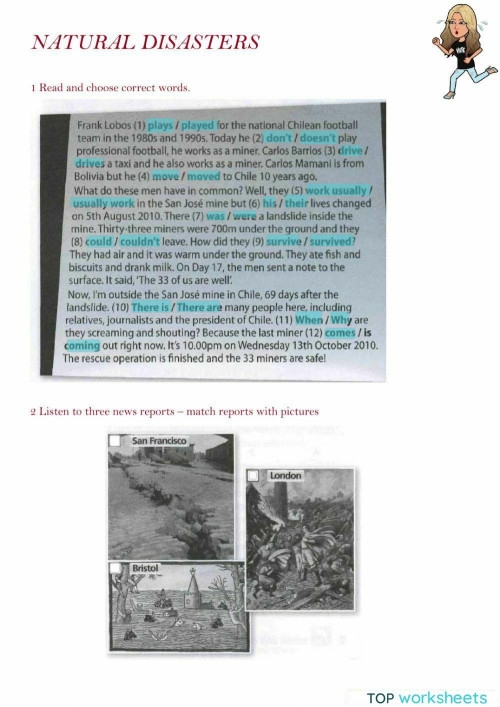
Natural disasters shape the world in dramatic ways, and understanding how they happen gives students real insight into how our planet works. Reading nonfiction texts about earthquakes, hurricanes, floods, and tornadoes teaches fifth graders more than just facts, it trains them to think like investigators. When you learn to identify causes and effects, you’re building a skill that applies far beyond science class.
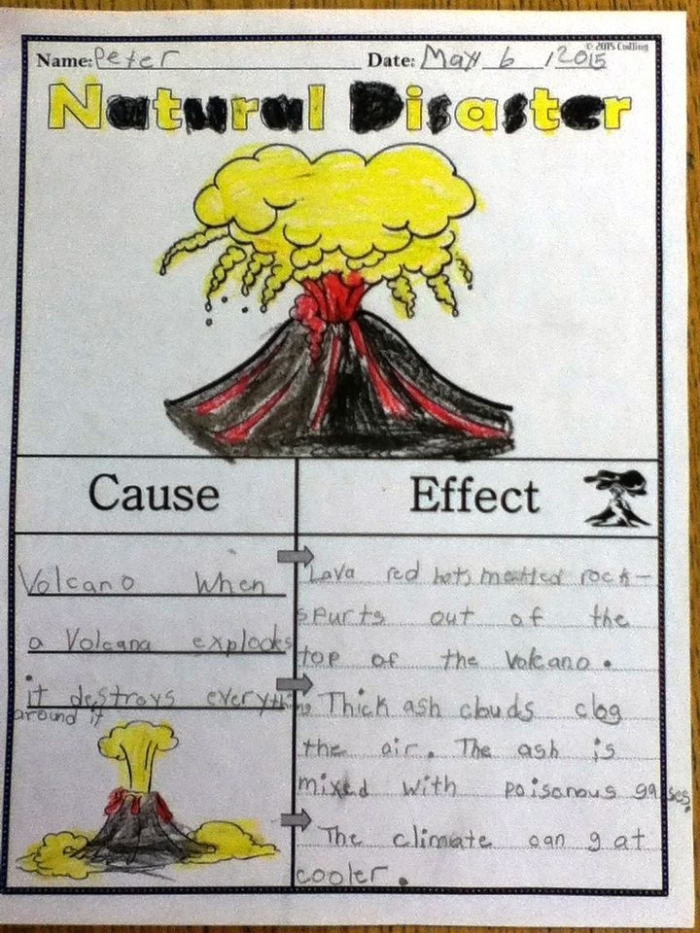
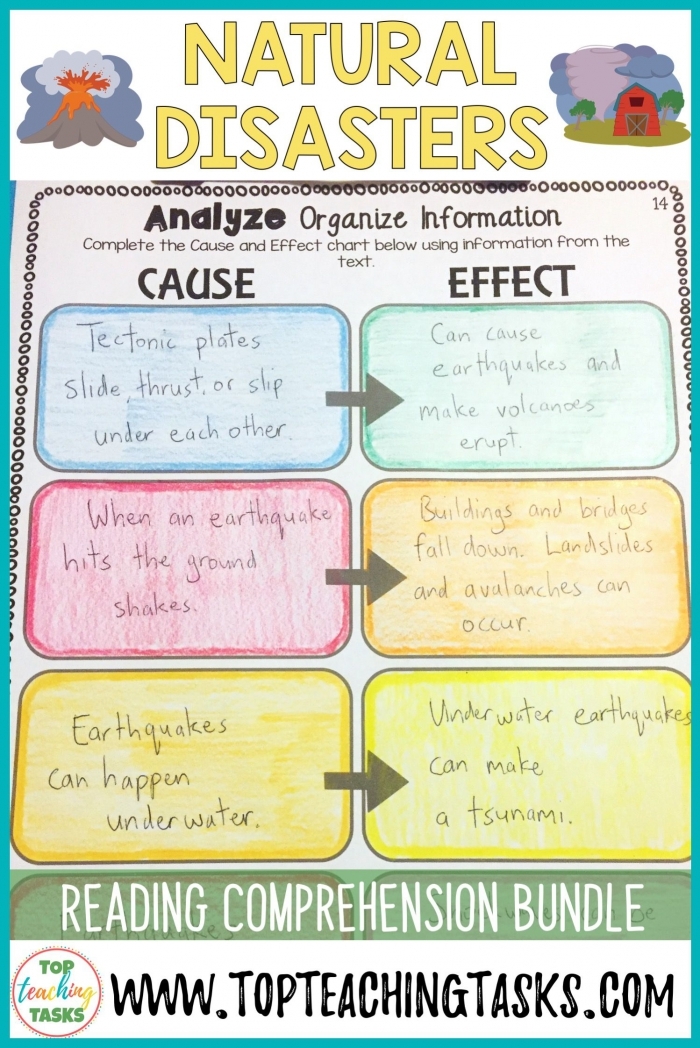
The connection between cause and effect in natural disasters is often straightforward enough for students to grasp, yet complex enough to hold their attention. A hurricane forms because warm ocean water rises and creates rotating wind patterns, which then causes storm surge and flooding on land. A volcanic eruption happens when pressure builds beneath the Earth’s surface, which then results in ash clouds and lava flows. These relationships help fifth graders see that events don’t happen randomly, they follow patterns rooted in how nature operates.
When you read quality nonfiction about these events, you encounter real stories with real consequences. An article about the 1906 San Francisco earthquake doesn’t just describe the shaking, it explains the geological forces that caused it and the destruction that followed. This narrative approach makes the cause-and-effect relationship stick in memory better than a textbook definition ever could.
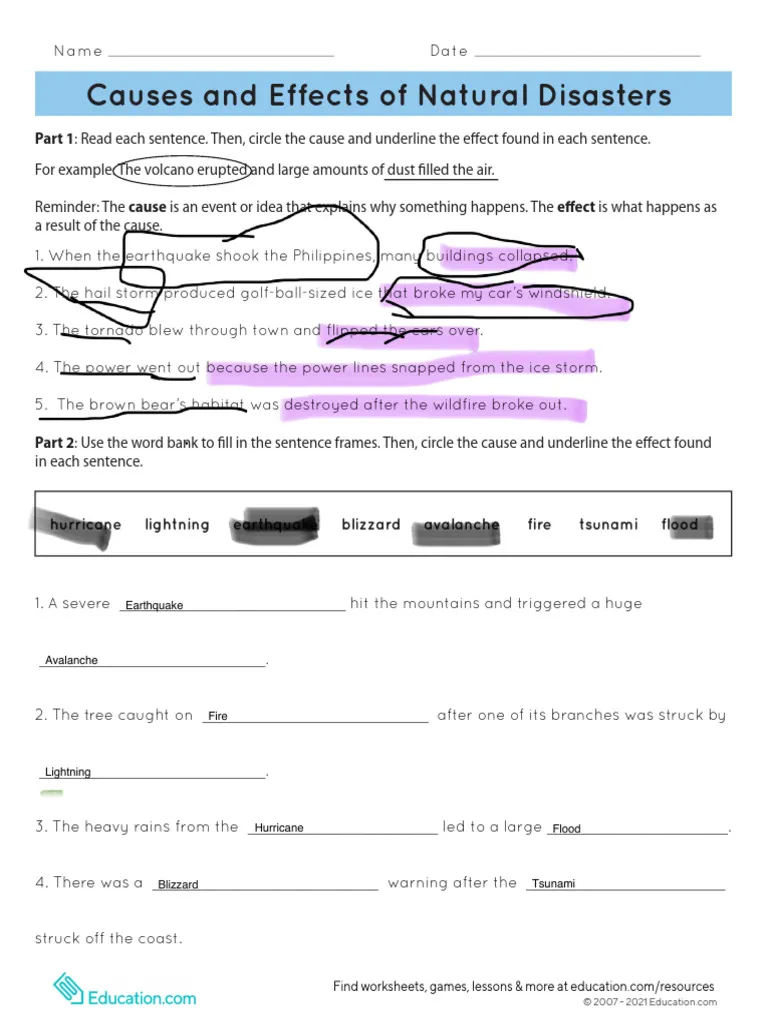
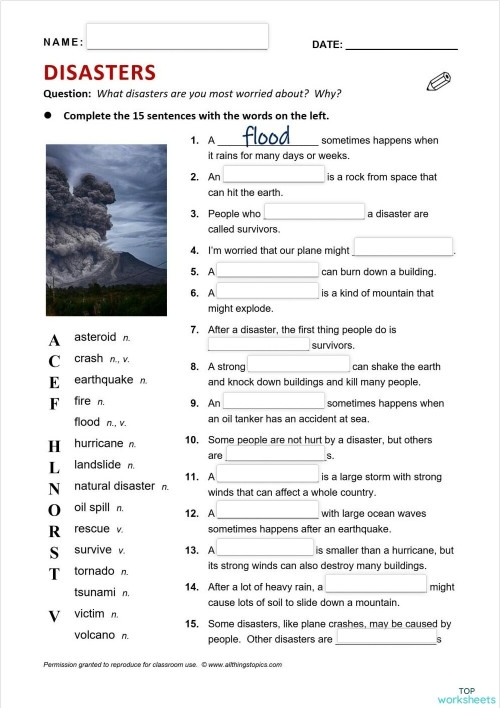
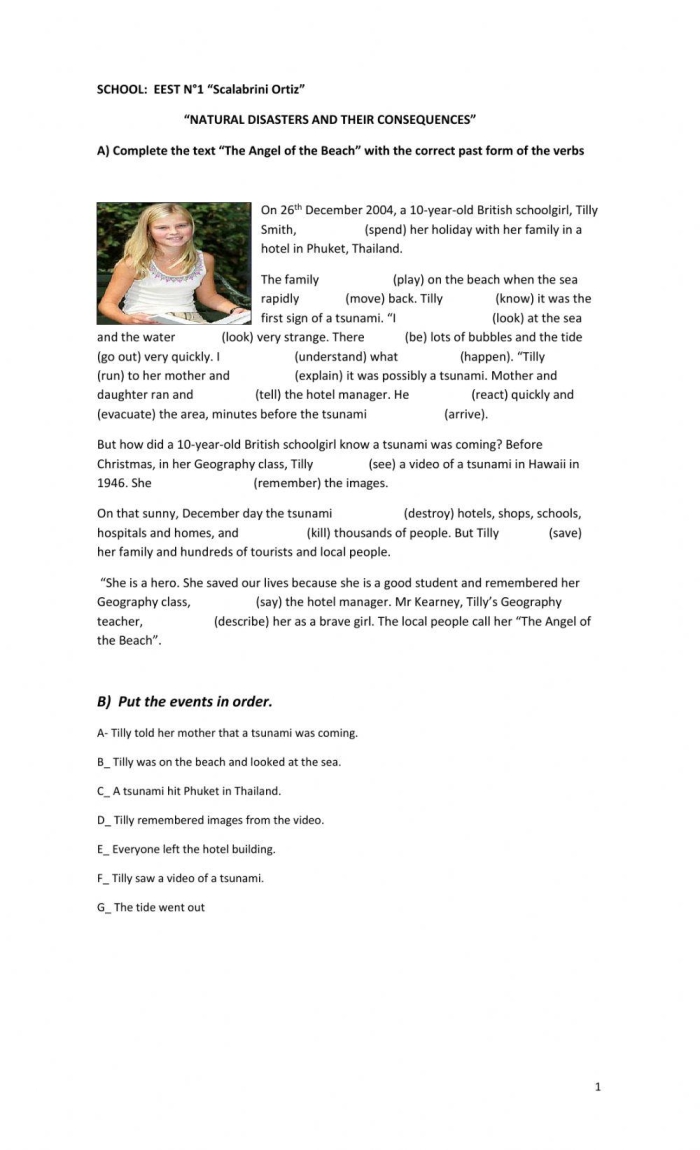
Practicing this skill works best when students engage with varied materials. Some texts focus on the science behind disasters, while others emphasize human experiences and recovery. You might pair reading activities with worksheets that ask students to map out causes and effects in sequence. For instance, connecting math skills to this unit, students could use an xy coordinate plane to plot data about disaster patterns, or practice growing by powers of ten to understand earthquake magnitude scales.
Fifth grade is the perfect time to develop this analytical thinking. Students have enough reading ability to handle complex nonfiction, yet still benefit from structured guidance. The cause-and-effect framework helps them organize information and ask better questions about the world around them.
Practice with These Worksheets