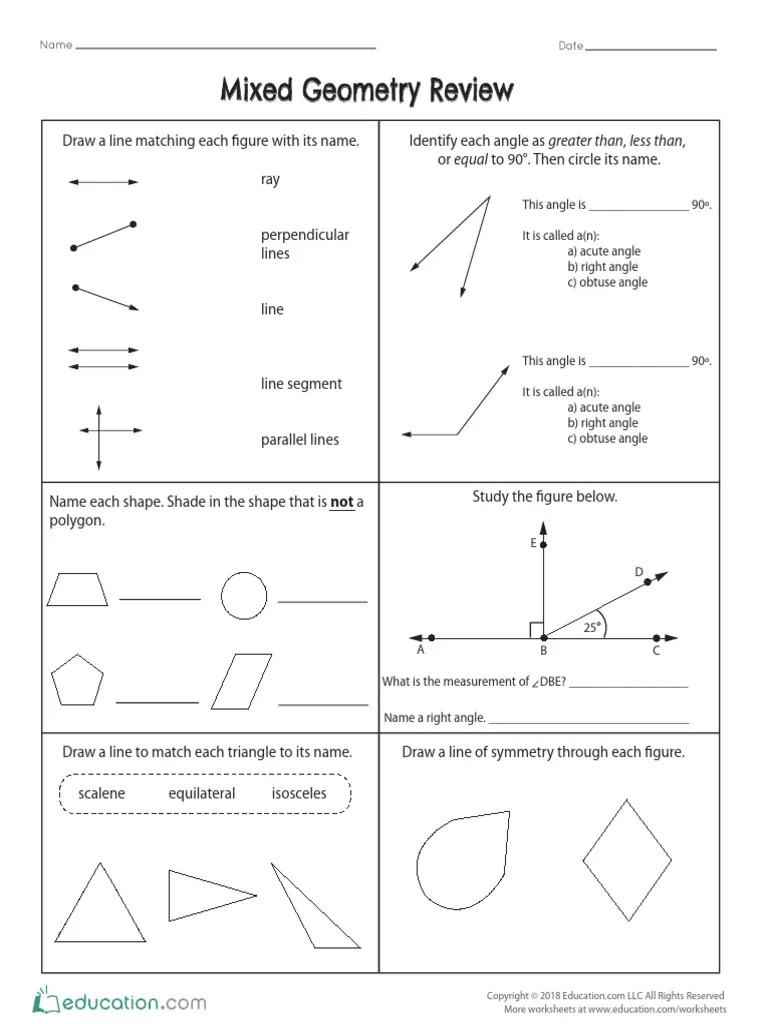
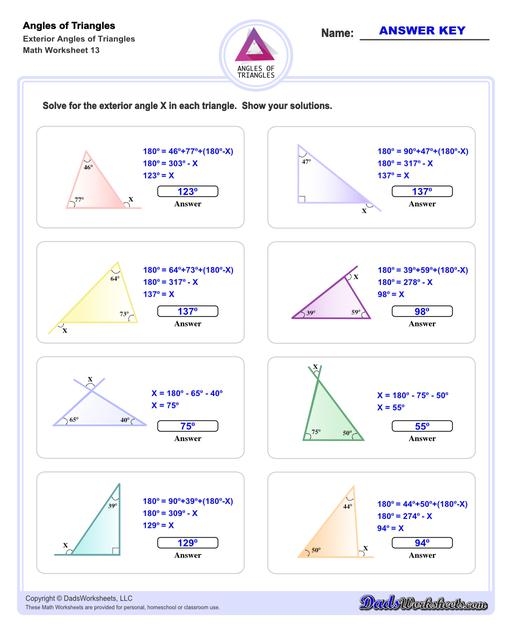
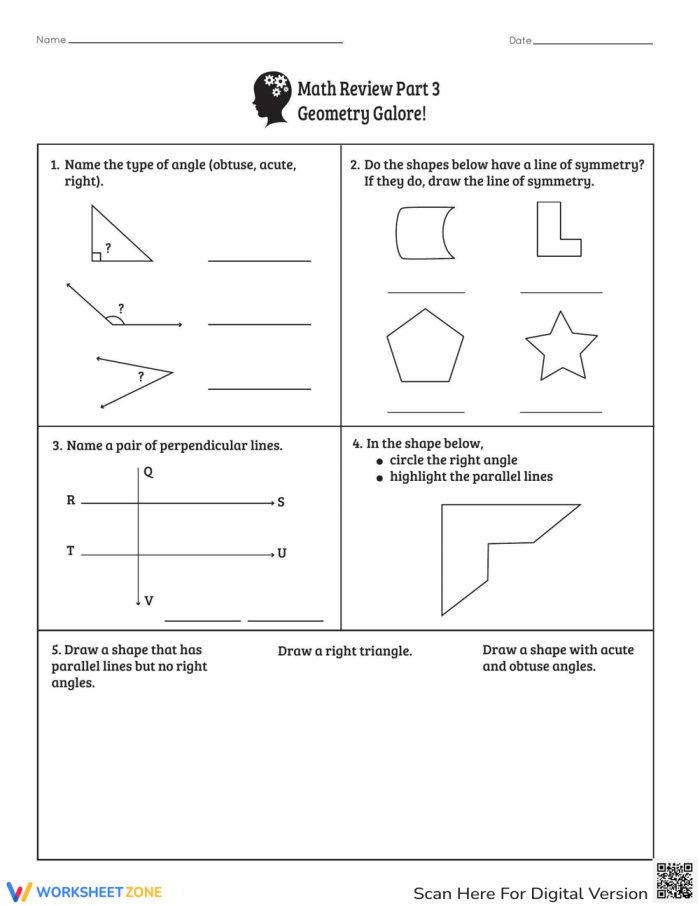
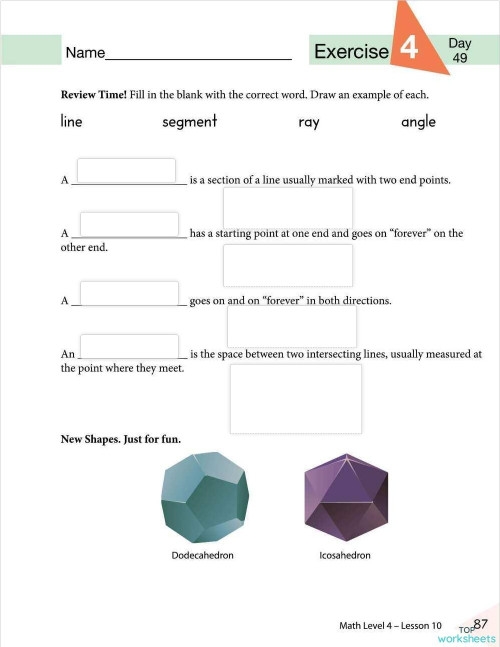
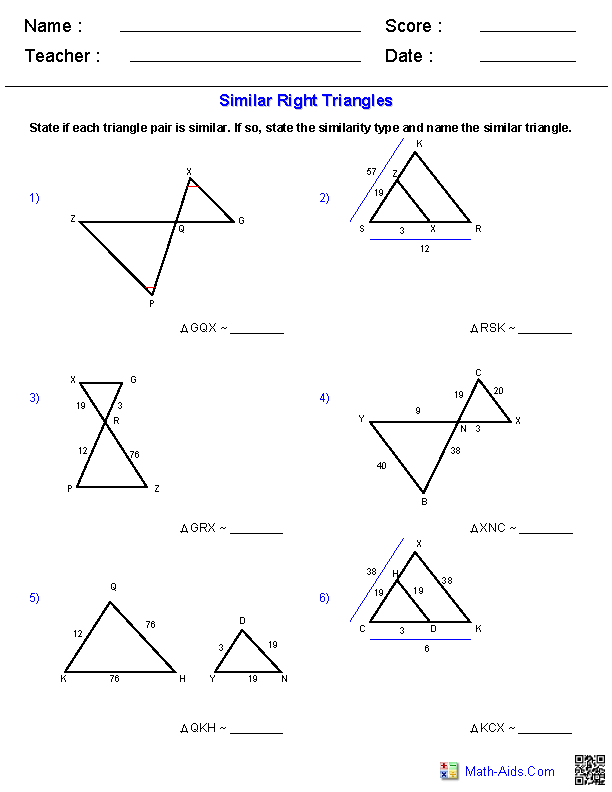
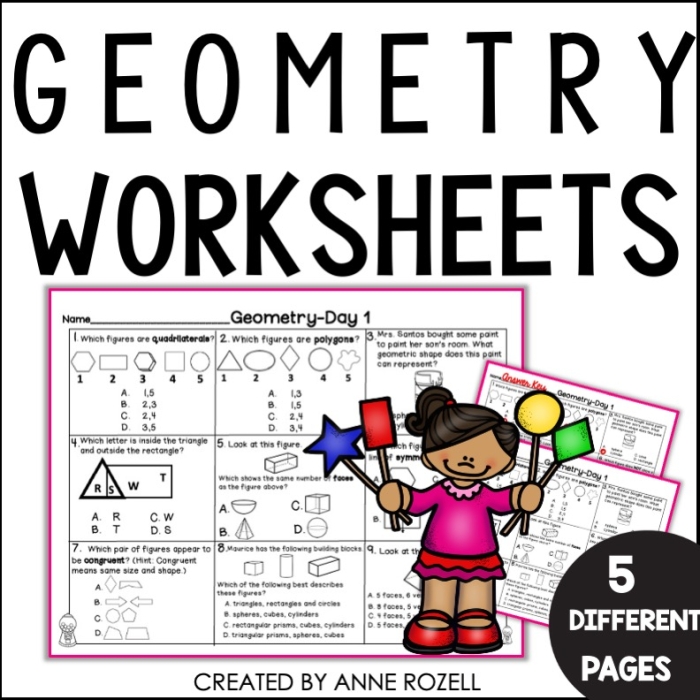
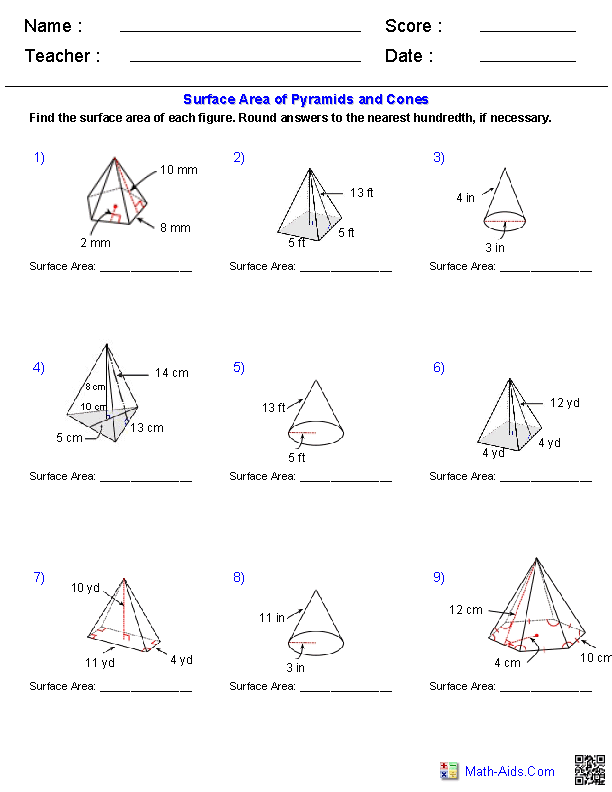
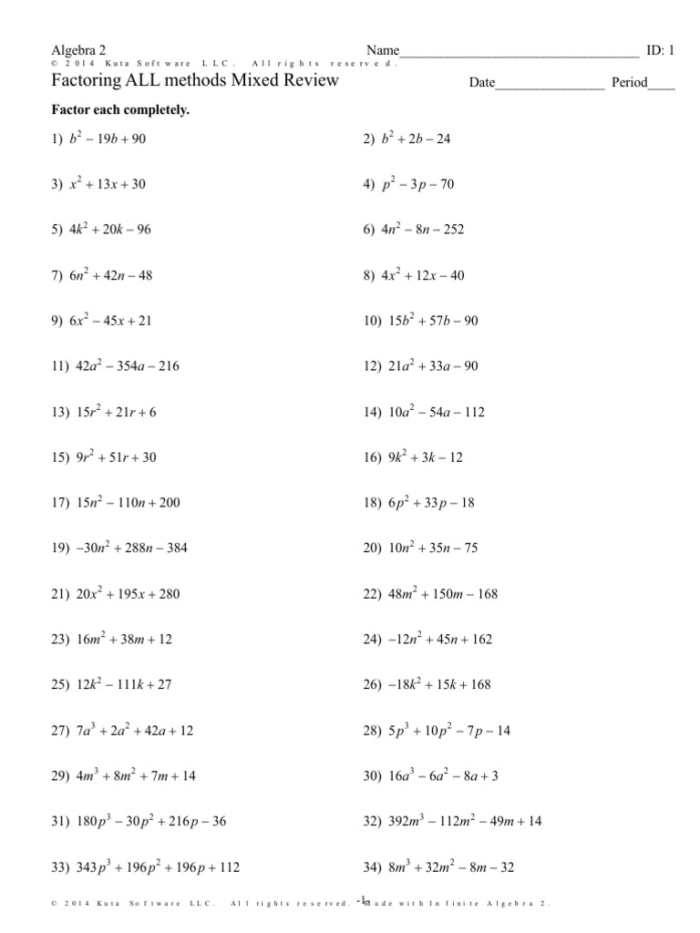
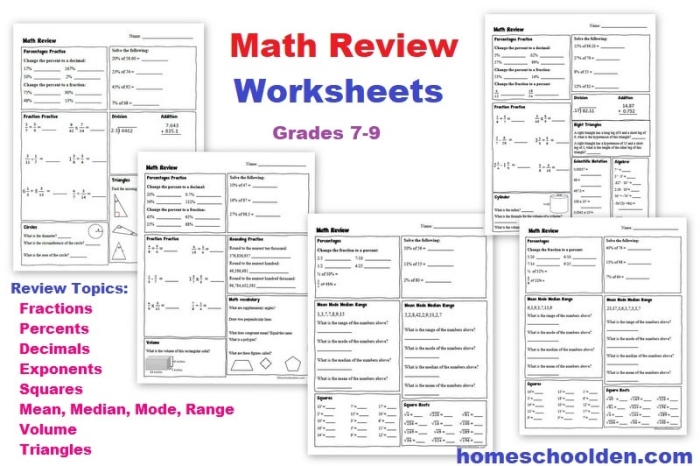
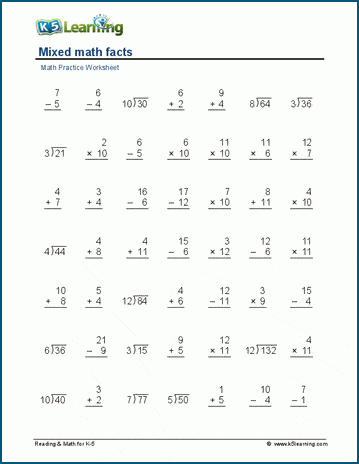
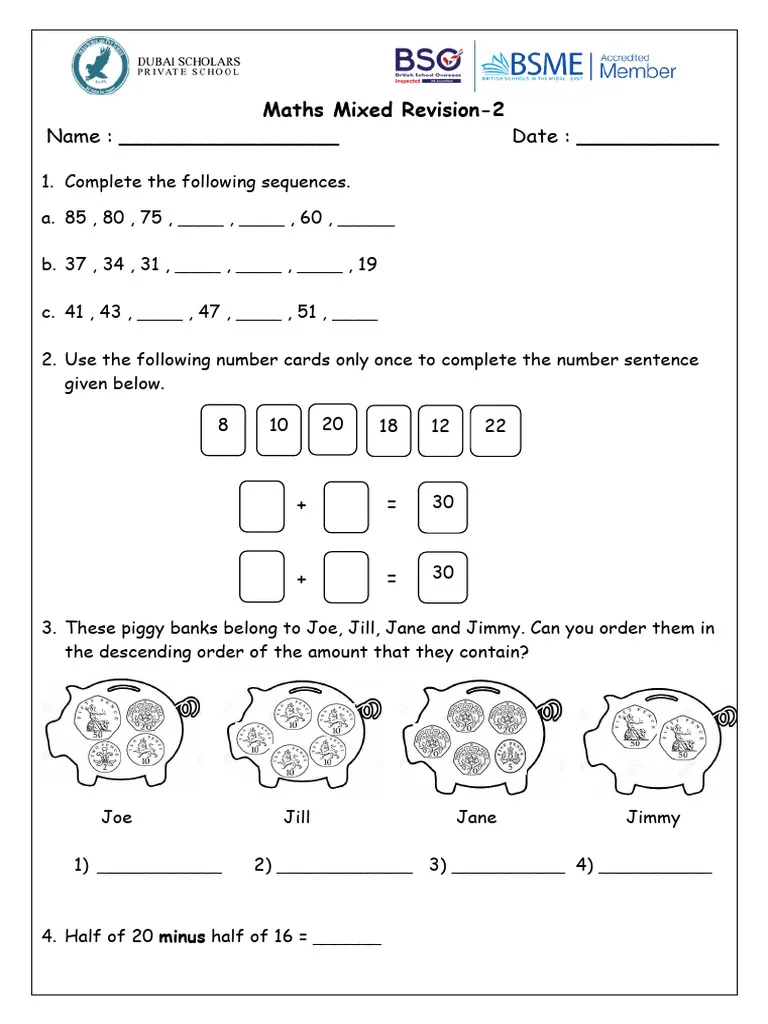
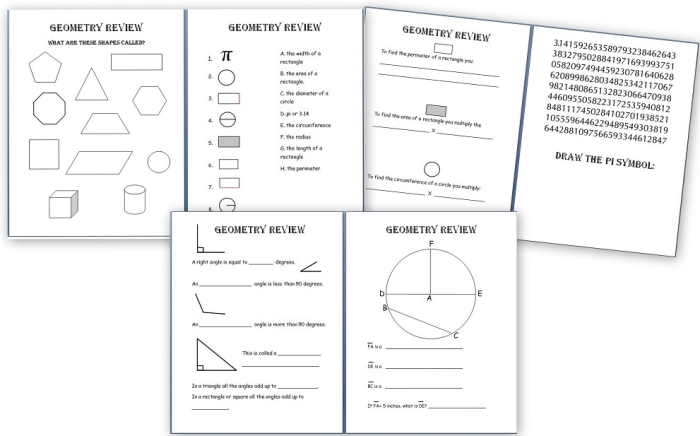
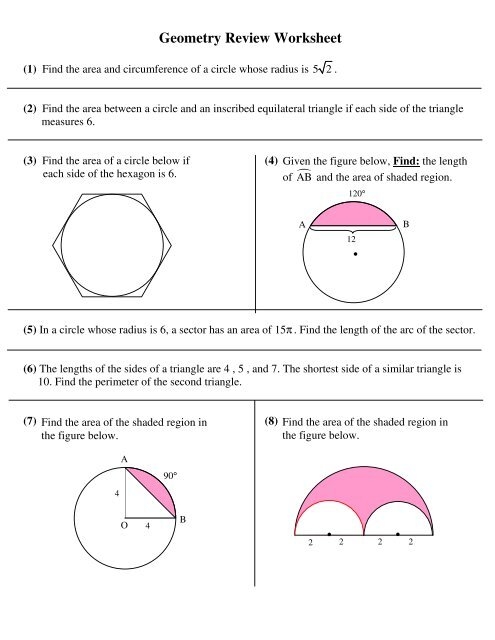
When you’re teaching fifth grade geometry, knowing what your students actually understand matters far more than assuming they’ve grasped the concepts. A mixed geometry review gives you the real picture of where each student stands, from basic polygon properties all the way through to plotting points on coordinate planes.
Geometry at the fifth grade level builds foundational spatial reasoning that connects directly to how students work with integers and rational numbers. When students identify vertices, measure angles, or calculate perimeters, they’re applying numerical skills in concrete ways. This is where abstract math becomes something they can see and touch.
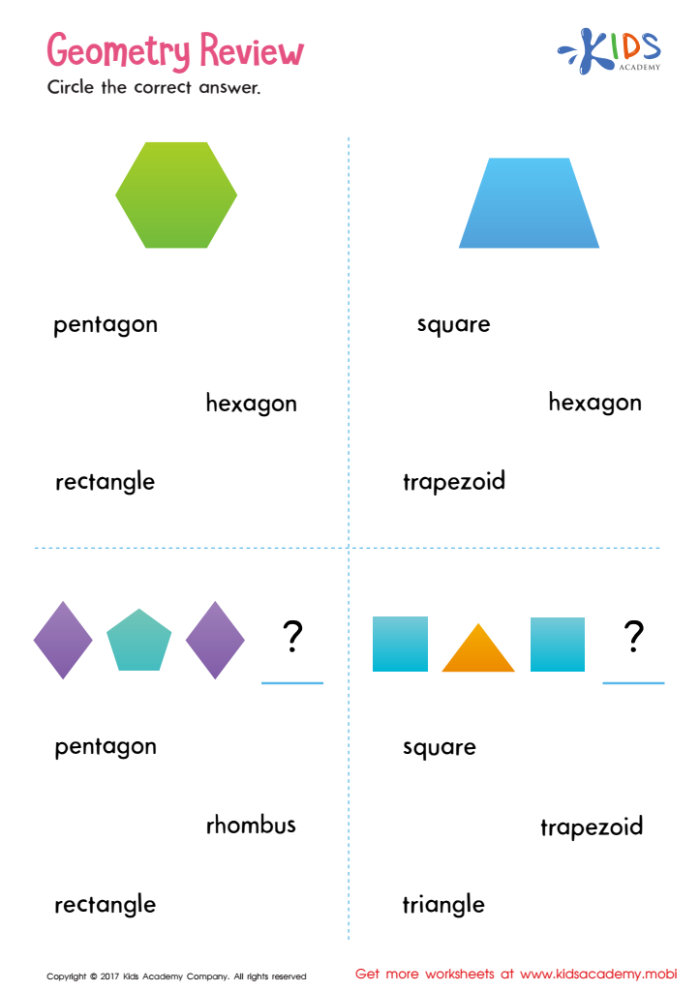
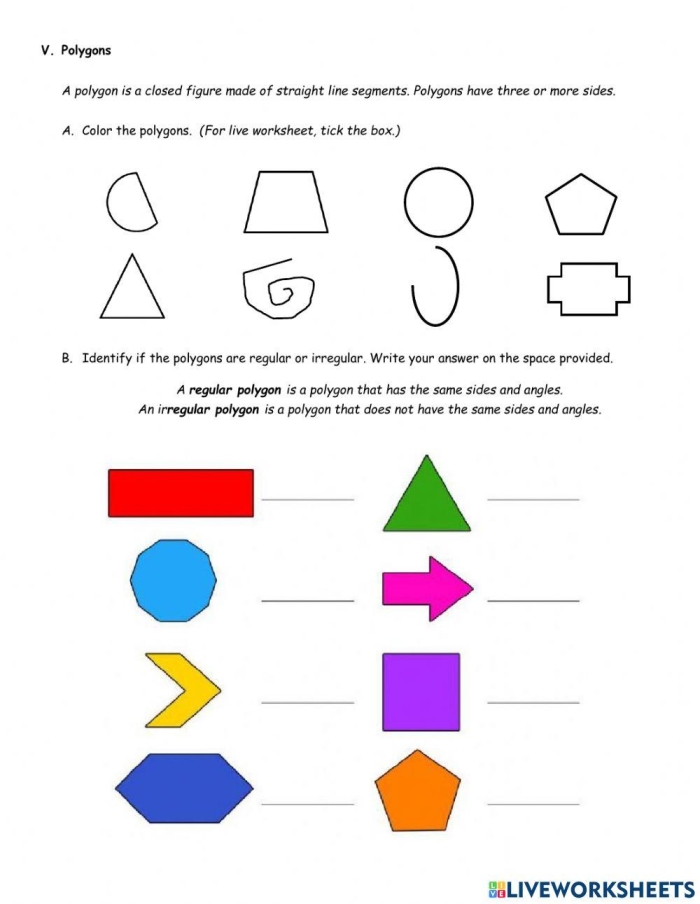
The challenge is that geometry concepts don’t always stick uniformly across a classroom. Some students grasp that a quadrilateral has four sides but struggle to classify it as a rectangle or rhombus. Others can name polygons confidently yet freeze when asked to locate coordinates on a grid. A comprehensive review helps you spot these gaps before they compound.
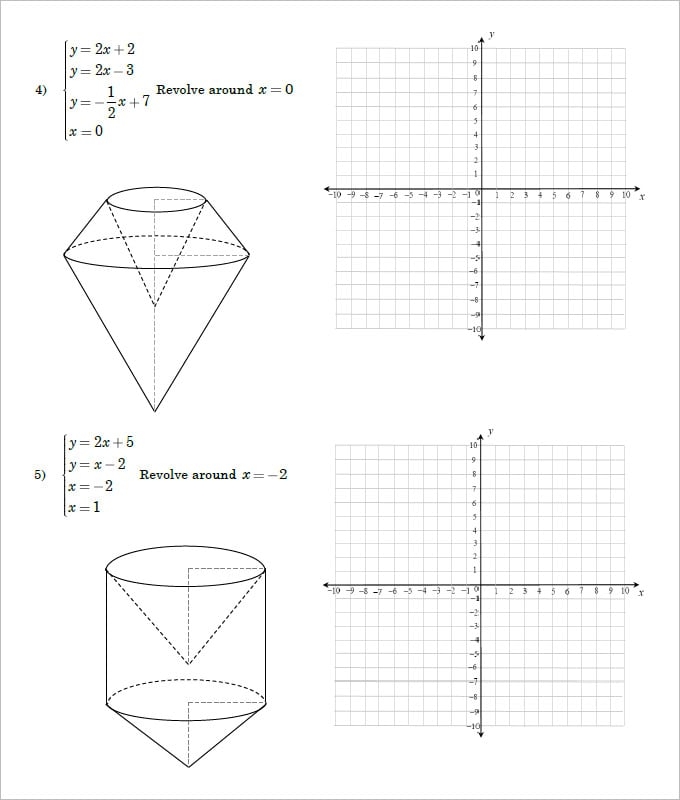
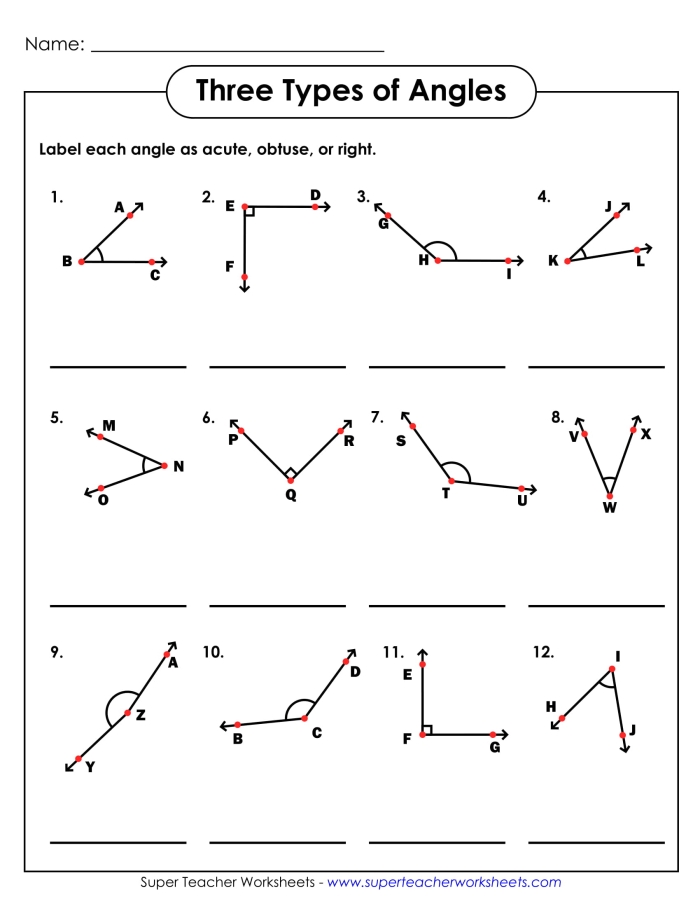
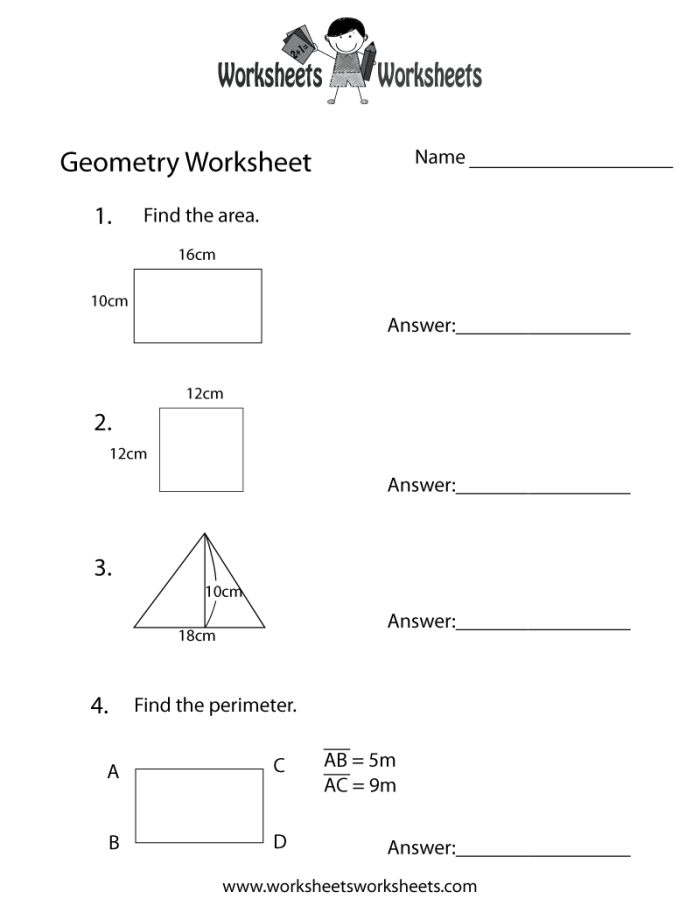
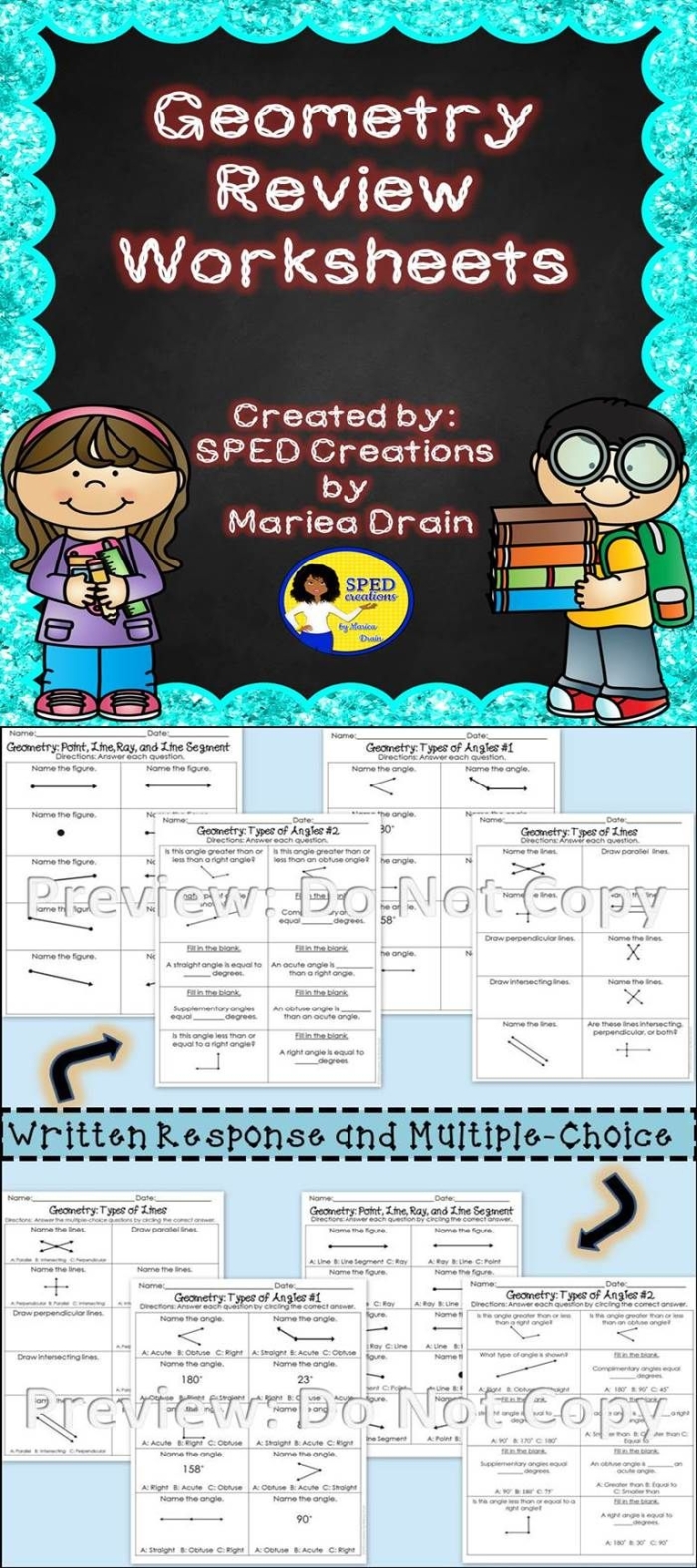
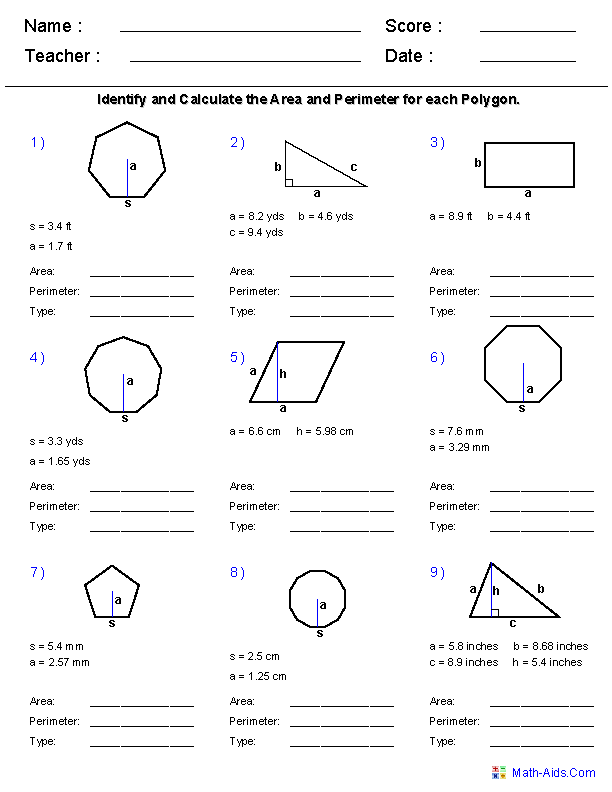
Effective geometry assessment covers the full range: identifying and classifying polygons by their properties, understanding angles and their measurements, calculating area and perimeter, and navigating coordinate planes with x and y axes. You might pair geometry practice with other skill areas, like using recipe conversion activities to show how multiplication applies to scaling shapes, or incorporating rounding exercises when students estimate measurements.
When you assess systematically, you can target instruction precisely. Students who nail polygon classification might need more time with coordinate planes. Those comfortable with grids may benefit from deeper work on angle relationships. This targeted approach, grounded in actual assessment data, moves your teaching forward with confidence.
Hands-On Worksheet Activities