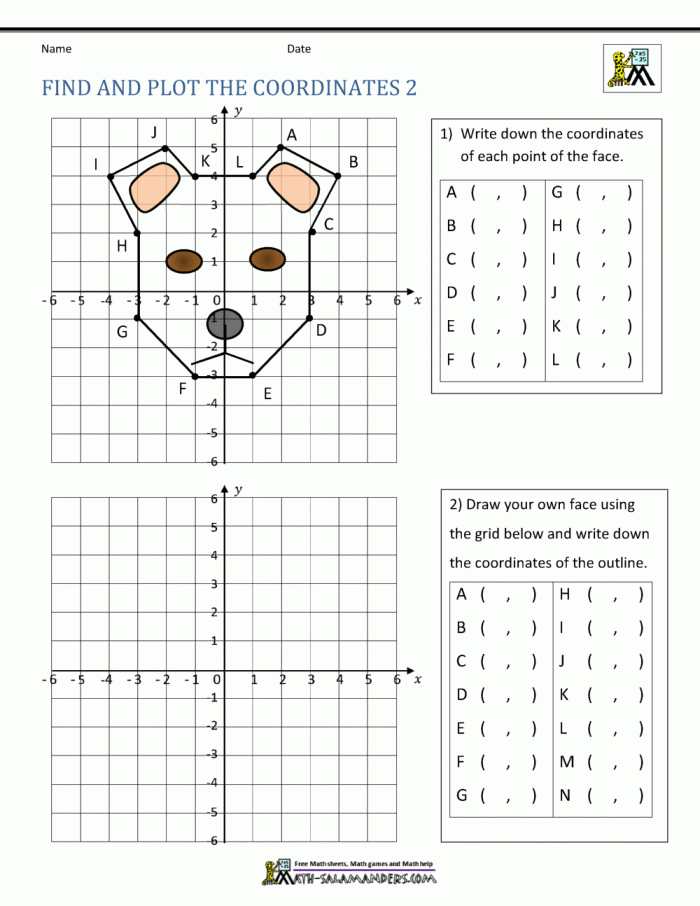
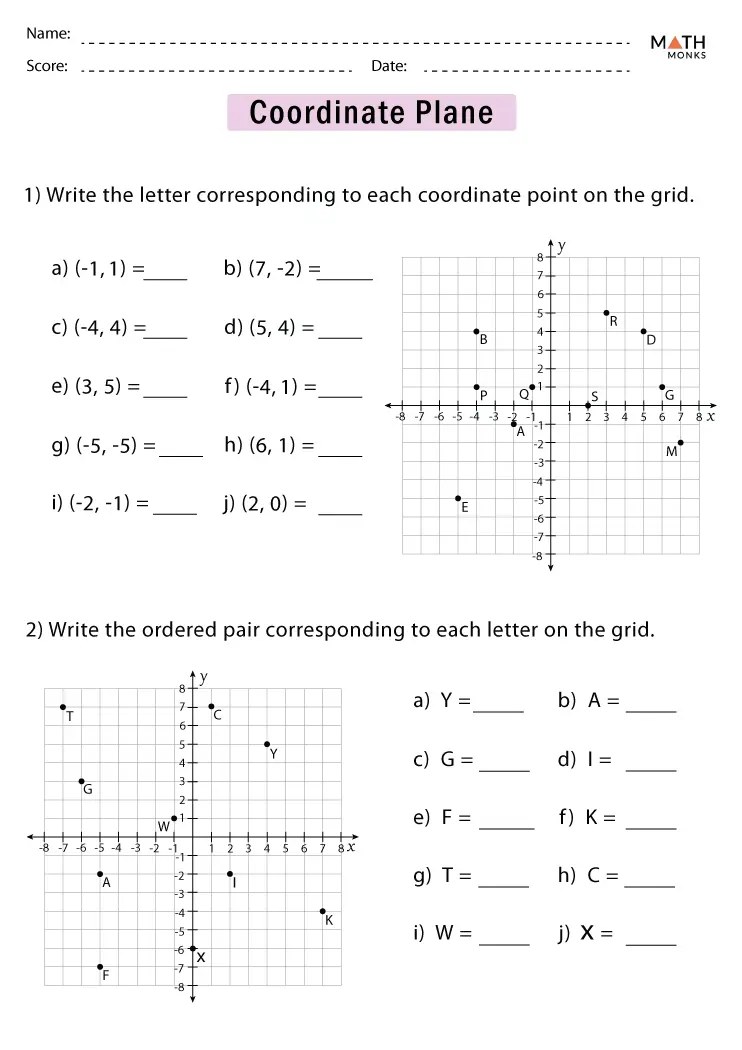
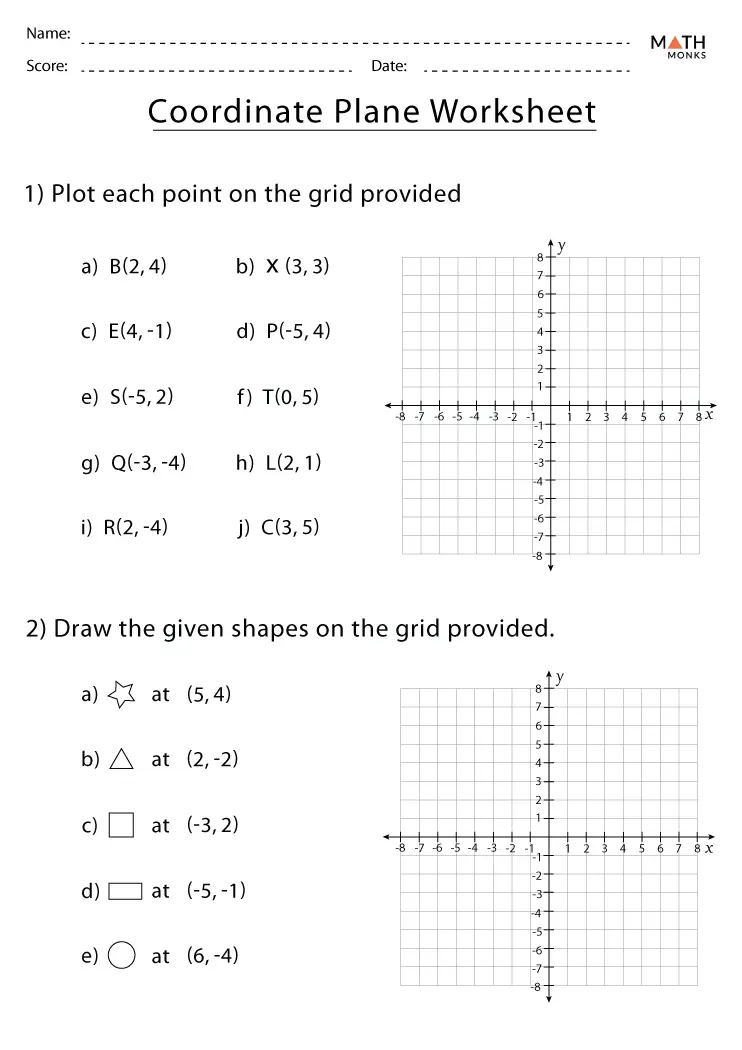
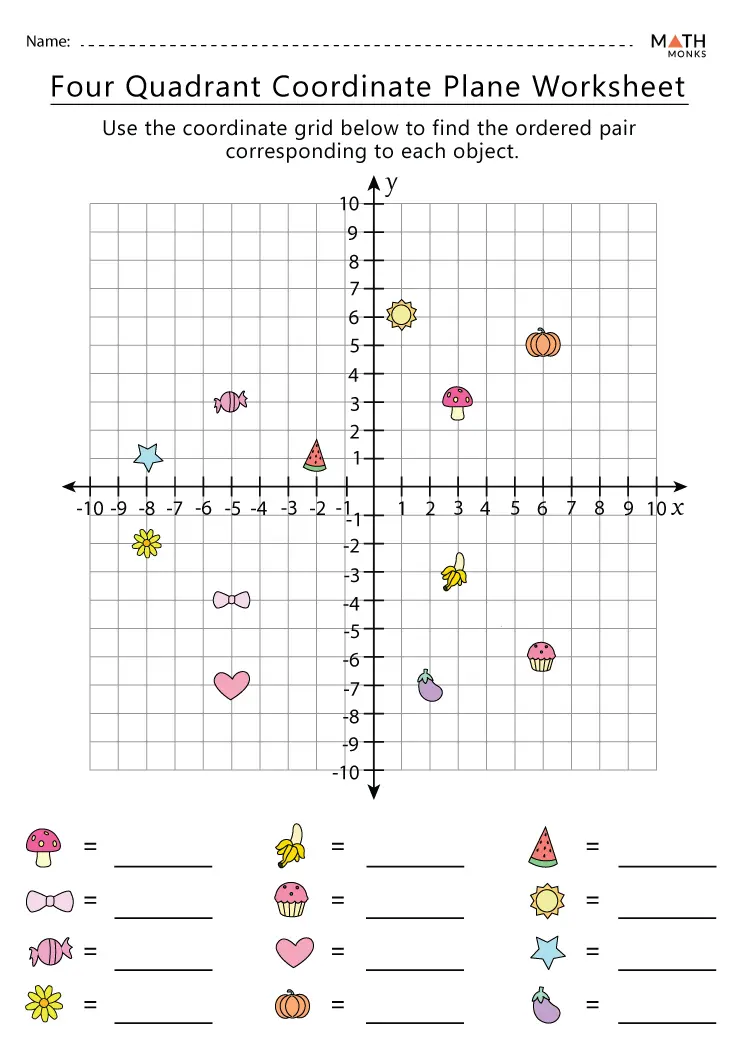
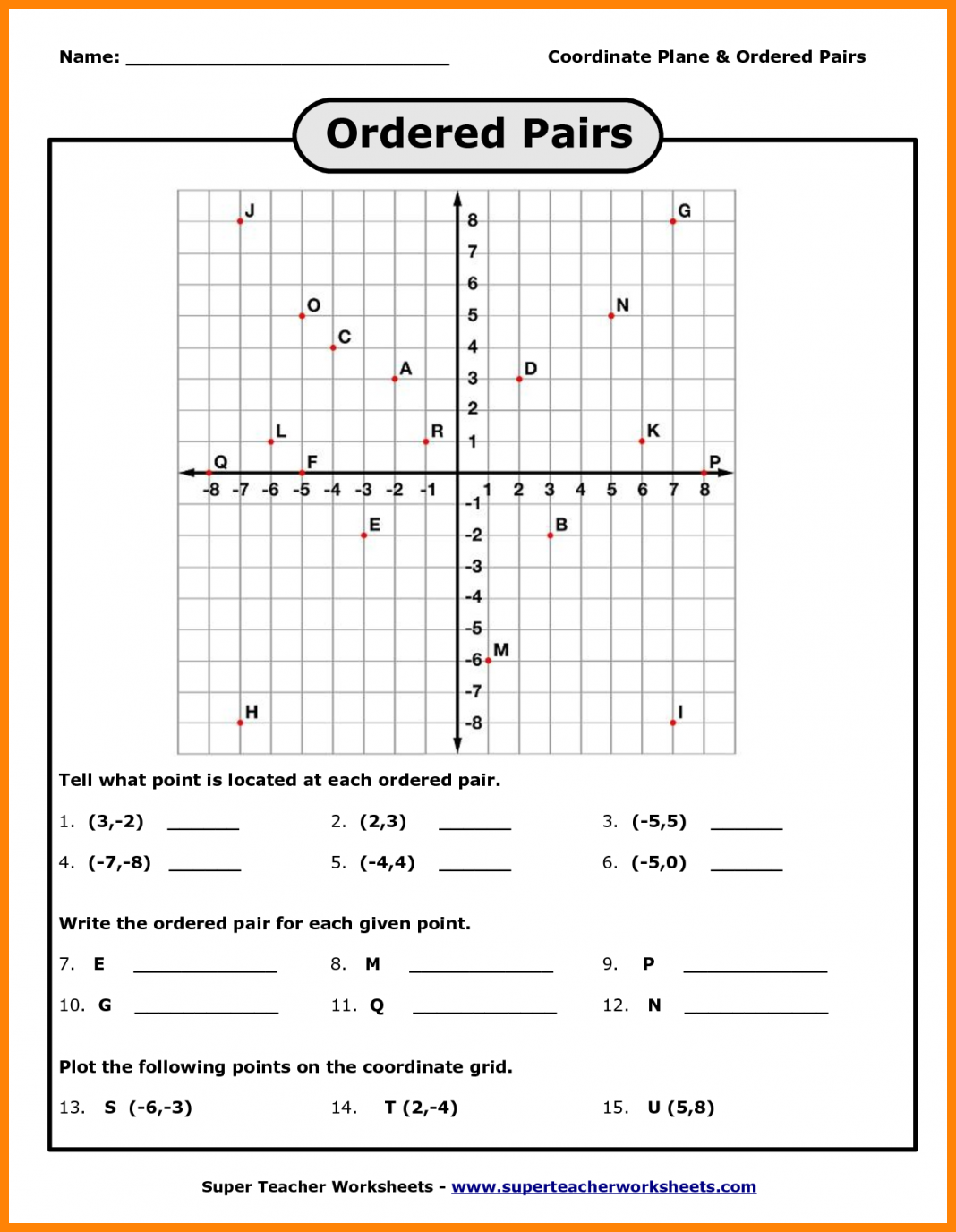
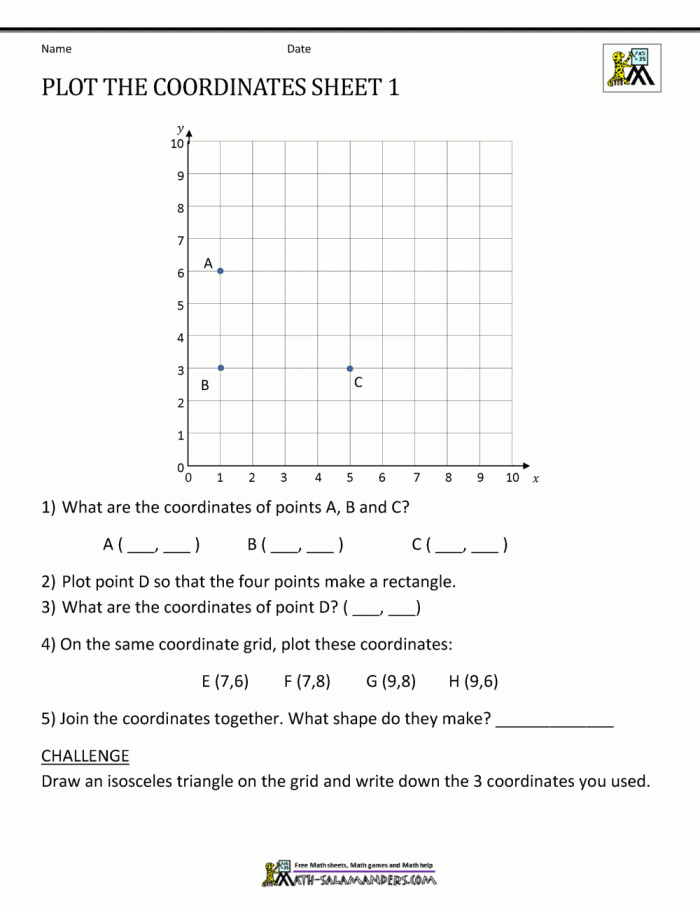
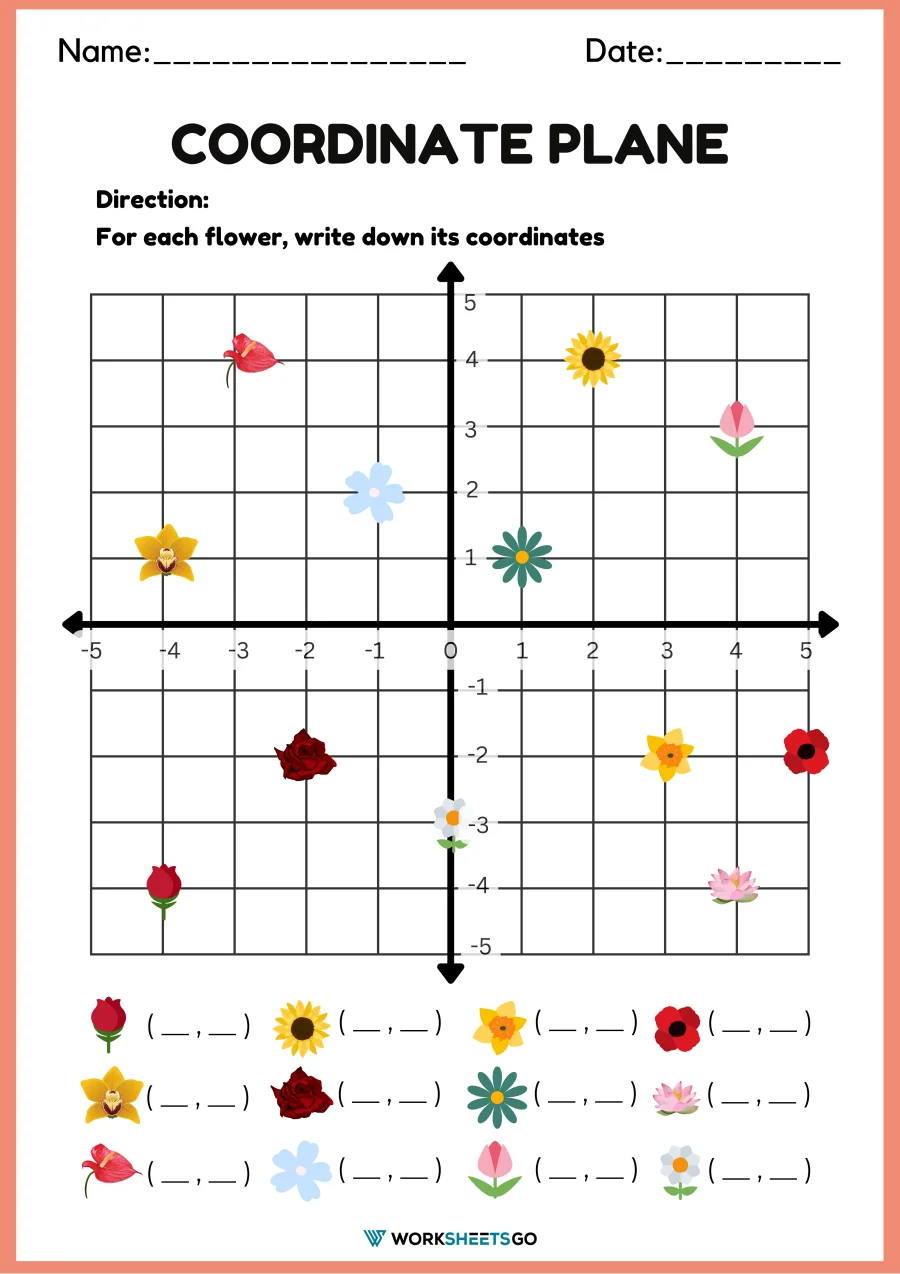
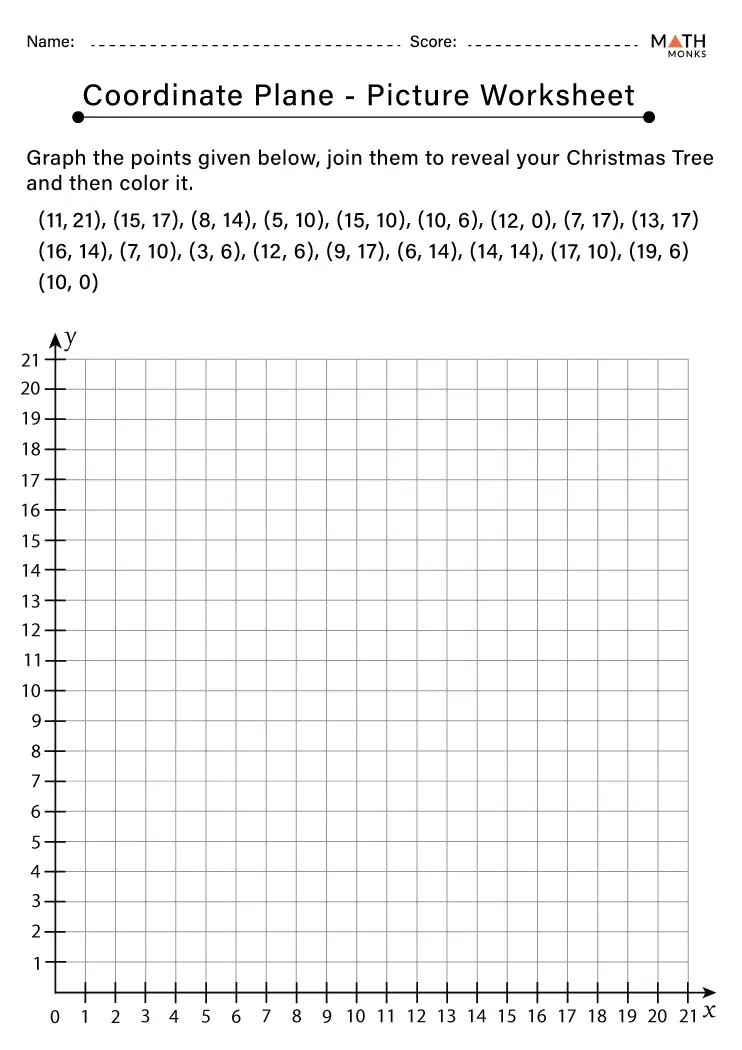
Confusing the x-axis with the y-axis is one of the most common stumbling blocks when fifth graders first encounter the coordinate plane. If you’ve watched a student freeze when asked to plot a point like (3, 5), you know exactly what I mean. The coordinate plane becomes much less intimidating once you understand which direction each axis runs and how to read those ordered pairs correctly.
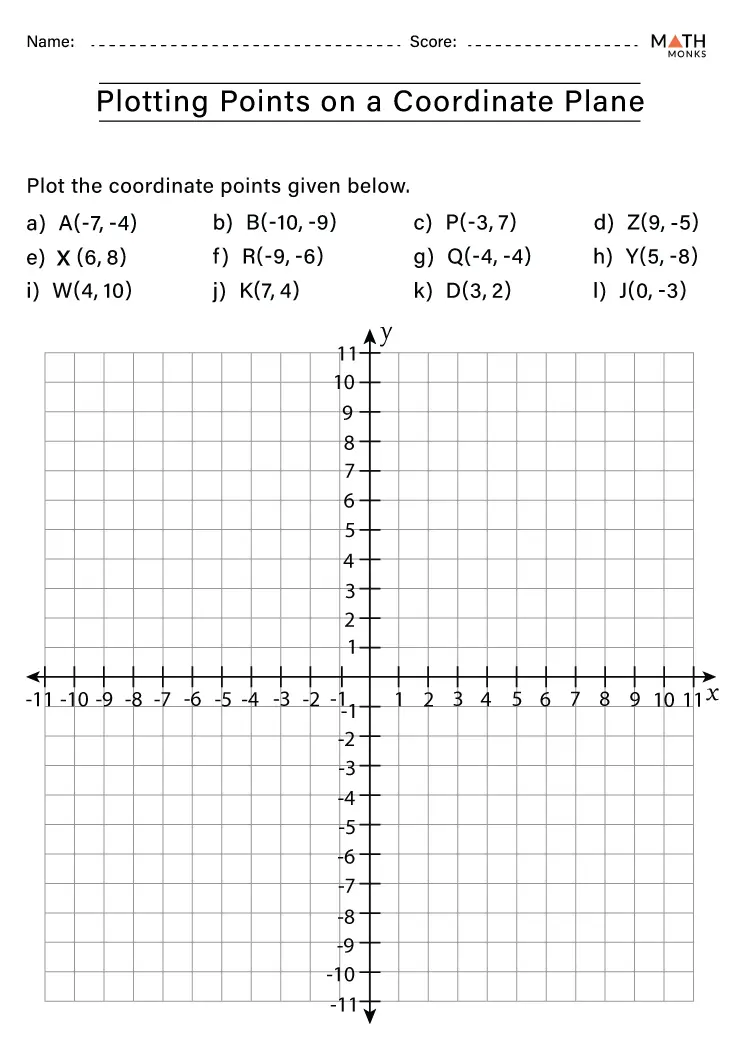
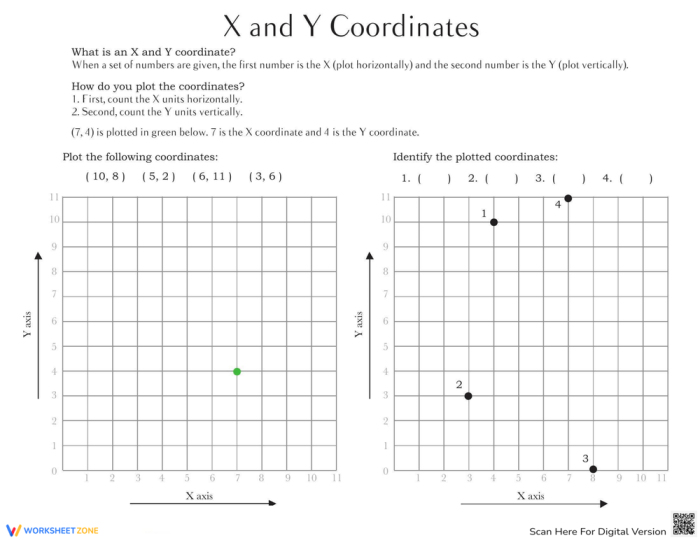
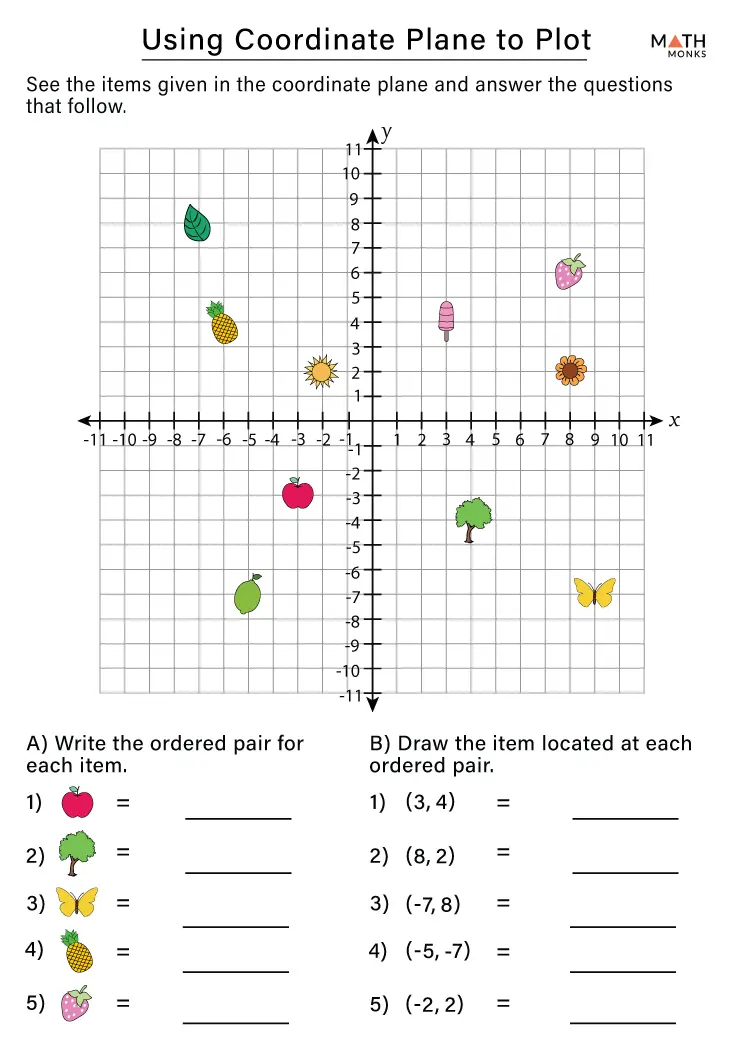
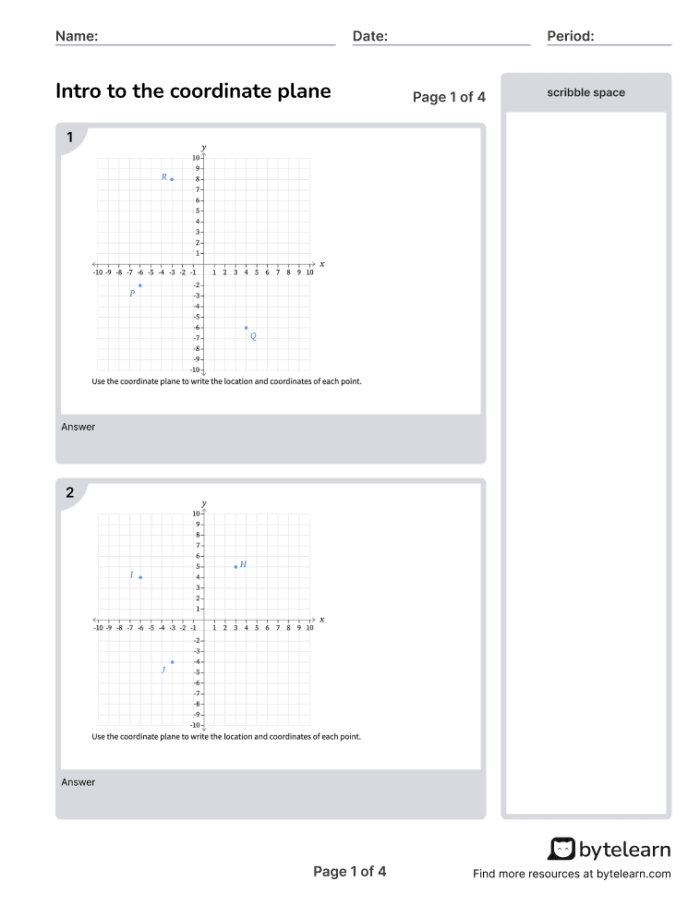
The x-axis runs horizontally, left to right across your graph. The y-axis runs vertically, bottom to top. When you see a point written as (3, 5), the first number always tells you how far to move along the x-axis, and the second number tells you how far to move along the y-axis. This order matters every single time. Swapping them puts your point in the wrong location entirely.
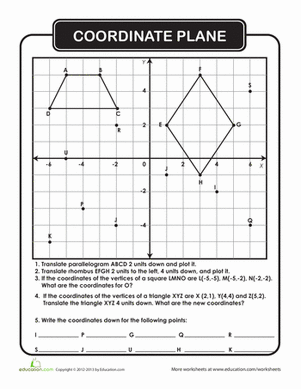
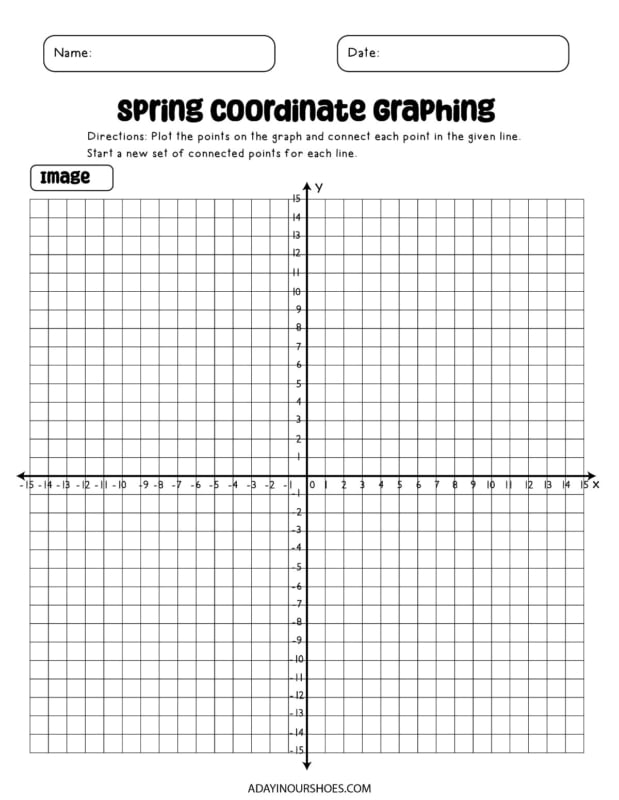
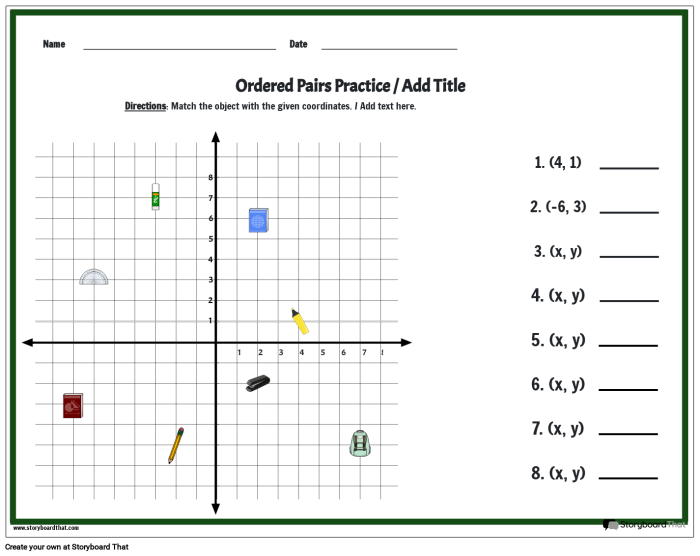
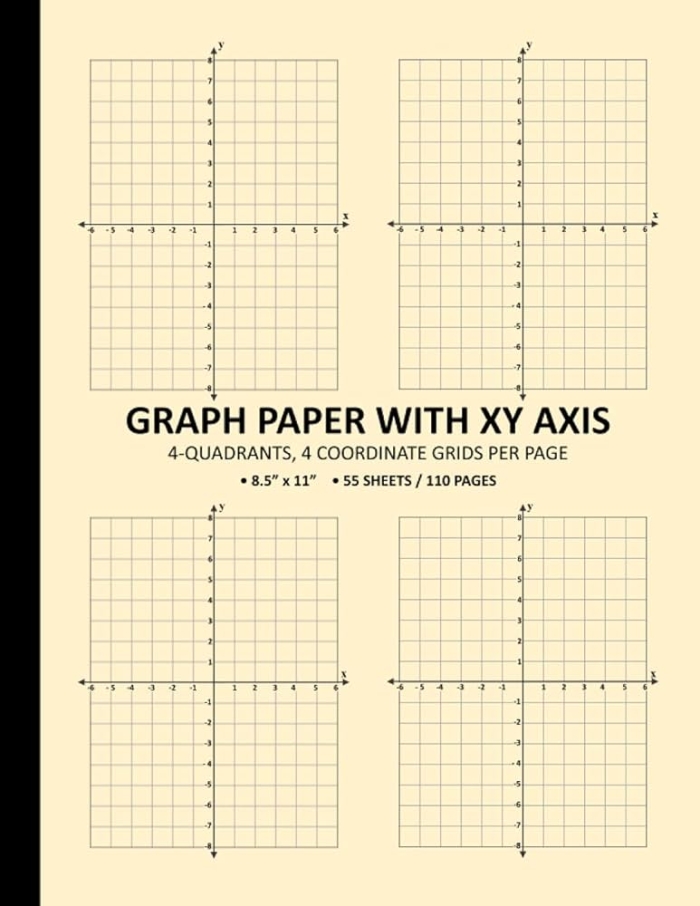
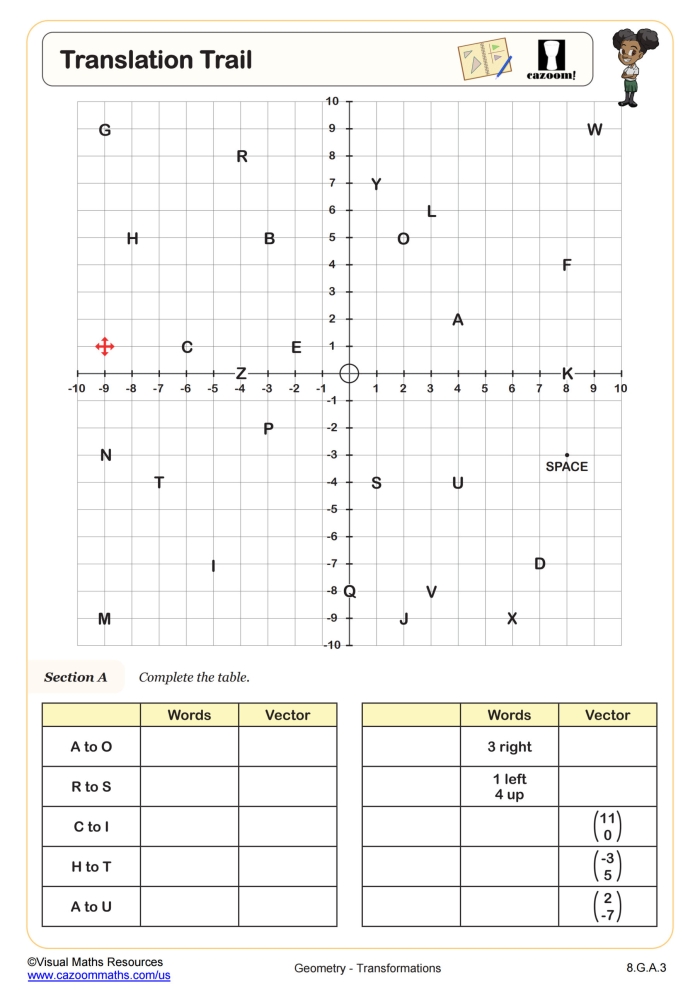
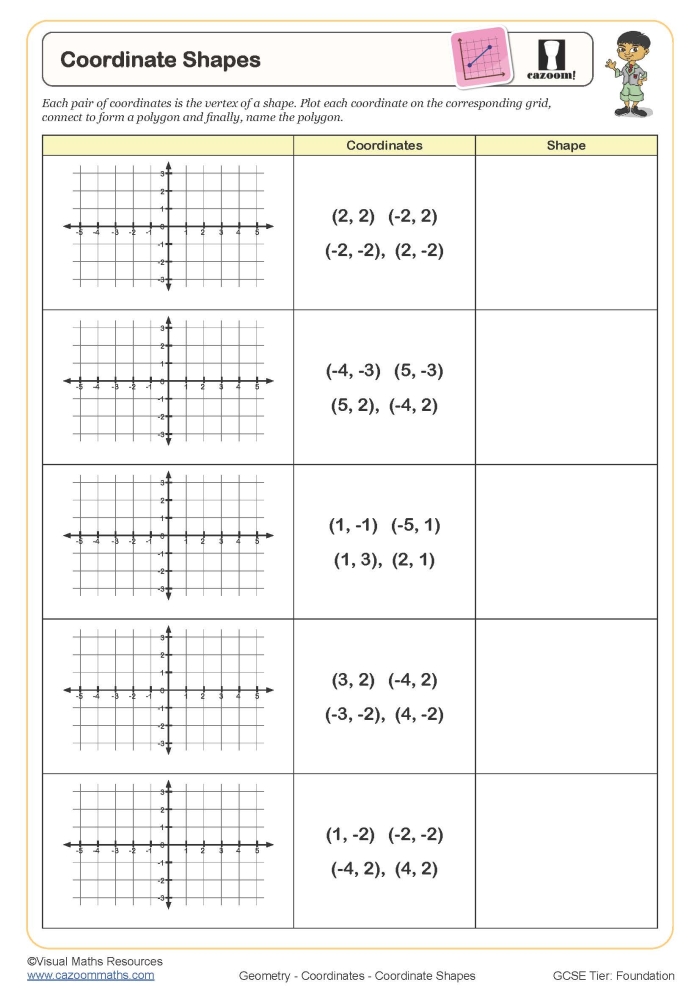
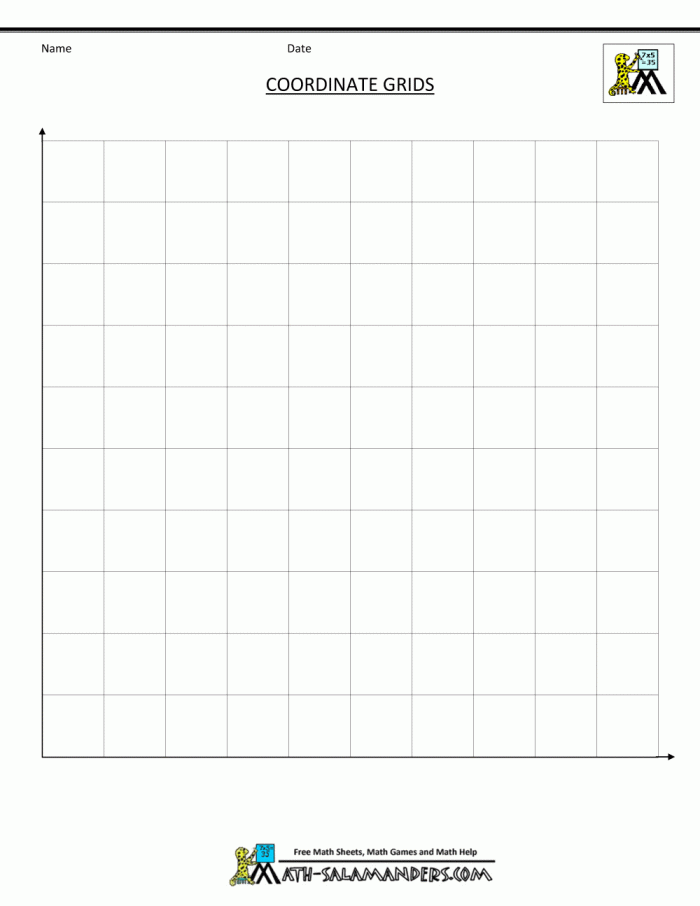
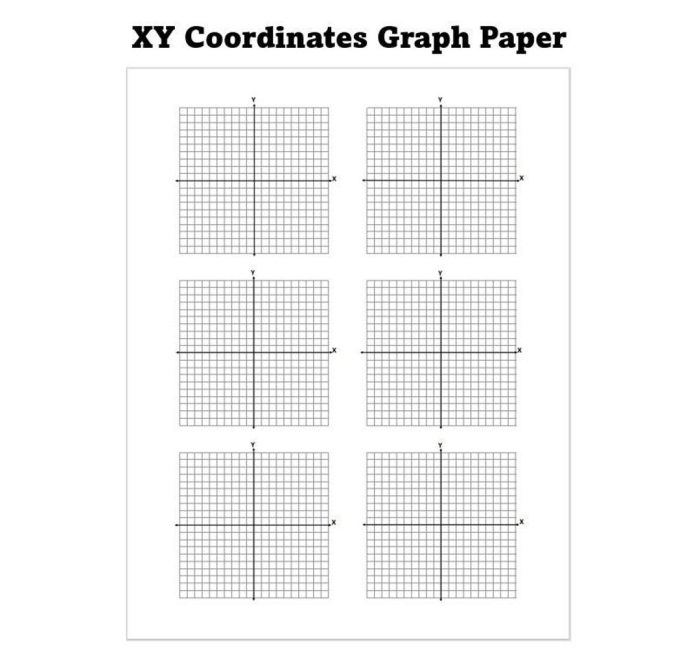
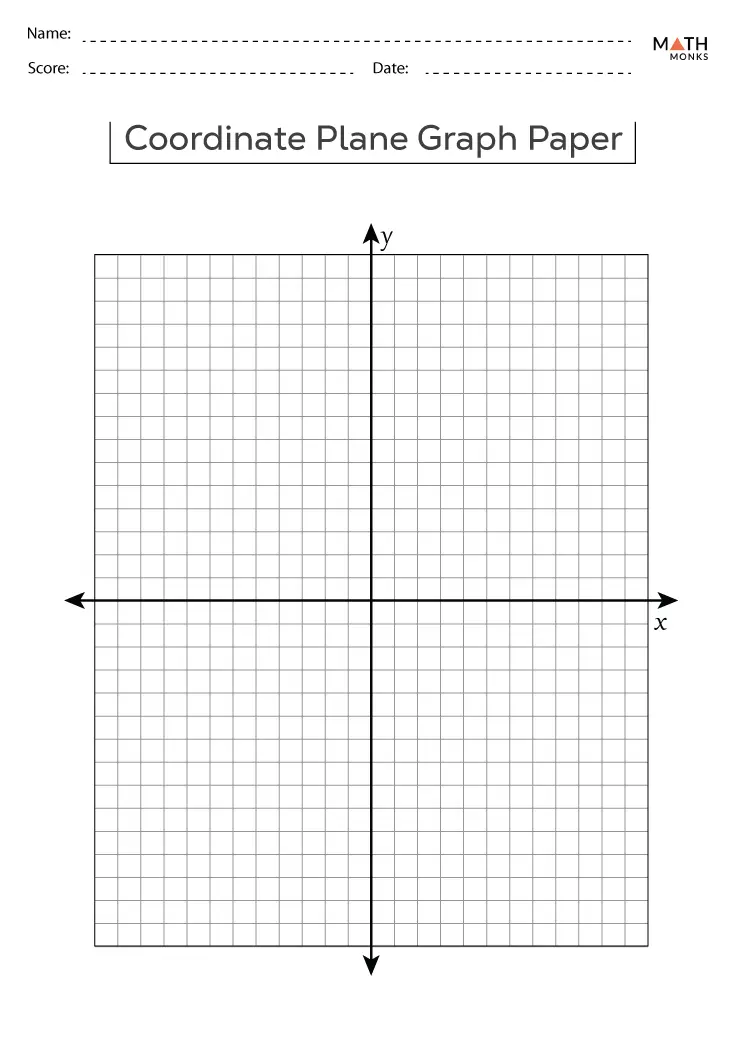
Getting comfortable with coordinate plotting takes repetition, and that’s where printable worksheets become invaluable. Fifth grade students benefit from consistent practice sessions where they can plot multiple points without pressure. Each correct plot reinforces the pattern in their minds. The multiplication skills students develop while working with coordinates also strengthen their ability to think in terms of relationships between numbers, which connects directly to their broader math foundation.
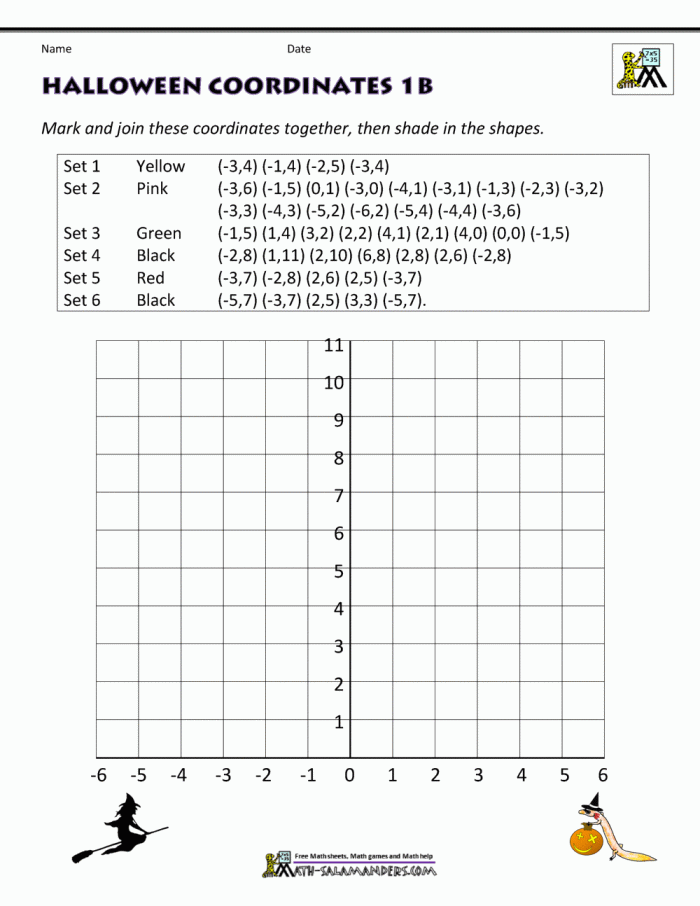
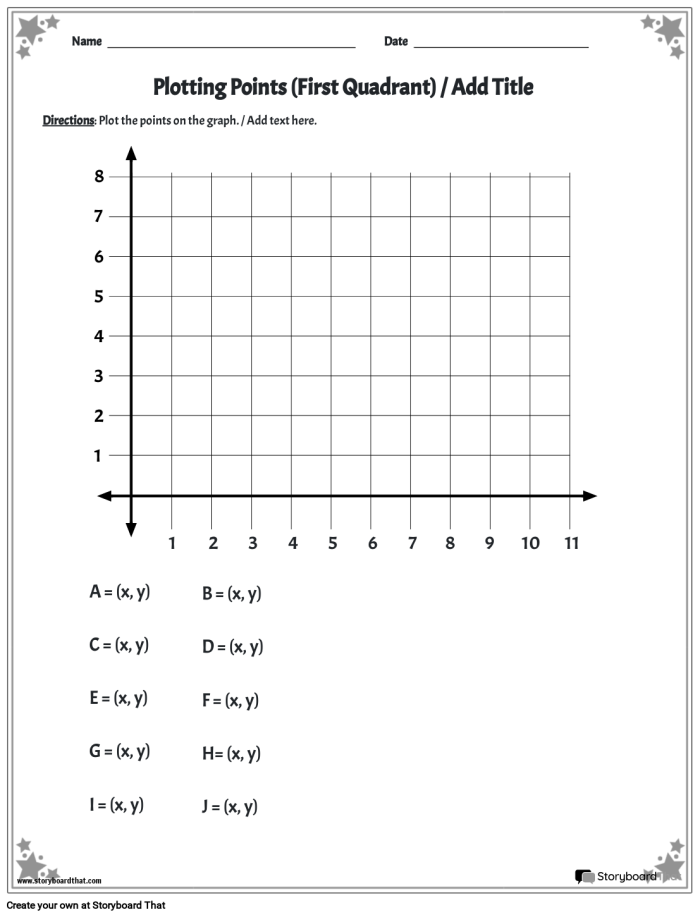
When you work through coordinate plane practice, start with points in the first quadrant where both numbers are positive. This removes one layer of complexity. Once students master that space, introducing negative coordinates becomes a natural next step. Pairing coordinate practice with other fifth grade skills creates stronger connections. For instance, understanding how to read coordinates supports work with tracking data over time in other subjects.
Regular plotting practice transforms confusion into confidence. Students who spend time with these worksheets develop an intuitive feel for how the axes work together, making higher math concepts far more accessible down the road.
Hands-On Worksheet Activities