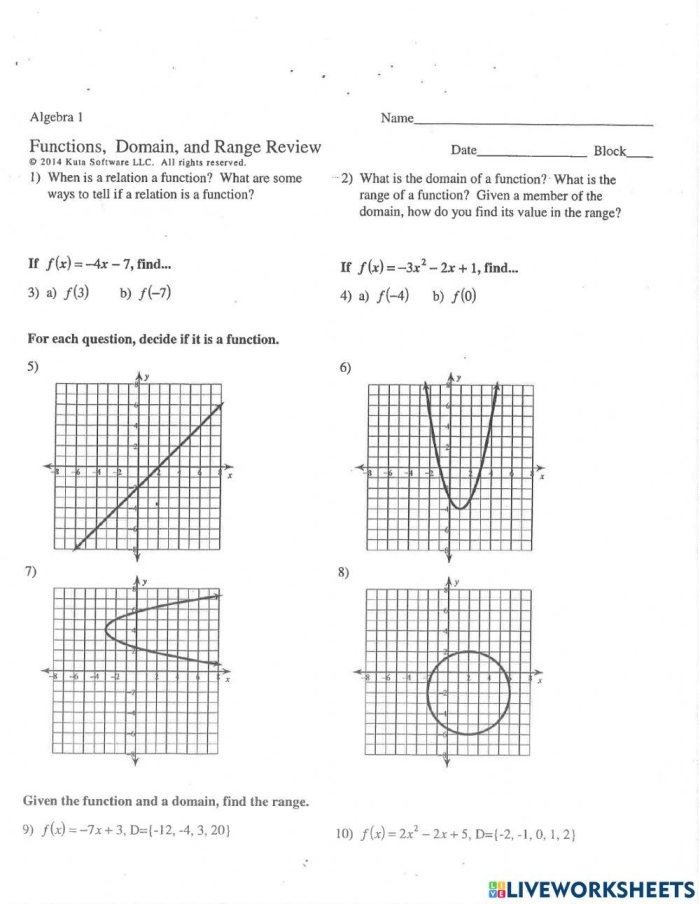
One of the trickiest concepts for eighth grade students is understanding the difference between a relation and a function. Many students memorize the definition without truly grasping what it means, which creates problems when they encounter more complex algebra later. A solid worksheet focused on checking whether relations qualify as functions can bridge this gap and build genuine comprehension.
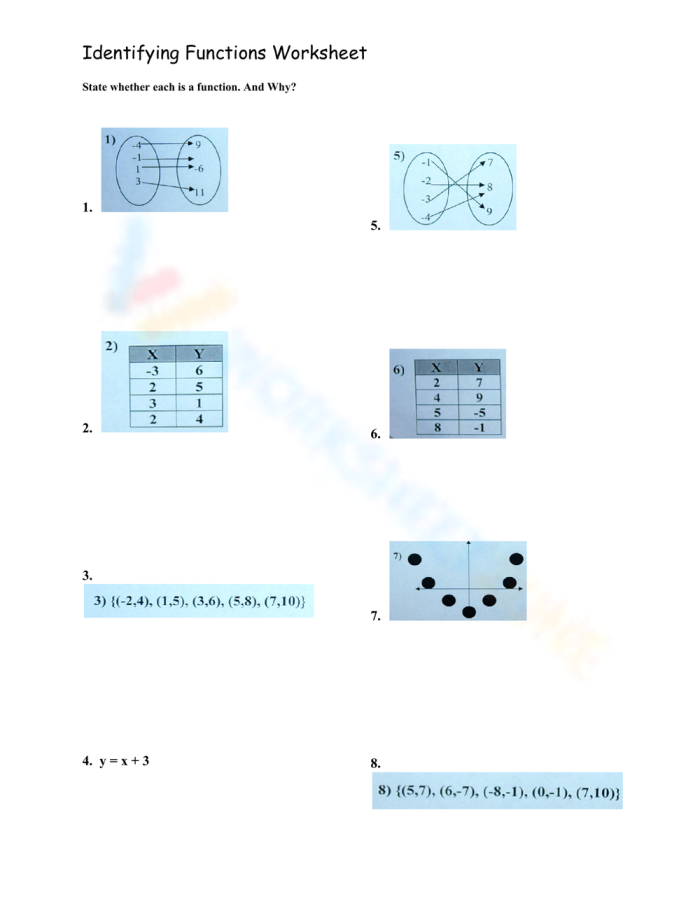
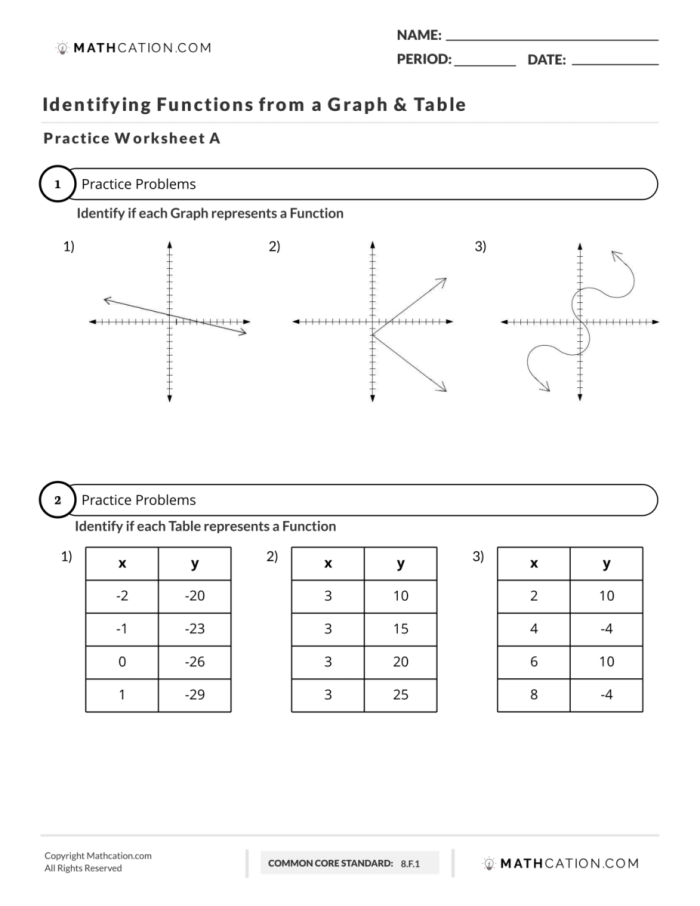
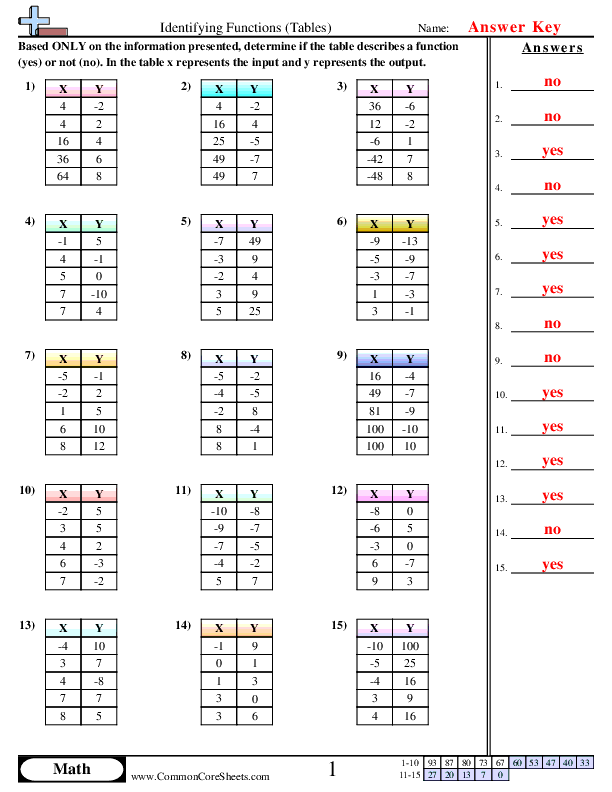
The core issue is that students need to recognize that a function has exactly one output for each input. A relation might have multiple outputs for a single input, which disqualifies it from being a function. When you use a worksheet that asks students to determine this distinction repeatedly with different examples, the pattern becomes clearer. They start to see why the vertical line test works, why ordered pairs matter, and how domain and range connect to the function concept.
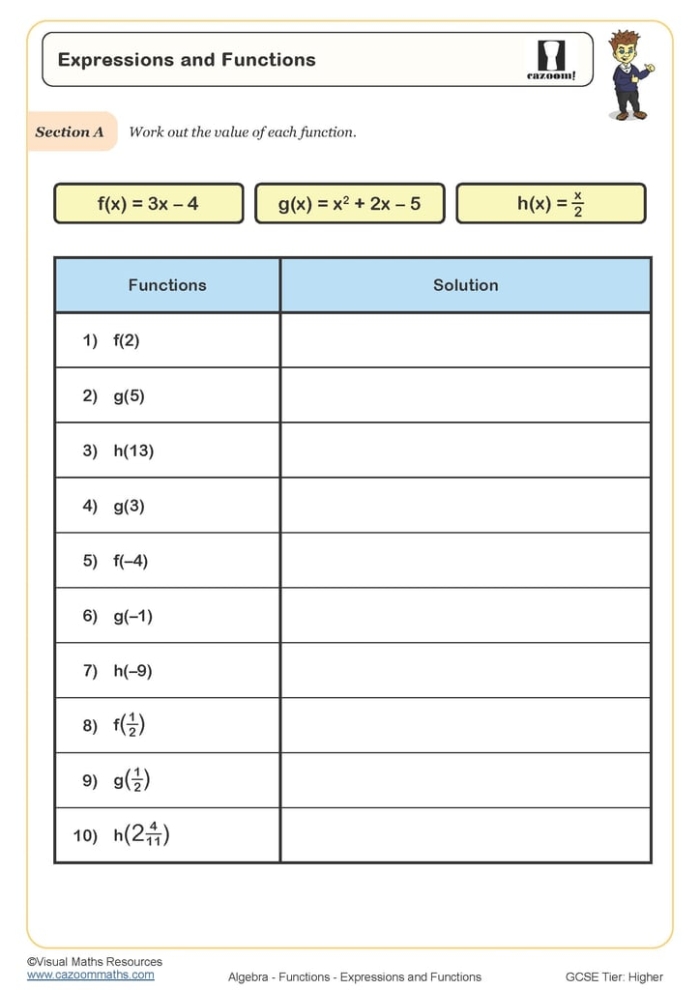
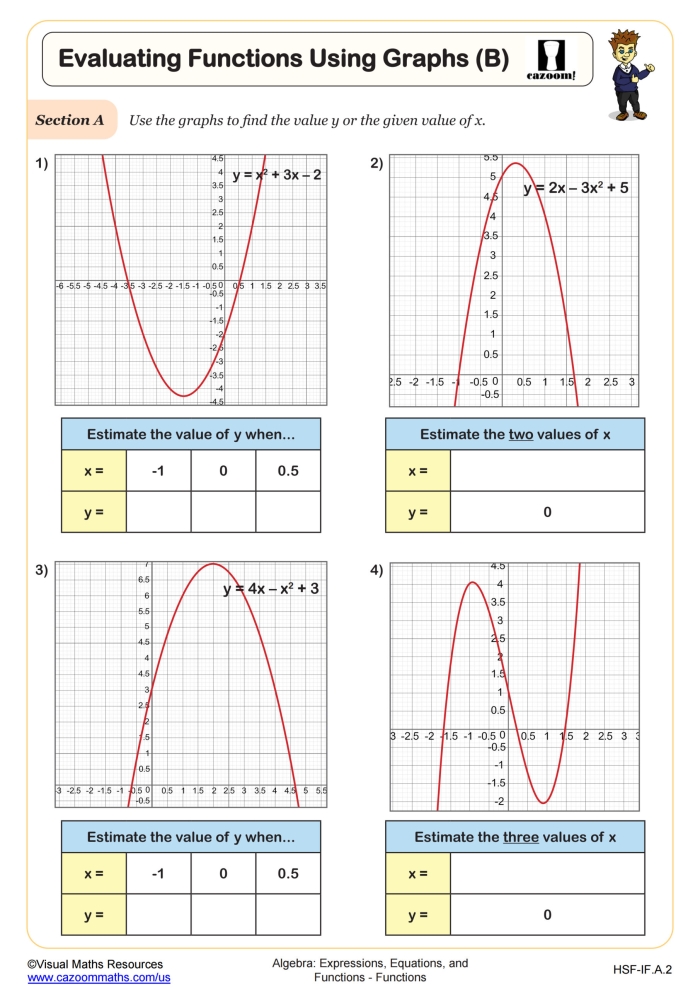
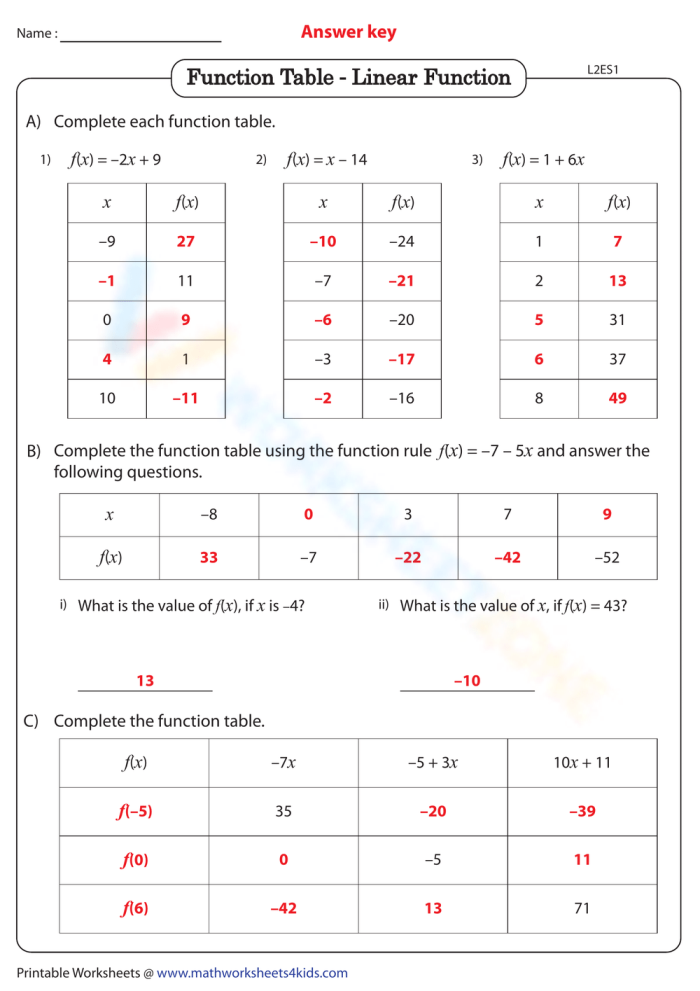
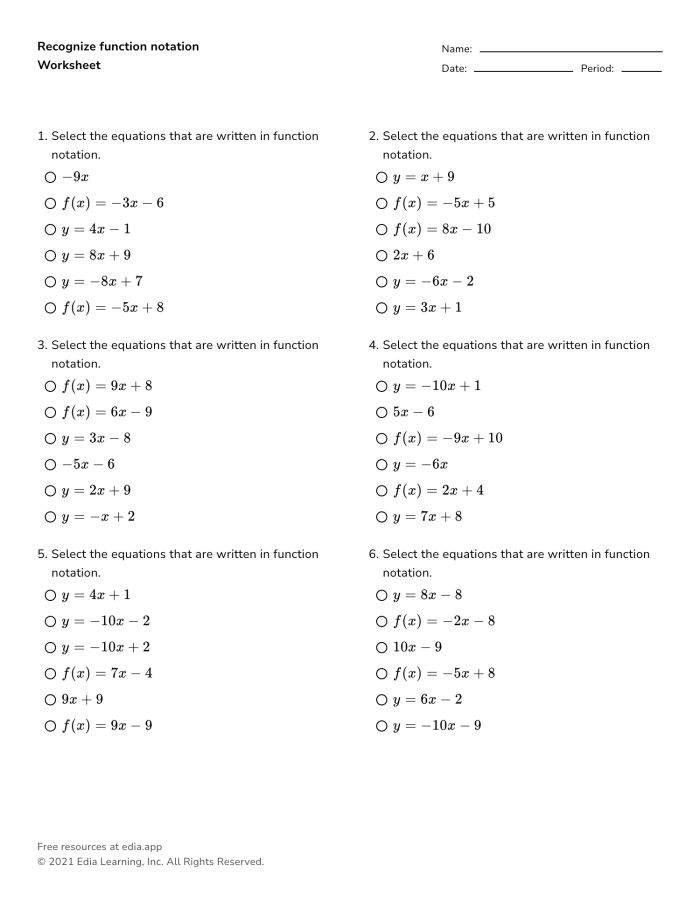
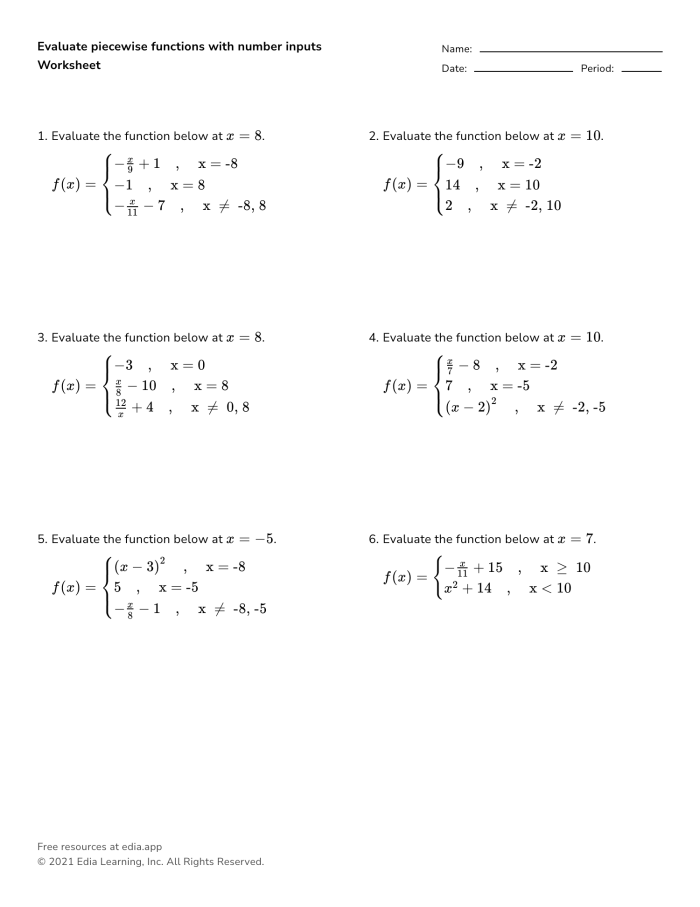
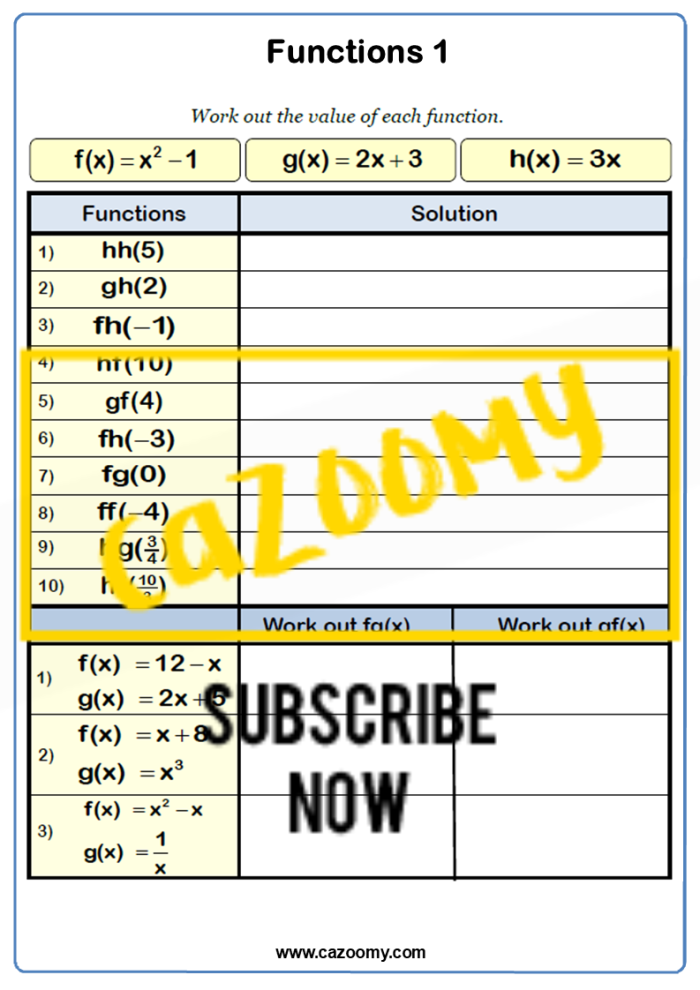
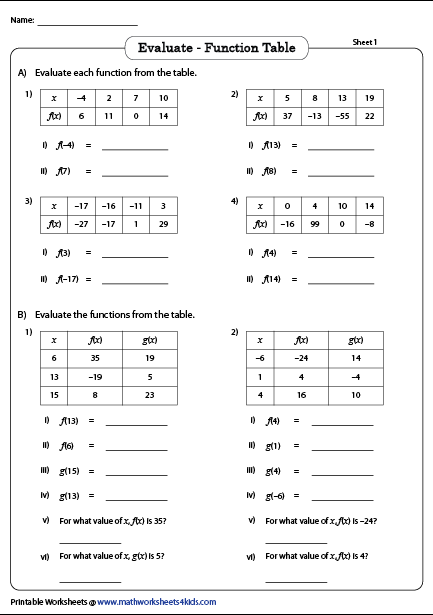
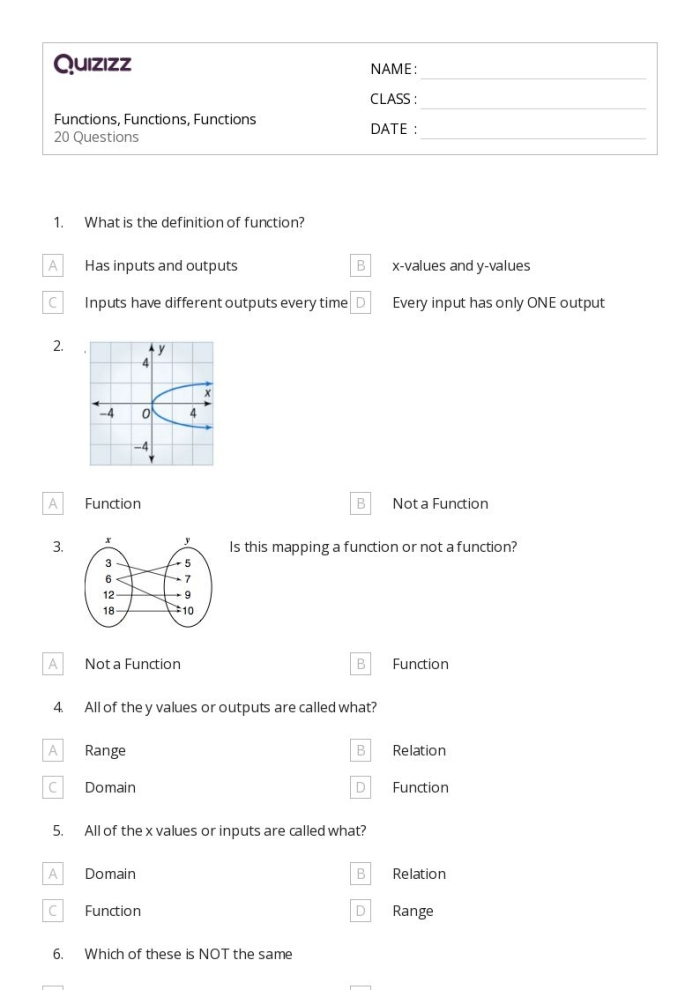
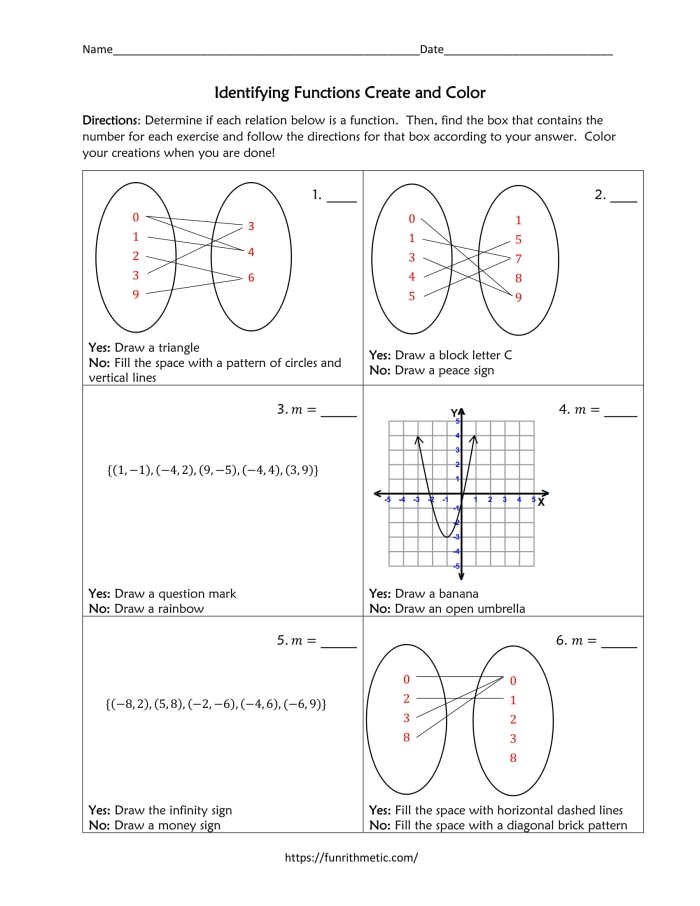
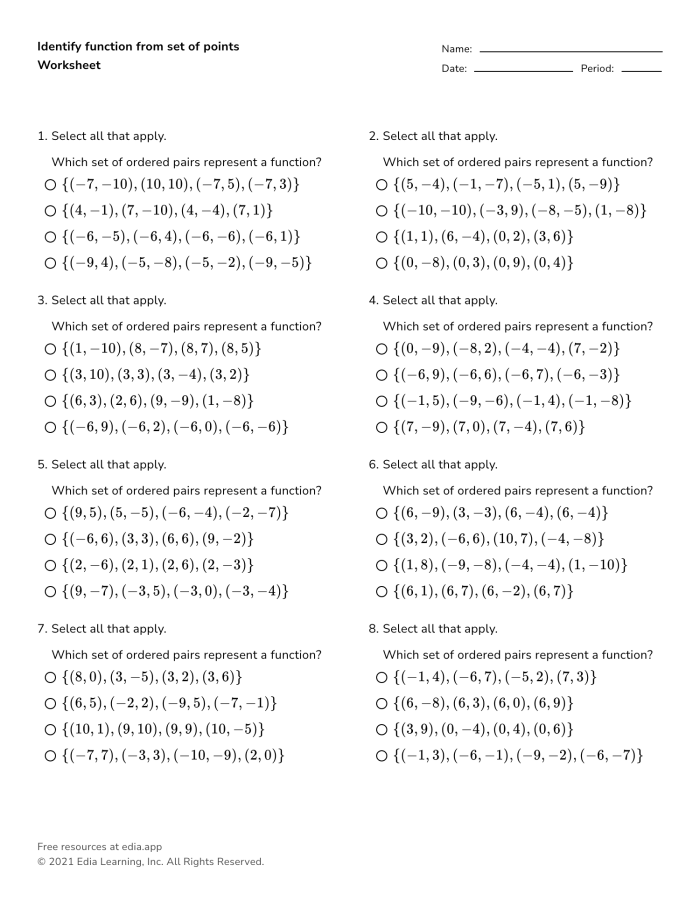
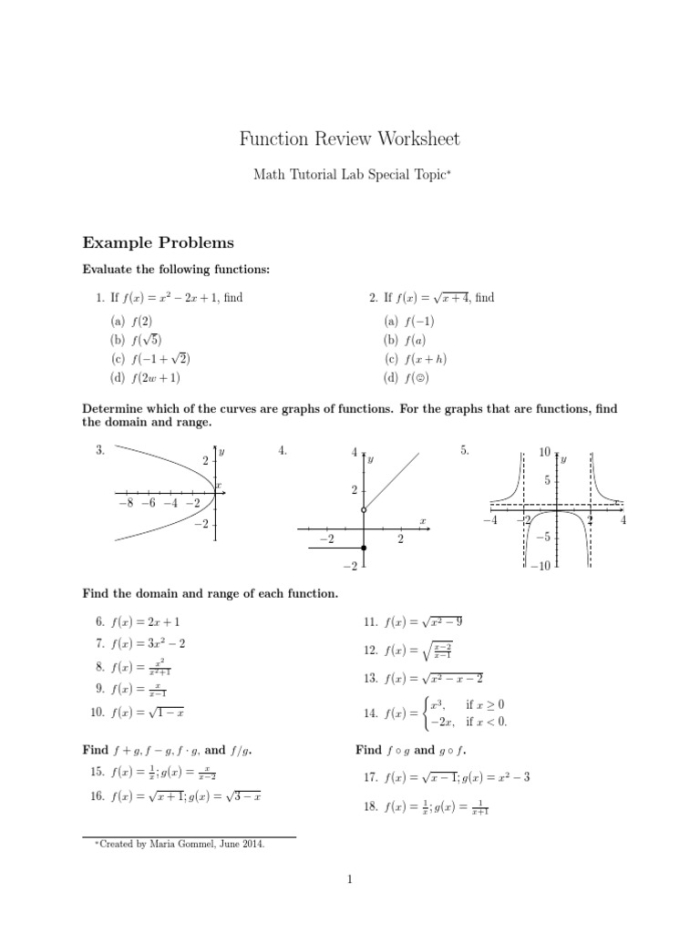
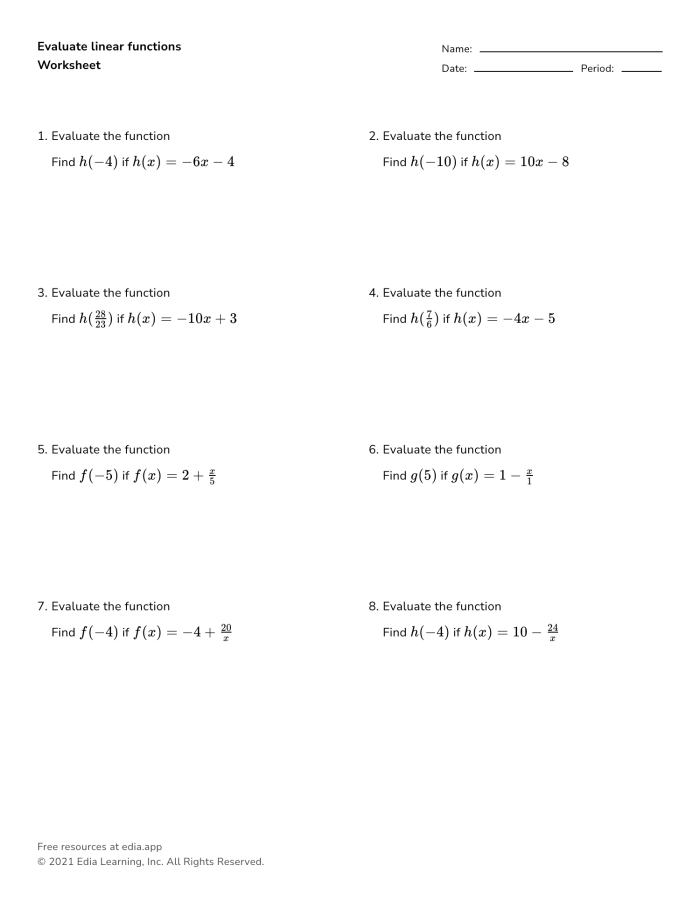
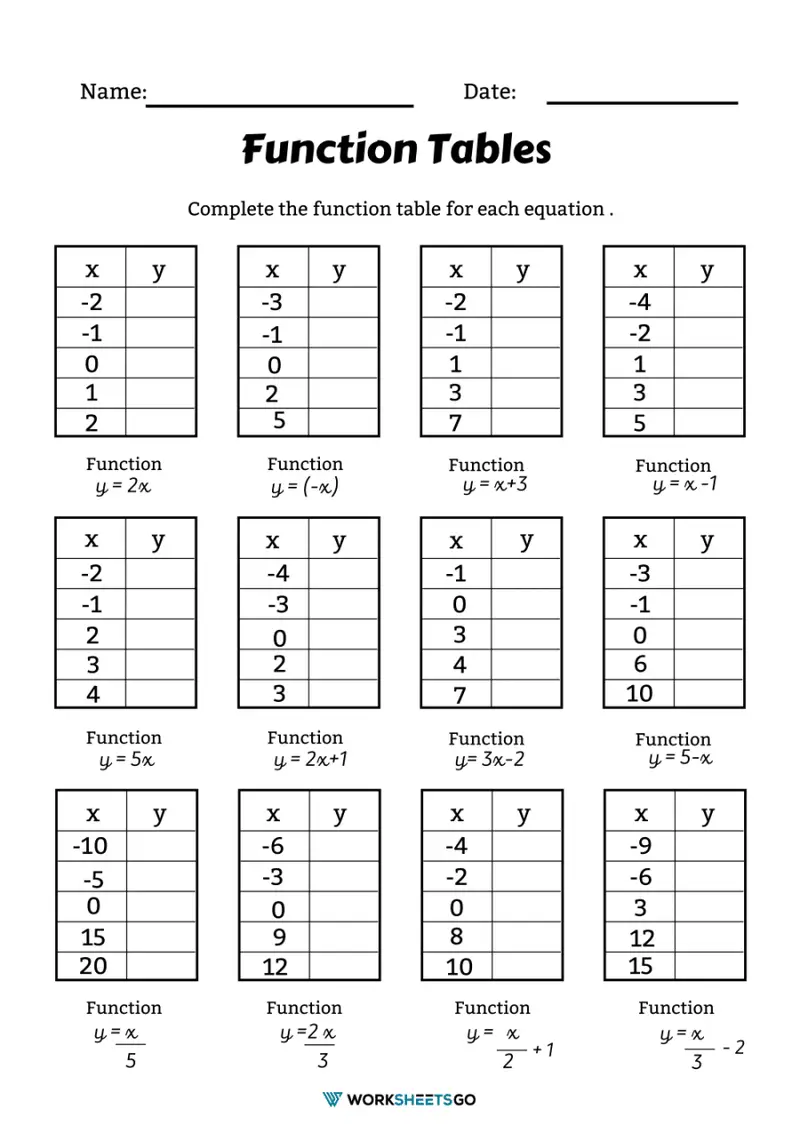
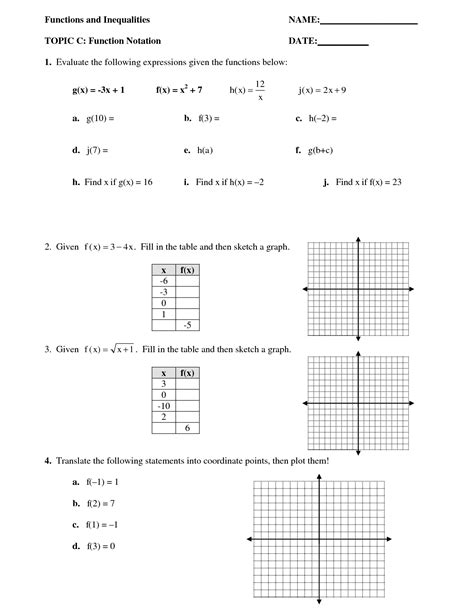
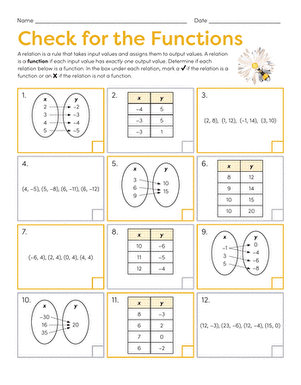
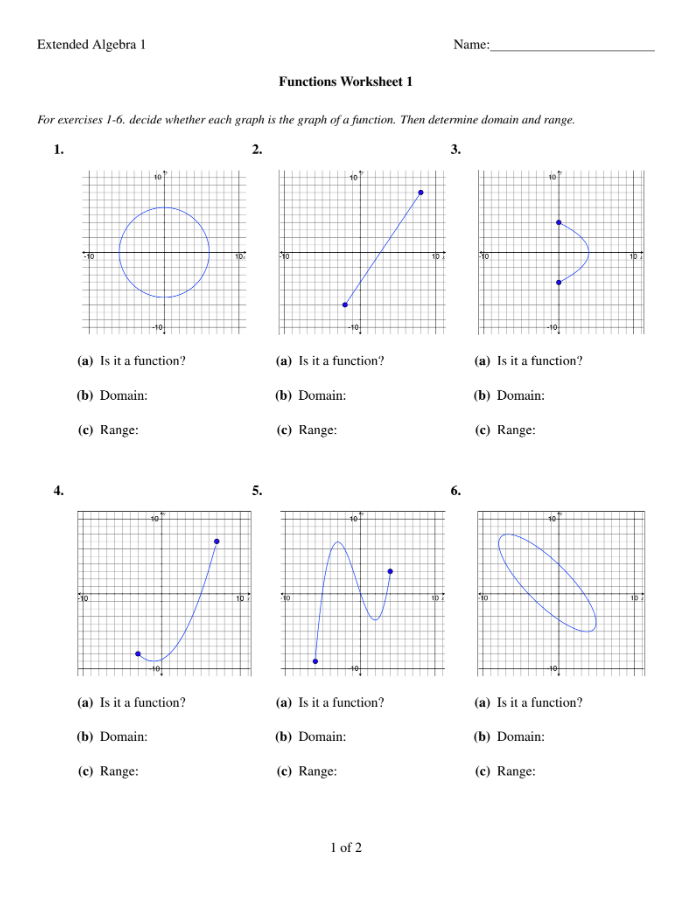
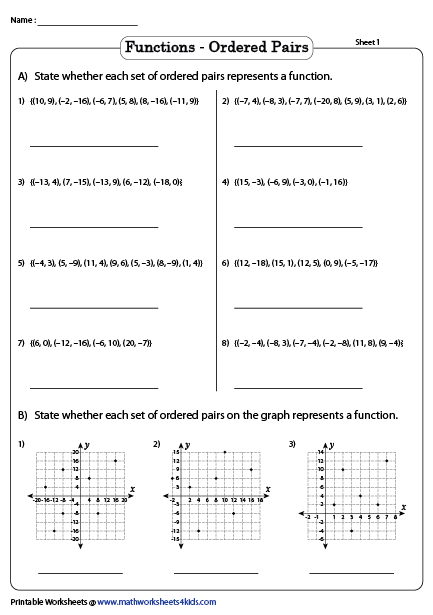
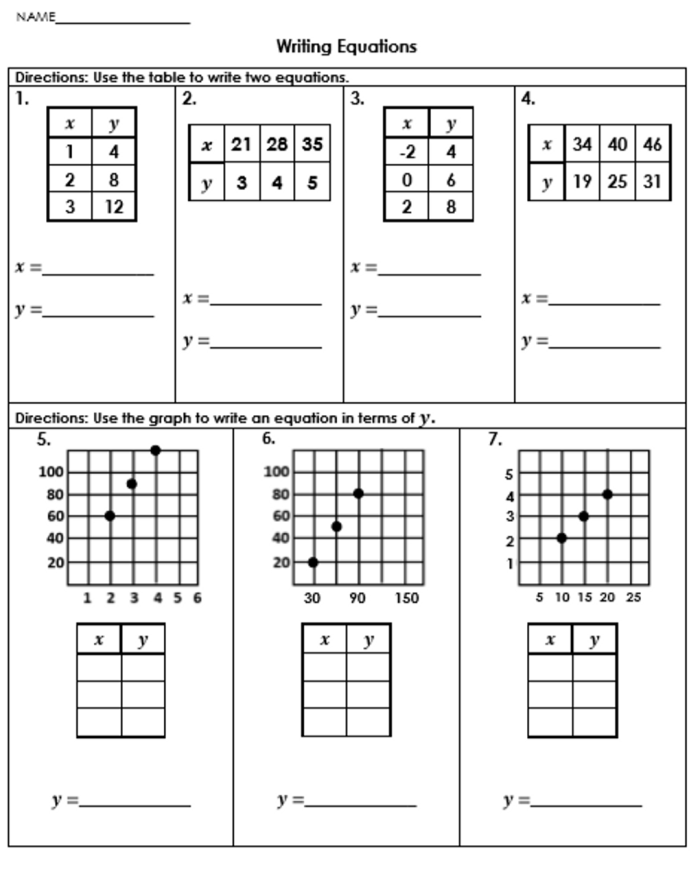
Effective worksheets in this area present relations in multiple formats. Some problems show sets of ordered pairs, others display graphs, and some include tables or mappings. This variety forces students to apply their understanding across different representations rather than memorizing a single approach. Addition problems that combine function identification with other algebraic skills help reinforce how functions fit into the broader eighth grade curriculum.
When students work through these practice problems, they develop the ability to quickly spot violations of the function rule. They learn to ask themselves the right questions: Does this input have more than one output? Would a vertical line cross this graph more than once? These mental checks become automatic with enough repetition.
Beyond basic function identification, understanding this concept prepares students for composition of functions, inverse functions, and function notation that appear in later courses. You might pair this practice with worksheets on graphing linear equations in slope-intercept form or systems of linear equations word problems to show how functions apply in real contexts.
Practice with These Worksheets