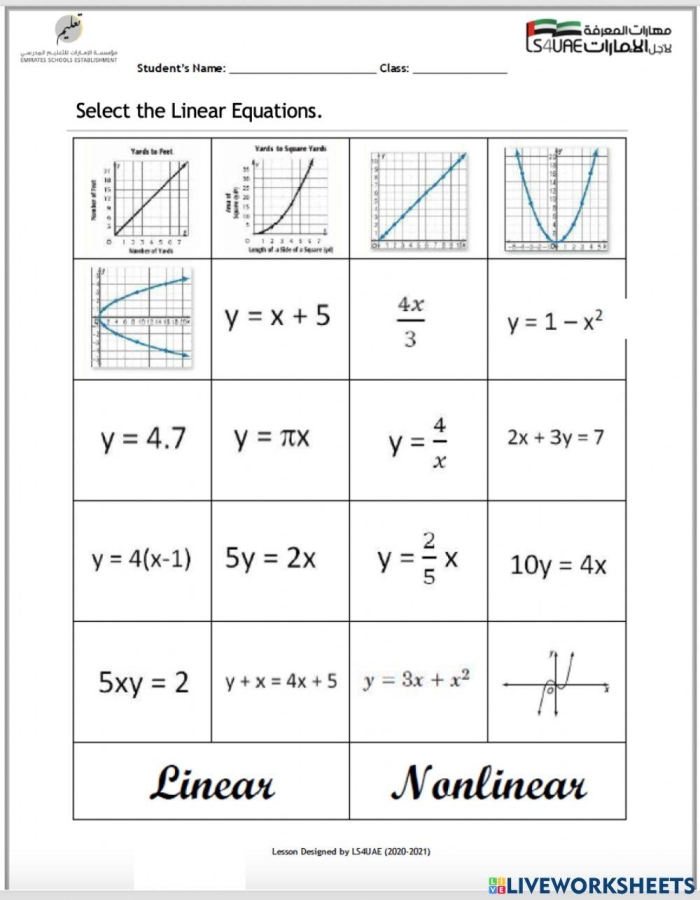
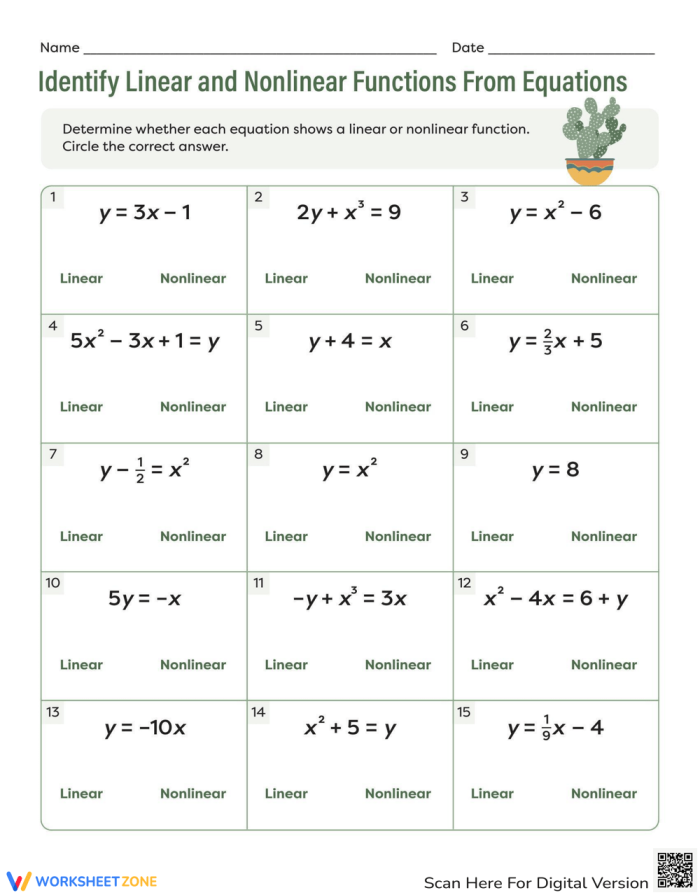
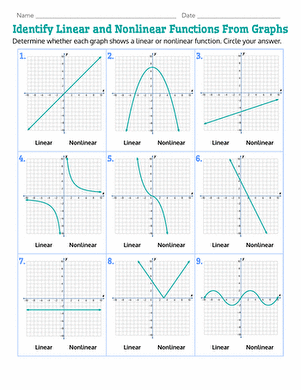
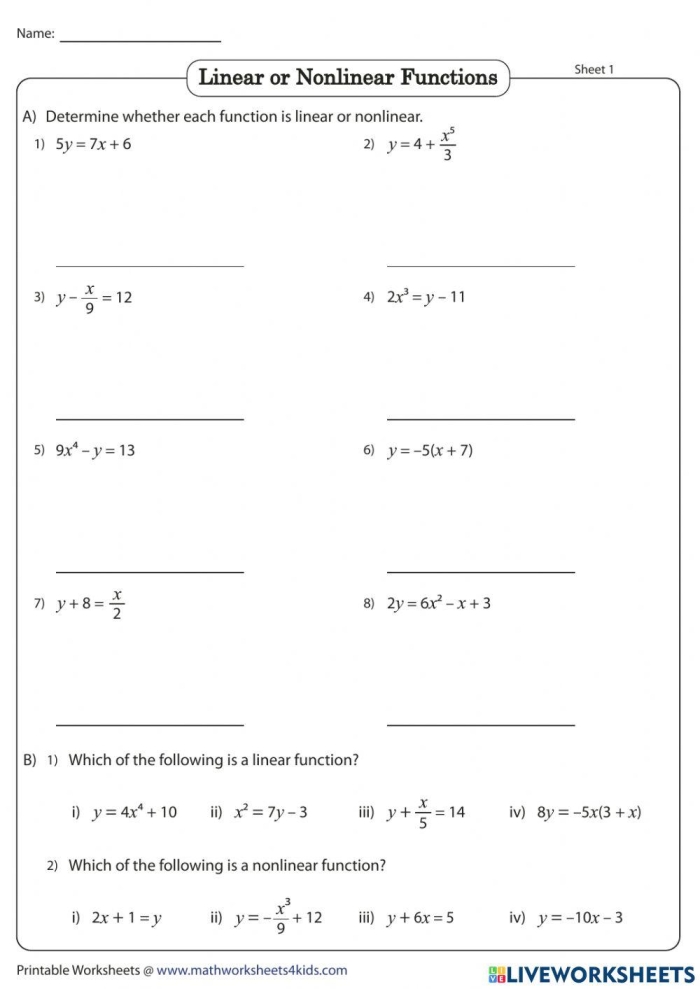
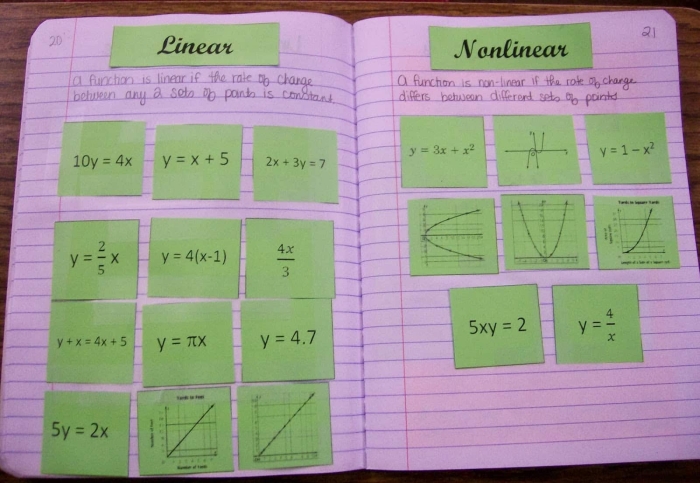
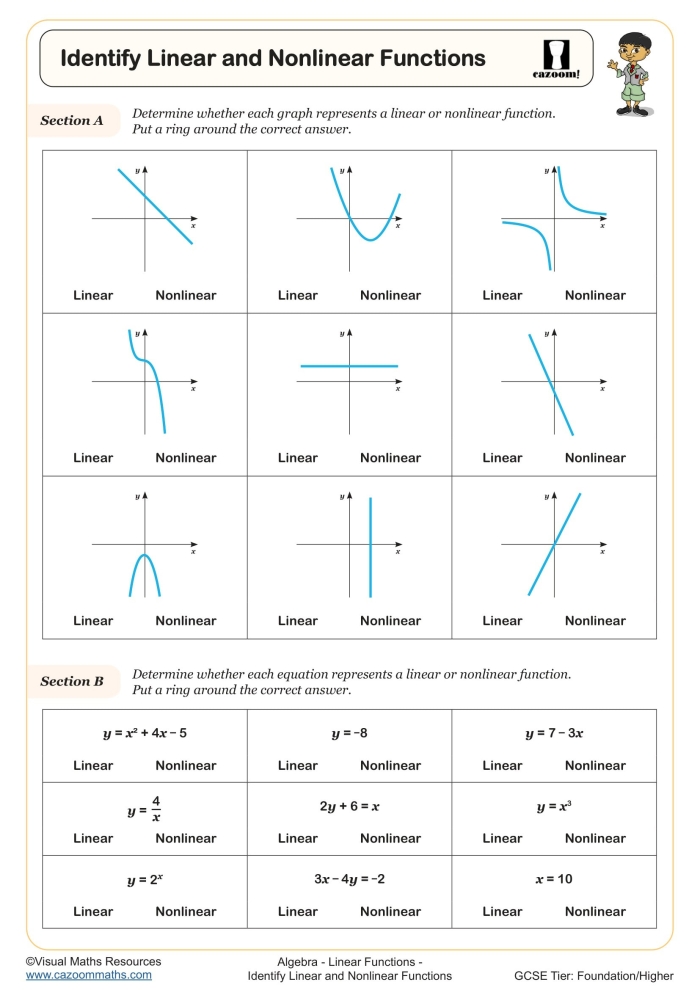
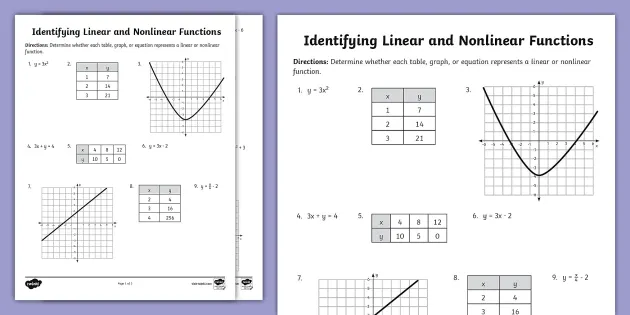
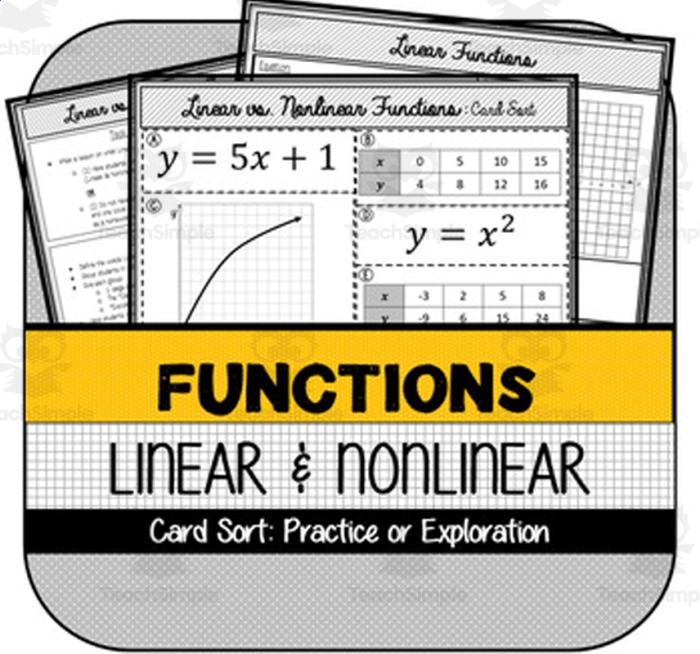
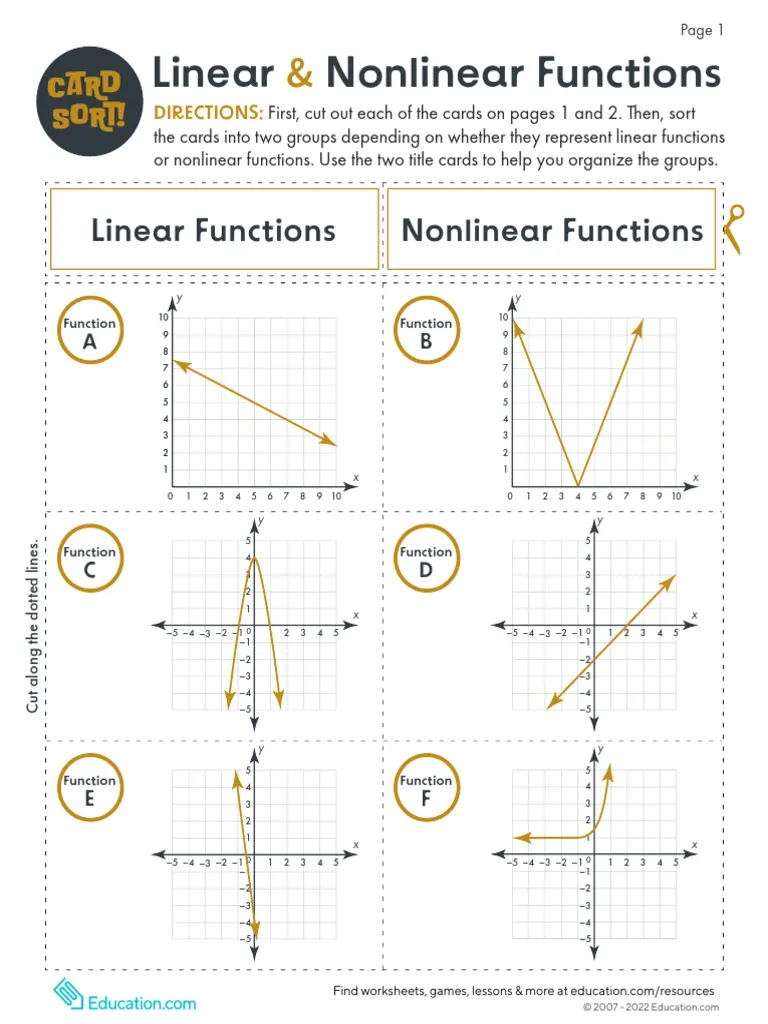
Card sorts force students to think actively instead of passively reading definitions. When eighth graders encounter a mixed set of tables, graphs, and equations scattered across individual cards, they can’t rely on textbook structure or chapter context. They have to evaluate each representation on its own merits, decide what they’re actually looking at, and justify their reasoning out loud.
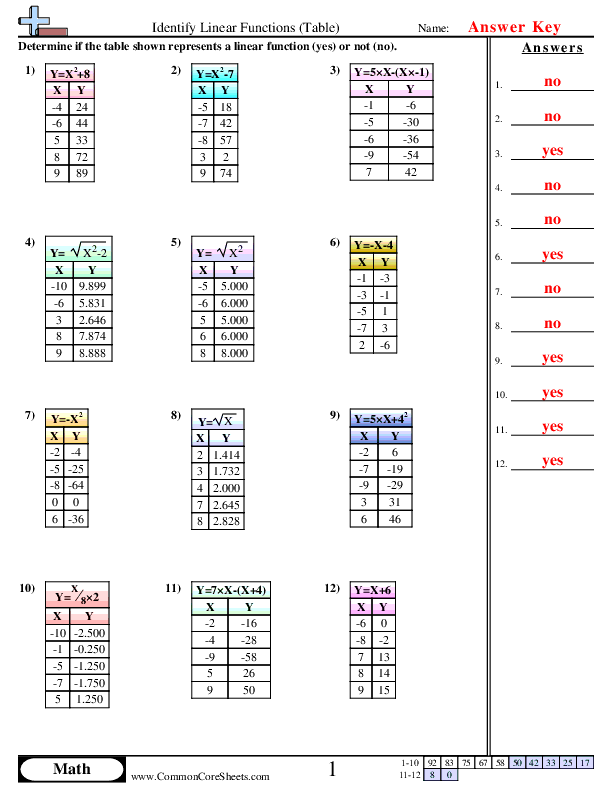
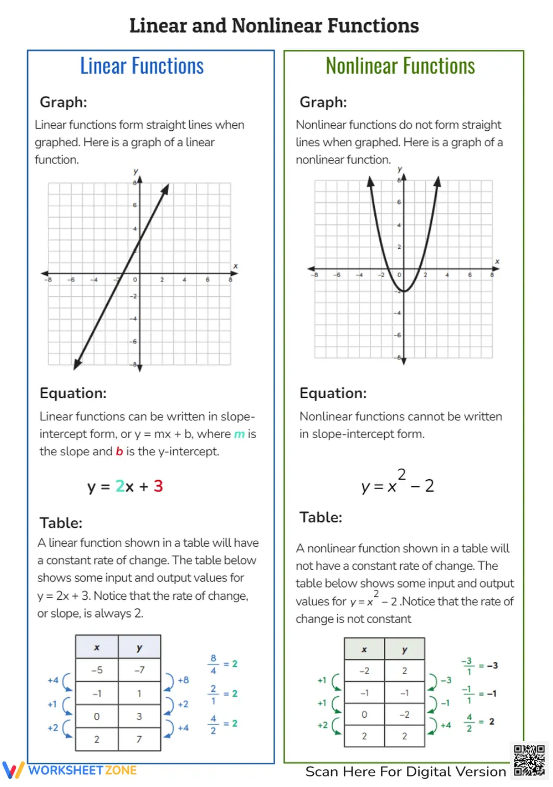
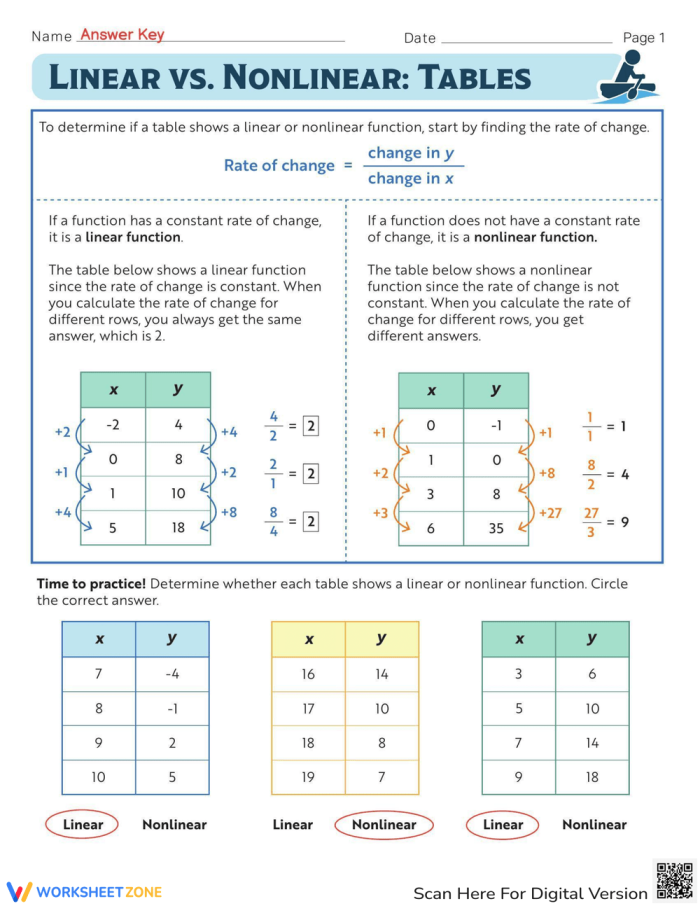
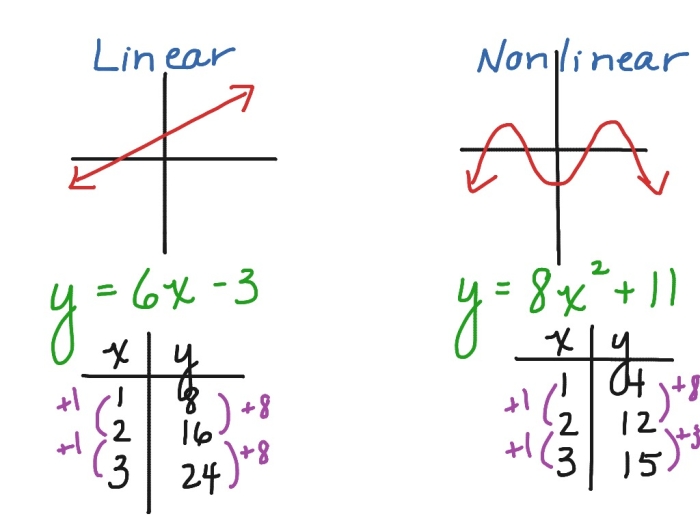
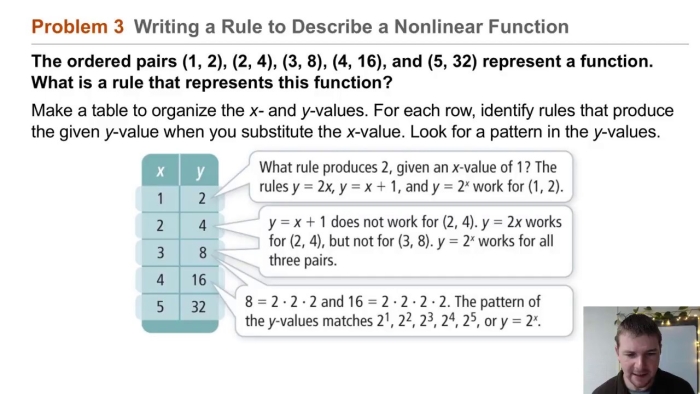
The beauty of this approach lies in how it exposes misconceptions immediately. A student might confidently sort a table showing values (1,2), (2,4), (3,6), (4,8) into the linear pile, then hesitate when asked why. This forces them to articulate that the y-values increase by the same amount each time, or that the rate of change stays constant. That’s the real learning moment. They’re not just identifying patterns; they’re building the language and reasoning that define linear functions.
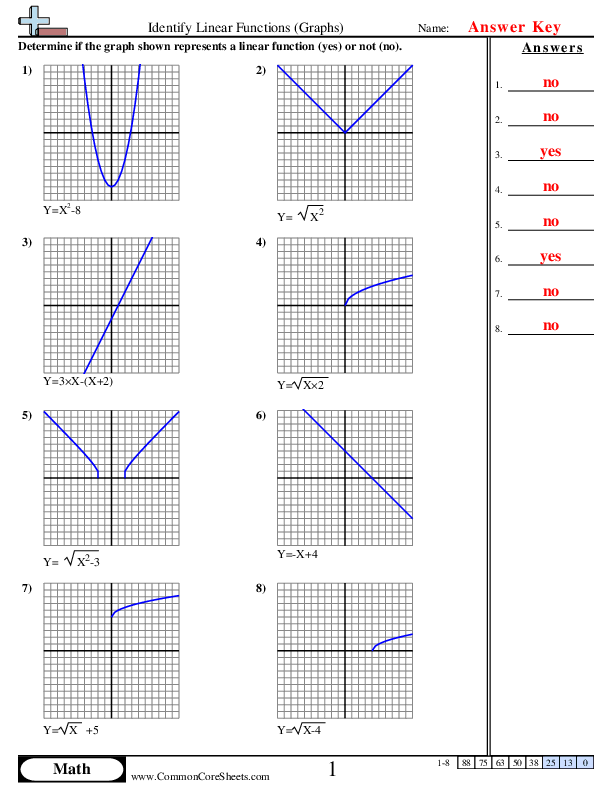
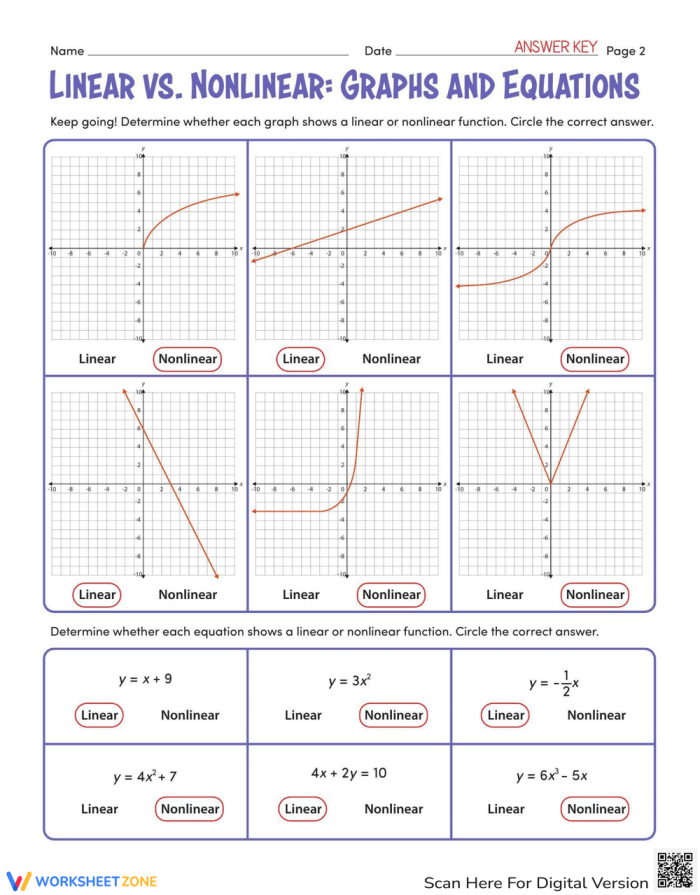
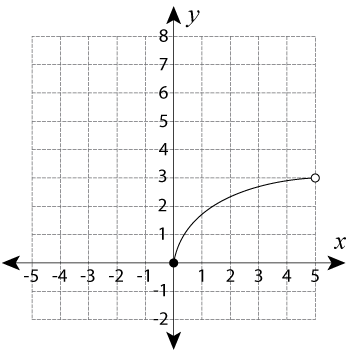
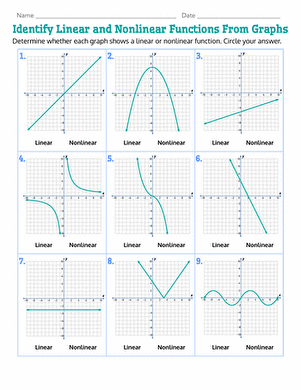
Nonlinear functions reveal themselves differently across representations. A quadratic equation like y = x² creates a parabola on a graph, but in a table, the differences between consecutive y-values change. Students working through a card sort notice these patterns because they’re comparing multiple representations side by side. They see that while linear functions produce straight lines and constant rates of change, nonlinear functions curve and accelerate.
Eighth grade algebra students benefit from connecting this activity to related skills. Understanding how to determine if a relation is a function helps with the underlying logic. Similarly, work with linear equations and their solutions reinforces why linear functions behave consistently.
The card sort keeps students engaged because it’s physical, collaborative, and immediate. They can rearrange cards if they change their minds, discuss disagreements with peers, and build confidence through successful sorting. That hands-on element transforms an abstract algebra concept into something tangible and discussable.
Practice with These Worksheets