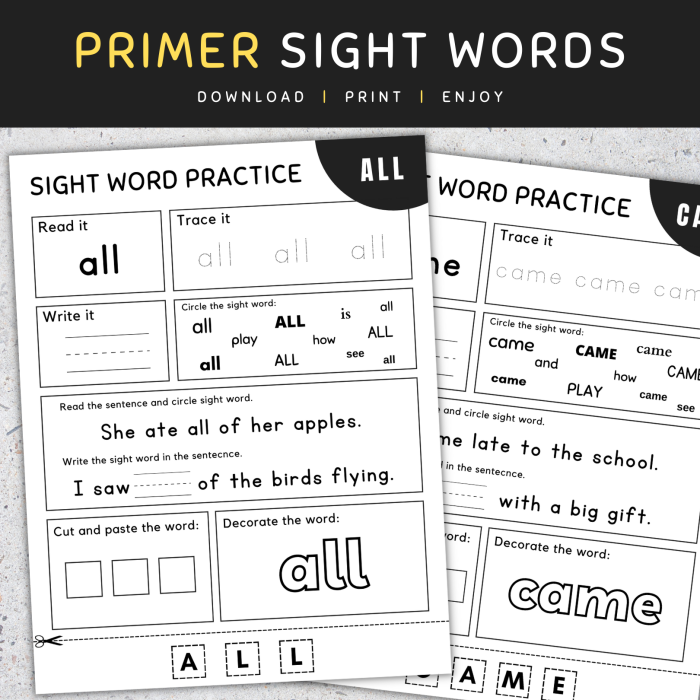
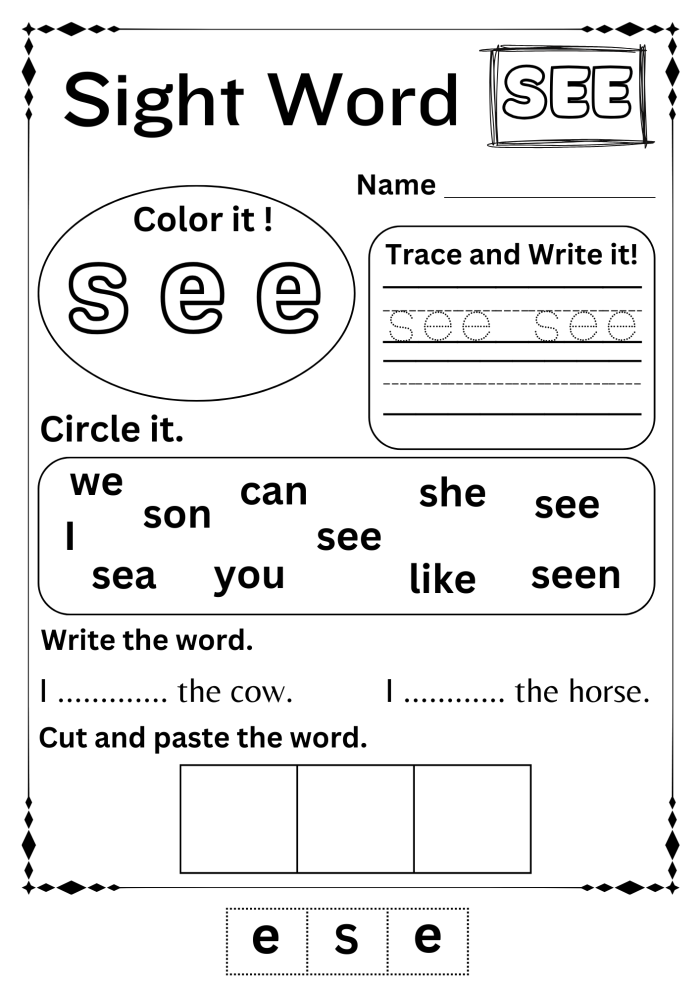
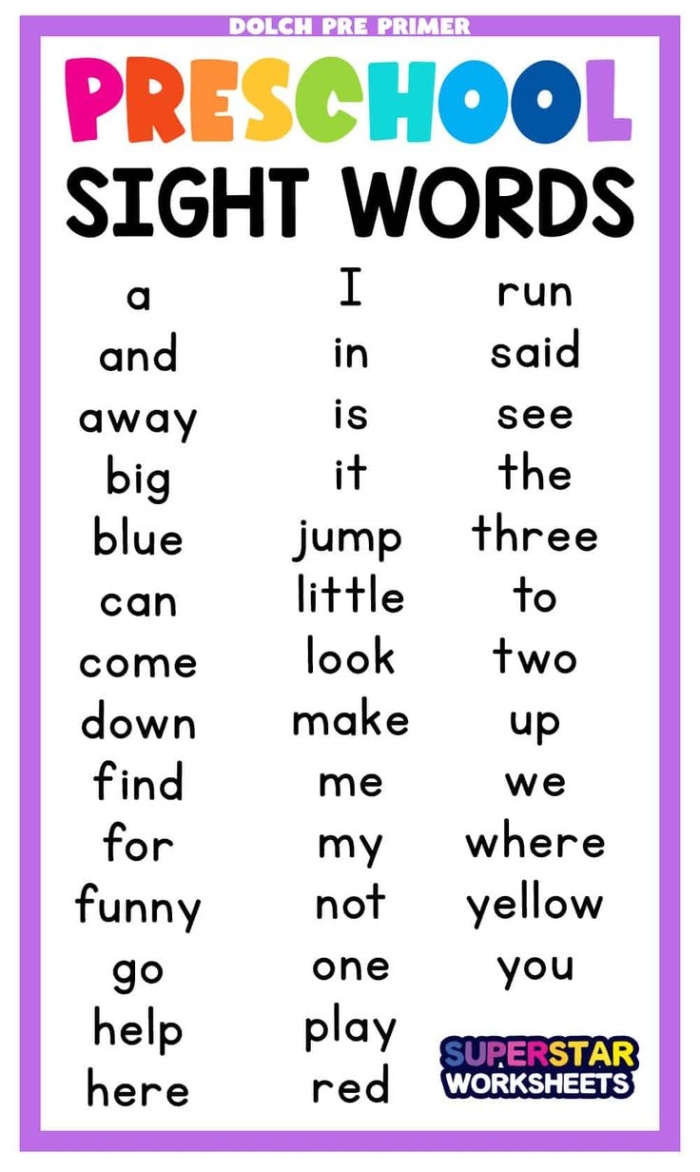
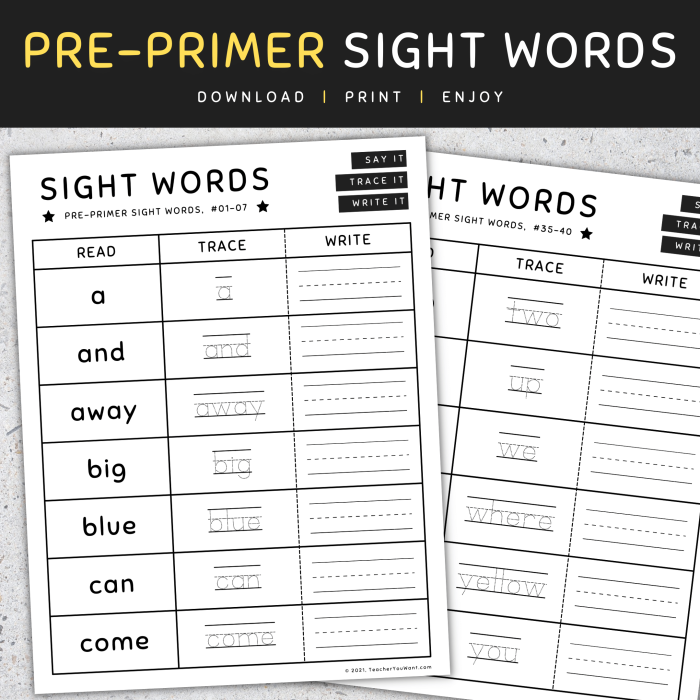
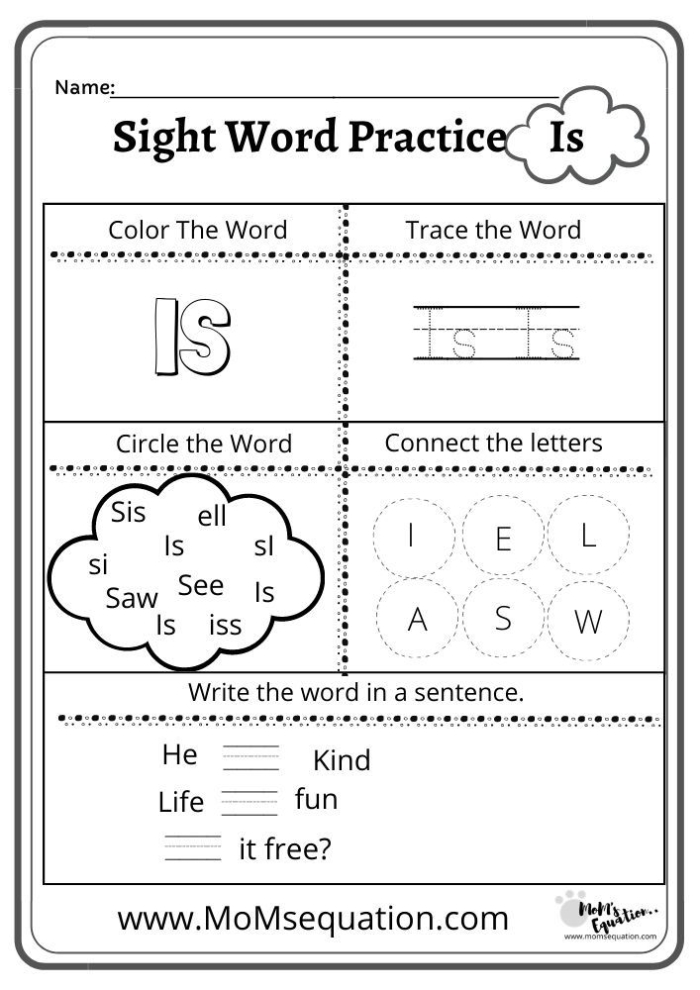
When children first encounter sight words in first grade, one surprising obstacle is simply recognizing that these are actual words. This may sound obvious, but for early readers, many sight words don’t follow straightforward phonetic patterns, making it hard to distinguish them from made up words. The initial step in teaching sight words often involves exercises where students pick out familiar words from a list mixed with nonsense terms. This task helps them understand what a word looks like, not just how it sounds.
Using made up words alongside real first grade sight words creates a natural challenge. For example, a worksheet might include words like “blit” or “snarp” mixed with common sight words such as “the,” “and,” or “said.” Students must identify which words they recognize as part of their reading vocabulary. This approach trains them to focus on the specific letter patterns and shapes that make up actual words, rather than guessing based on sound alone. It’s a subtle but essential part of learning sight words and helps build confidence in reading.
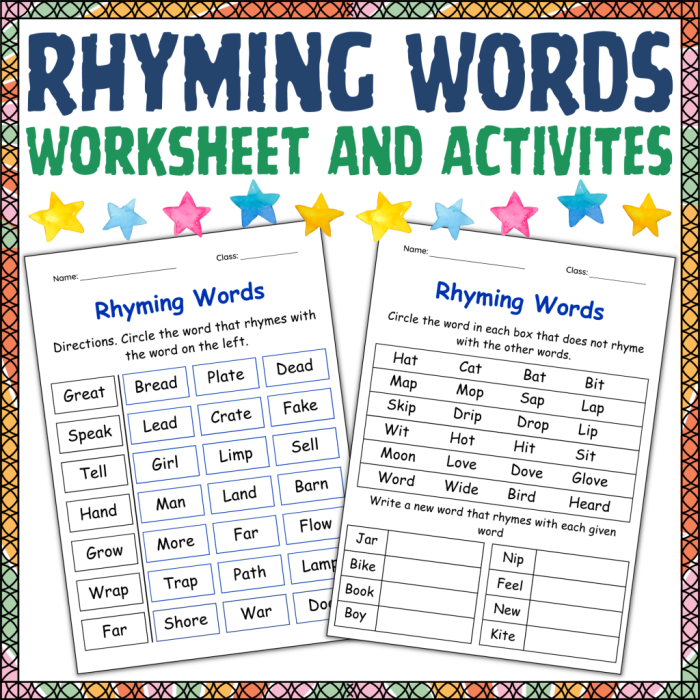
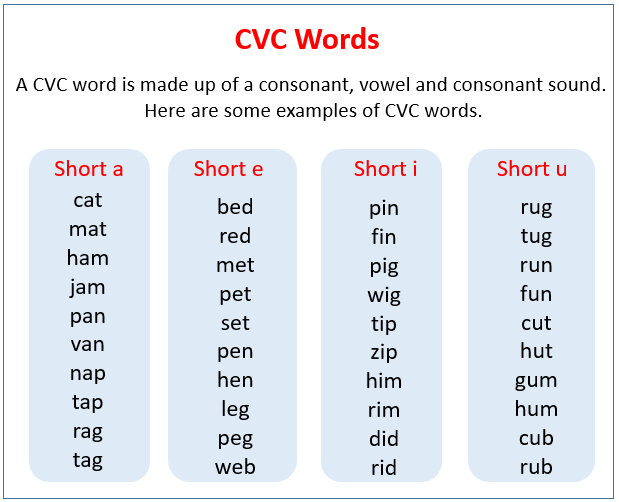
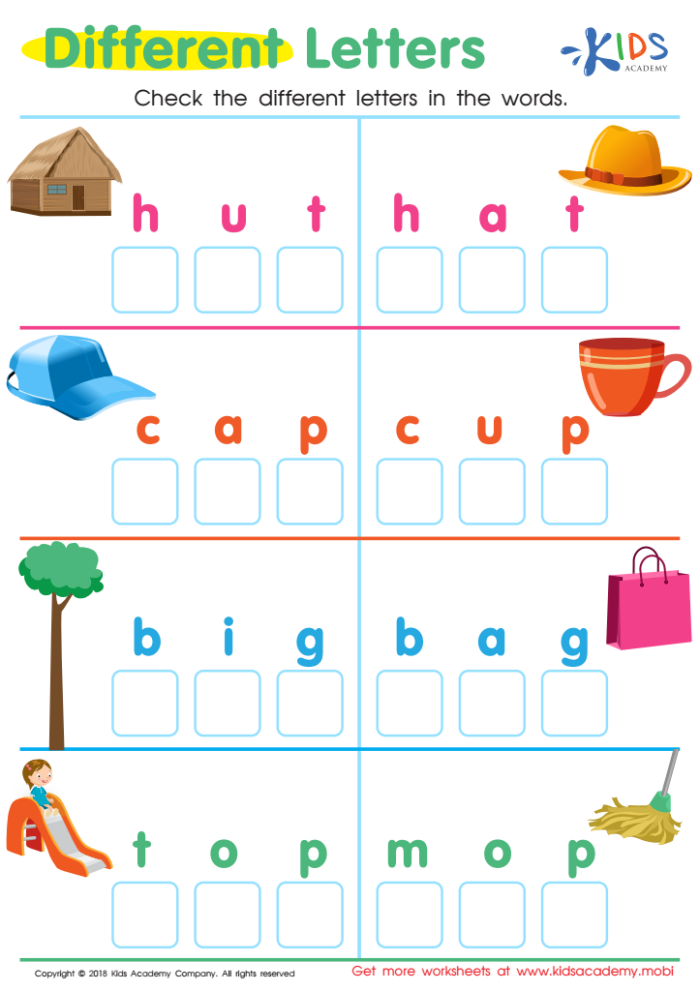
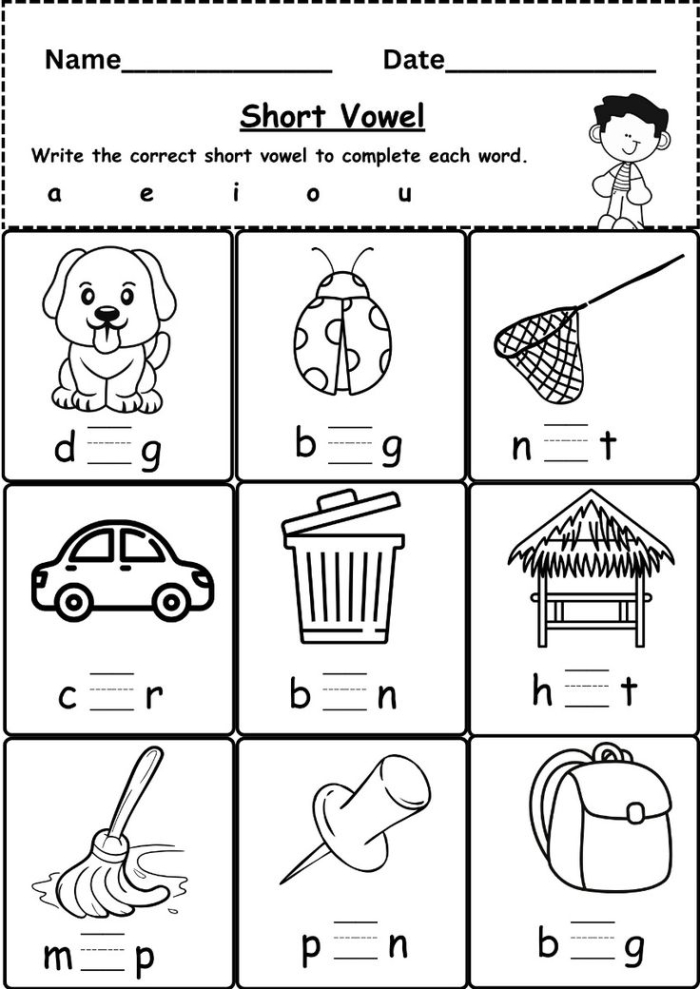
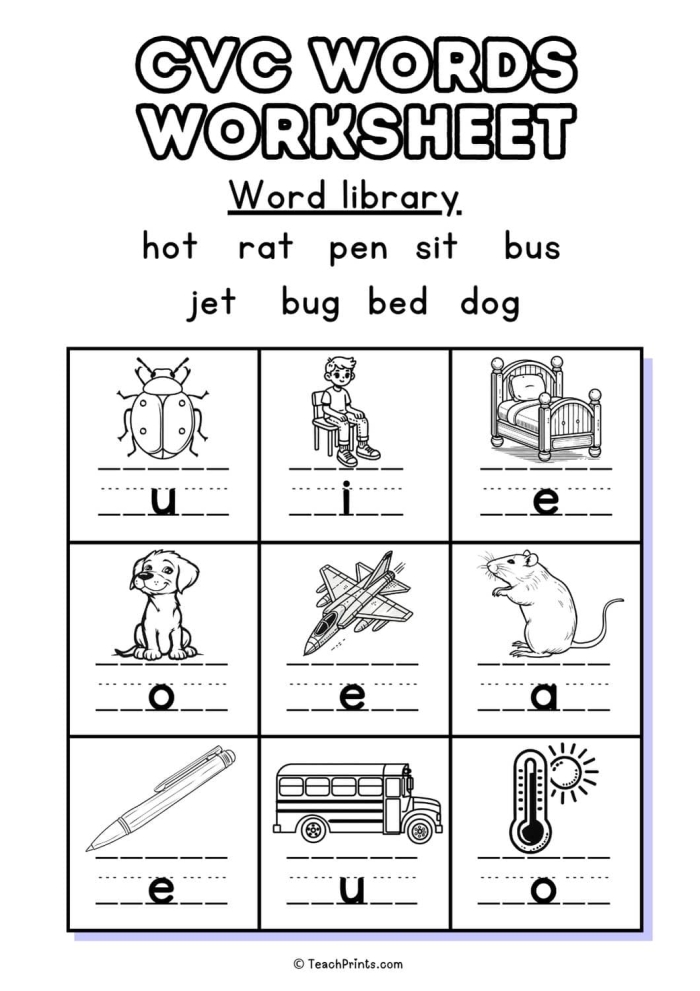
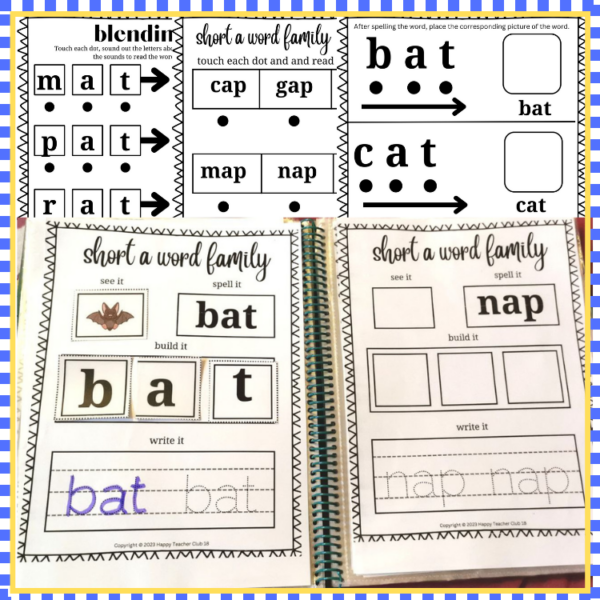
These printable made up words worksheets are especially useful for reinforcing grammar and mechanics in first grade. By sorting real words from nonsense ones, children practice visual discrimination, a skill that supports fluent reading and spelling. This method also strengthens memory for sight words, which is critical since many don’t follow regular phonics rules. Teachers and parents can find worksheets that include this kind of activity, along with others that focus on related topics like vowel patterns or word families, helping to link different aspects of early literacy.
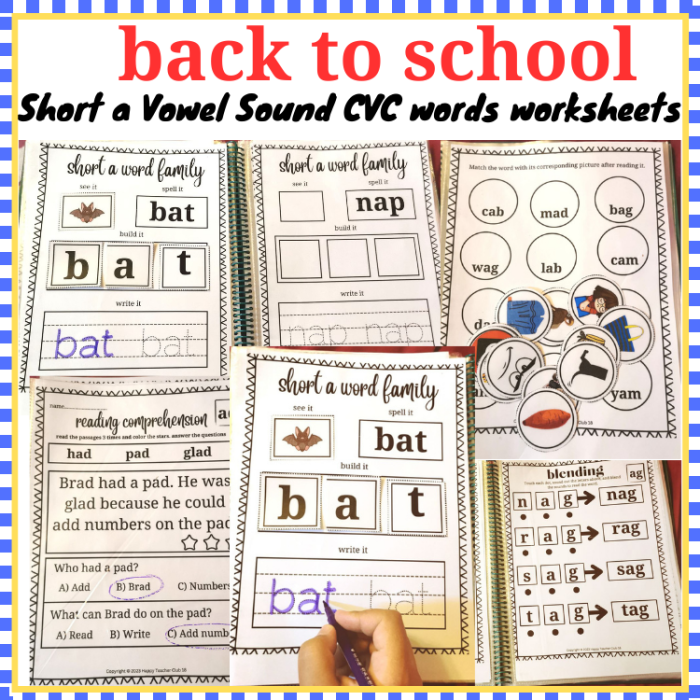
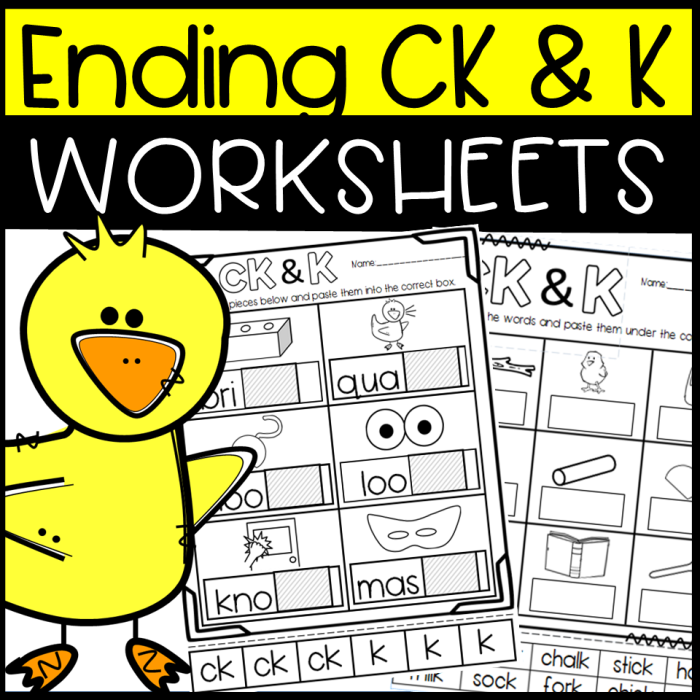
For example, combining this exercise with resources that explore word families or words ending in “ck” can deepen understanding of how words are built. This layered approach supports a more complete grasp of spelling and reading mechanics, making the sight word learning process more effective and engaging.
Practice with These Worksheets