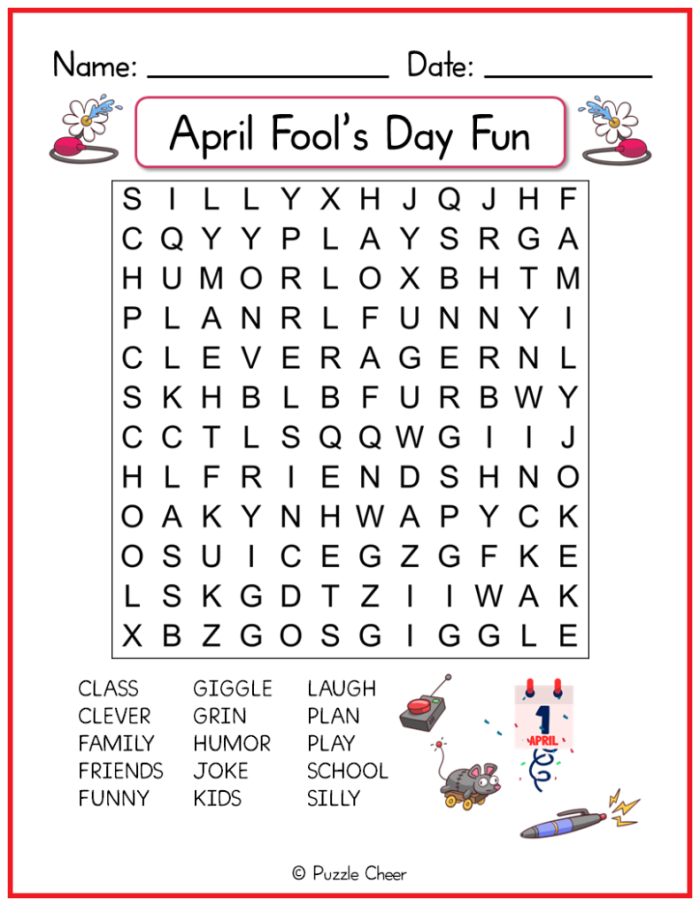
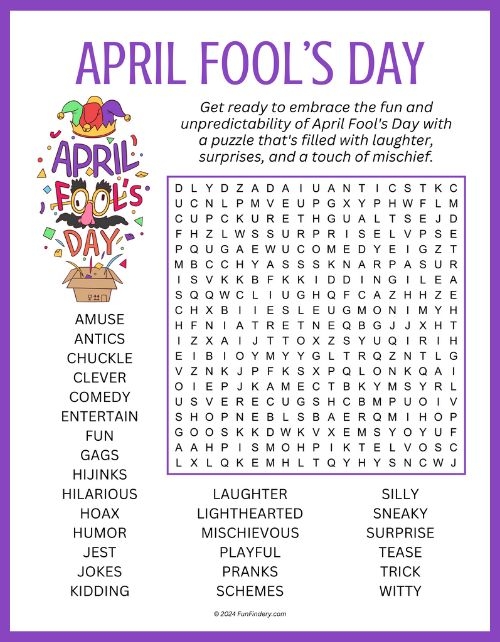
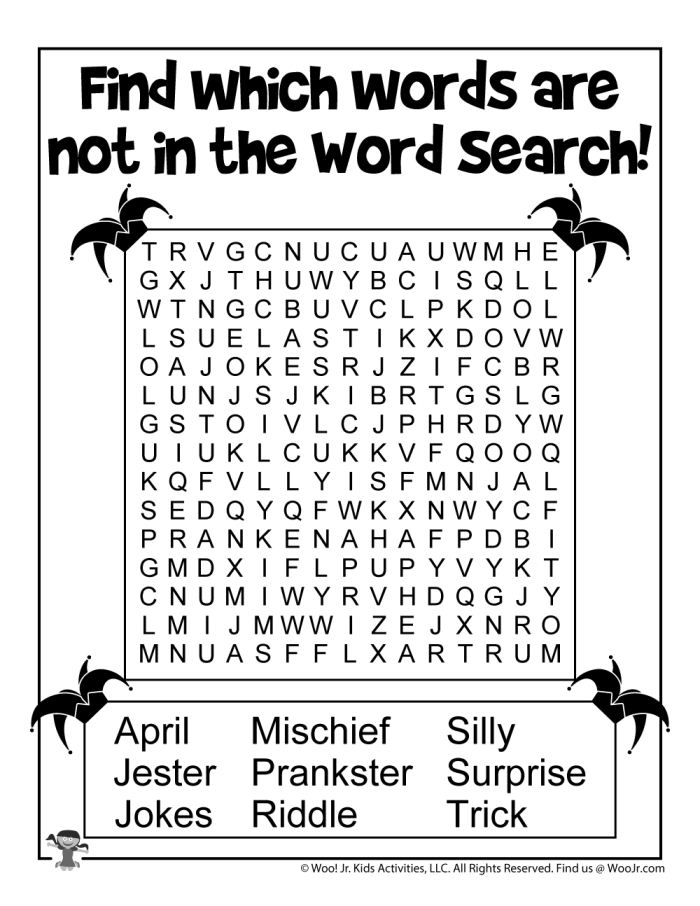
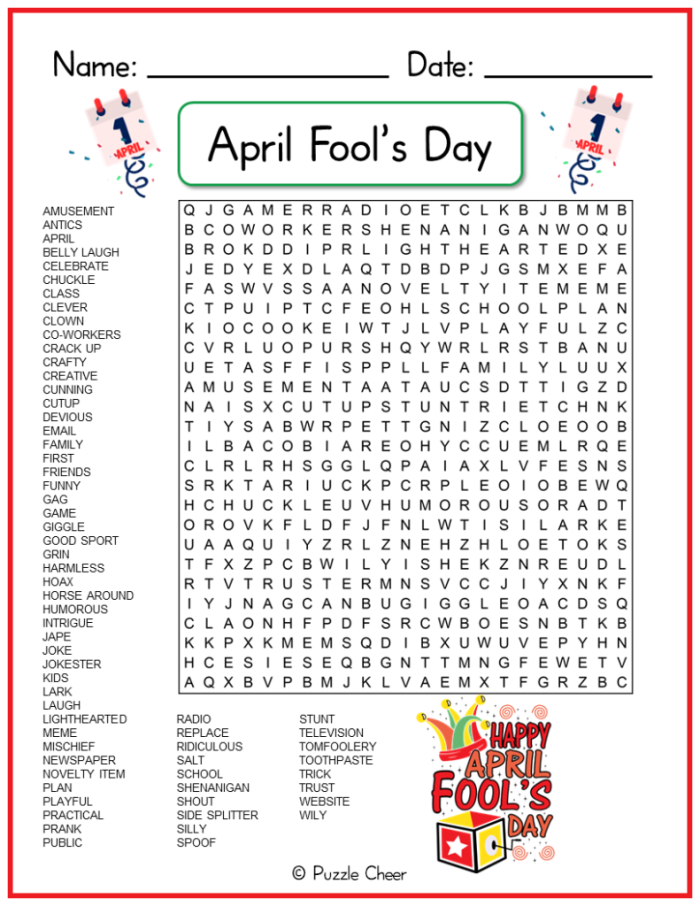
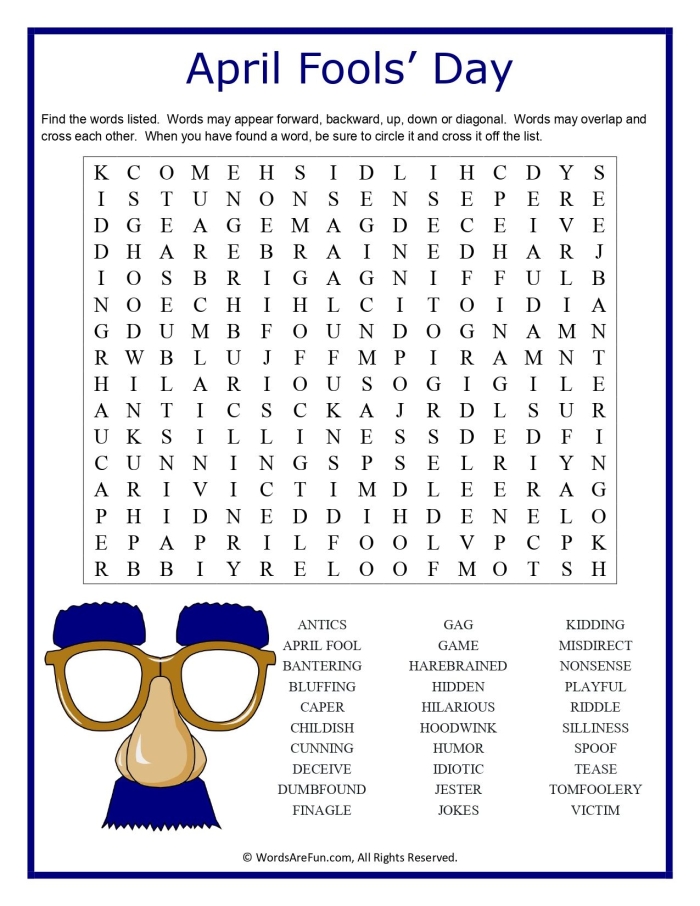
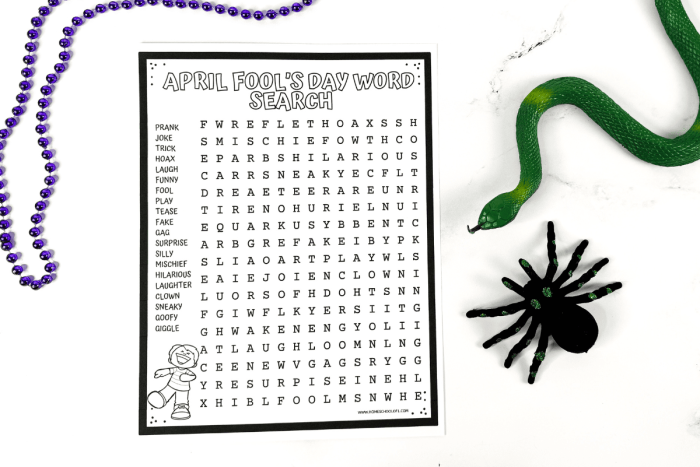
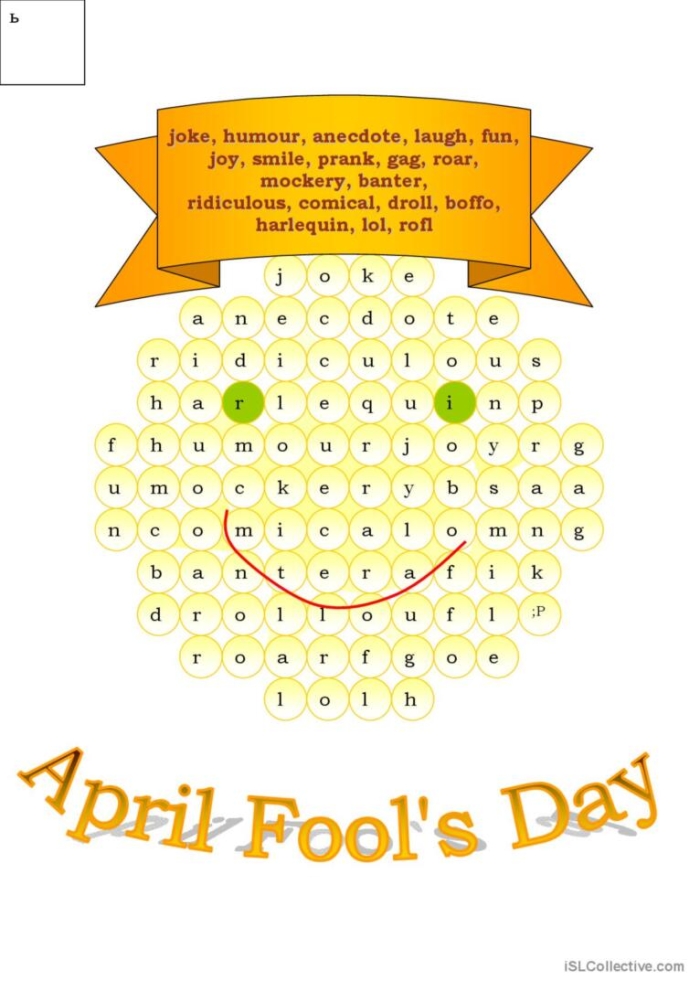
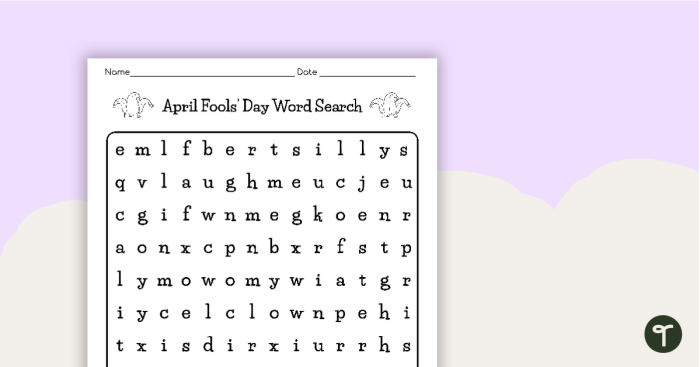
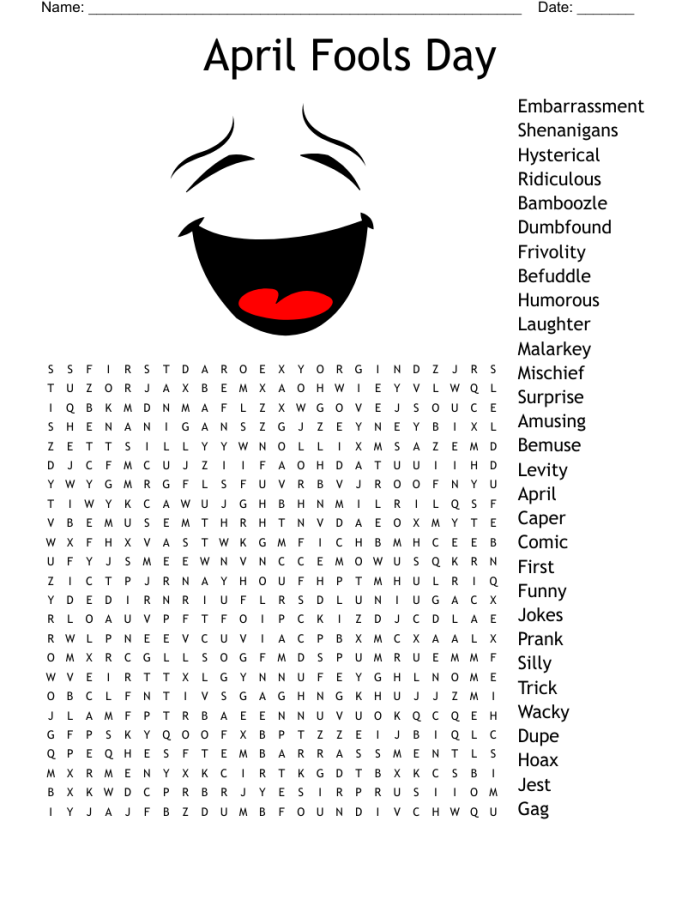
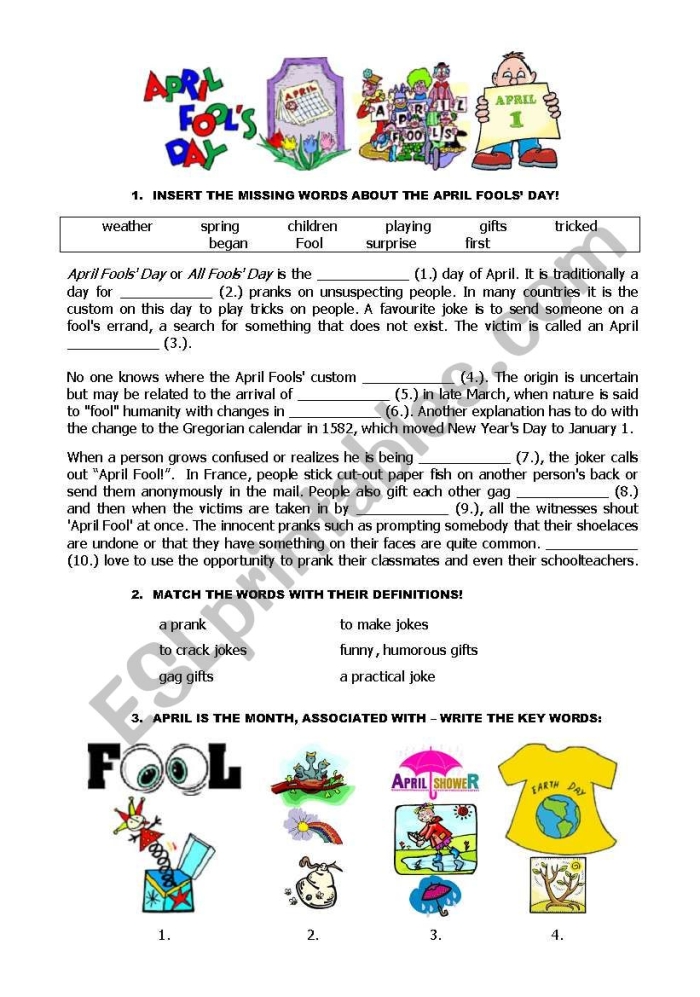
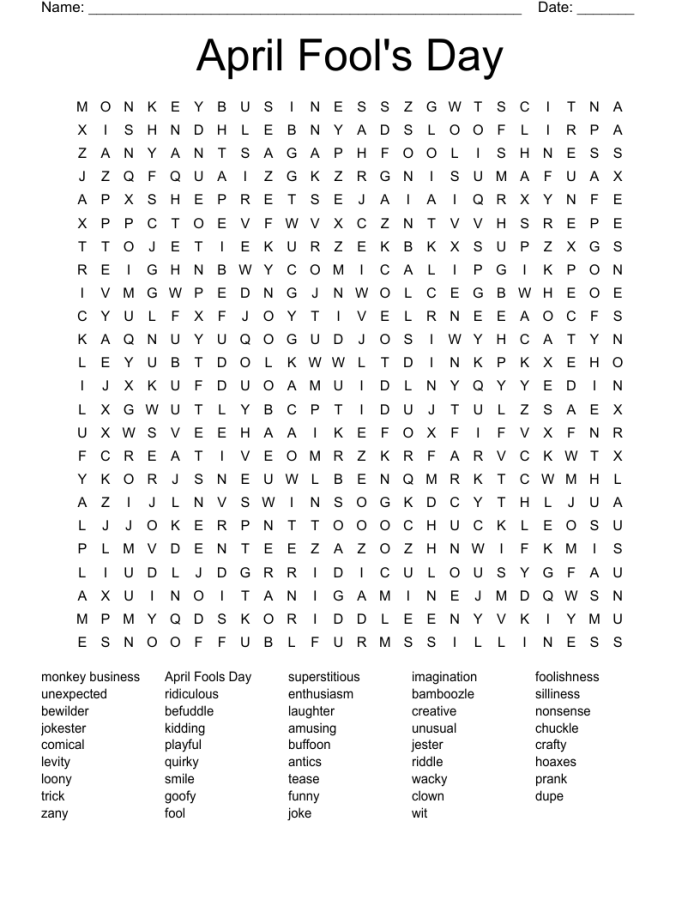
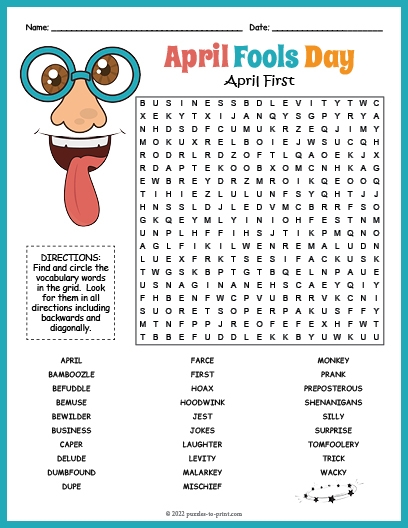
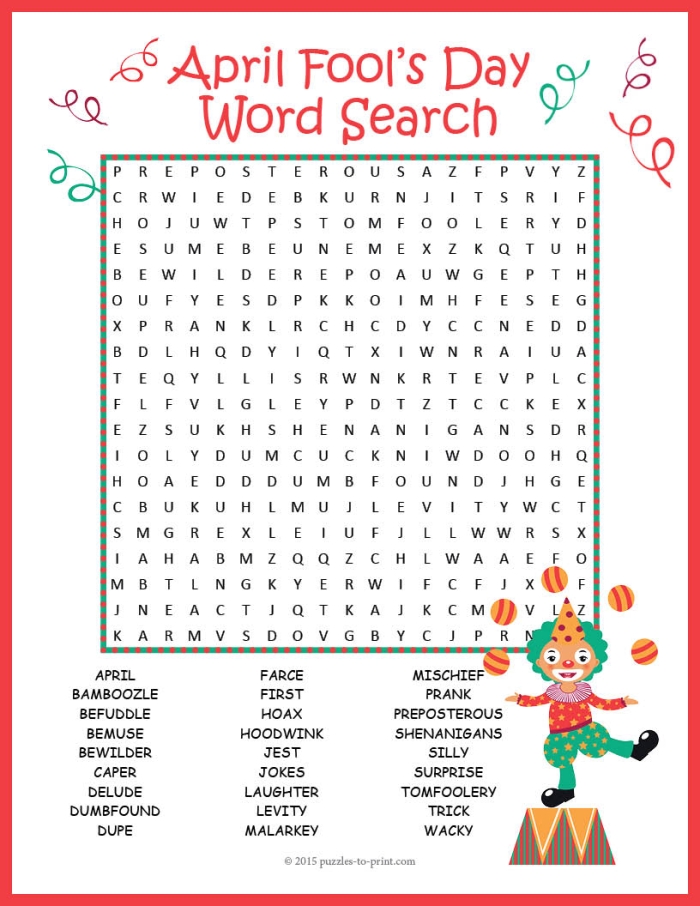
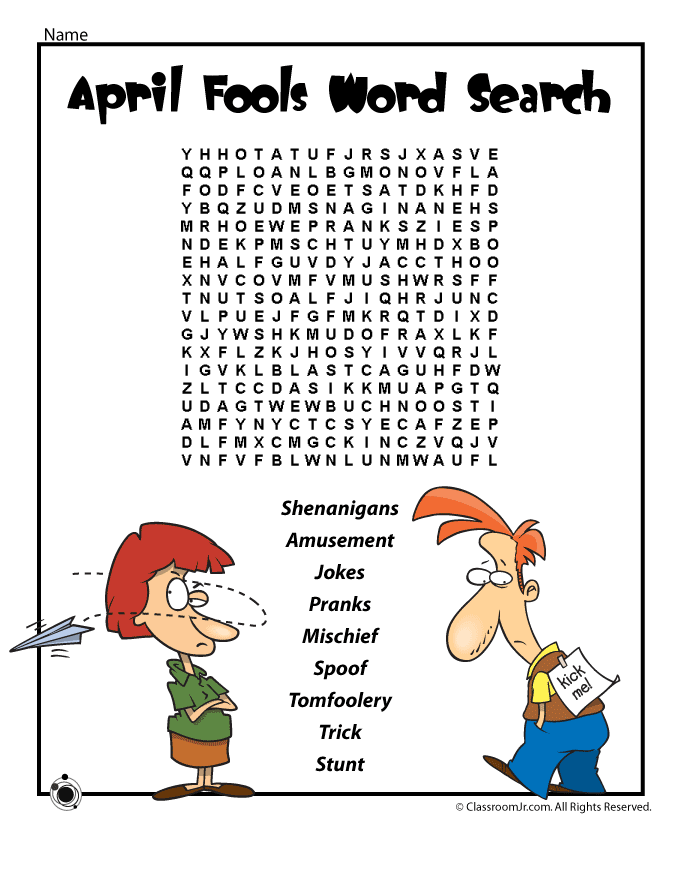
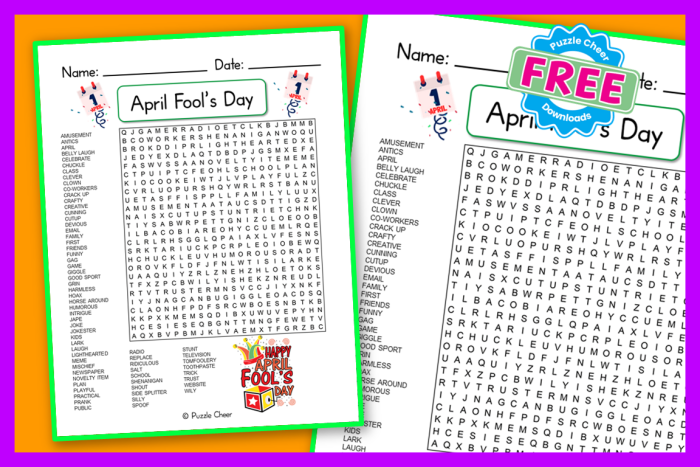
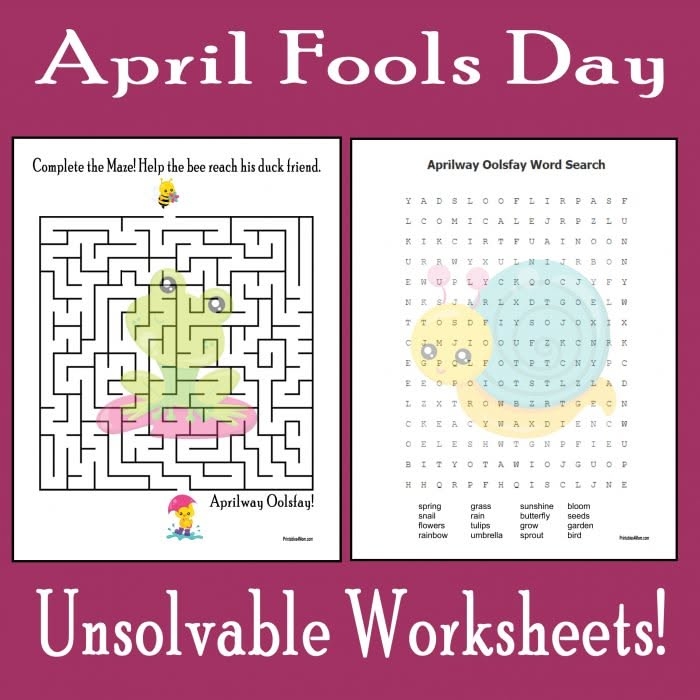
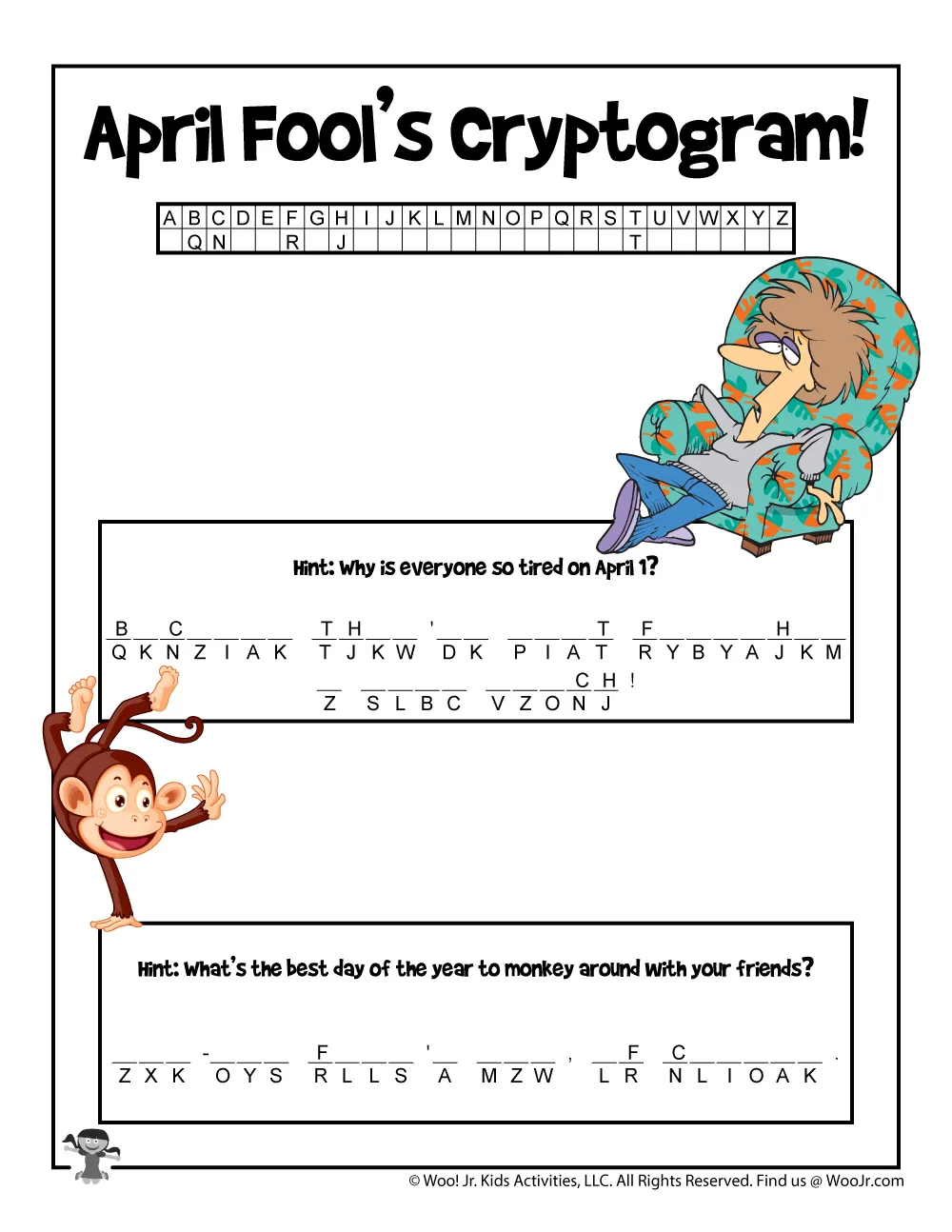
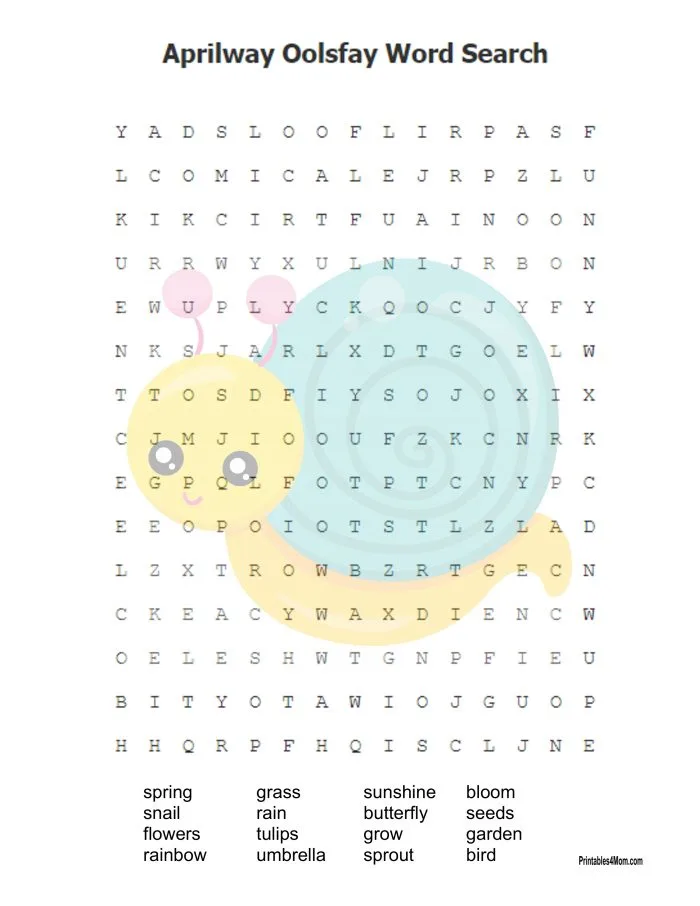
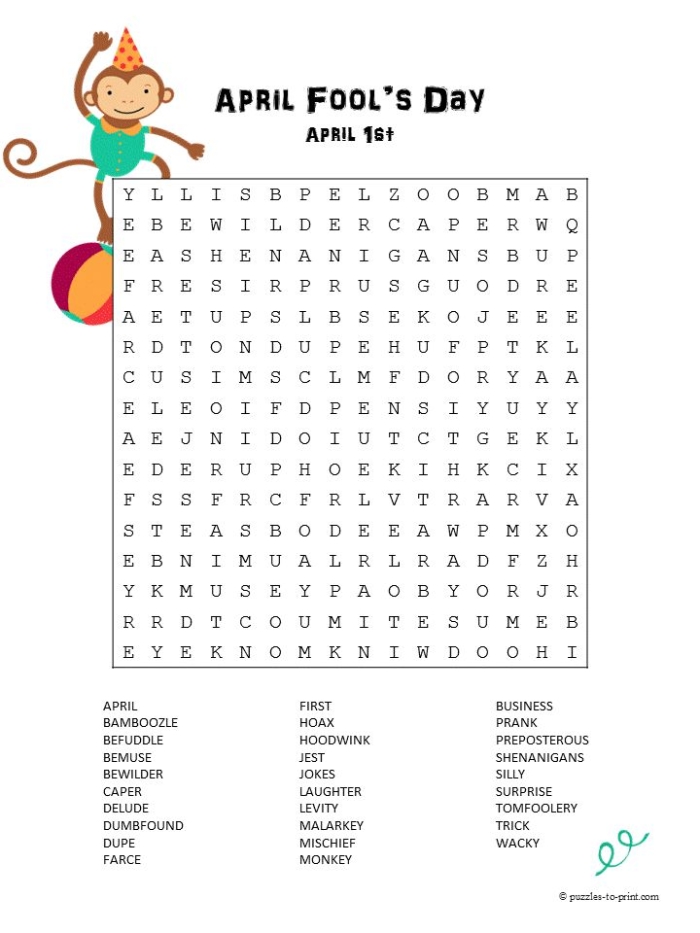
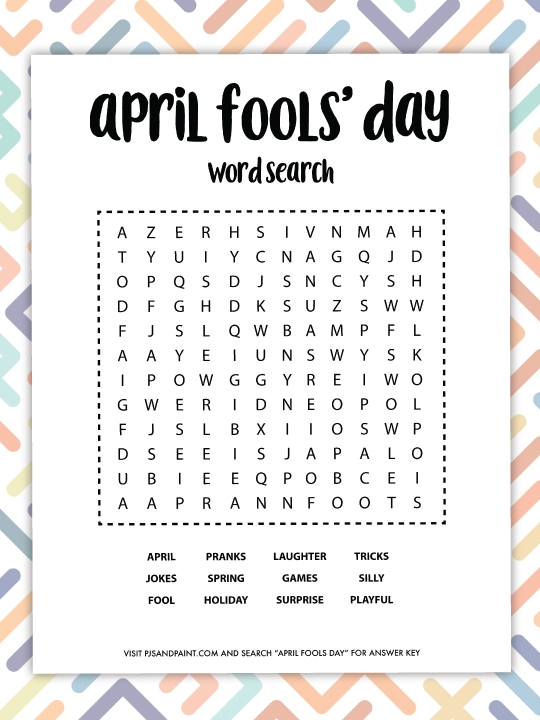
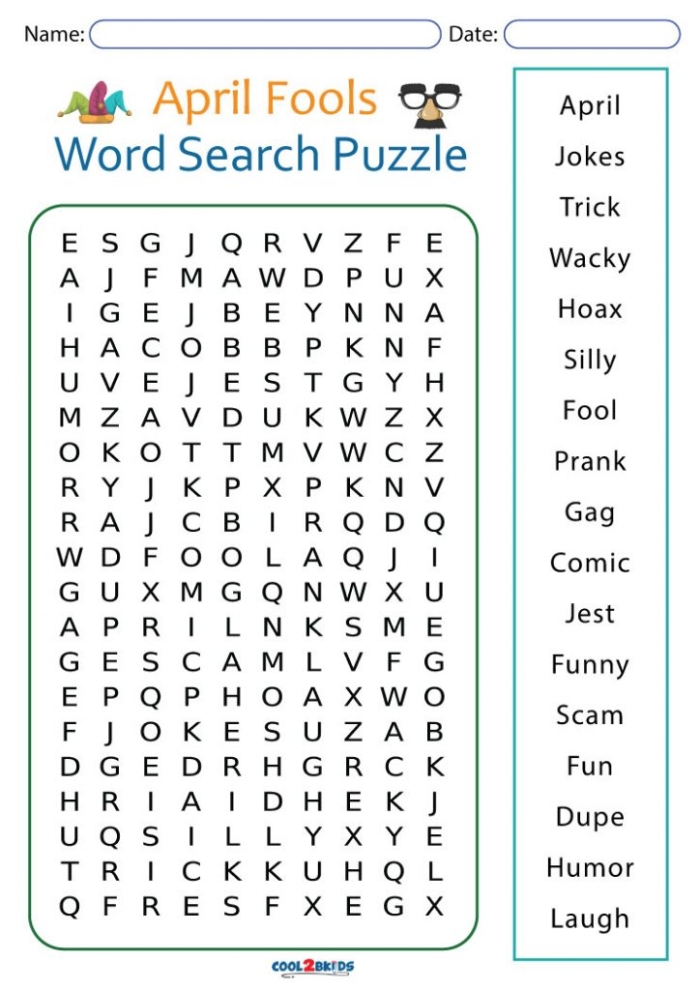
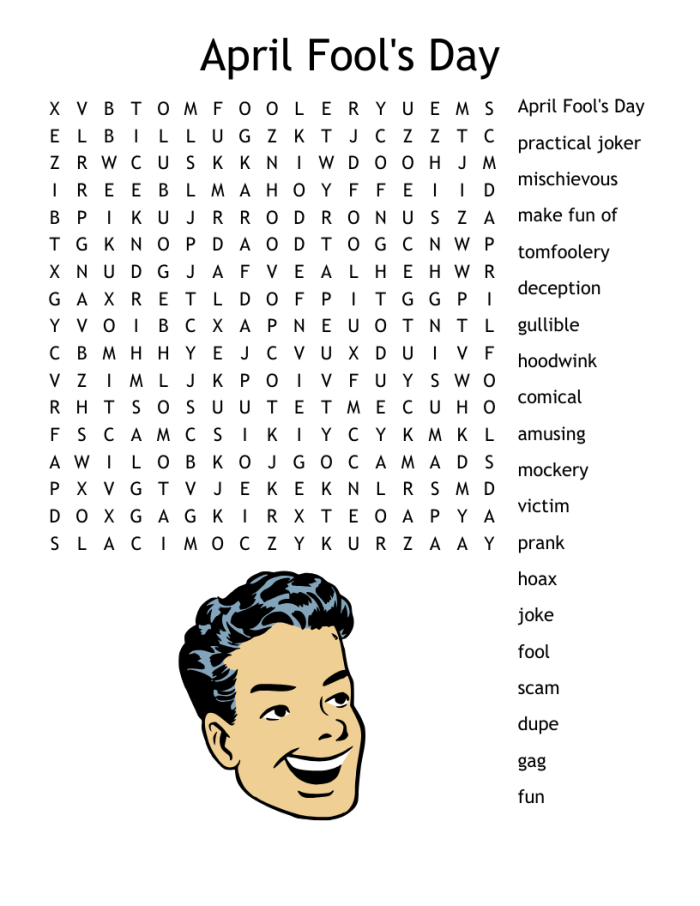
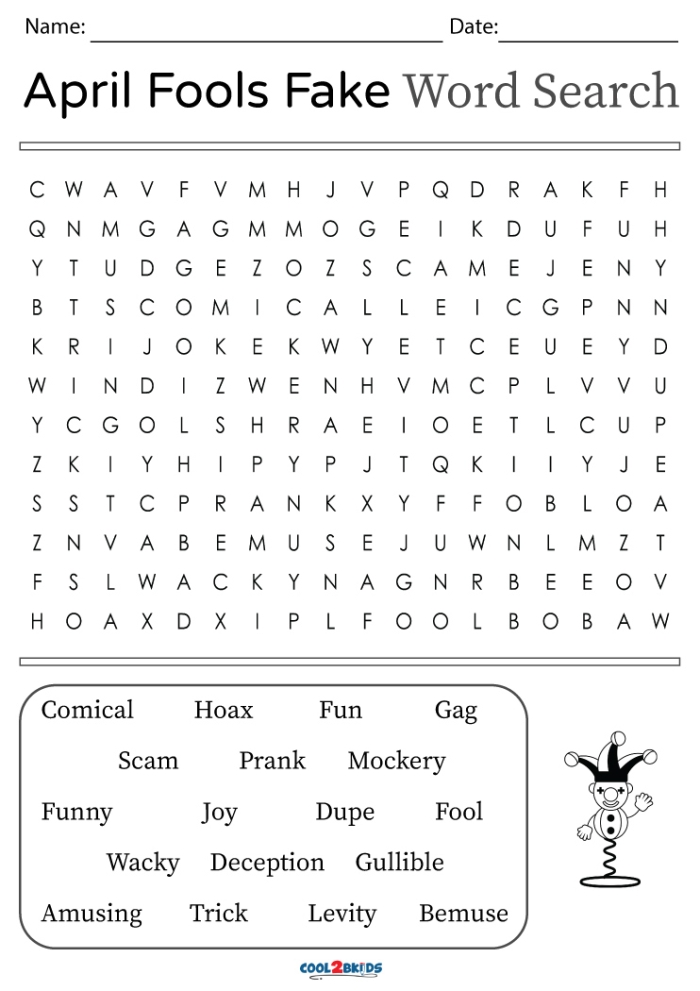
If you’ve ever looked at a worksheet and thought something felt off, you’ve probably encountered one of those intentionally ridiculous April Fools’ Day word searches. These aren’t your standard puzzle sheets. They’re designed to make first graders giggle, question what they’re seeing, and have genuine fun while practicing their handwriting and letter recognition skills.
The beauty of a wacky word search lies in its deliberate chaos. Instead of hiding words neatly in straight lines, the letters might spiral, zigzag, or hide in plain sight with backwards spellings. Some versions include words that don’t exist at all, forcing kids to think critically about what’s actually possible to find. Others hide silly phrases like “spaghetti socks” or “dancing pickles” among legitimate vocabulary. This unpredictability keeps young learners engaged and laughing rather than bored.
For first grade classrooms, these playful puzzles serve a real purpose beyond entertainment. As students scan for letters and trace paths with their pencils, they’re strengthening the fine motor skills essential for handwriting development. The search-and-circle activity naturally encourages proper pencil grip and hand-eye coordination. Teachers often pair these with other letter-recognition activities to reinforce phonemic awareness in a less rigid way.
What makes April Fools’ Day the perfect occasion for this type of worksheet is the built-in expectation of trickery. Kids already know something funny is coming, so they approach the puzzle with playful skepticism. They’re more likely to try harder, laugh at the absurdity, and actually want to complete the task. That shift in attitude makes all the difference in early literacy instruction.
Creating or using these wacky word searches breaks the monotony of standard practice sheets while maintaining educational value. It’s a reminder that learning doesn’t have to feel like work.
Download These Worksheets for Practice