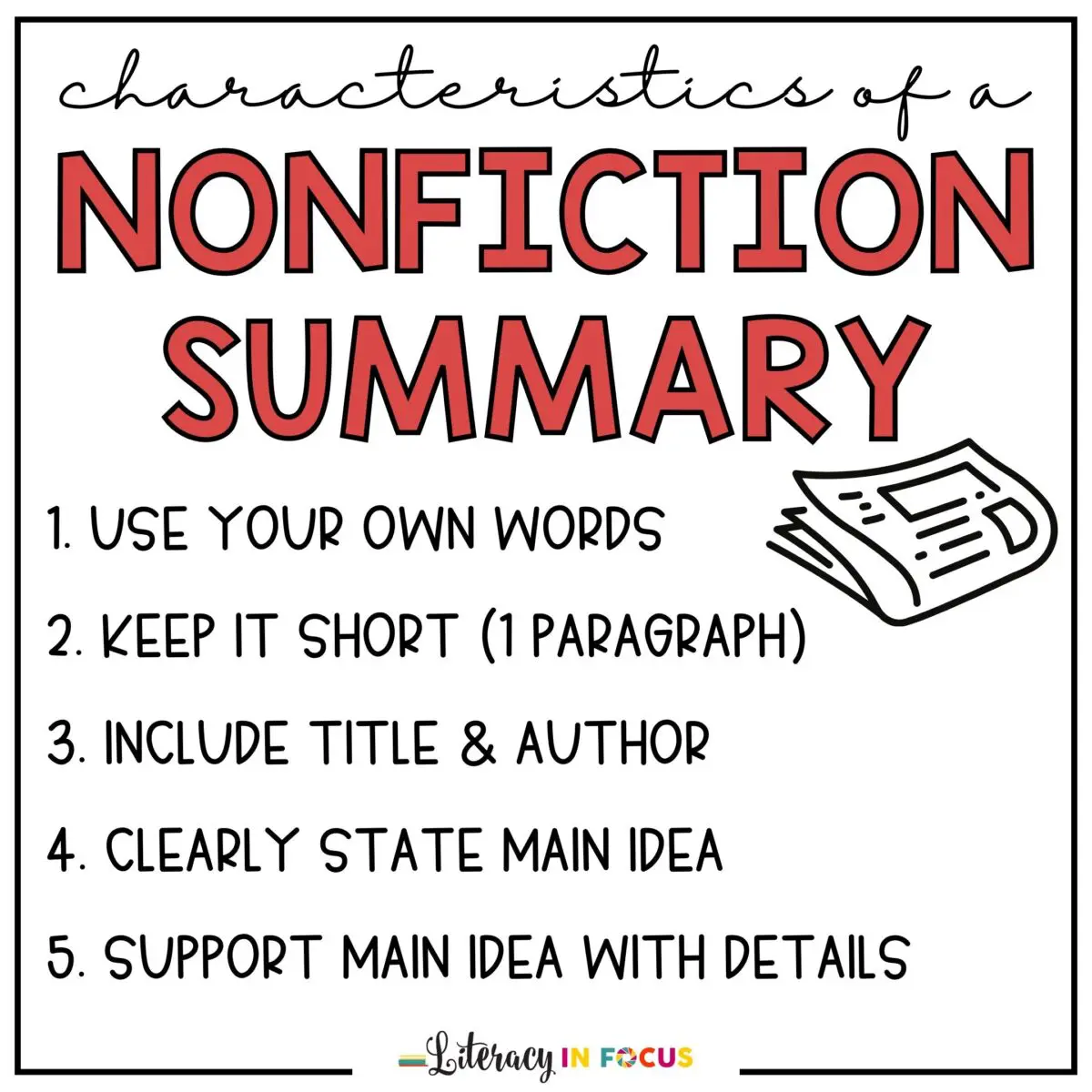
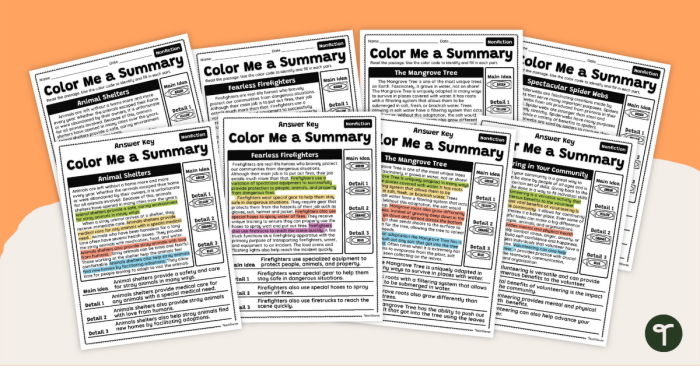
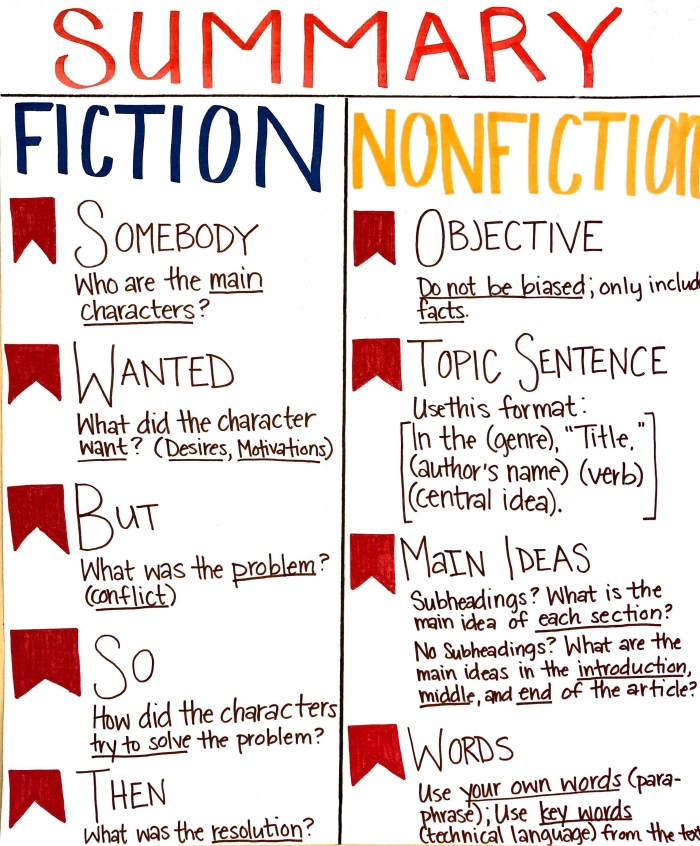
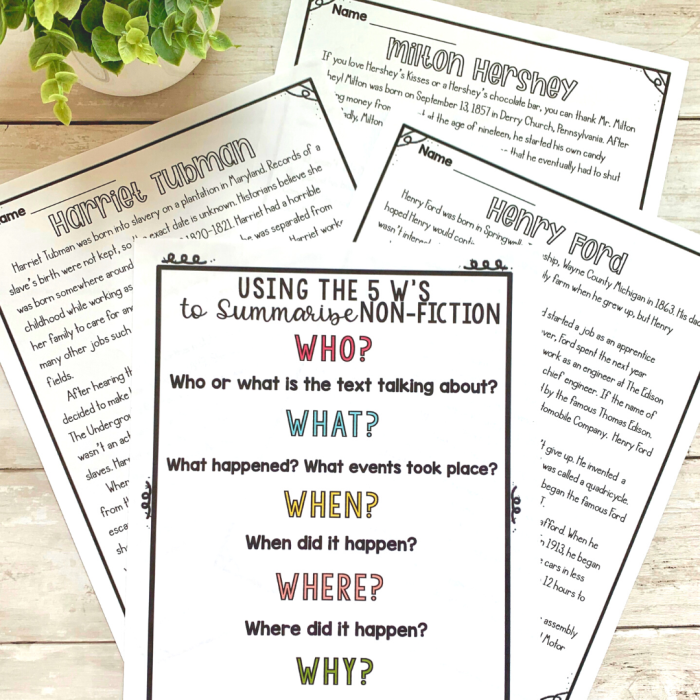
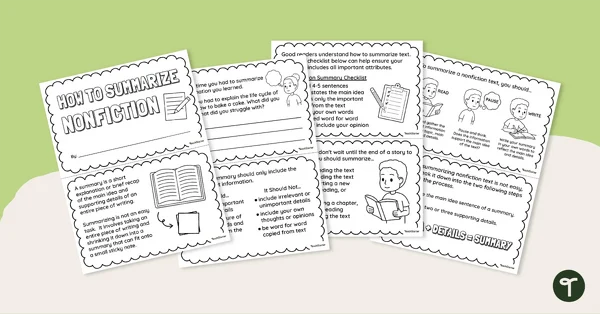
Teaching second graders to summarize nonfiction texts is one of the most practical skills you can build into your reading instruction. When students learn to pull out the main ideas and key details from what they read, they develop stronger comprehension and retain information more effectively.
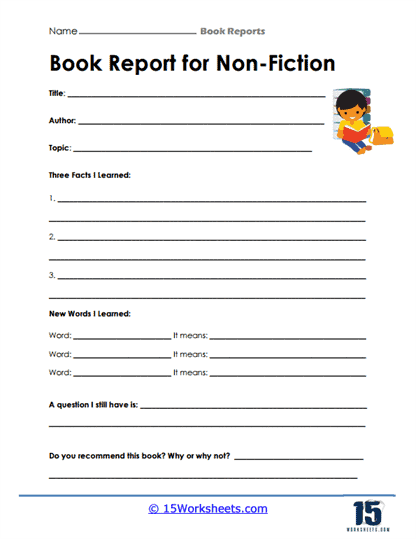
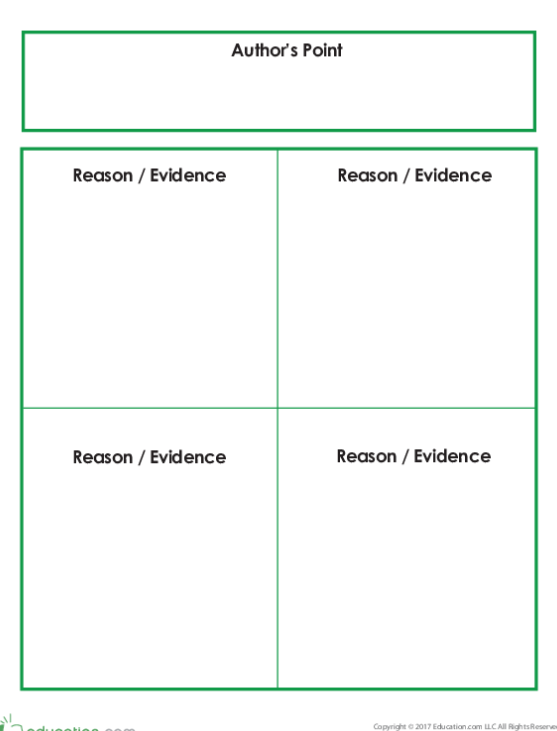
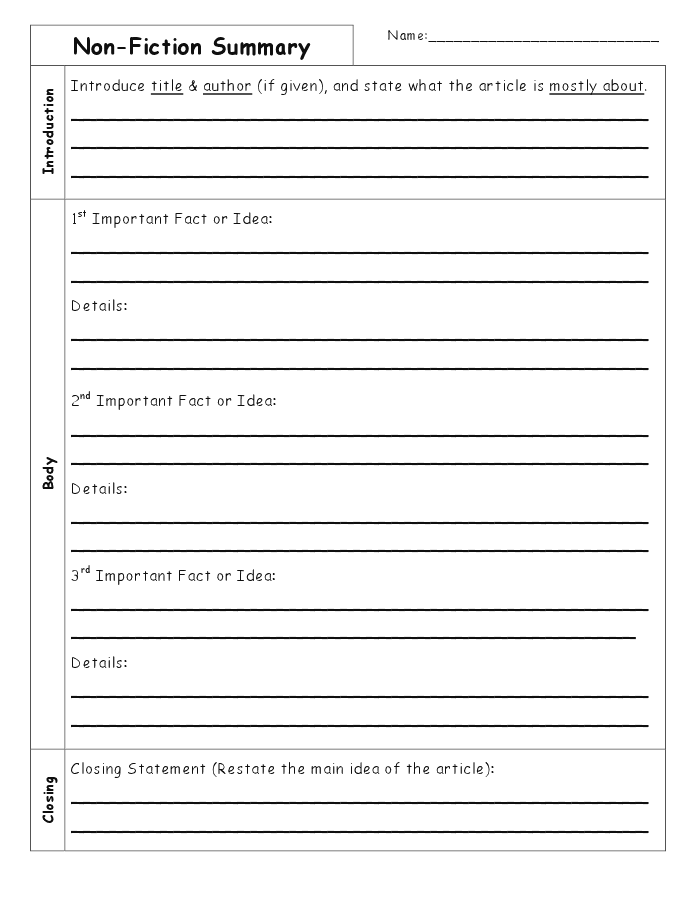
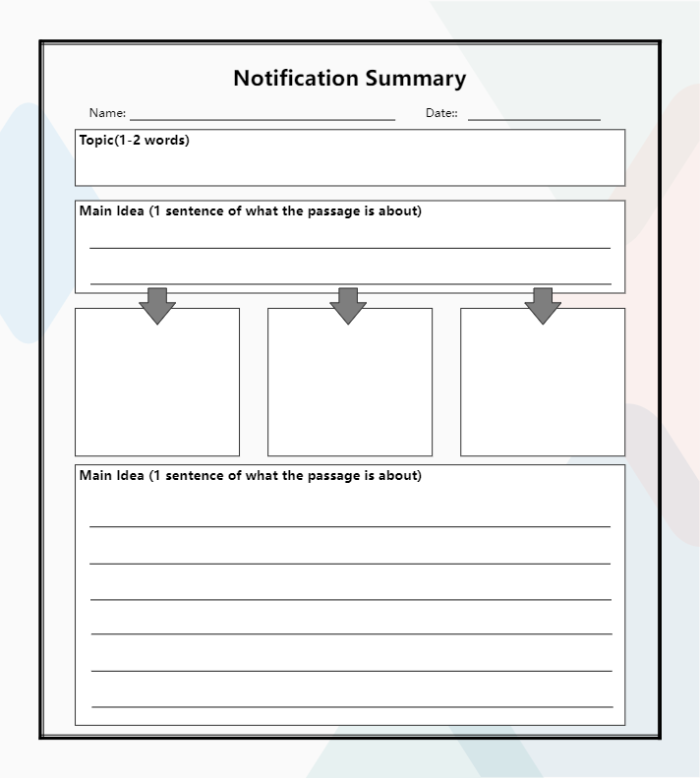
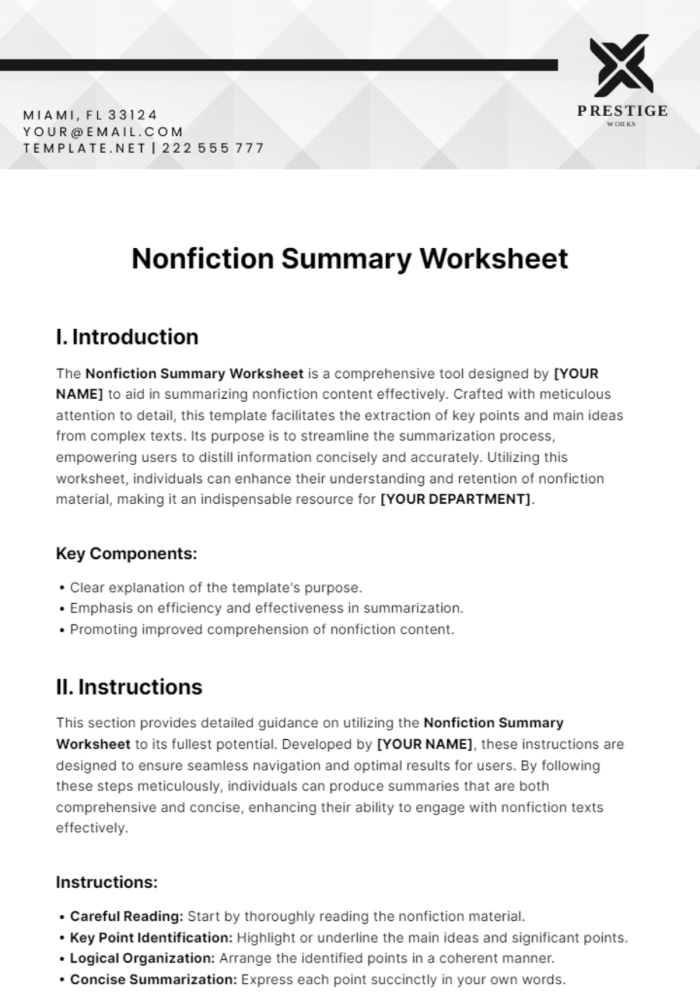
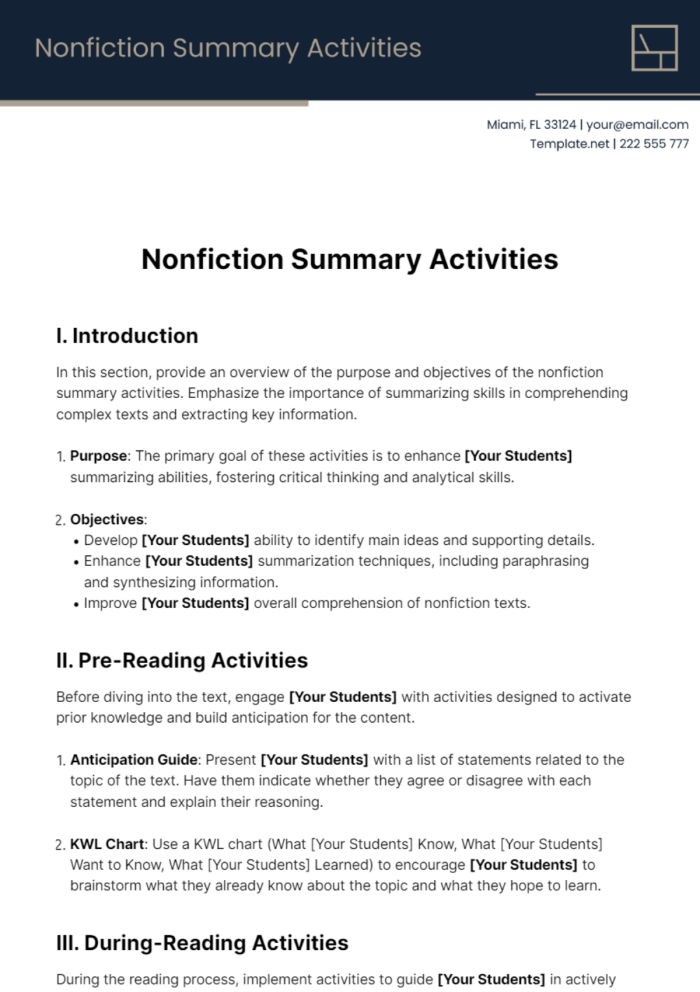
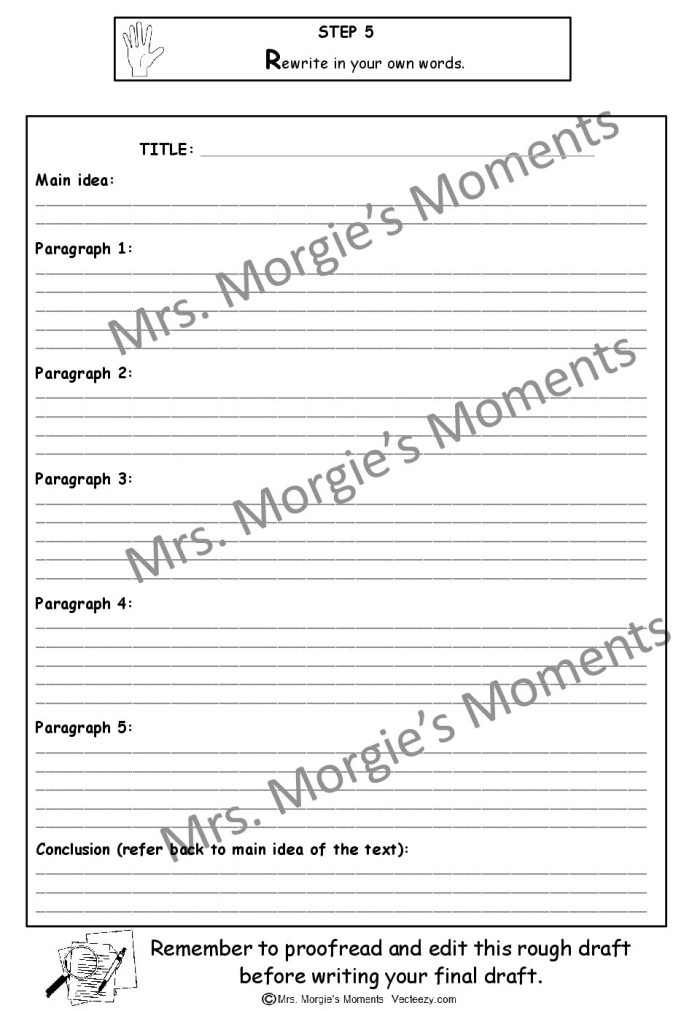
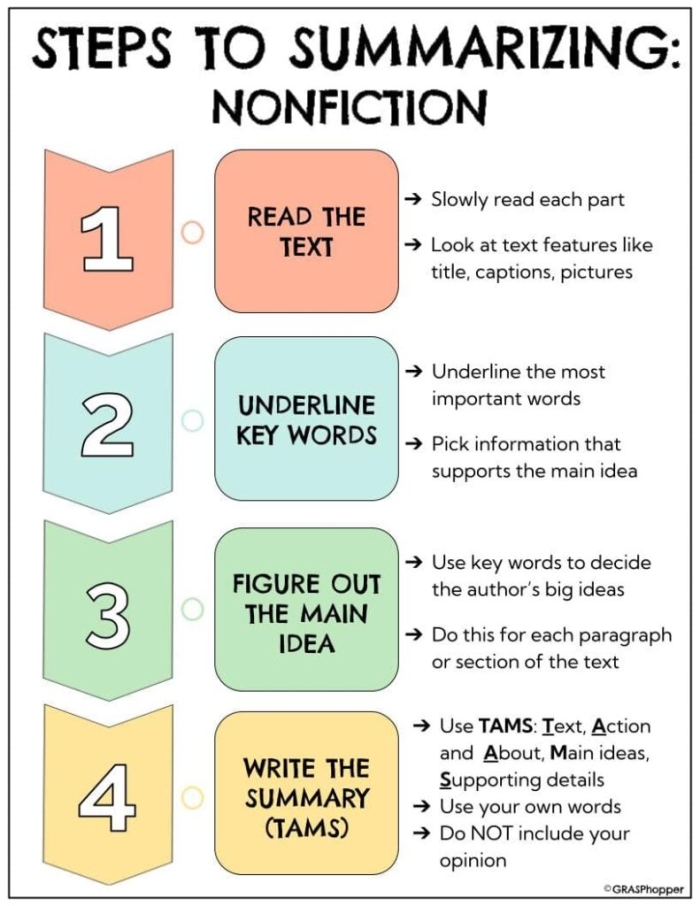
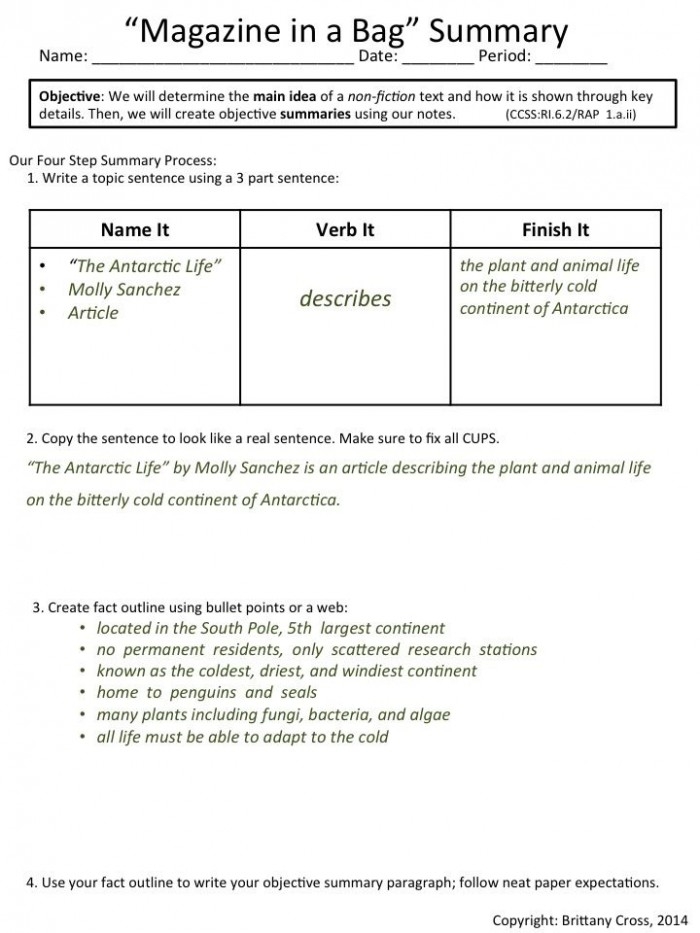
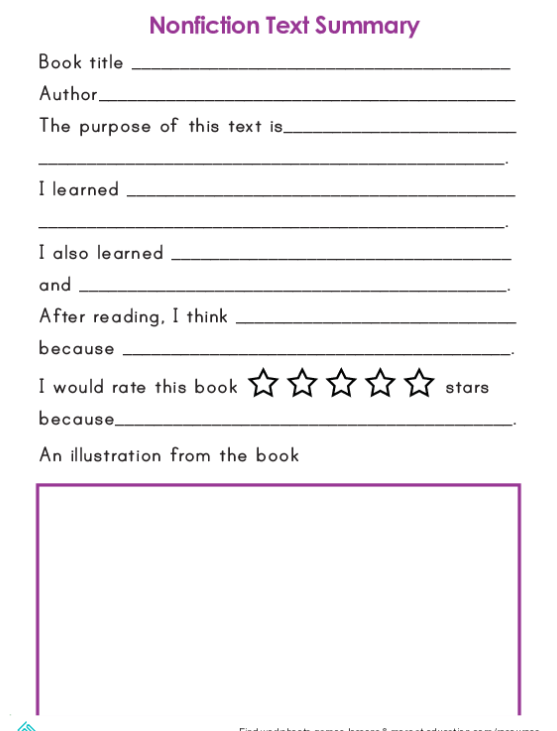
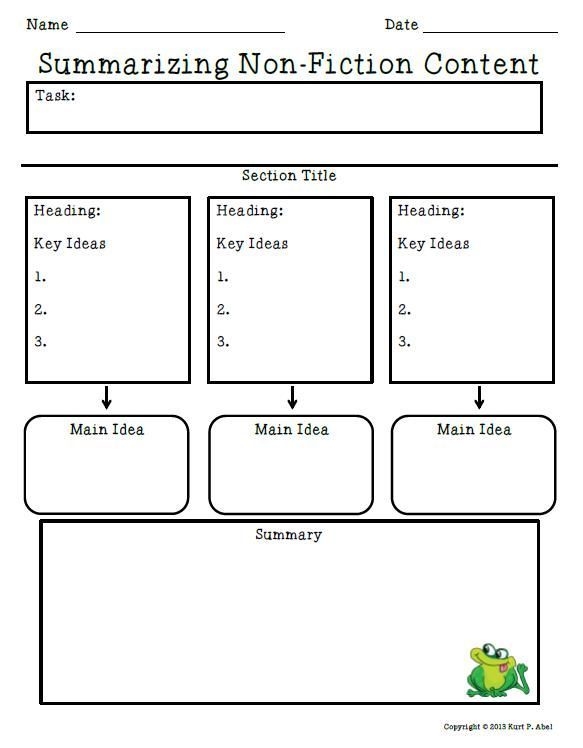
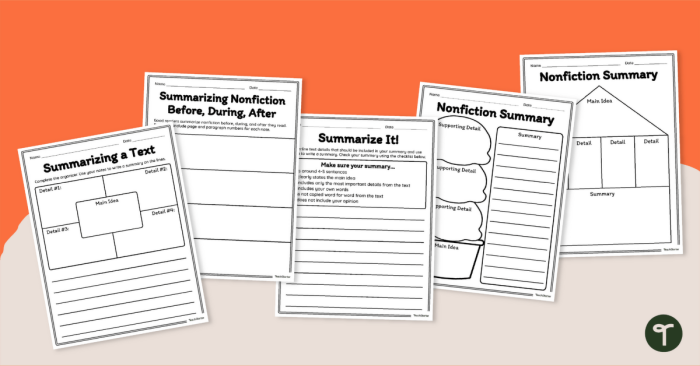
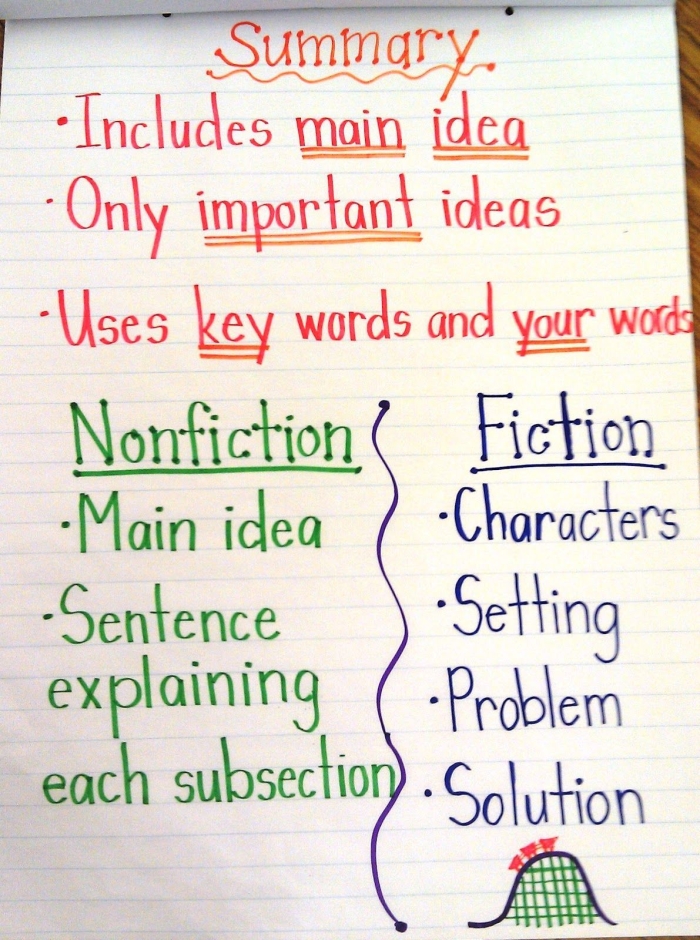
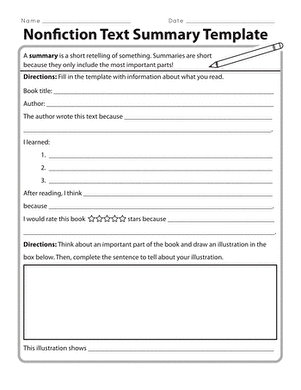
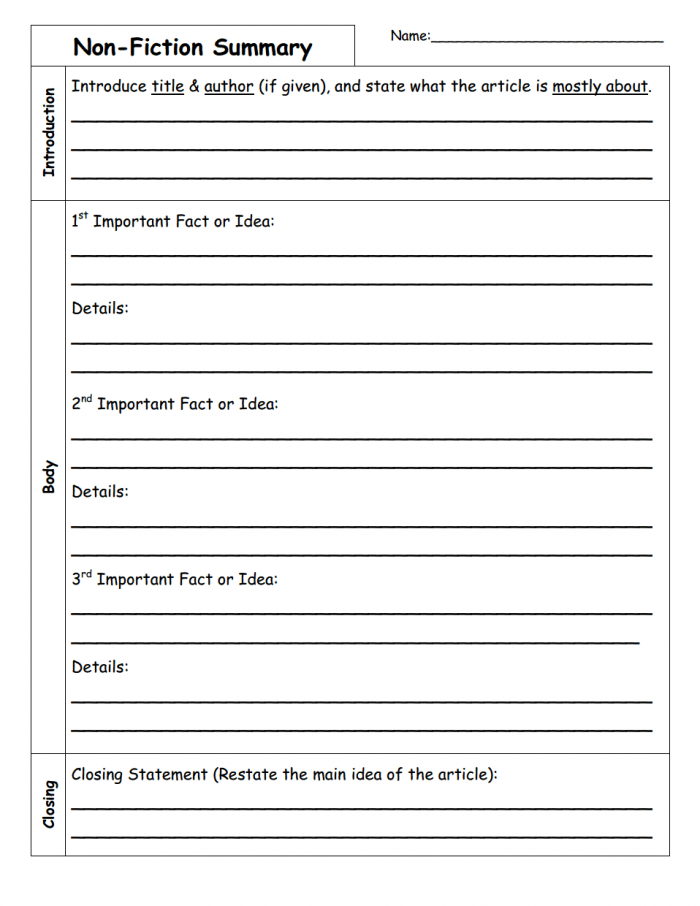
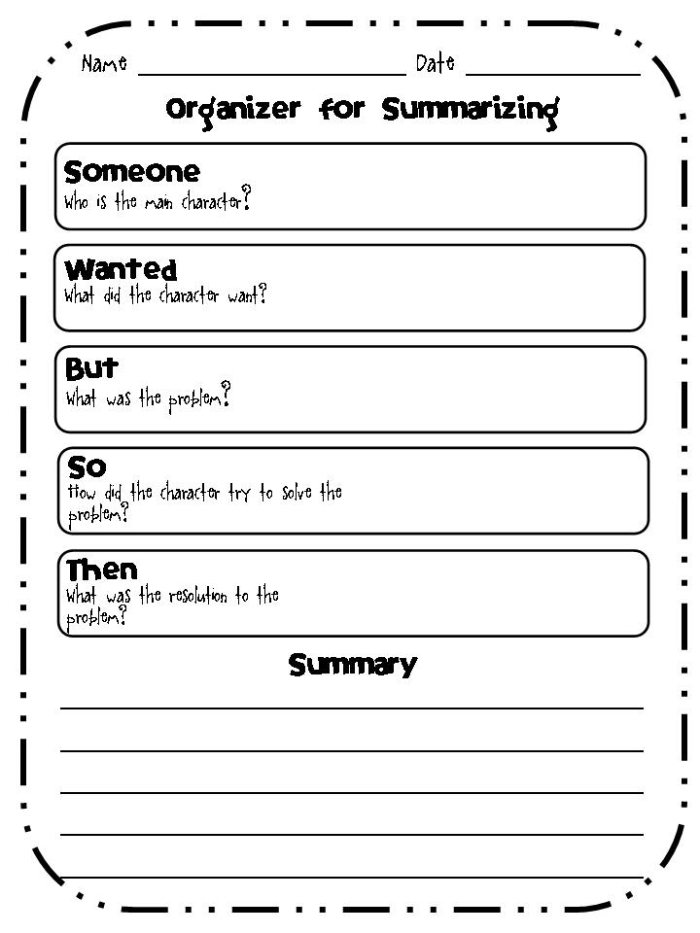
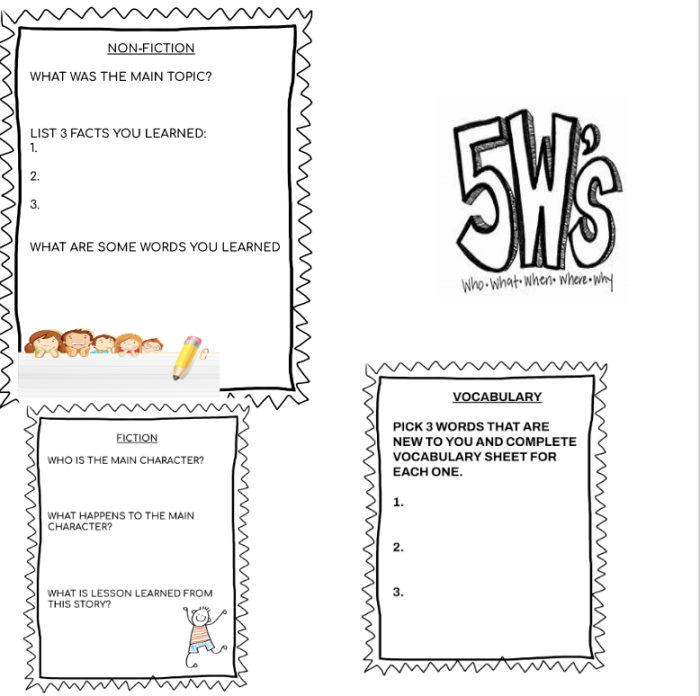
A nonfiction text summary template gives students a structured framework to organize their thinking. Rather than staring at a blank page, they have guided spaces to identify the topic, list important facts, and write a brief summary in their own words. This scaffolding is especially valuable for second graders who are still developing their ability to distinguish between main ideas and supporting details.
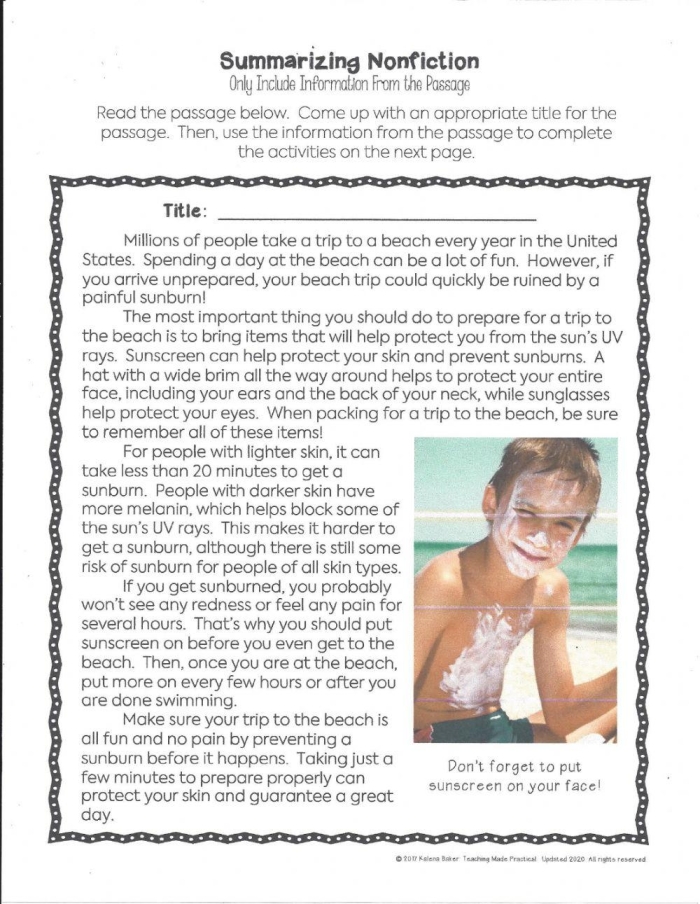
The process works best when you model it first. Read a short nonfiction passage aloud, then think aloud as you fill out the template together. Show students how you decide what information matters most. When they see you wrestling with these decisions, they understand that summarizing requires active thinking, not just copying sentences.
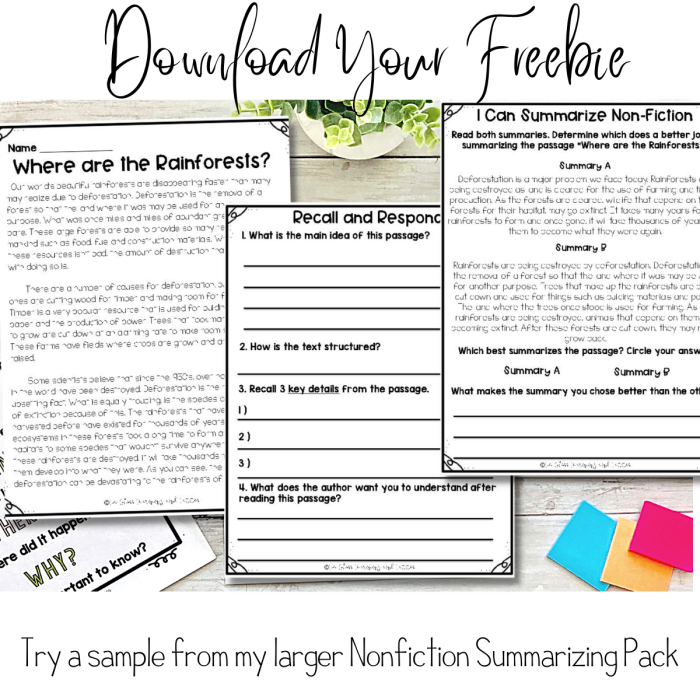
Pairing summarization practice with visual supports strengthens comprehension further. Students who work with nonfiction texts about topics like deforestation can benefit from seeing how information connects to real-world concepts. Similarly, texts that include data presented through histograms help students practice reading and interpreting information visually.
Start with shorter texts, around 100-150 words, so the task feels manageable. As students gain confidence, gradually increase text length. Celebrate their efforts by sharing summaries aloud and discussing what made certain summaries clear and complete. This peer learning reinforces the skills you’re building and shows students that summarization is a valued part of reading.
Start Practicing with These Worksheets