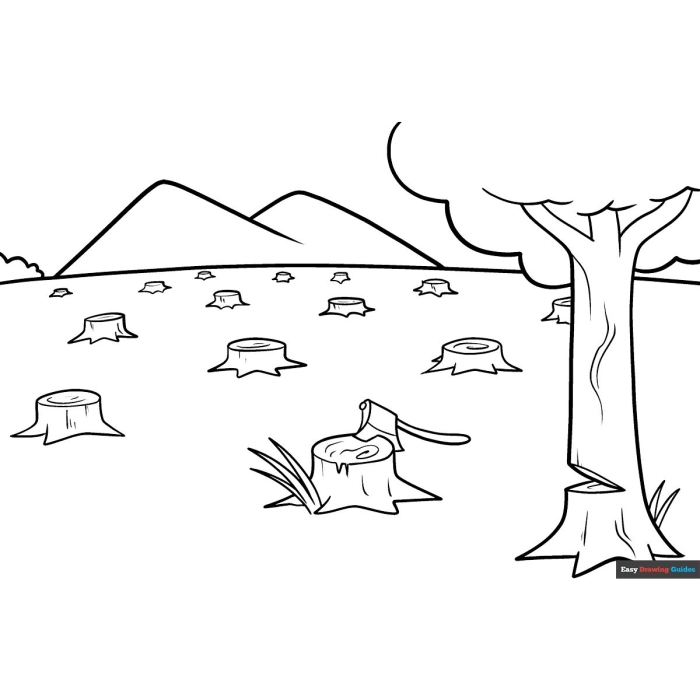
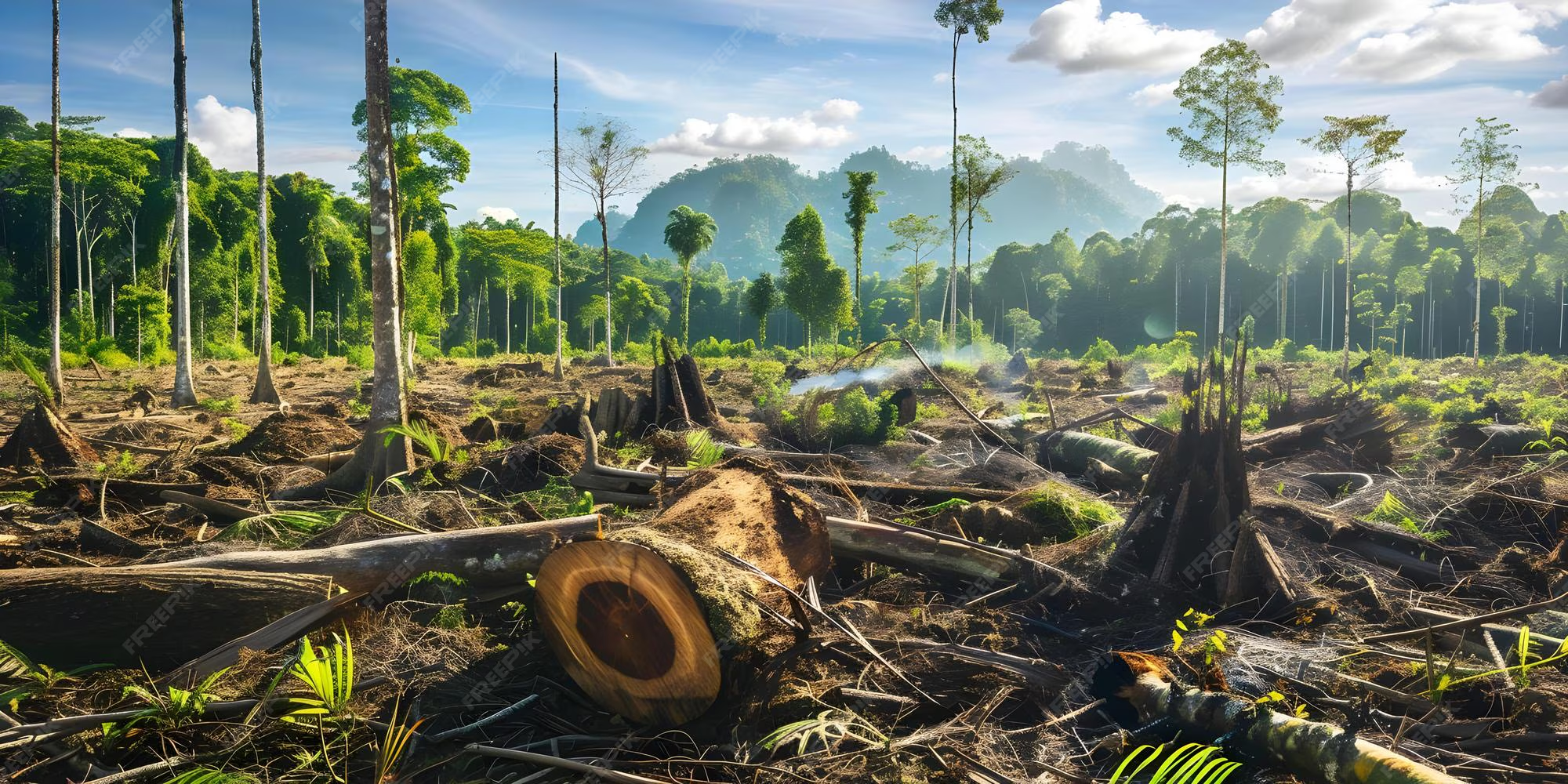
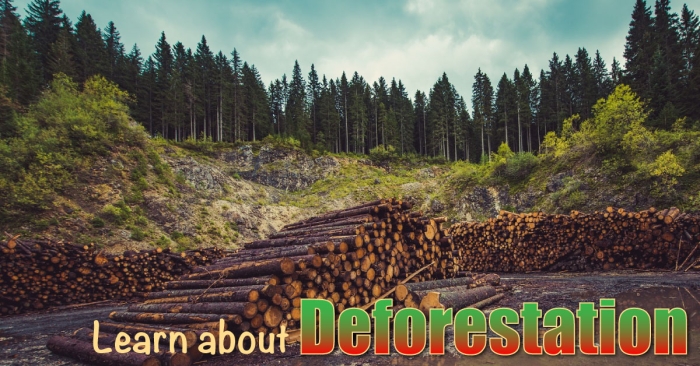
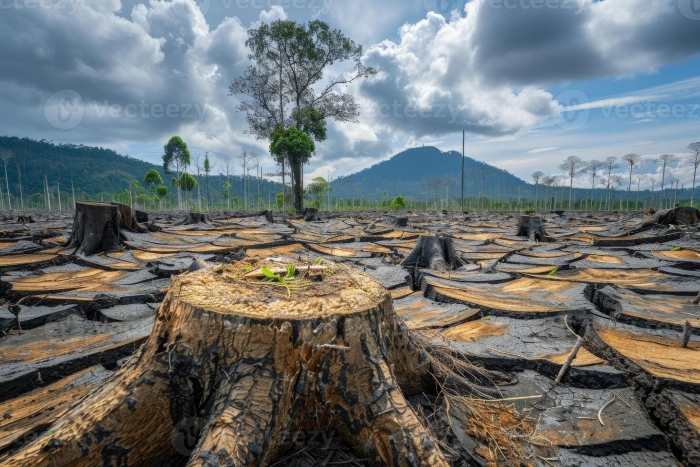
Forests cover about 30% of Earth’s land surface, but that number shrinks every single day. Deforestation, the large-scale removal of trees, happens for reasons ranging from cattle ranching to palm oil production, and understanding how it works gives you insight into one of the most pressing environmental challenges we face today.
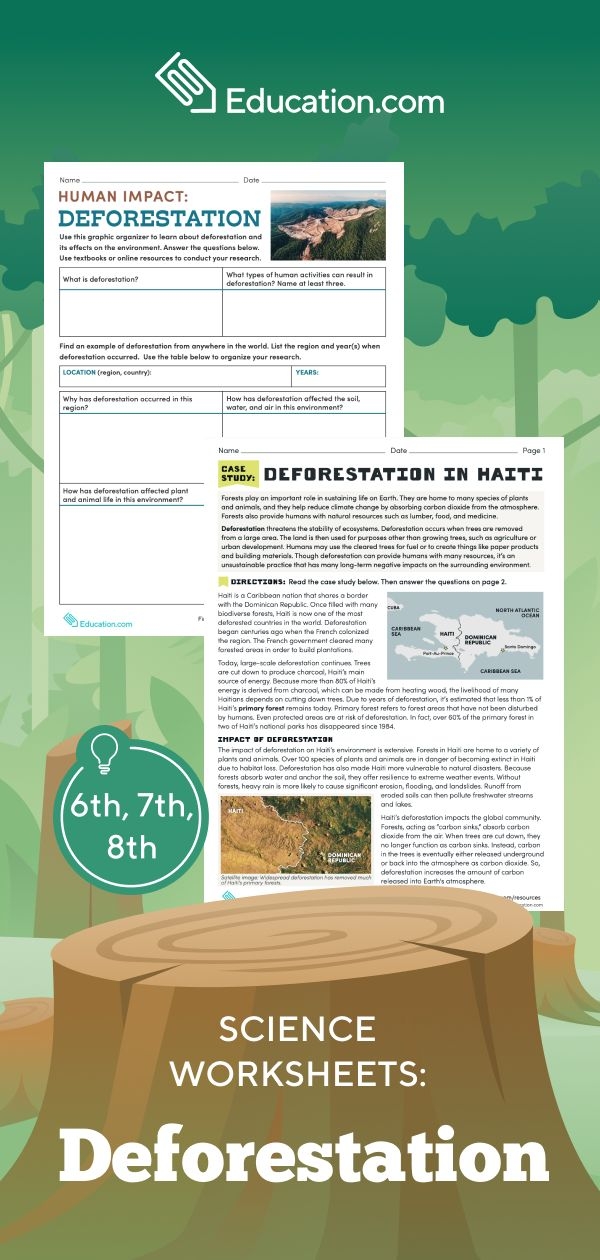
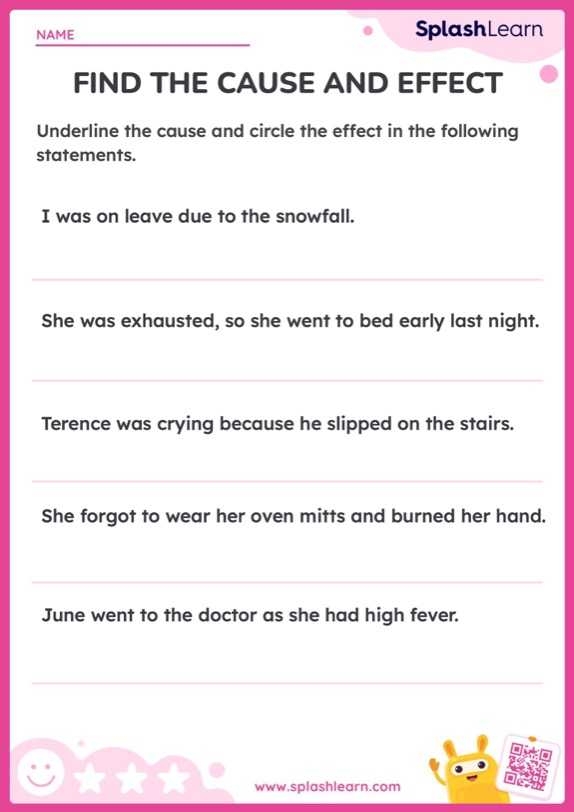
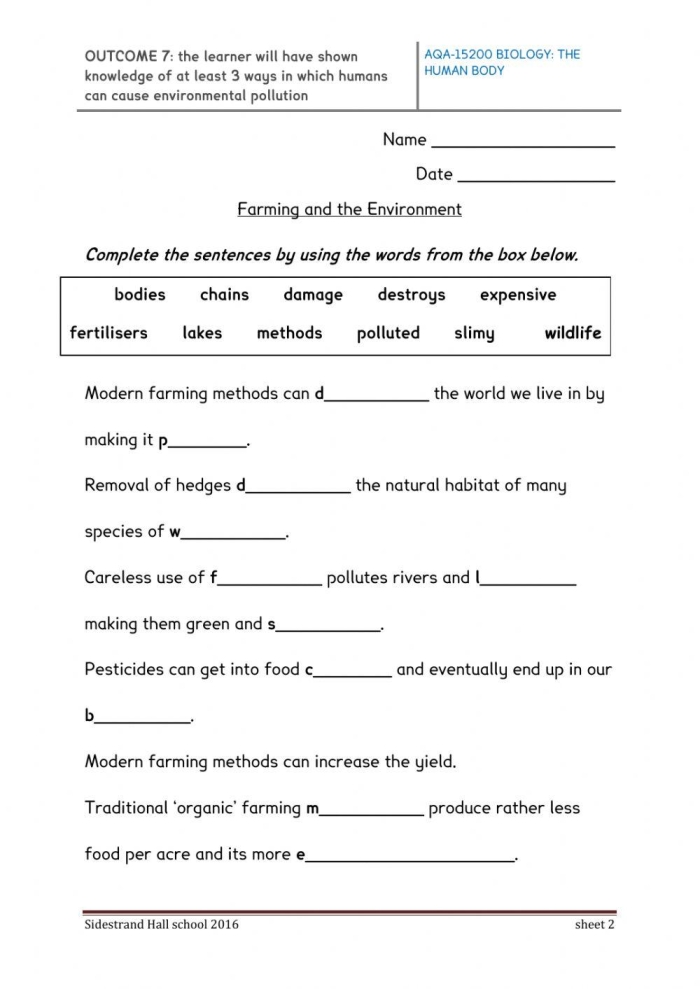
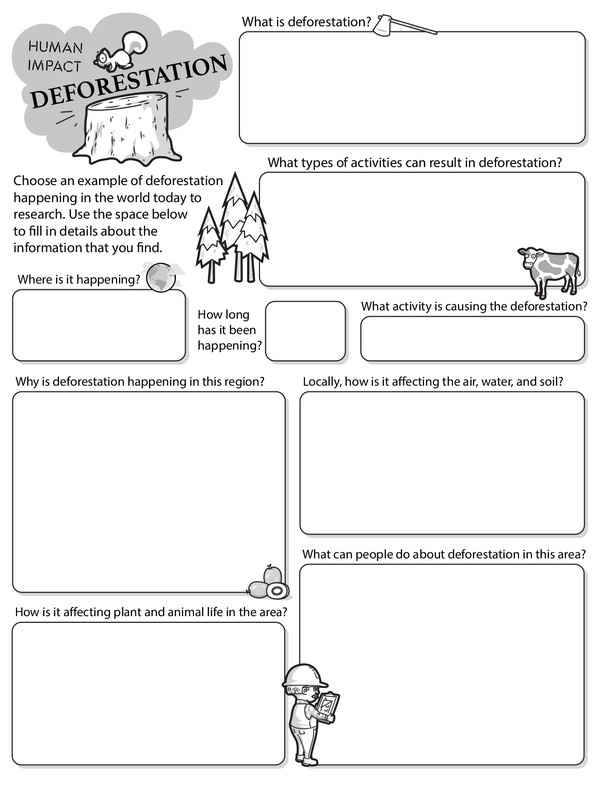
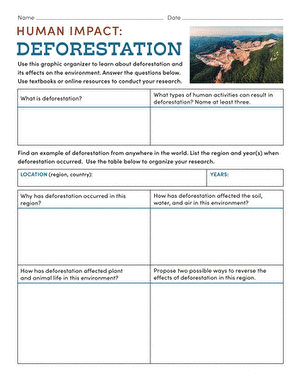
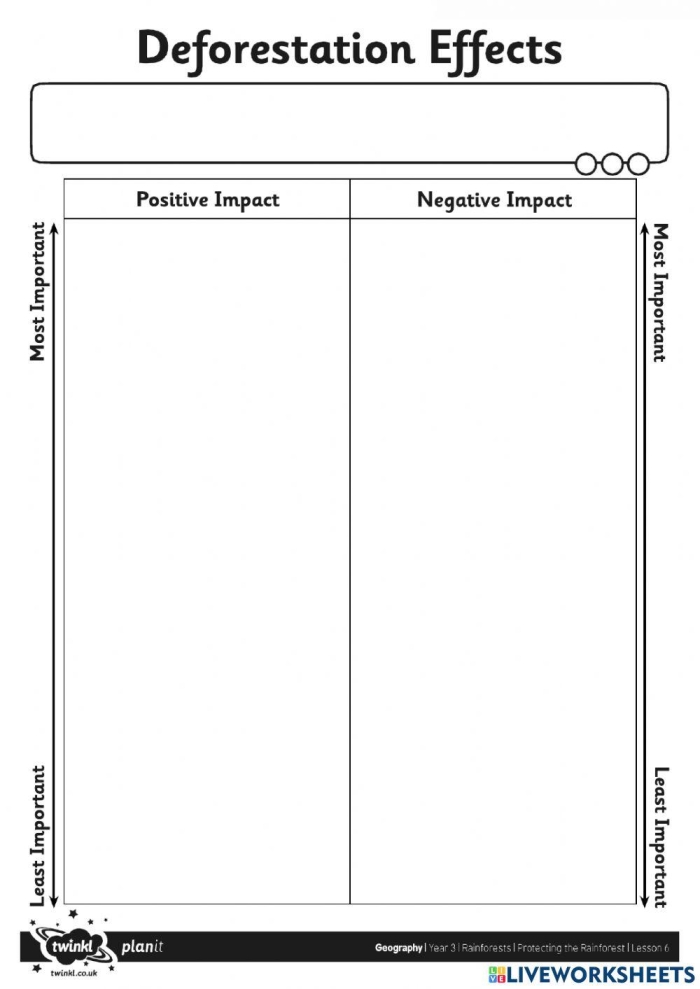
A graphic organizer helps you map out the causes and effects of deforestation in a way that makes the connections clear. On one side, you might list the human activities driving forest loss: logging operations, agricultural expansion, urban development, and mining. On the other side, you track what happens when trees disappear: soil erosion, loss of wildlife habitat, reduced water retention, and increased atmospheric carbon dioxide. For sixth grade life science students, this visual approach transforms what could feel like an overwhelming topic into manageable pieces you can actually understand and remember.
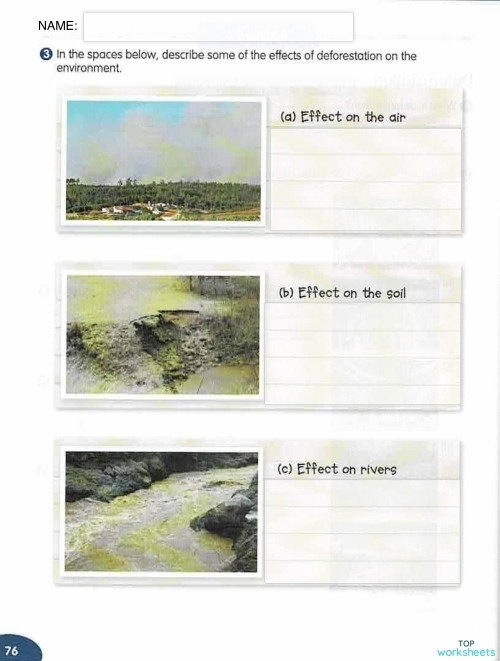
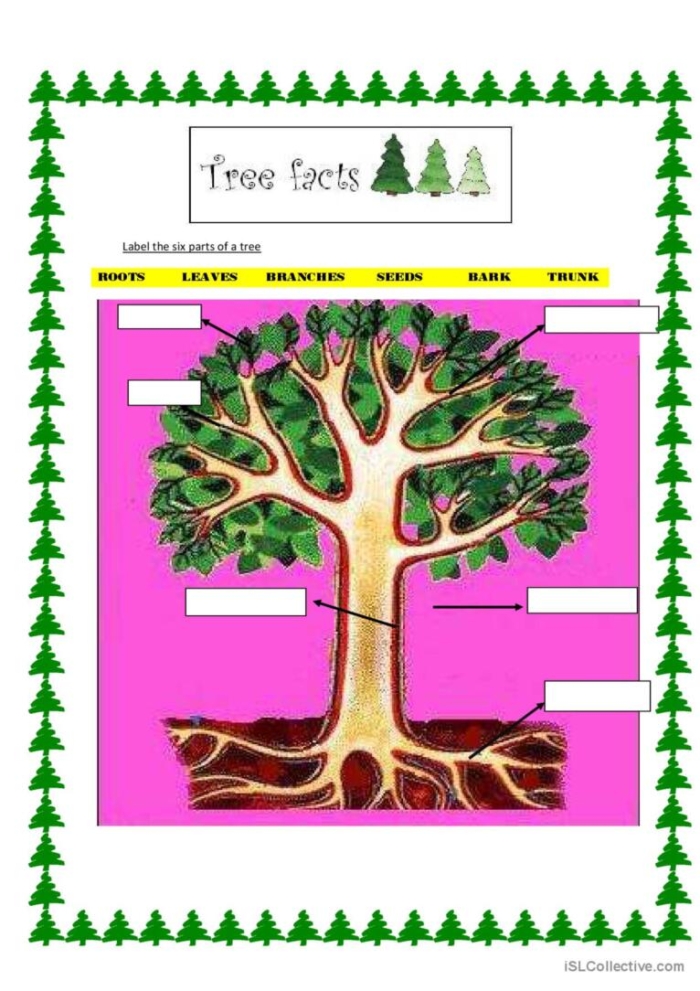
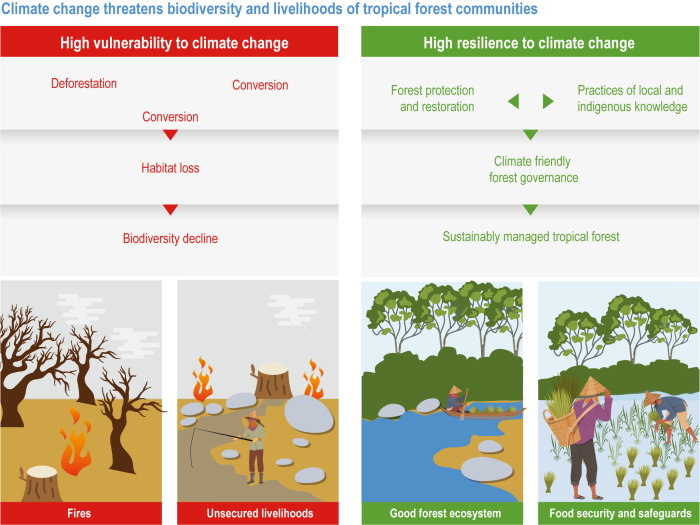
The immediate effects hit hardest on the animals and plants that depend on forests to survive. When you remove a forest, you’re not just taking down trees, you’re destroying entire ecosystems. Species like orangutans, jaguars, and countless insects lose their homes. The soil itself becomes vulnerable without root systems holding it in place, leading to landslides and water pollution downstream.
Beyond the local ecosystem, deforestation contributes to climate change. Trees absorb carbon dioxide as they grow, so cutting them down releases that stored carbon back into the atmosphere. The scale matters: tropical rainforests alone store more carbon than many countries emit in a year.
Using a graphic organizer to explore these relationships helps you see deforestation not as a single problem but as a web of interconnected causes and consequences. This kind of structured thinking applies across life science topics, whether you’re studying how forces affect ecosystems or examining other environmental systems. The skill of organizing complex information visually strengthens your ability to tackle challenging scientific concepts throughout sixth grade and beyond.
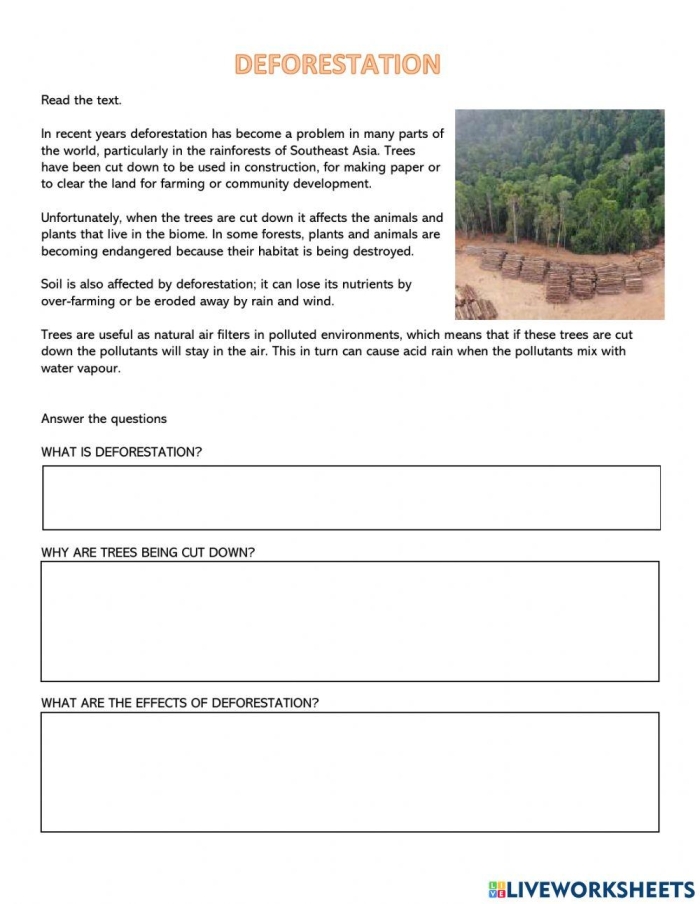
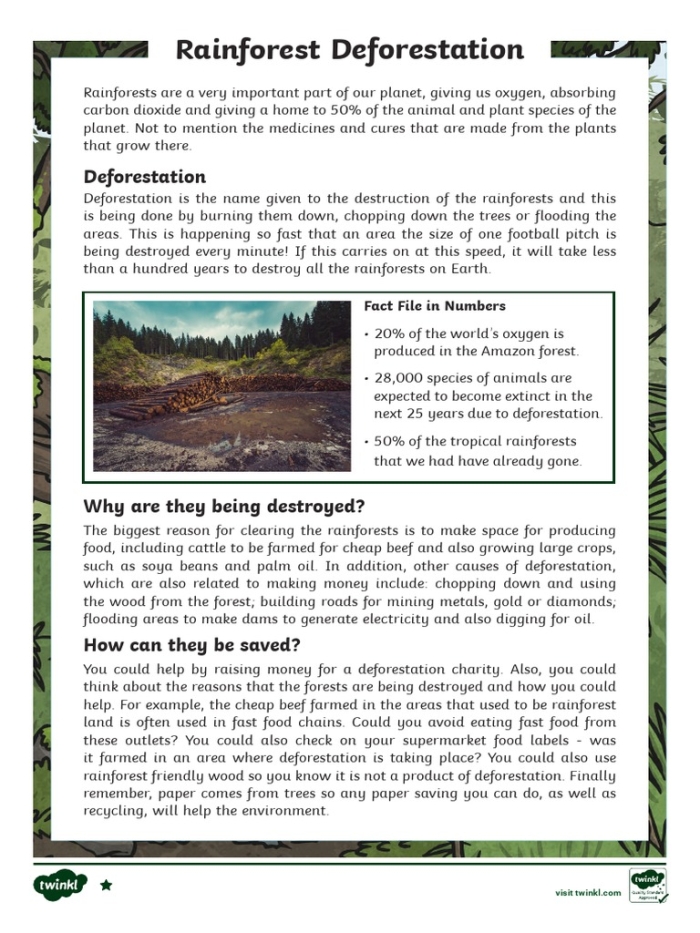
Try These Printable Worksheets