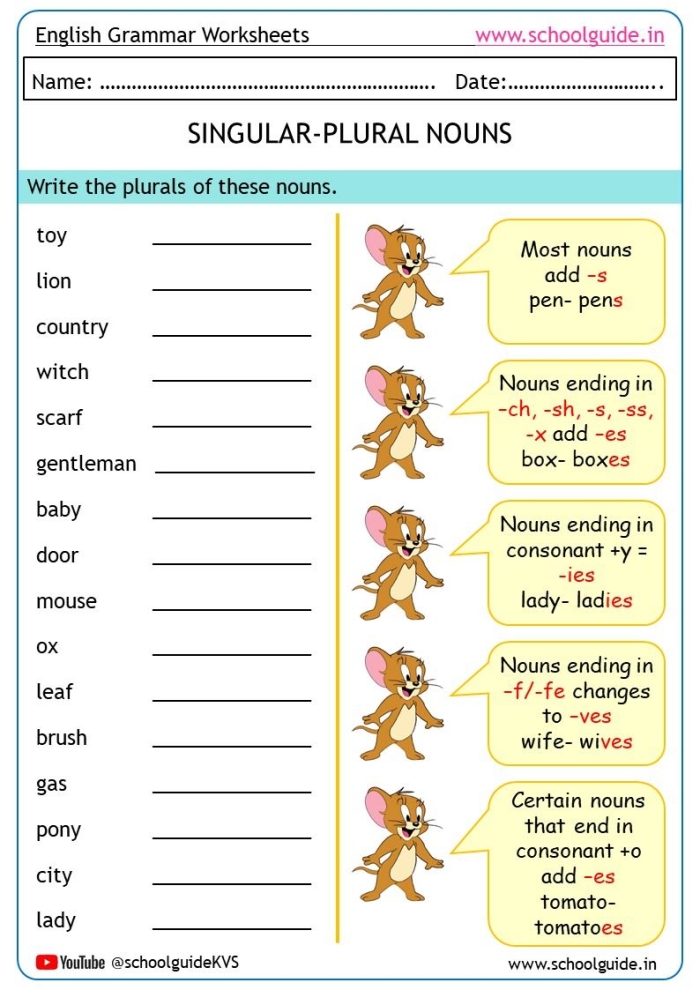
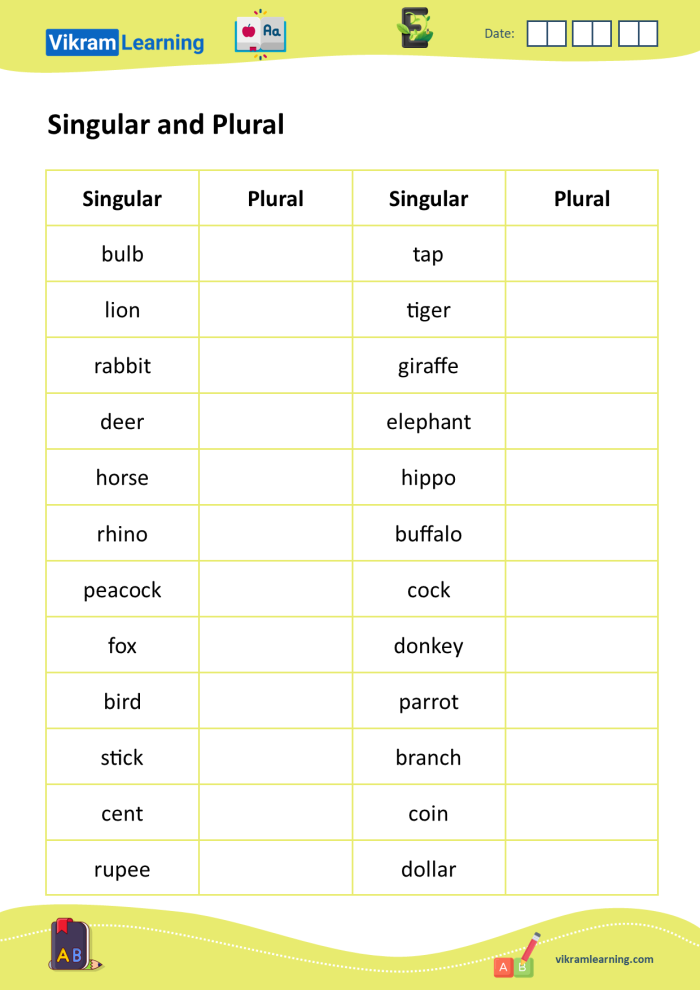
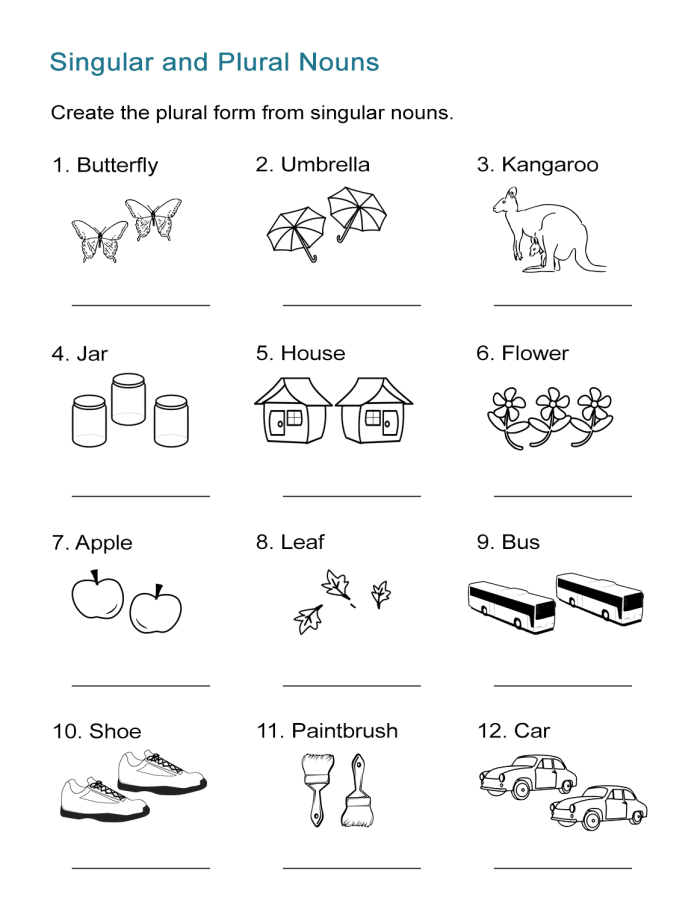
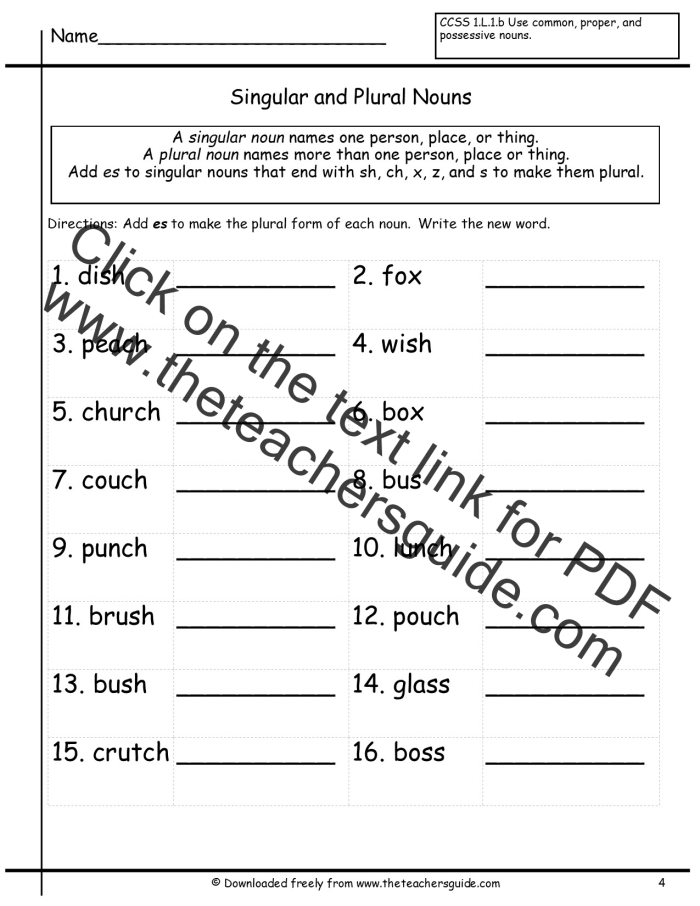
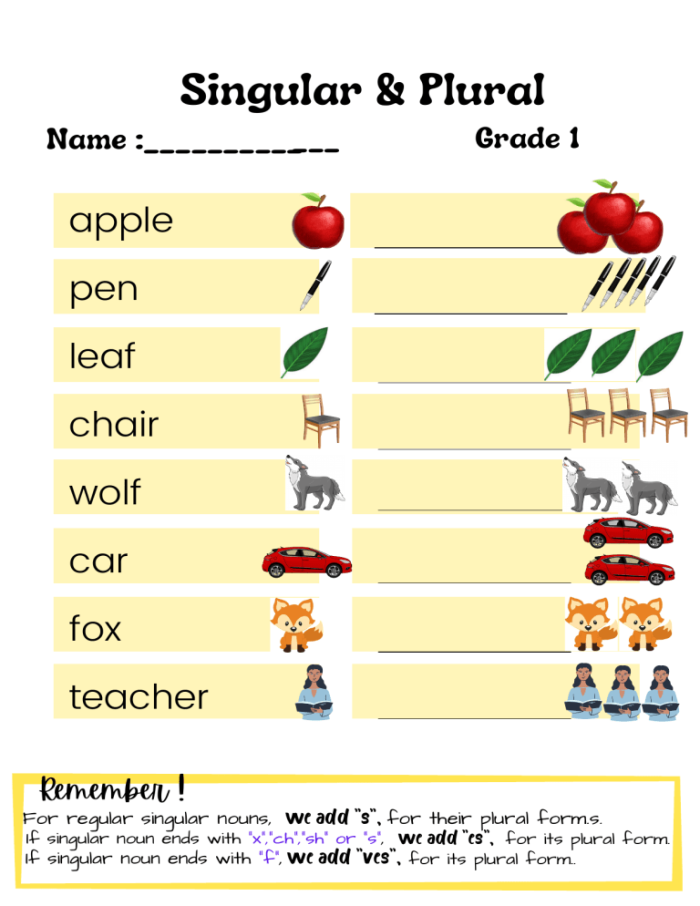
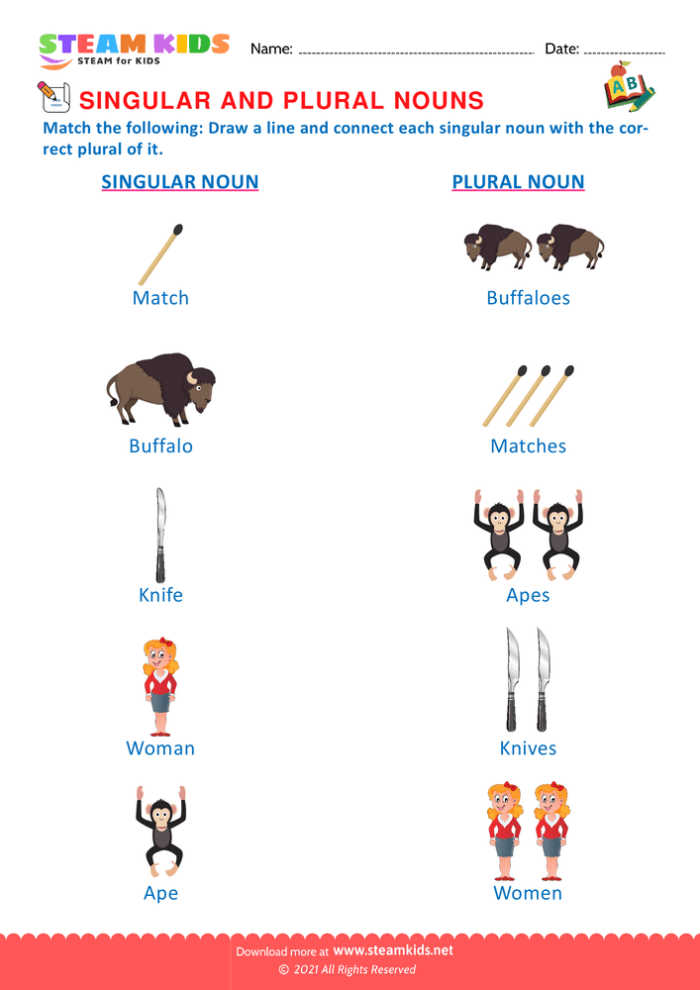
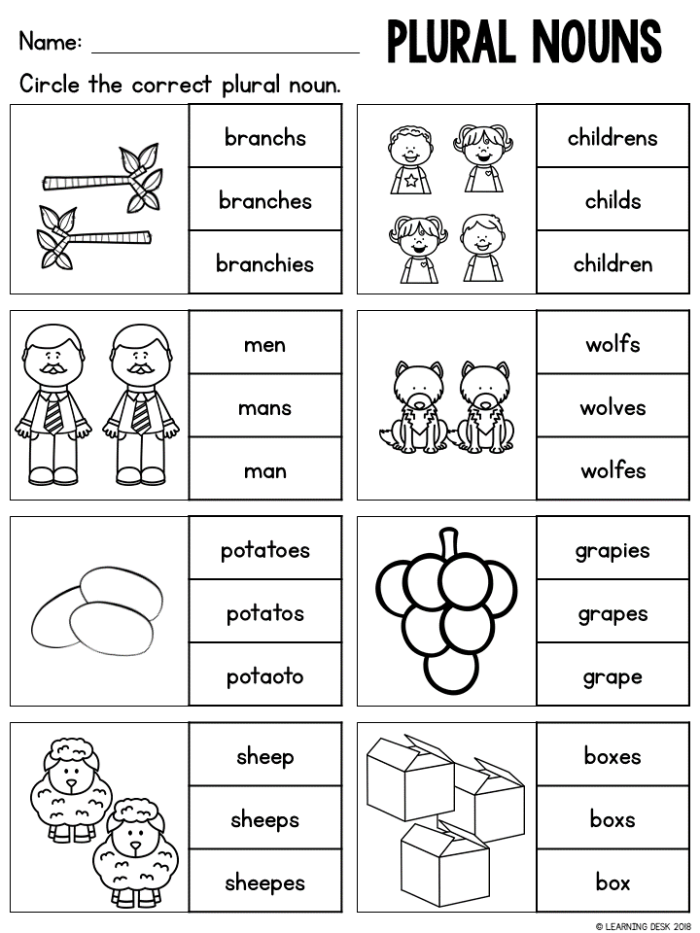
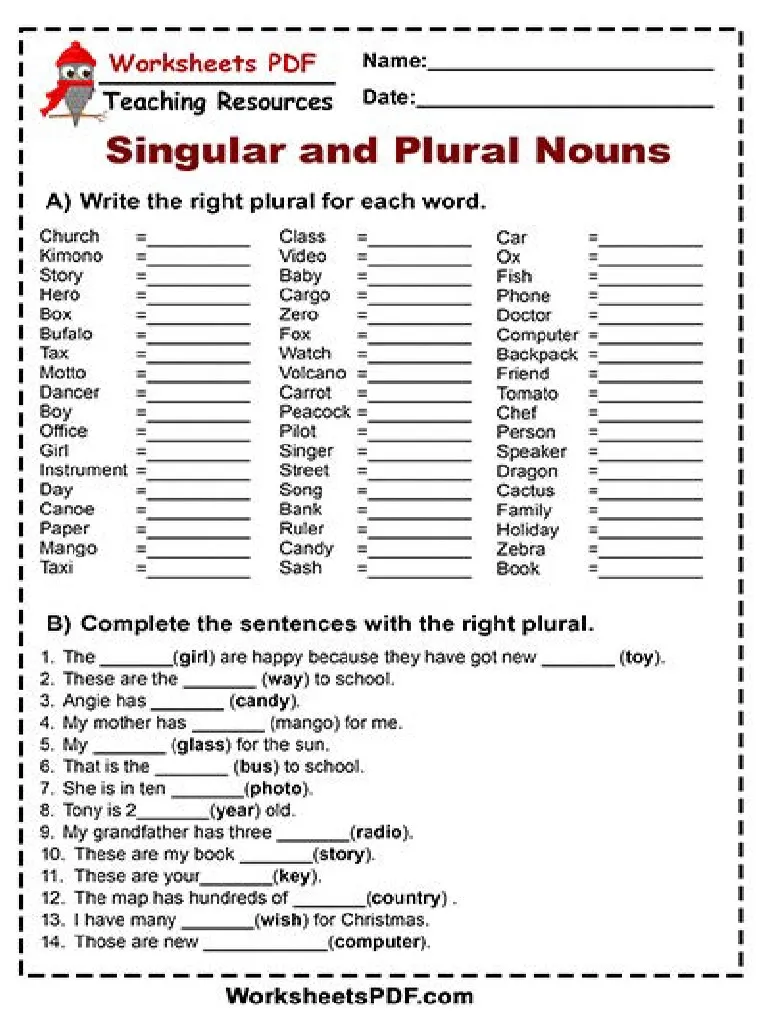
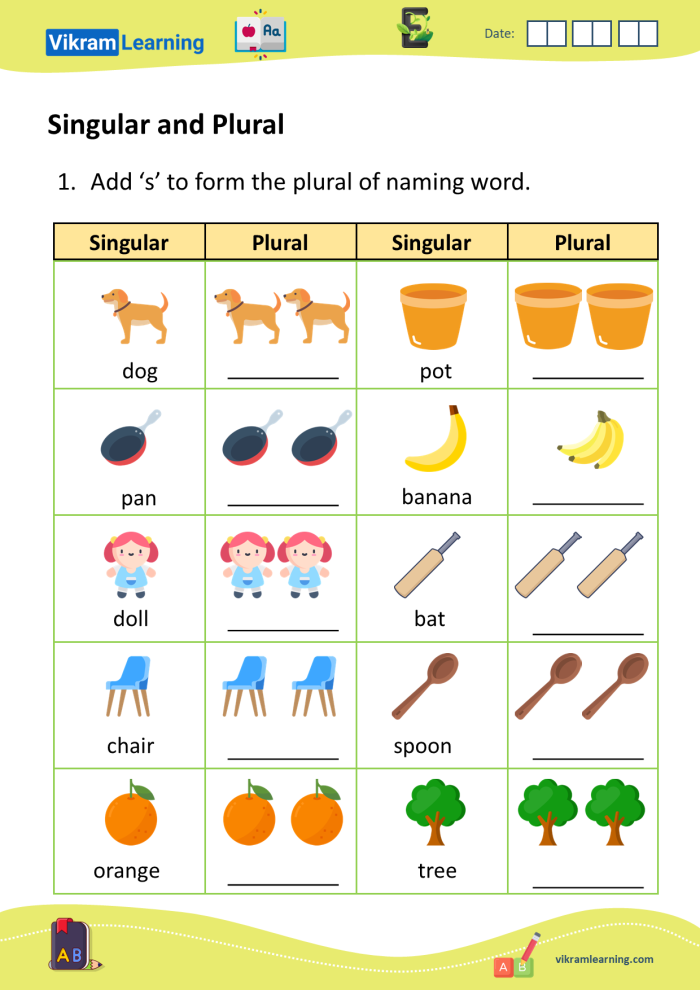
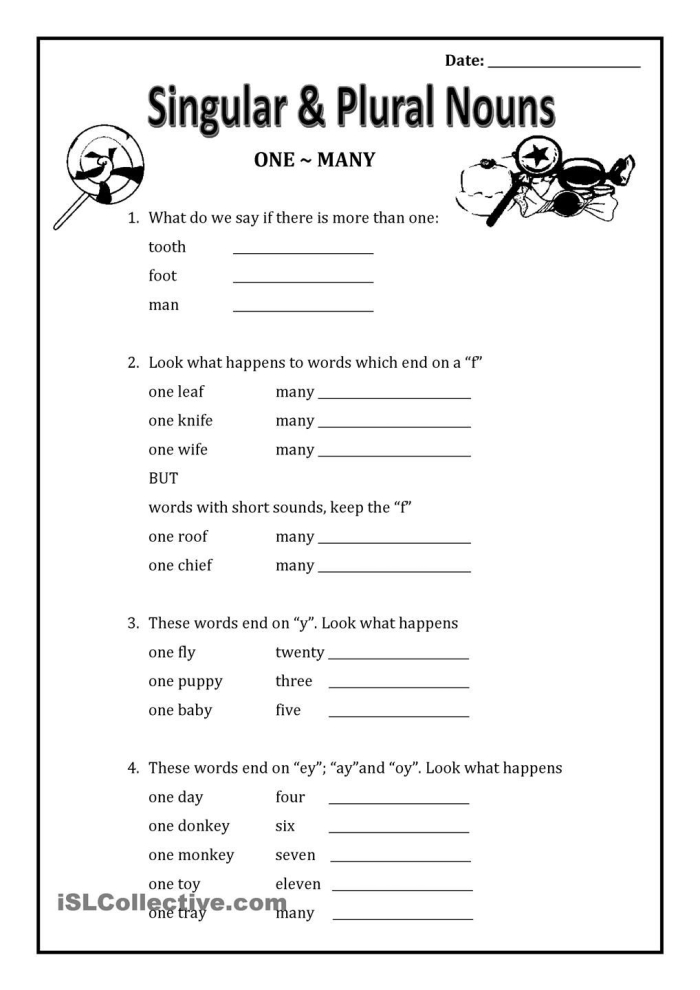
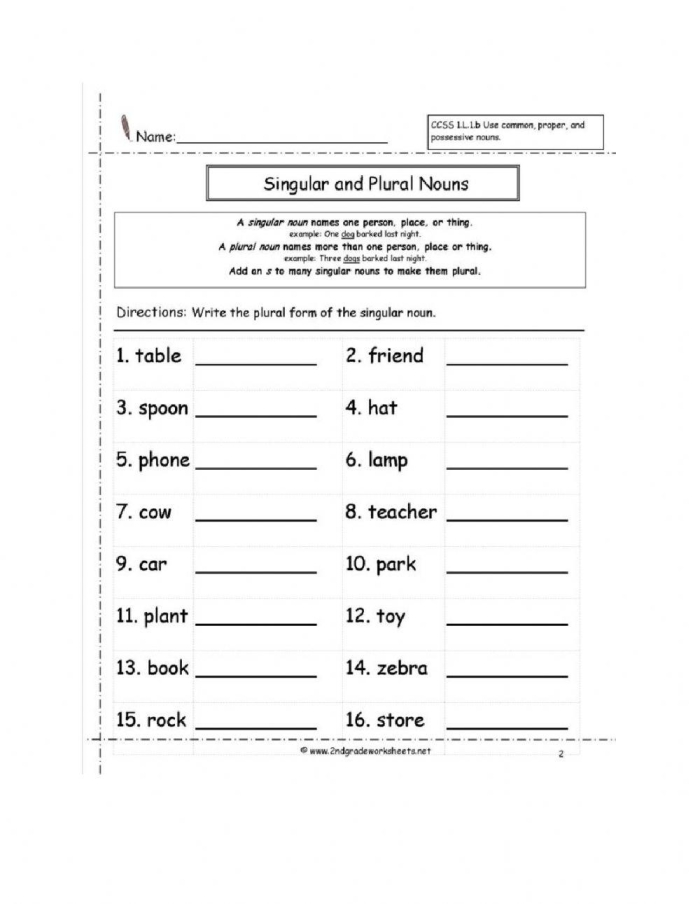
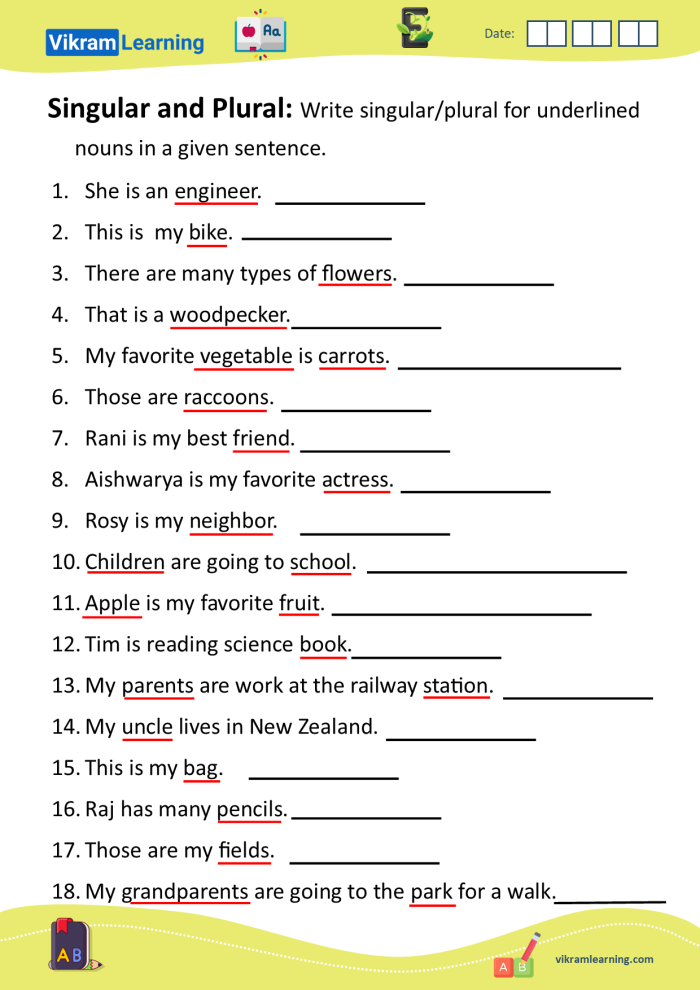
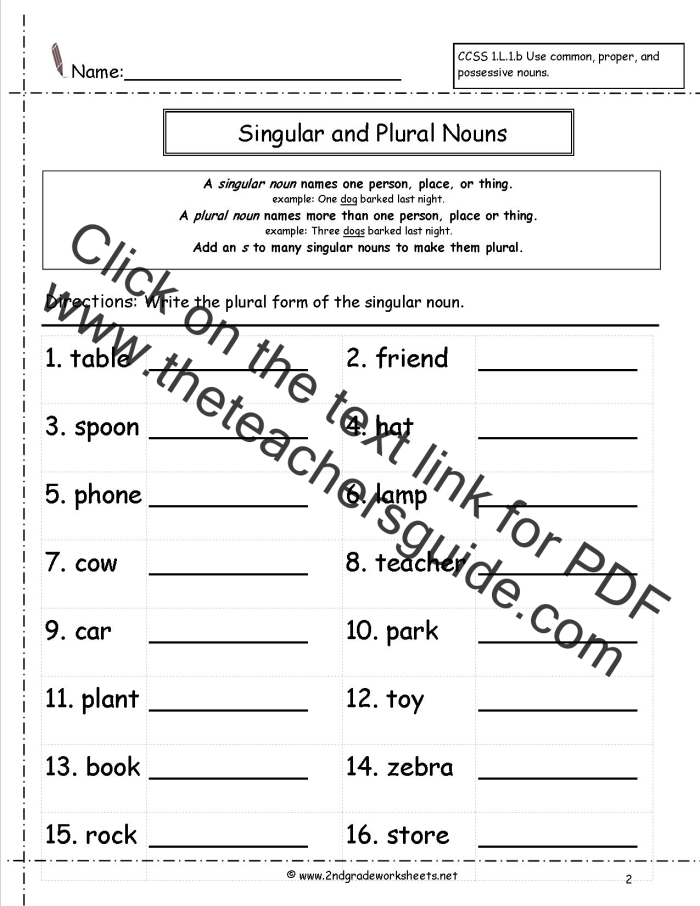
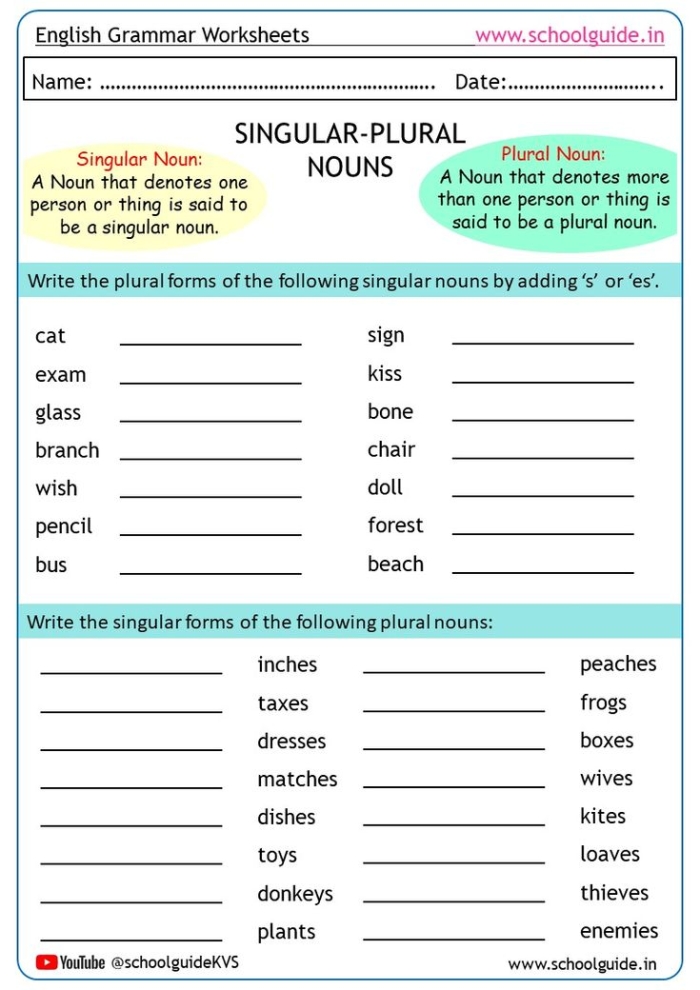
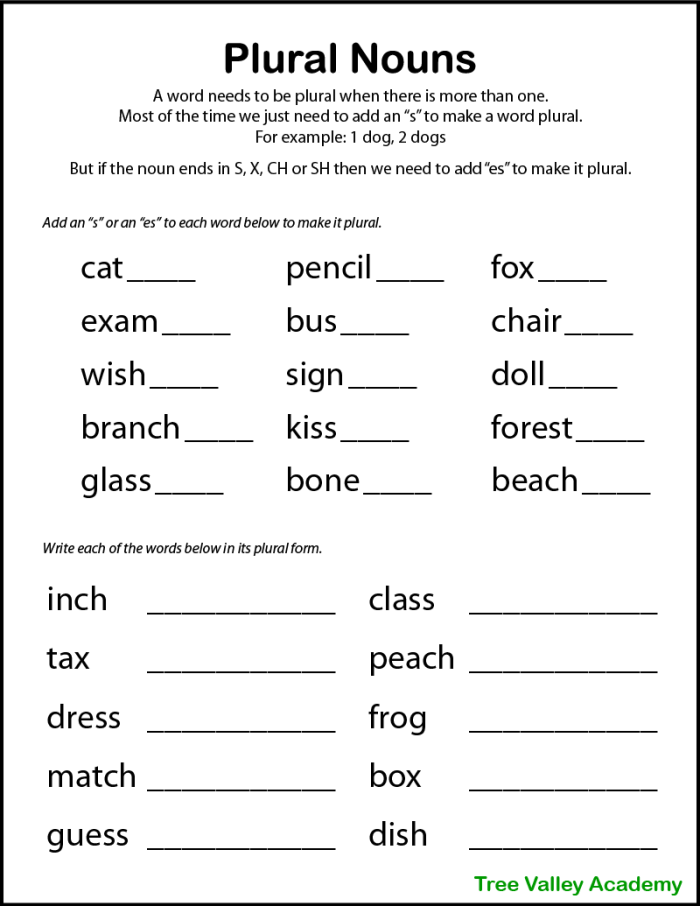
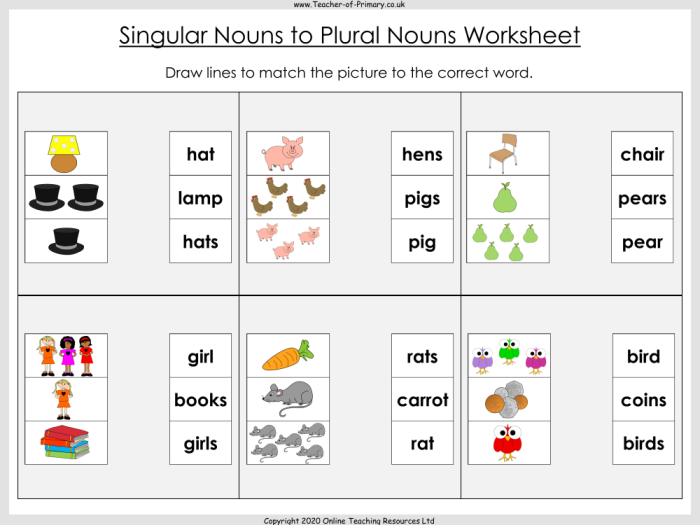
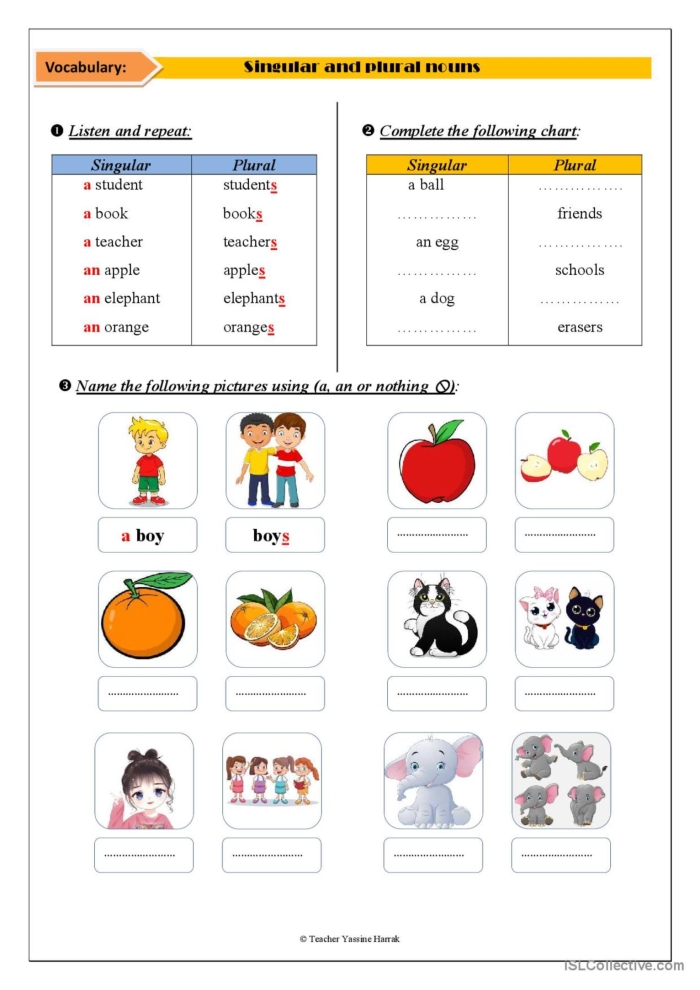
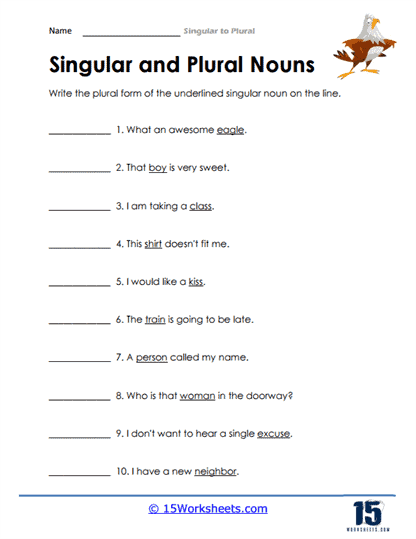
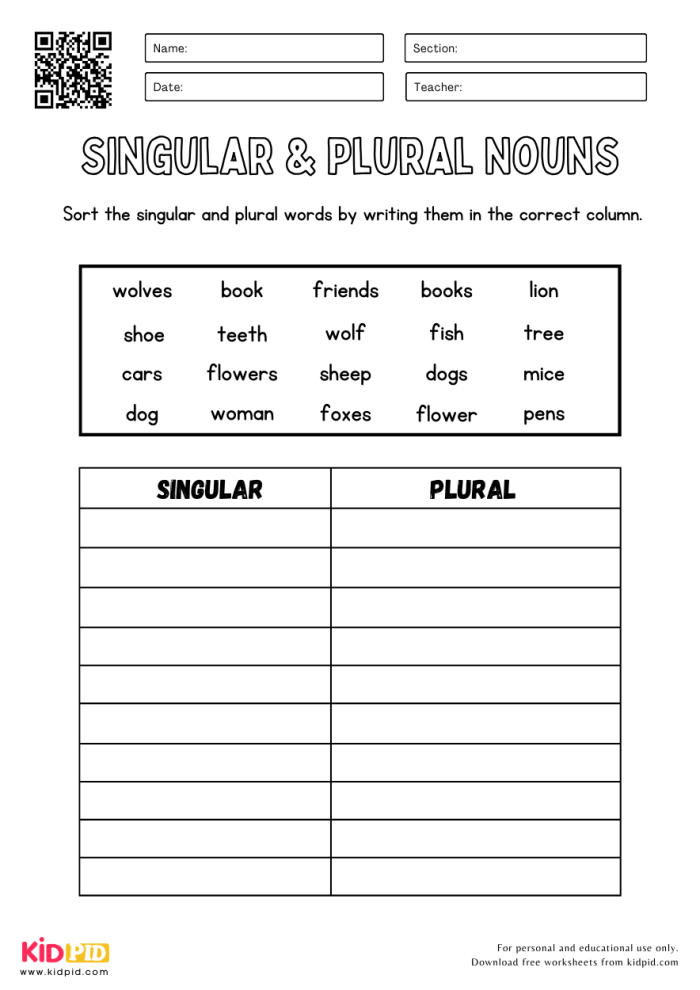
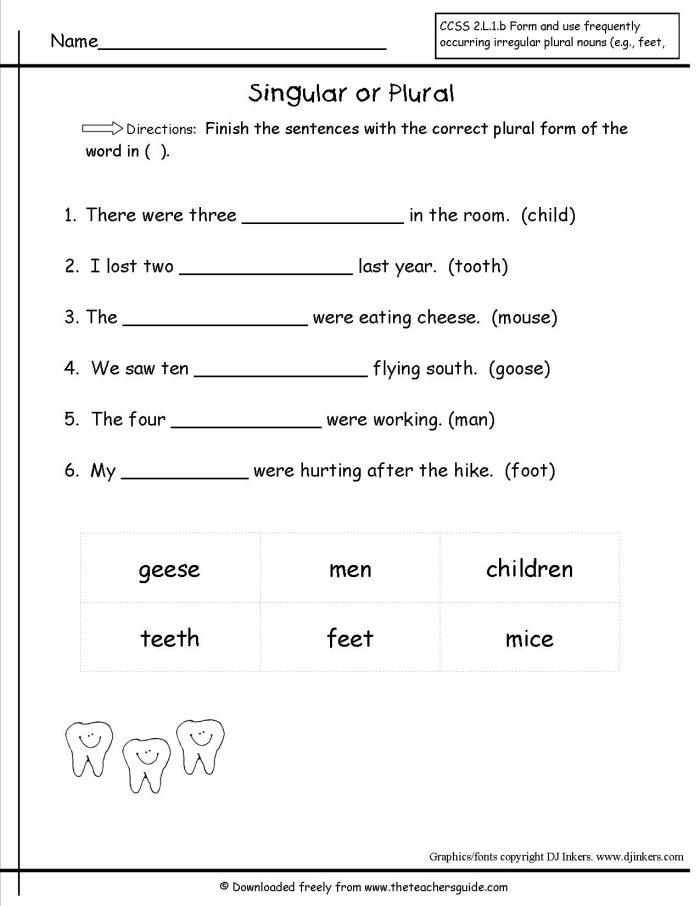
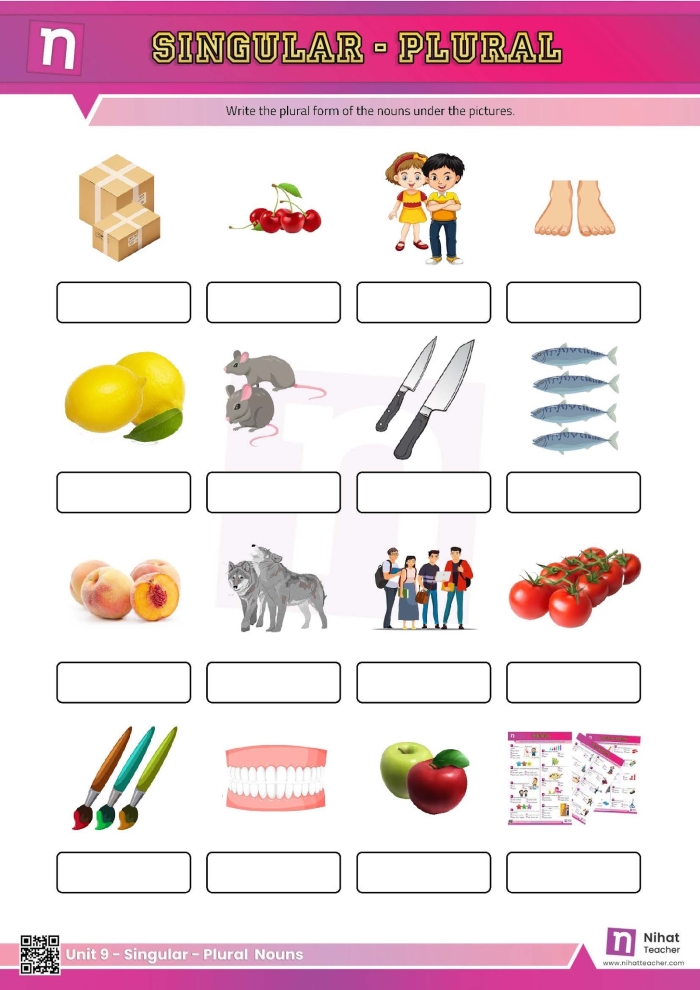
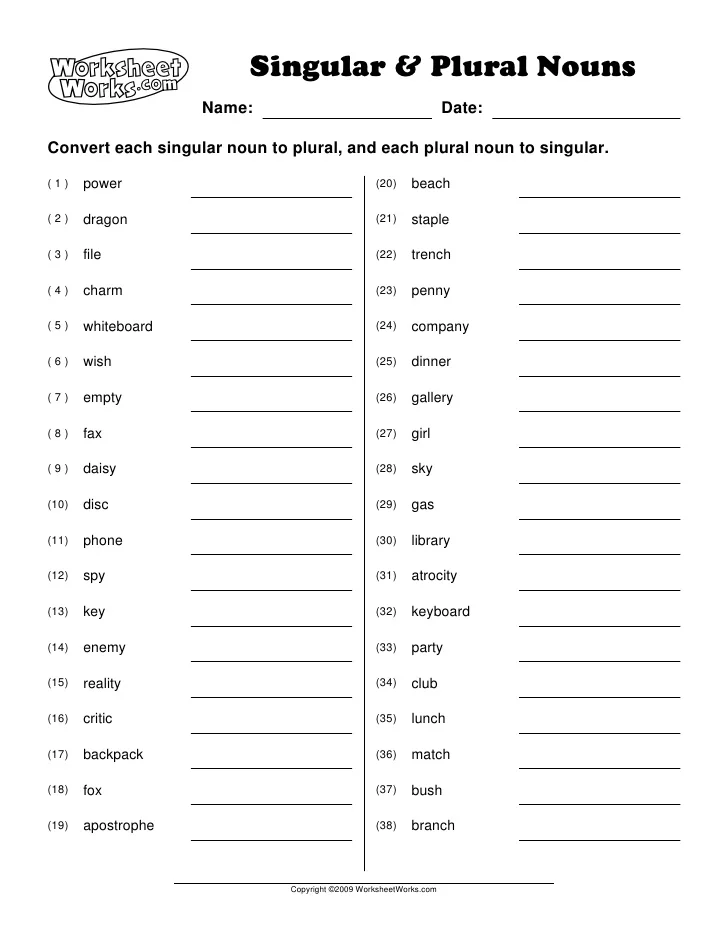
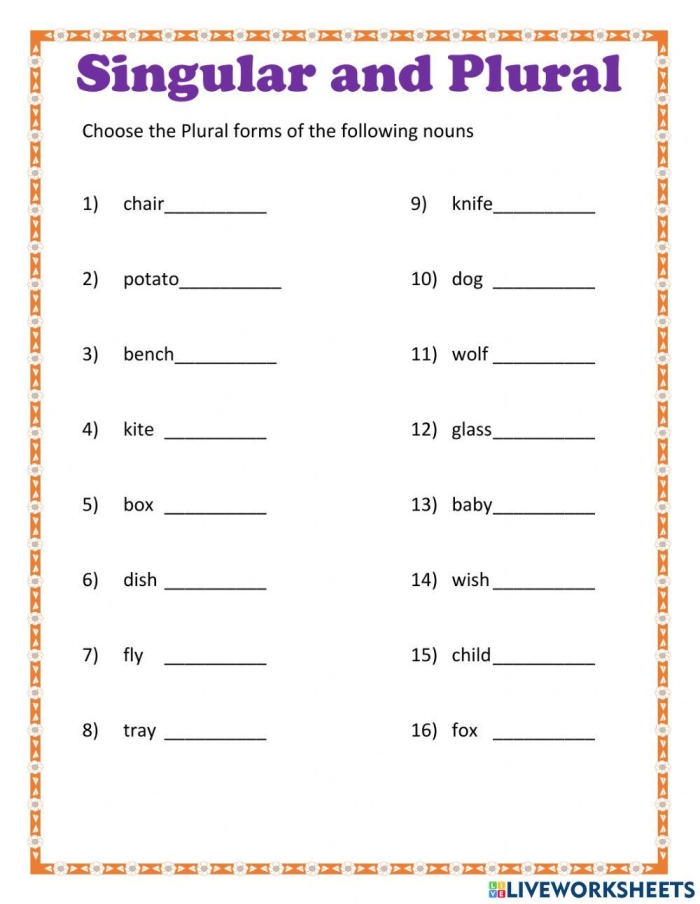
Teaching kids to convert singular nouns into their plural forms is one of those foundational grammar skills that feels simple on the surface but actually opens doors to stronger writing and reading comprehension. The basic rule about adding s or es to make nouns plural is where most second grade learners start their journey with word transformation.
When children first encounter this concept, they’re learning a pattern that applies to the majority of English nouns. A single cat becomes cats, a box becomes boxes, and a dish becomes dishes. This regularity gives kids confidence because they can apply the same logic across hundreds of words. The s ending works for most nouns: dog, dogs; tree, trees; pencil, pencils. The es ending comes into play when nouns end in certain consonant sounds, particularly with words ending in s, x, z, ch, or sh: bus becomes buses, fox becomes foxes, church becomes churches.
Practice activities work best when they’re interactive and relevant to a second grader’s world. Worksheets that ask kids to write plural forms of familiar objects, animals, and classroom items keep engagement high. When practicing these skills, learners benefit from seeing the patterns repeatedly, which is why activities like word problems involving money or word searches about natural resources can reinforce noun usage in context.
The real payoff comes when kids realize they can predict how to pluralize words they’ve never seen before. Once they understand the pattern, reading becomes smoother and writing feels less intimidating. Pairing grammar practice with other second grade skills, like working through two-digit addition and subtraction exercises, creates a well-rounded learning experience that keeps young students engaged across multiple subject areas.
Practice with These Worksheets