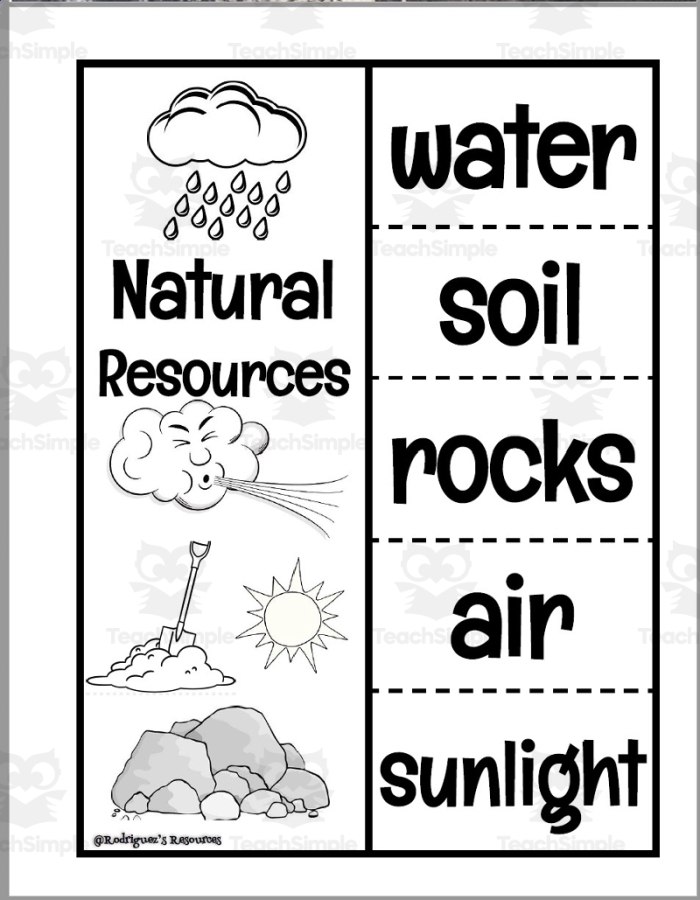
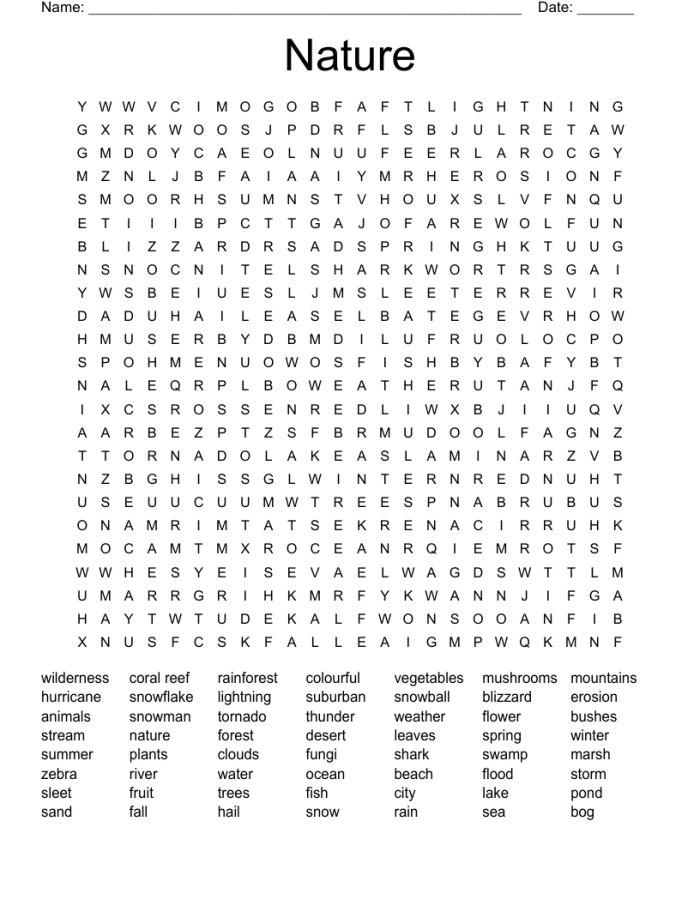
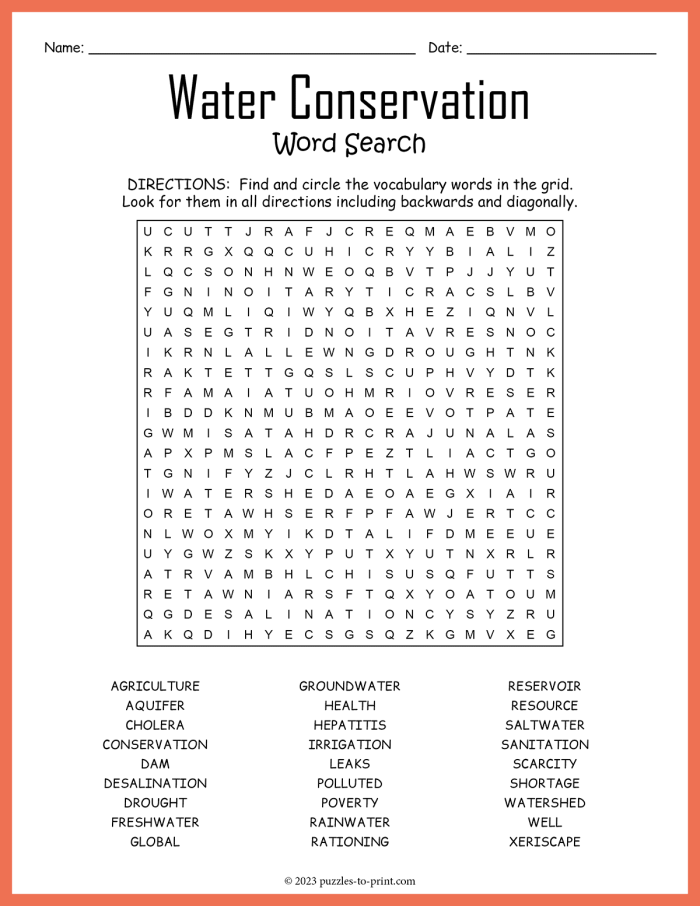
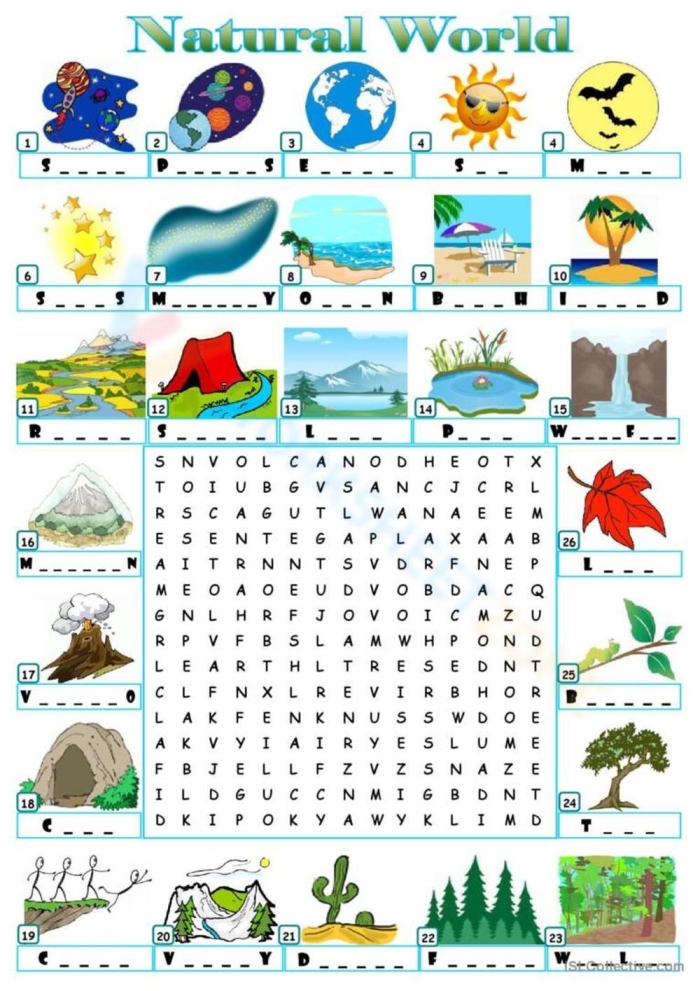
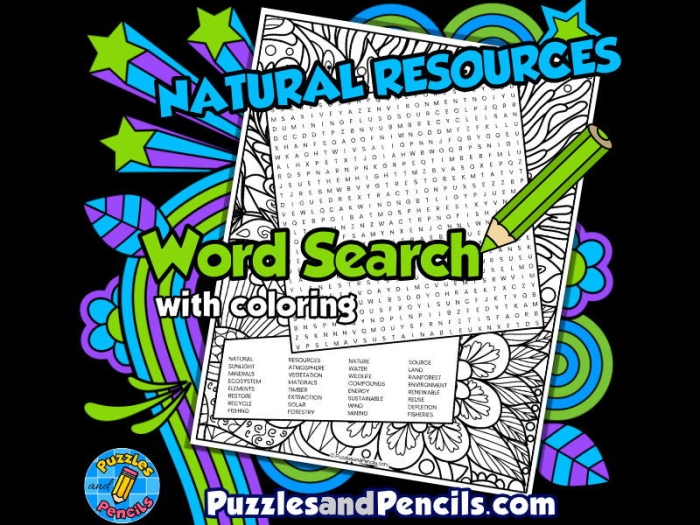
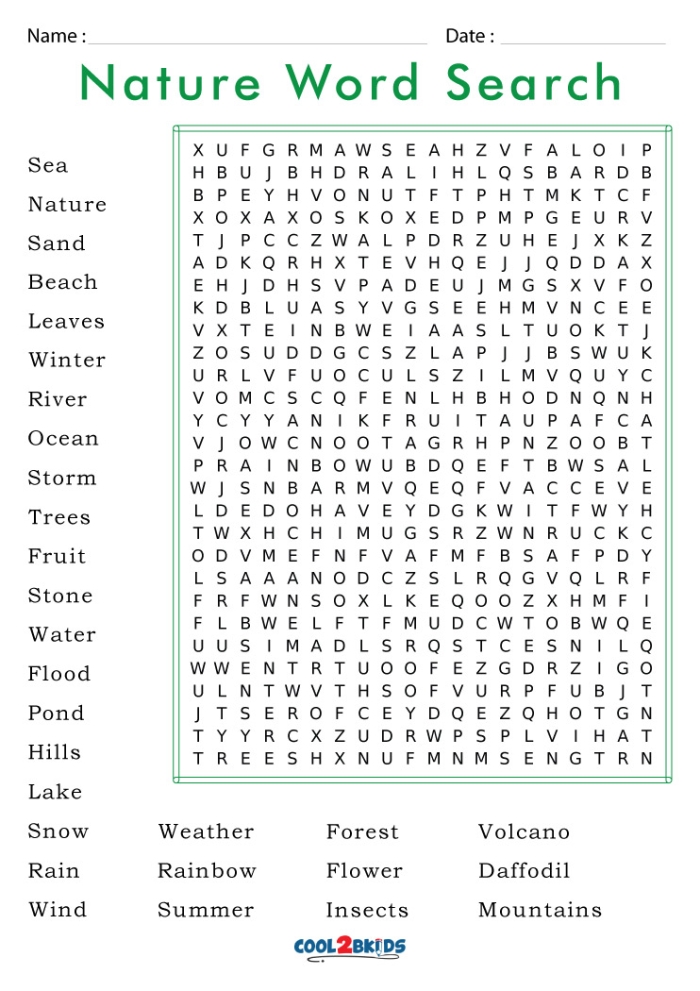
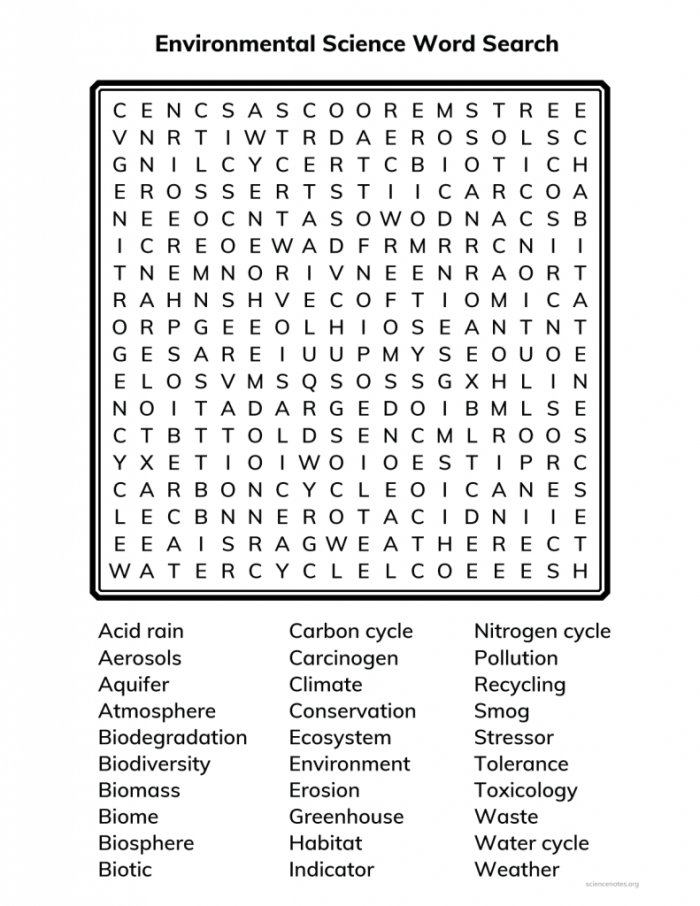
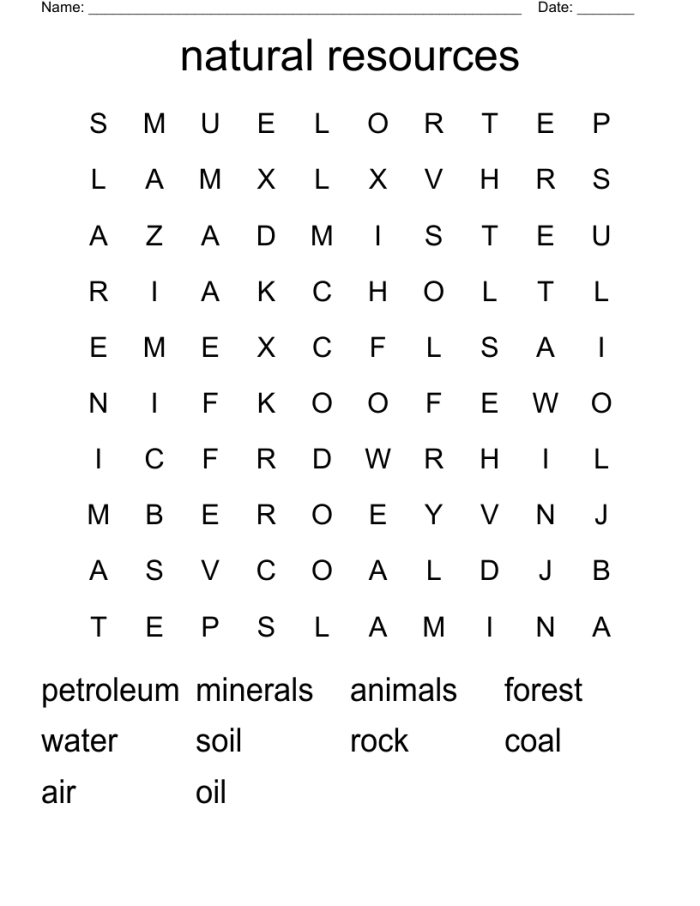
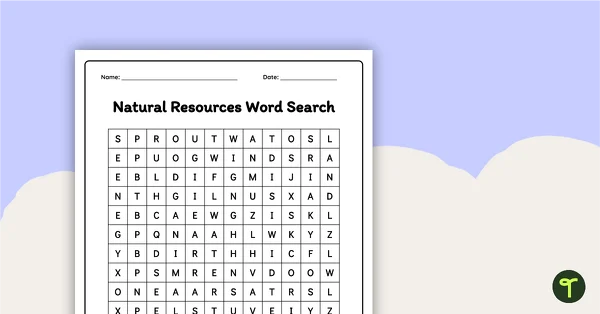
Before diving into a word search puzzle, it helps to know exactly what you’re looking for. Natural resources are materials and substances that occur in nature and are useful to humans. These include water, soil, forests, minerals, fossil fuels, and wildlife. The key characteristic is that humans don’t create them, we simply extract or use them from the environment. Understanding this definition gives real meaning to the words you’ll encounter in a natural resources word search, rather than just circling letters randomly.
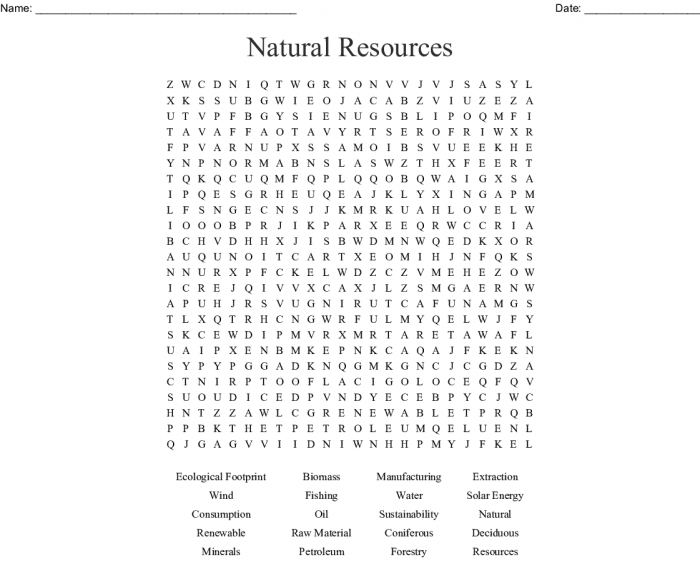
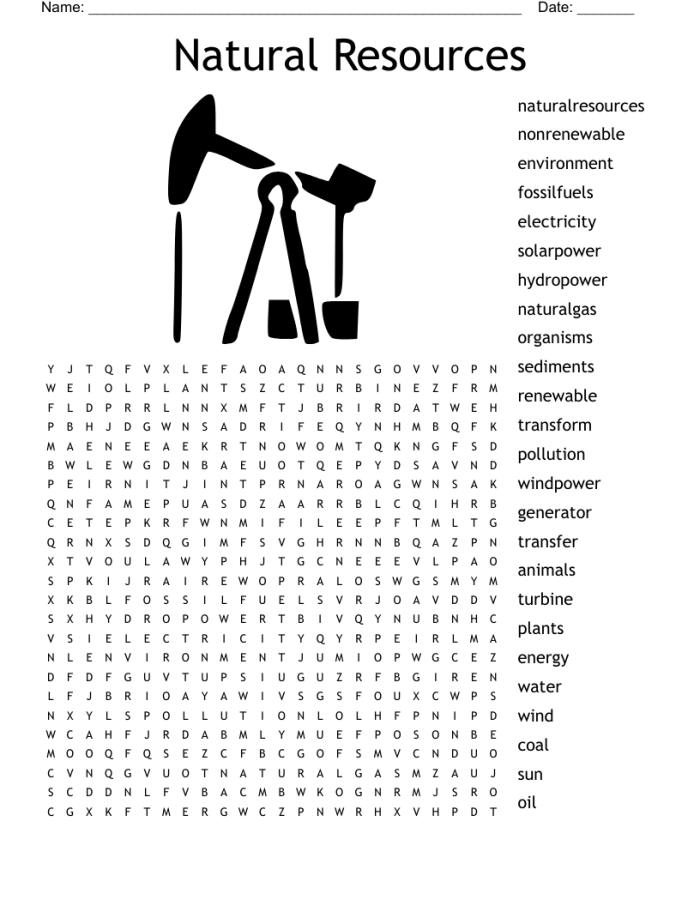
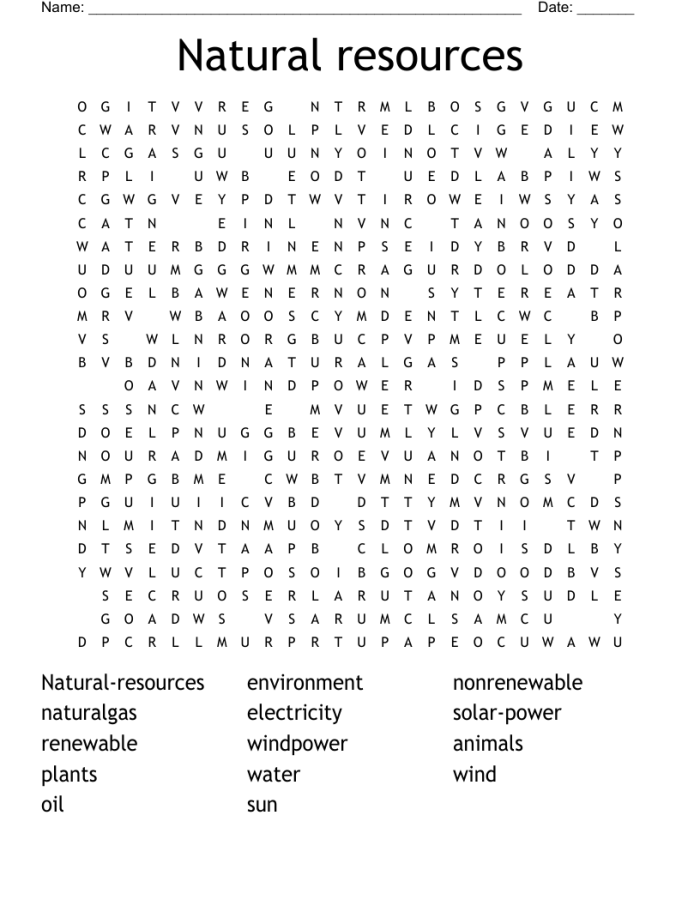
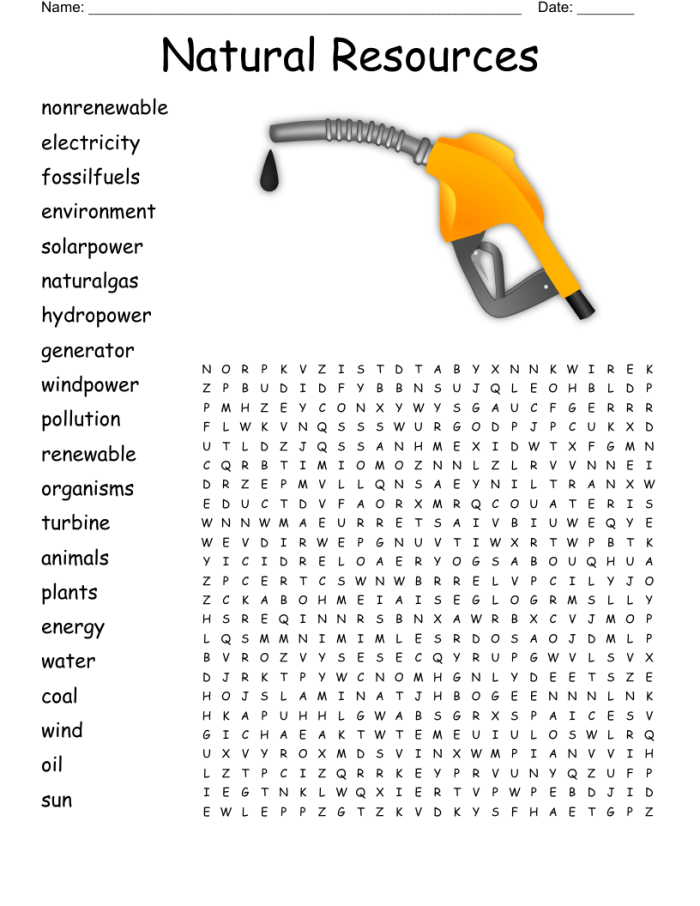
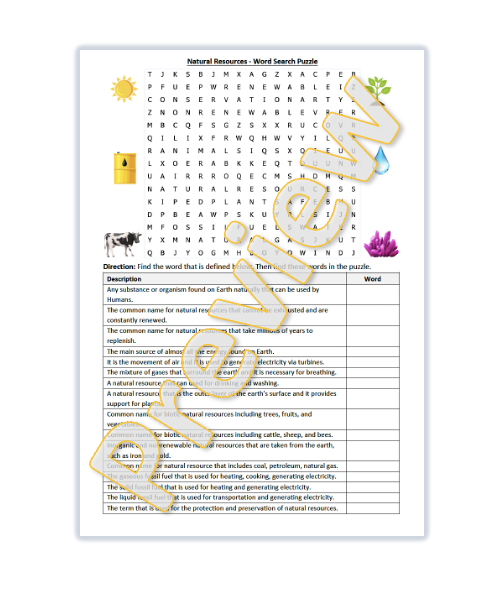
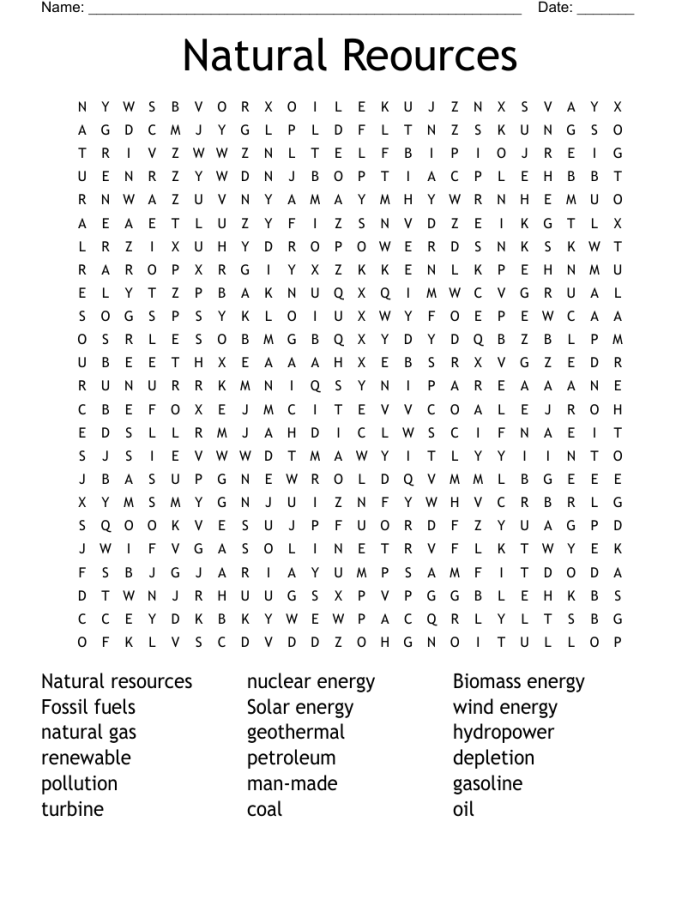
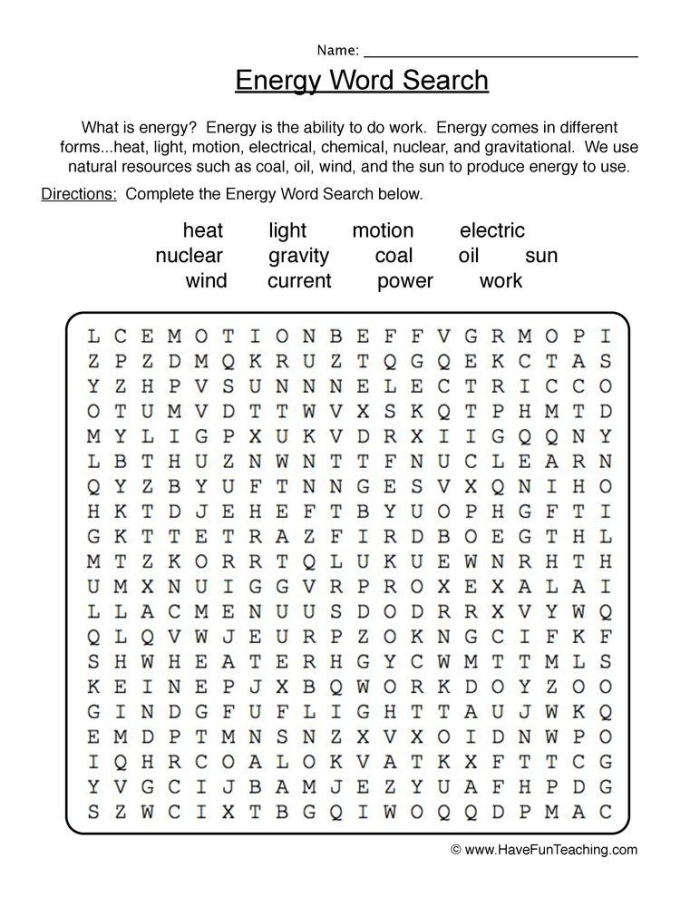
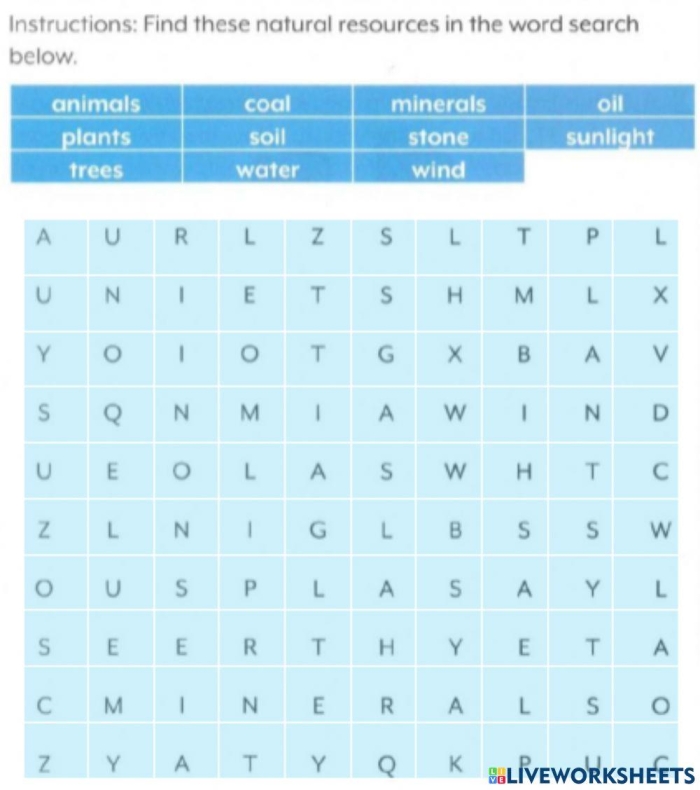
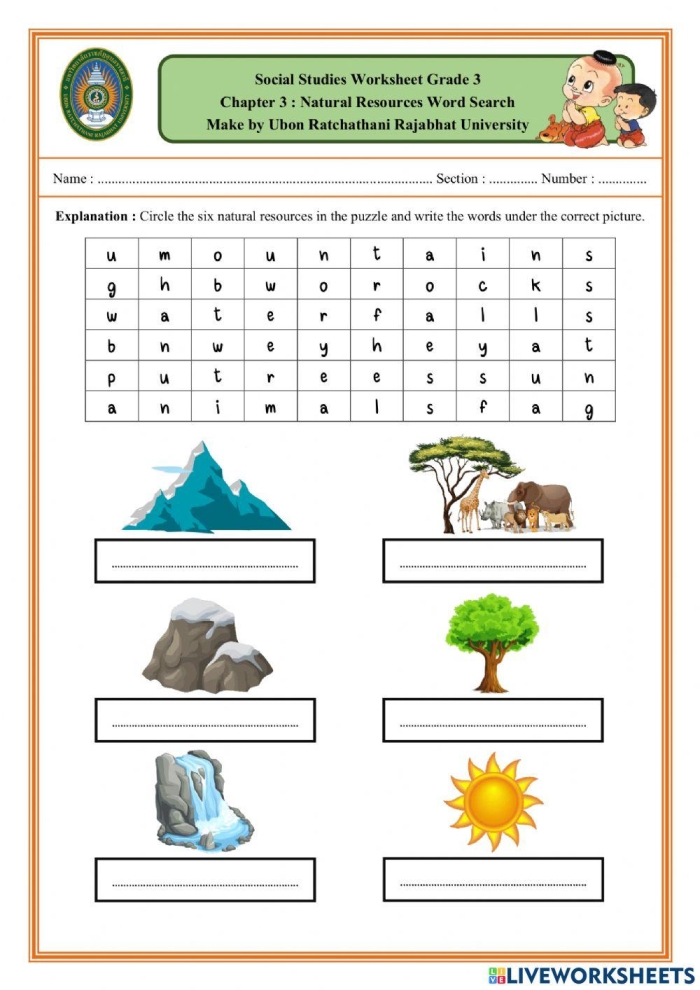
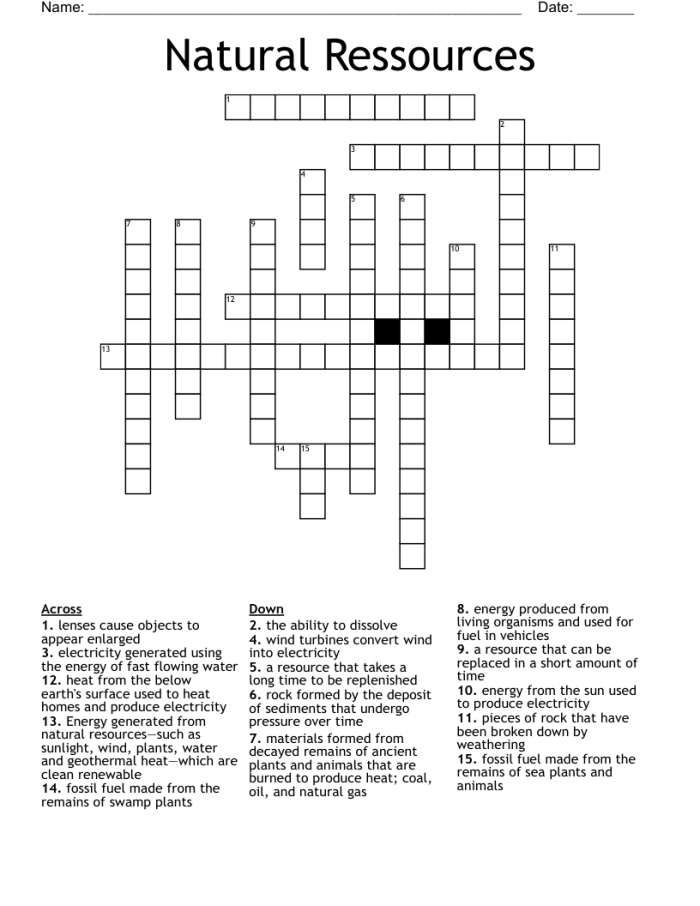
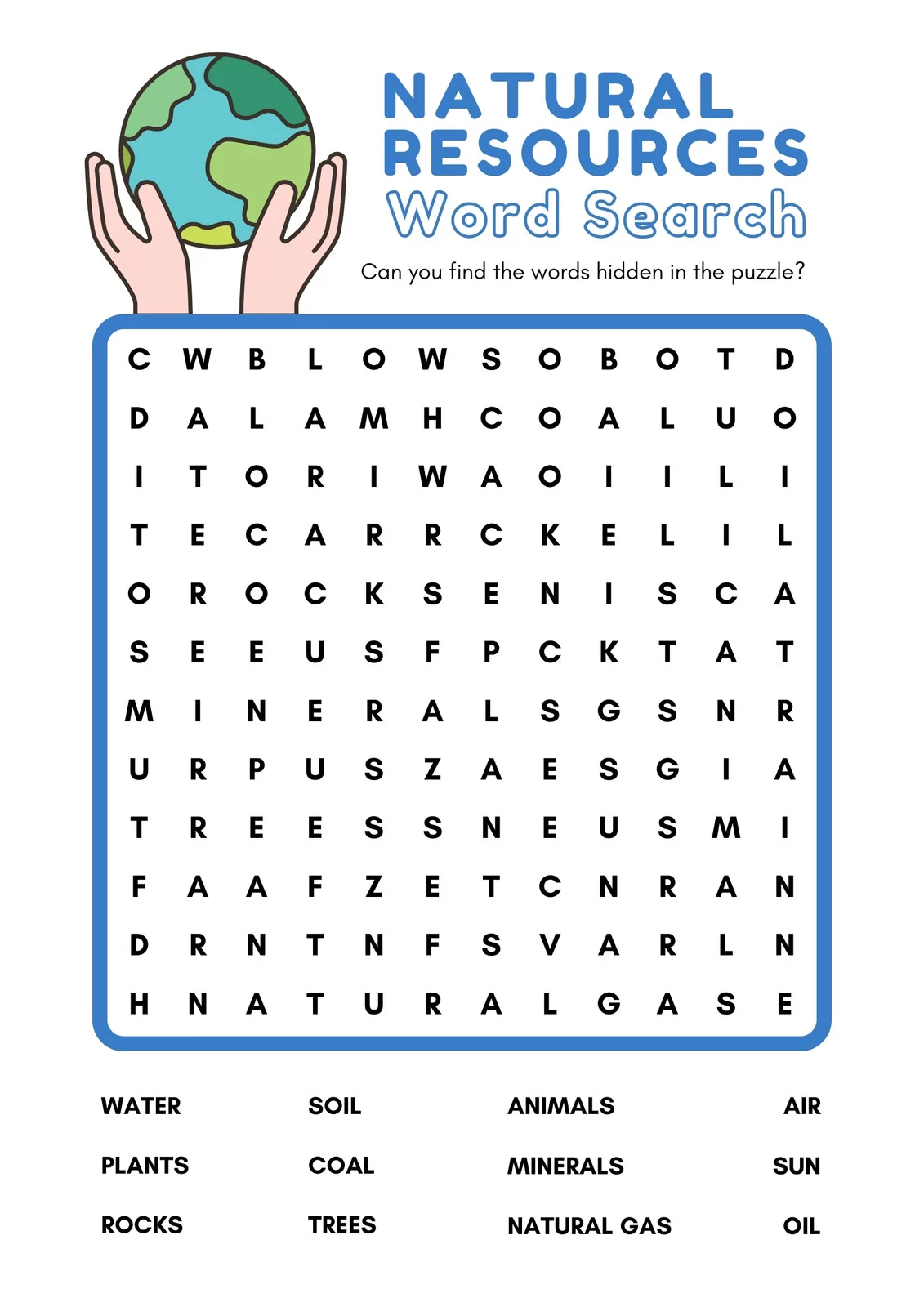
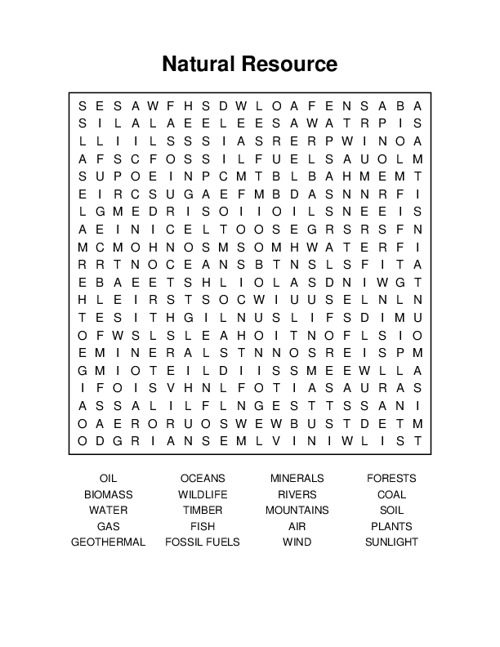
A natural resources word search serves as an effective vocabulary warm-up, especially for second grade learners building their environmental awareness. When students search for words like “forest,” “water,” “coal,” and “oil,” they’re reinforcing their understanding of how humans depend on Earth’s materials. This type of activity works well alongside other learning approaches. For instance, pairing it with word problems about addition in community and culture helps students see how natural resources connect to everyday life and decision-making.
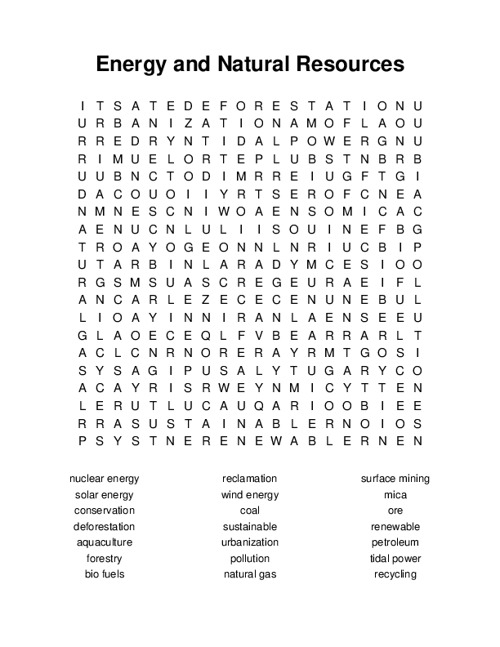
The beauty of word search puzzles is that they combine learning with a game-like format. Students scan horizontally, vertically, and diagonally for hidden words, which keeps their brains engaged while reinforcing vocabulary. This approach works particularly well for second grade students who are still developing reading fluency and attention span. The visual search element makes it less intimidating than reading a textbook definition.
To get the most from this activity, start by discussing what natural resources are with your students. Ask them what they ate for breakfast (food from plants or animals), what they wore (cotton or wool from nature), and what keeps their homes warm (gas, electricity from coal or water). Then have them complete the word search. You might also explore paragraph writing worksheets afterward, where students can write sentences about their favorite natural resource and why it matters.
This combination of definition, vocabulary work, and creative follow-up creates a well-rounded learning experience that sticks with young learners.
Start Practicing with These Worksheets