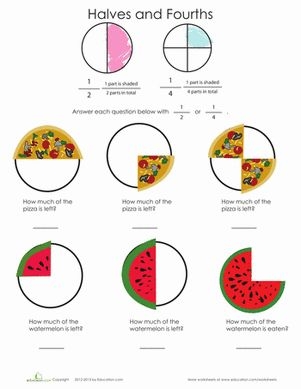
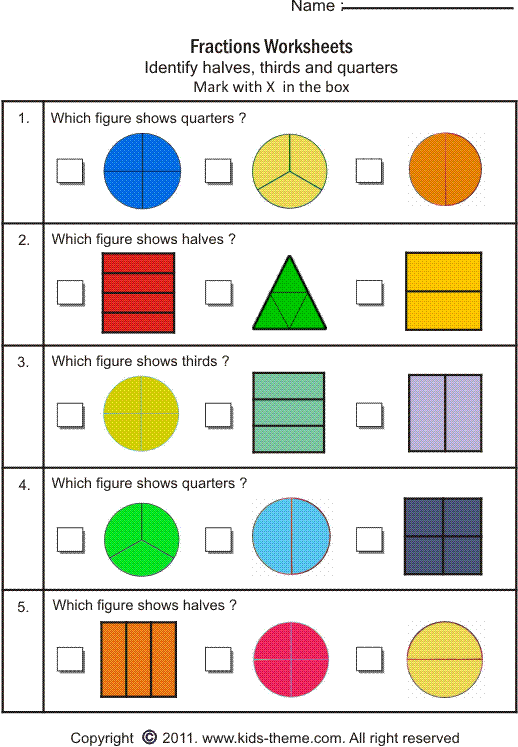
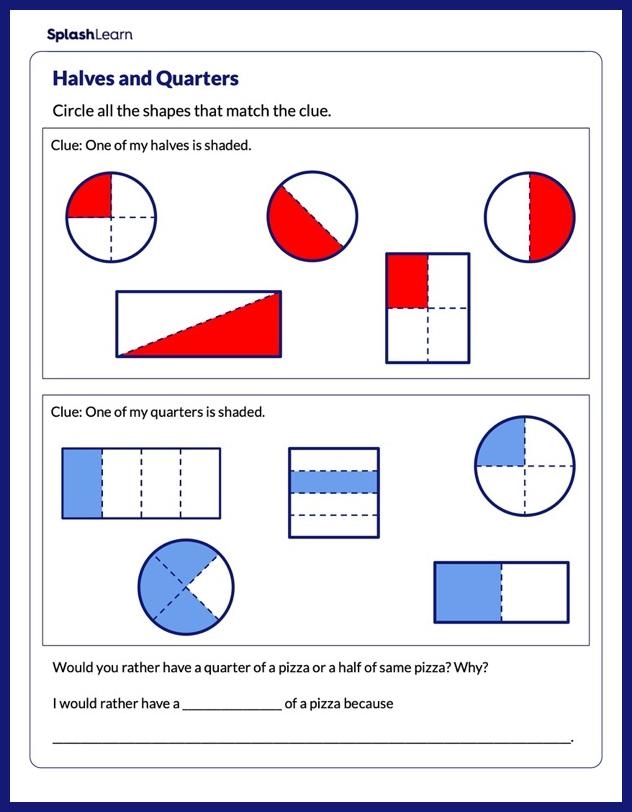
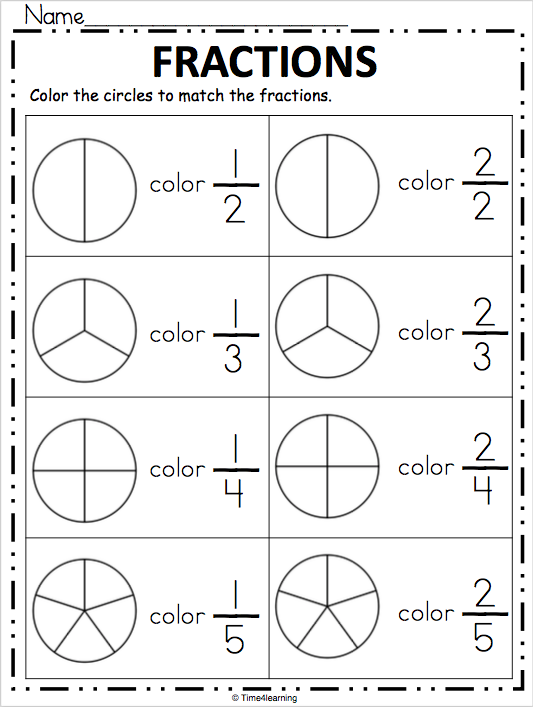
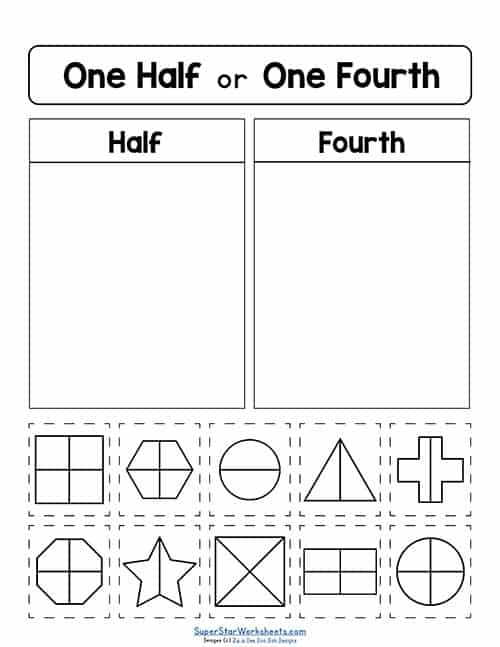
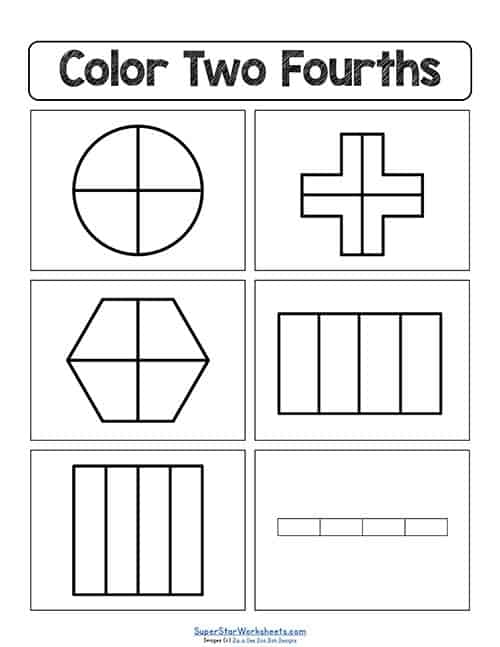
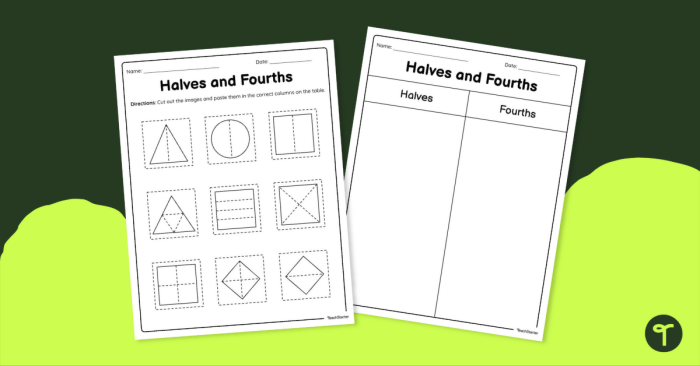
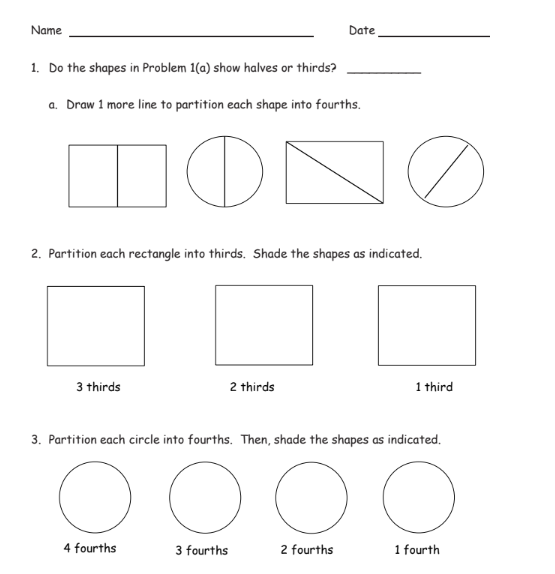
Kids learn fractions best when food is involved. A foodie fractions worksheet gives first grade students a concrete way to understand halves and fourths by working with familiar items like pizza, apples, and sandwiches that they actually eat.
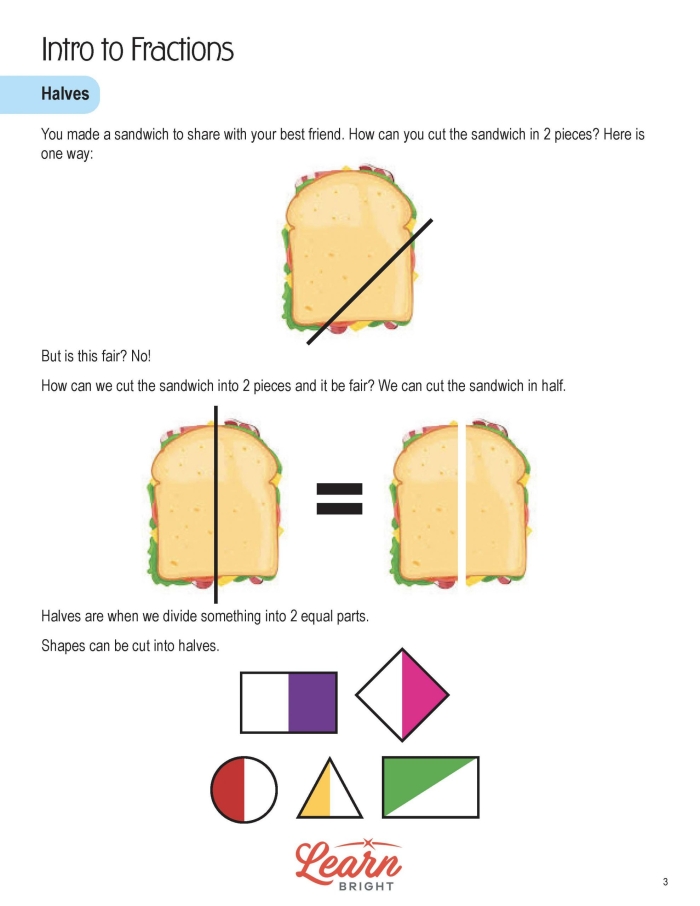
When you ask a six-year-old to split a pizza in half, they immediately grasp what you mean. They can visualize one slice for them and one slice for a friend. Fourths feel natural too once they see how a sandwich gets cut into four equal pieces at lunch. This connection between math and real life makes the abstract concept of fractions suddenly tangible.
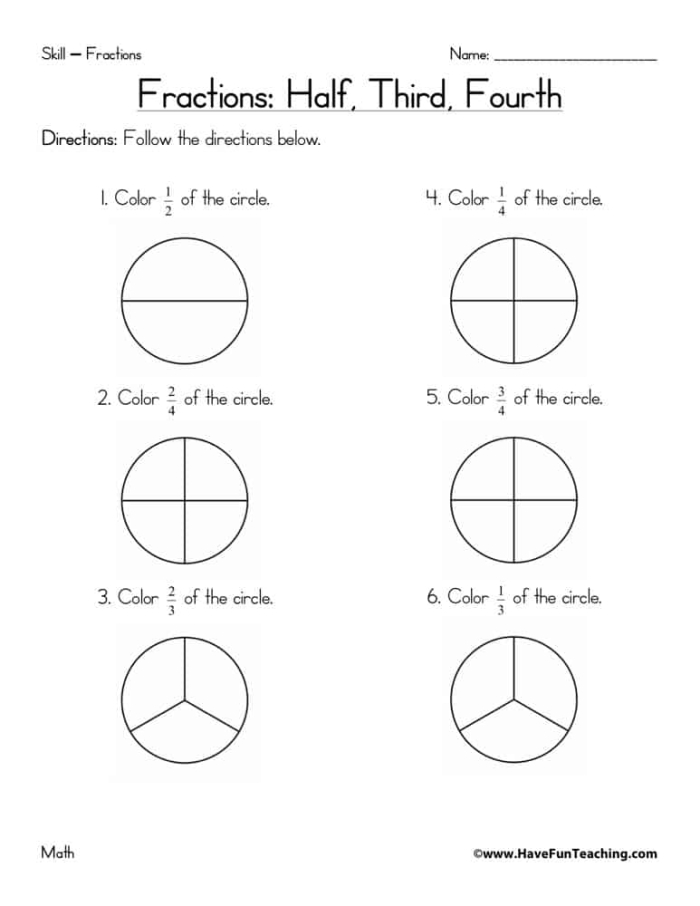
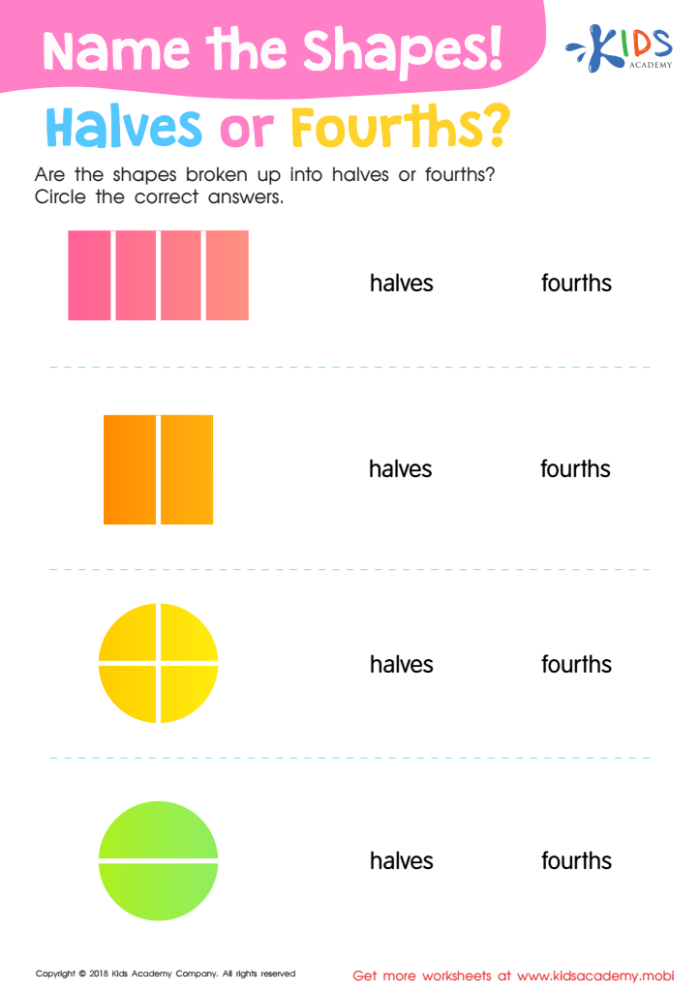
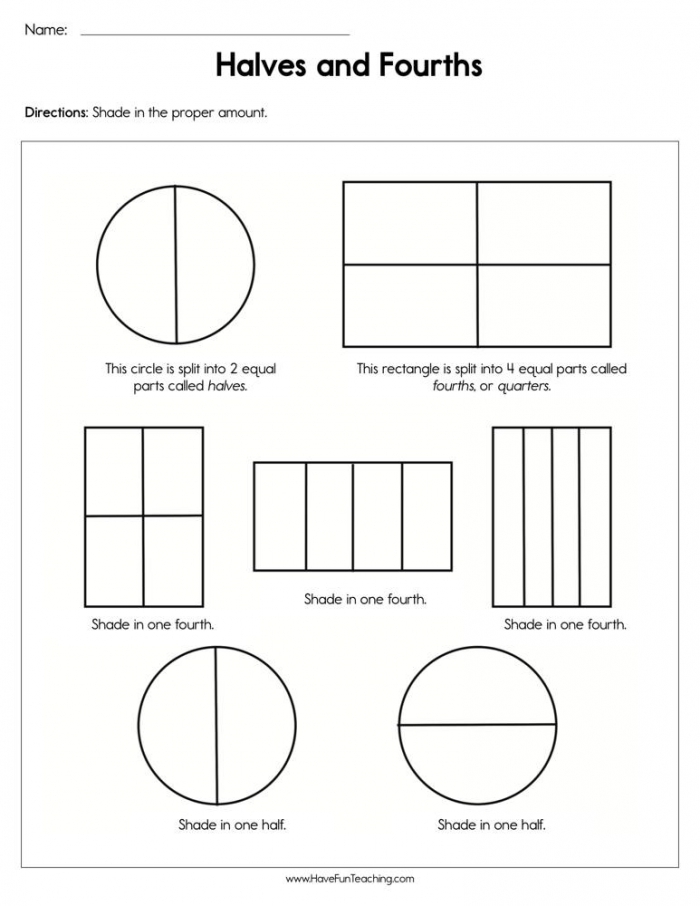
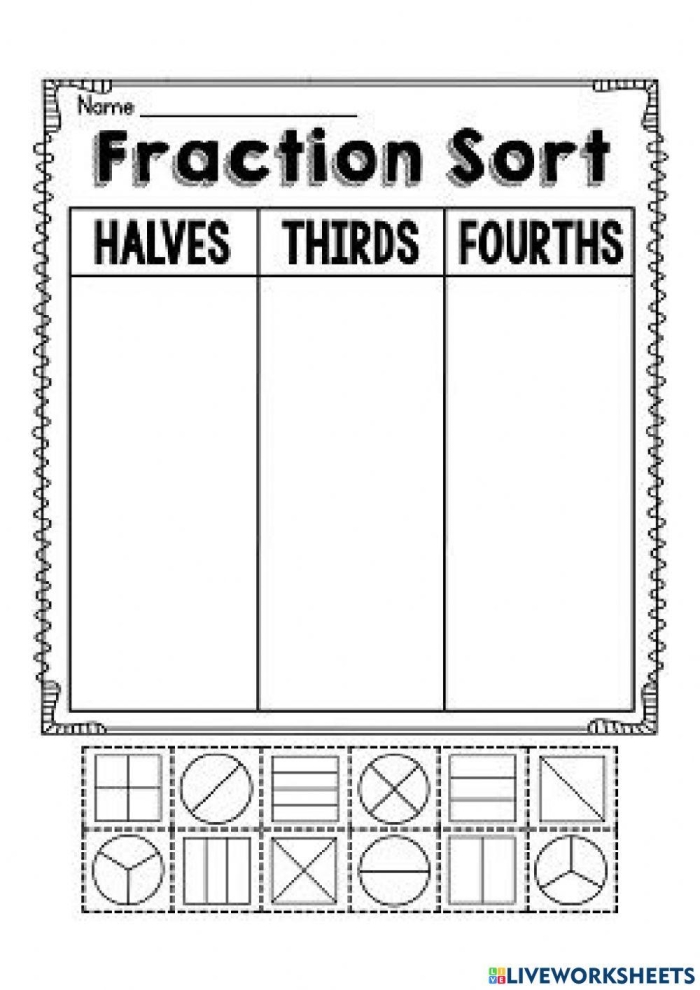
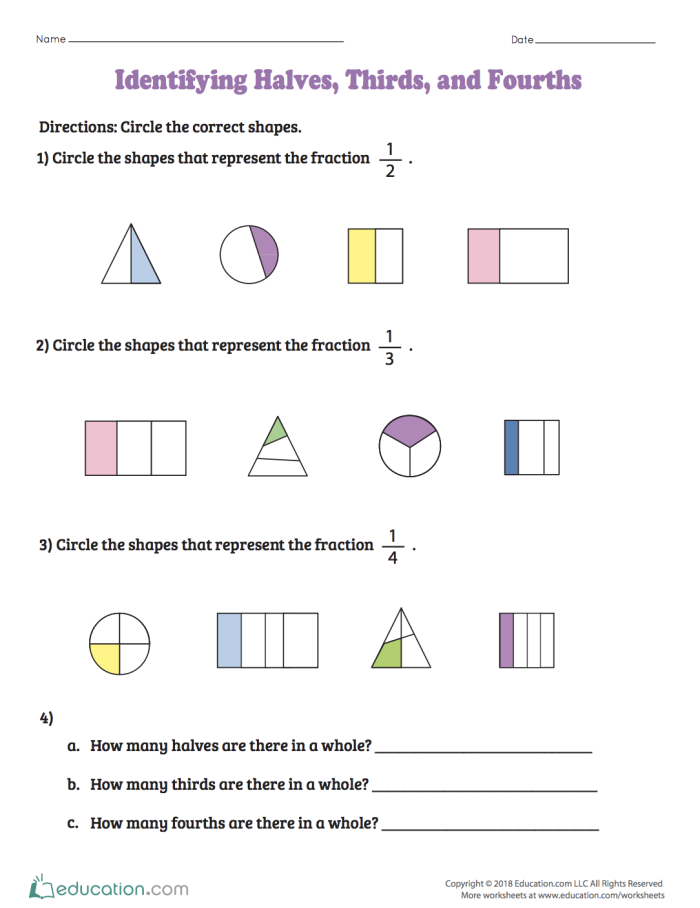
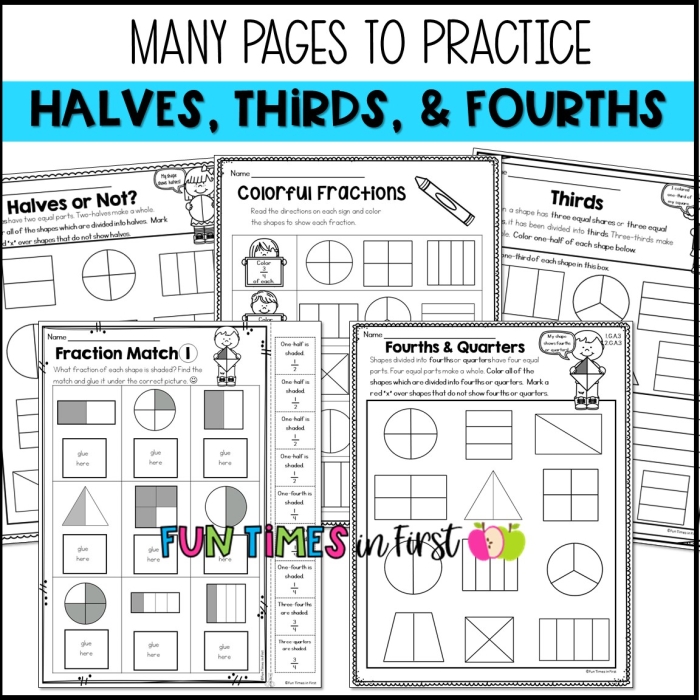
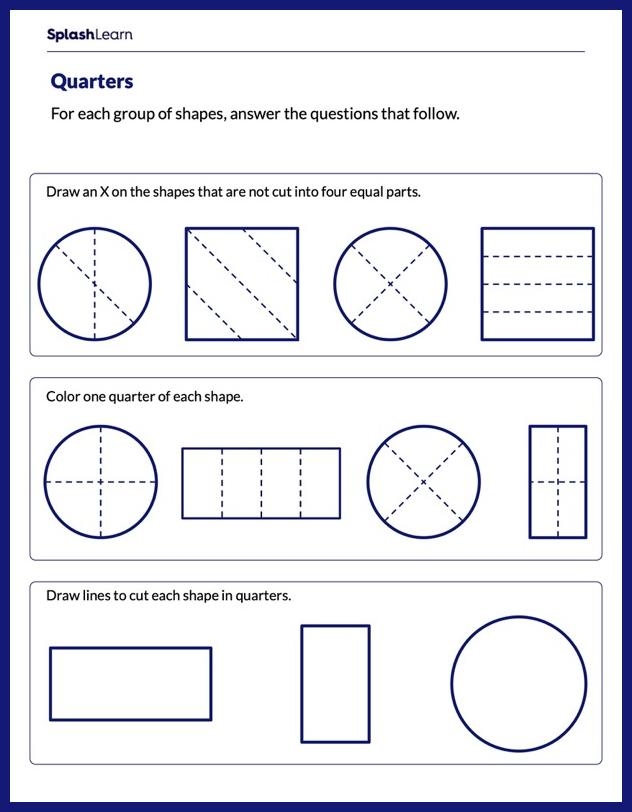
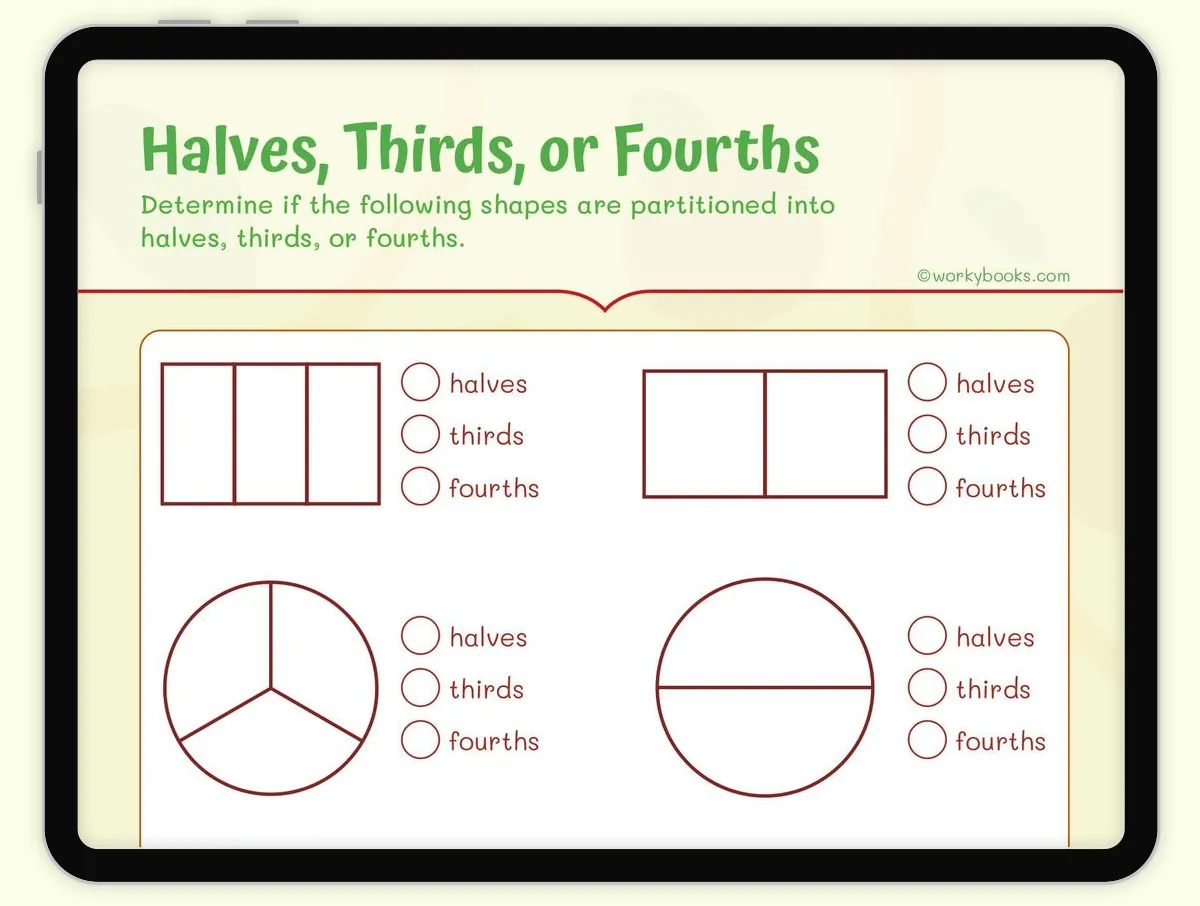
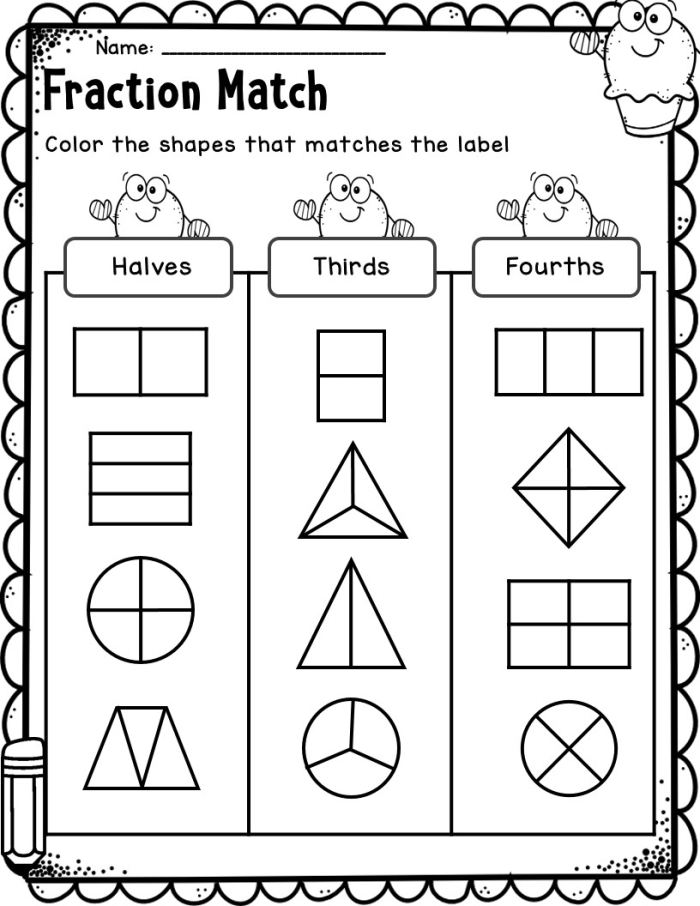
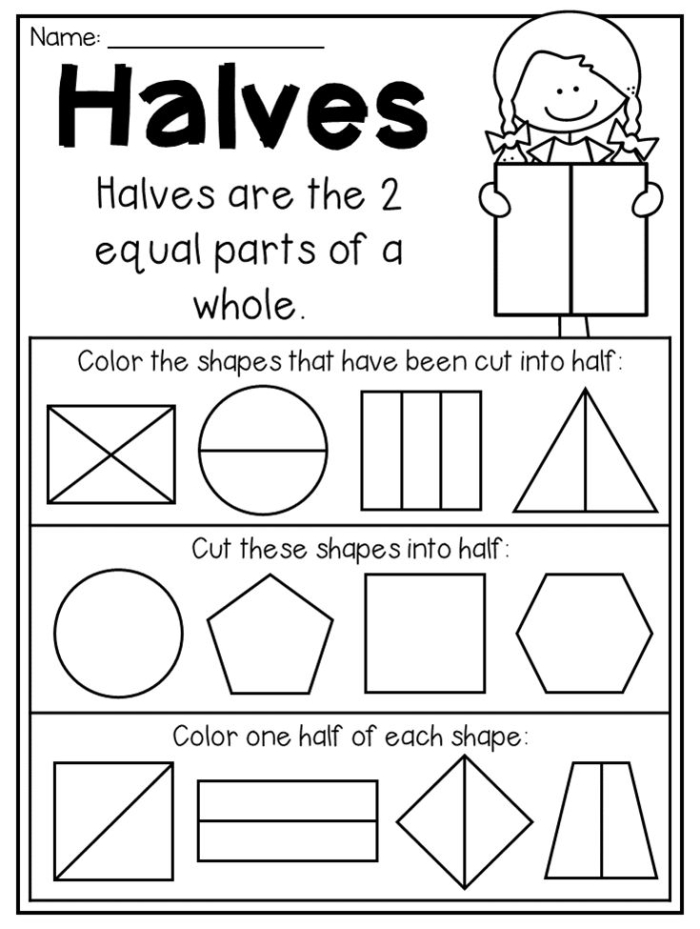
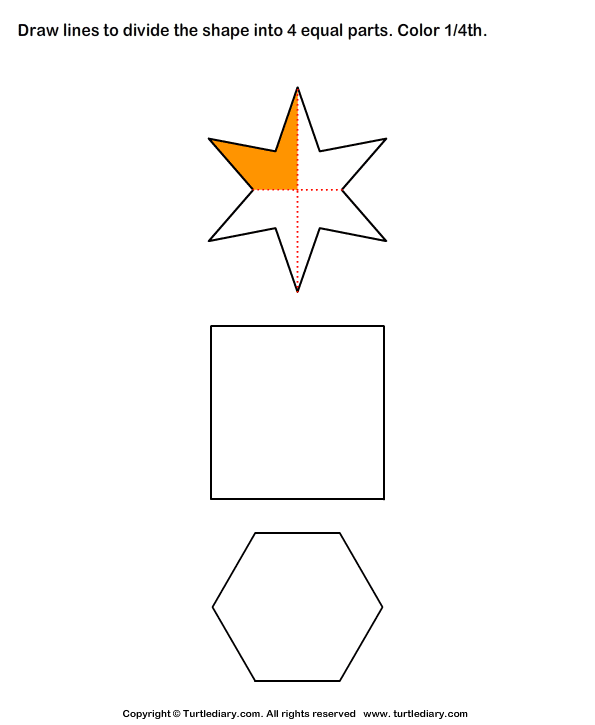
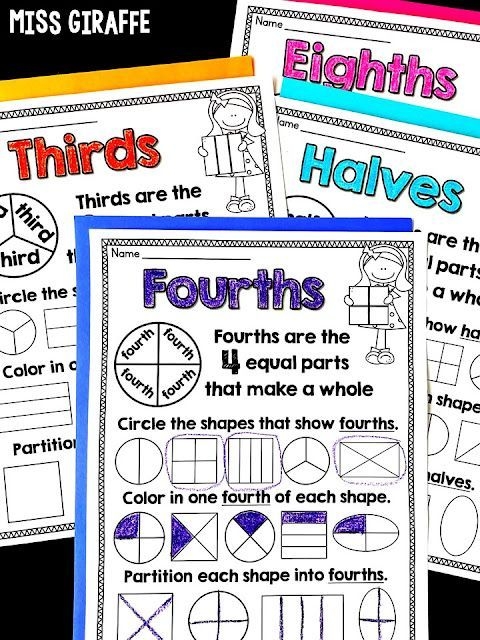
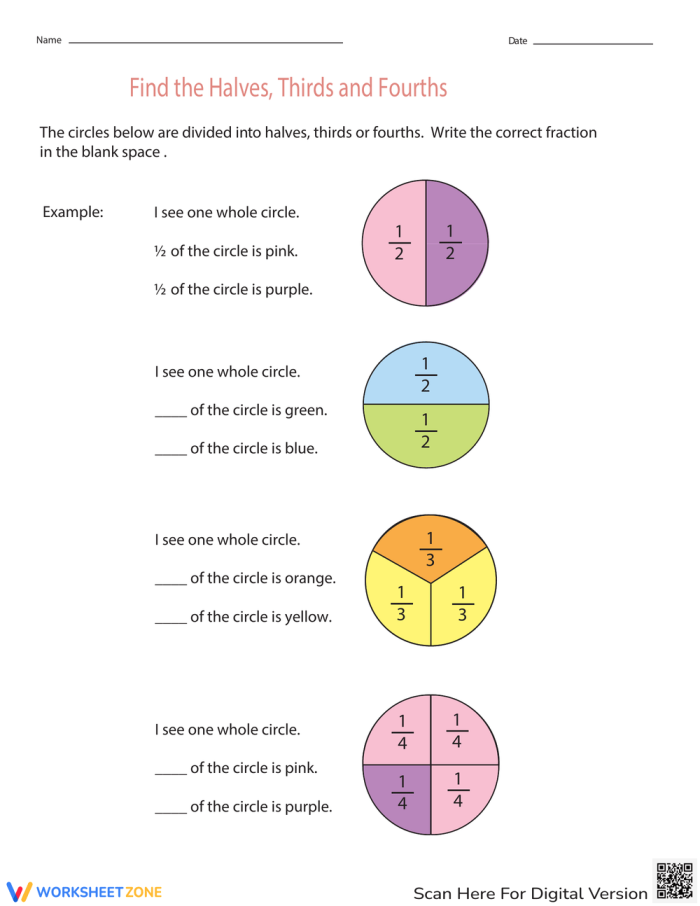
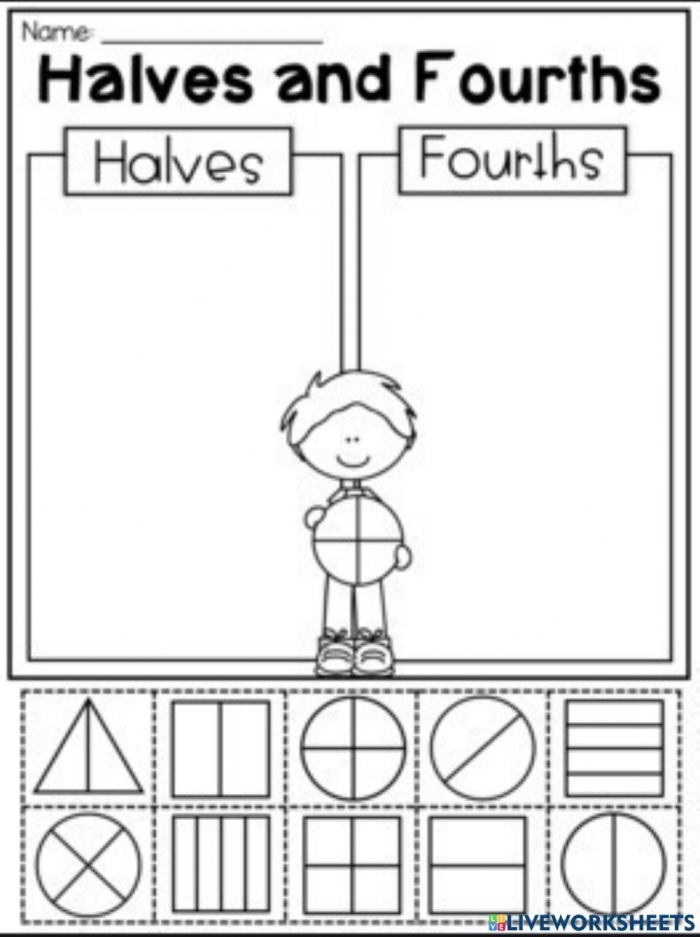
These worksheets typically show pictures of food items and ask children to draw lines dividing them into equal parts. A student might shade one half of an orange or color three fourths of a brownie. The visual repetition builds pattern recognition, and kids start to understand that halves mean two equal pieces and fourths mean four equal pieces, no matter what food appears on the page.
The beauty of using food imagery is that it removes the intimidation factor. First graders aren’t staring at abstract shapes or numbers they don’t understand. Instead, they’re working with pizza, cookies, and fruit that feels real and relevant to their daily experience. This approach works especially well for younger learners who still think concretely rather than abstractly.
You can extend this learning beyond worksheets by incorporating other fraction activities into your routine. Pairing this foodie approach with 2D and 3D shapes fractions worksheets helps children see that halves and fourths apply everywhere, not just at snack time. For additional practice, story-based fraction worksheets can reinforce these concepts through narrative engagement that first graders enjoy.
Starting with food-based fractions creates a foundation that makes future math learning feel less overwhelming and more connected to the world children already know.
Use These Worksheets Today