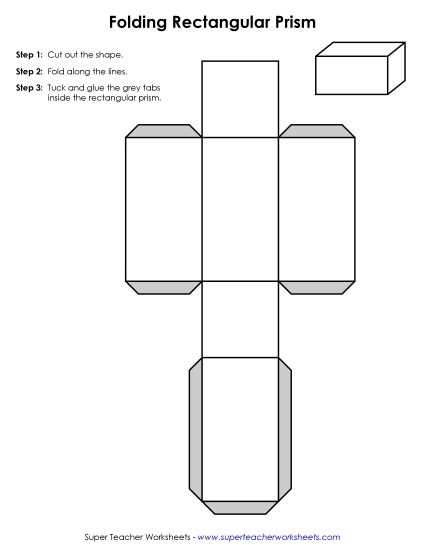
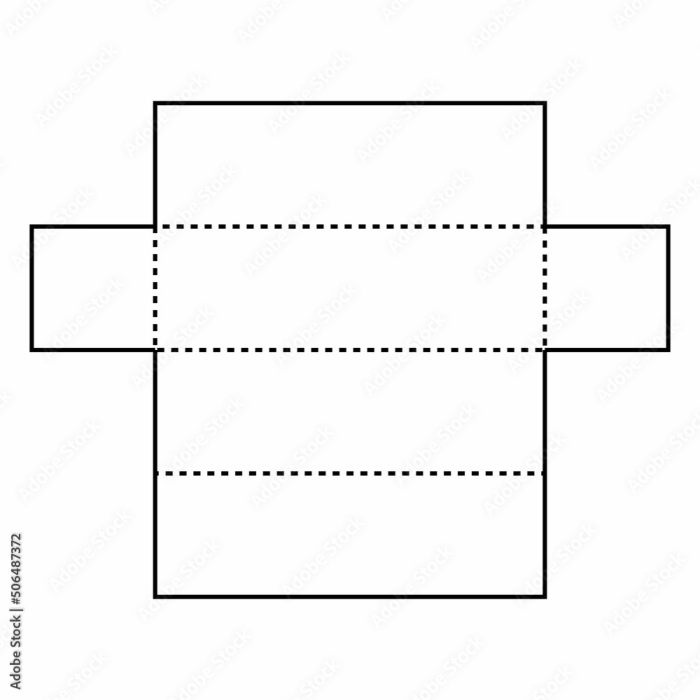
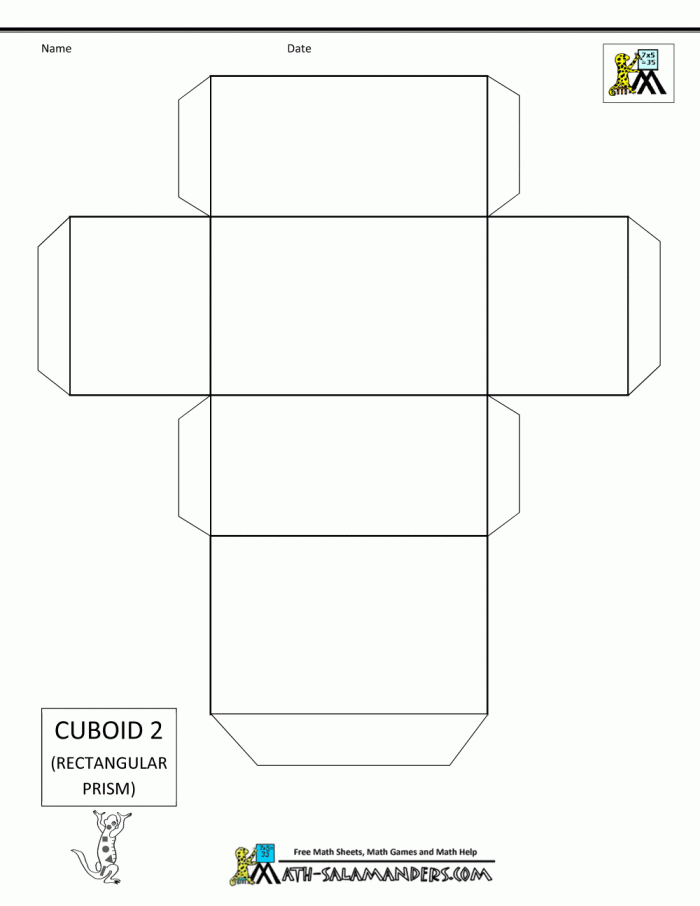
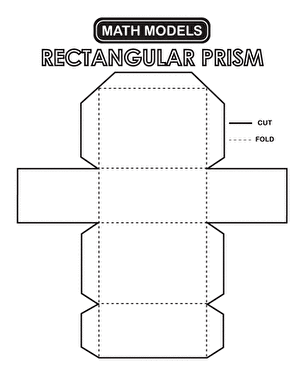
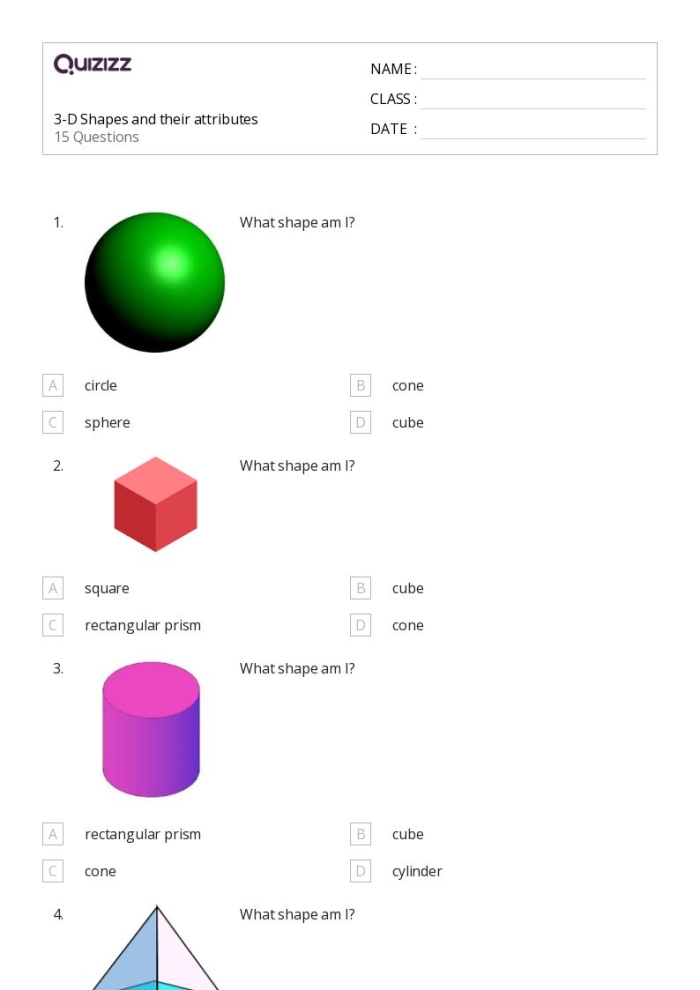
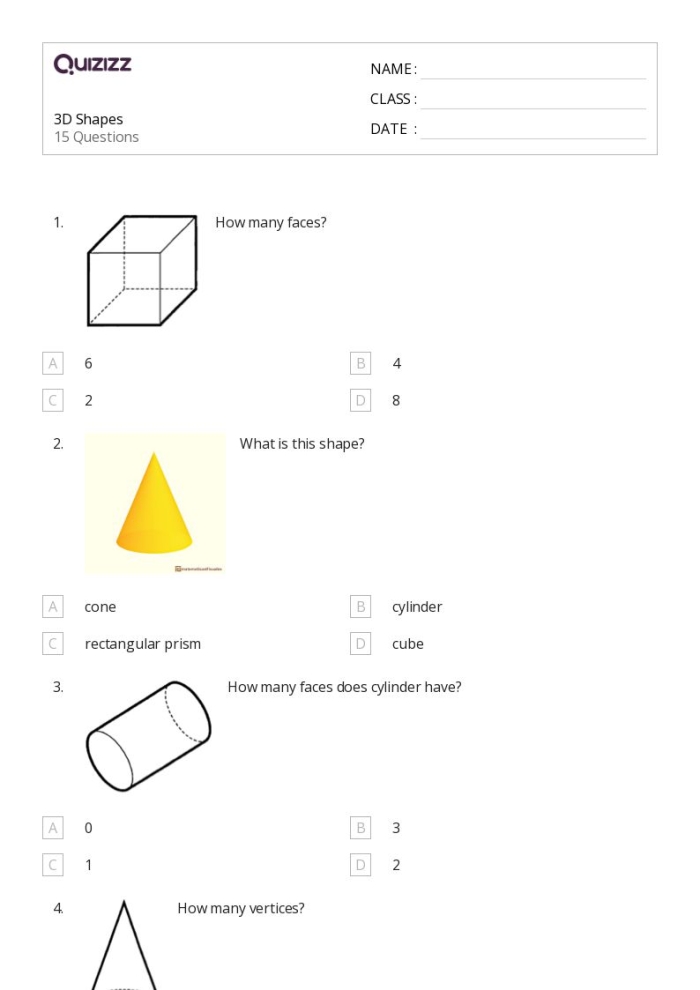
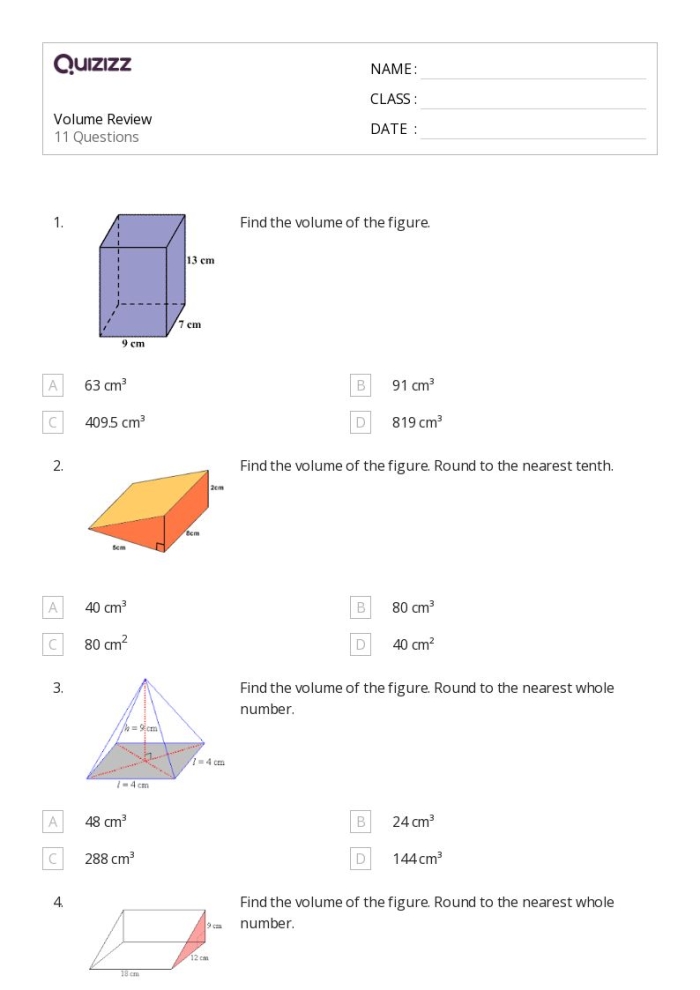
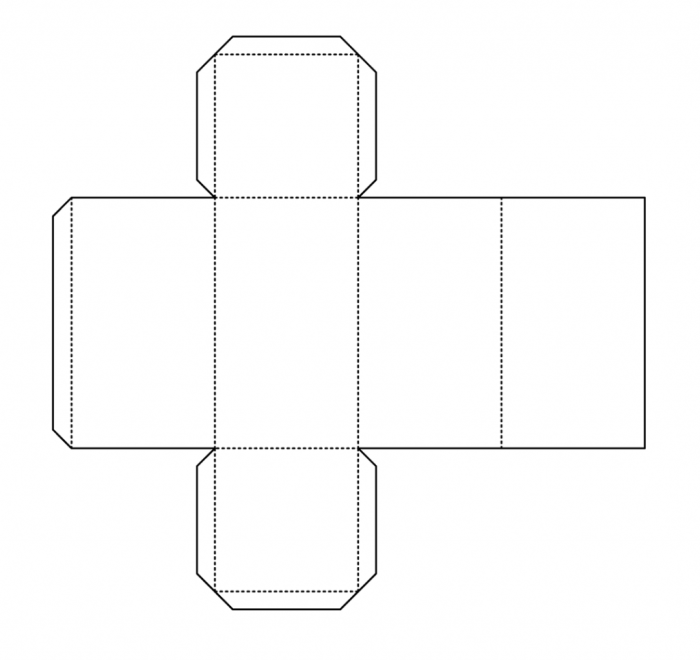
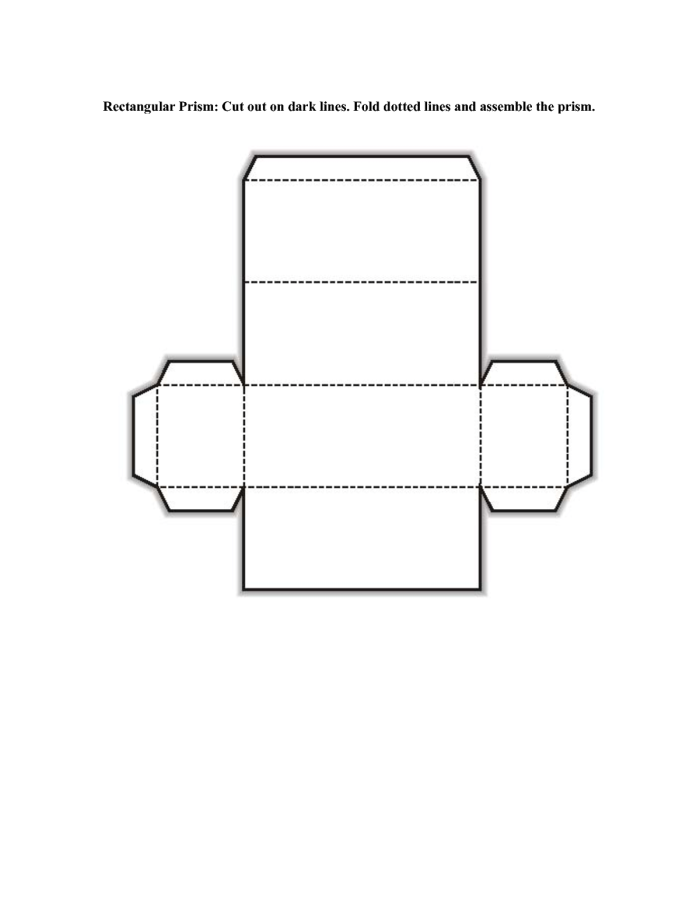
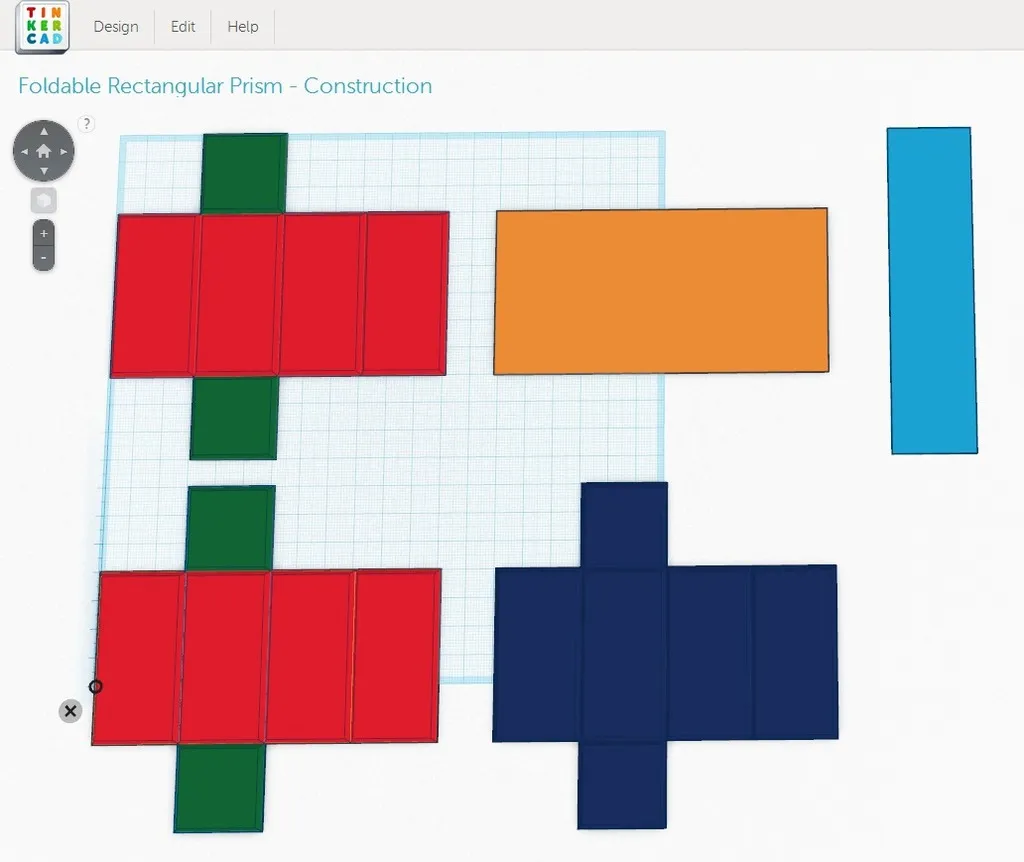
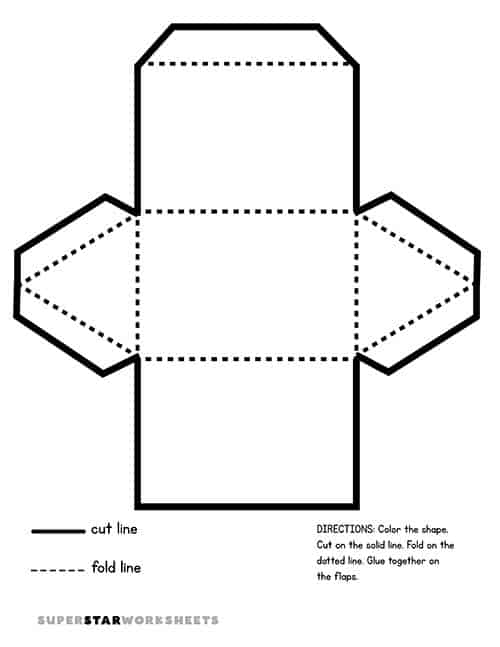
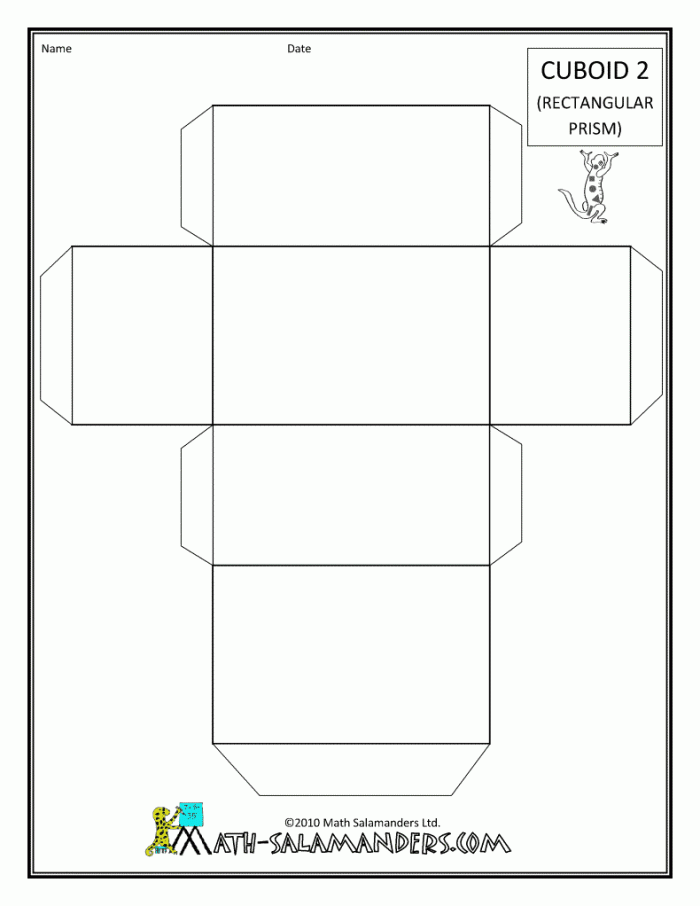
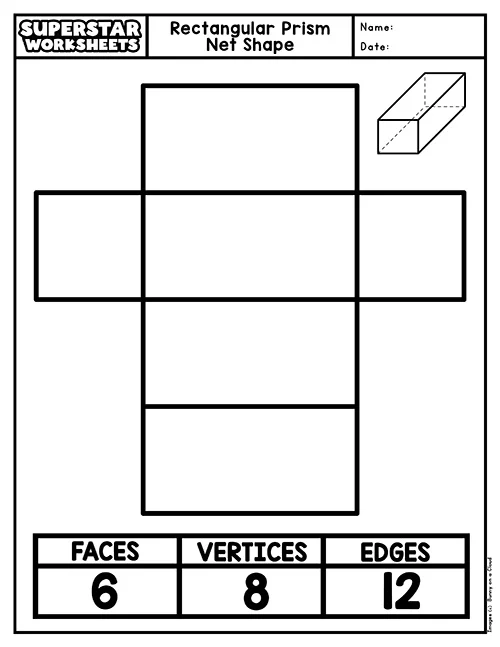
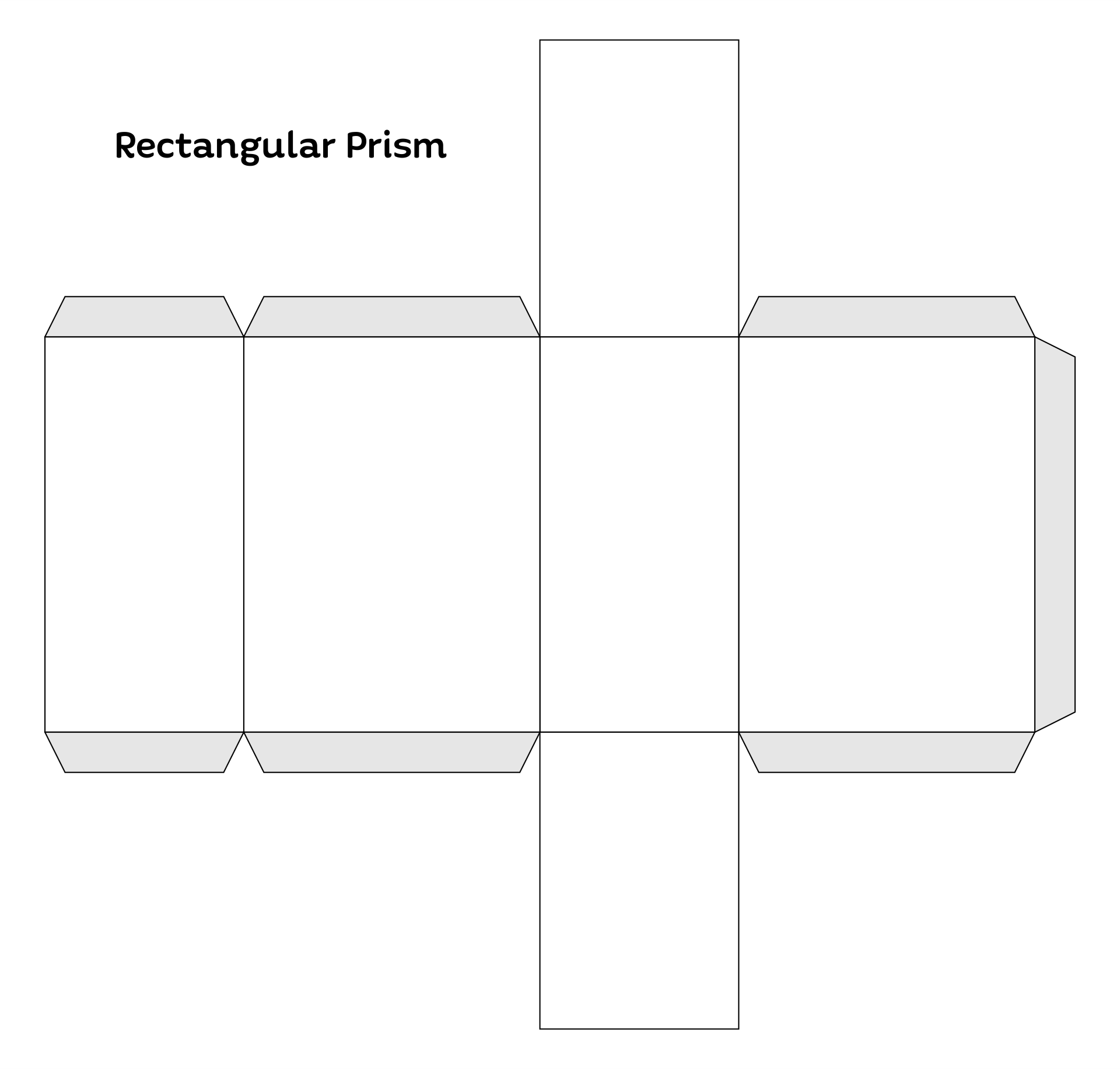
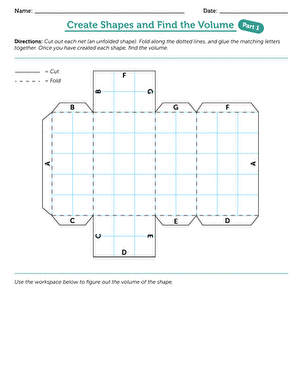
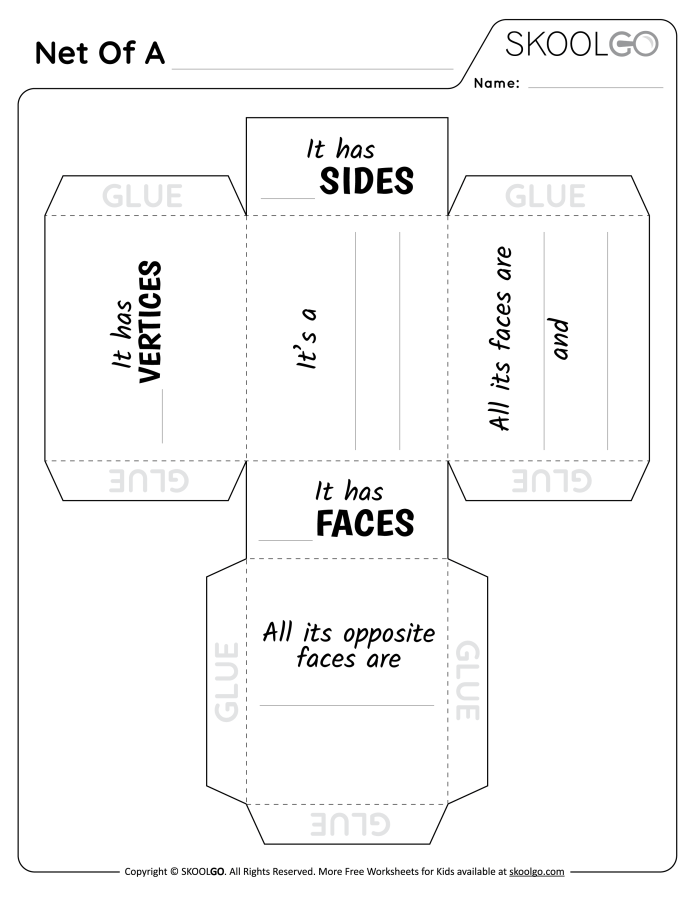
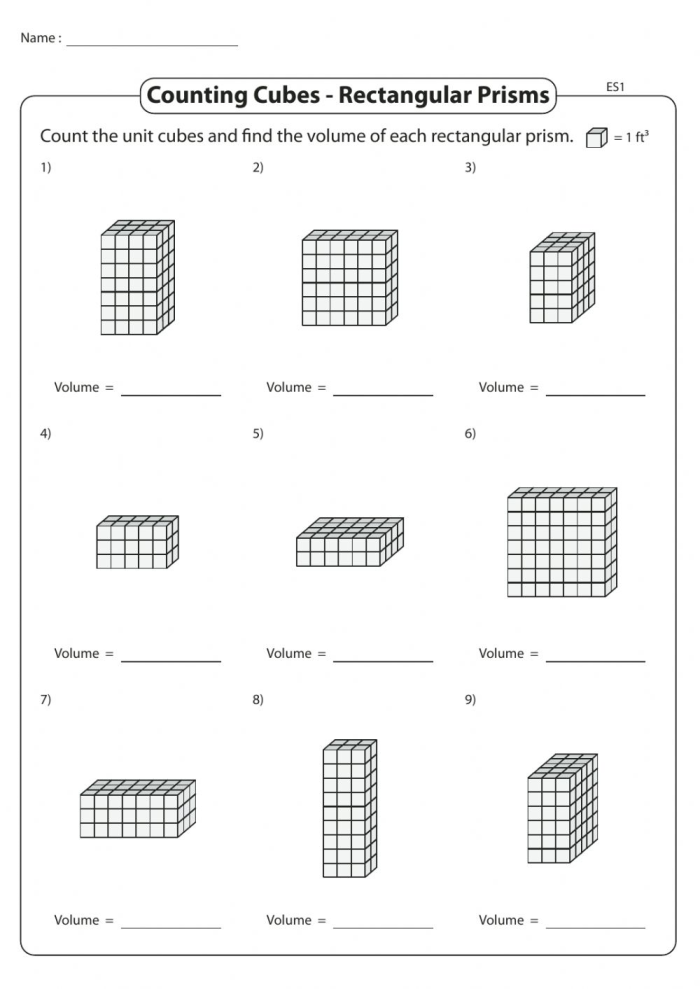
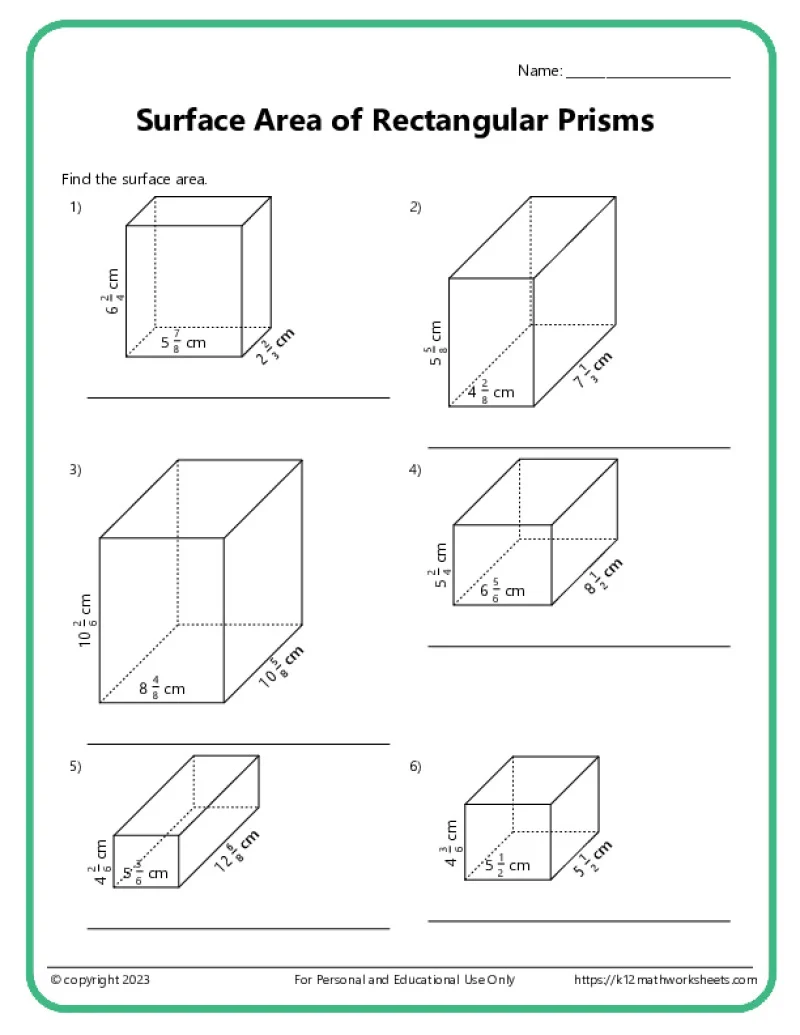
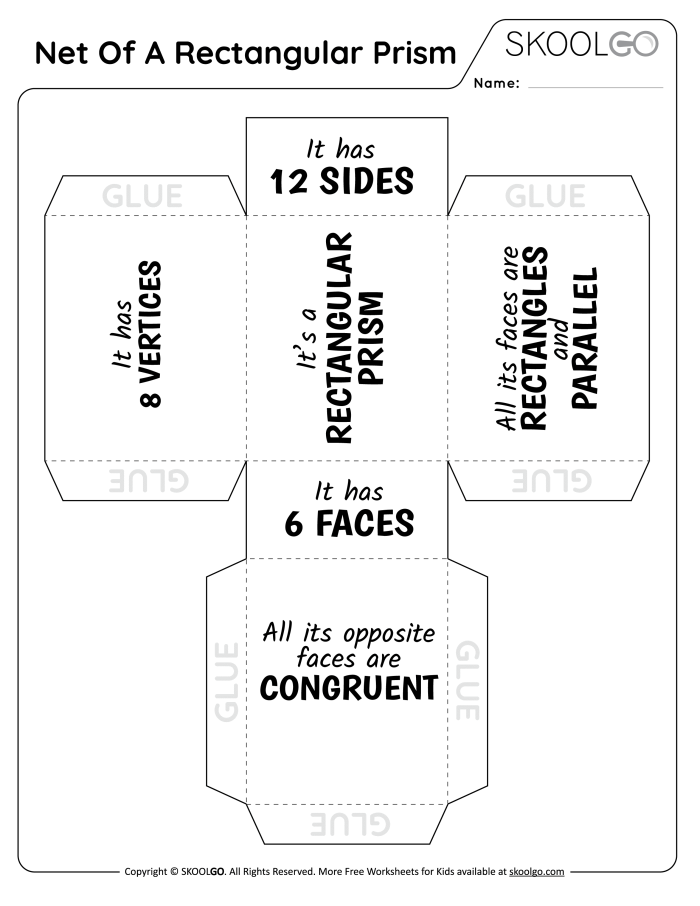
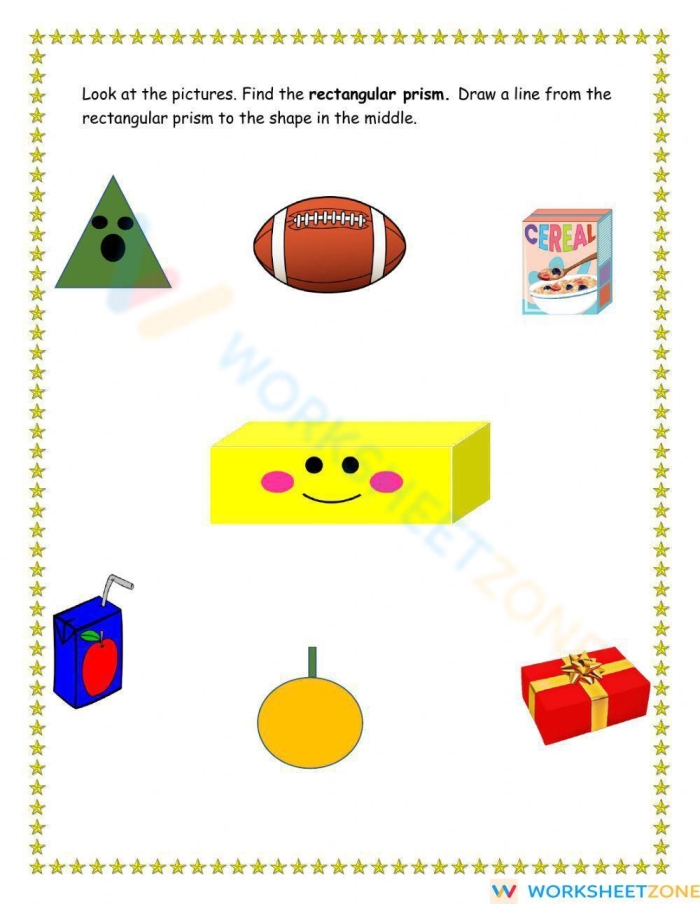
Using a rectangular prism cut-out can transform the way your child engages with geometry. This hands-on tool not only introduces them to complex geometric shapes but also provides a practical way to practice calculating surface area and volume. When children can physically manipulate shapes, they often grasp the concepts more effectively than with abstract equations alone.
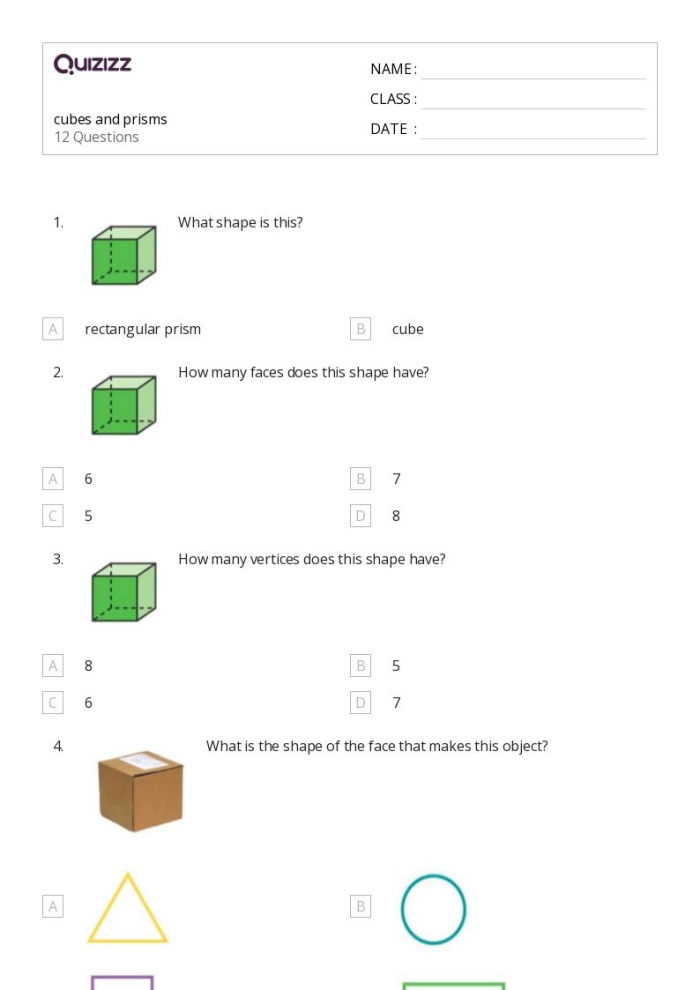
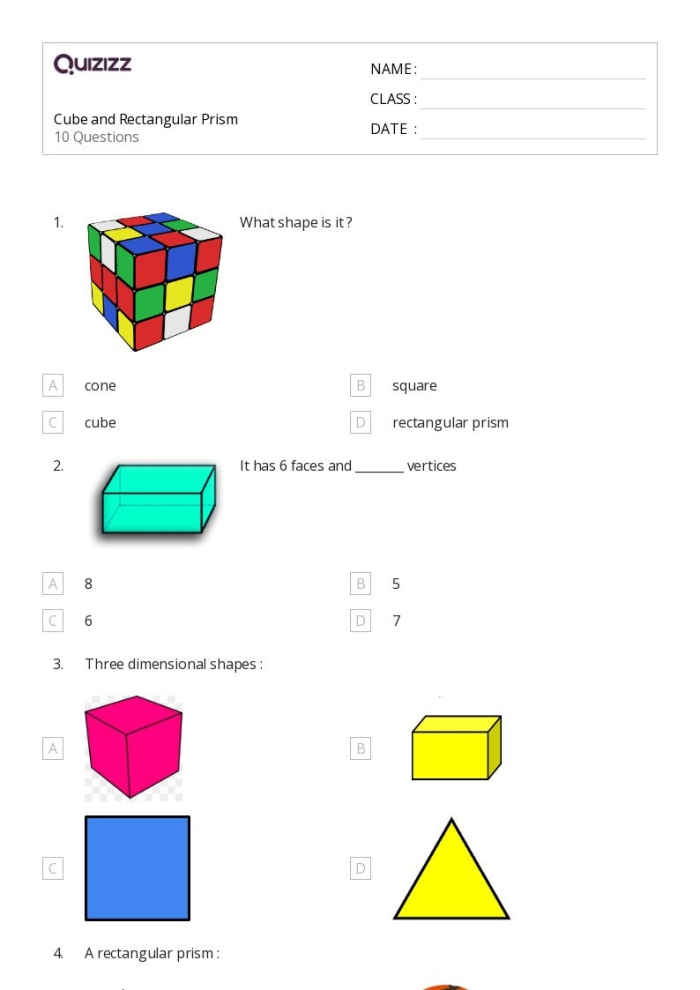
Imagine your child holding a cut-out of a rectangular prism. As they explore its dimensions, they can start to understand how length, width, and height interact within this three-dimensional shape. This tangible experience lays the groundwork for more advanced mathematical concepts they’ll encounter in school. For instance, you can start with simple questions: “How many faces does this prism have?” or “What is the area of one of its rectangular faces?” These questions encourage observation and critical thinking.
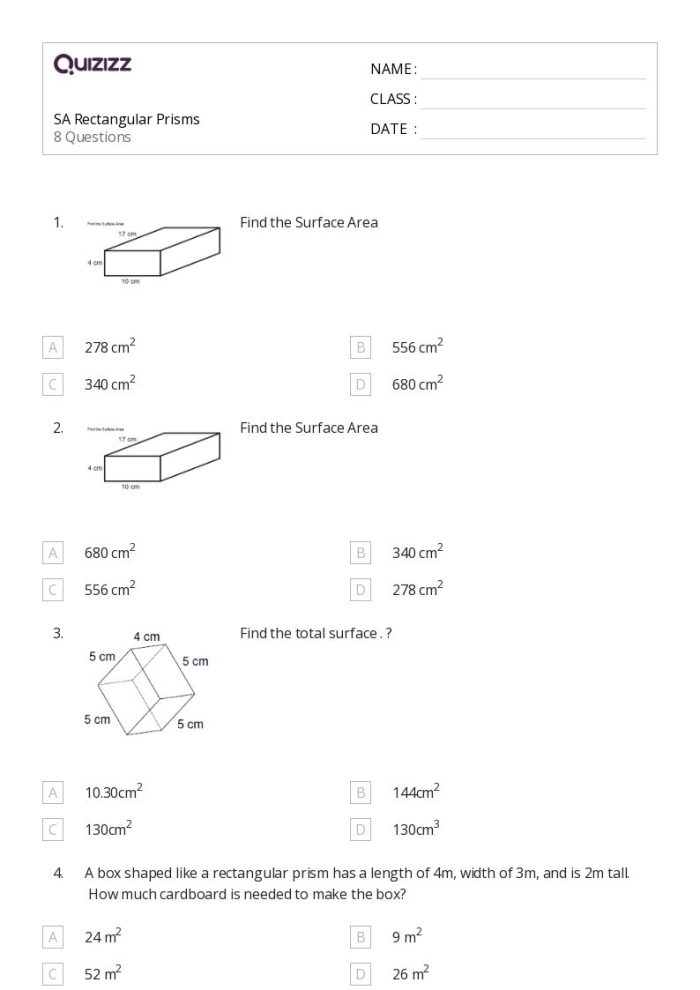
Once your child is comfortable identifying the shape, you can take it a step further. Encourage them to calculate the surface area by adding the areas of all six faces. The formula for surface area (2lw + 2lh + 2wh) can be introduced in a fun, hands-on way. Likewise, you can guide them through finding the volume by multiplying the length, width, and height. This not only reinforces their understanding of multiplication but also shows them how these mathematical principles apply in real-world contexts.
For those looking for more resources, incorporating printable rectangular prism cut-out worksheets can greatly enhance your child’s learning experience. These worksheets can provide structured activities that complement their hands-on exploration. You might also explore other engaging grammar and mechanics worksheets to support their educational journey. For example, you can check out resources on identifying pushes and pulls or punctuation mark exercises that can further reinforce their learning.
By integrating practical tools like the rectangular prism cut-out with printable activities, you create a rich learning environment that fosters curiosity and understanding in geometry and beyond.
Worksheet Practice Section