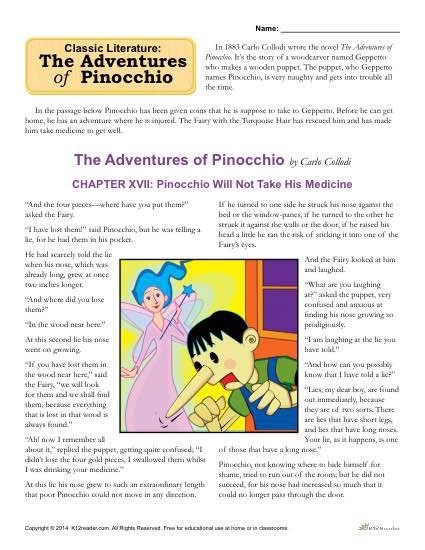
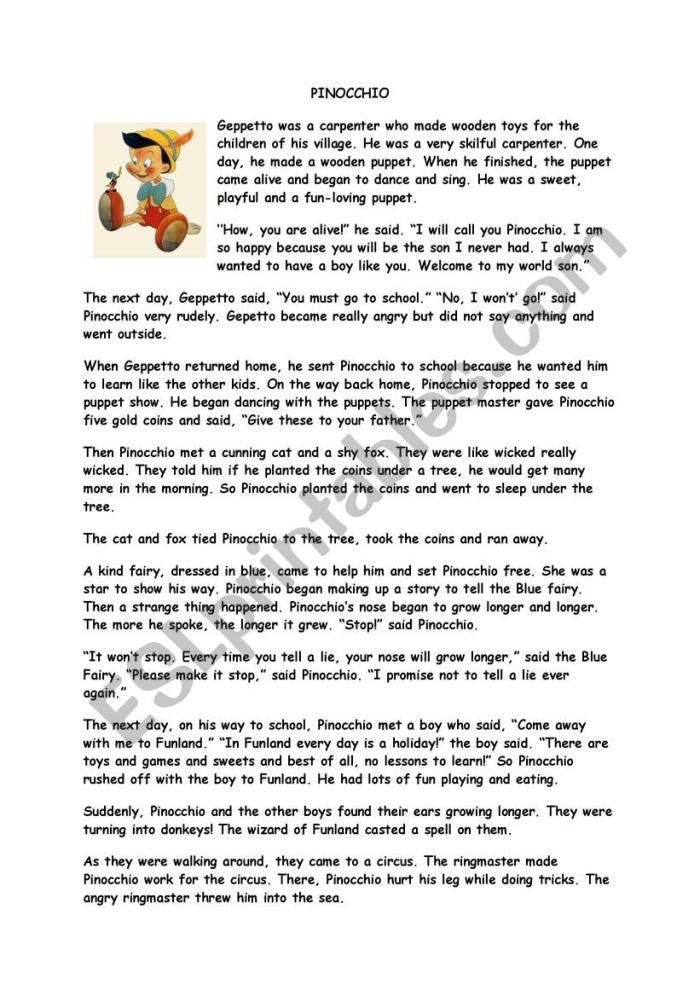
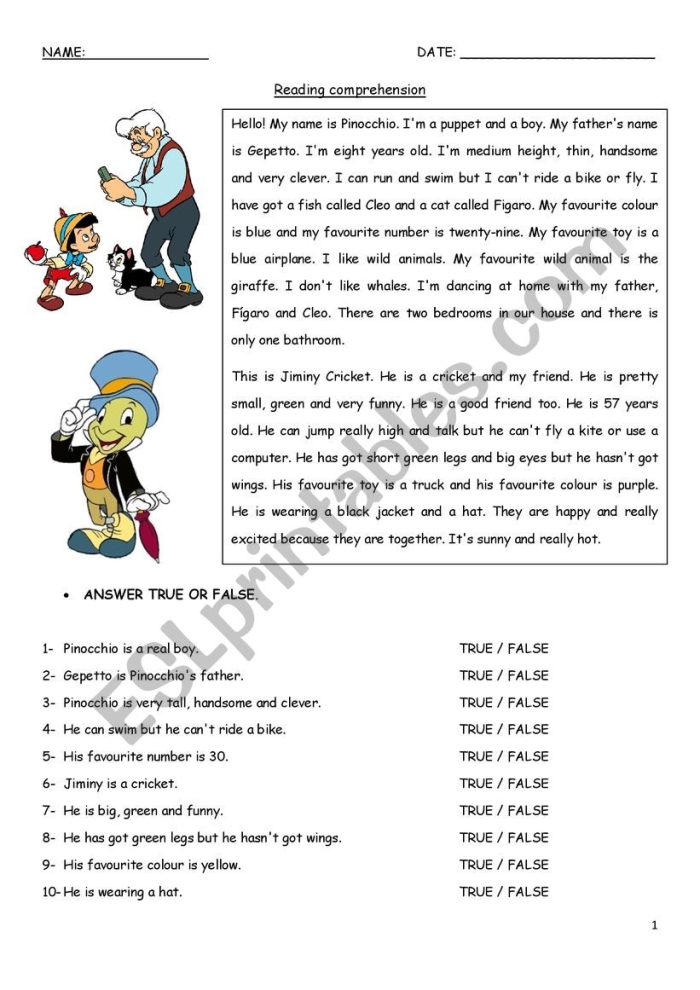
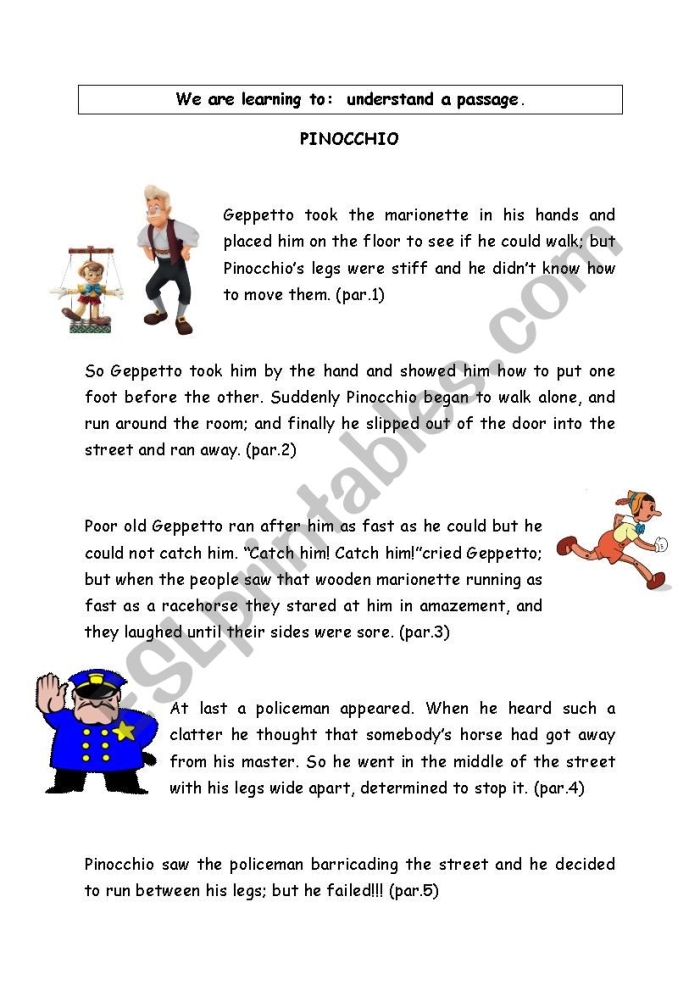
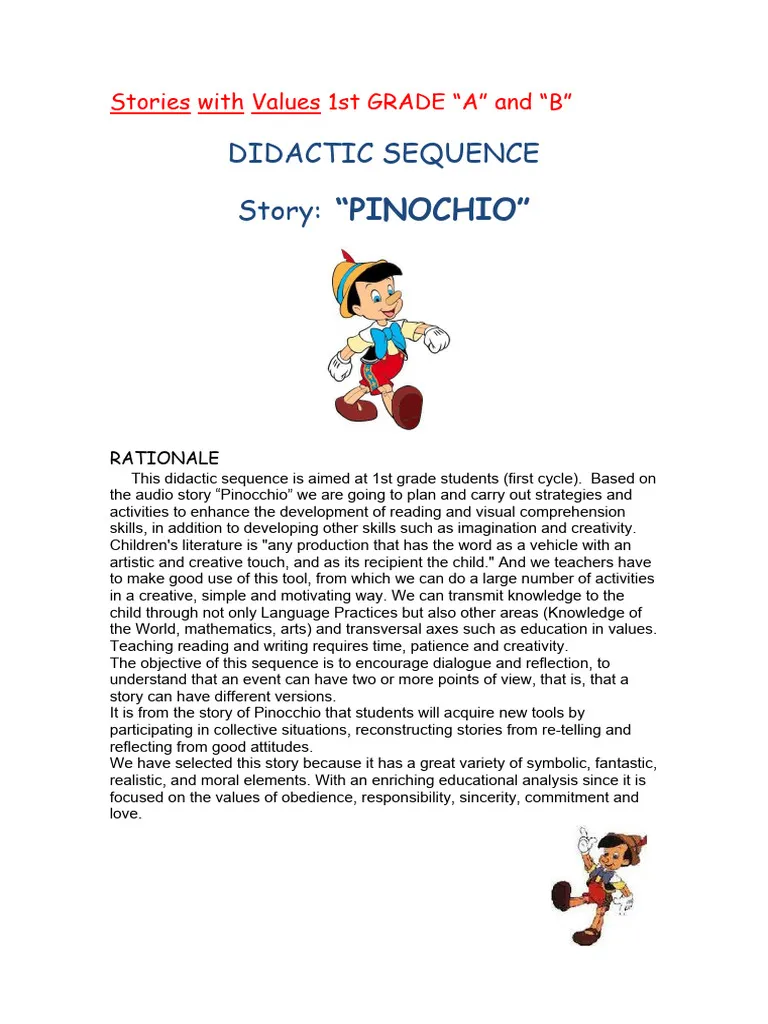
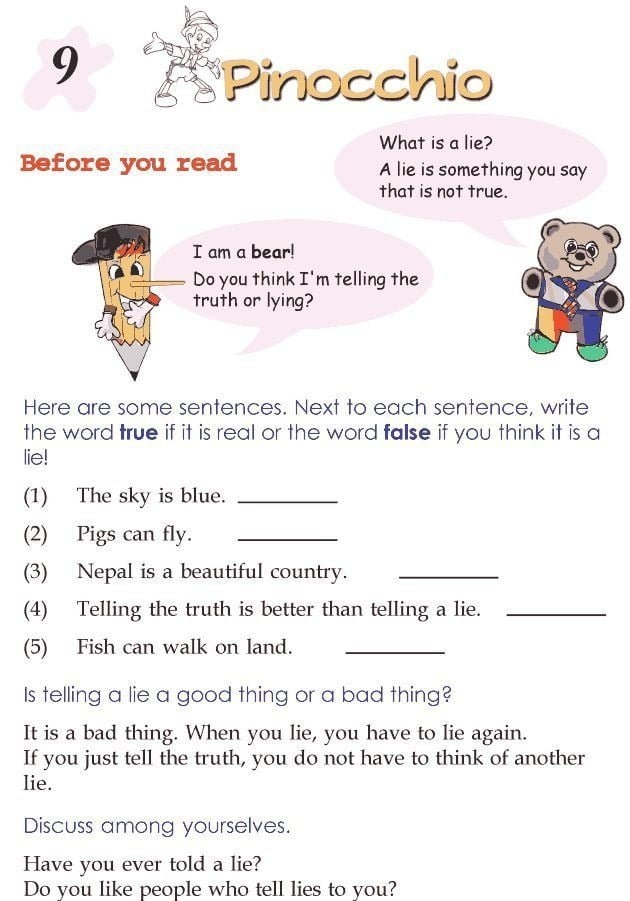
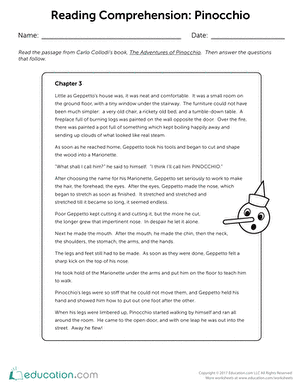
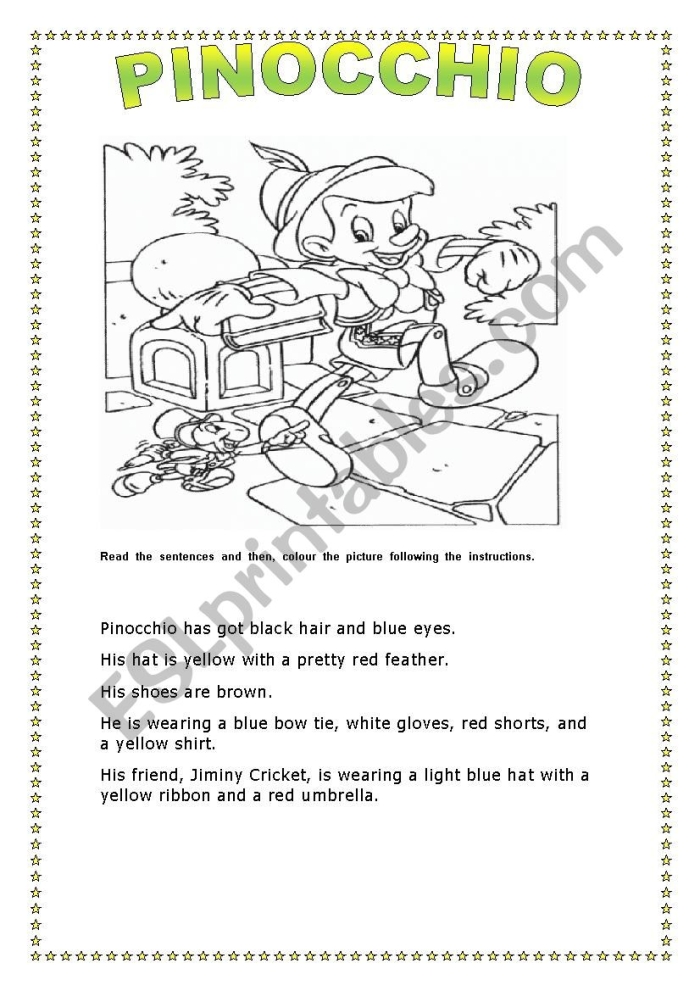
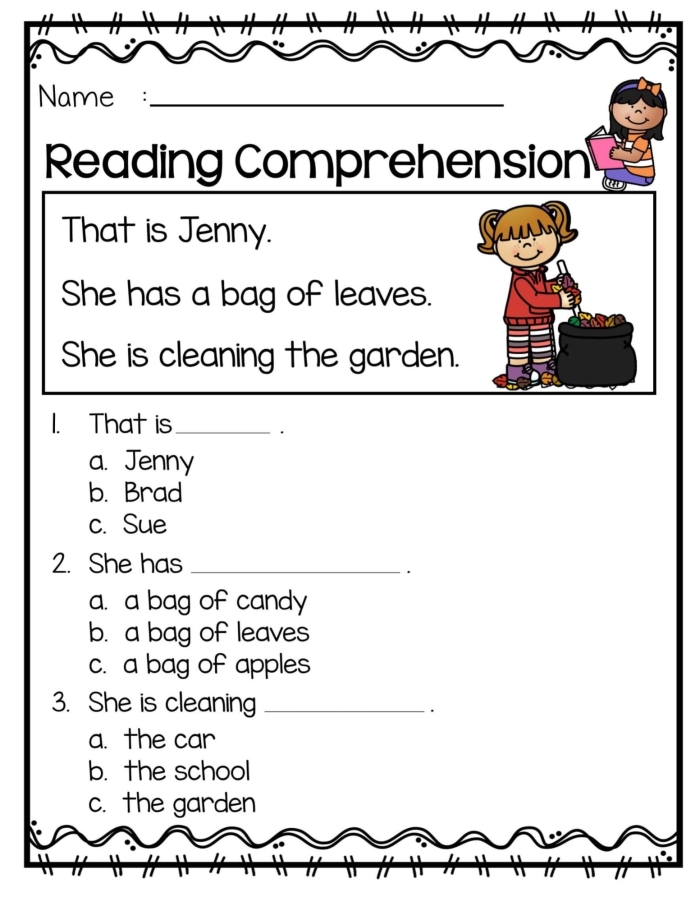
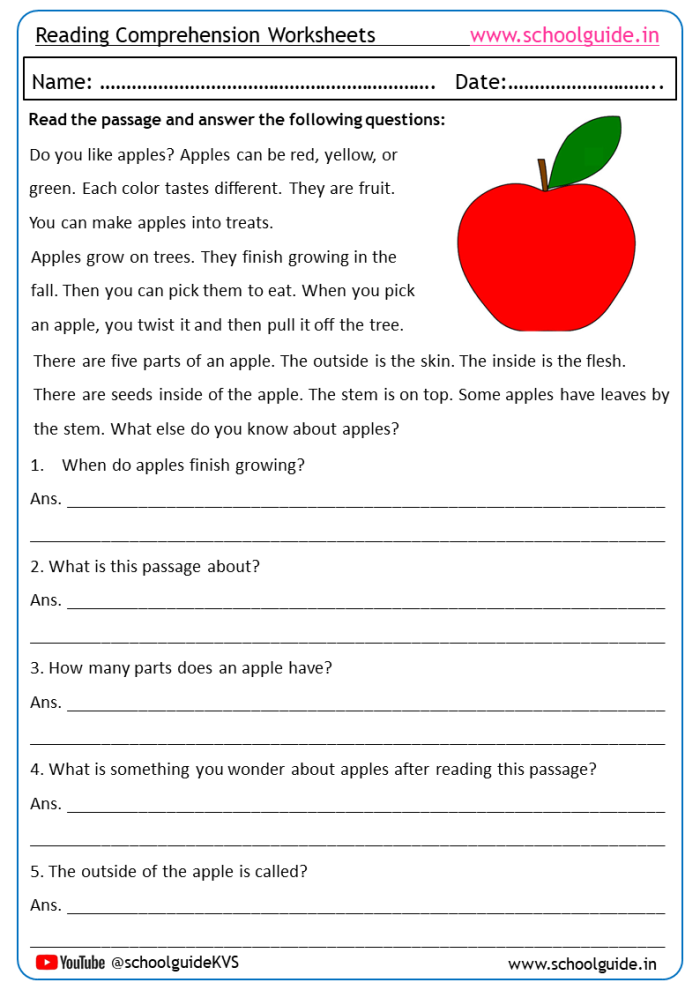
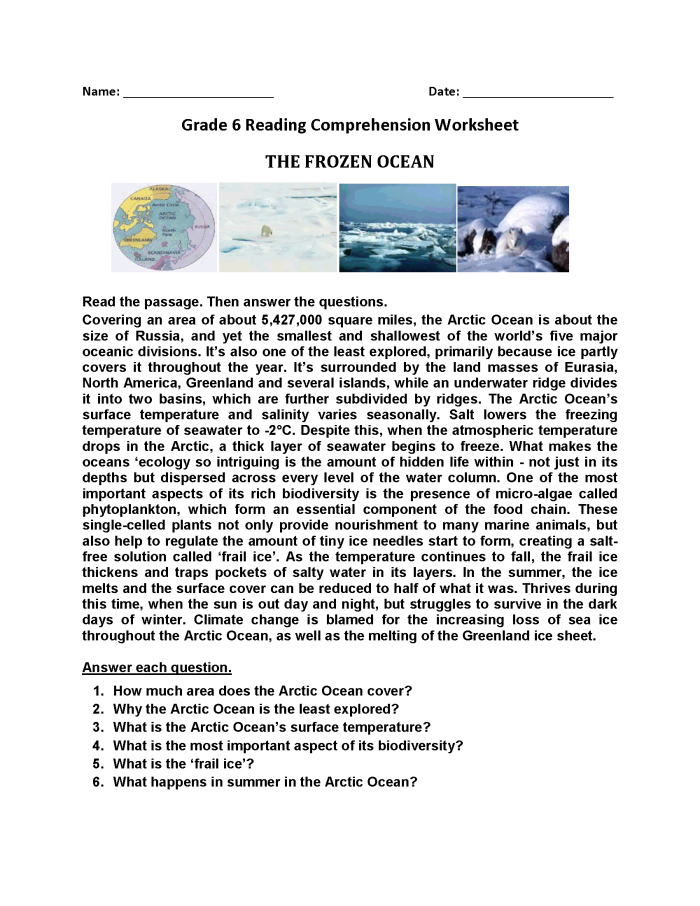
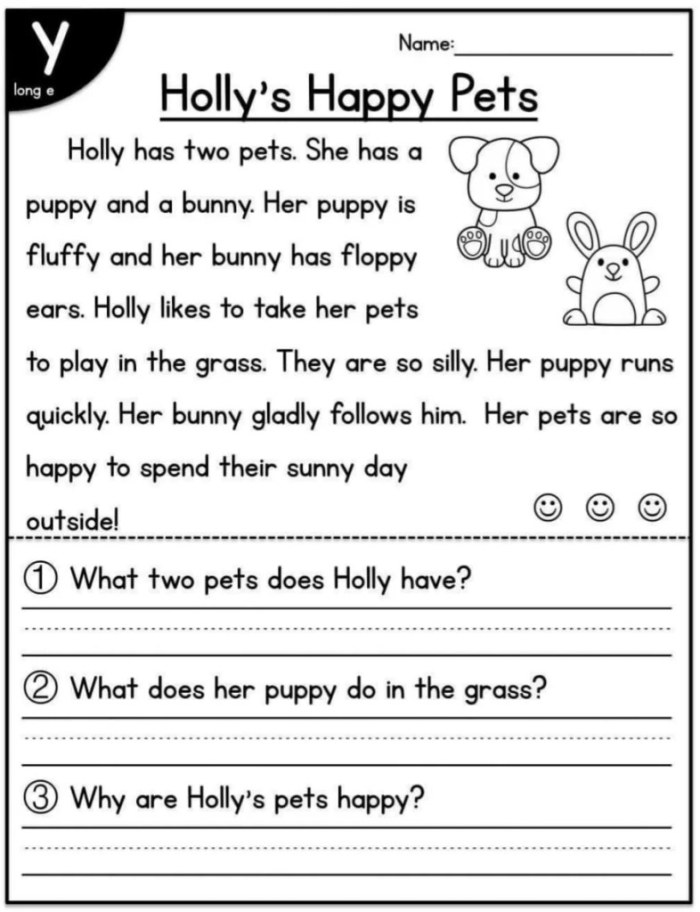
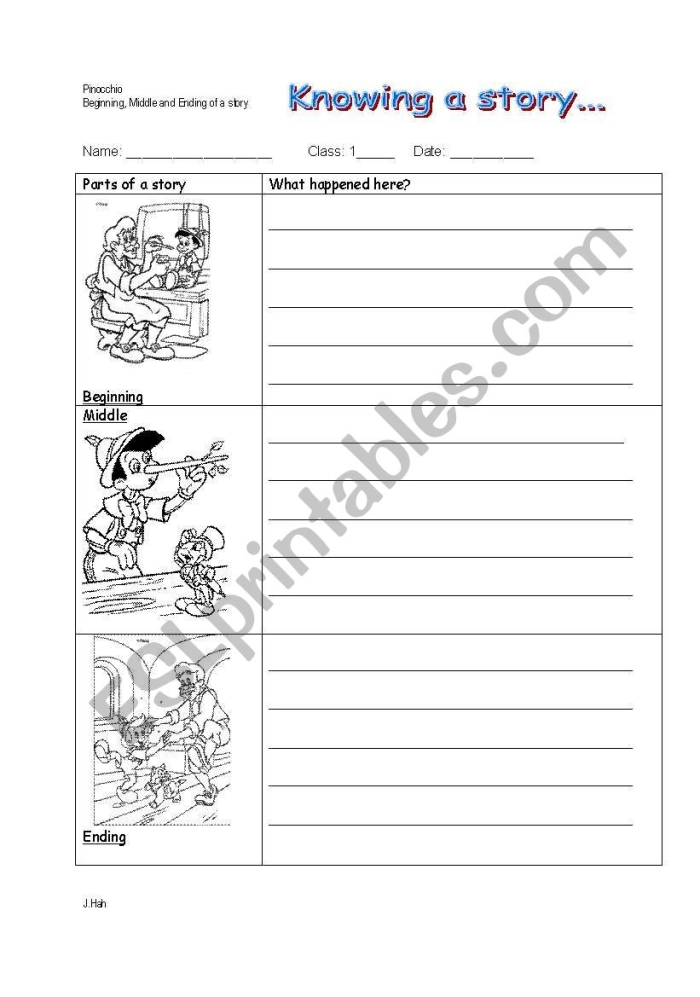
When third graders encounter a text like the classic story of Pinocchio, they’re not just reading words on a page. They’re building the mental skills that will carry them through every subject they study, from understanding science concepts to following written instructions. This exercise will strengthen your students’ reading comprehension by requiring them to track character motivations, predict outcomes, and connect cause and effect across a narrative.
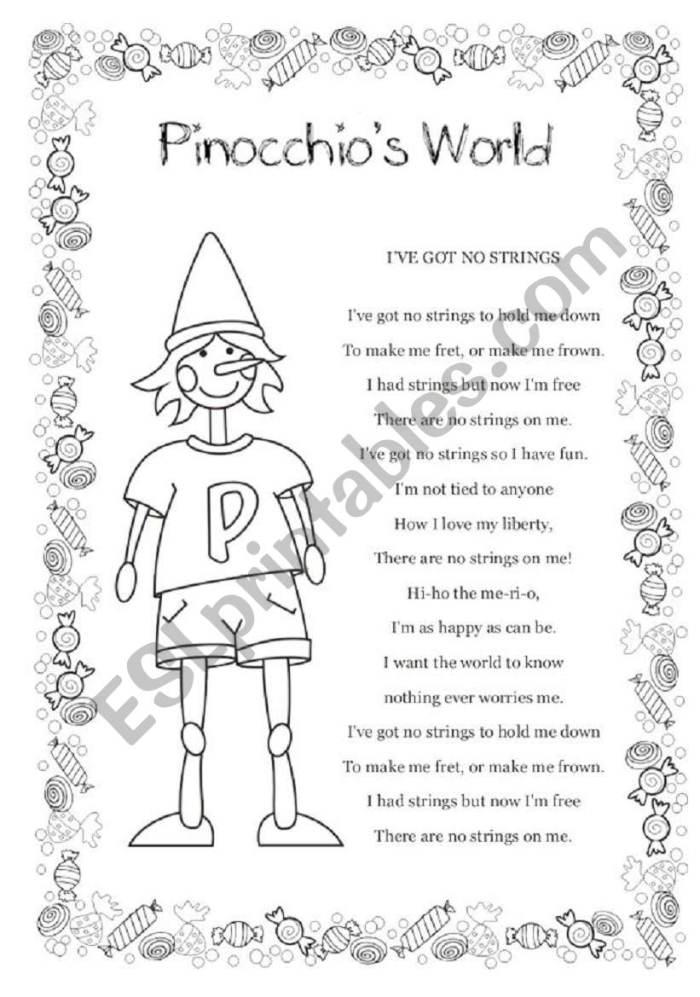
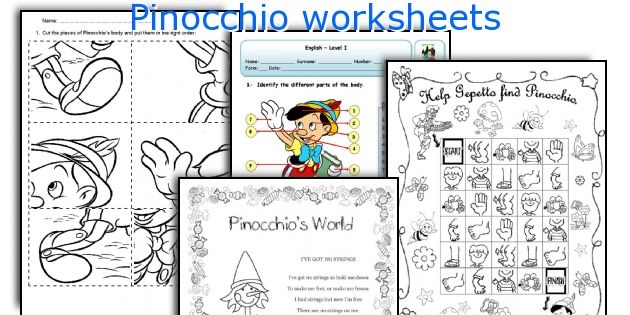
The beauty of using a familiar tale is that students already have some context about the story, which removes one barrier to comprehension. They can focus on the actual reading work instead of getting lost in unfamiliar plot points. When you use printable reading comprehension worksheets about Pinocchio, you’re giving students a structured way to engage with the text at their level.
Reading comprehension at this age means more than just answering “what happened next.” It means helping students identify main ideas, understand new vocabulary in context, and make inferences based on what they read. When students work through comprehension questions about Pinocchio’s choices and their consequences, they’re practicing these exact skills. They learn to look back at the text for evidence, a habit that becomes essential in upper grades.
Third graders benefit from exercises that combine reading with other skills. Pairing comprehension work with activities like working with context clues helps students decode unfamiliar words independently. This builds confidence and makes them more willing readers.
The repetition and variety matter here. Different comprehension exercises force students to think about the same text in different ways, deepening their understanding each time. Your students will notice details they missed before and develop stronger reading habits that extend far beyond any single worksheet.
Download These Worksheets for Practice