Understanding unfamiliar vocabulary is a crucial skill for third graders, especially as they explore subjects like Earth and Space Science. Using a vocabulary organizer can significantly enhance their reading comprehension. With this tool, students can identify new words as they encounter them, making the reading experience more engaging and meaningful.
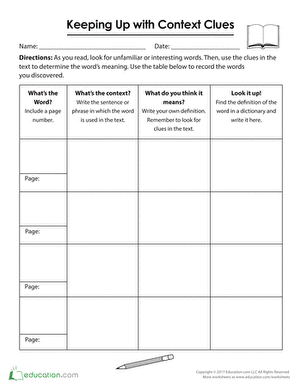
As children read texts related to Earth and Space Science, they often come across challenging terms that can hinder their understanding. A vocabulary organizer allows them to jot down these unfamiliar words, which is the first step in mastering their meanings. For instance, when students read about the rock cycle, they might stumble upon words like “erosion” or “sedimentary.” By using context clues found in the surrounding text, they can infer the meanings of such terms rather than relying solely on a dictionary.
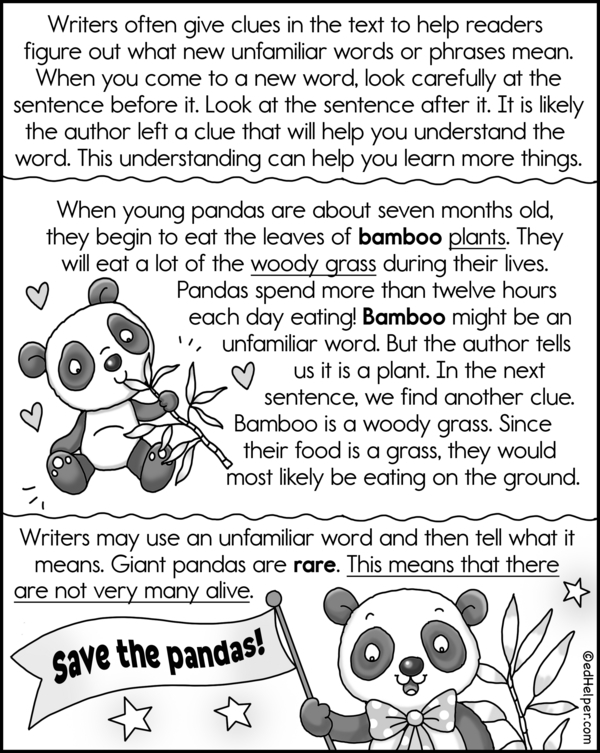
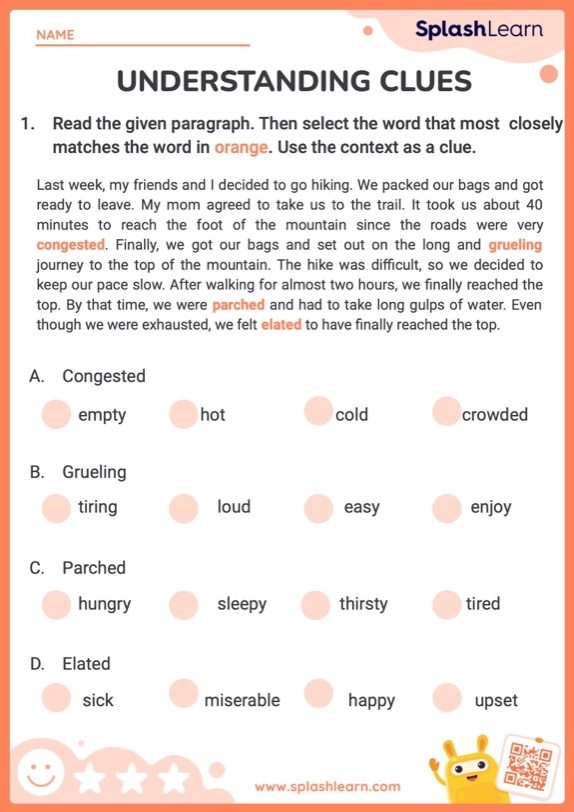
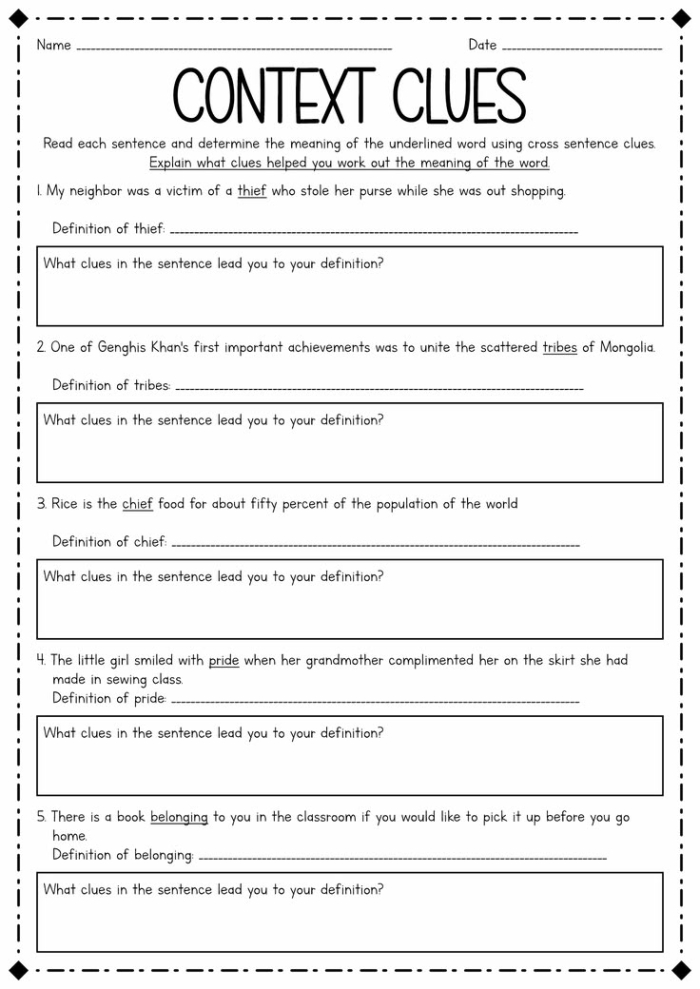
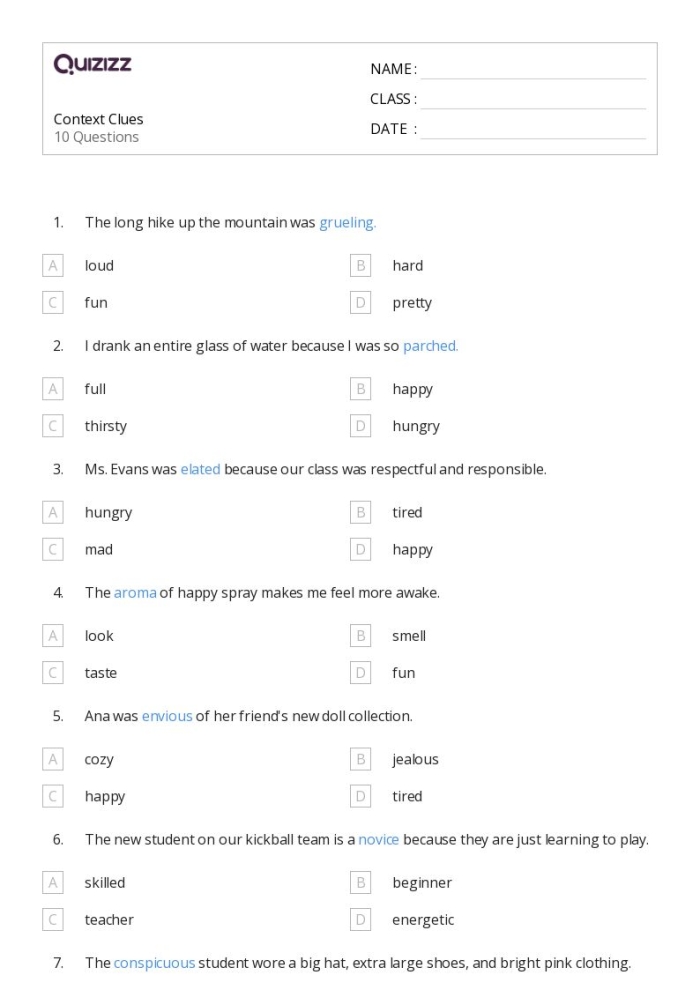
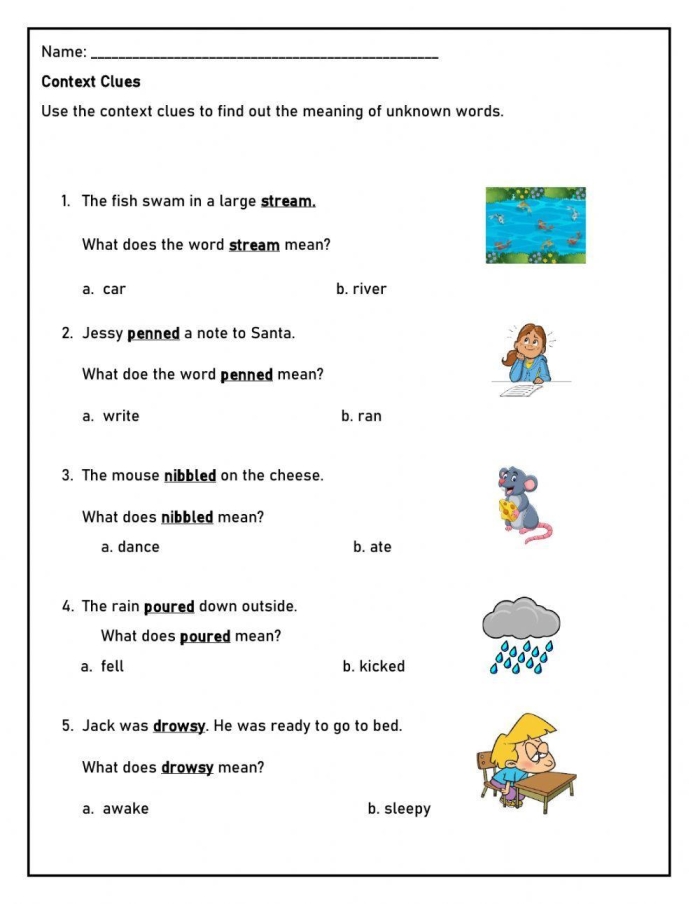
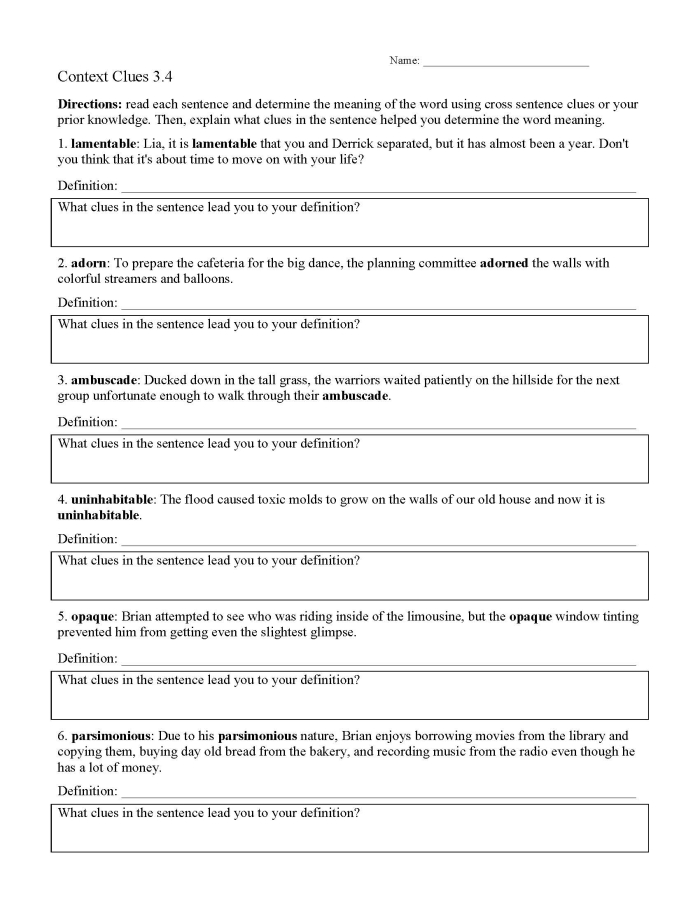
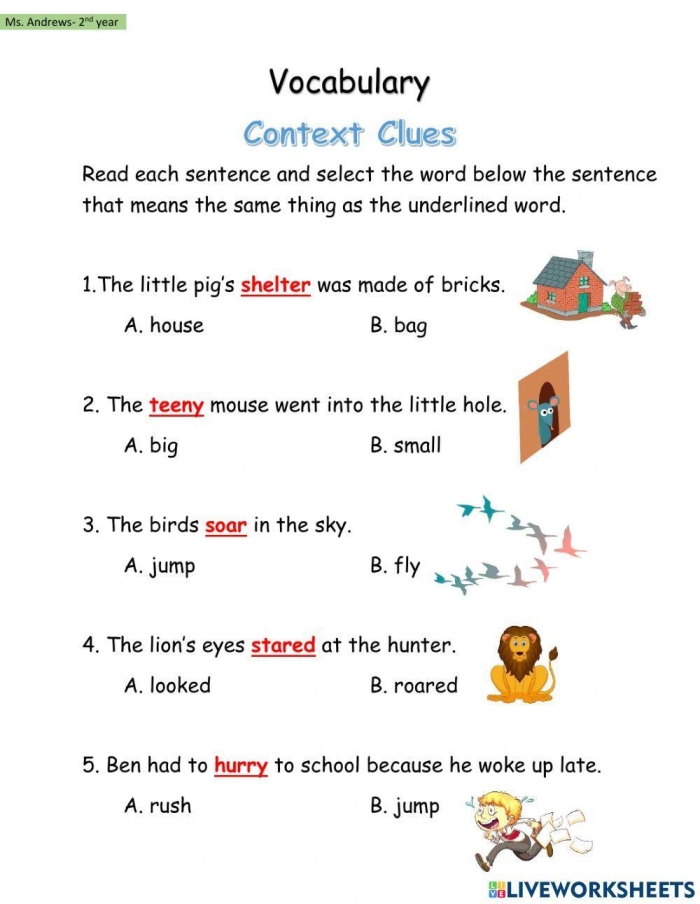
Context clues are hints that help readers decipher meanings based on how words are used in sentences. For example, if a sentence states, “The sedimentary rock was formed from layers of sand and mud,” students can gather that “sedimentary” relates to the types of materials mentioned. This strategy not only builds vocabulary but also fosters critical thinking skills, as students learn to analyze information rather than memorize definitions.
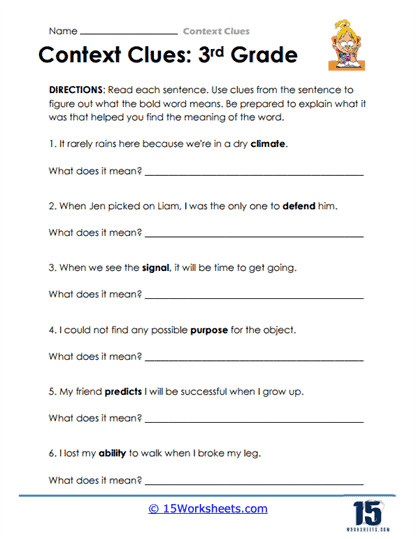
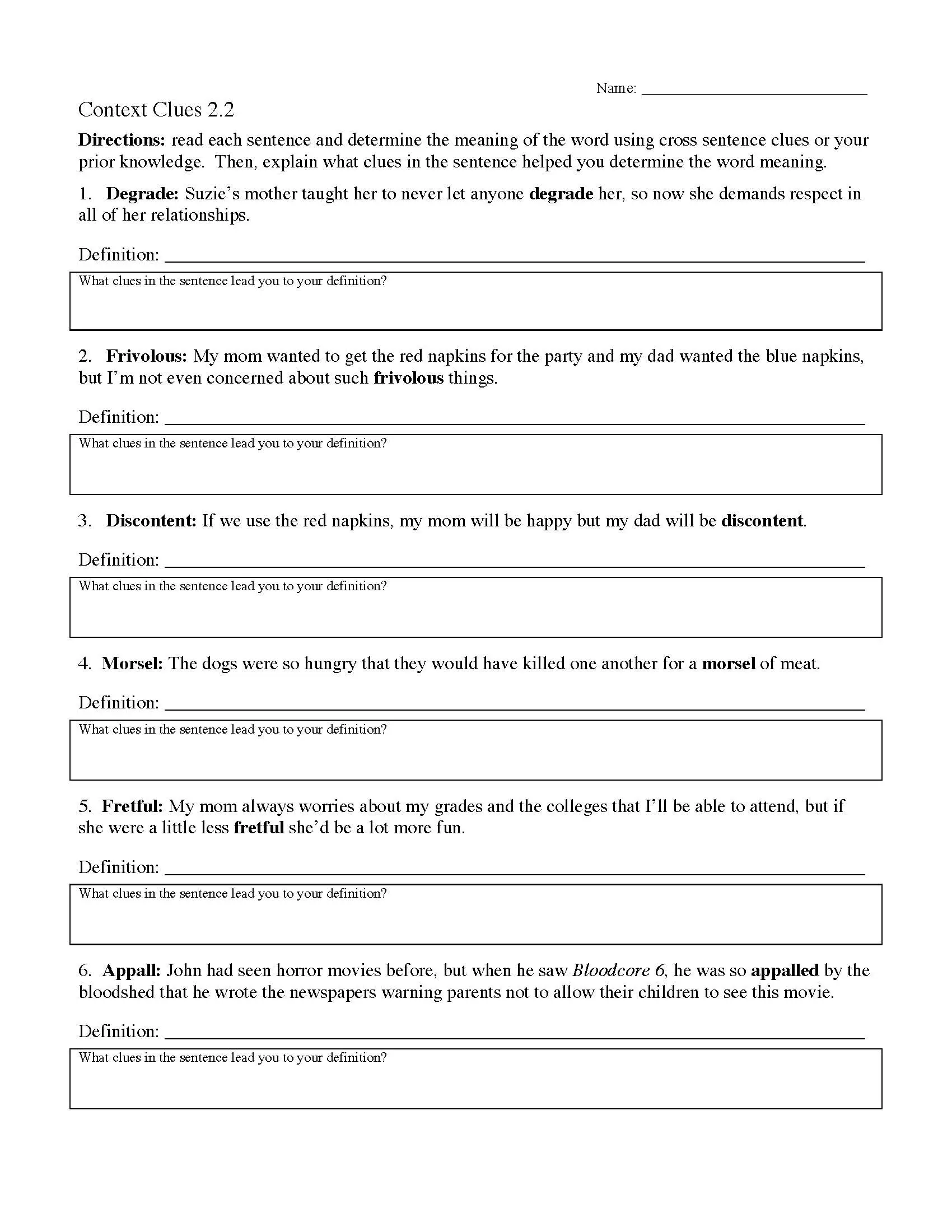
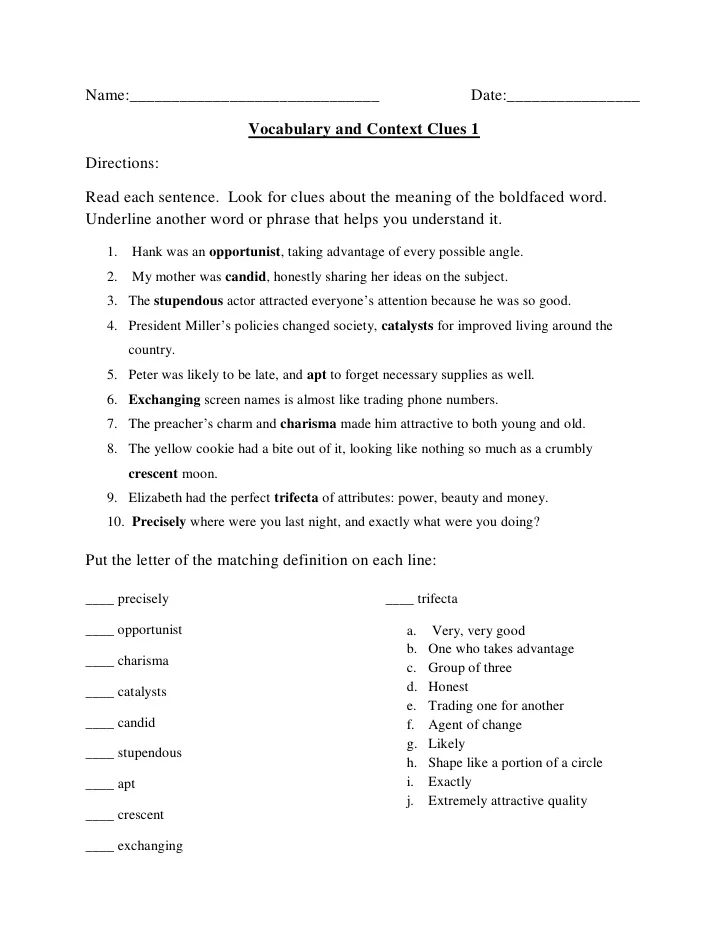
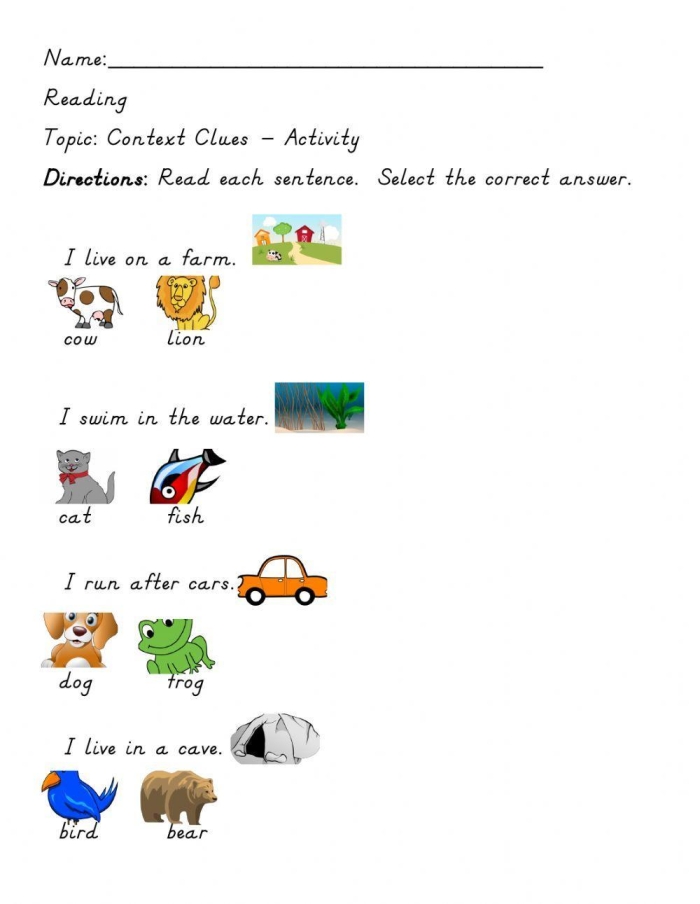
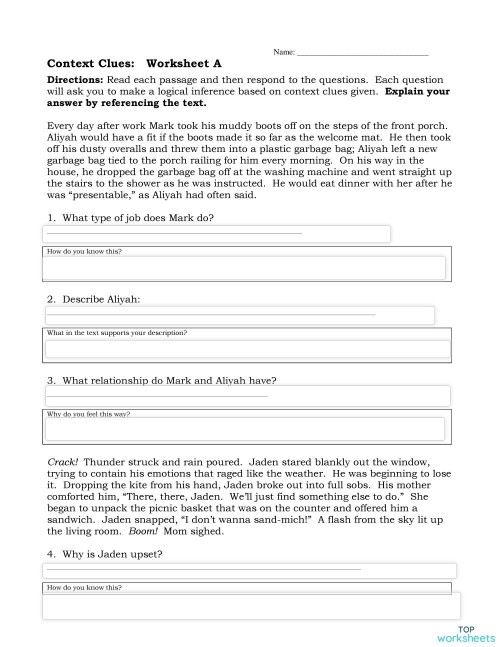
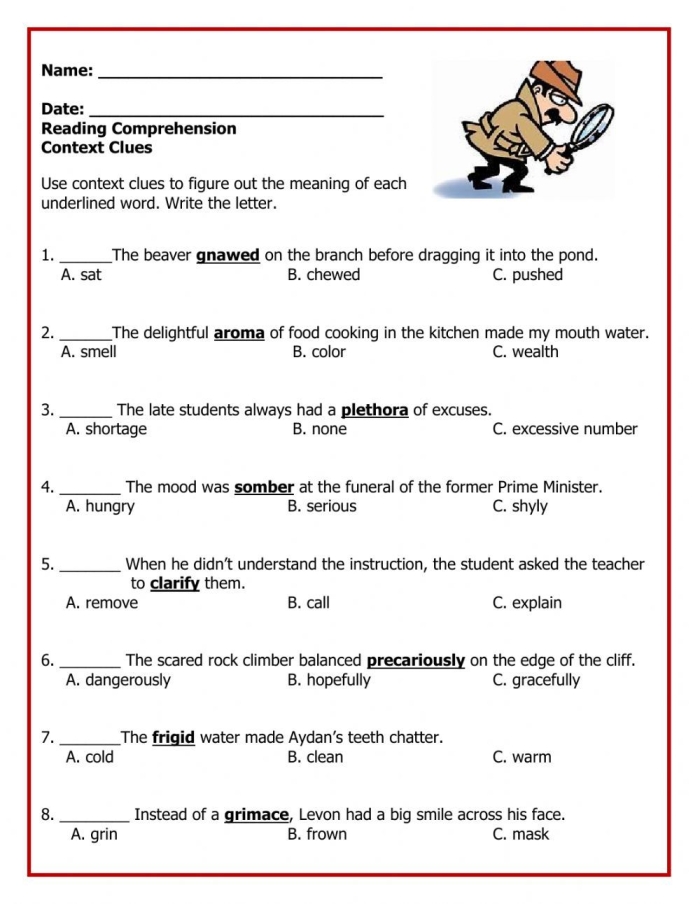
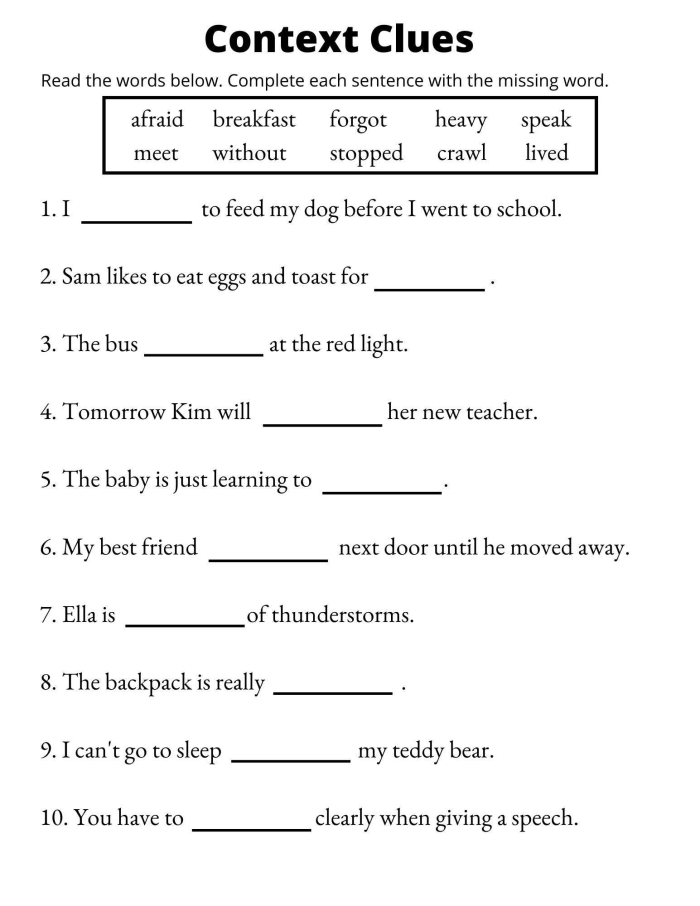
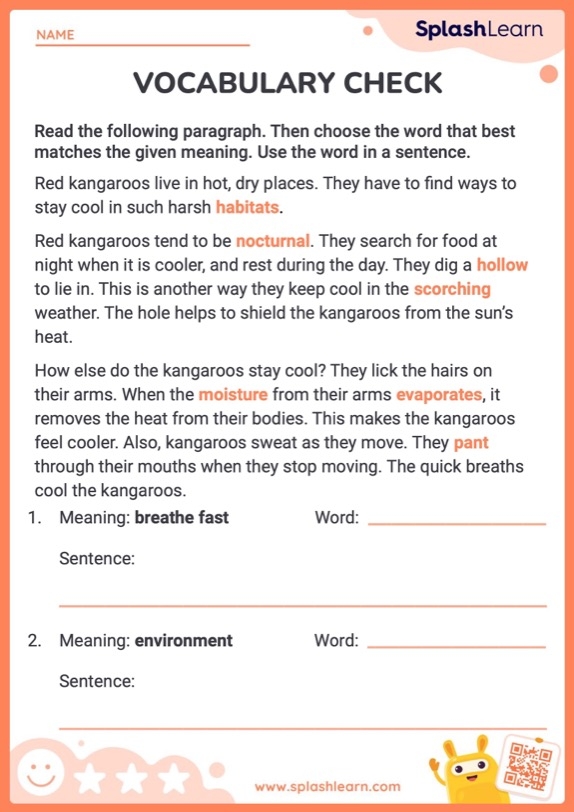
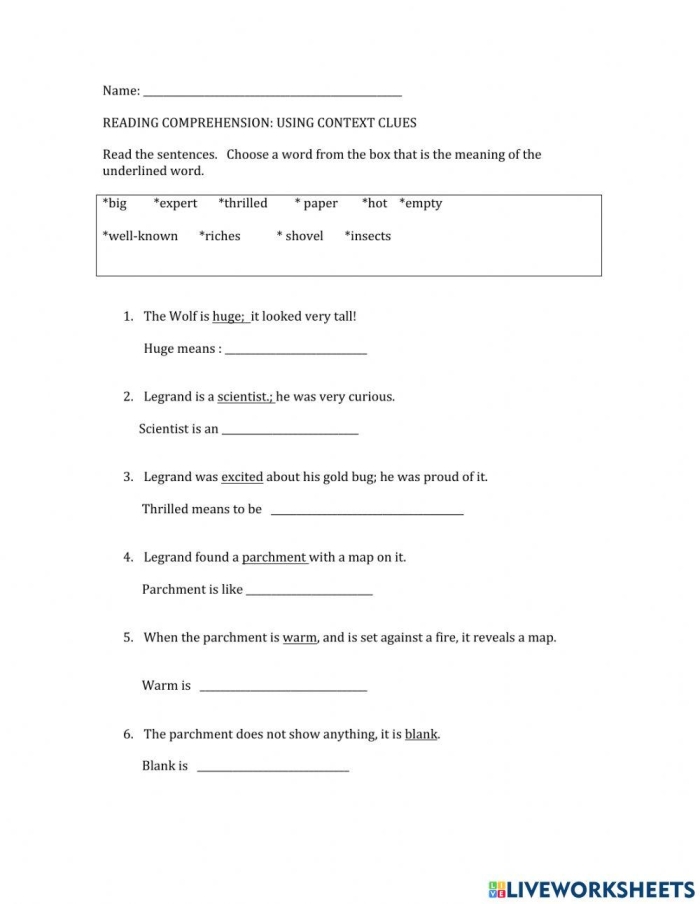
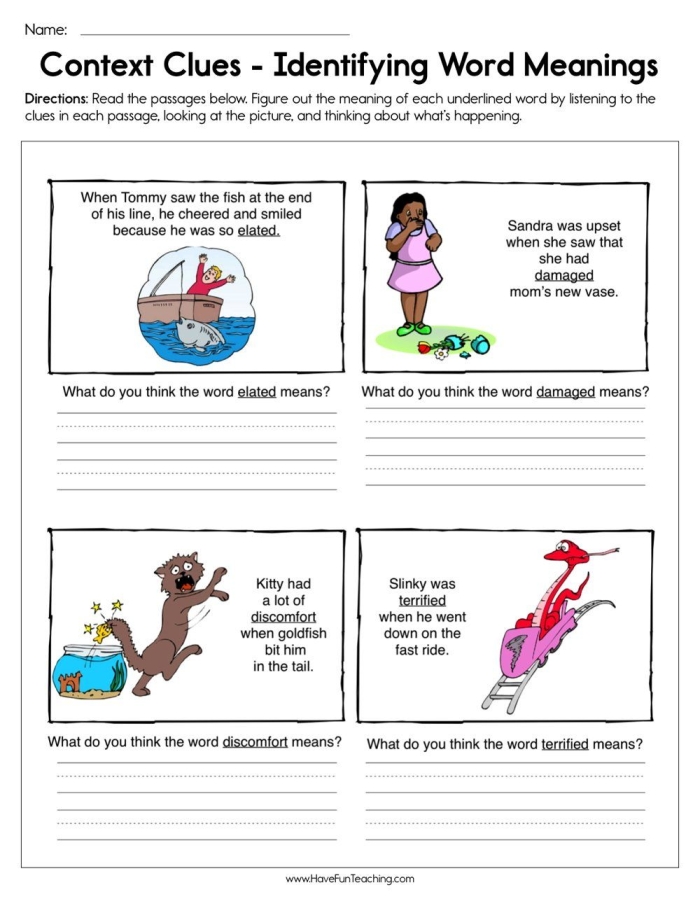
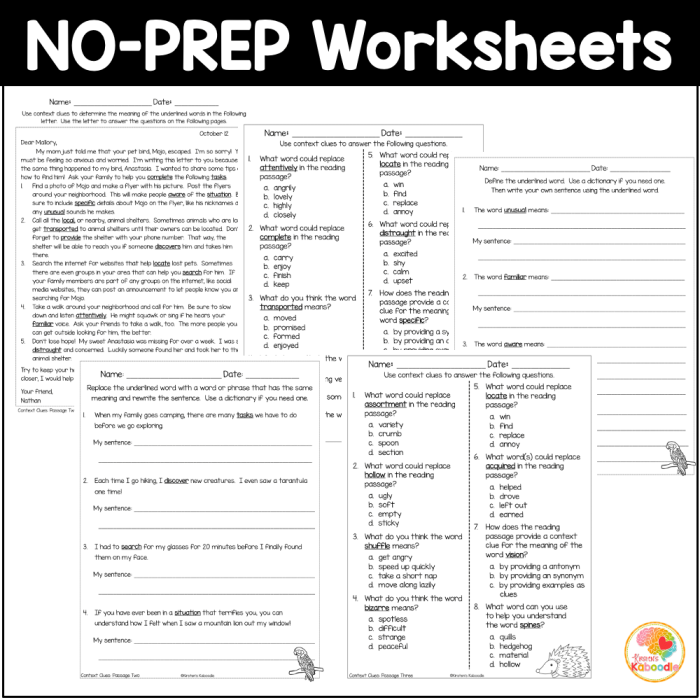
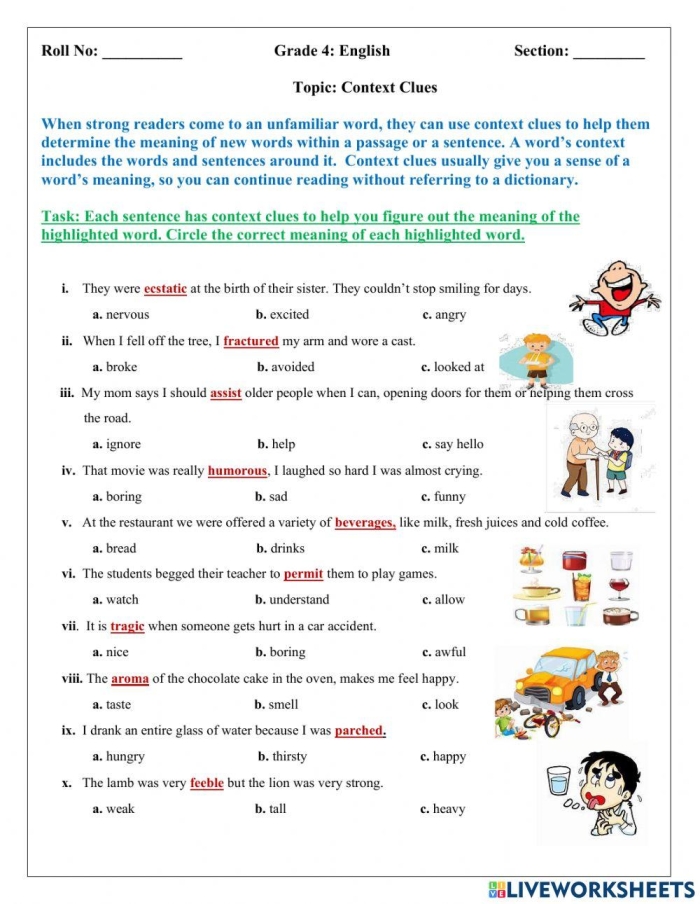
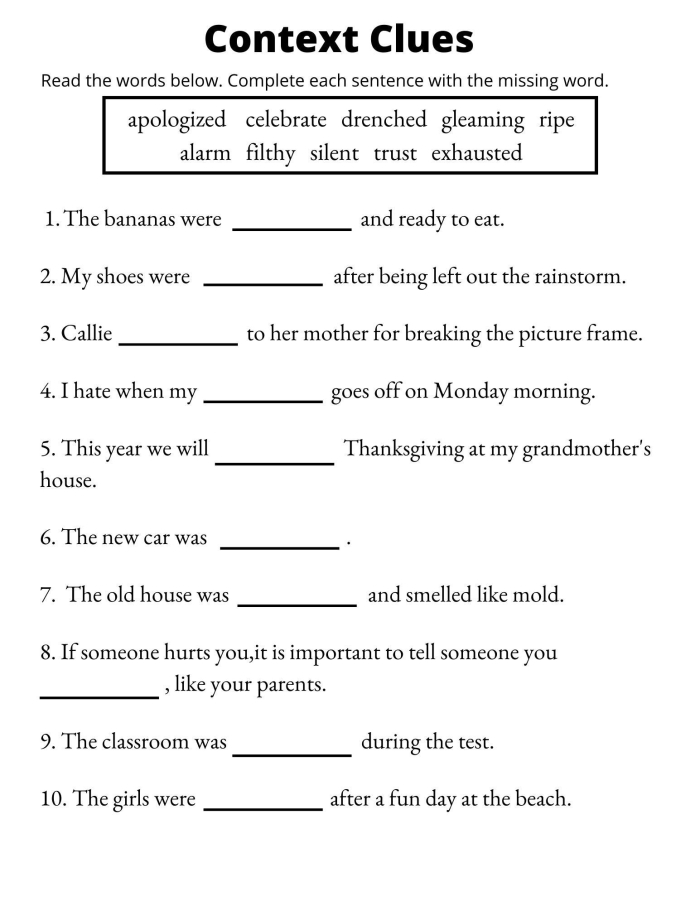
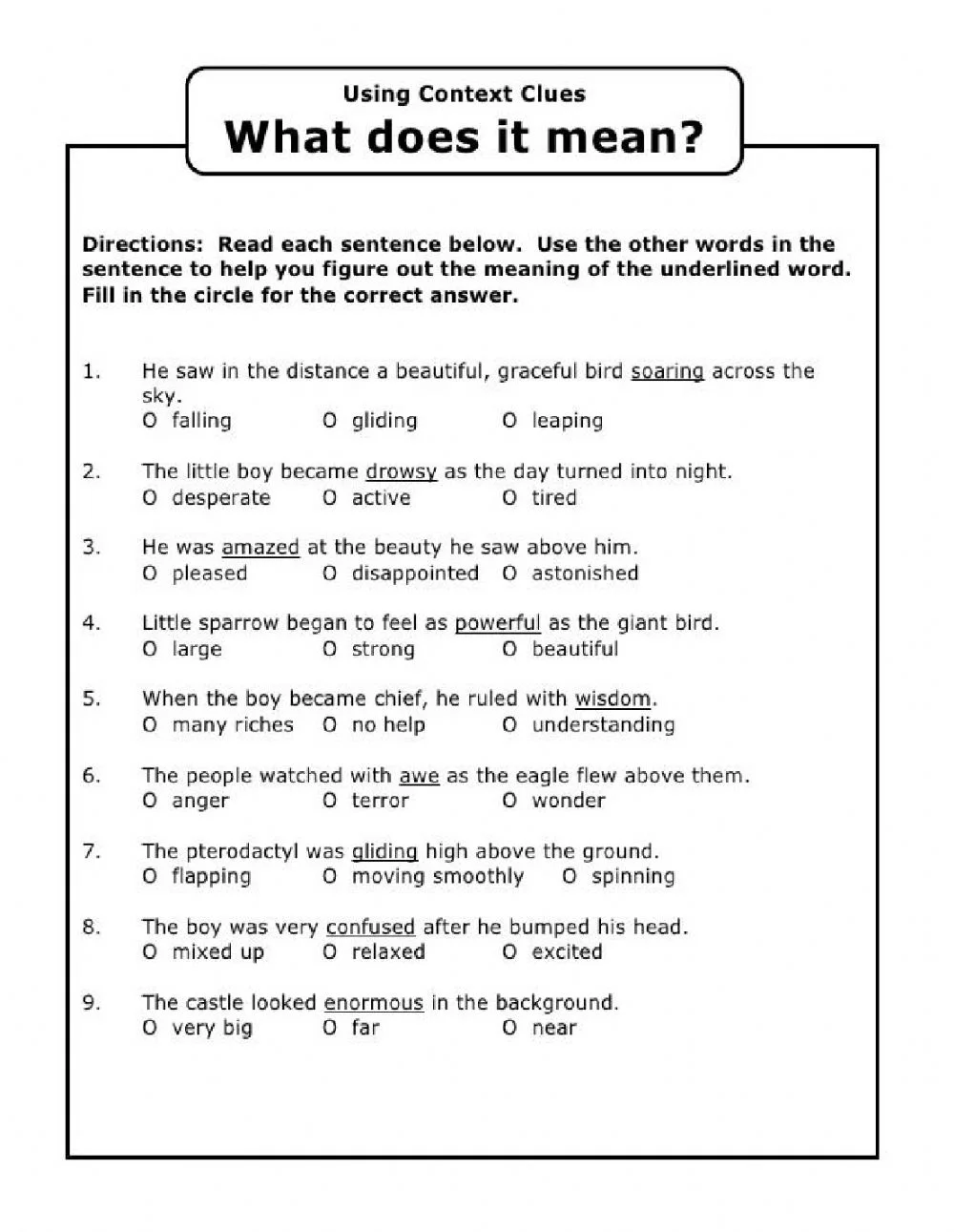
Printable worksheets that focus on “Keeping Up with Context Clues” can be particularly beneficial for third graders. These resources provide structured activities where students practice identifying unfamiliar vocabulary and applying context clues. Teachers can find various worksheets tailored to Earth and Space Science, like those that explore the rock cycle or reading comprehension activities based on stories such as Pinocchio. These engaging materials make learning both fun and effective.
By integrating vocabulary organizers into their reading routine, students are better equipped to tackle challenging texts. This approach not only enhances their understanding of Earth and Space Science but also empowers them to become more confident readers. As they develop these skills, they will be prepared for more complex vocabulary in the future.
Hands-On Worksheet Activities