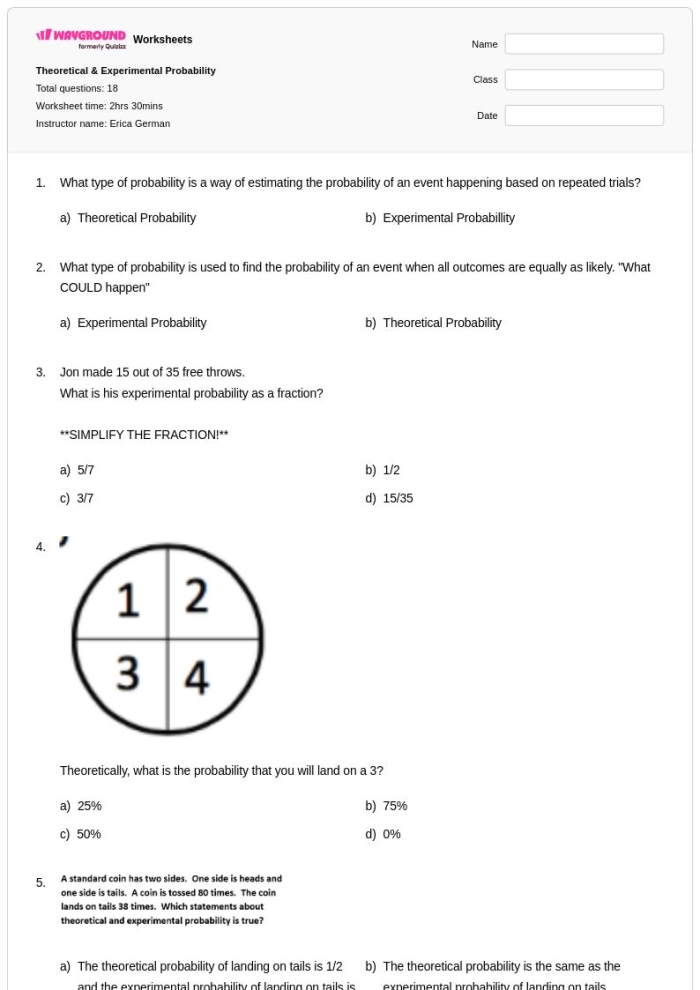
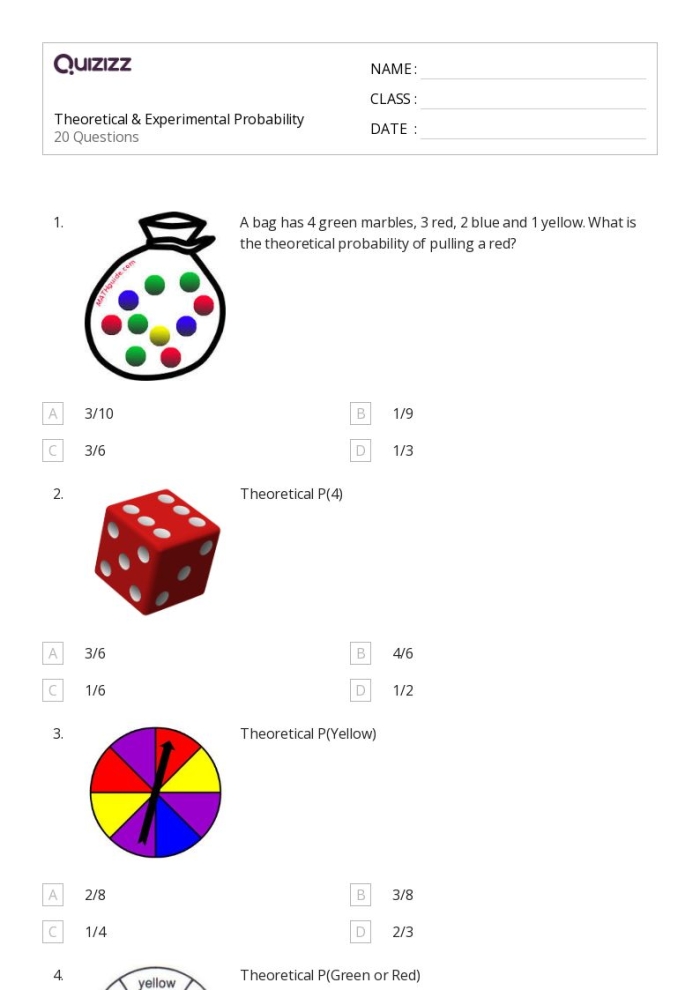
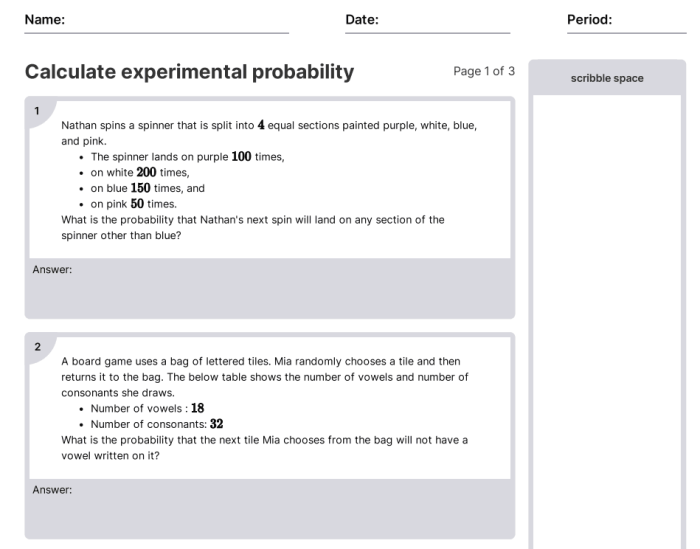
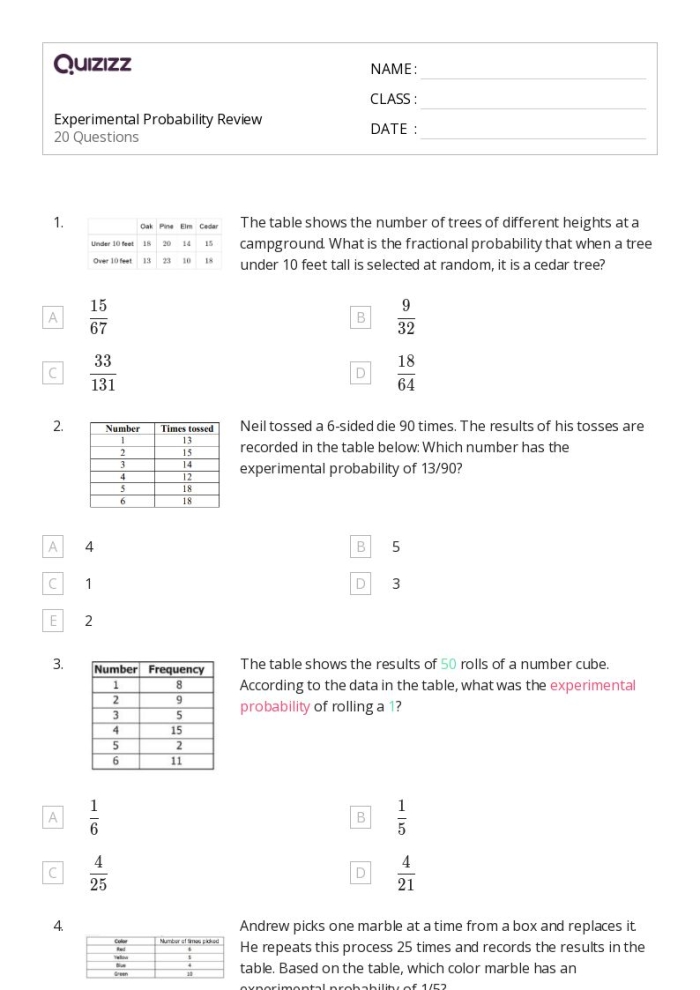
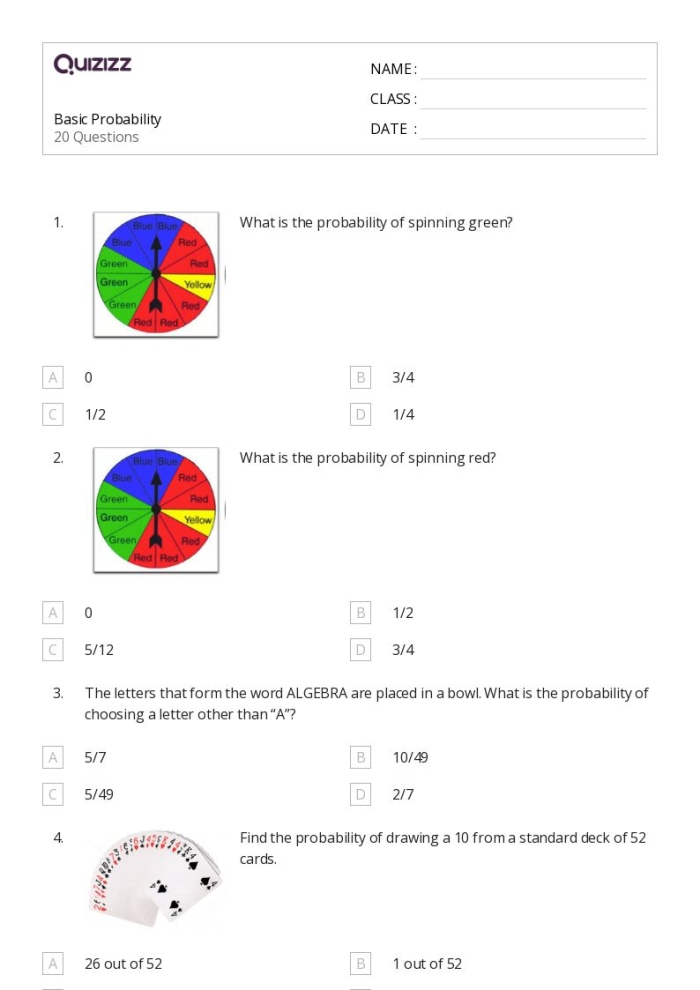
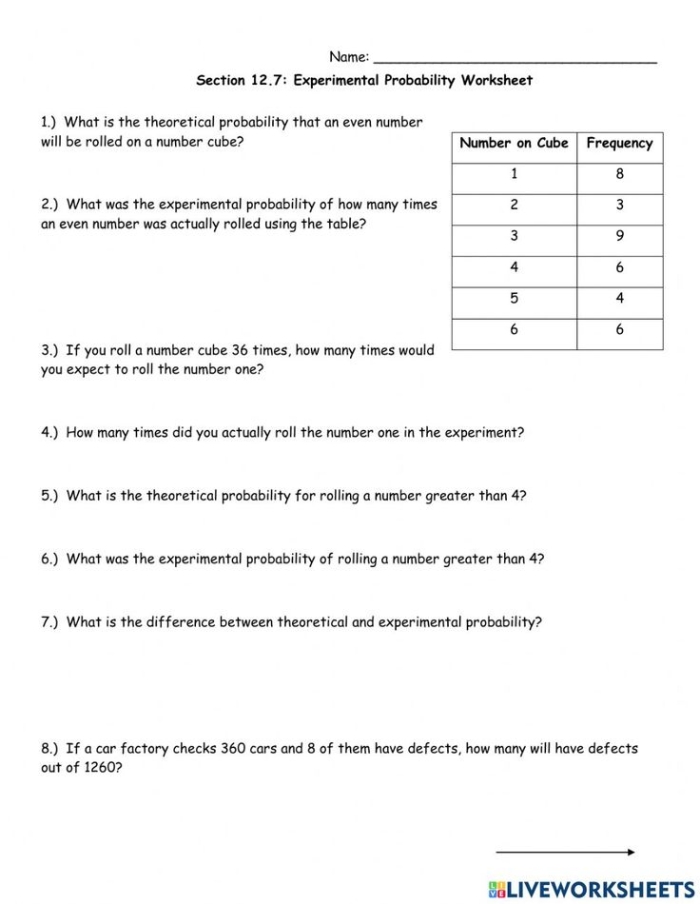
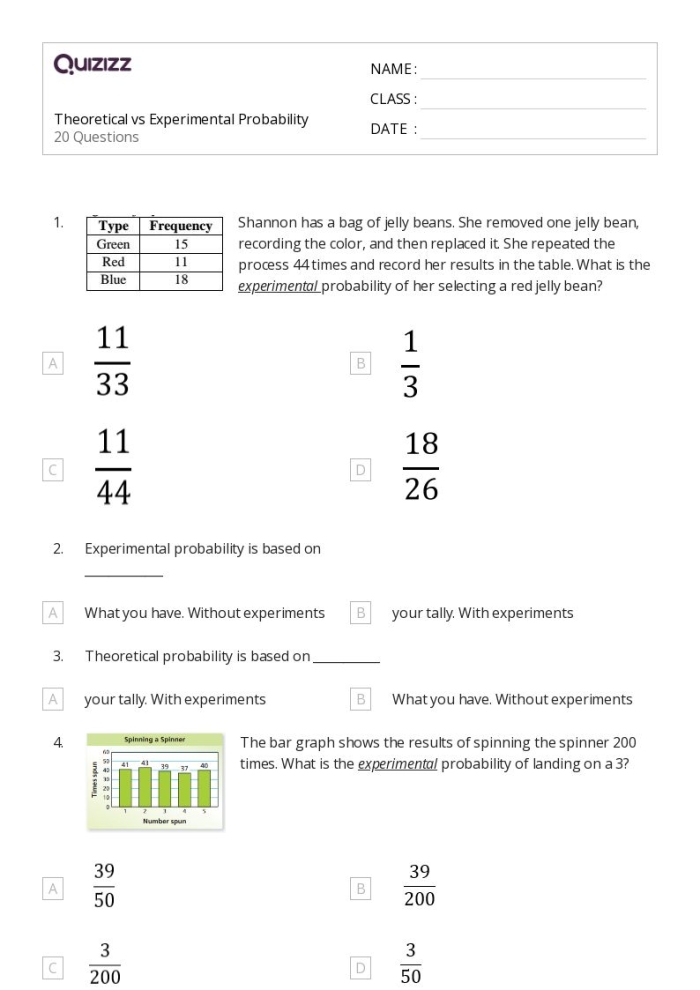
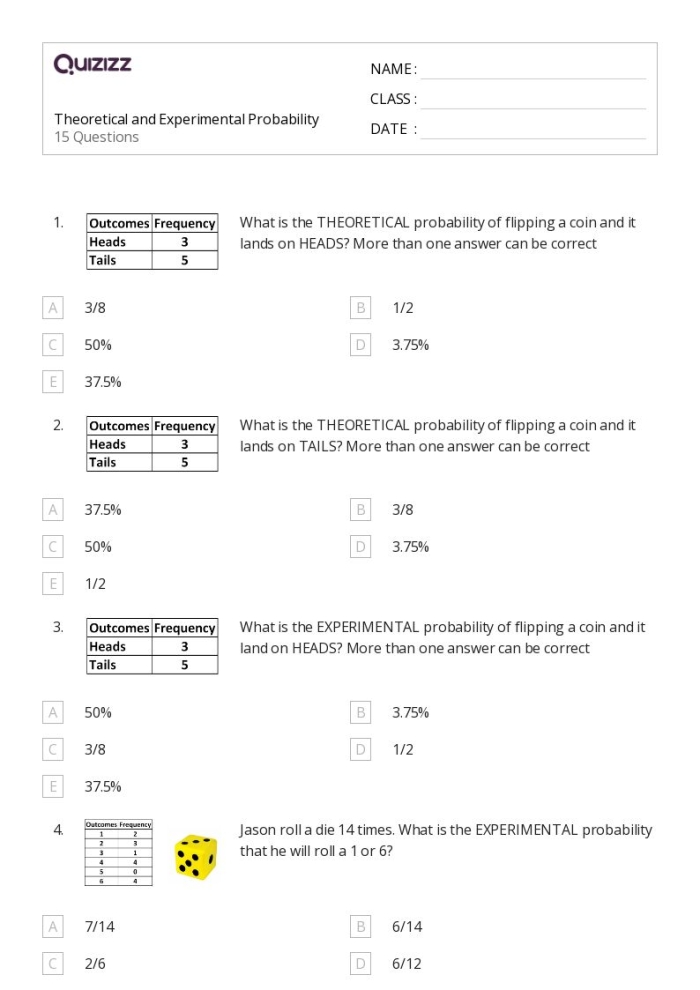
When seventh grade students first encounter probability, many struggle to see why it matters beyond abstract coin flips and dice rolls. A worksheet that grounds experimental probability in real-world scenarios changes that entirely. Instead of memorizing formulas, students work through word problems that mirror situations they actually care about, from predicting sports outcomes to analyzing survey results.
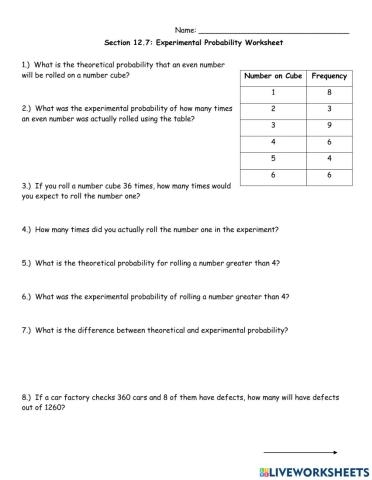
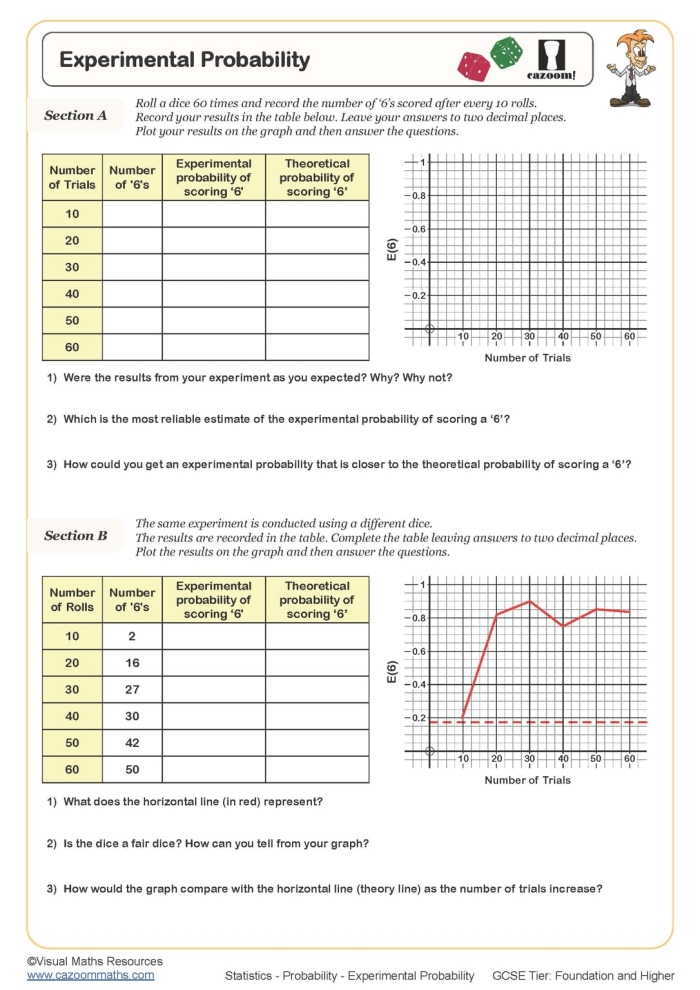
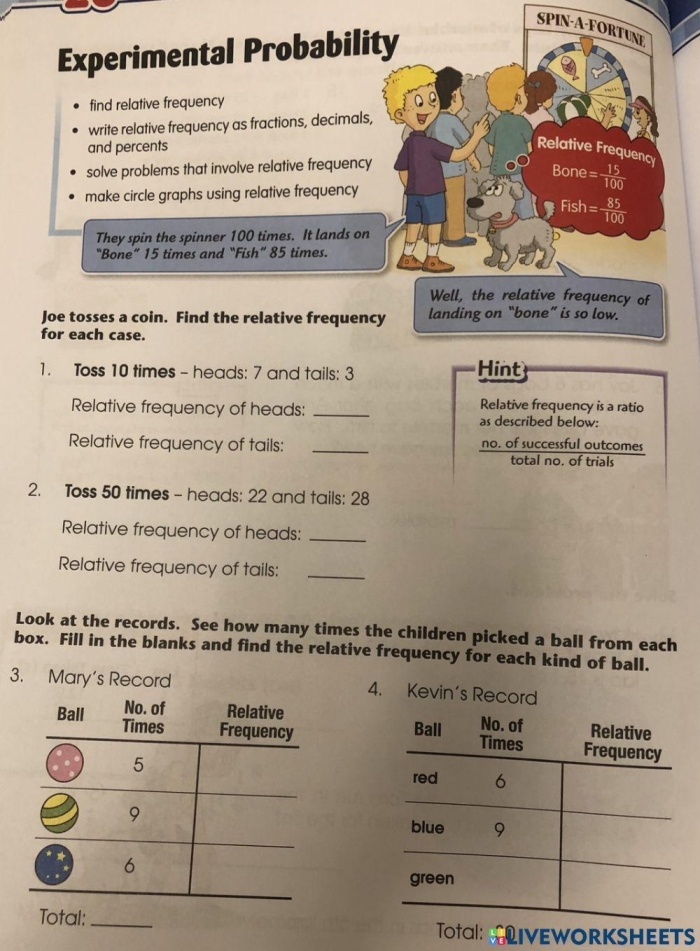
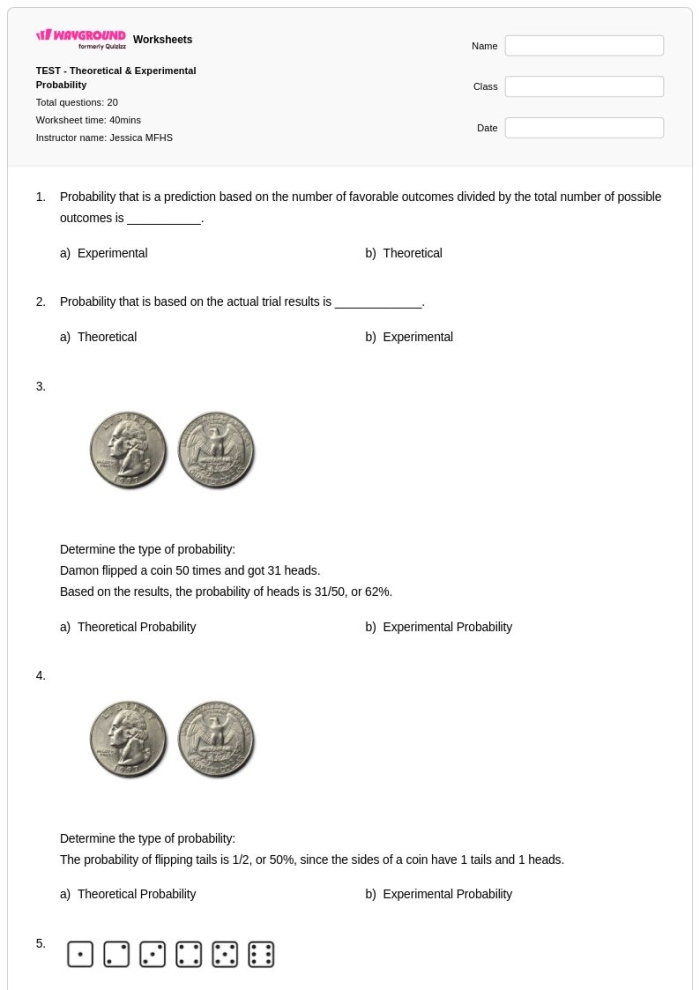
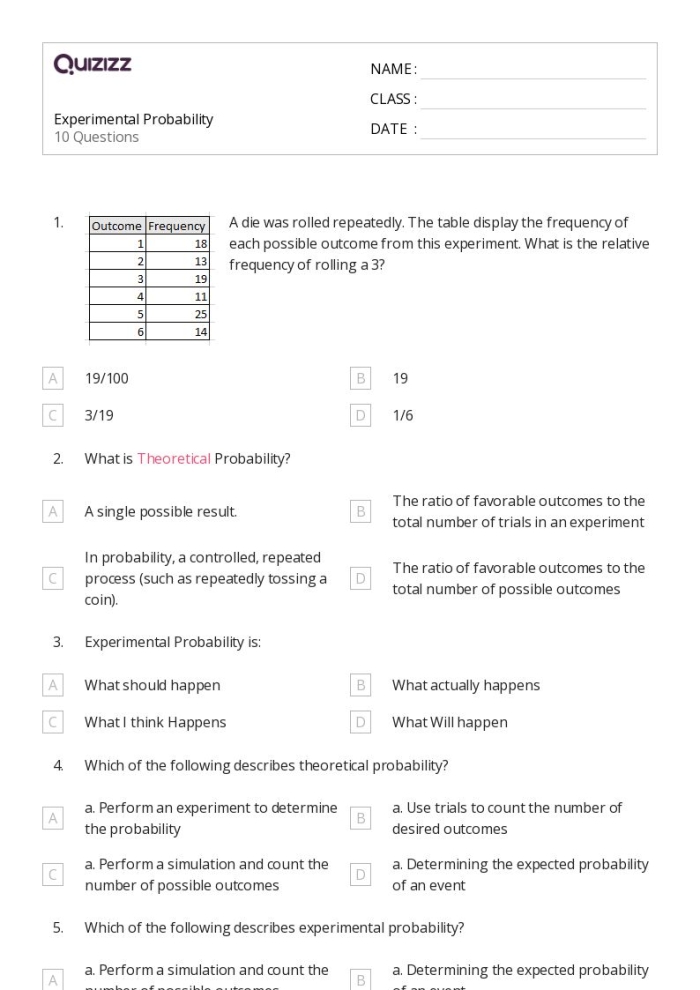
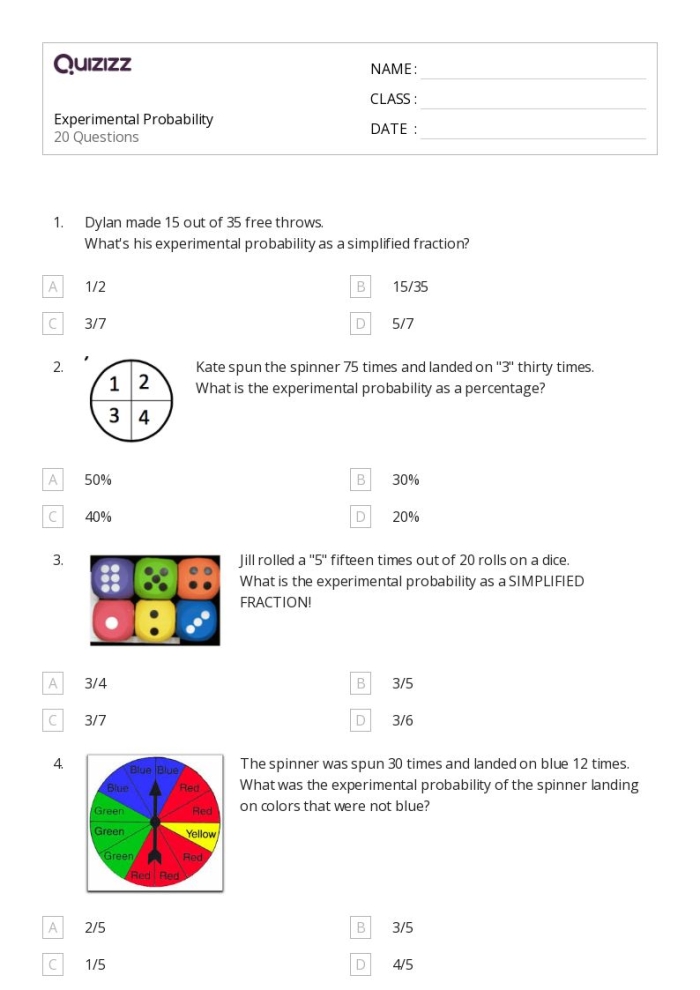
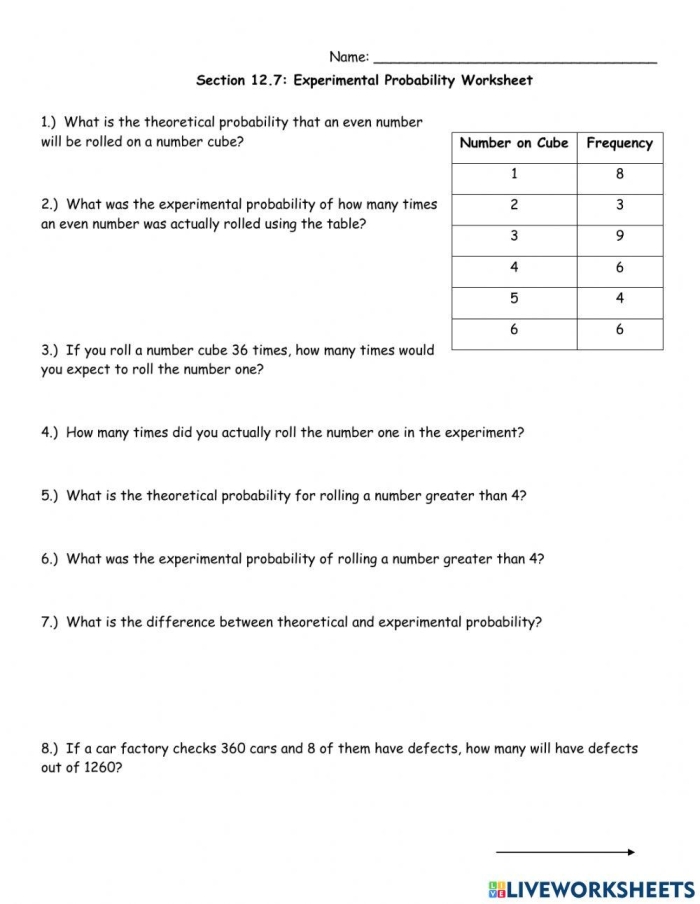
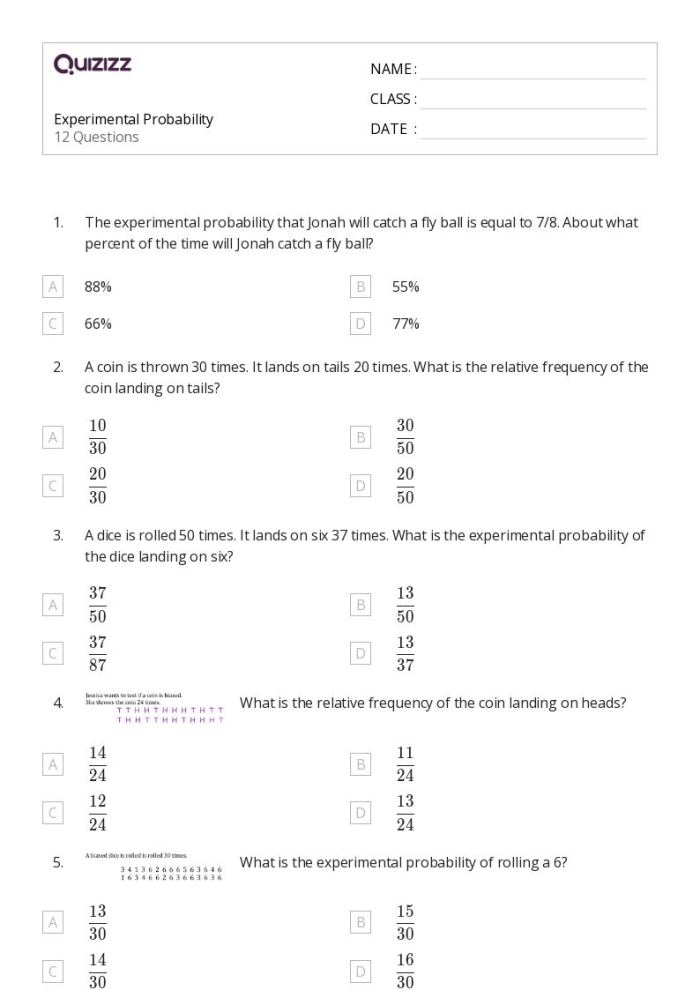
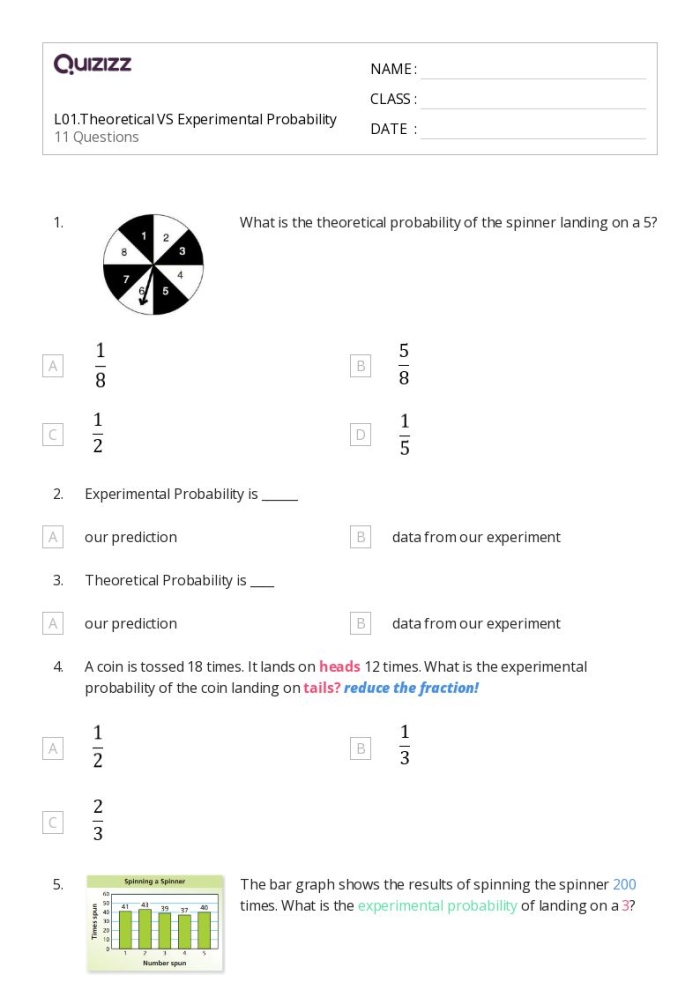
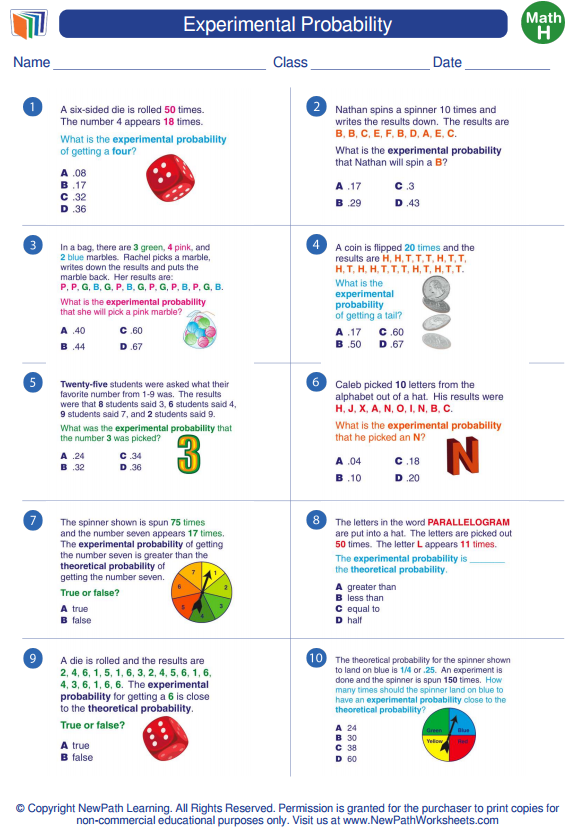
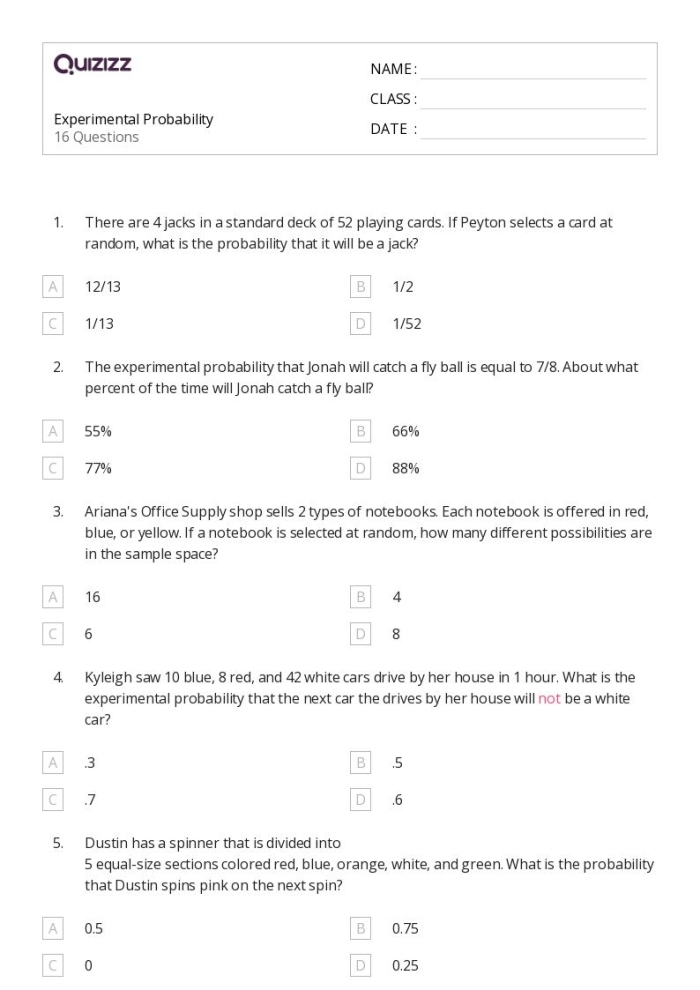
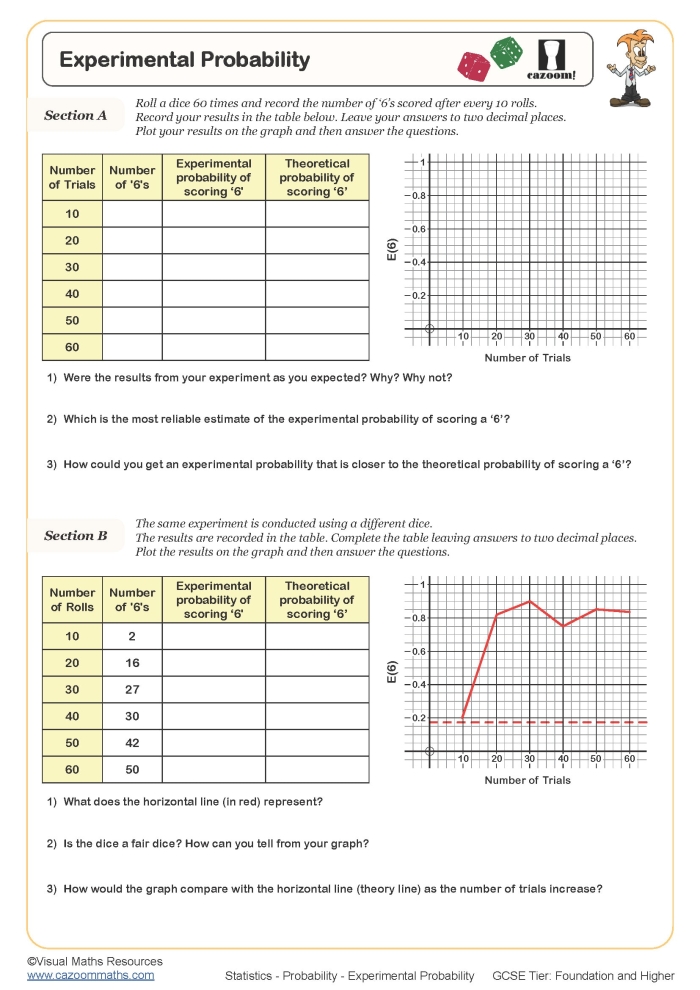
Experimental probability differs from theoretical probability in a crucial way. Rather than calculating what should happen based on math alone, students conduct actual trials or analyze real data to see what actually happens. A seventh grader might run 50 coin tosses and record results, then compare their experimental probability to the theoretical 50/50 split. This hands-on approach builds intuition that pure theory cannot.
Word problems elevate this learning further. Instead of isolated exercises, students read scenarios like “A local bakery tracked which customers bought chocolate versus vanilla cupcakes over two weeks. If 34 out of 85 customers chose chocolate, what’s the experimental probability the next customer will too?” This connects probability to real decision-making, whether a business owner needs to stock inventory or a student wants to predict outcomes.
The seventh grade curriculum in physical science often includes data collection and analysis, making experimental probability a natural fit. When students learn about anatomy and body systems or explore different types of jellyfish, they’re already gathering observations. Experimental probability teaches them to quantify those observations meaningfully.
A well-designed worksheet includes problems with varying difficulty levels. Some might involve simple ratio calculations, while others require multi-step thinking similar to multi-step word problems students encounter earlier in their education. This scaffolding helps struggling learners build confidence while keeping advanced students engaged.
Hands-On Worksheet Activities