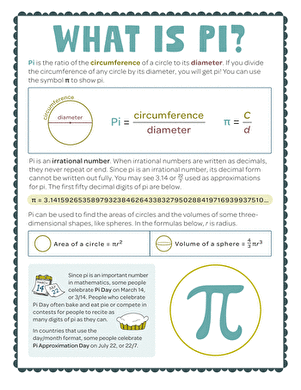
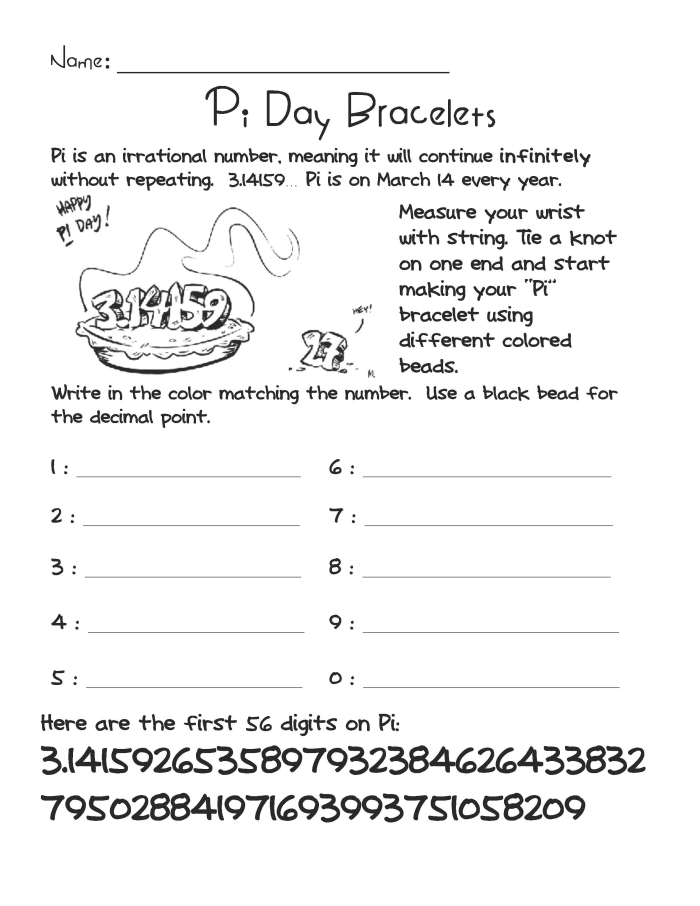
Pi appears everywhere in geometry, from the circumference of a circle to the volume of a sphere, yet most students encounter it without truly understanding what makes it special. Unlike whole numbers or simple fractions, pi belongs to a category called irrational numbers, meaning its decimal representation never ends and never repeats in a pattern. This property fascinated mathematicians for thousands of years and continues to challenge our understanding of mathematics itself.
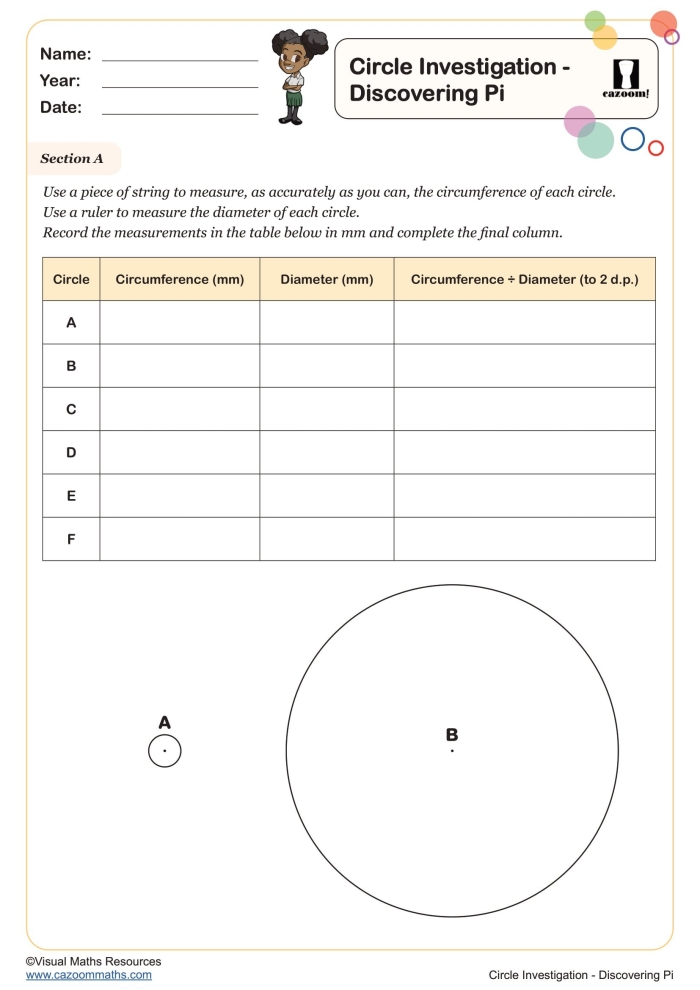
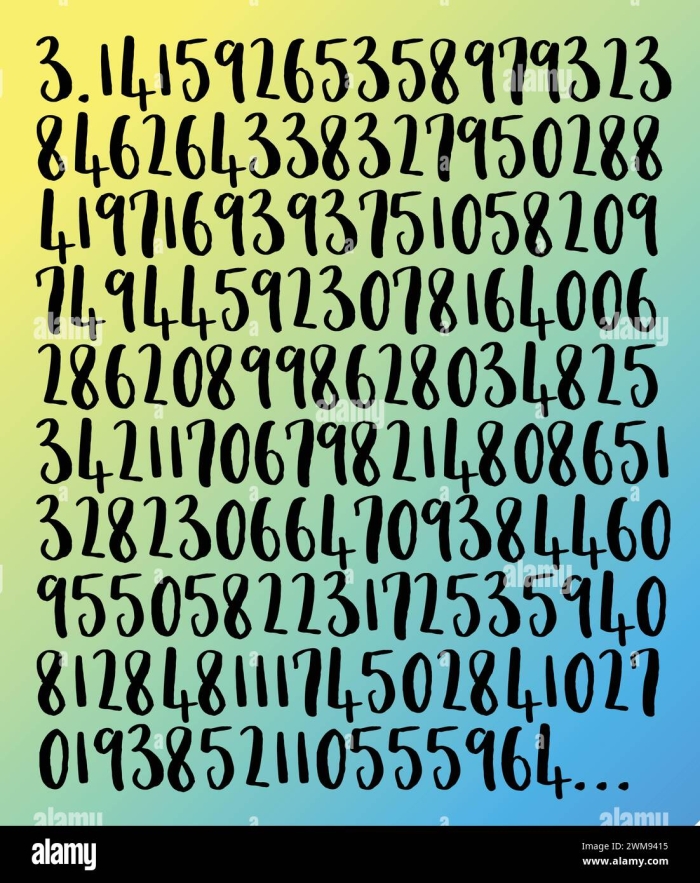
In seventh grade geometry, you’ll spend considerable time working with circles, and pi becomes your constant companion. The ratio of a circle’s circumference to its diameter always equals approximately 3.14159, but that decimal string continues infinitely without settling into a predictable cycle. This makes pi fundamentally different from rational numbers like 1/2 or 3/4, which can always be expressed as a fraction of two whole numbers.
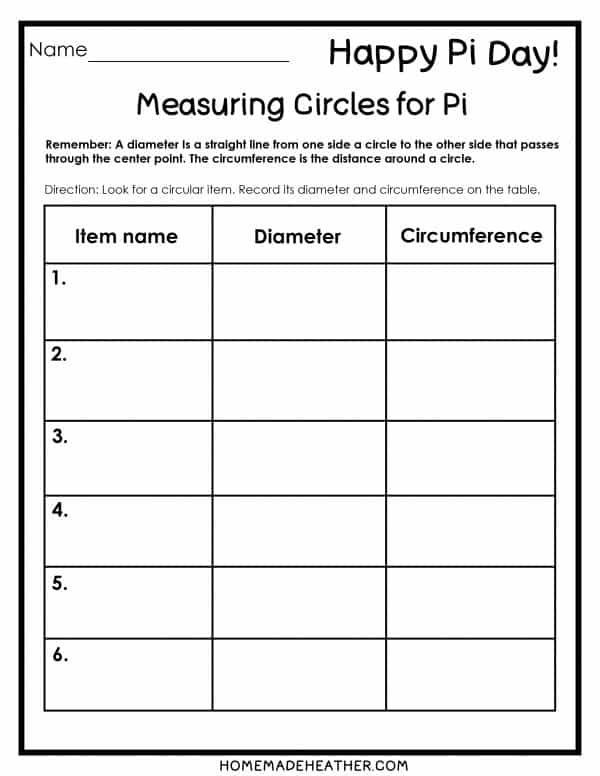
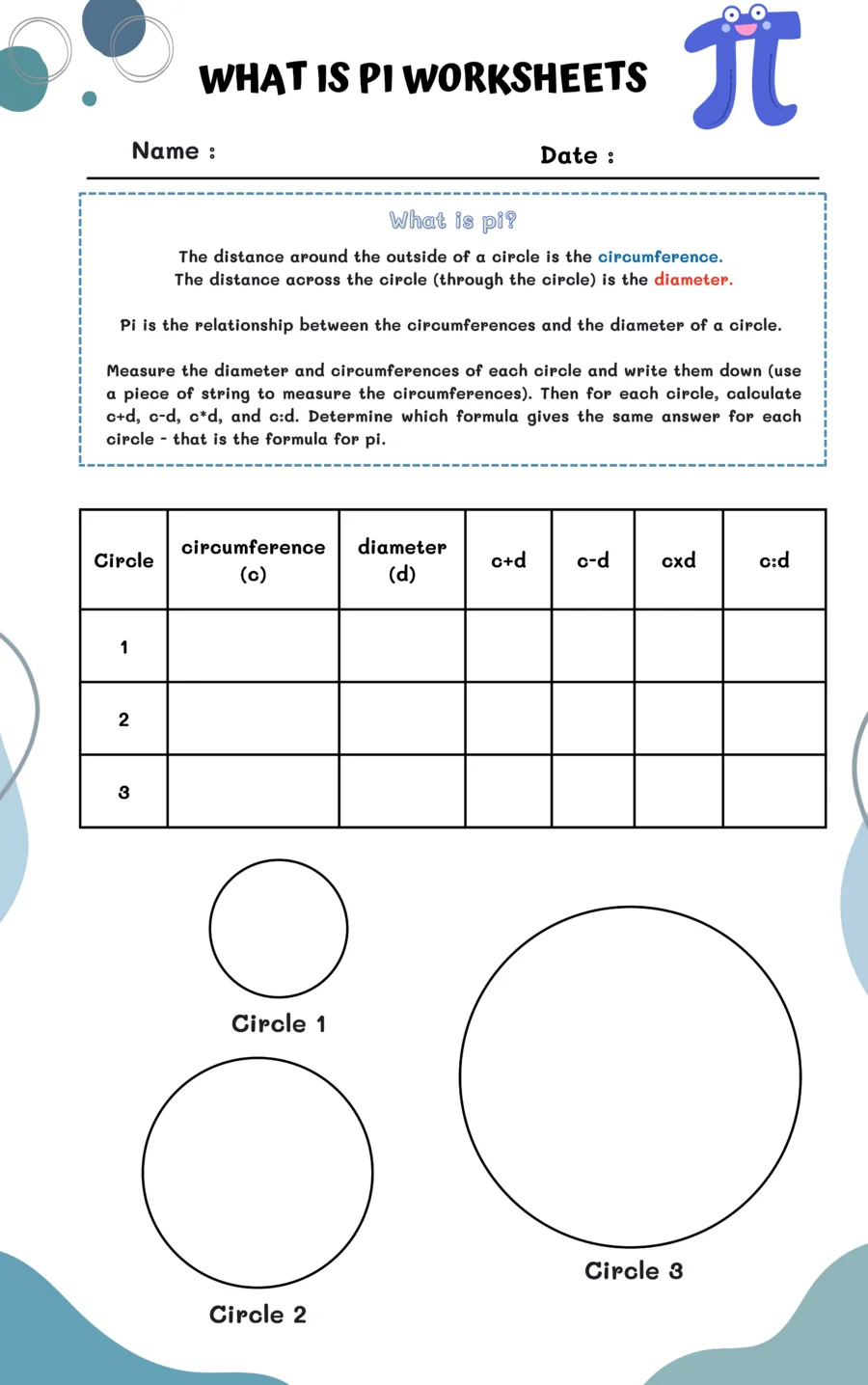
Understanding pi requires grasping why circles behave this way mathematically. When you measure any circle, no matter its size, dividing the distance around it by the distance across always yields pi. Ancient mathematicians discovered this relationship through careful measurement, though they couldn’t express it as a simple fraction. Modern mathematicians have proven that pi cannot be written as a ratio of any two whole numbers, cementing its status as irrational.
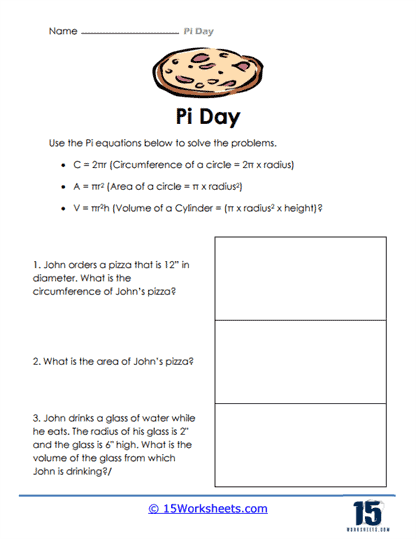
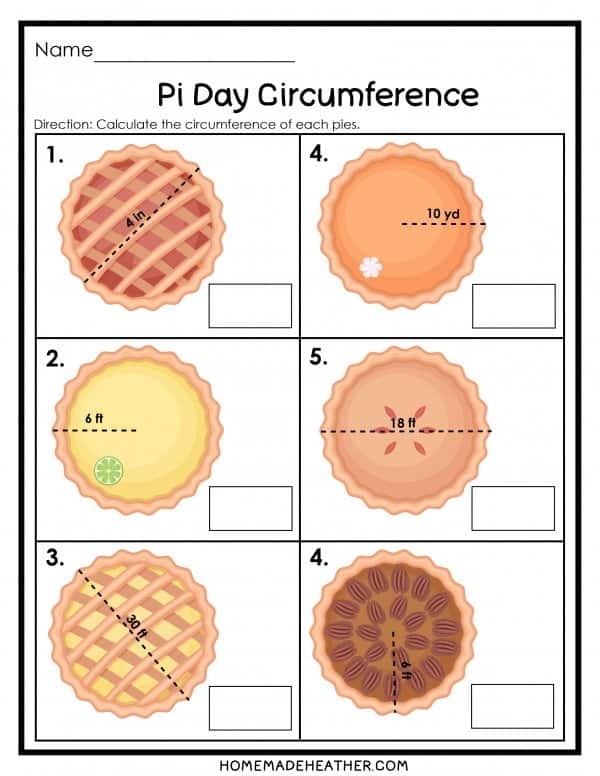
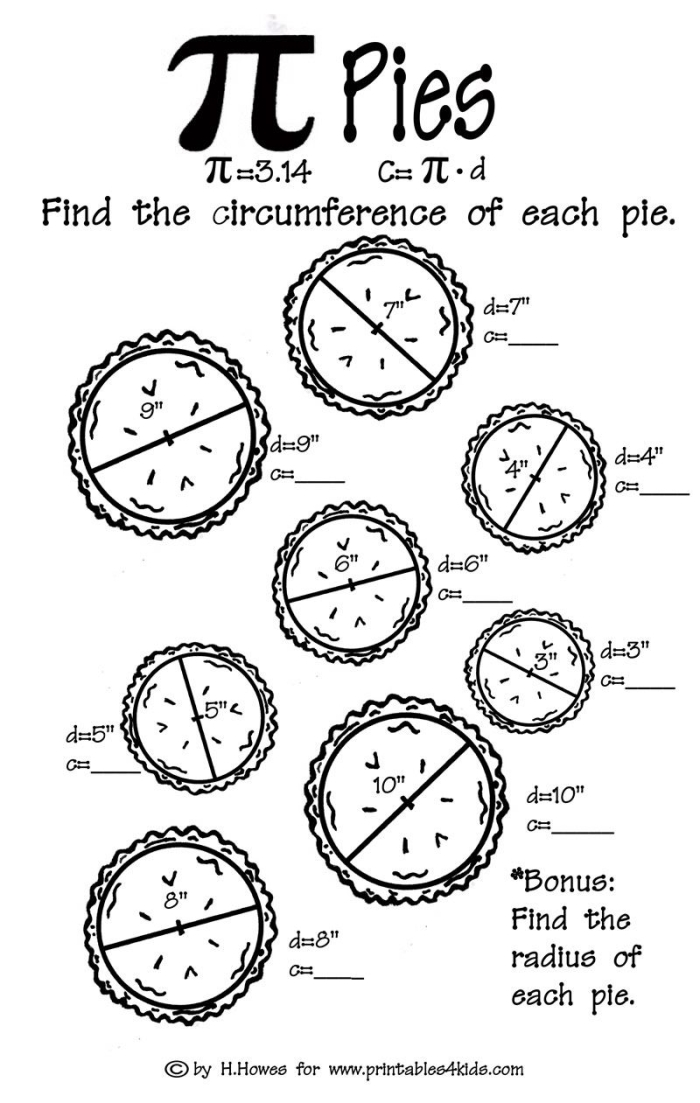
Working with pi in geometry problems means accepting approximations. Most seventh grade calculations use 3.14 or the pi button on a calculator, practical solutions for real-world applications. However, recognizing that you’re always working with a rounded version helps develop mathematical thinking beyond mere computation.
To strengthen your grasp of geometric concepts, consider how foundational number patterns connect to more complex topics. Building strong mathematical fundamentals supports deeper understanding when encountering challenging ideas like irrational numbers.
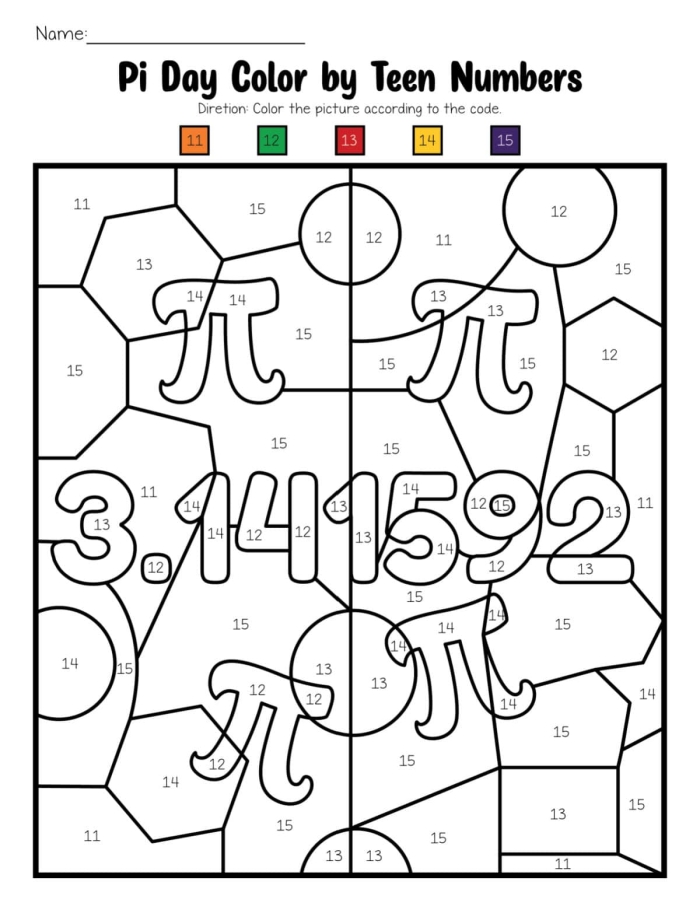
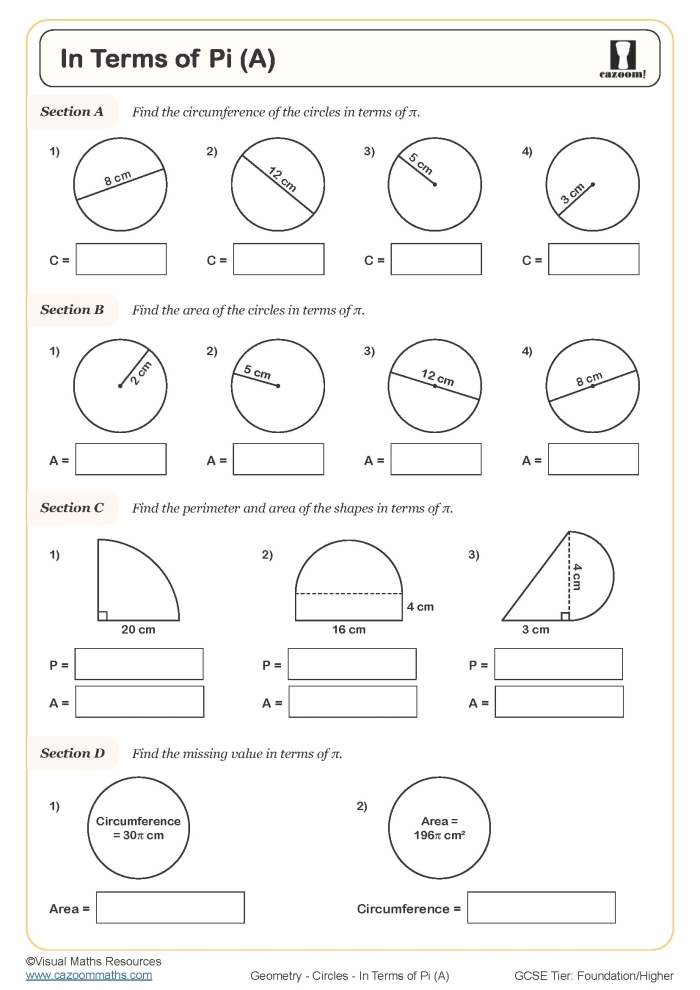
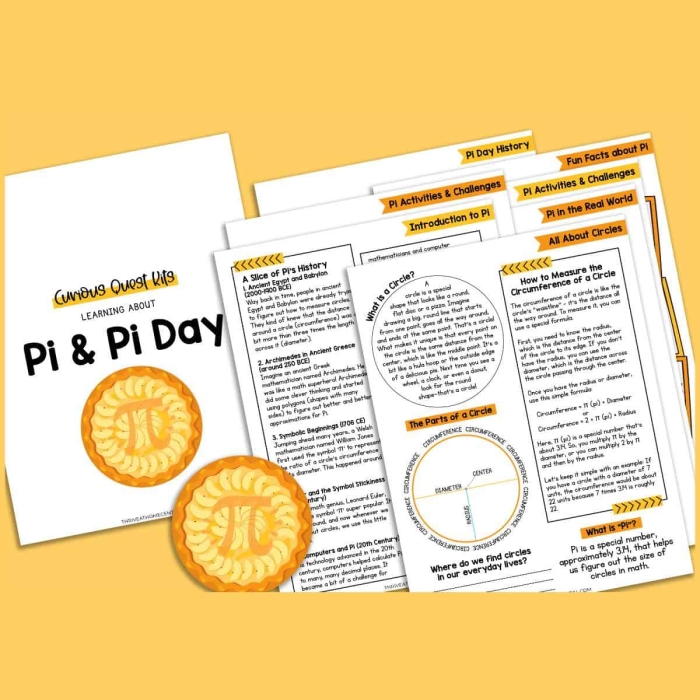
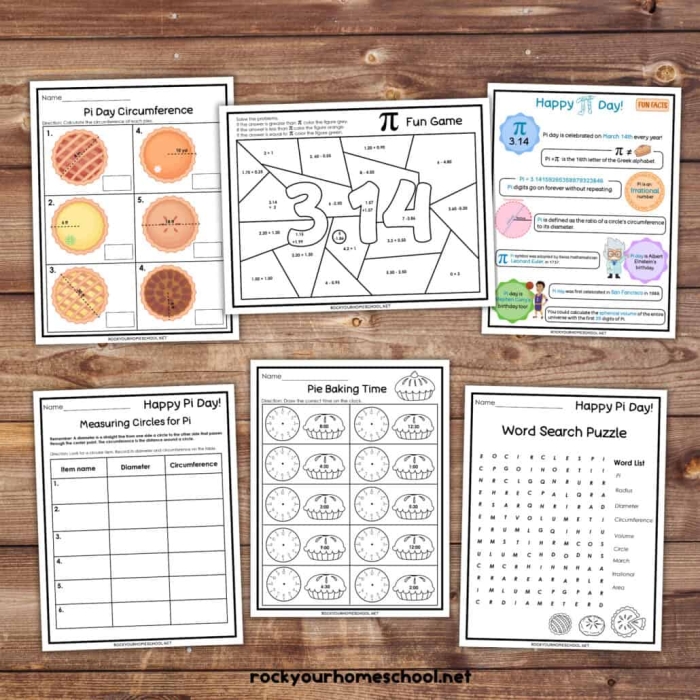
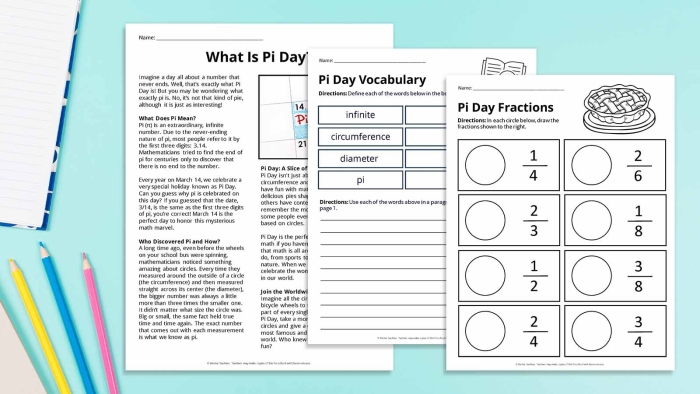
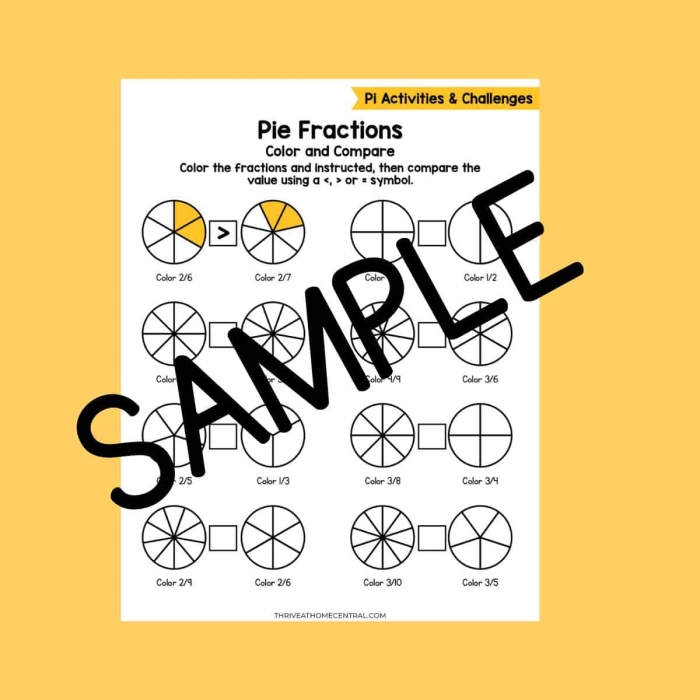
Try These Printable Worksheets