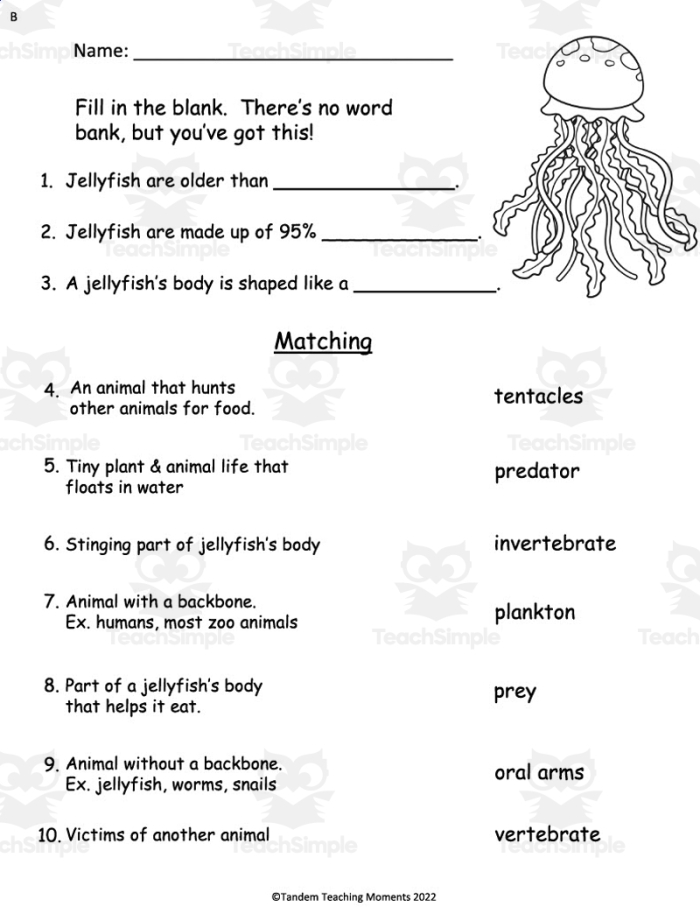
Jellyfish are some of the ocean’s most fascinating creatures, and understanding their varieties opens up a whole world of marine biology. These gelatinous animals have existed for over 500 million years, making them older than dinosaurs. What makes jellyfish so interesting to study in fifth grade life science is how differently they’ve adapted to survive in various ocean environments.
The main jellyfish types include box jellyfish, moon jellyfish, sea nettles, and lion’s mane jellyfish. Each species has distinct characteristics that affect where they live and how they hunt. Box jellyfish, found primarily in Australian waters, are among the most venomous creatures on Earth. Moon jellyfish, on the other hand, are relatively harmless and commonly found in coastal areas worldwide. Lion’s mane jellyfish can grow to enormous sizes, with tentacles stretching over 100 feet long. Sea nettles are smaller but pack a noticeable sting that swimmers often encounter in warm ocean waters.
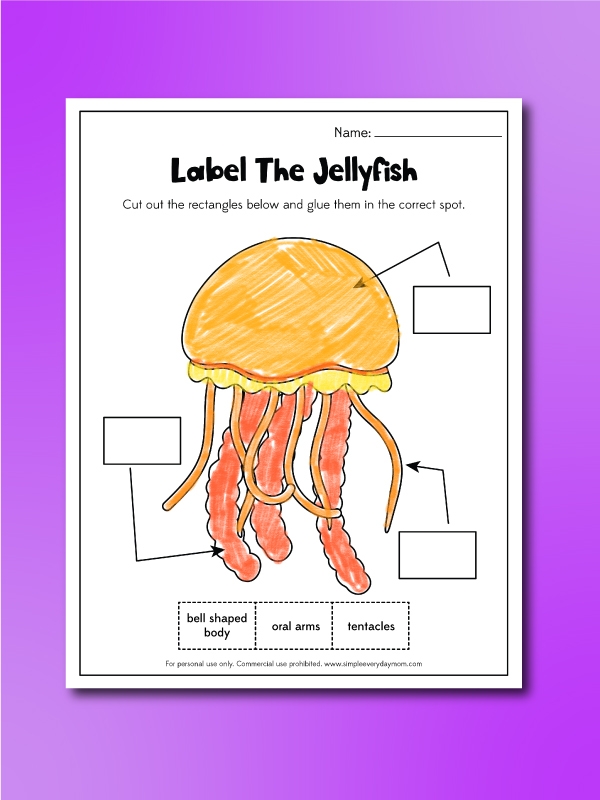
Learning about jellyfish structure helps explain why they’re so successful as predators. All jellyfish have a bell-shaped body, tentacles with stinging cells called nematocysts, and a simple nervous system. They don’t have brains, hearts, or bones, yet they’ve thrived for millions of years. This efficient design is worth studying when exploring how organisms adapt to their environments.
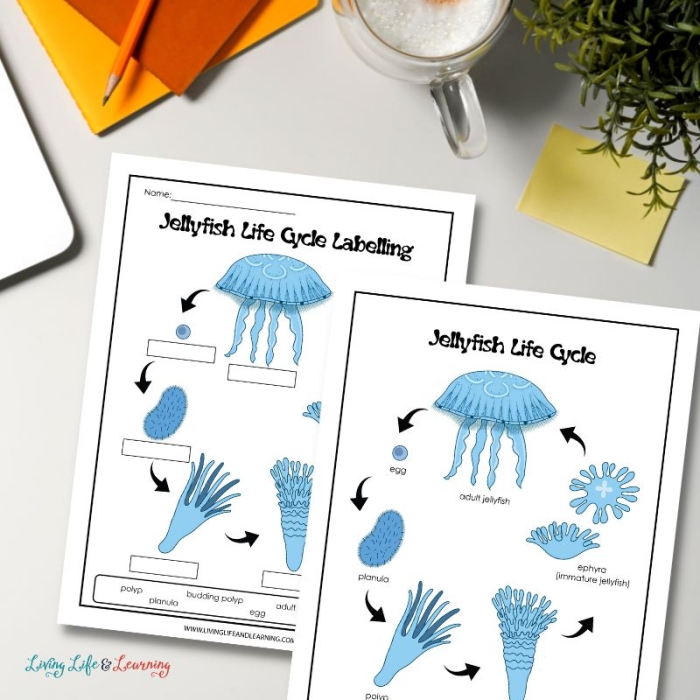
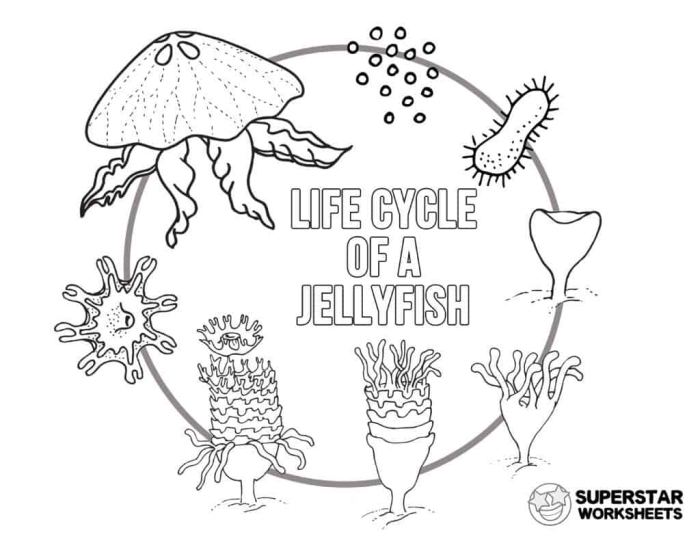
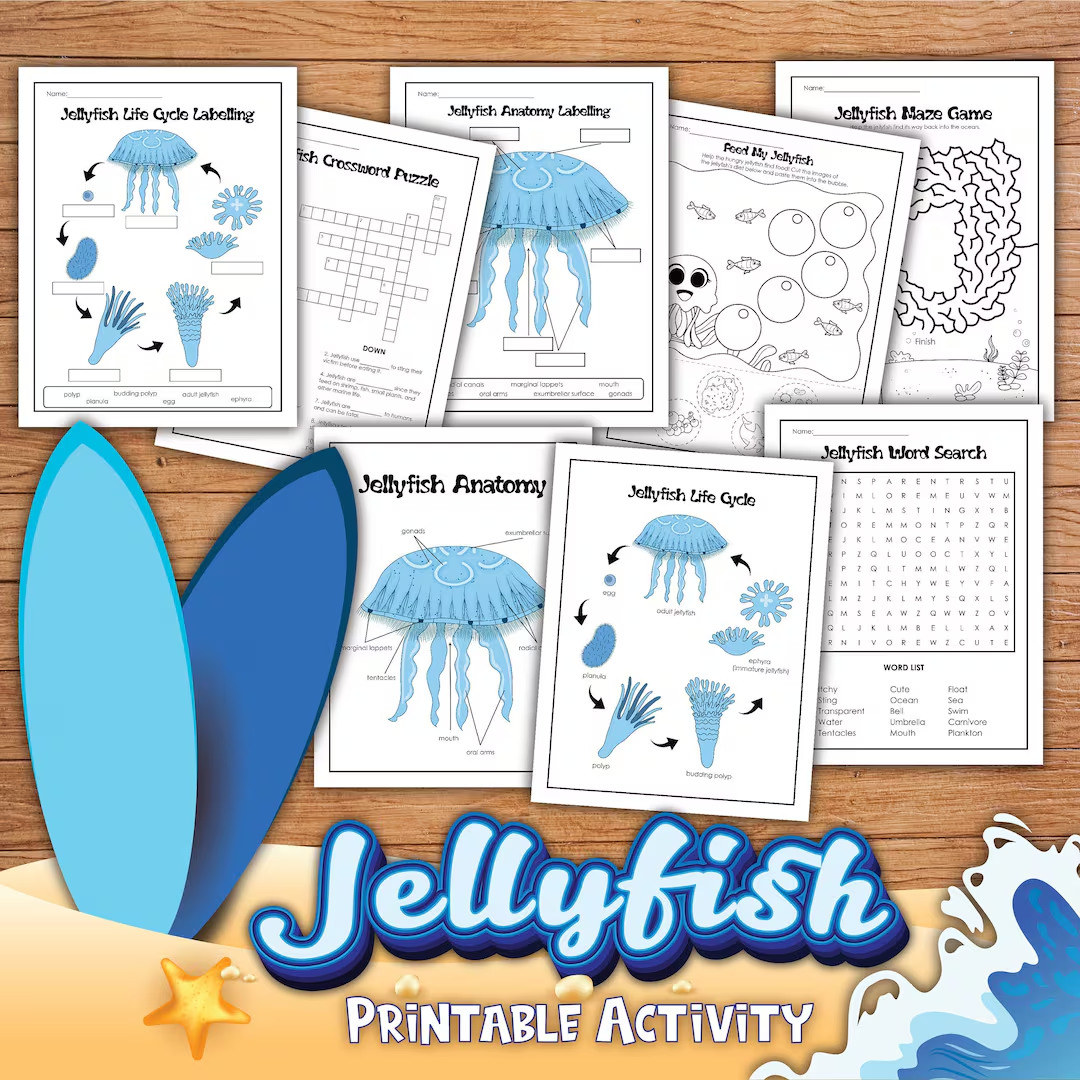
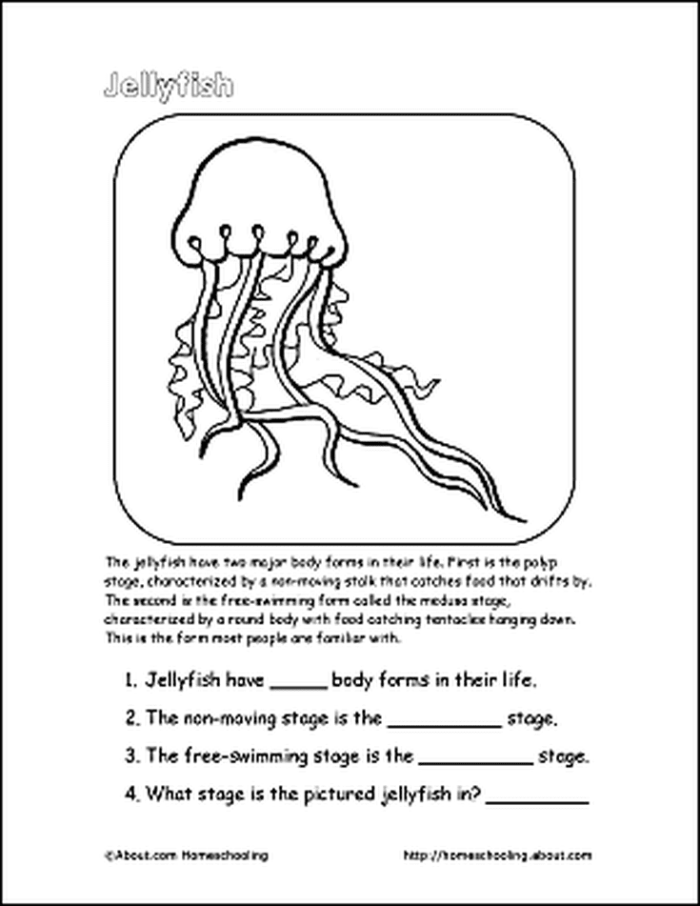
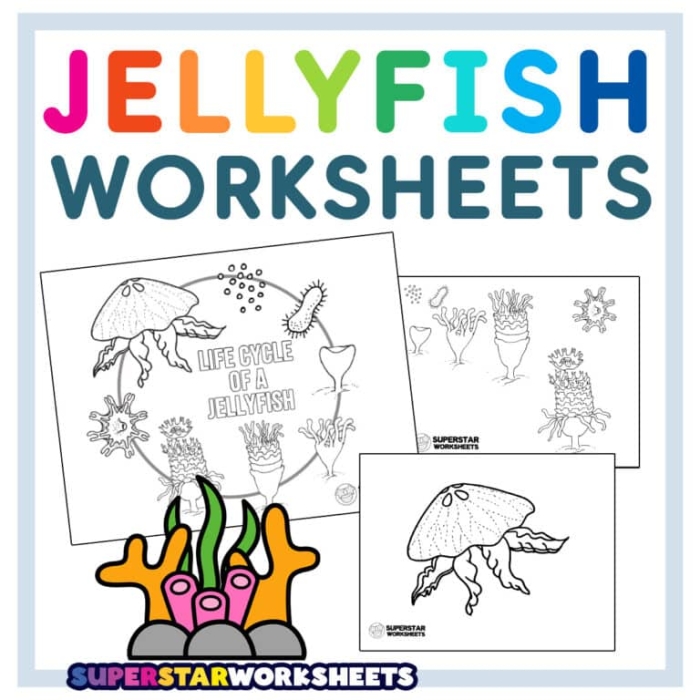
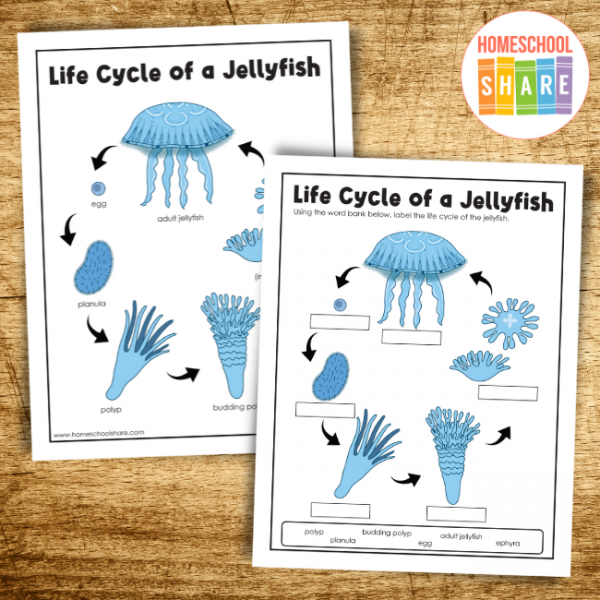
To strengthen your understanding of jellyfish biology, practice with worksheets that focus on different types of jellyfish. These resources help fifth grade students identify key features and compare species effectively. You can also explore how weather effects influence jellyfish populations and behavior patterns.
Test your knowledge by answering questions about jellyfish anatomy, habitat preferences, and hunting methods. Can you identify which species is most dangerous? Do you know why jellyfish drift with ocean currents rather than swim actively? These questions help reinforce what you’ve learned about these remarkable ocean animals.
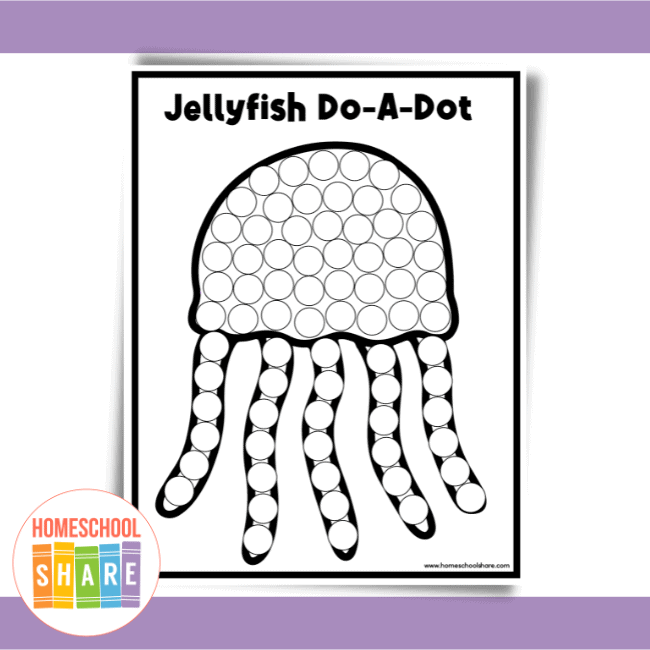
Try These Printable Worksheets