Your body contains over 600 muscles working together right now, even while you’re sitting still. Some are moving your eyes across this page, others are keeping your posture upright, and a few are helping you breathe. For fifth grade life science students, understanding how these muscles work and what they’re called opens up a fascinating window into human anatomy.
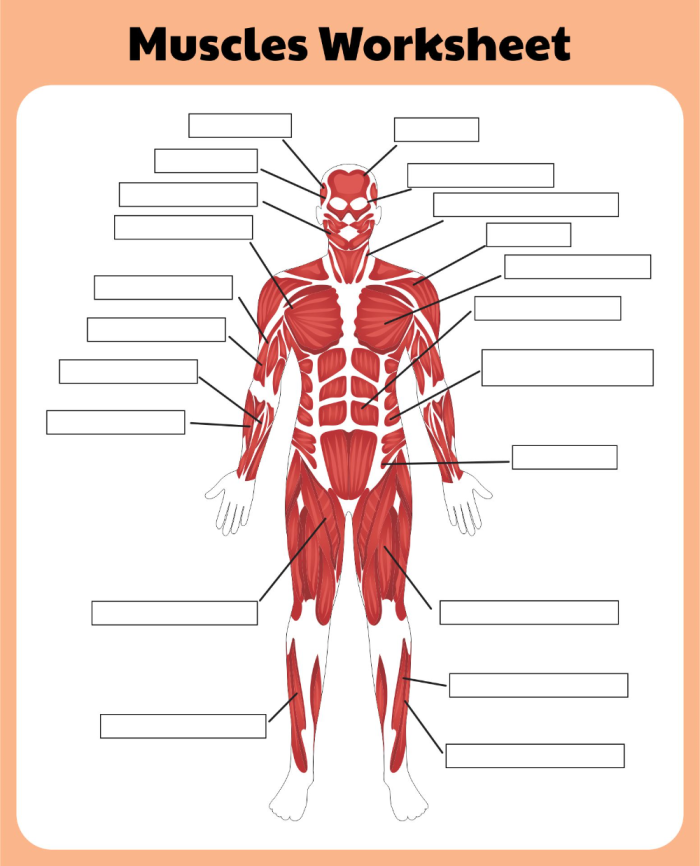
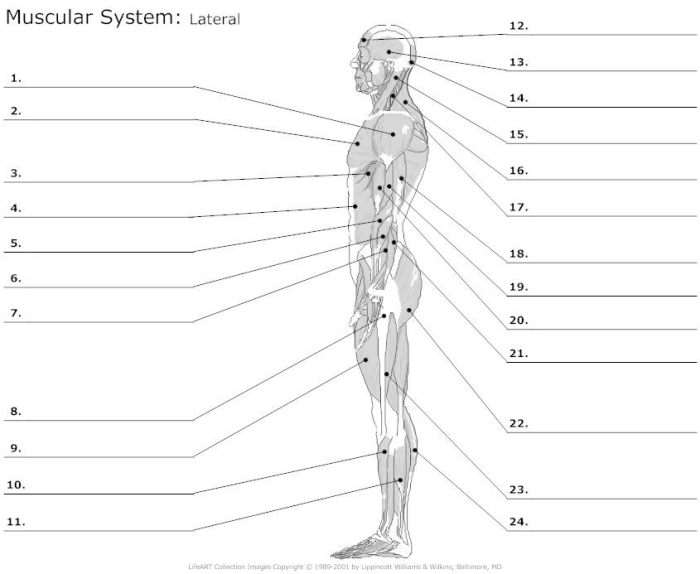
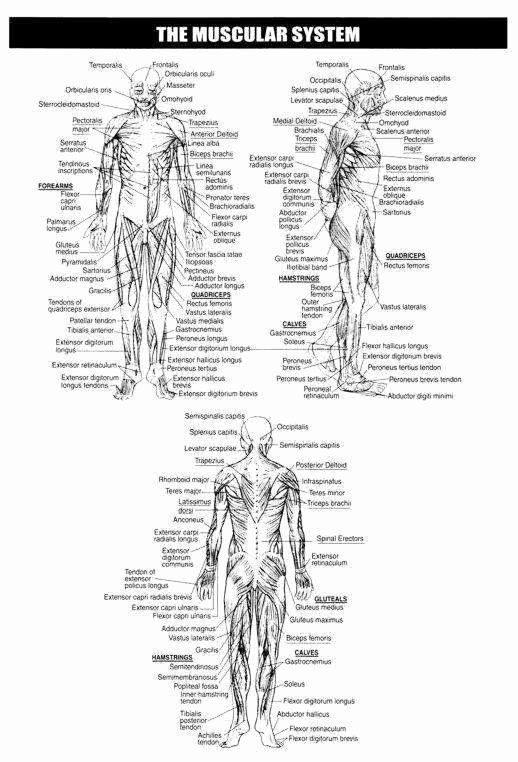
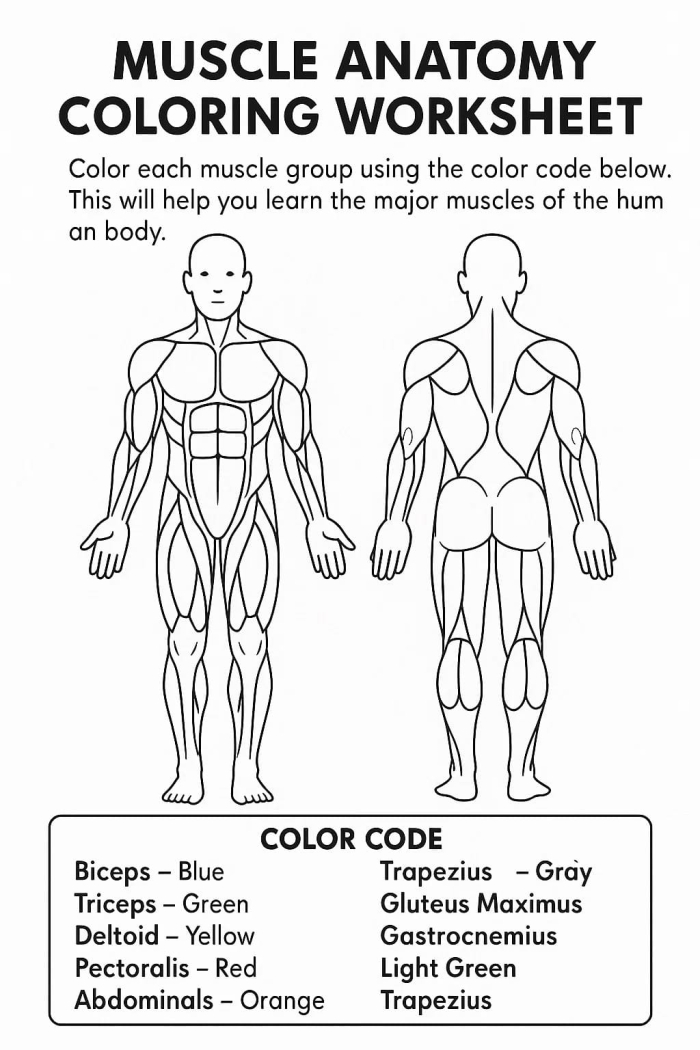
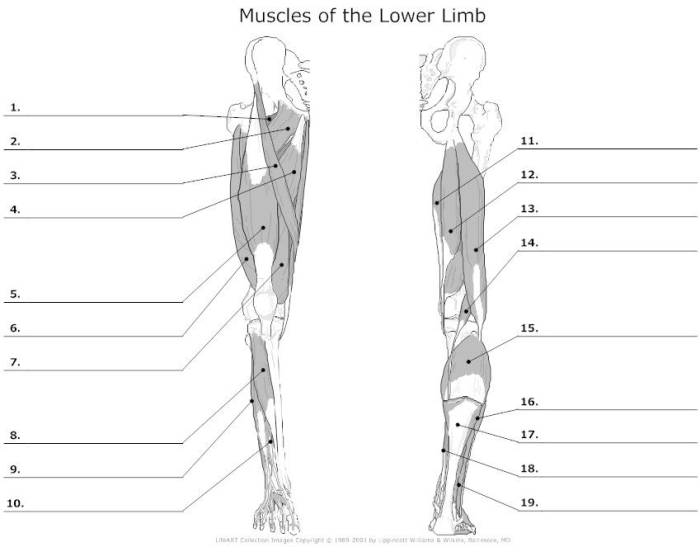
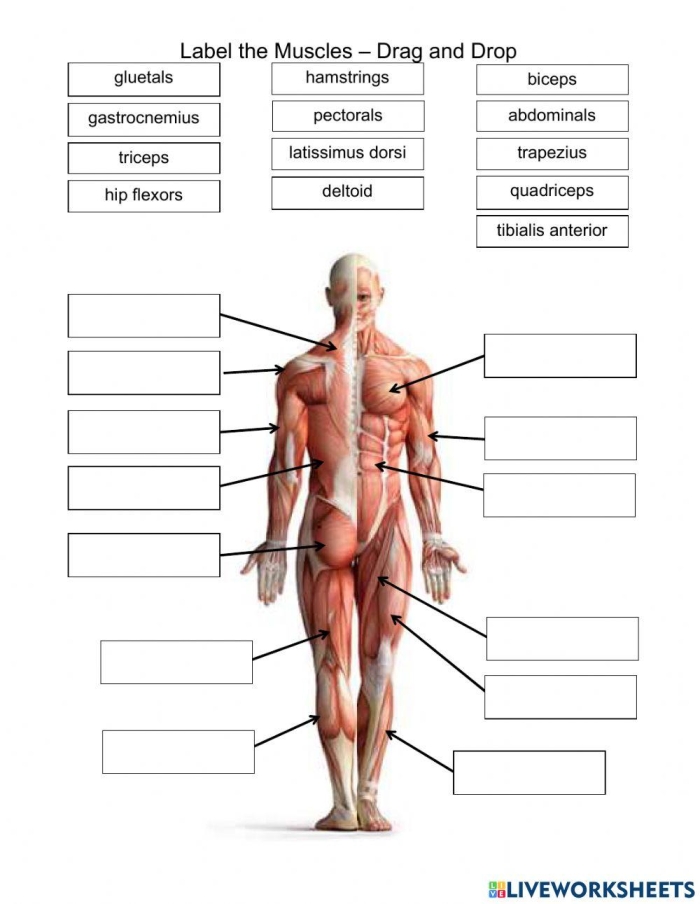
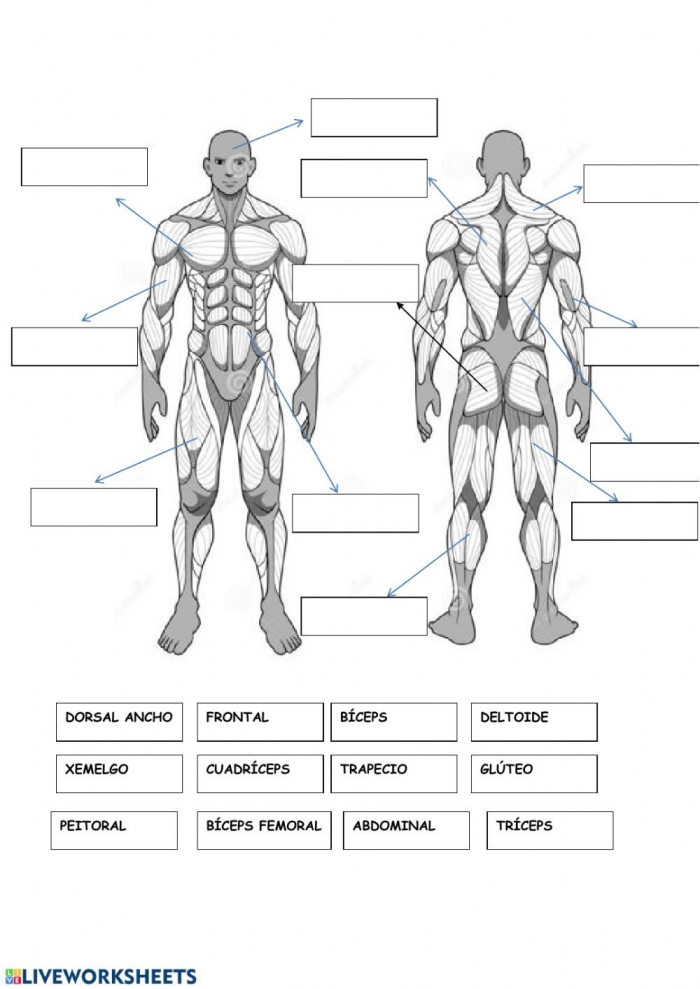
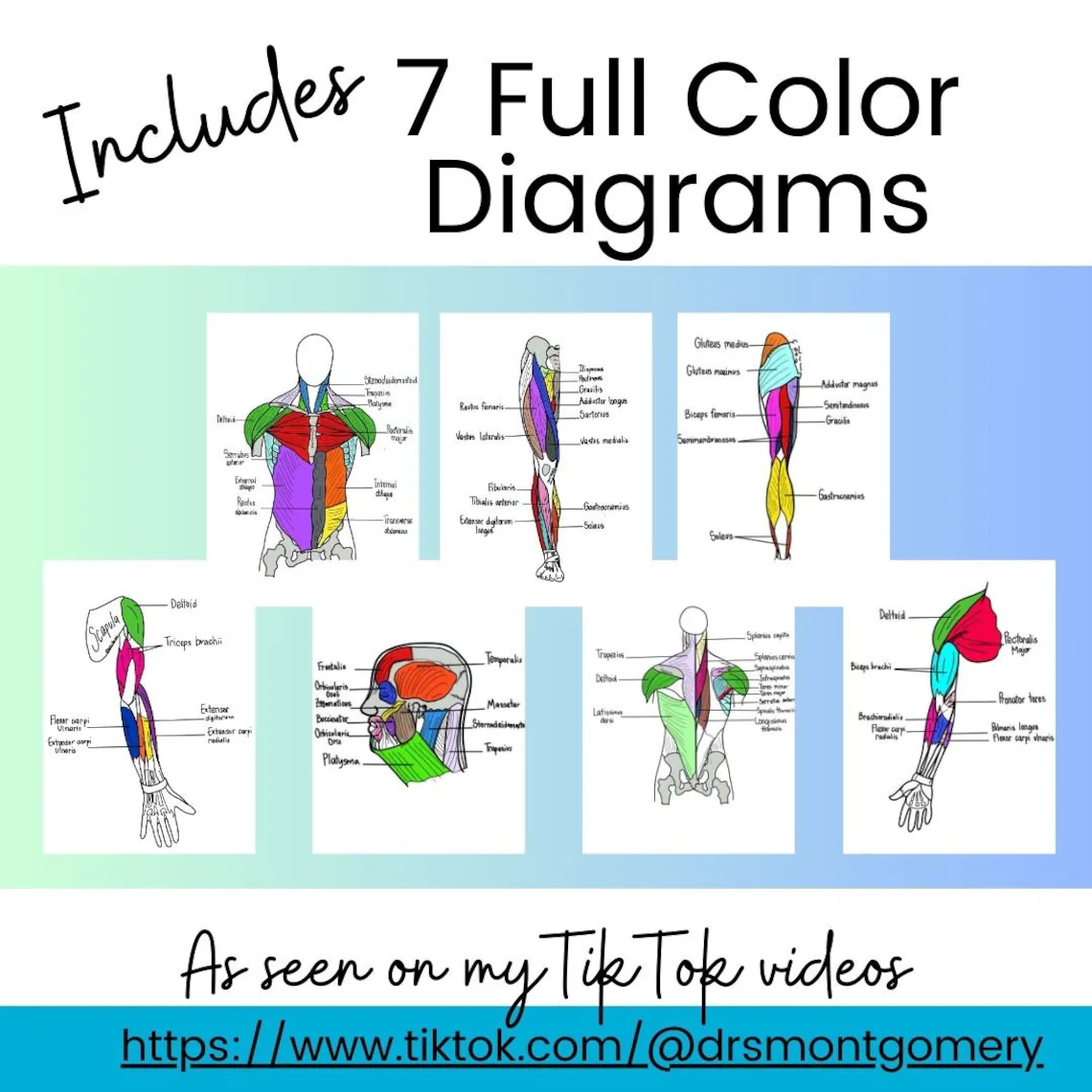
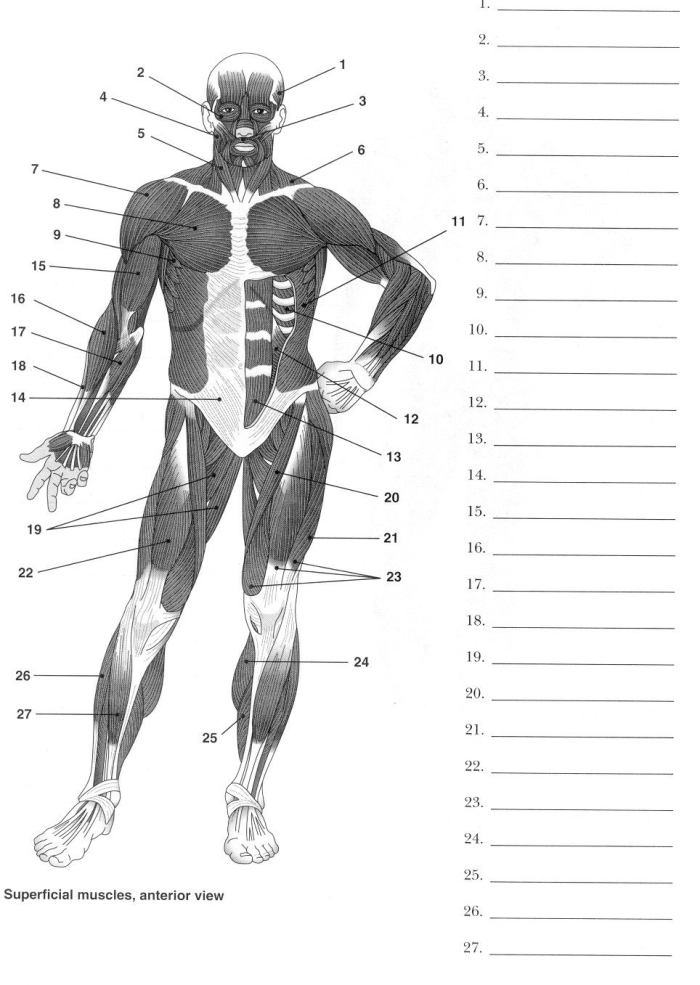
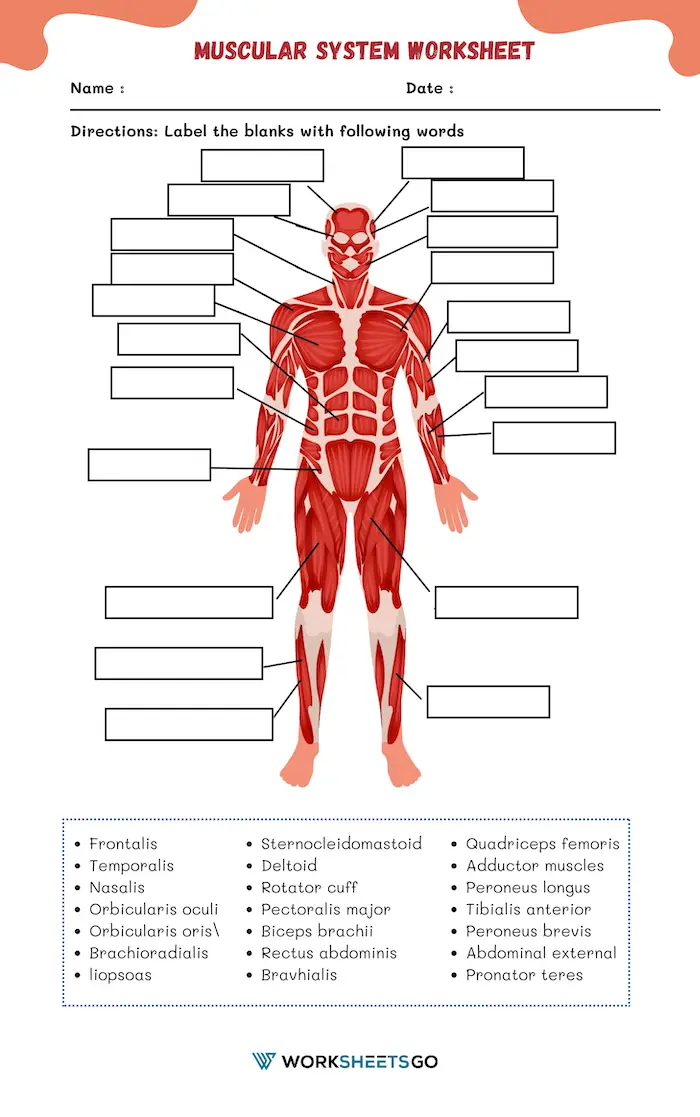
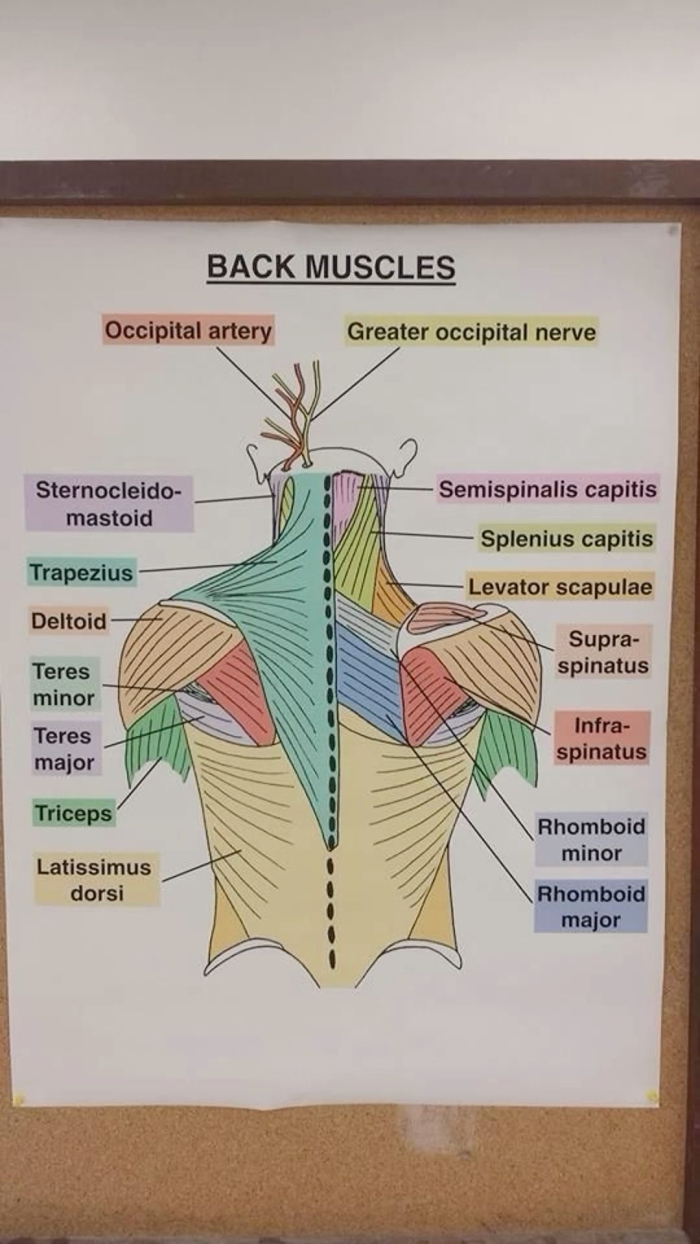
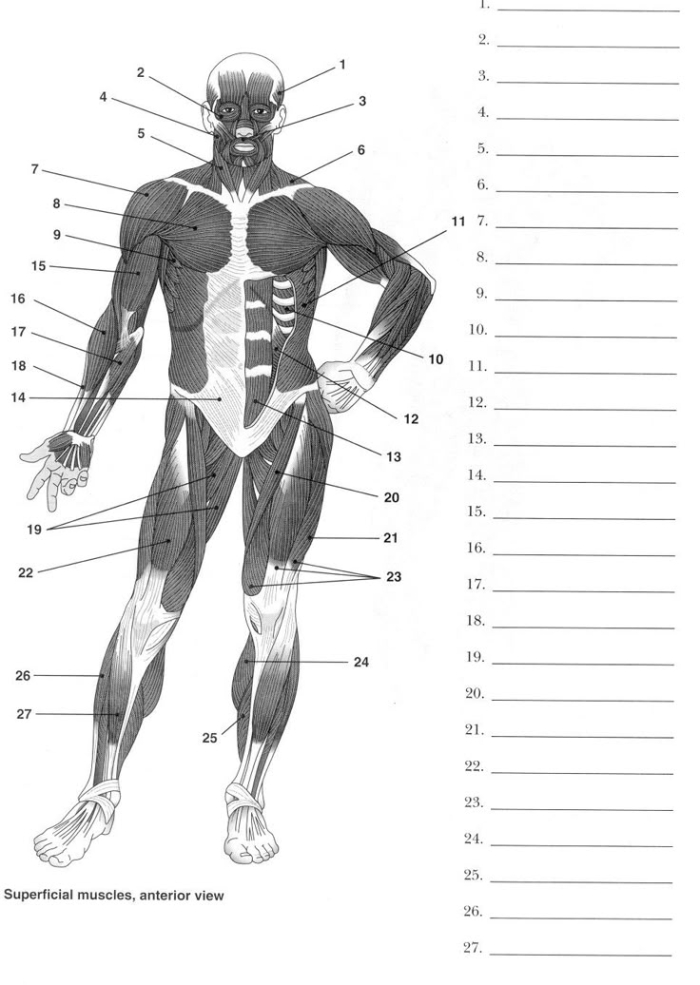
The challenge with learning muscle anatomy is that there are simply so many to study. Rather than trying to memorize all 600 at once, focusing on the 14 most important muscles gives students a solid foundation. These key muscles include the biceps and triceps in your arms, the quadriceps in your thighs, the hamstrings in the back of your legs, and the deltoids in your shoulders. Each one has a specific job: some pull bones closer together (flexors), while others straighten joints (extensors).
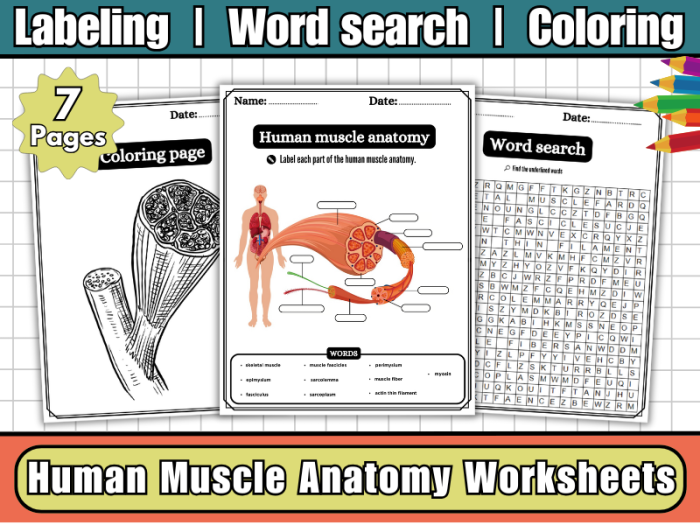
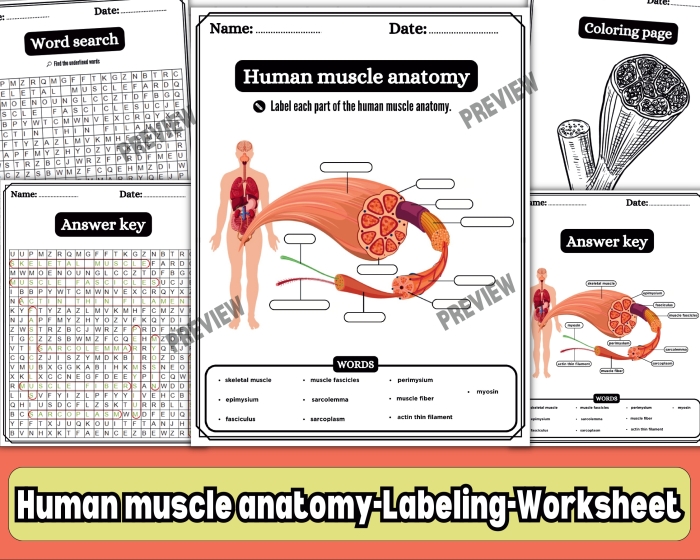
A word search is one of the most effective ways to learn muscle names because it combines visual recognition with active searching. When students hunt for words like “trapezius,” “gastrocnemius,” or “pectoralis,” they’re reinforcing spelling and location knowledge simultaneously. This approach works particularly well for fifth graders who benefit from hands-on, interactive learning rather than passive reading.
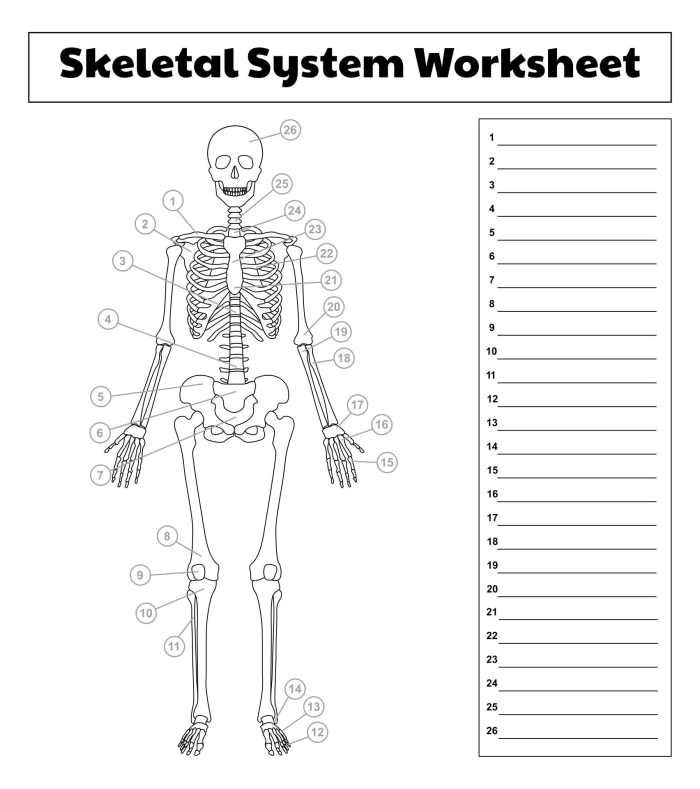
To deepen your understanding of body systems, you might also explore how muscles connect to other structures. Learning about human body diagrams helps you see where muscles sit in relation to bones and organs. You can even combine anatomy study with math practice through worksheets that build skills alongside science knowledge.
Muscle anatomy word searches make learning engaging because they feel like a puzzle rather than a lesson. Students discover muscle names naturally while having fun, which leads to better retention and genuine curiosity about how their bodies function every single day.
Start Practicing with These Worksheets