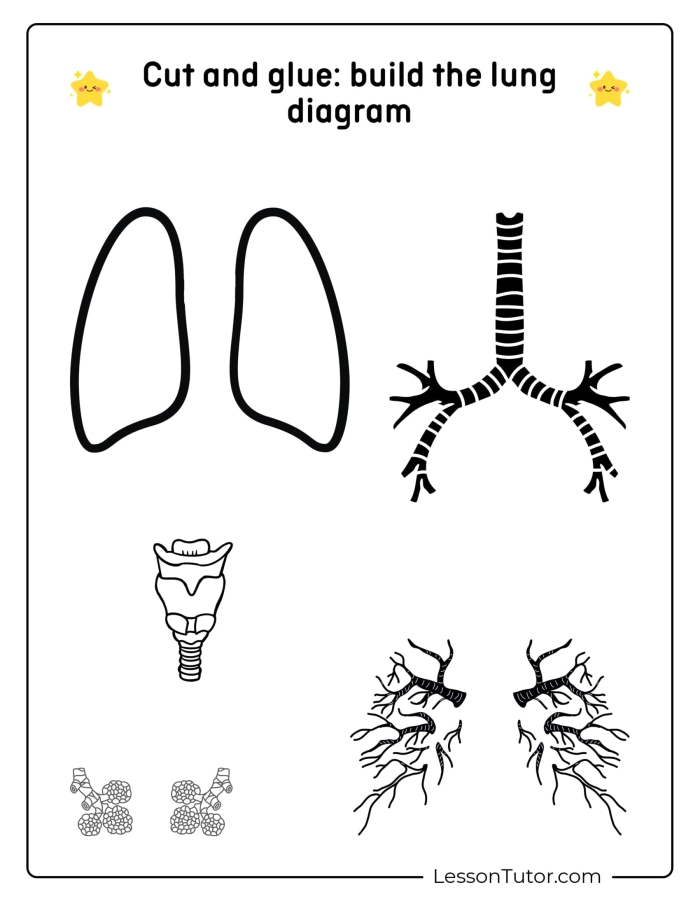
When fifth graders first encounter a respiratory system diagram, they’re looking at one of the body’s most essential machines. This visual tool breaks down something invisible, making it possible for young students to understand how they breathe and why every breath matters.
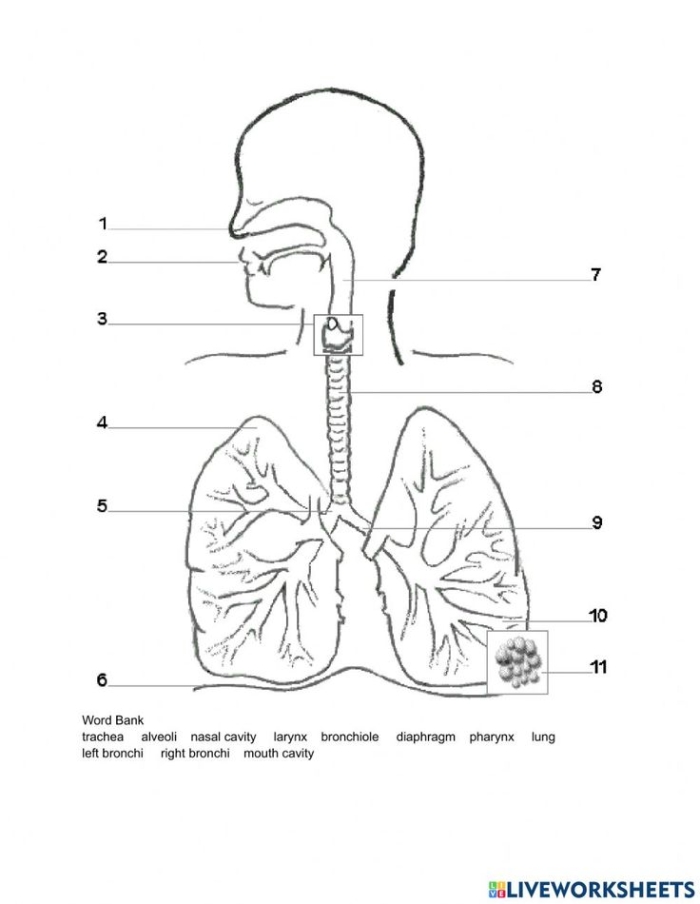
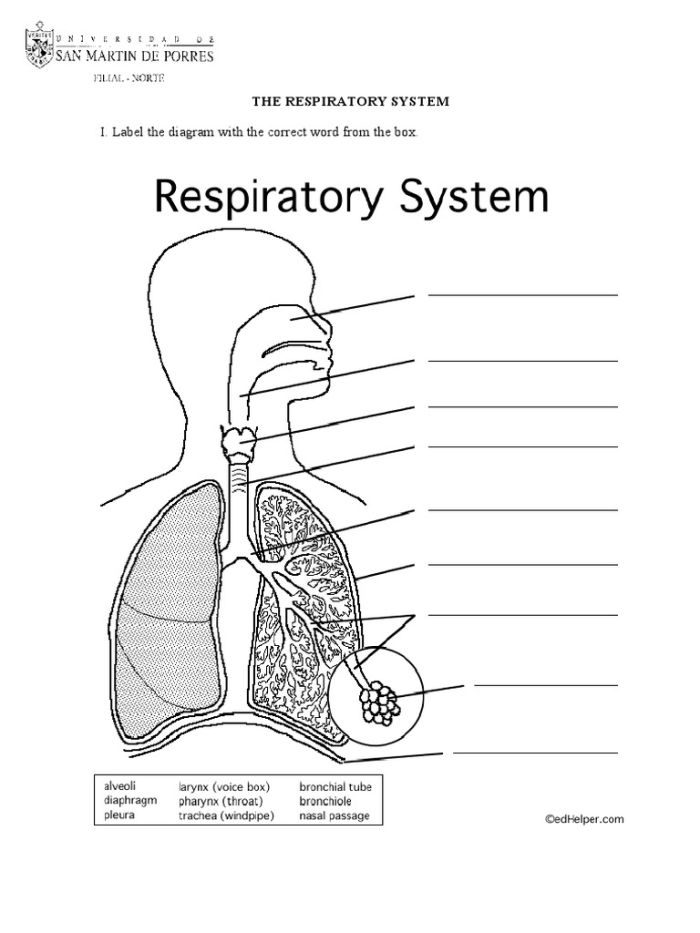
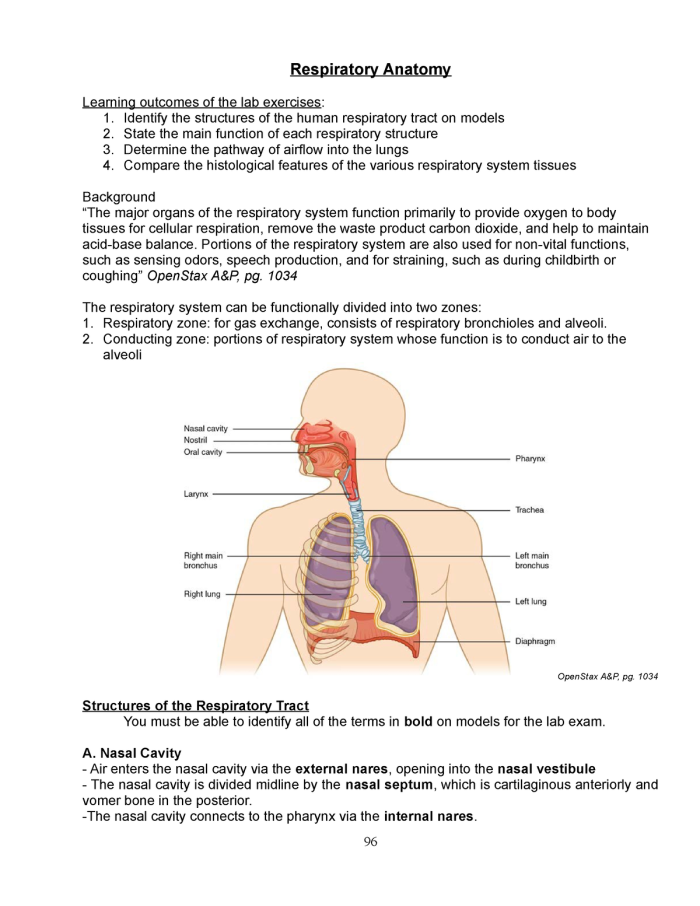
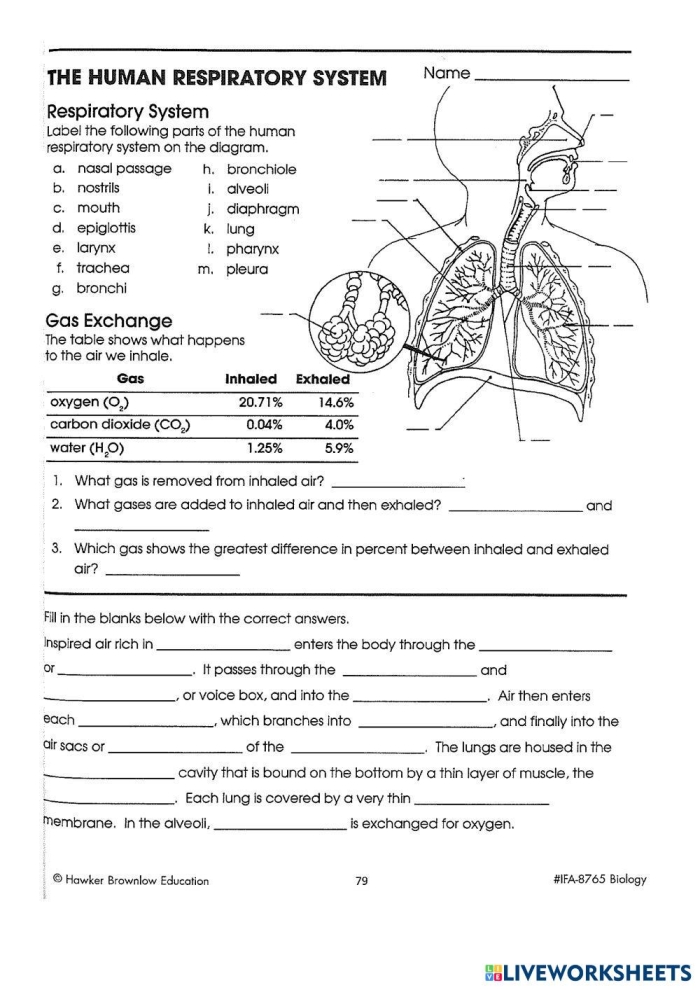
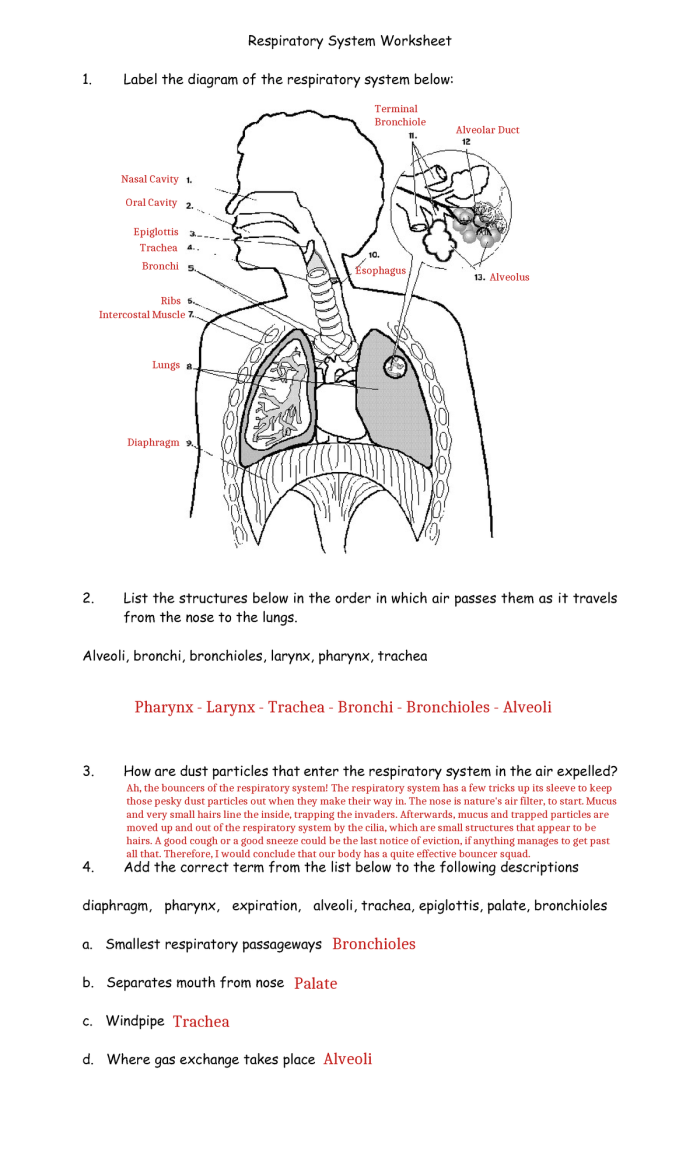
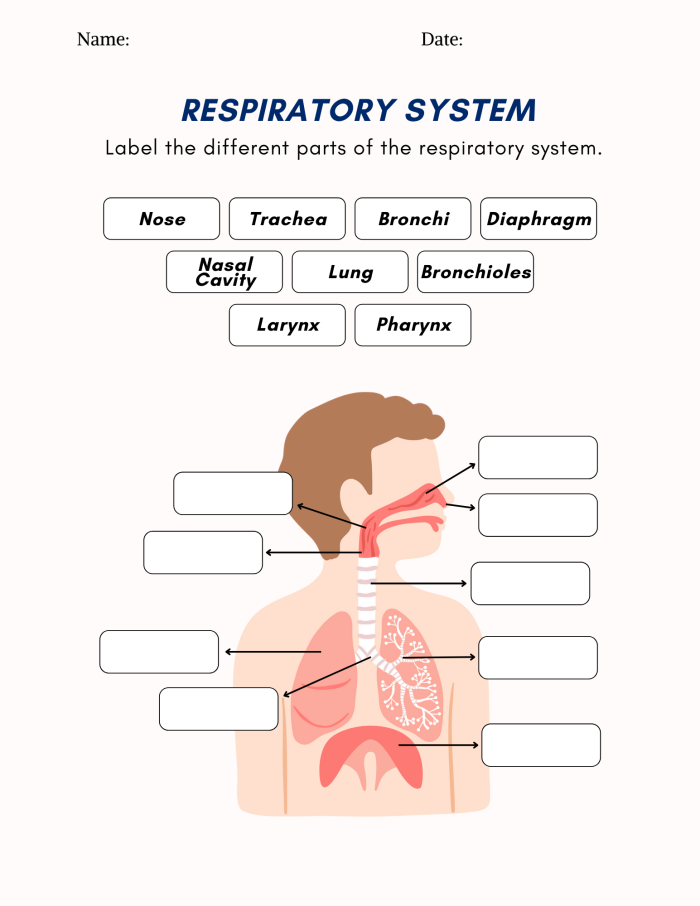
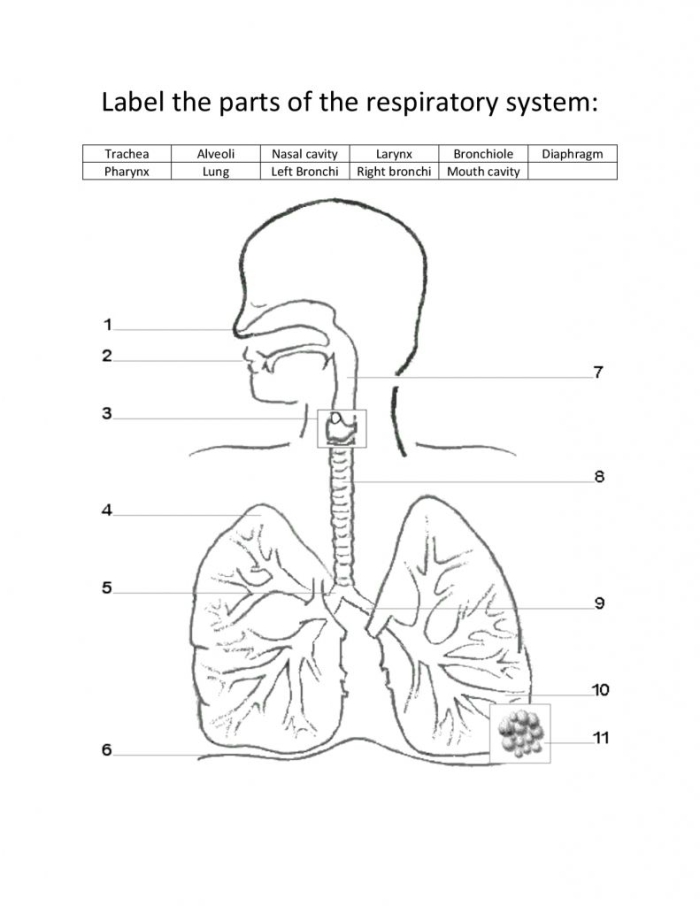
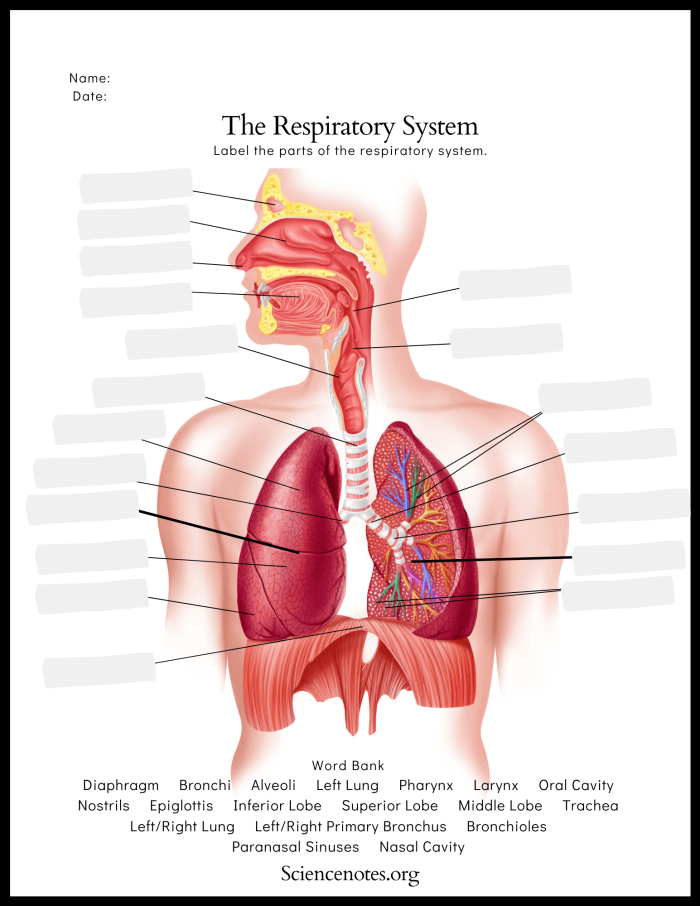
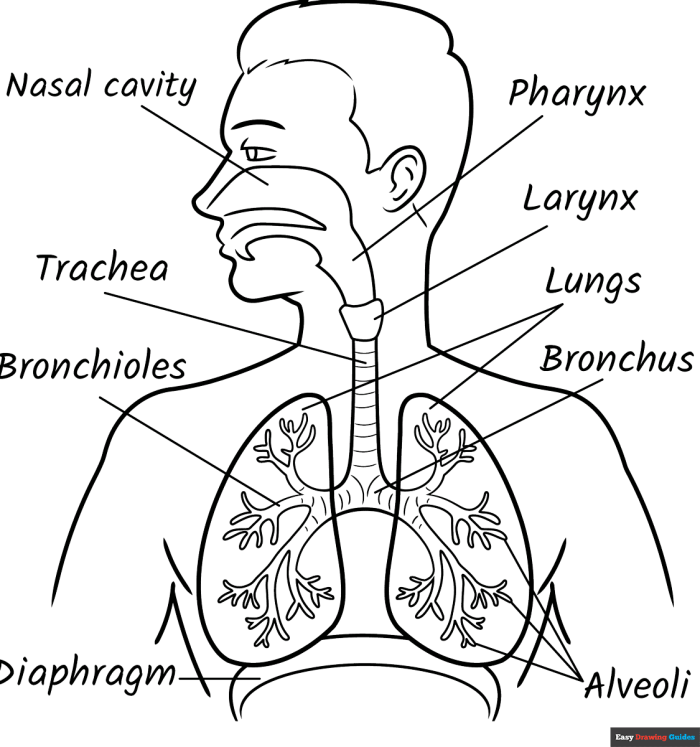
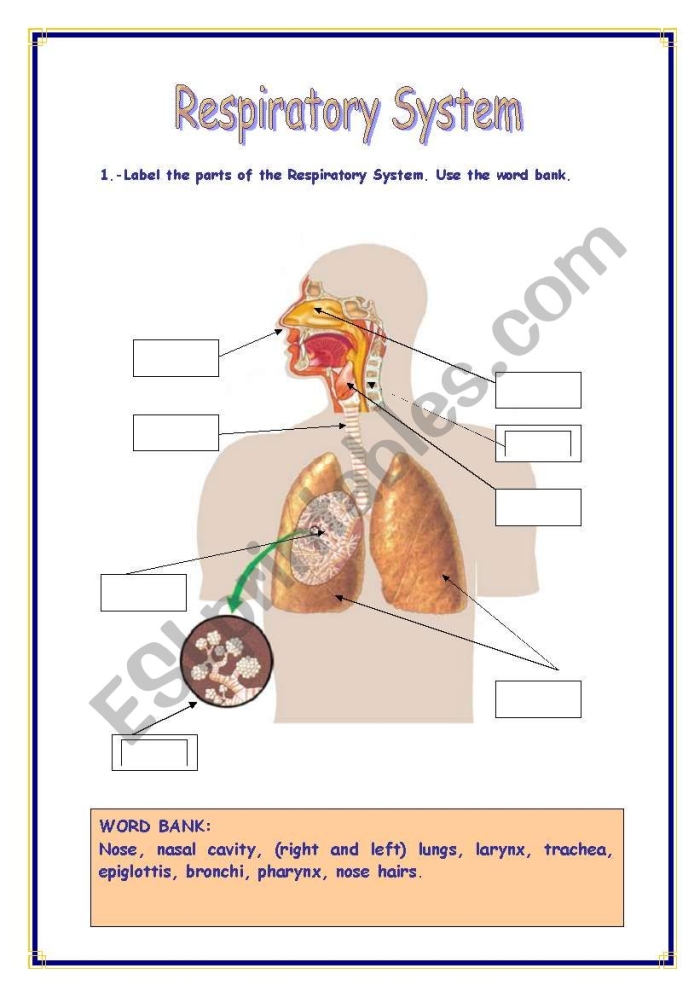
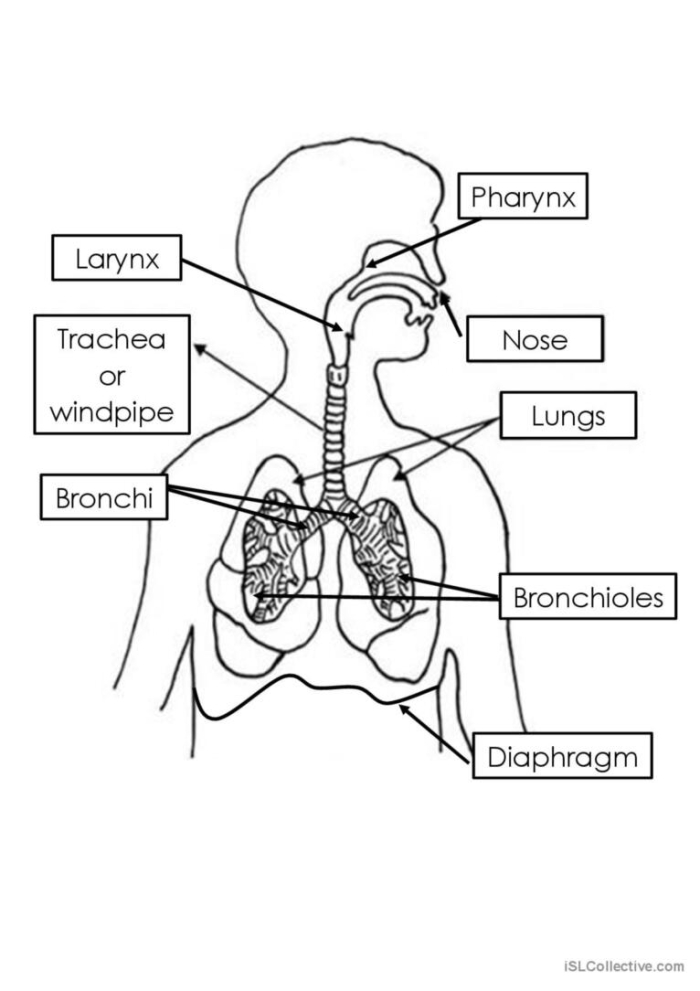
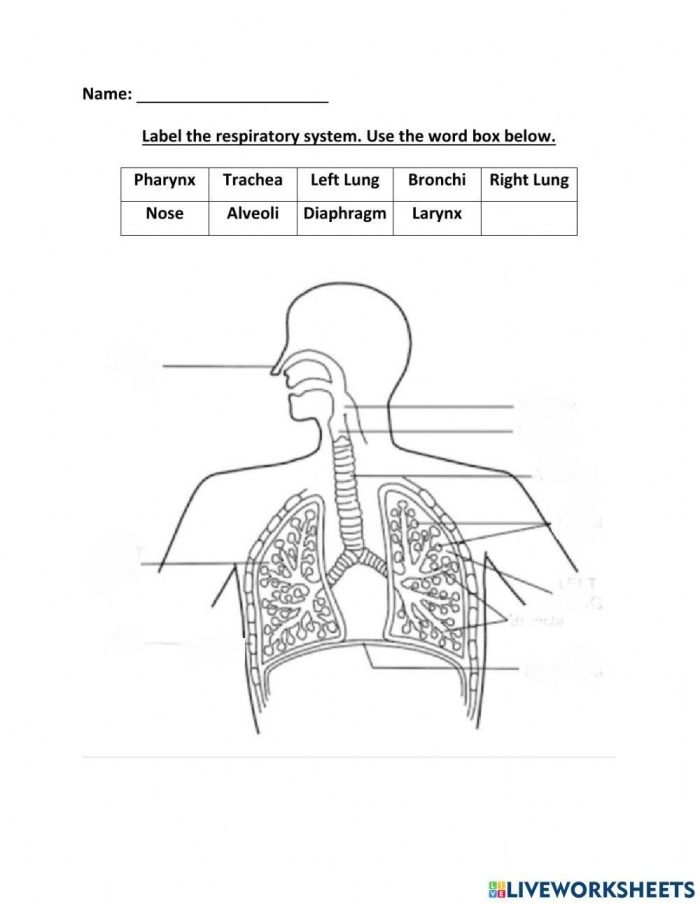
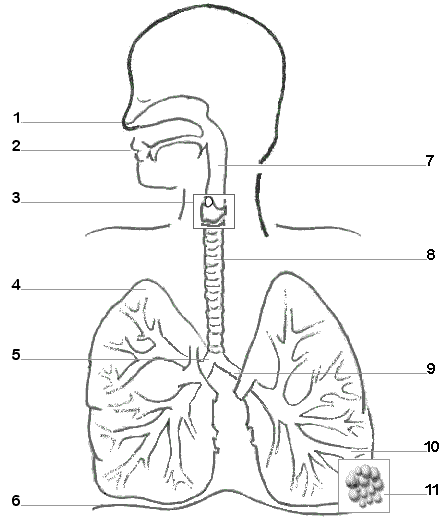
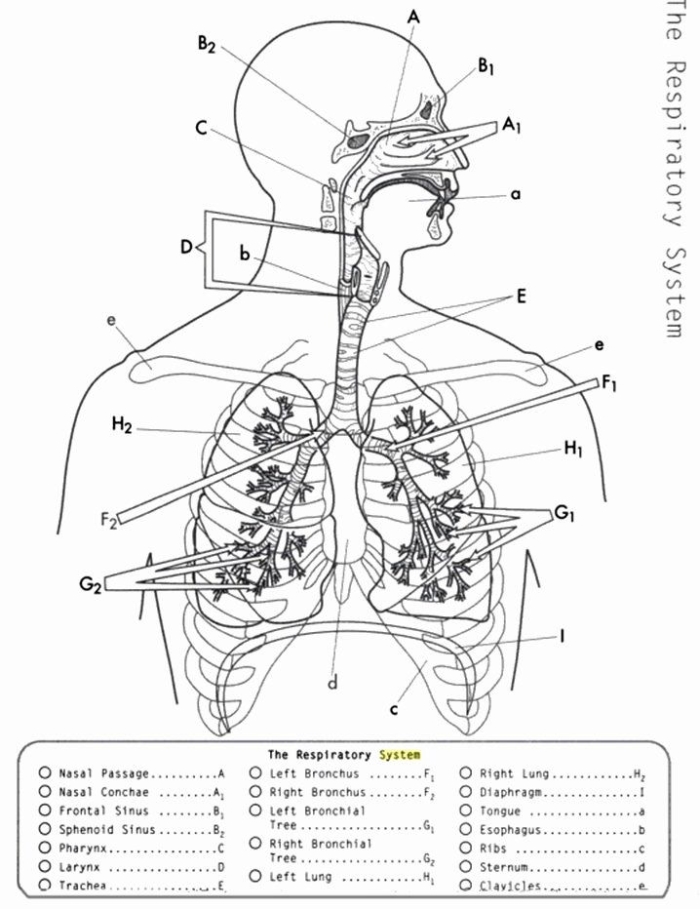
A respiratory system diagram shows the pathway air takes from the moment it enters your nose or mouth. The trachea, or windpipe, acts as the main highway, directing air downward into the lungs. Inside the lungs, air reaches millions of tiny air sacs called alveoli, where the real magic happens: oxygen passes into the bloodstream while carbon dioxide leaves the body. This exchange happens automatically, thousands of times each day without you thinking about it.
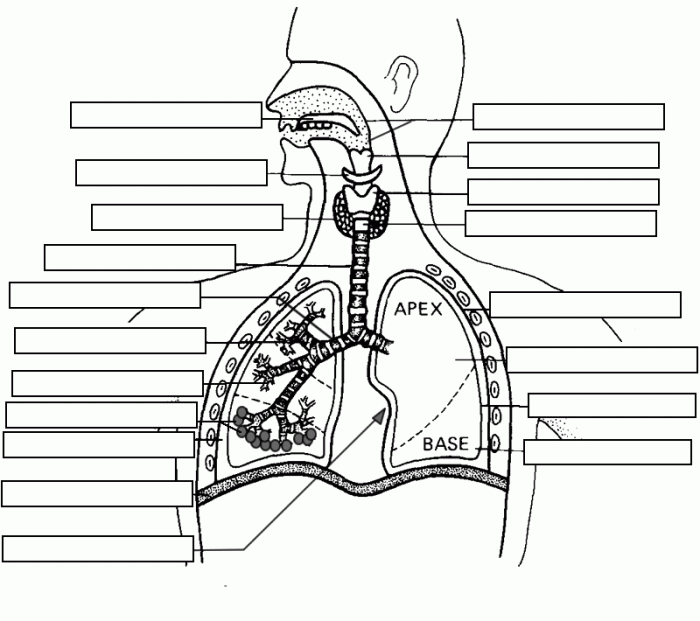
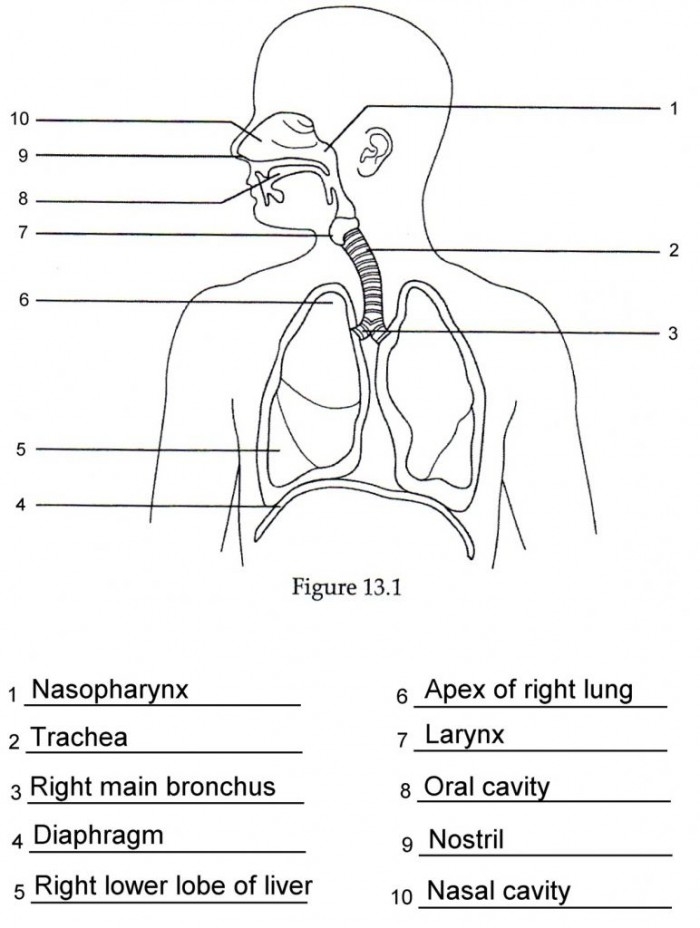
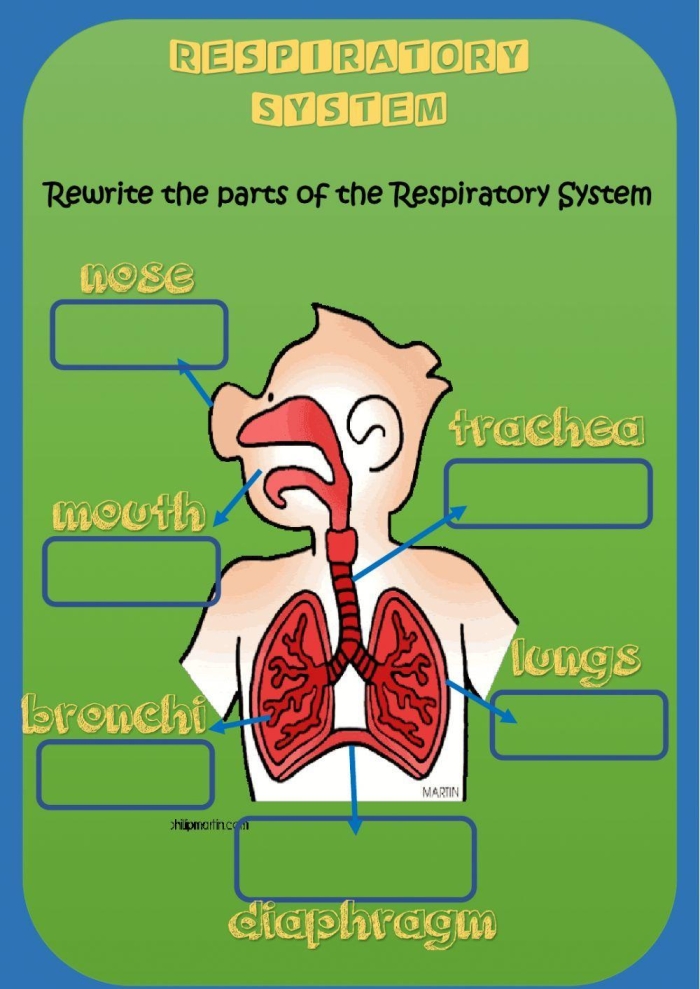
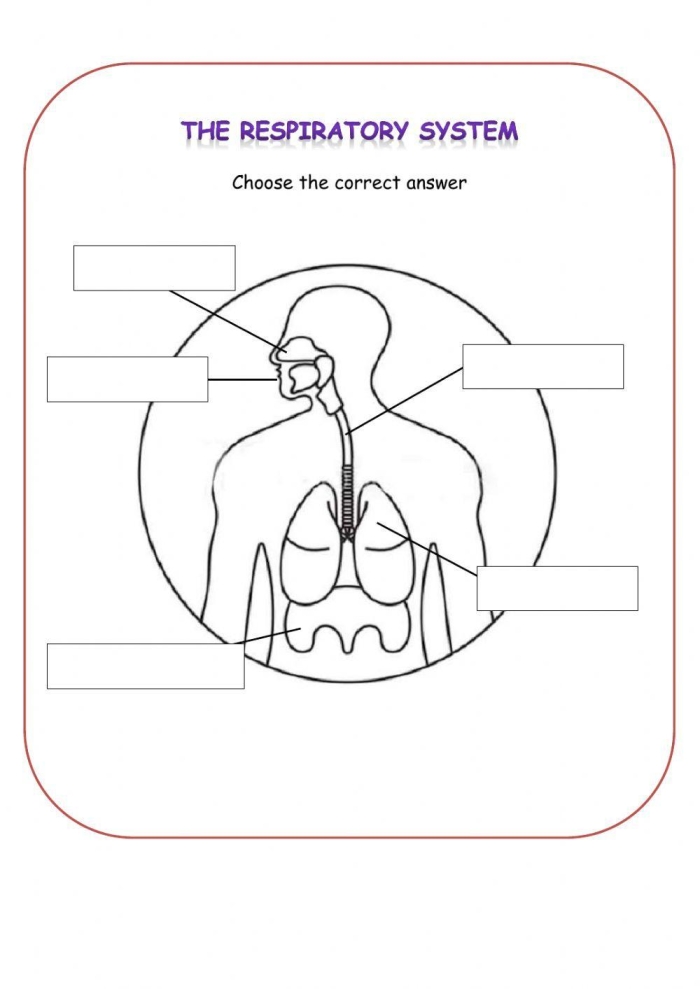
For fifth grade students learning about body systems, diagrams serve as anchors for understanding. Rather than reading descriptions alone, seeing the diaphragm positioned below the lungs helps students grasp how this muscle contracts and relaxes to pull air in and push it out. The bronchi, which branch from the trachea like tree limbs, become concrete rather than abstract when visualized on a labeled chart.
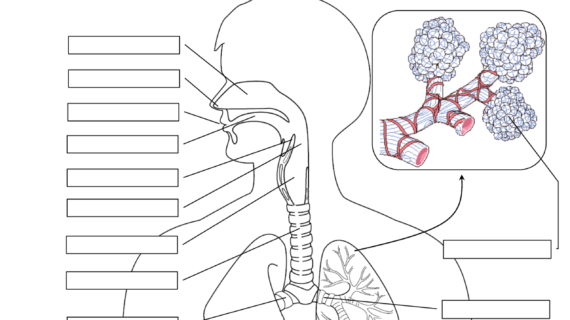
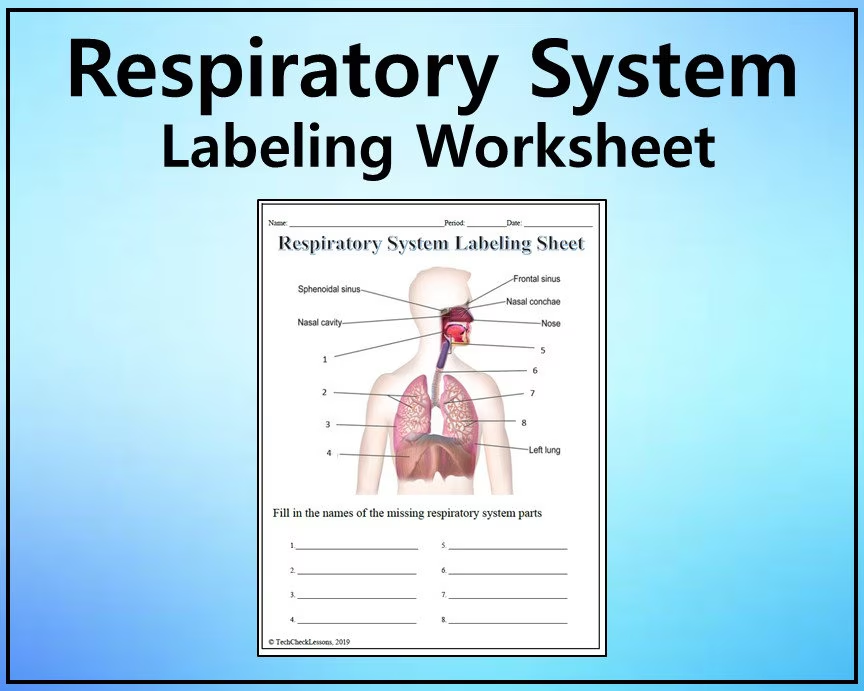
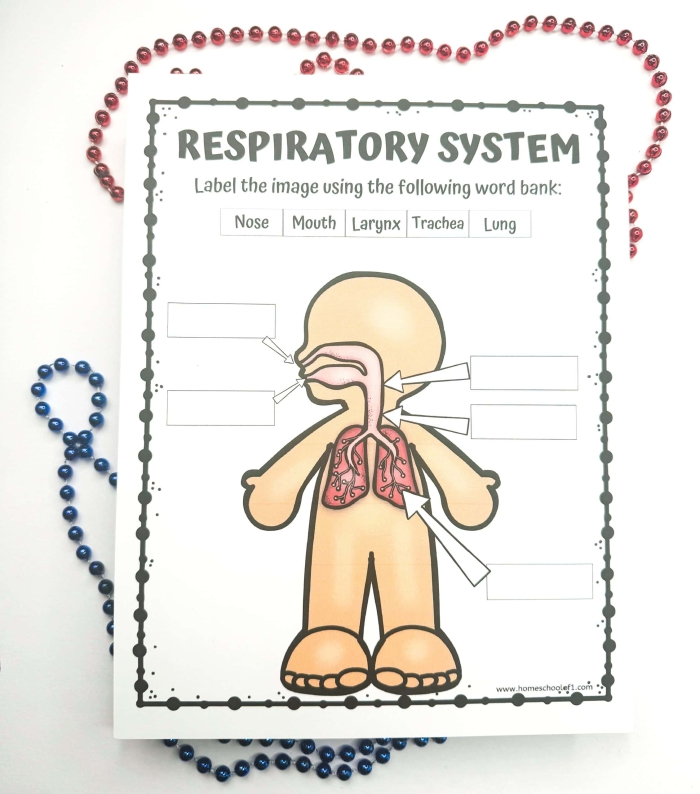
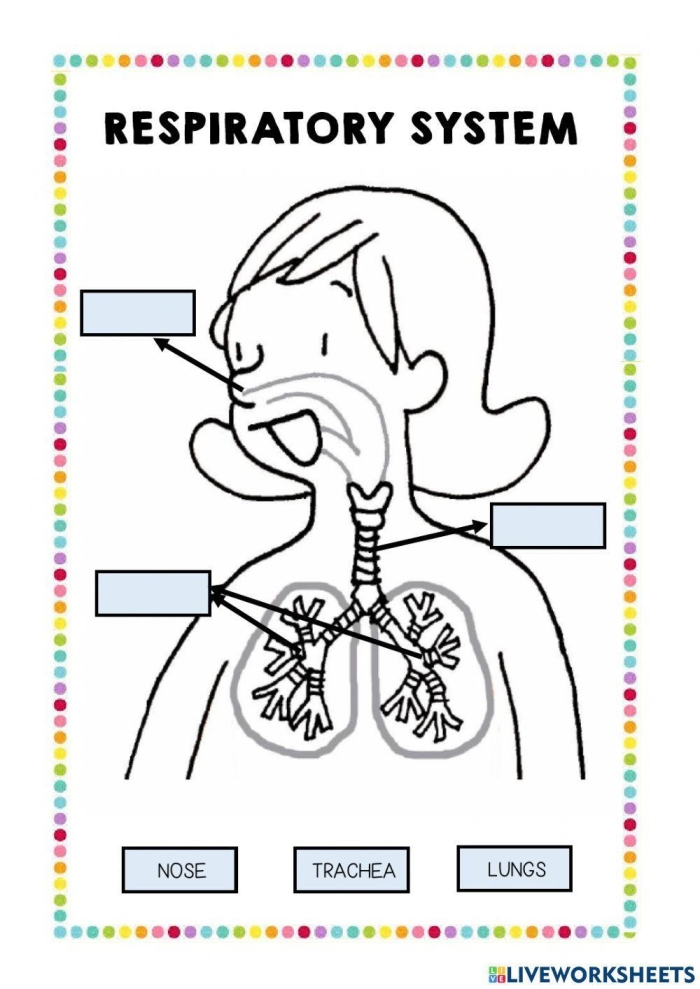
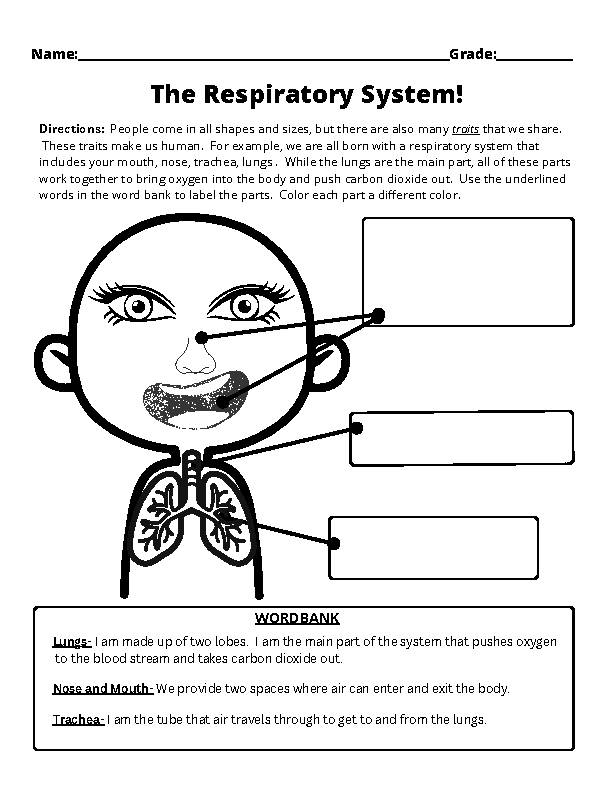
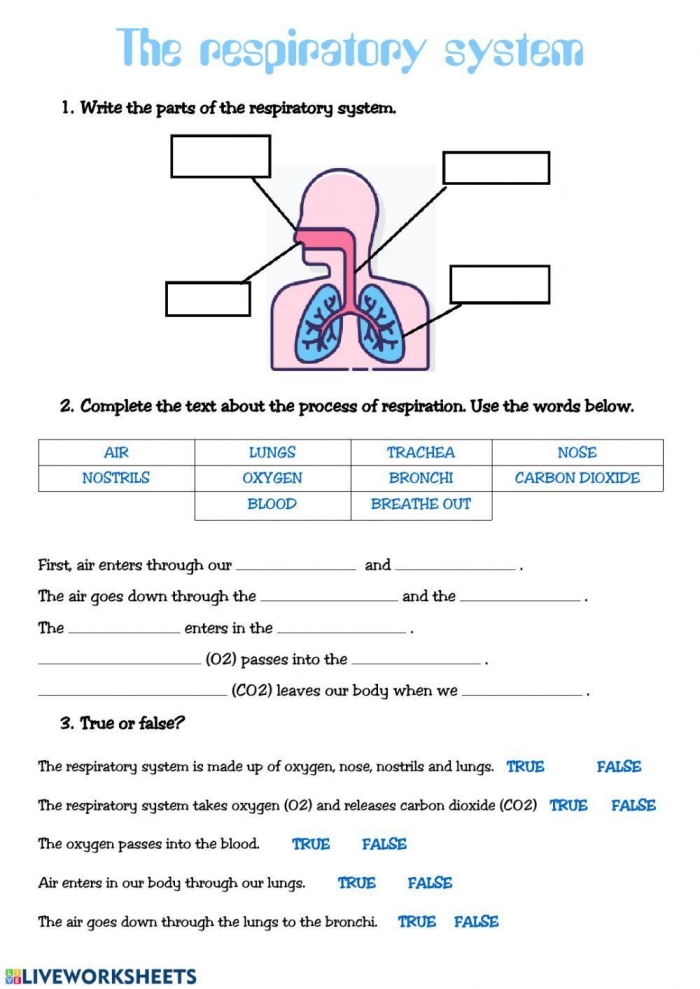
Using printable respiratory system diagram worksheets gives students hands-on practice identifying these structures. They can label the parts, trace the path of air, and answer questions about function. This combination of visual learning and active engagement works particularly well for this age group.
Teachers often pair these diagrams with other fifth grade learning activities. Some combine respiratory system study with measurement conversions during science units, or integrate diagrams into broader health curriculum alongside coordinate grid activities that map body systems. Even grammar exercises can reinforce vocabulary related to respiratory anatomy.
A clear, well-labeled diagram transforms the respiratory system from something mysterious into something students can actually understand and remember.
Printable Worksheets for Practice