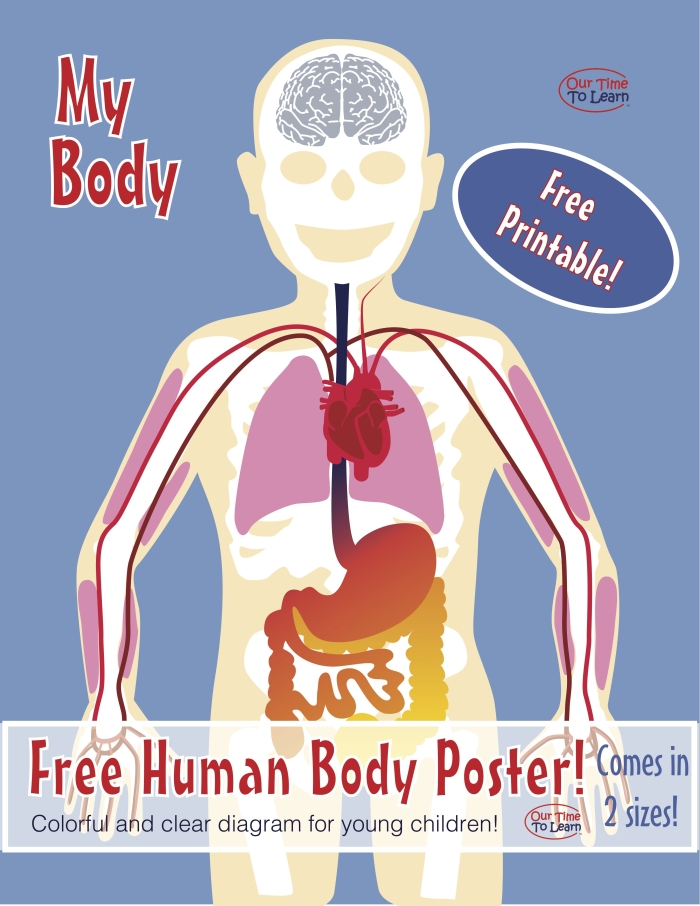
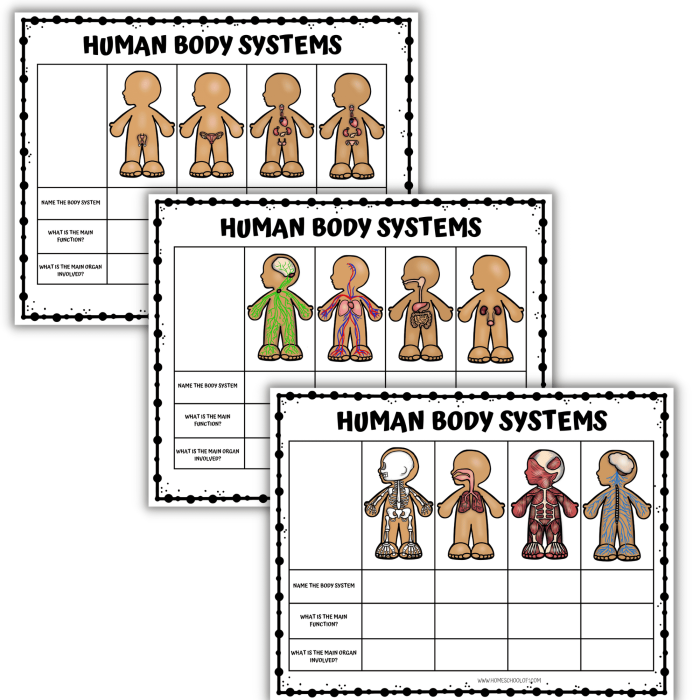
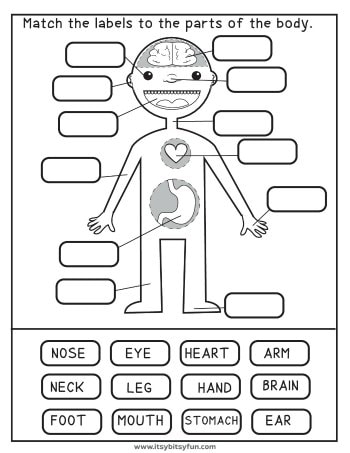
Studying human anatomy can be both fascinating and challenging, especially for fifth graders eager to understand how their bodies function. A clear and detailed diagram of the major organs serves as an invaluable resource for learning. It not only aids comprehension but also enhances retention of information. Visual aids help students connect complex concepts with recognizable images, making the learning process engaging.
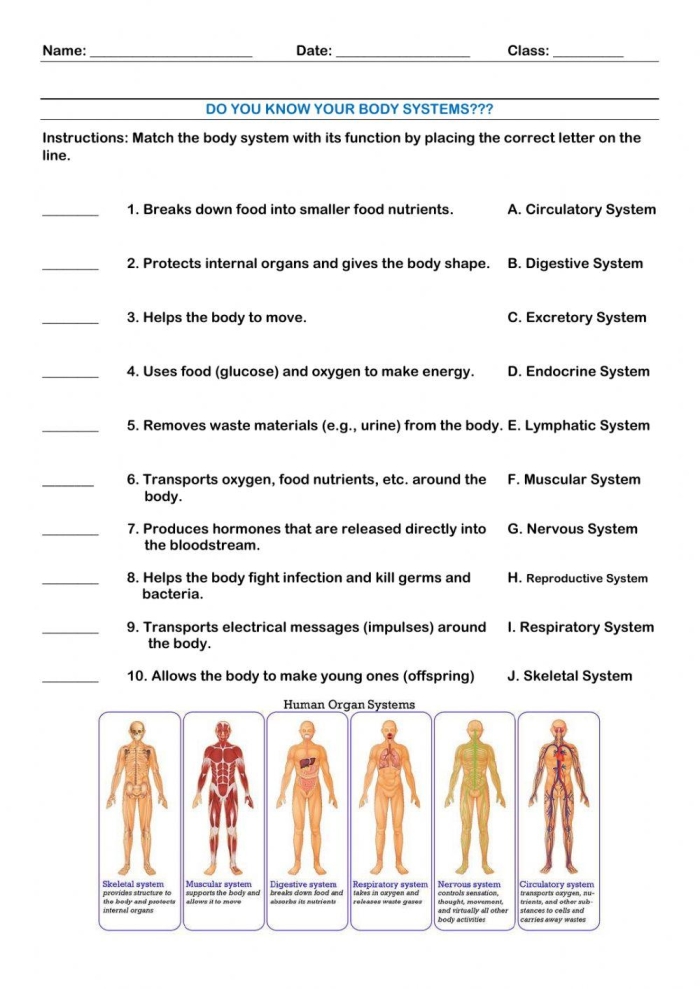
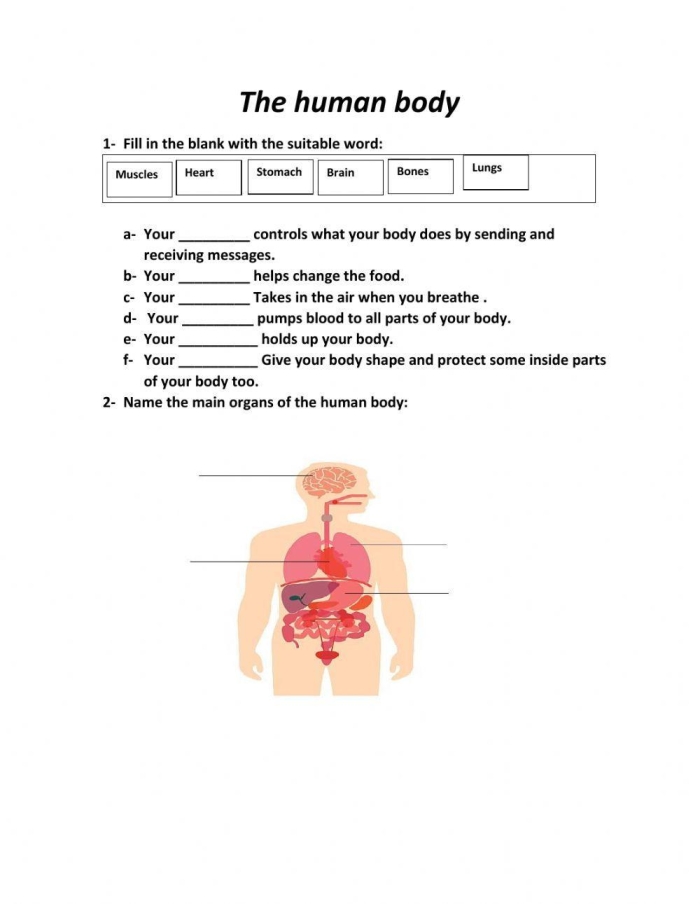
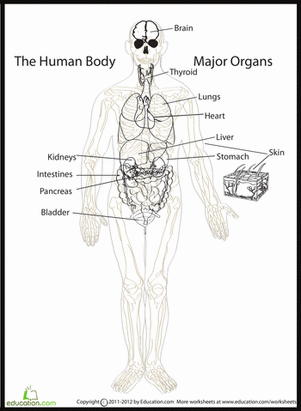
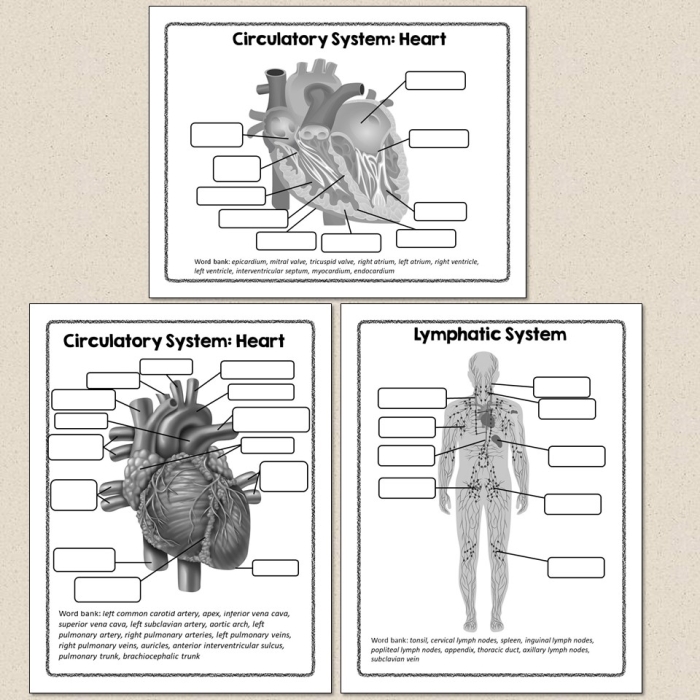
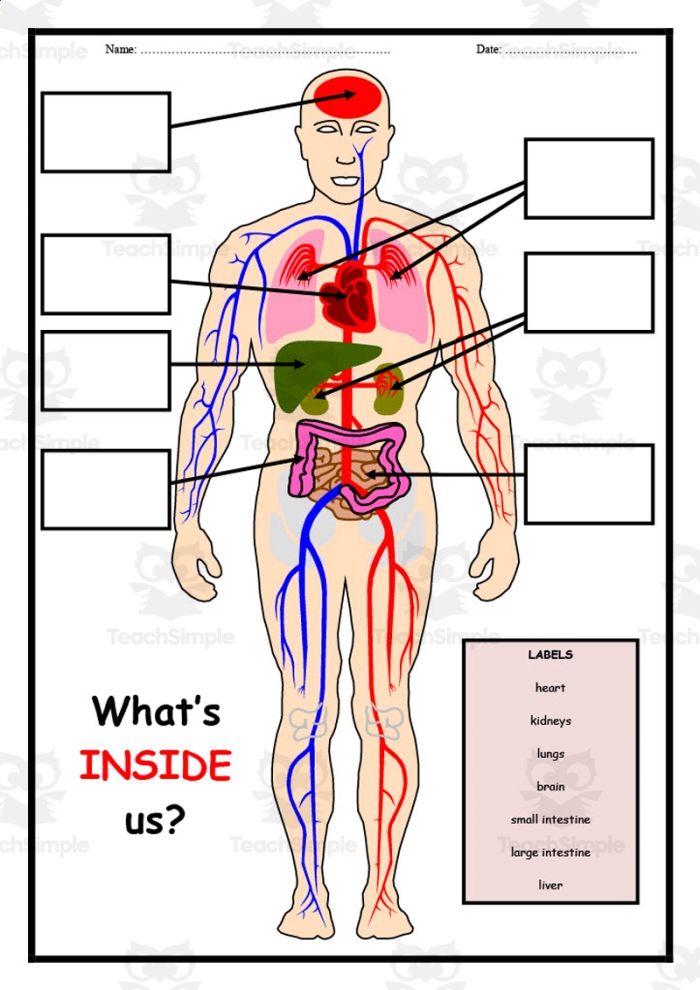
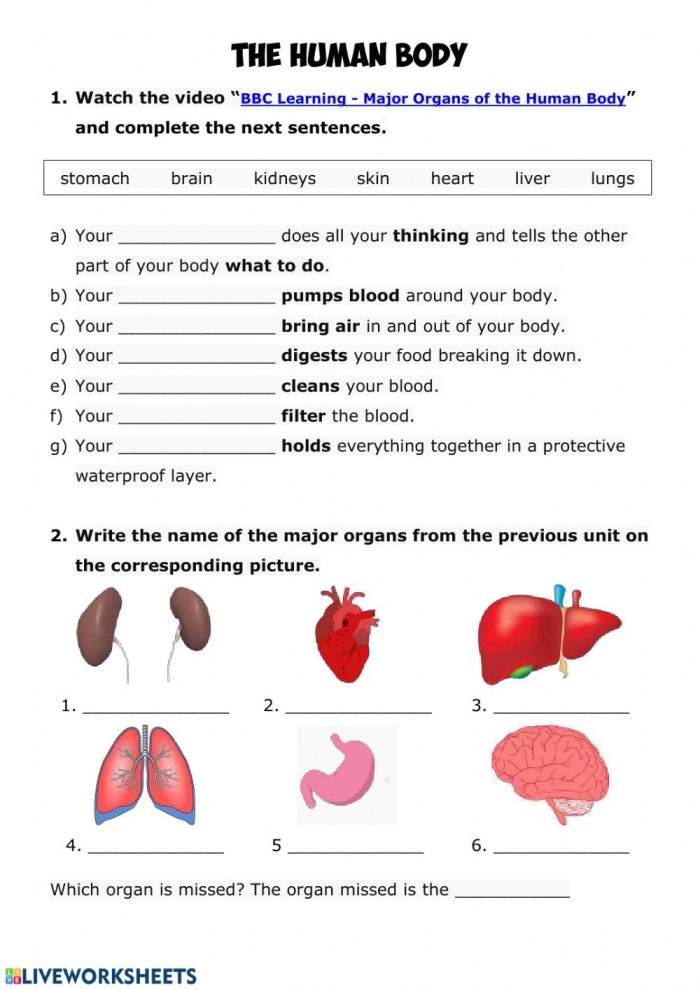
In a typical human body diagram, you will find key organs such as the heart, lungs, liver, and kidneys. Each organ plays a crucial role in maintaining overall health. For instance, the heart is responsible for pumping blood throughout the body, while the lungs facilitate the exchange of oxygen and carbon dioxide. Understanding these functions is essential for students as they explore the intricacies of human anatomy.
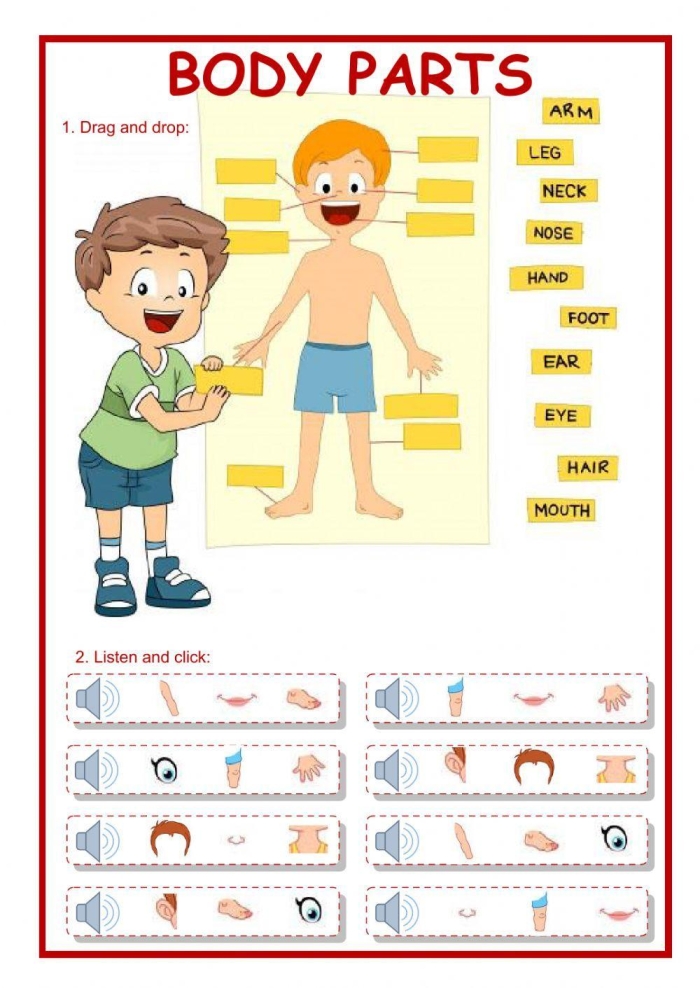
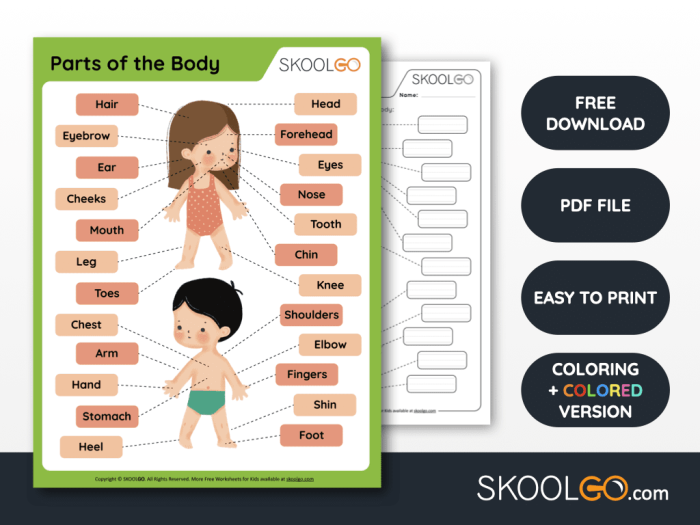
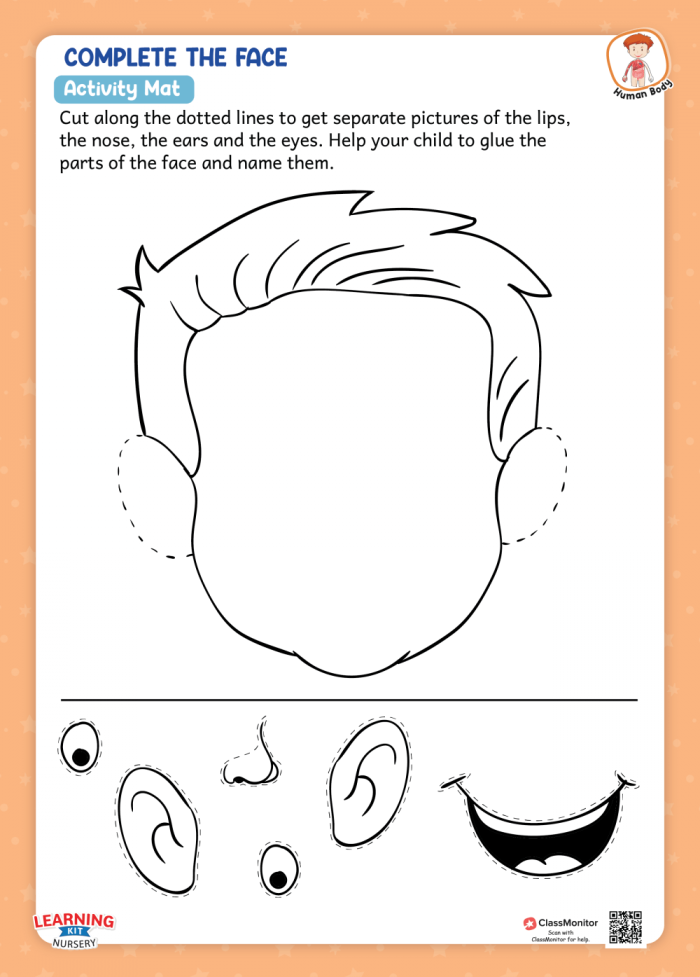
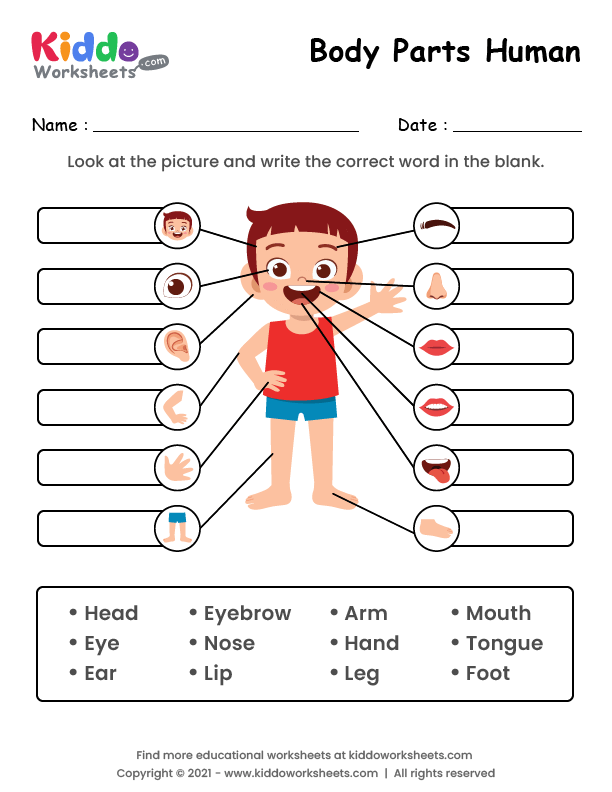
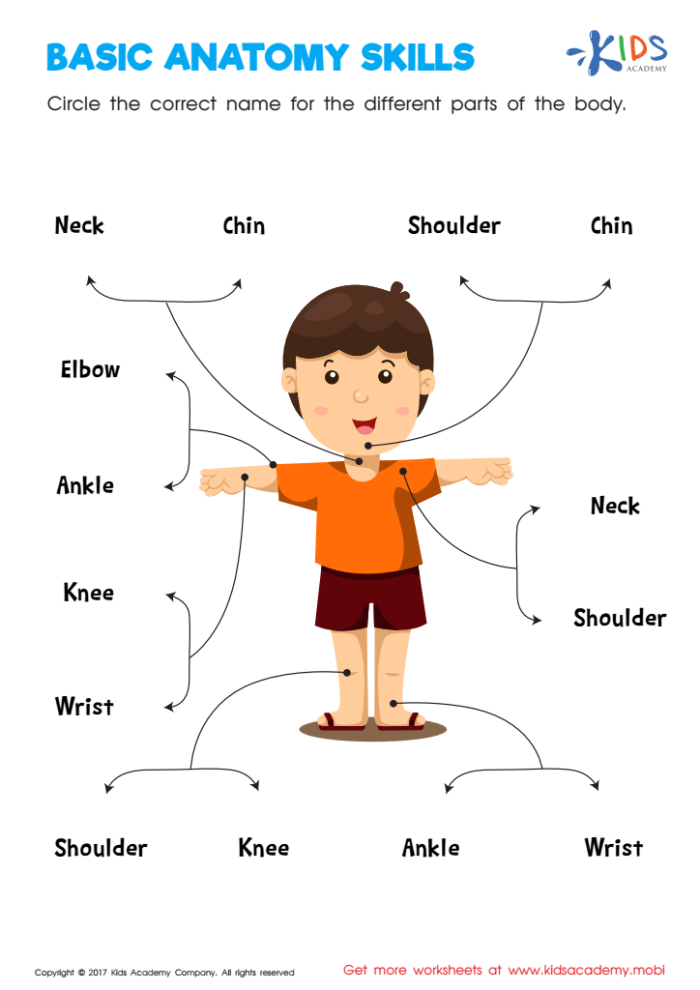
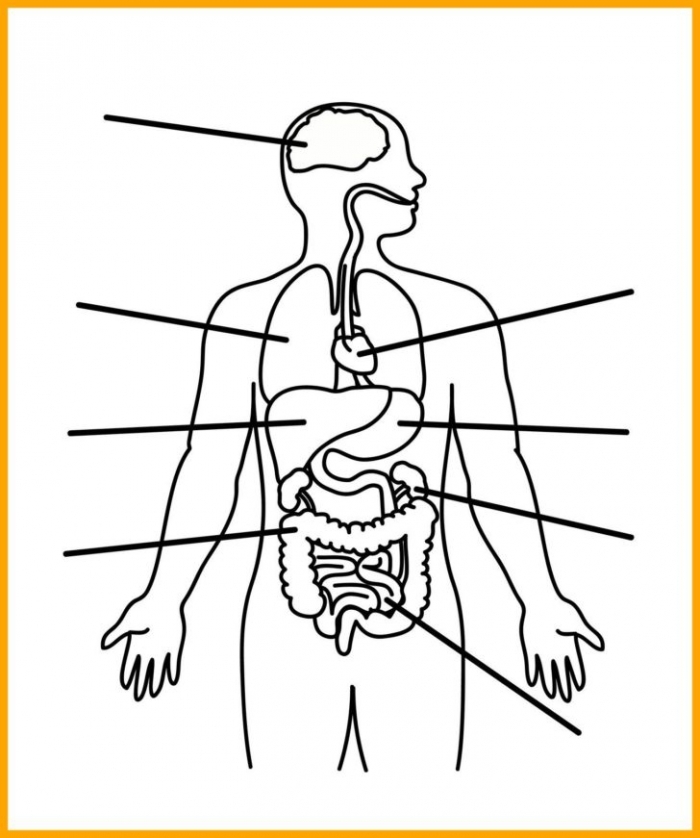
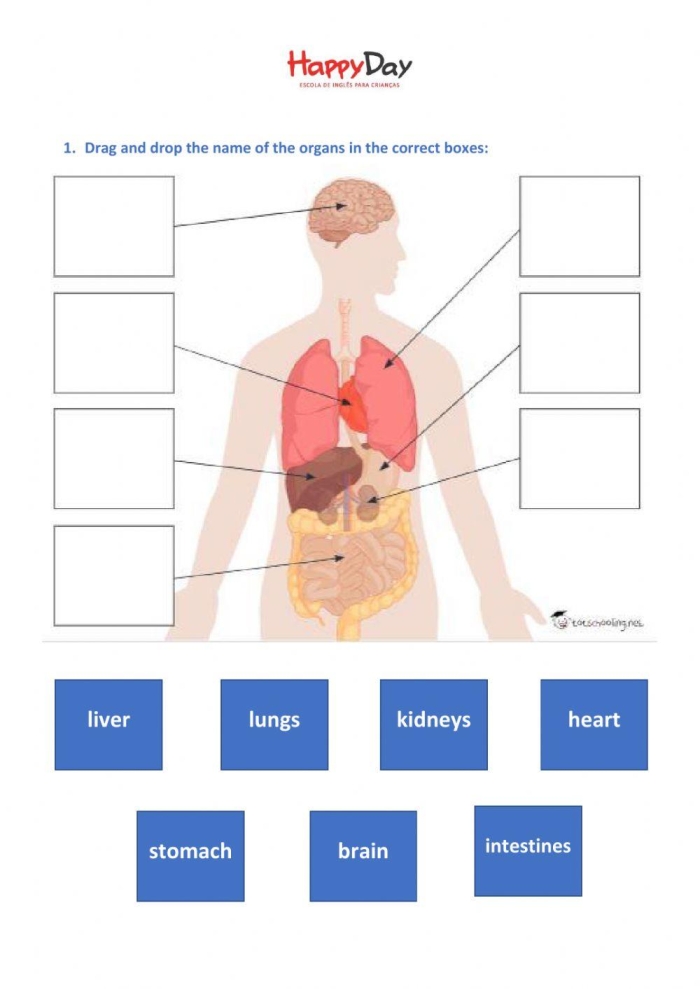
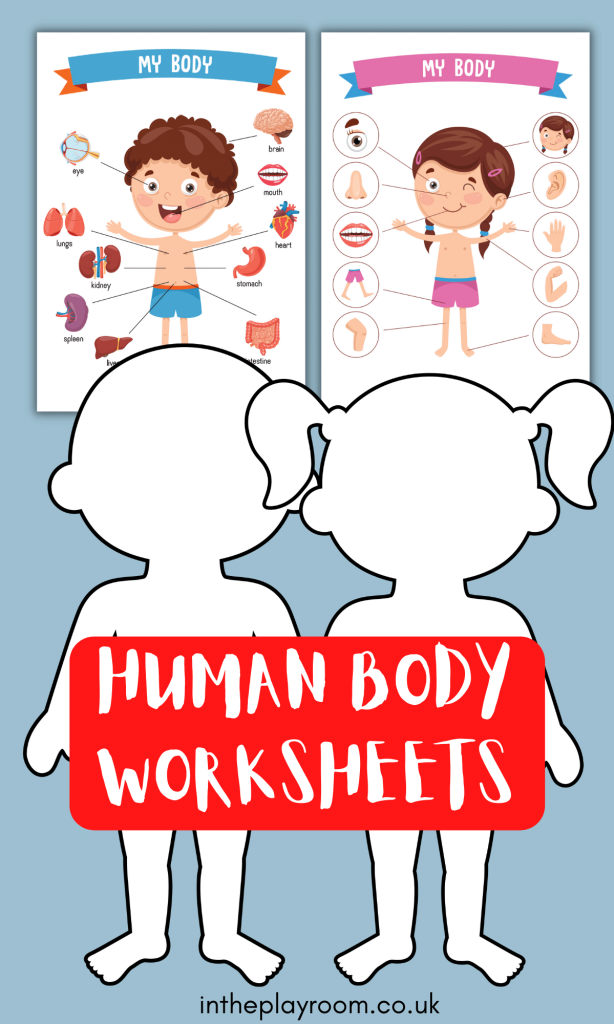
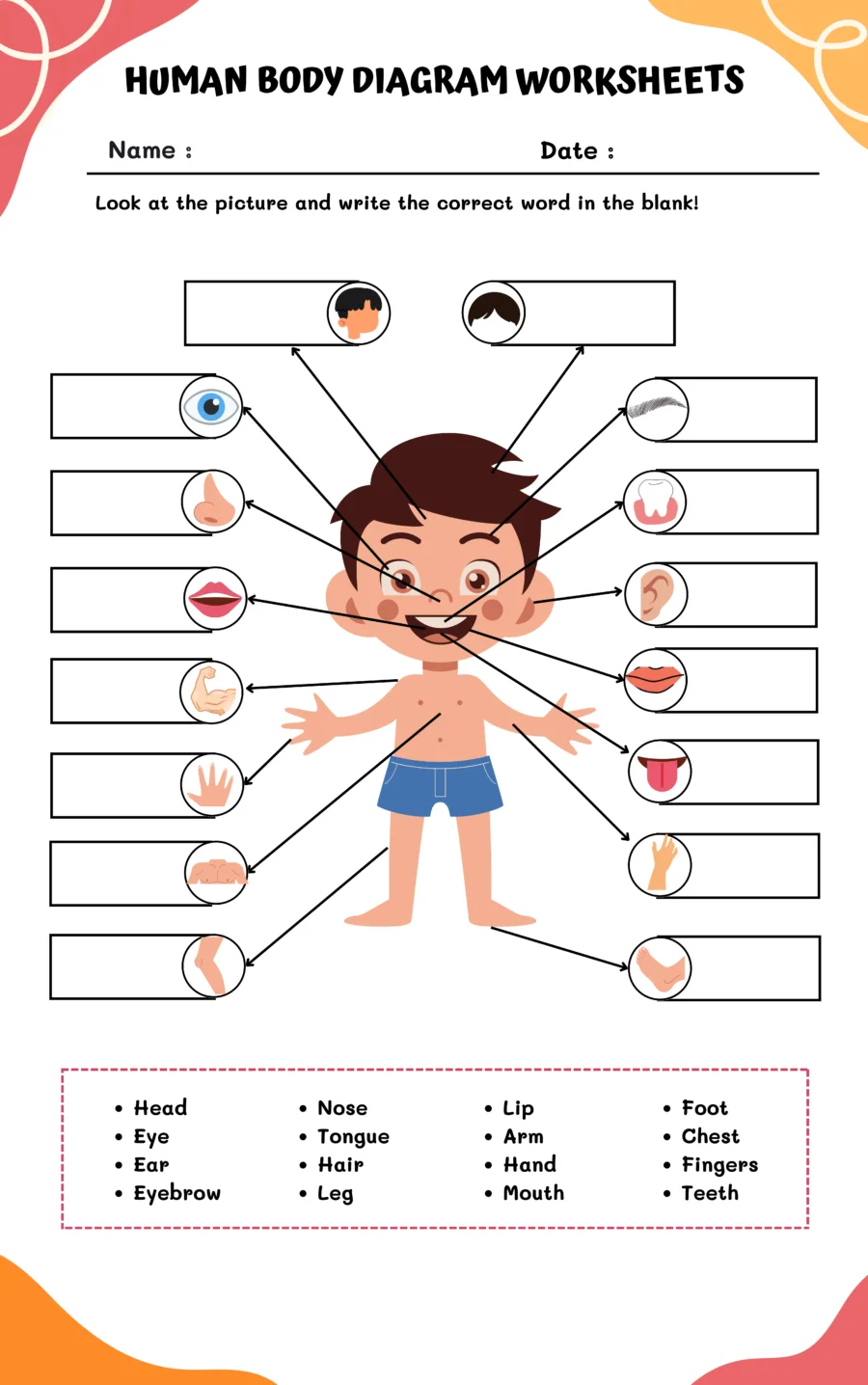
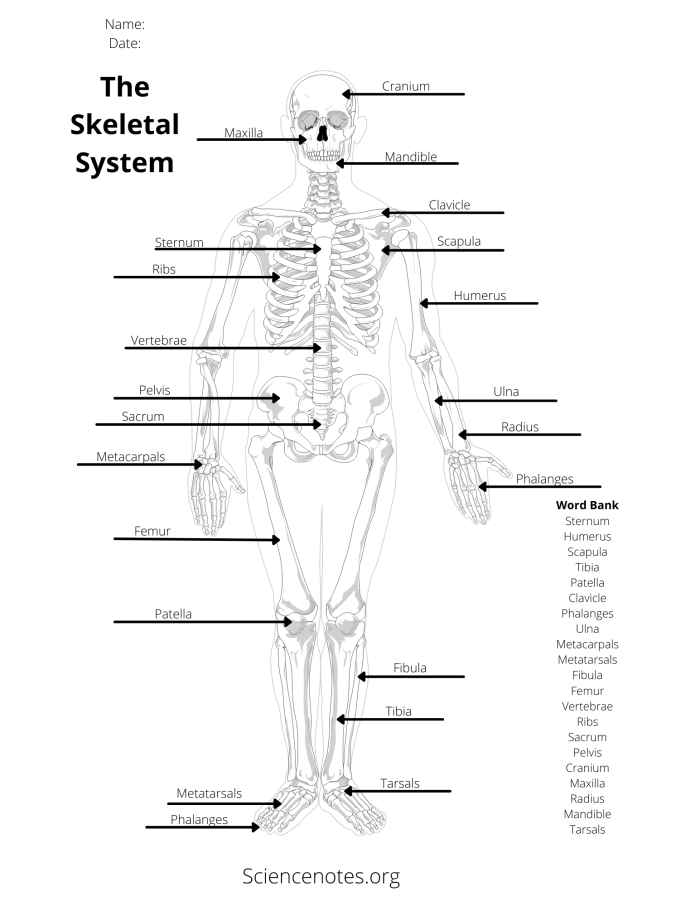
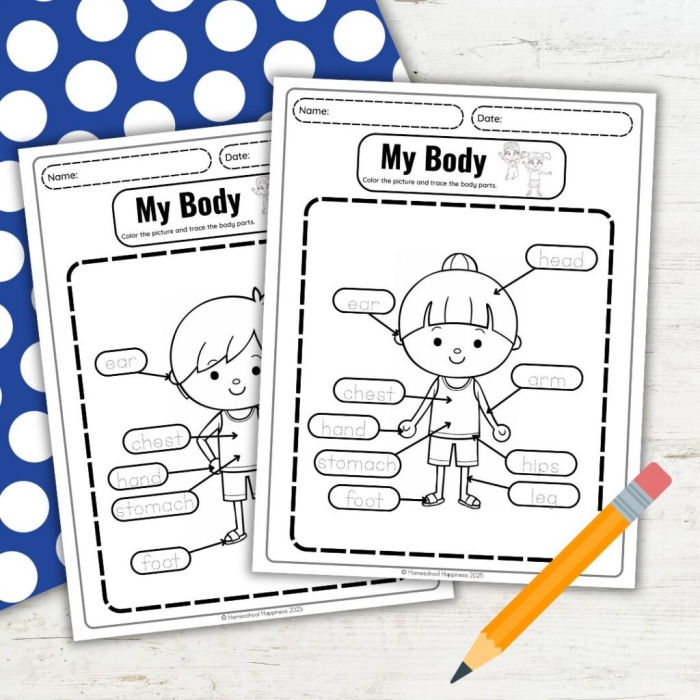
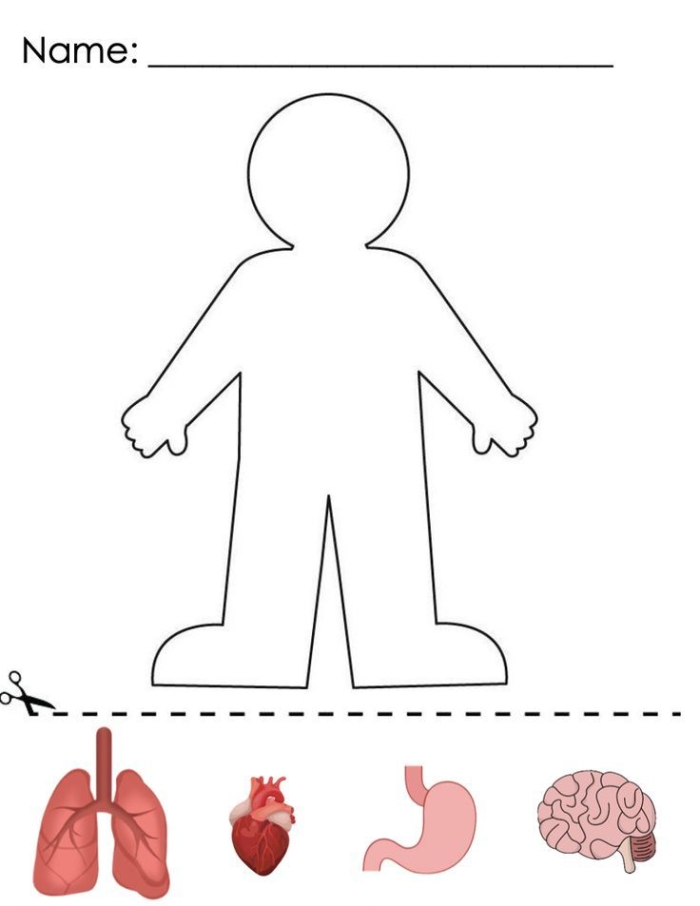
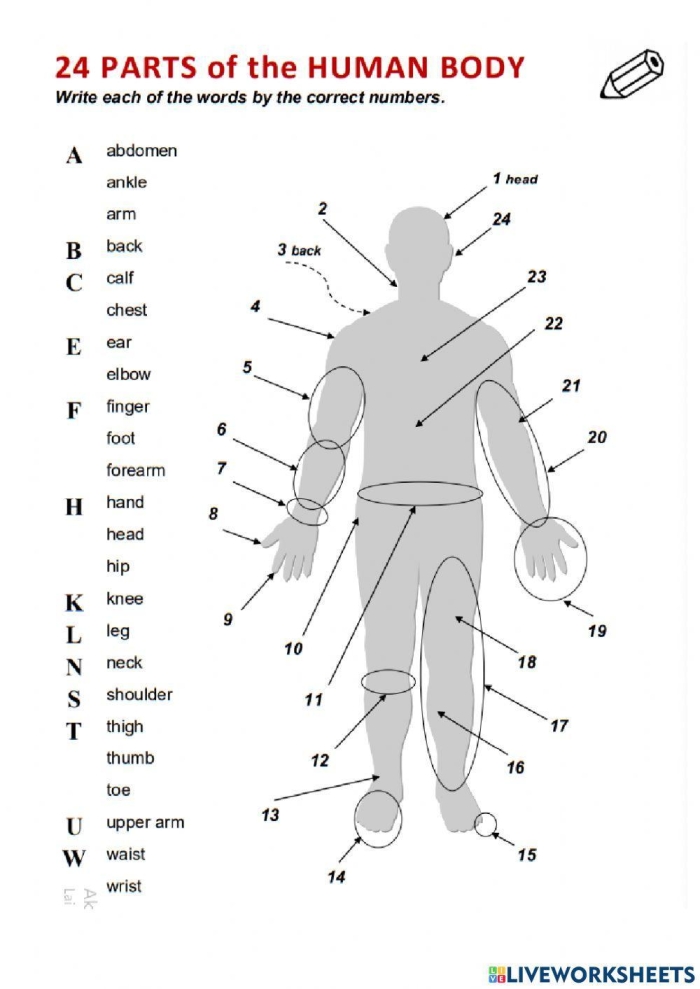
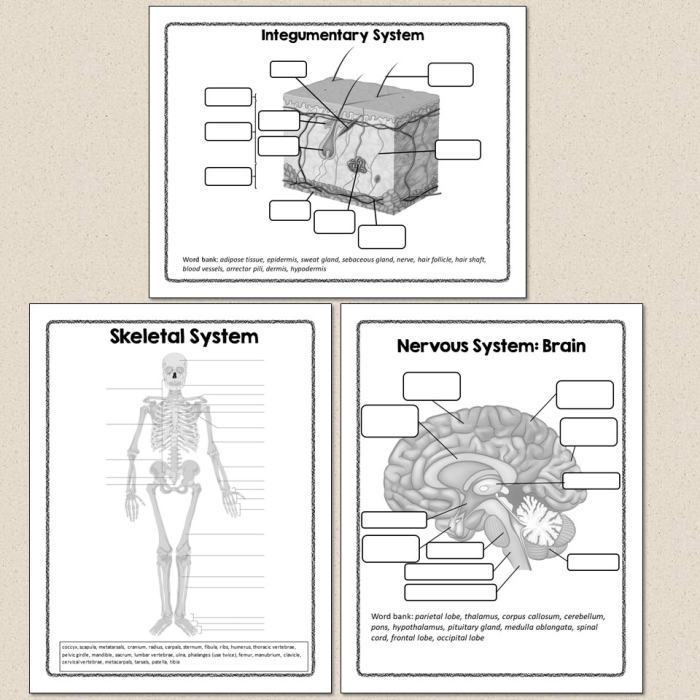
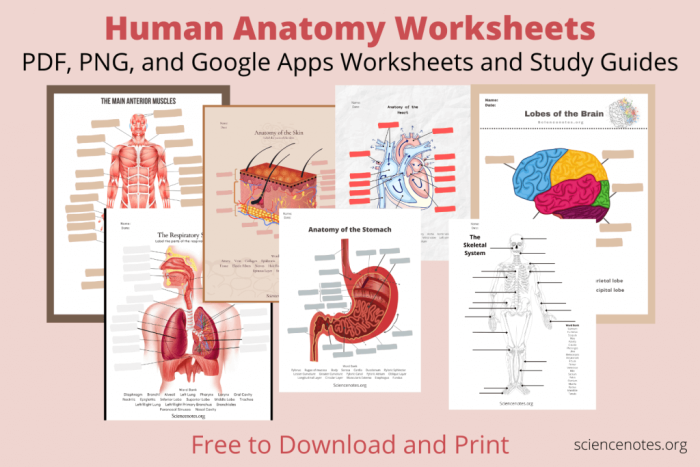
For fifth graders, it’s beneficial to have access to printable human body diagram worksheets that allow for hands-on learning. These worksheets can guide students in labeling the organs, reinforcing their knowledge through active participation. Additionally, engaging with these diagrams can spark interest in related subjects like biology and health sciences.
Another useful aspect of studying diagrams is the opportunity to incorporate addition skills. For example, students can practice calculating the total number of organs or systems in the body, enhancing both their anatomical knowledge and math skills simultaneously. This cross-disciplinary approach is particularly effective in keeping students motivated and invested in their learning journey.
As students progress through their studies, they will discover that understanding the human body is not just about memorizing terms, but also about grasping how these intricate systems work together. Utilizing various resources, including diagrams and engaging worksheets, will help solidify their foundational knowledge in anatomy, paving the way for more advanced studies in the future.
Practice with These Worksheets