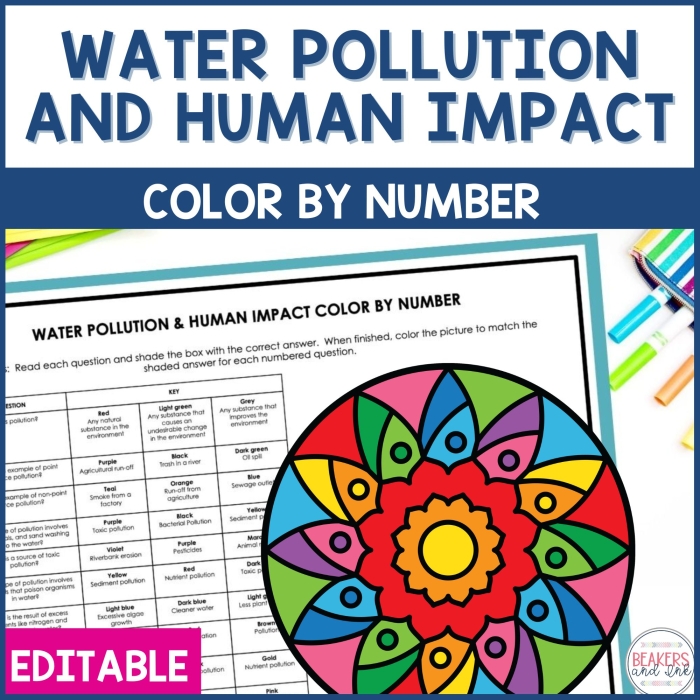
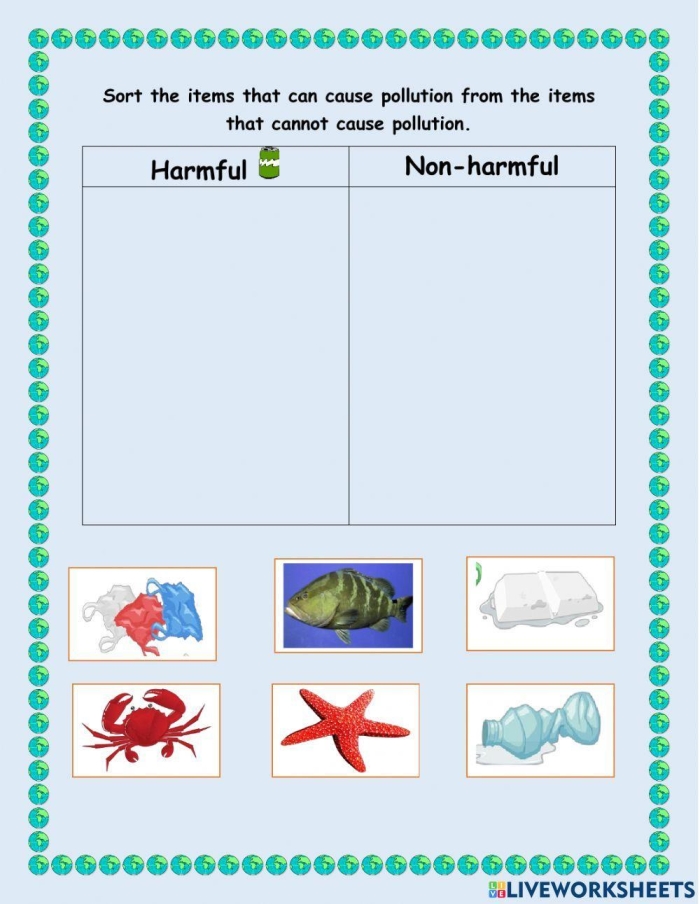
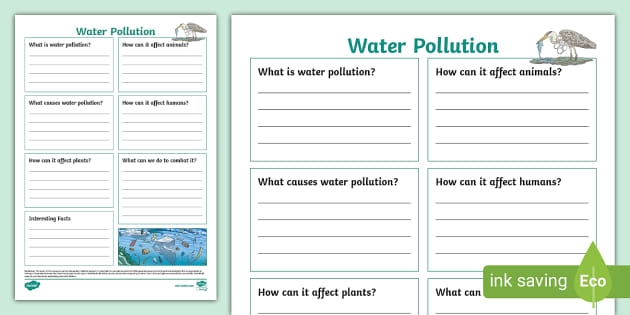
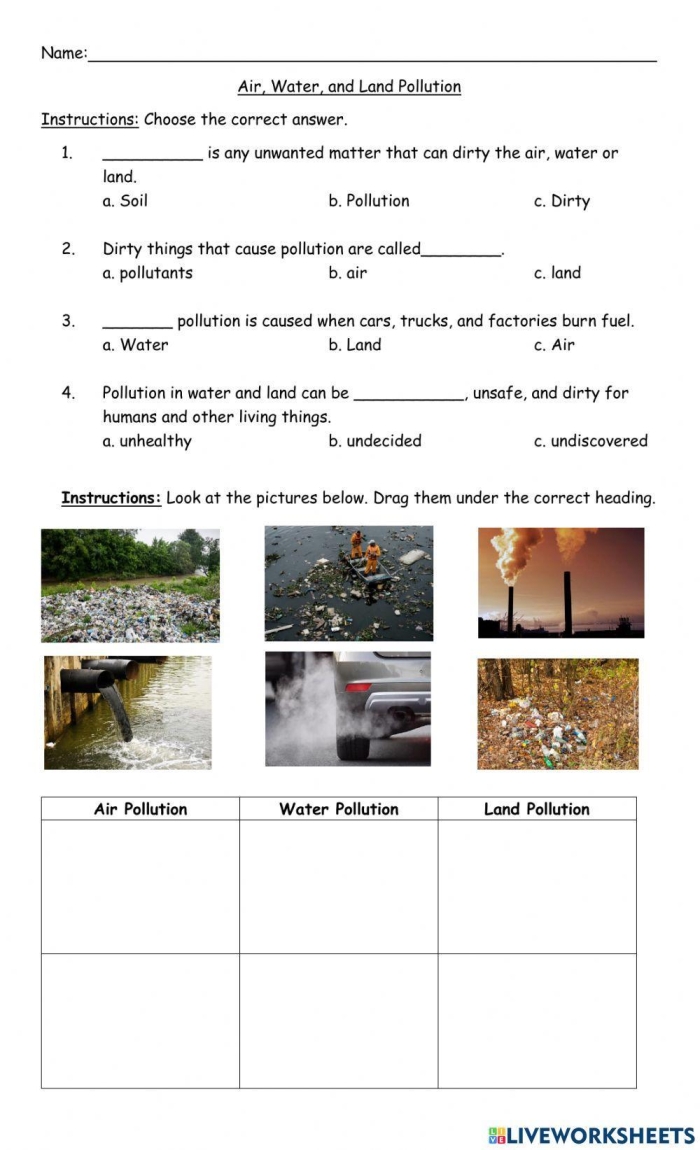
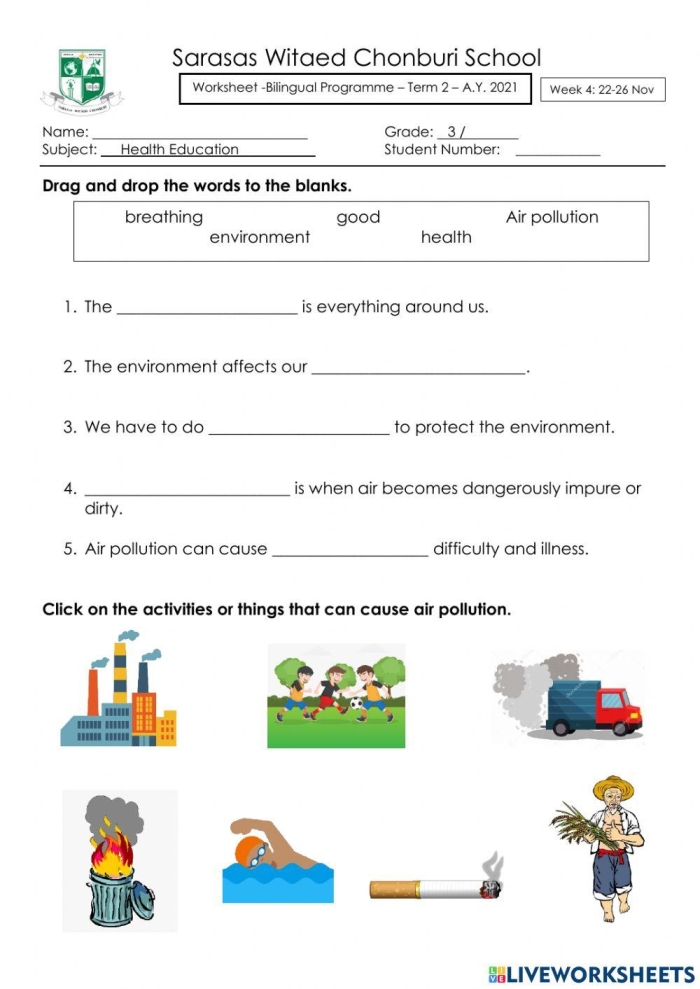
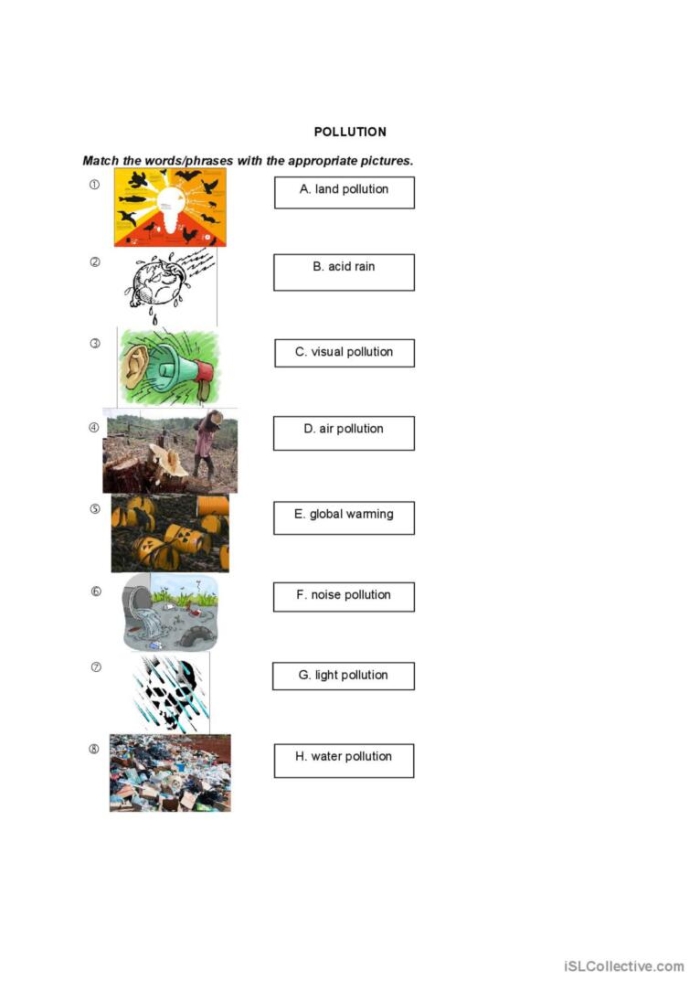
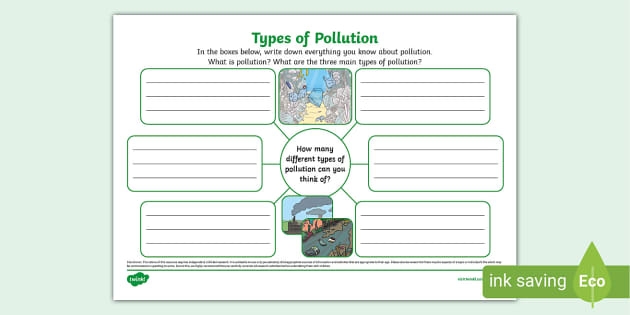
Water pollution rarely makes headlines until a river catches fire or fish wash up dead on a beach. This two-page environmental science worksheet brings the issue directly into the classroom by asking sixth grade students to investigate real pollution problems in their own communities and beyond.
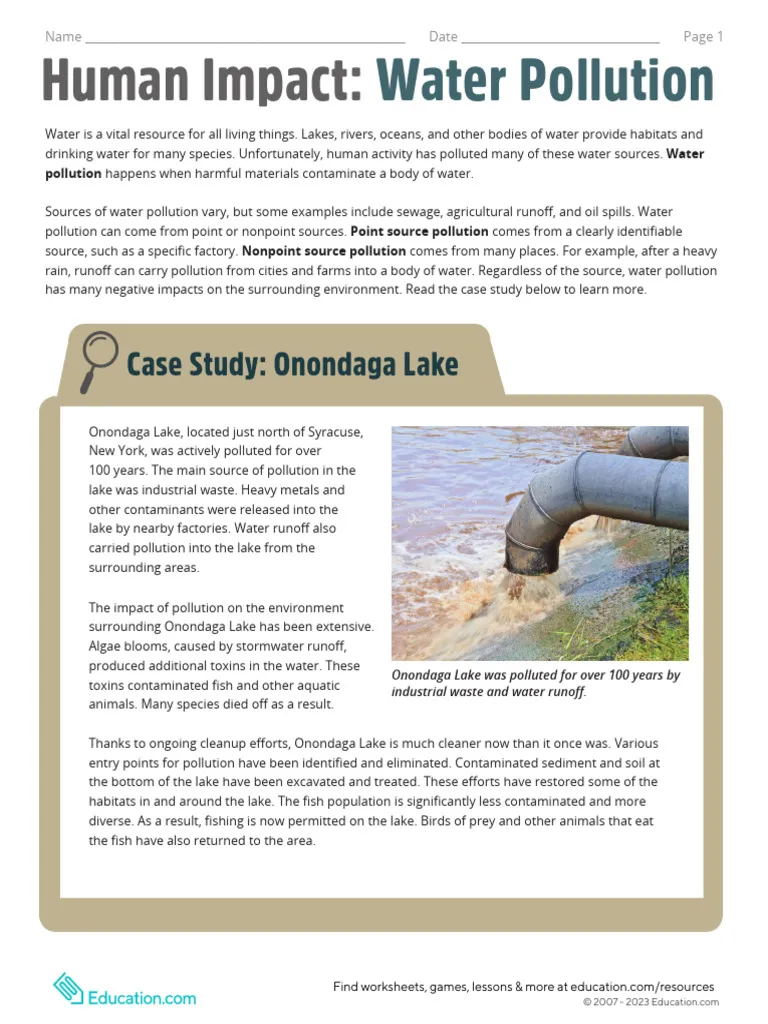
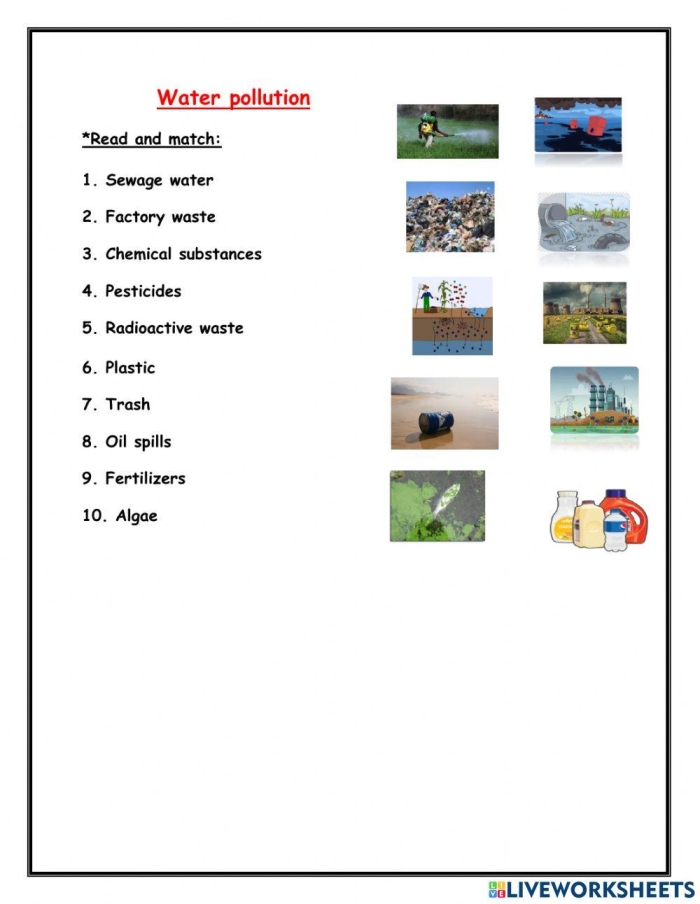
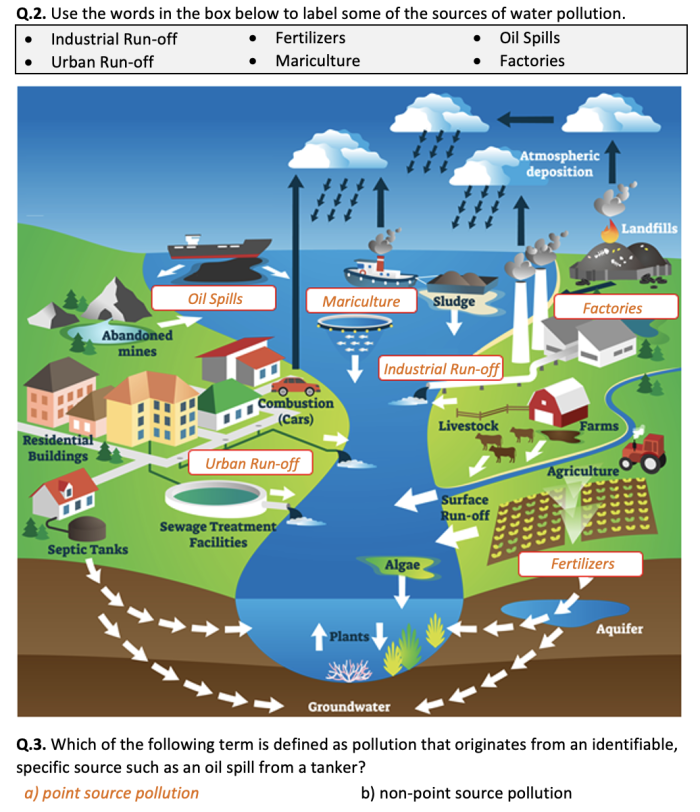
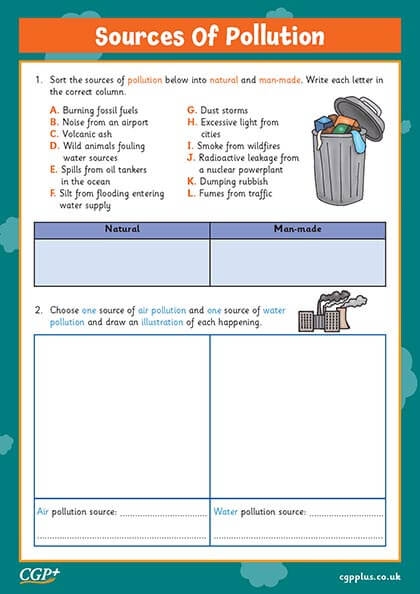
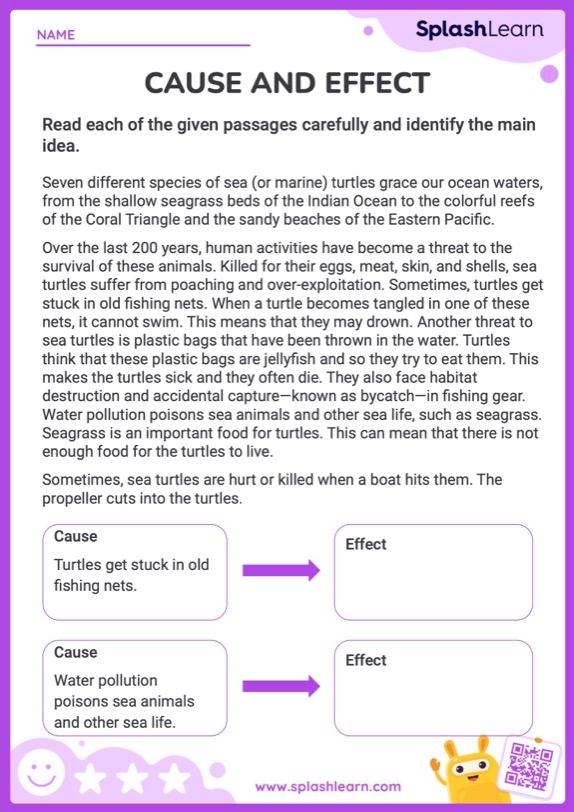
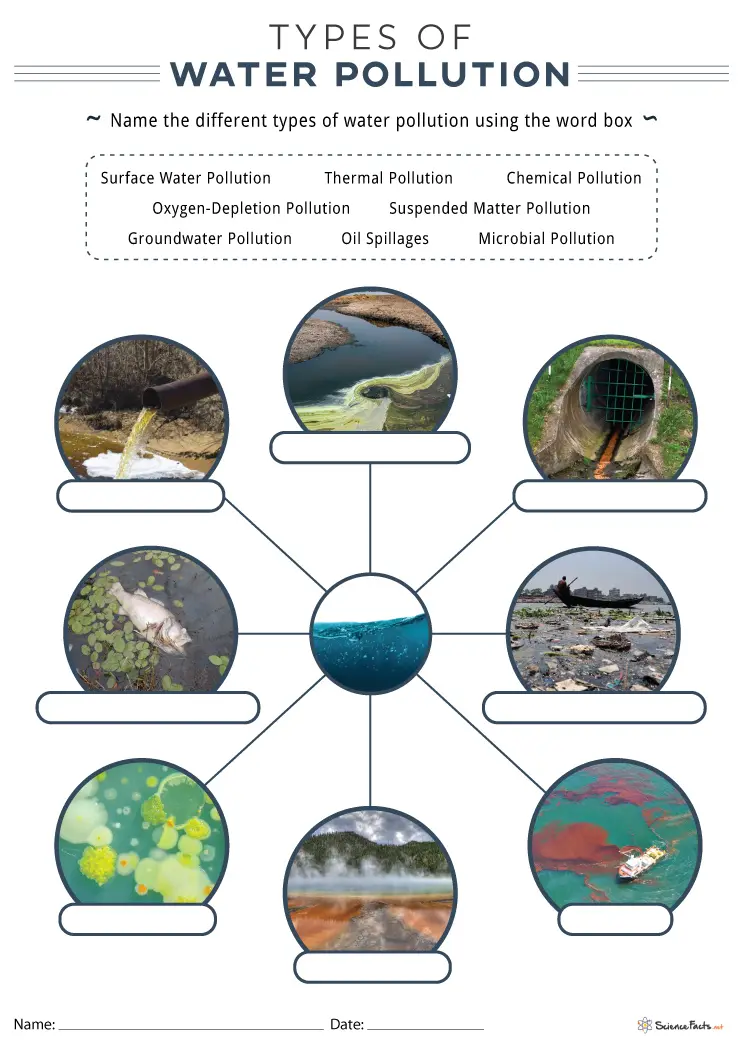
The worksheet structure works because it combines reading comprehension with hands-on research. Students begin by learning how industrial discharge, agricultural runoff, and plastic waste degrade water systems. Rather than simply memorizing facts, they then select a specific water pollution case study: perhaps the Flint water crisis, ocean dead zones in the Gulf of Mexico, or contamination in a local watershed. This approach mirrors how scientists actually work, moving from general knowledge to specific investigation.
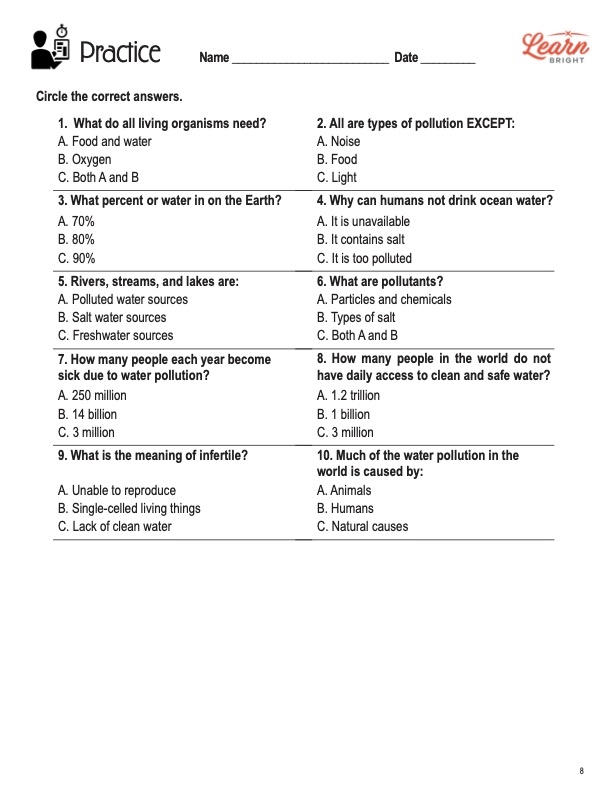
What makes this format effective for sixth graders is the scaffolding. The first page introduces key vocabulary and concepts using accessible language. Students learn that water pollution affects drinking water supplies, harms aquatic life, and creates economic costs for communities. The second page guides them through their case study analysis with structured questions about causes, effects, and potential solutions. This combination of reading and writing helps students develop both analytical thinking and clear expression.
The worksheet also connects to broader environmental literacy. When students research an actual pollution incident, they understand that environmental problems have human causes and require human solutions. They see how policy decisions and regulations shape environmental outcomes. Some students discover career possibilities in environmental science or engineering through this activity.
Teachers appreciate this resource because it requires minimal setup while delivering substantial learning. Students can complete research using school computers or library resources, then write their findings directly on the worksheet. The case study format also allows differentiation: advanced students can tackle complex pollution sources like microplastics, while others focus on more straightforward examples. Like other sixth grade worksheets that balance content with critical thinking, this one produces genuine engagement with environmental topics that matter.
Try These Printable Worksheets