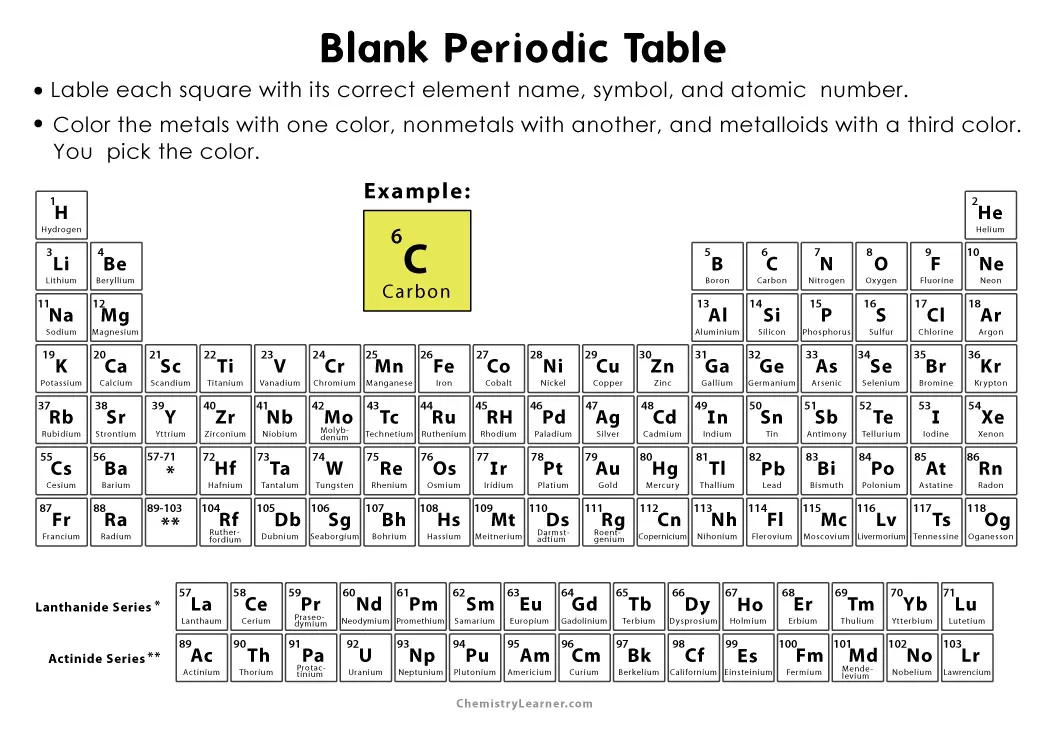
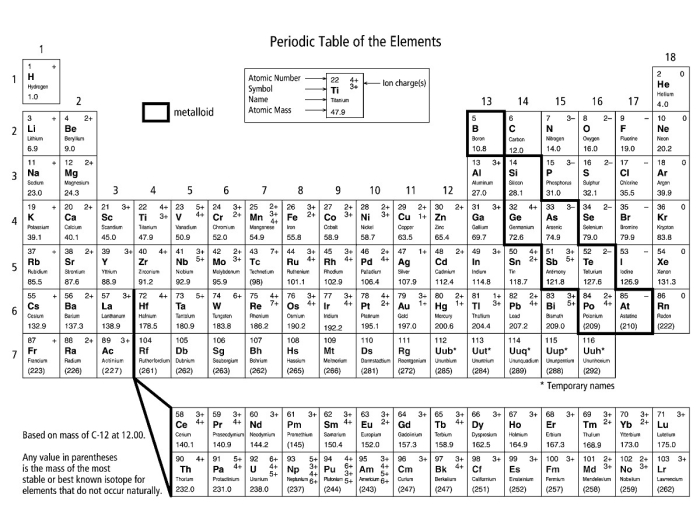
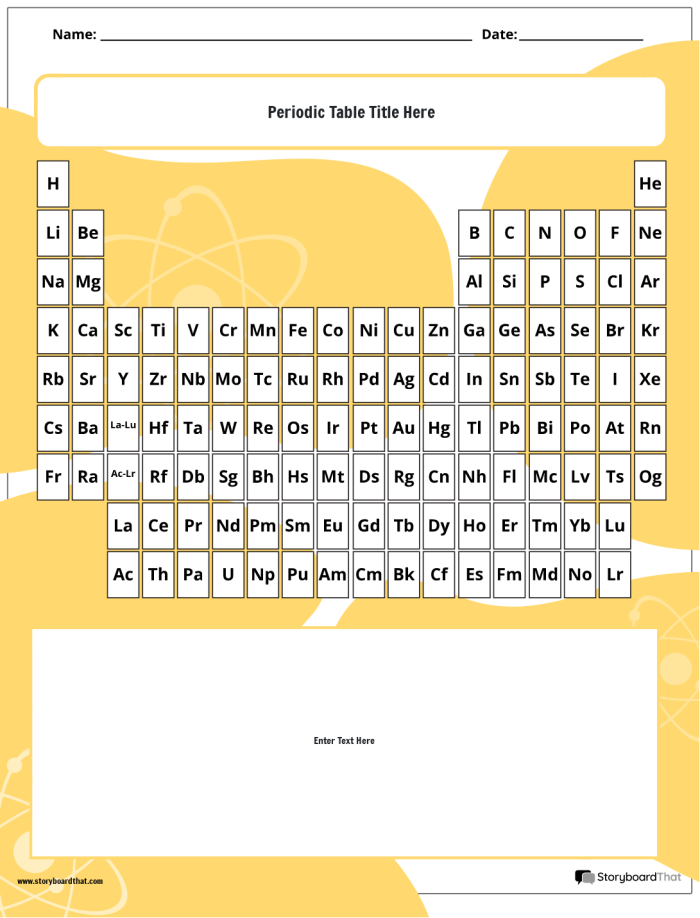
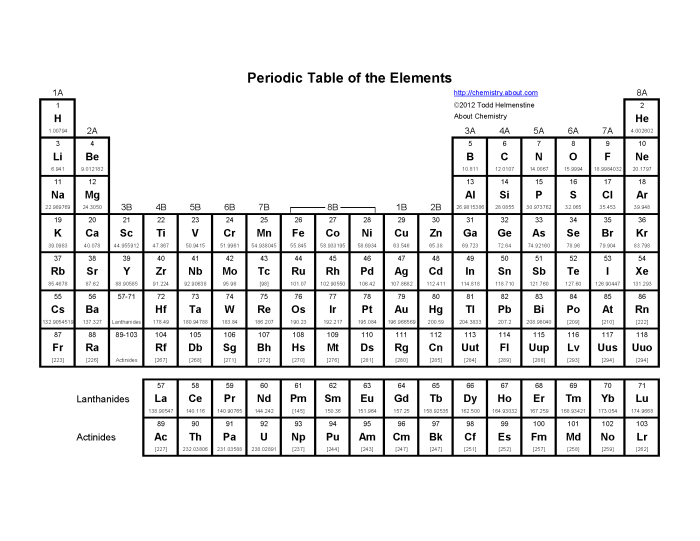
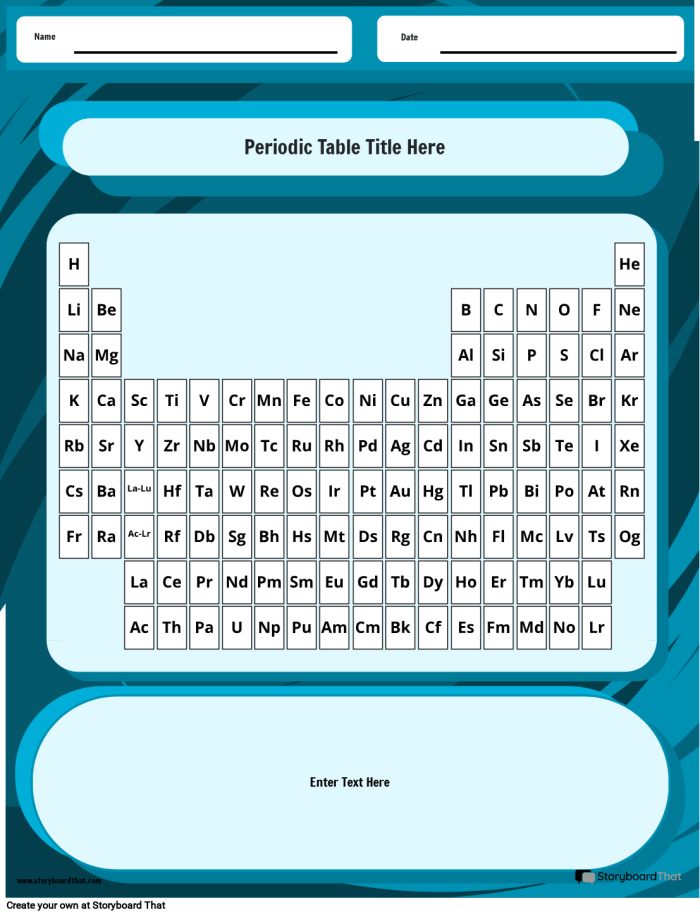
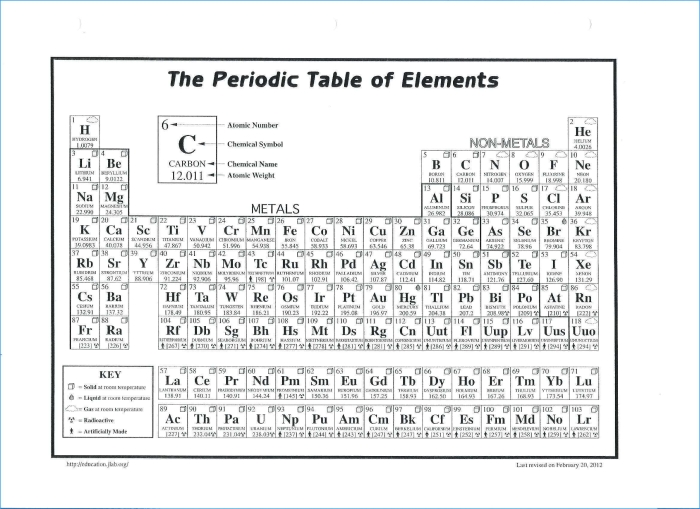
A well-designed periodic table does more than list element names and symbols. When you look at a thoughtfully labeled version, you’re holding a tool that connects abstract chemistry to the real materials around you. The best ones organize all 103 known elements in a way that reveals patterns, making it easier to understand why certain elements behave similarly and how they relate to one another.
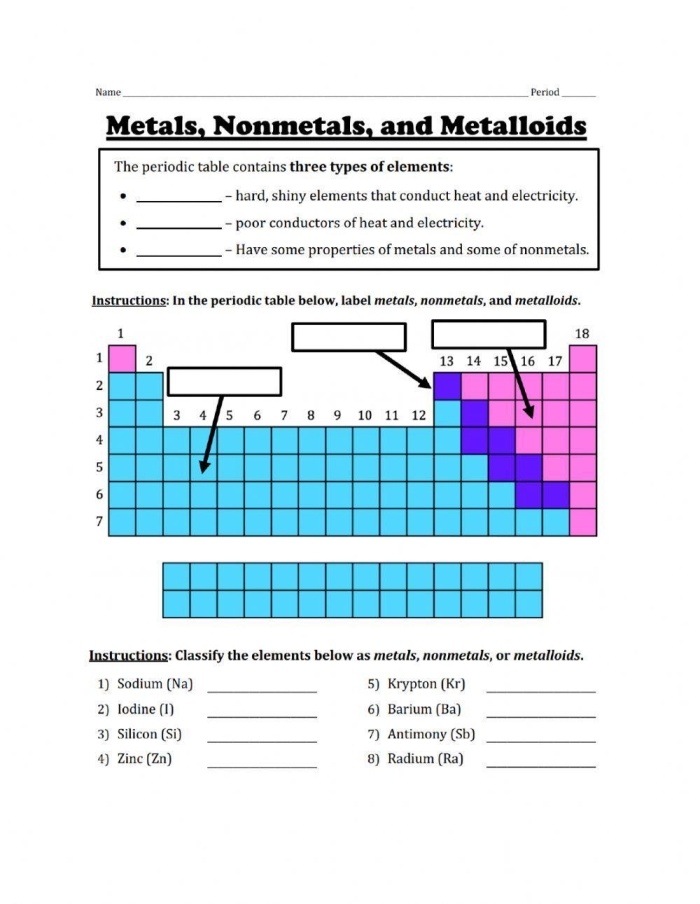
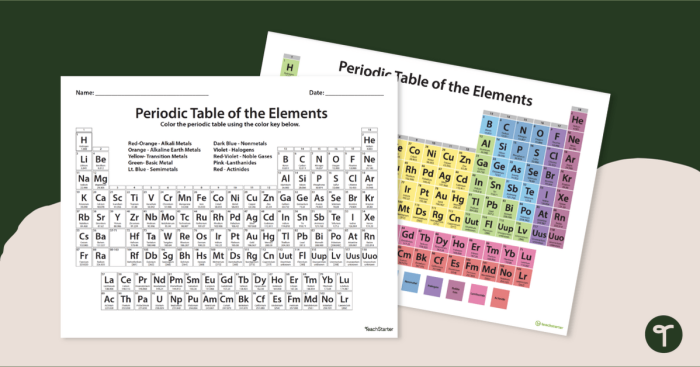
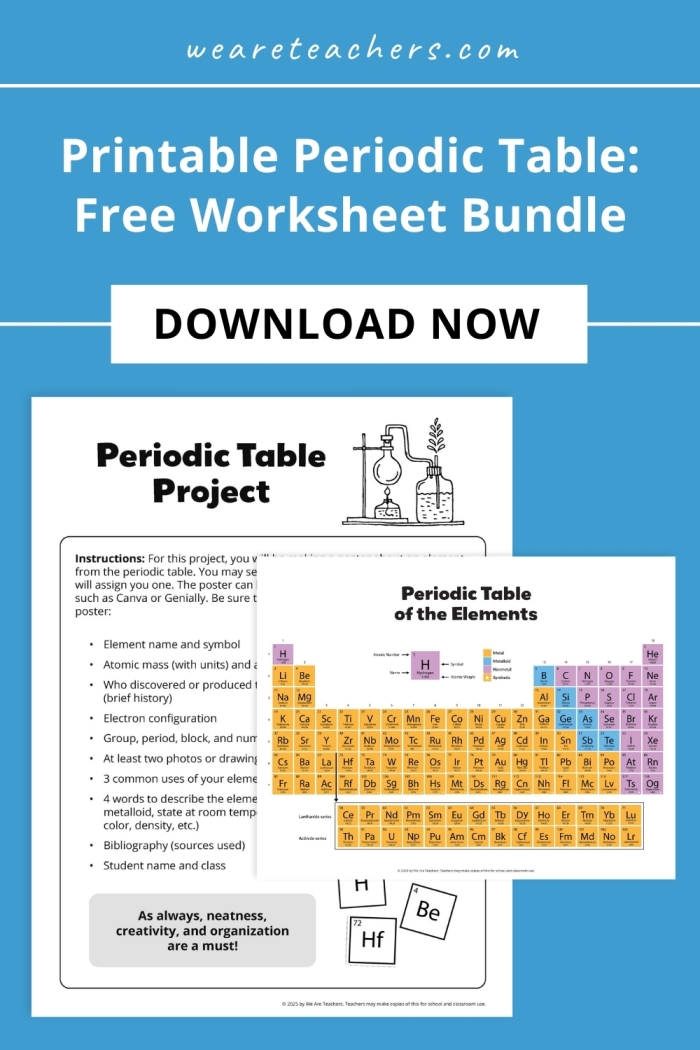
What makes a periodic table genuinely useful is how it presents properties beyond just atomic numbers. A quality version includes electron configurations, oxidation states, atomic mass, and electronegativity values. Some also show which elements are metals, nonmetals, or metalloids through color coding. For sixth grade students studying community and culture, understanding elements matters more than you might think. The metals in your phone, the oxygen you breathe, and the calcium in your bones all appear on this table with their complete information laid out clearly.
When you’re working with data in science class, having accurate element properties at your fingertips changes how you approach problems. If you’re studying how elements combine or react, knowing their valence electrons and electronegativity helps you predict outcomes. This connects to broader skills like understanding how to read tables with multiple variables and finding relationships between data points.
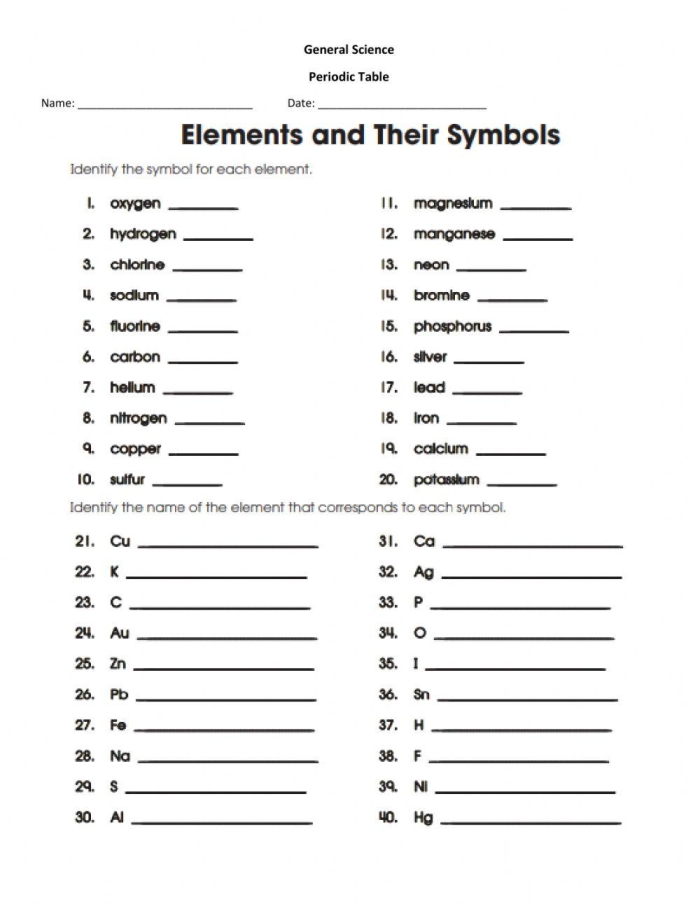
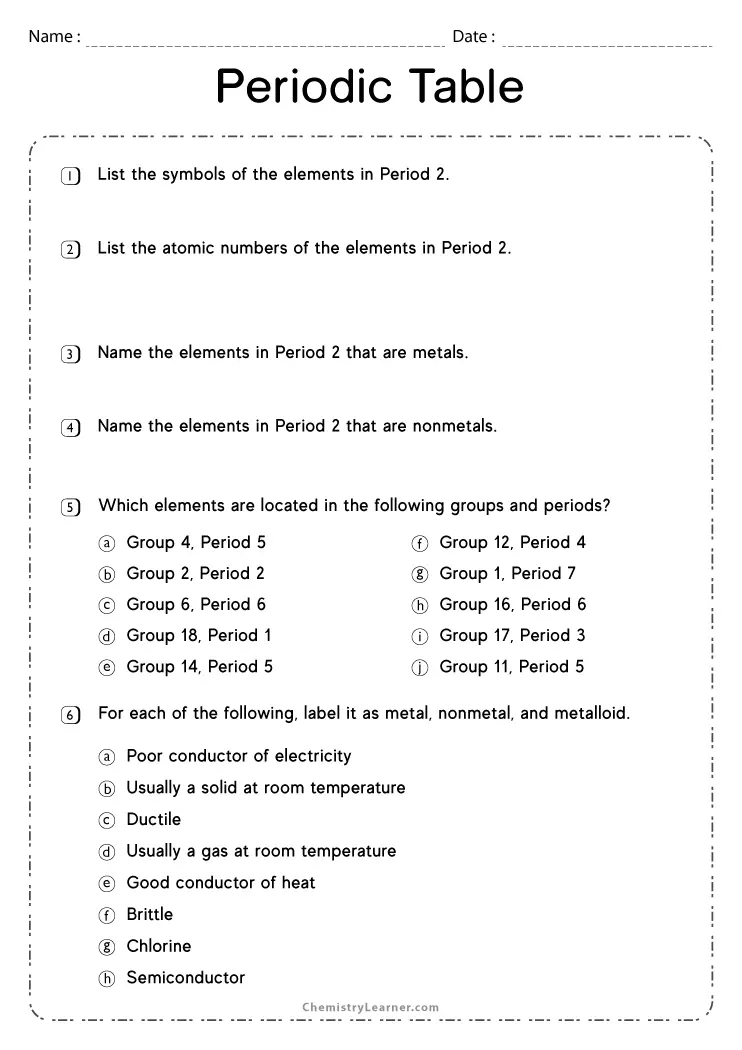
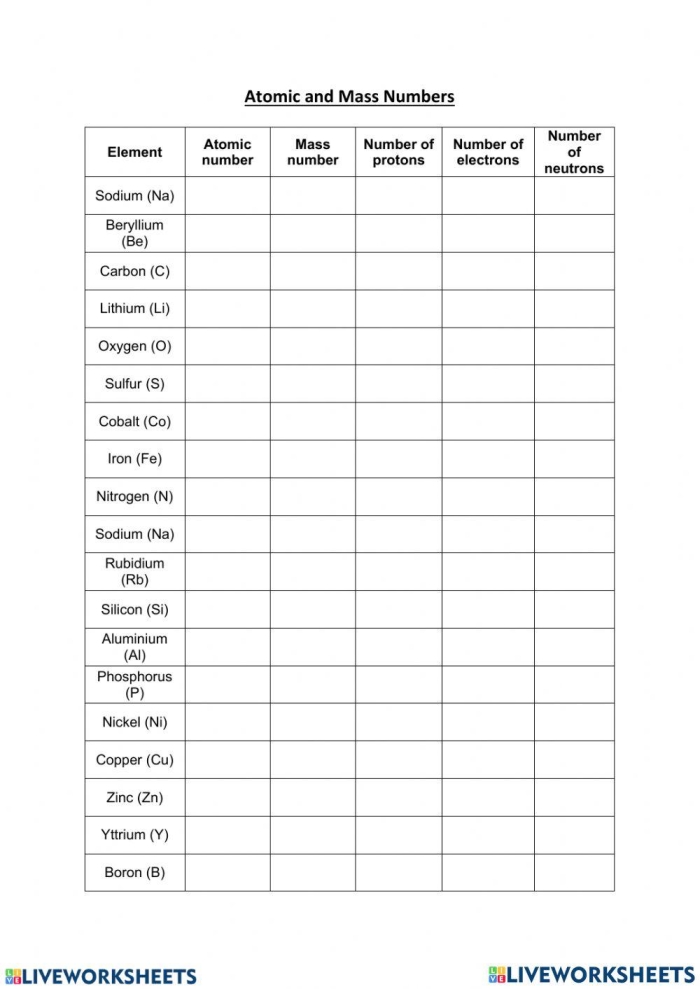
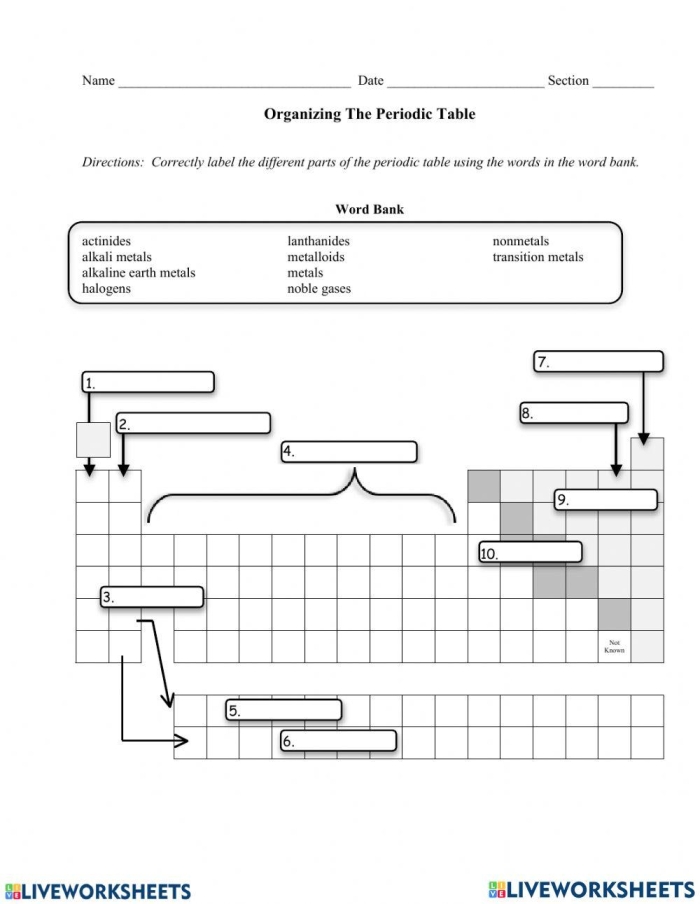
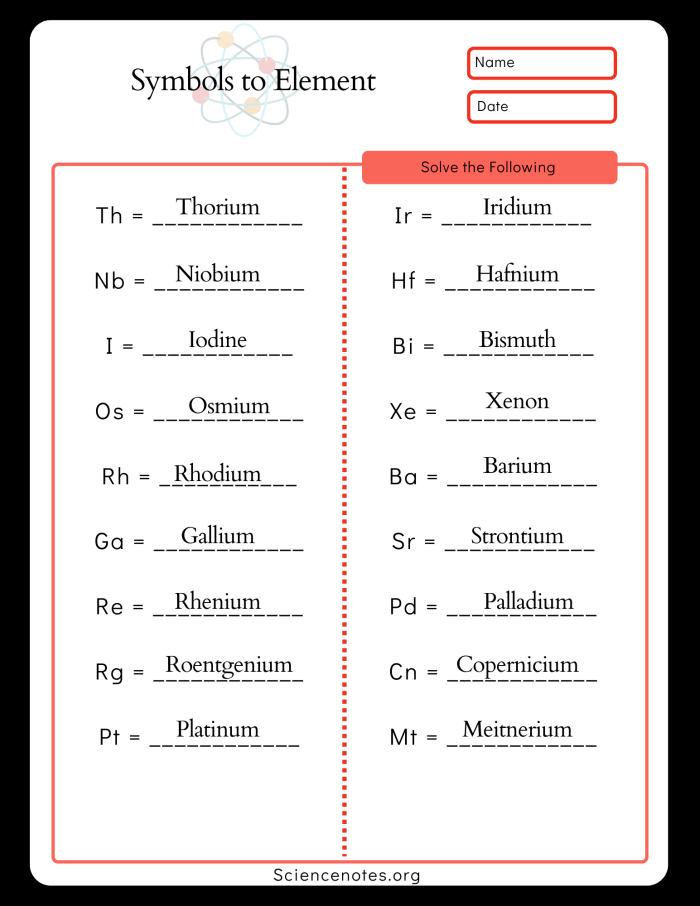
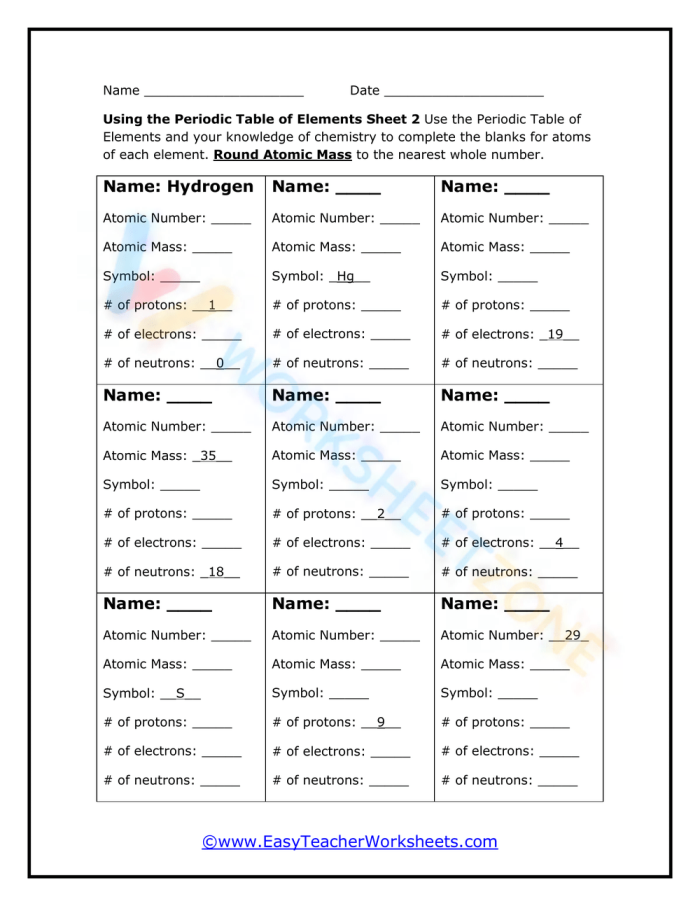
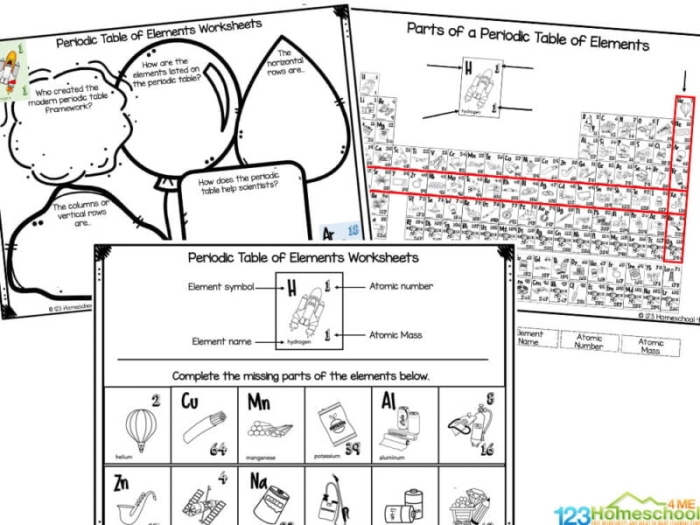
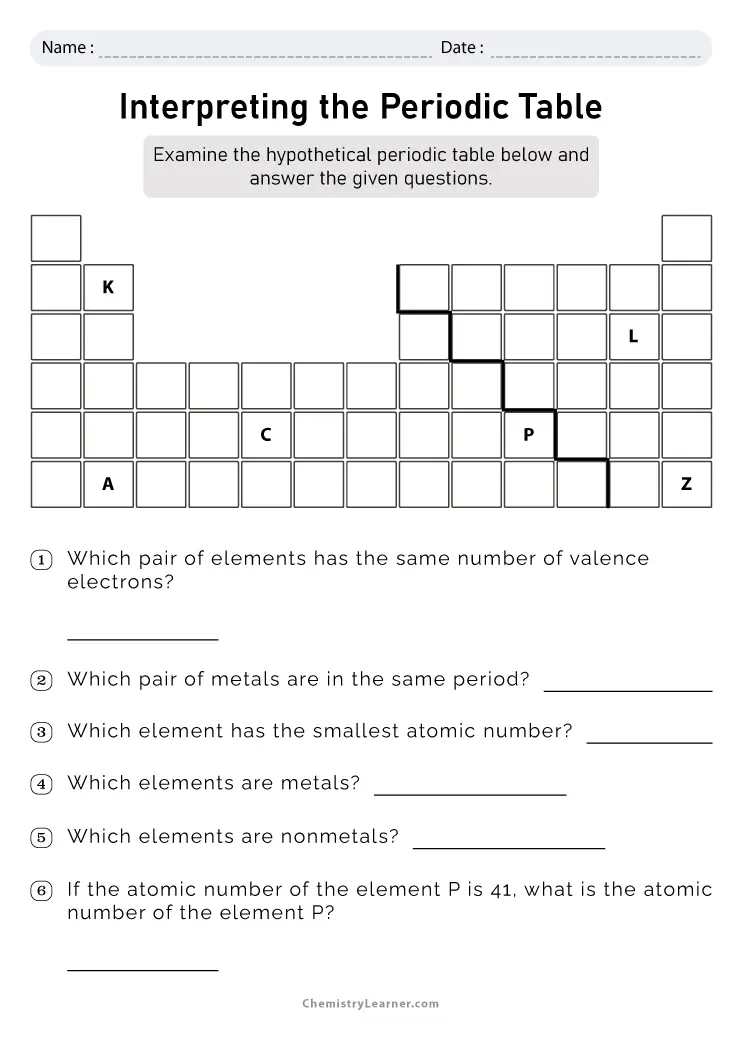
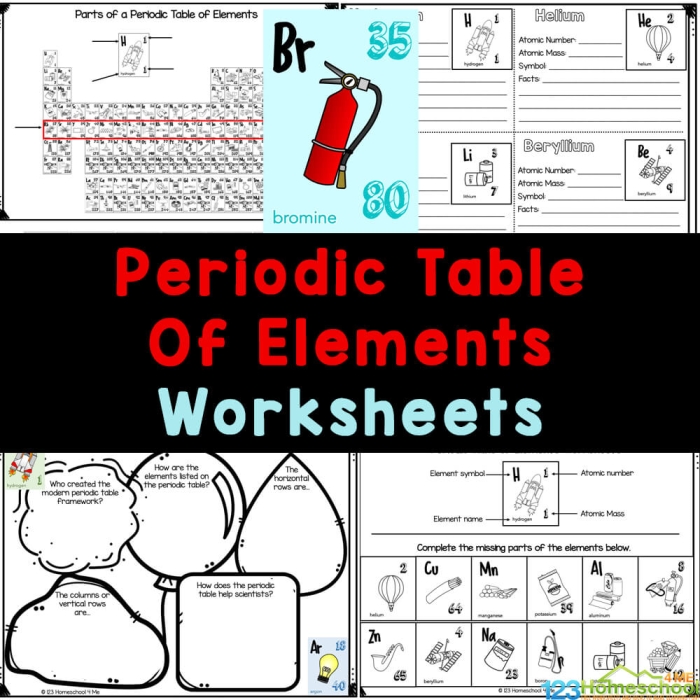
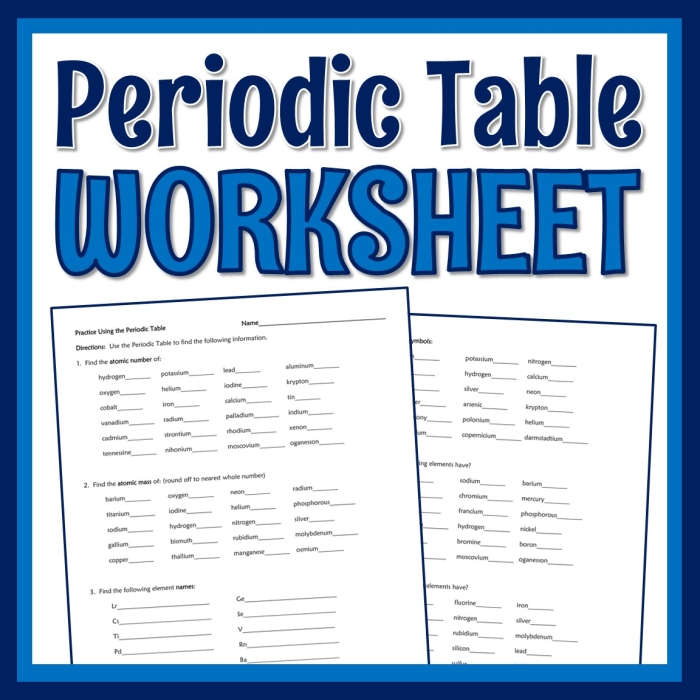
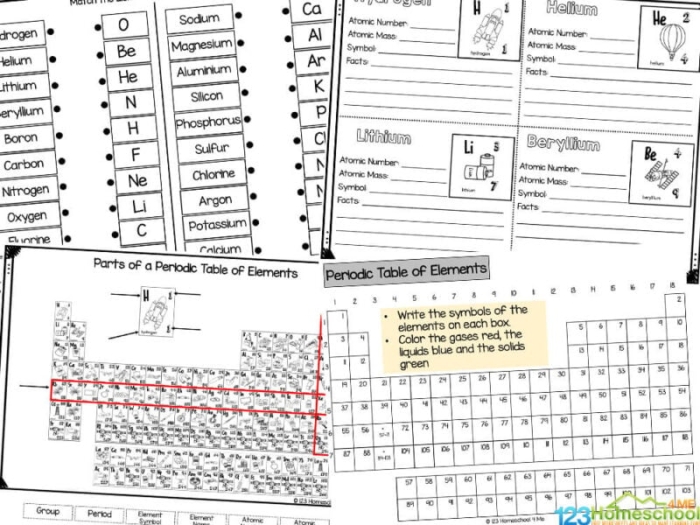
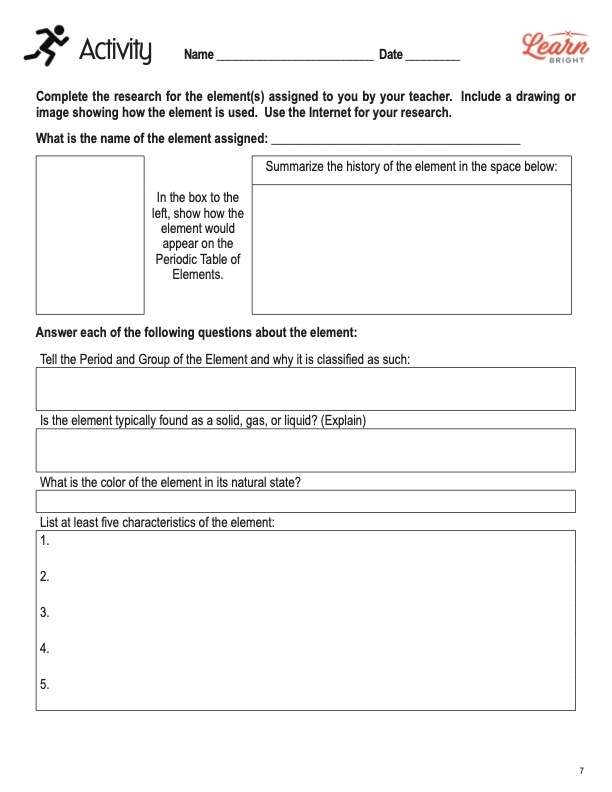
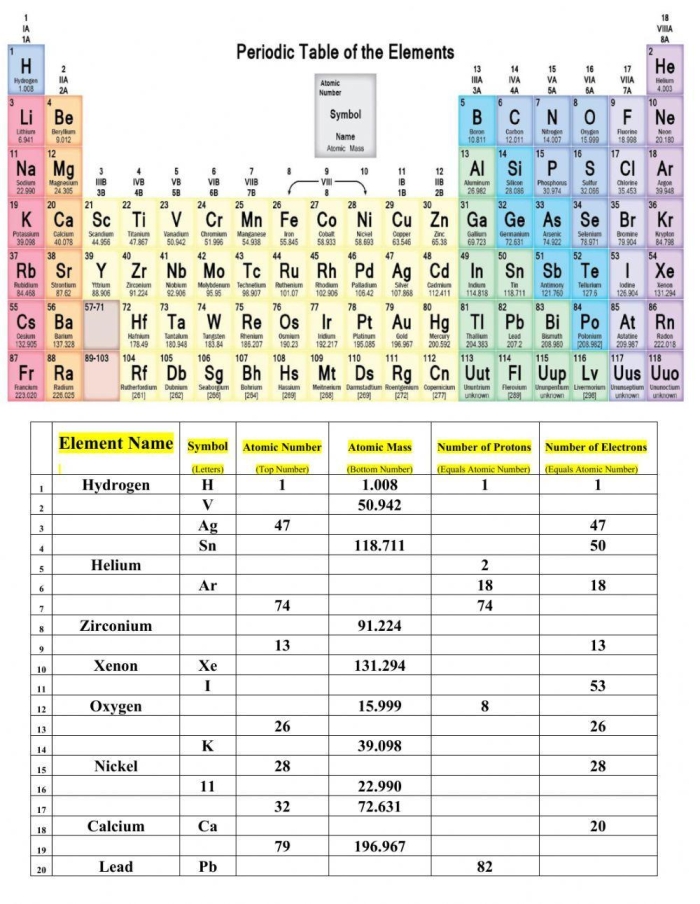
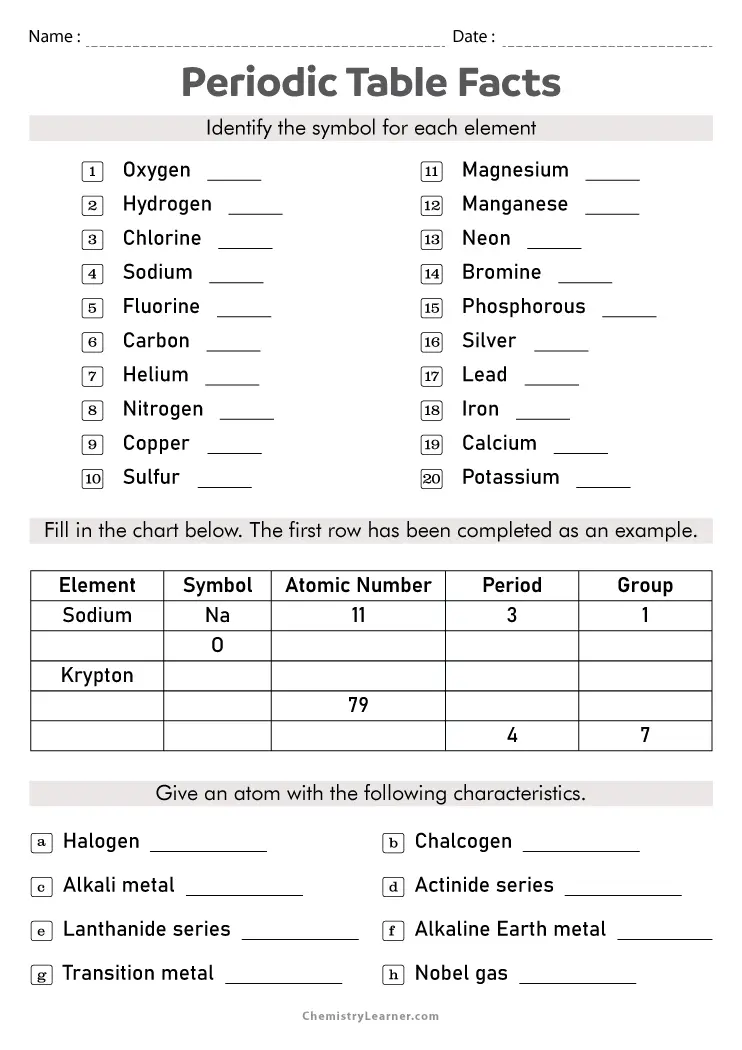
A labeled periodic table becomes even more valuable when paired with worksheets that ask you to reference it. Instead of memorizing facts, you’re learning how to find information and apply it. Teachers often recommend printable periodic table worksheets for sixth graders because they encourage active learning rather than passive memorization. You’re not just staring at the table; you’re using it to solve problems and understand why elements matter in your everyday life.
Download These Worksheets for Practice