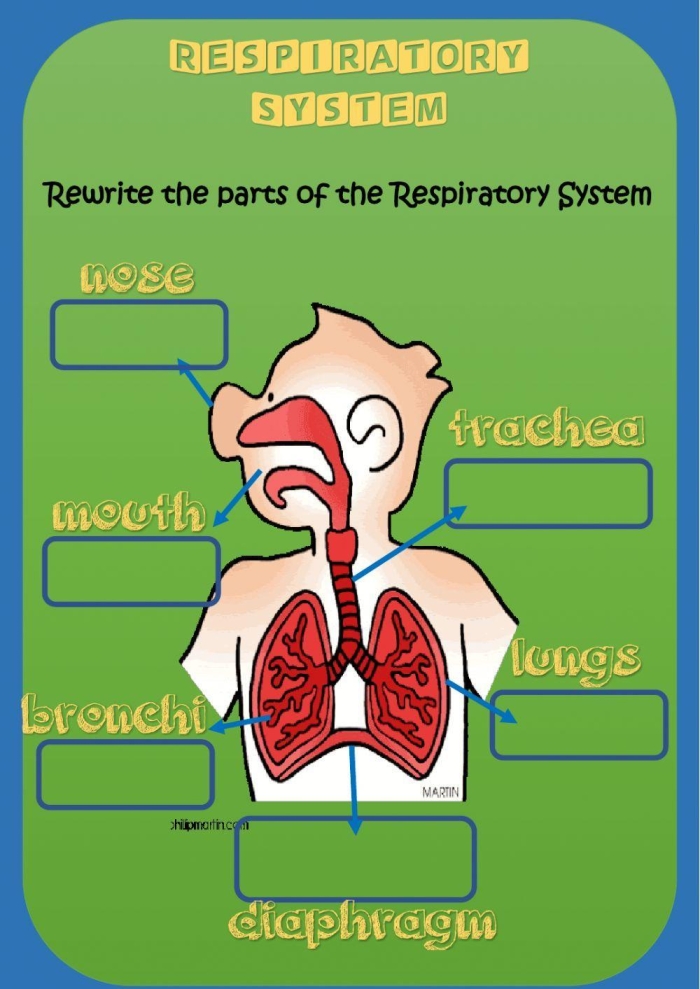
Understanding how air moves through the lungs and oxygen reaches the bloodstream requires more than memorization. A well-designed respiratory system worksheet guides sixth grade students through the actual mechanics of breathing, helping them see how different parts work together as an integrated system.
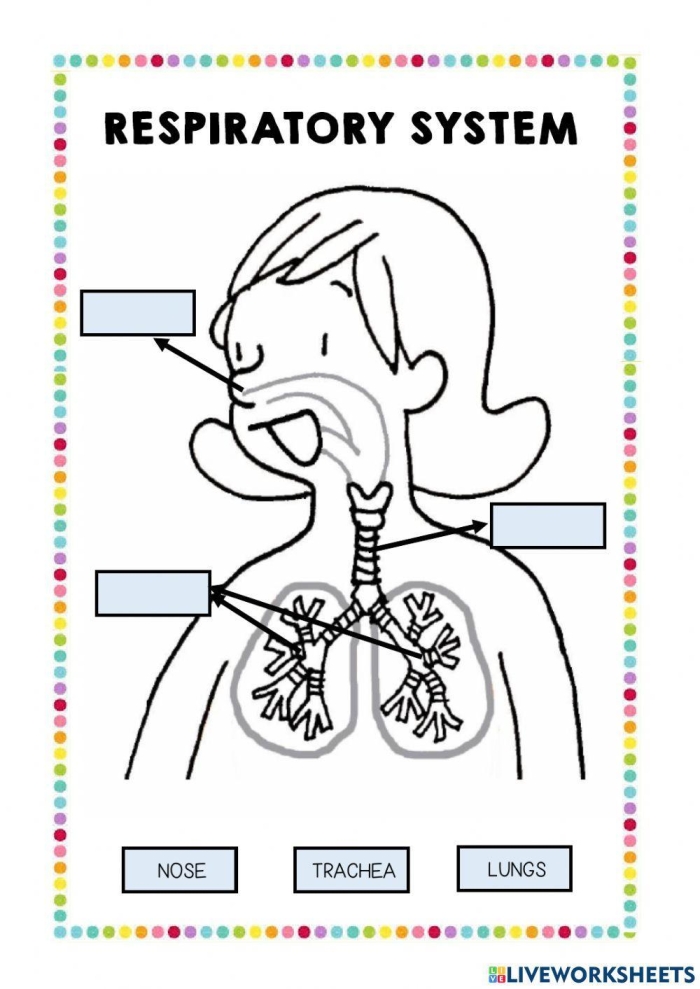
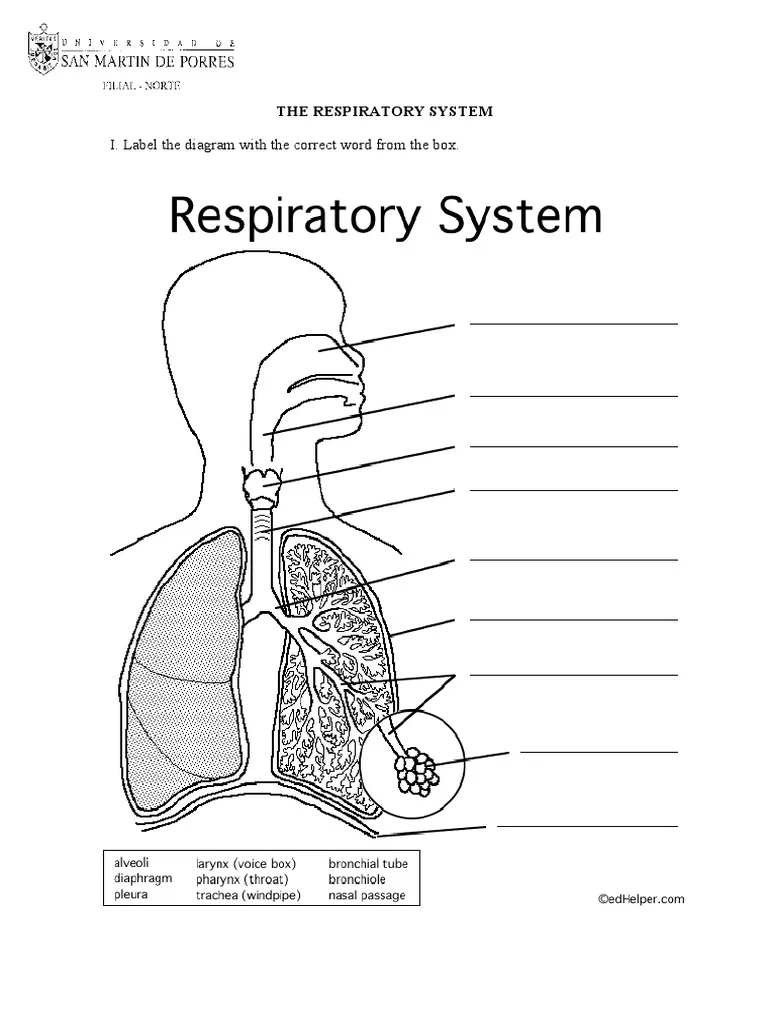
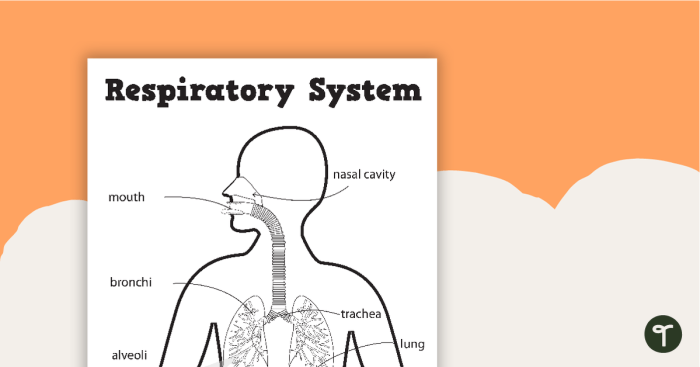
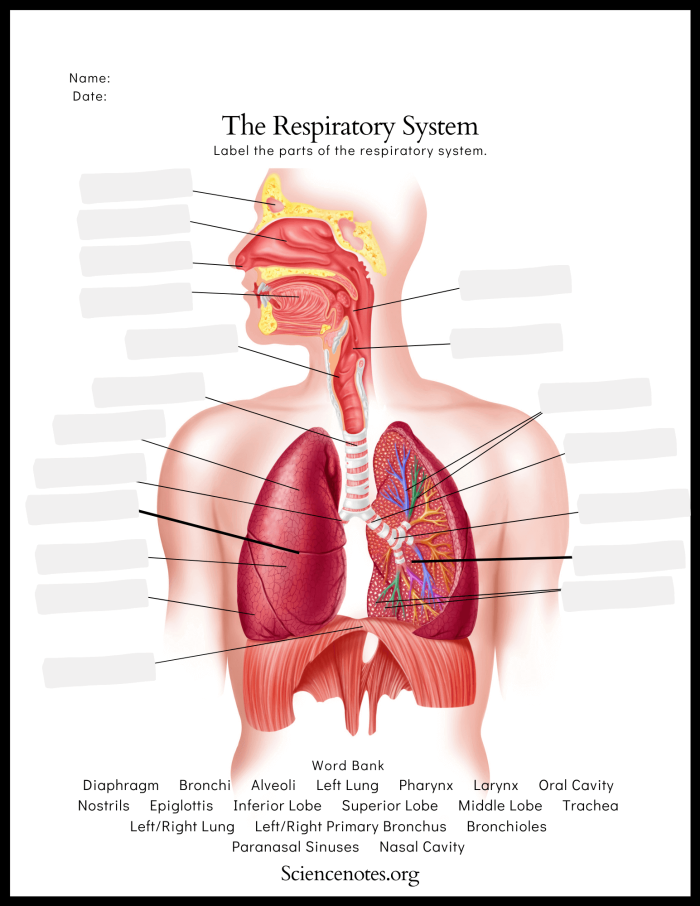
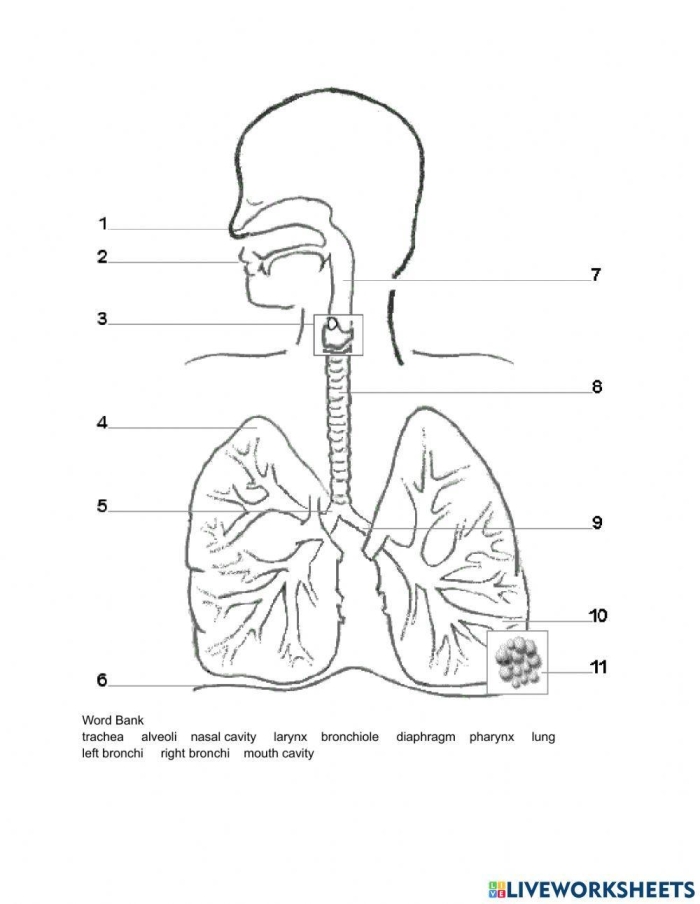
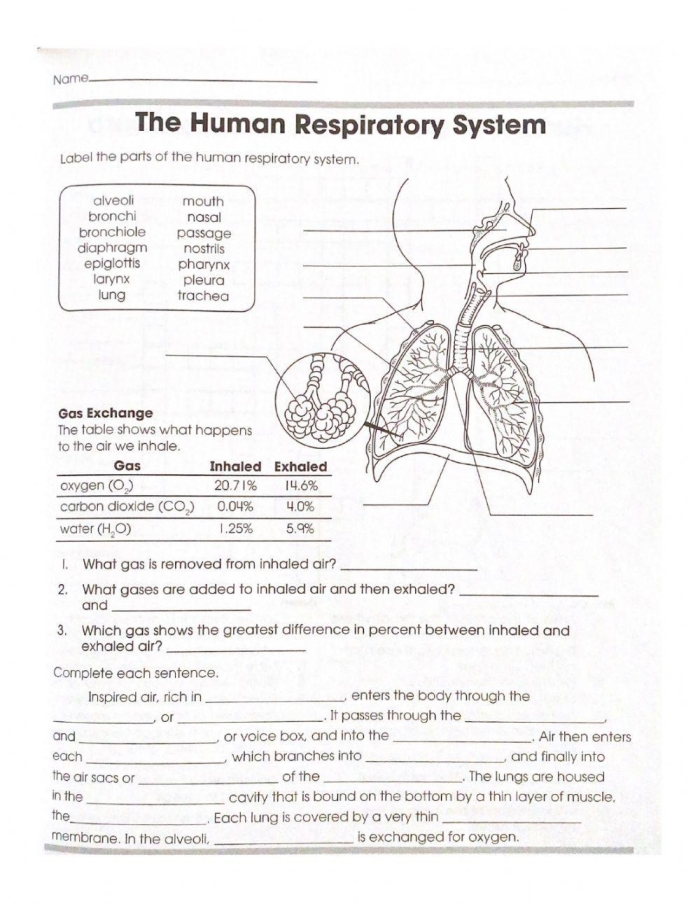
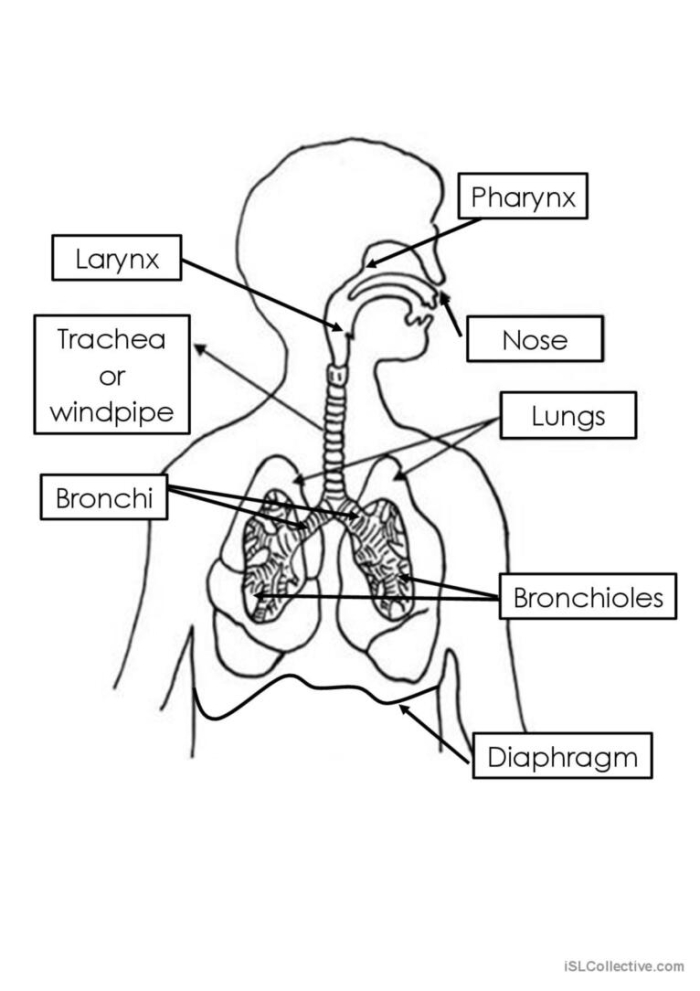
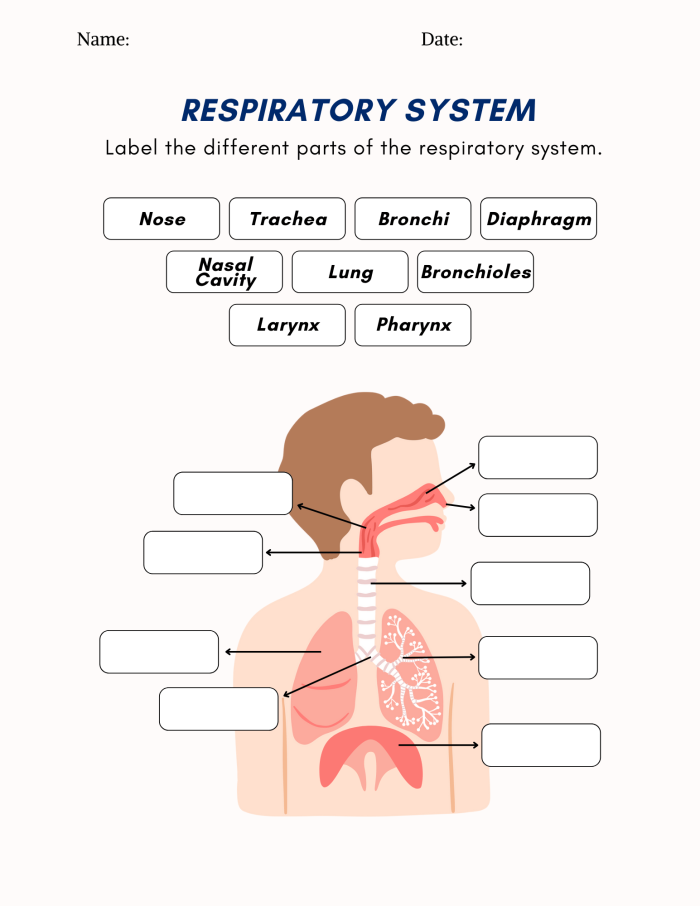
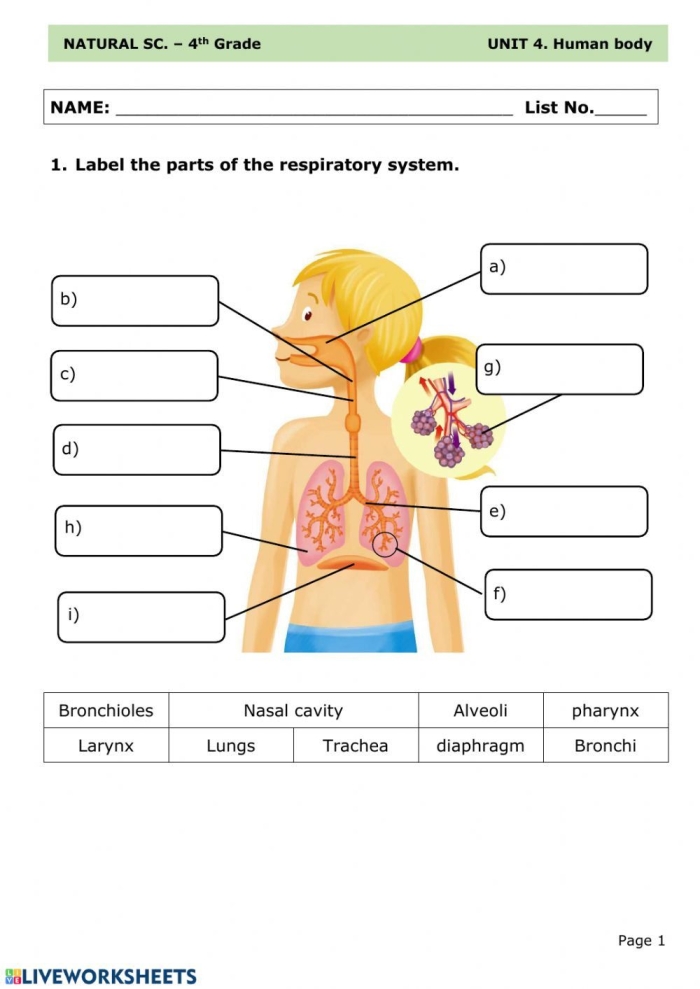
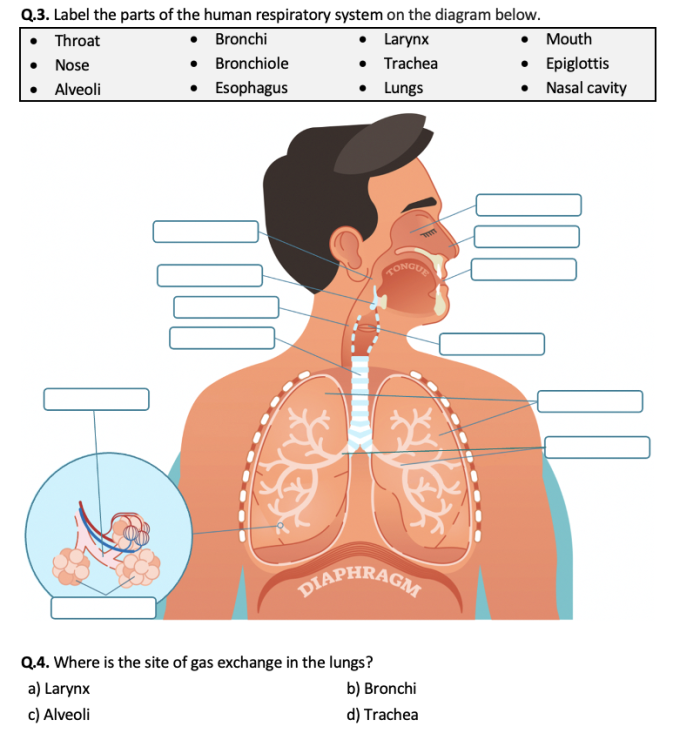
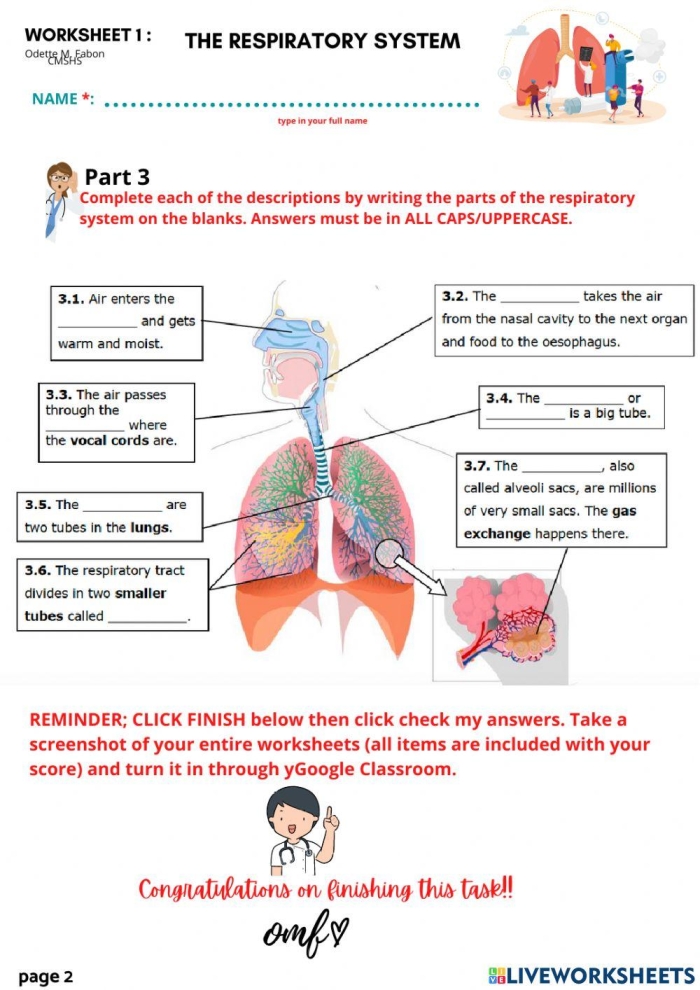
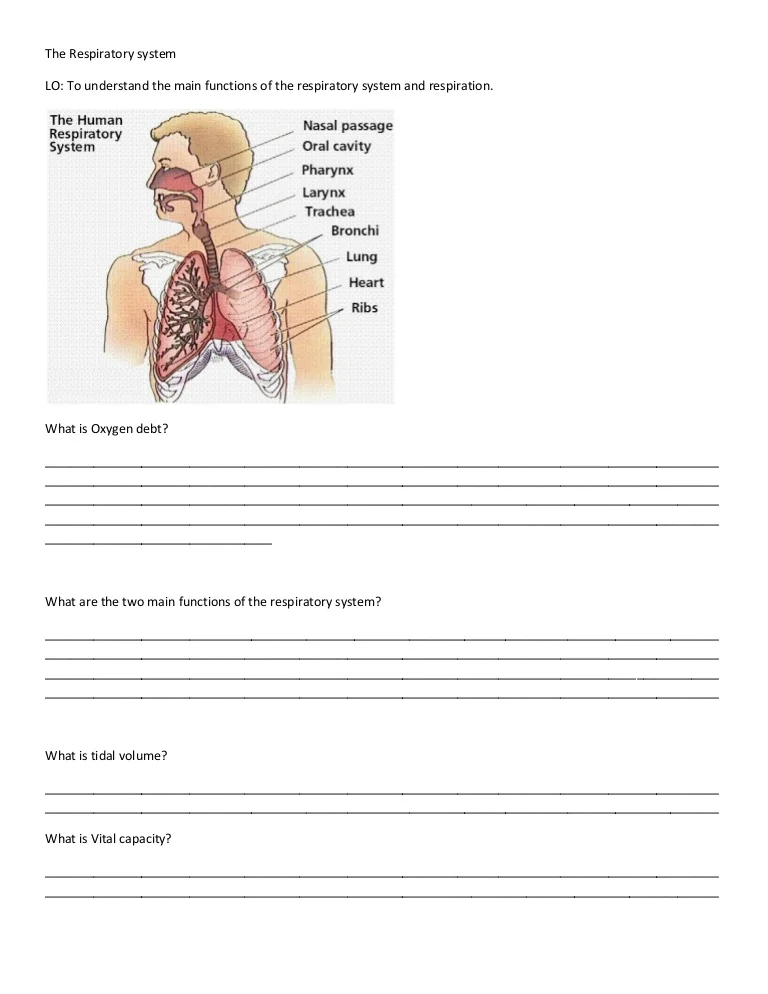
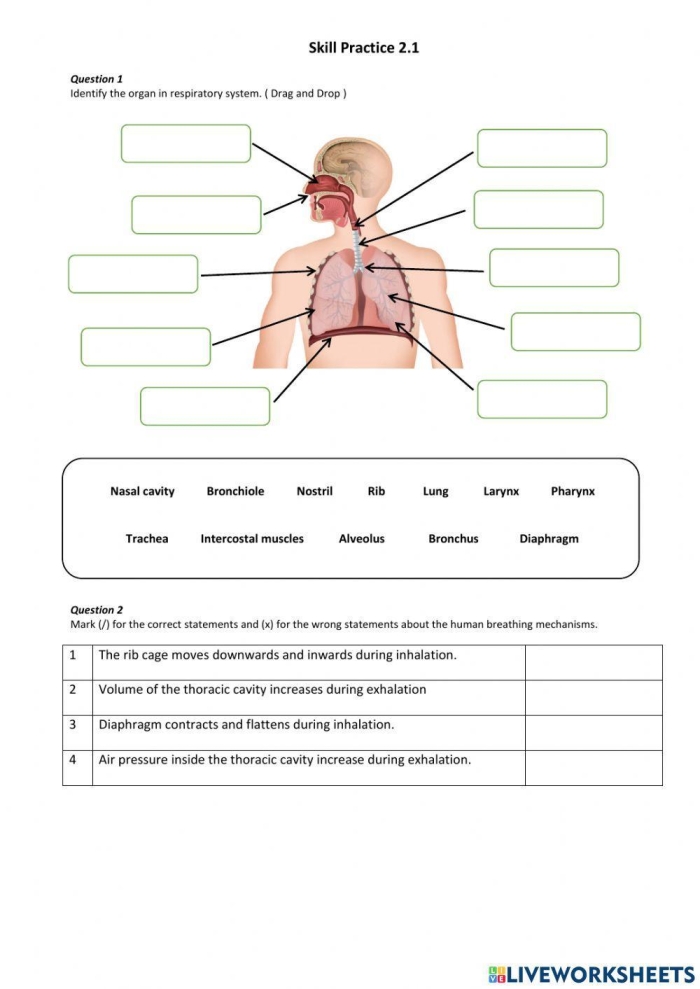
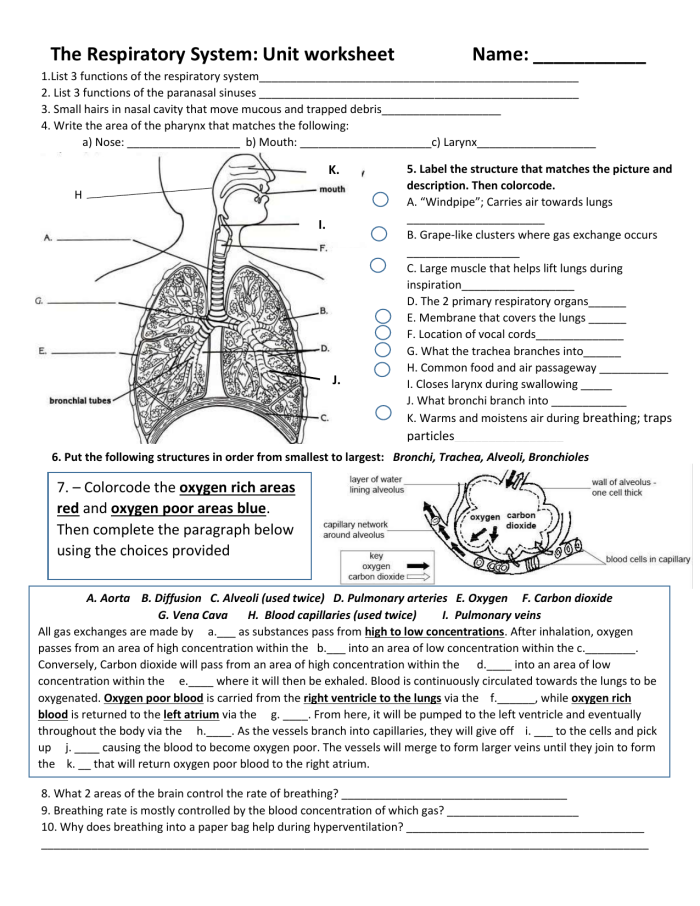
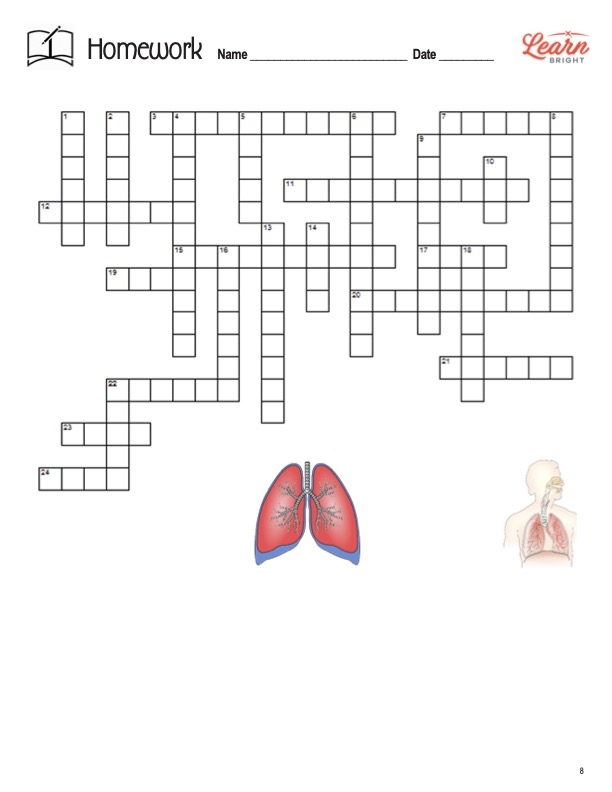
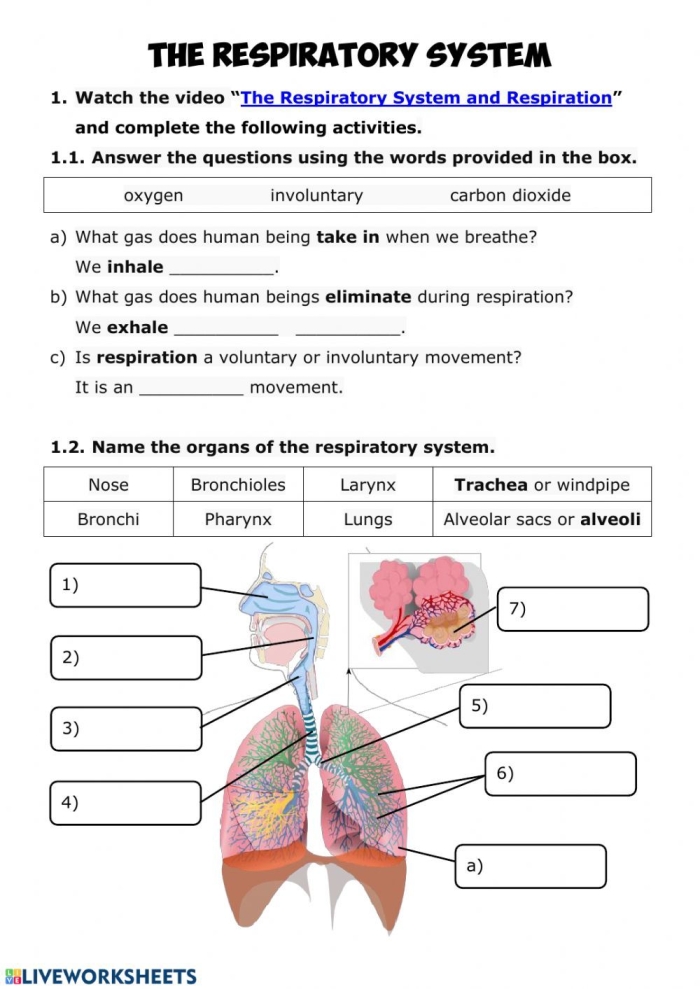
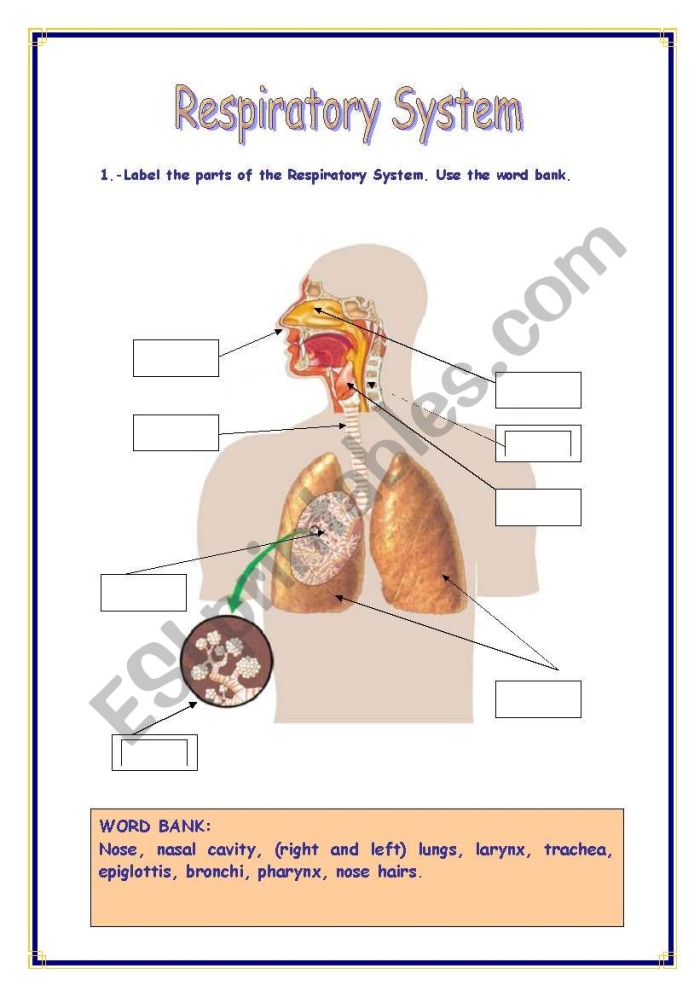
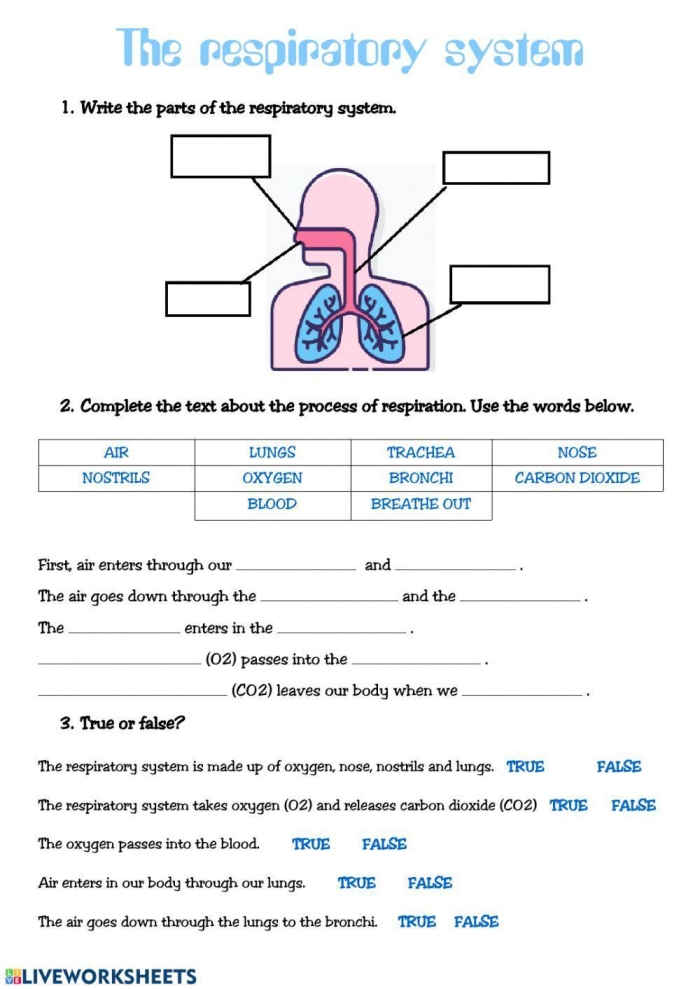
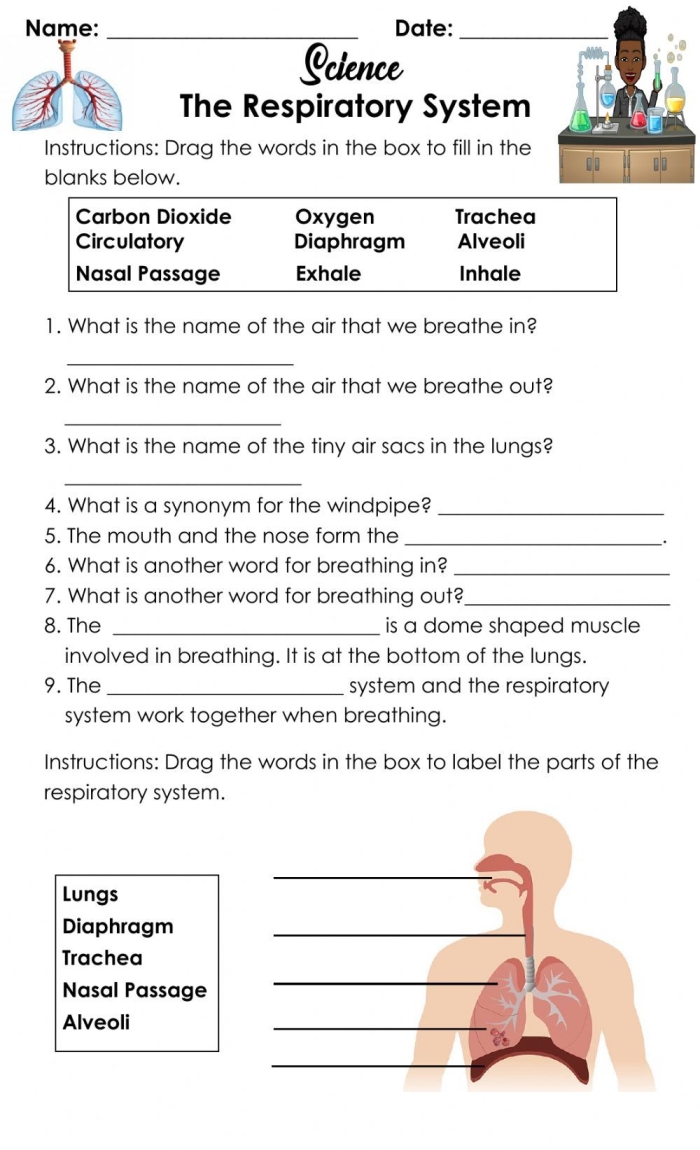
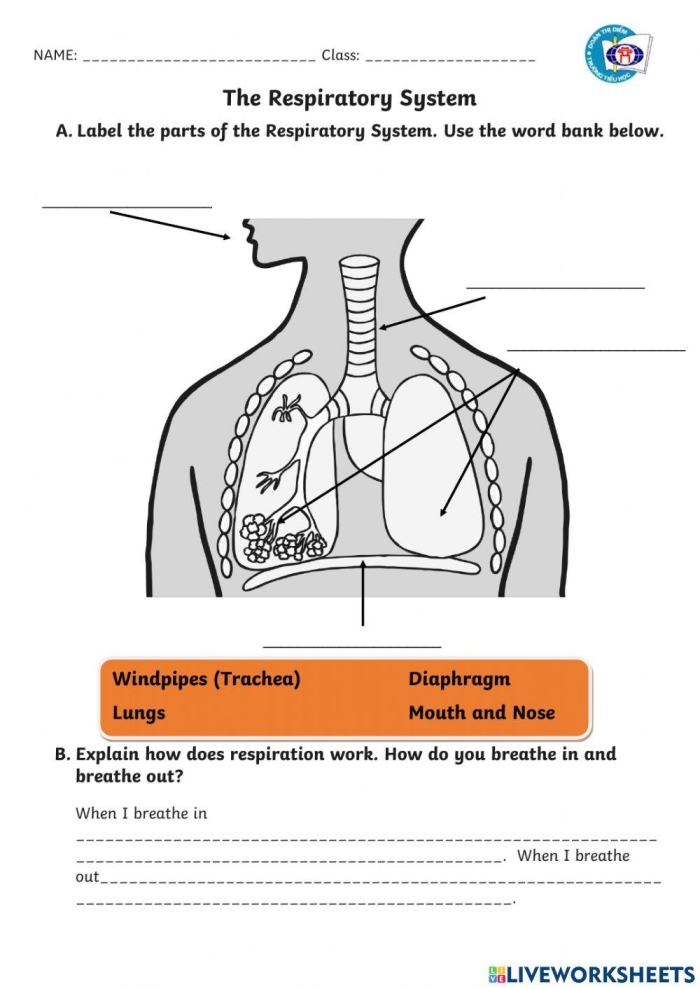
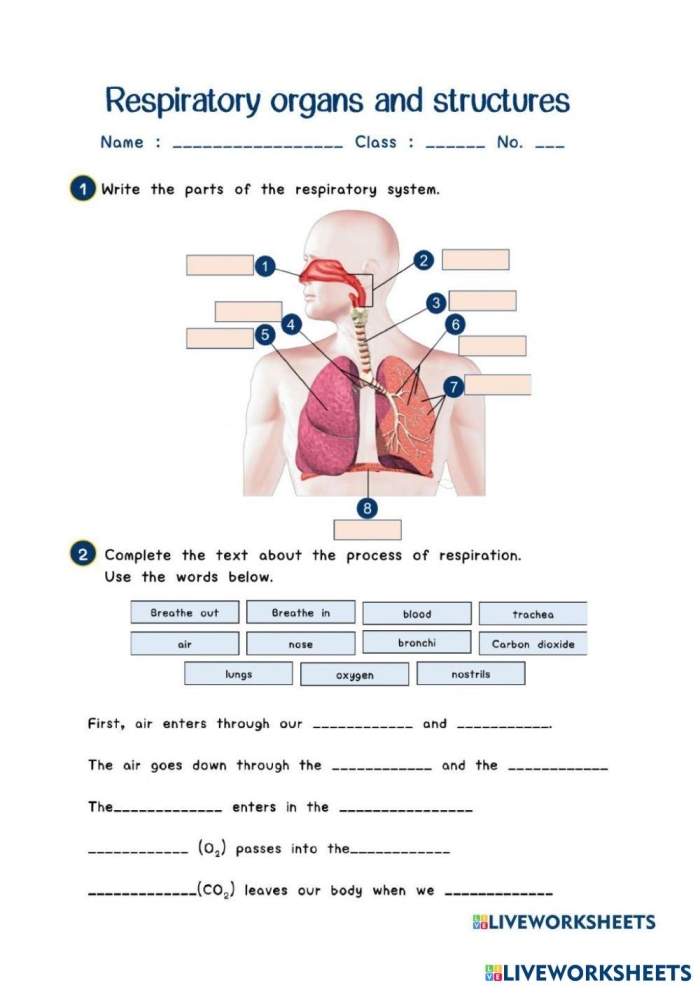
These worksheets typically ask students to label diagrams showing the trachea, bronchi, alveoli, and diaphragm. But the better ones go further by having students calculate relationships between lung capacity and body size, or determine how breathing rate changes during different activities. This approach connects life science concepts to ratios and proportions, showing students that biology involves quantifiable relationships.
When a student measures their own chest expansion before and after exercise, then calculates the ratio of air intake to body weight, they’re applying mathematical thinking to biological observation. This cross-curricular approach helps cement understanding in ways that pure memorization cannot.
The mechanics themselves are straightforward but fascinating. The diaphragm contracts and moves downward, creating space in the chest cavity. Air pressure inside the lungs becomes lower than atmospheric pressure, so air flows in. When the diaphragm relaxes and moves back up, air flows out. Gas exchange happens in the alveoli, where oxygen passes into capillaries and carbon dioxide moves out of the blood.
Quality worksheets include questions that require students to explain why breathing happens rather than just naming parts. Some ask students to predict what would happen if the diaphragm couldn’t move, or to compare human respiration with other animals. These thinking questions prepare students for deeper science study.
For teachers building comprehensive science units, pairing respiratory system worksheets with other skill-building materials creates stronger learning outcomes. Resources like those focusing on organizing information clearly help students present their findings effectively.
Start Practicing with These Worksheets