When sixth graders first encounter coordinate planes, many see abstract grids and numbered axes. The real power emerges when you connect those grids to actual scenarios, like mapping animal habitats or tracking migration patterns across a zoo environment.
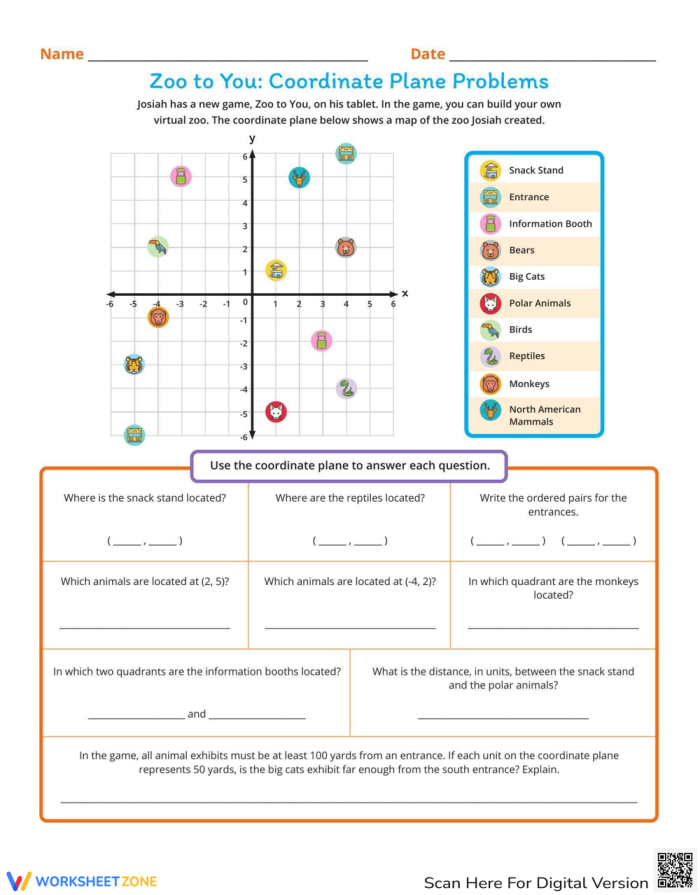
The Zoo to You coordinate plane problems approach transforms mathematics into something tangible. Instead of plotting points in isolation, learners tackle questions like “How far does a flamingo travel between two feeding stations?” or “Which quadrant contains the reptile enclosure?” This context makes the work feel purposeful rather than mechanical.
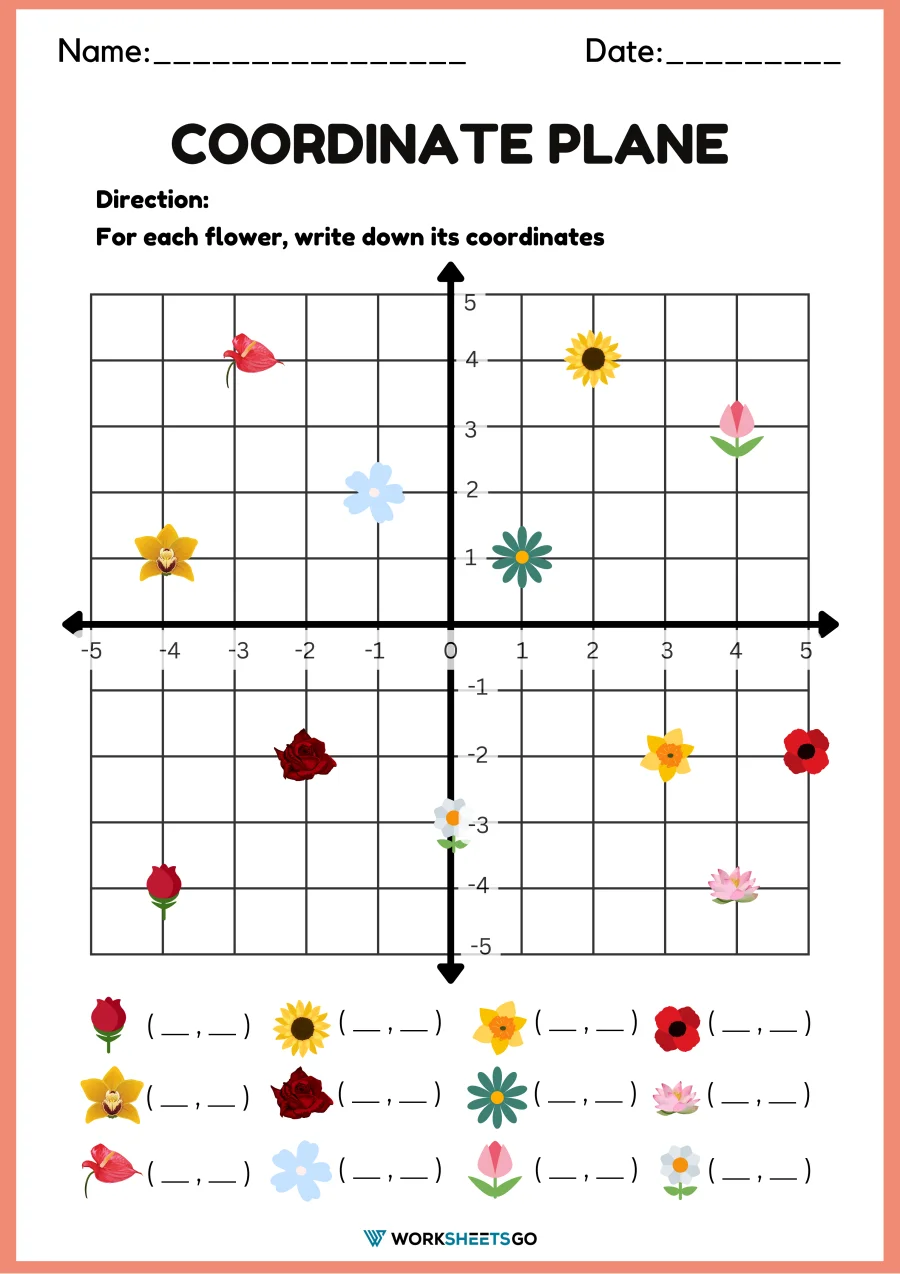
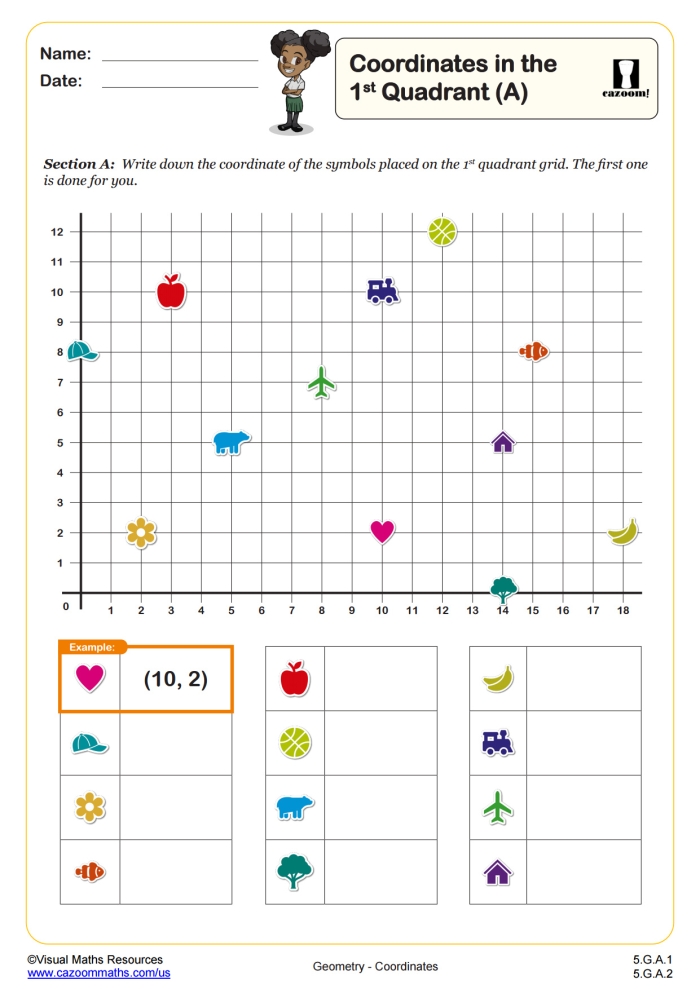
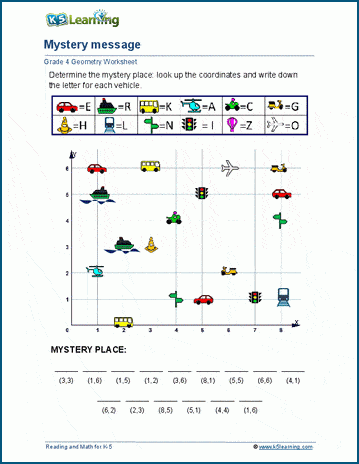
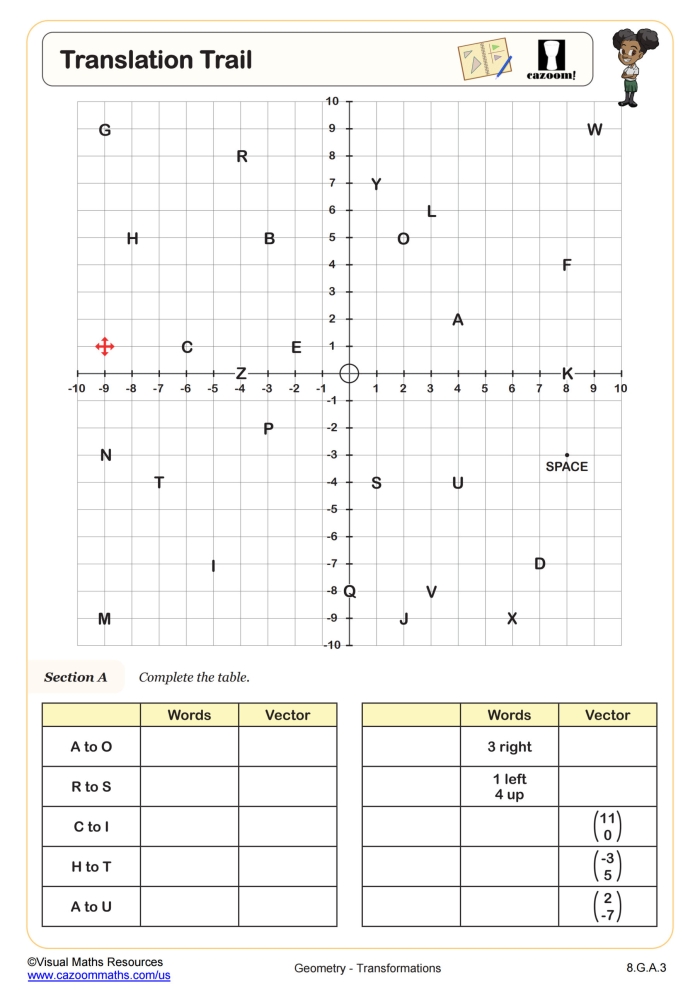
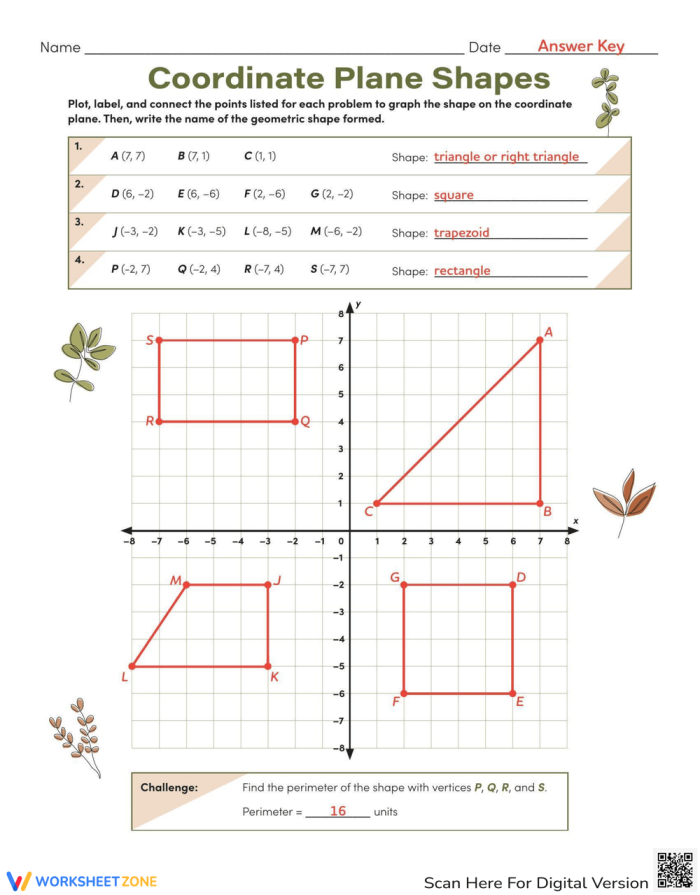
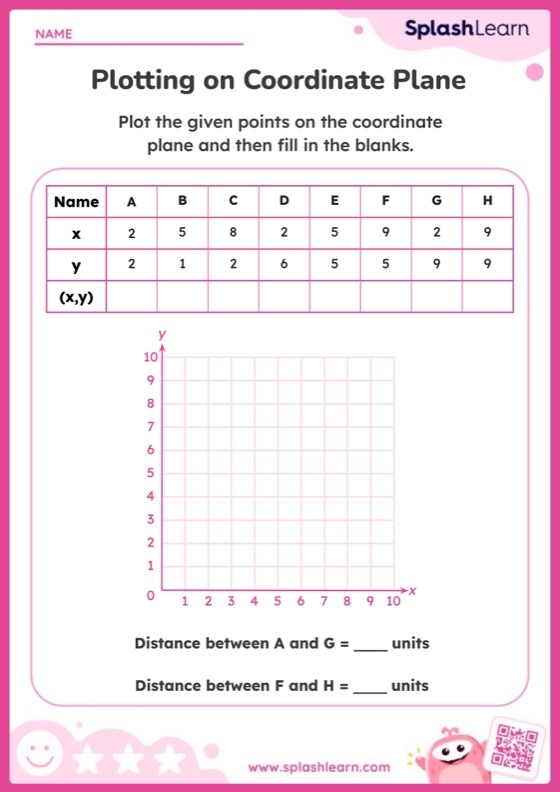
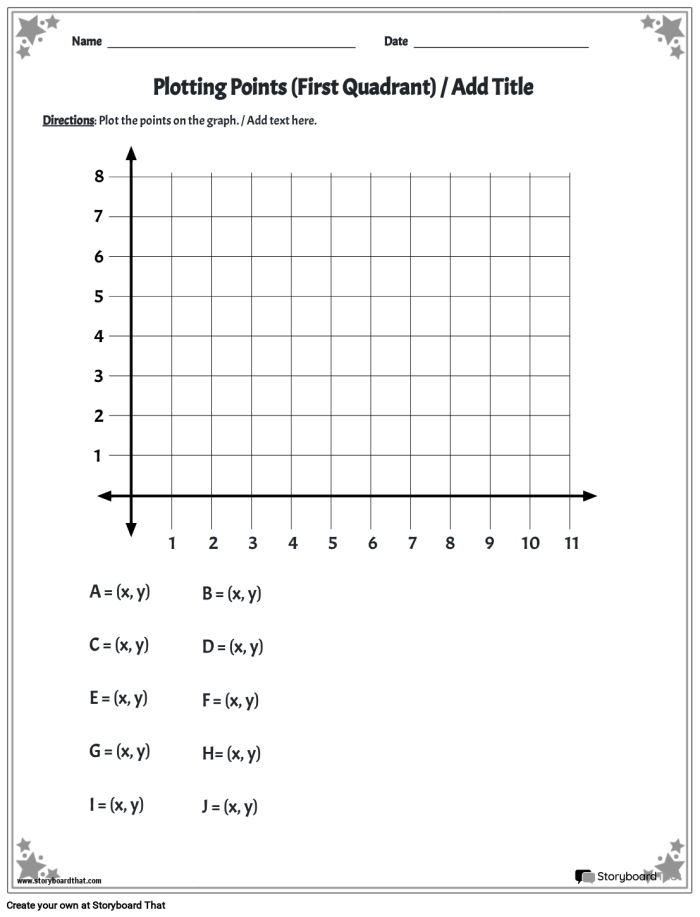
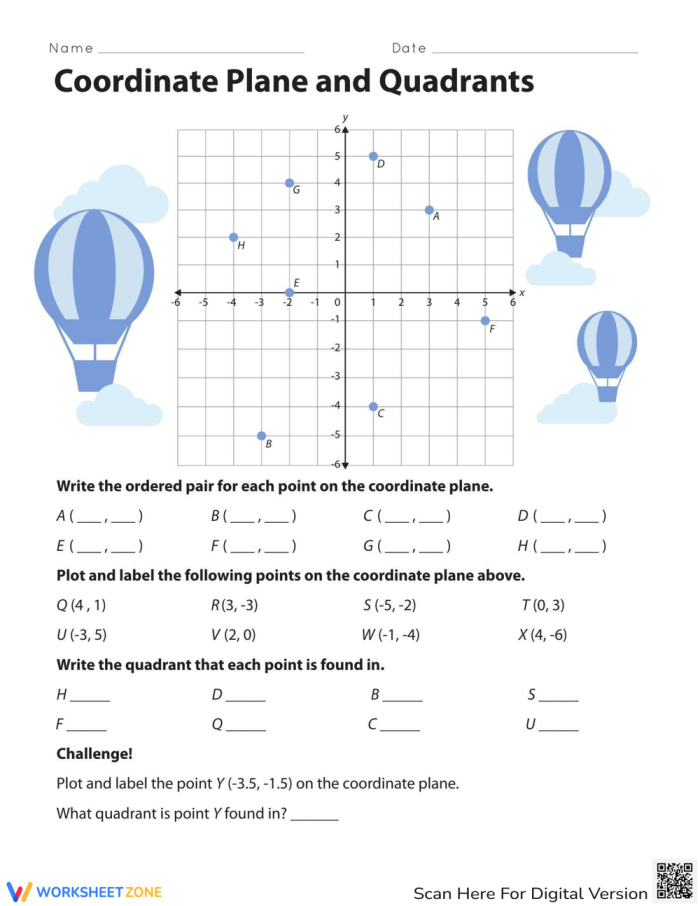
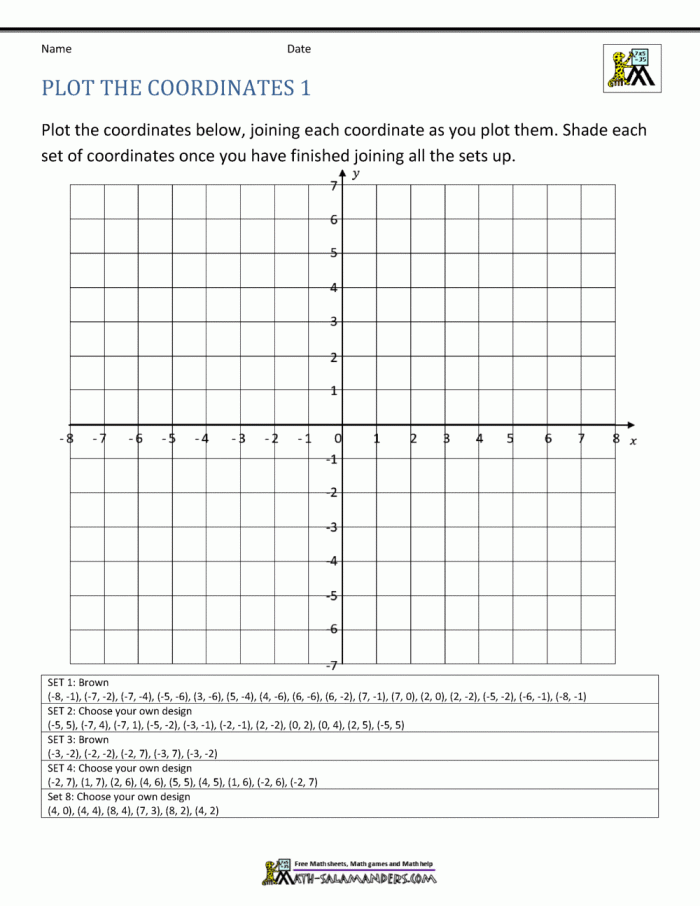
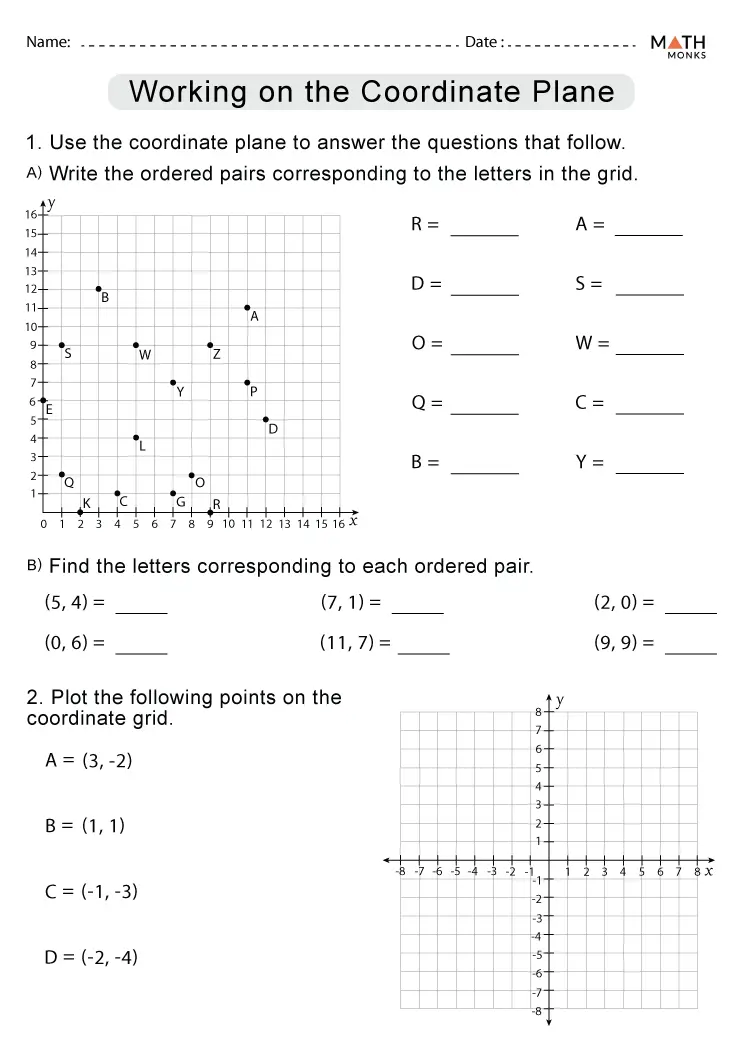
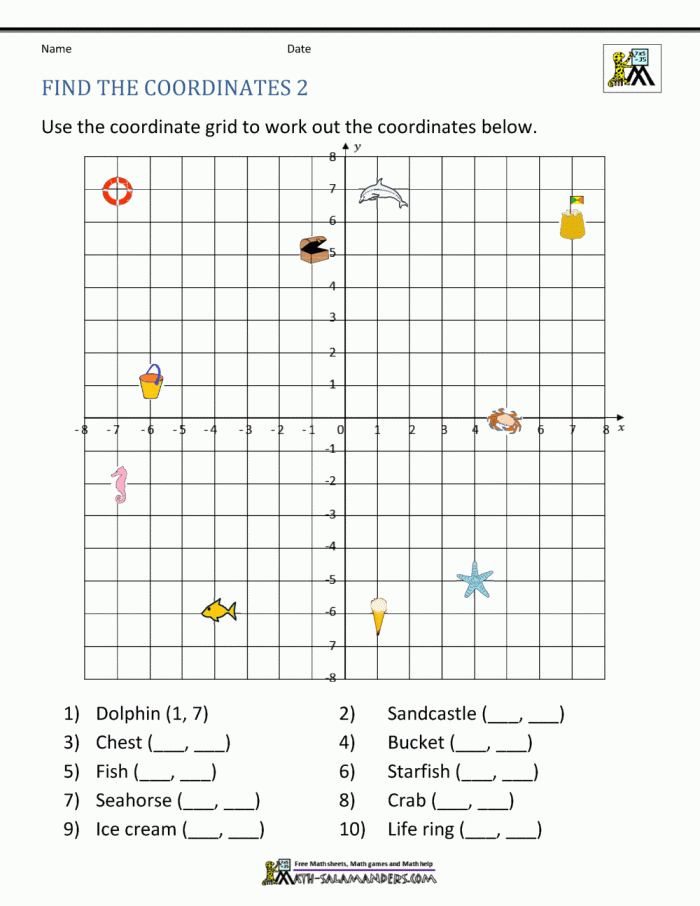
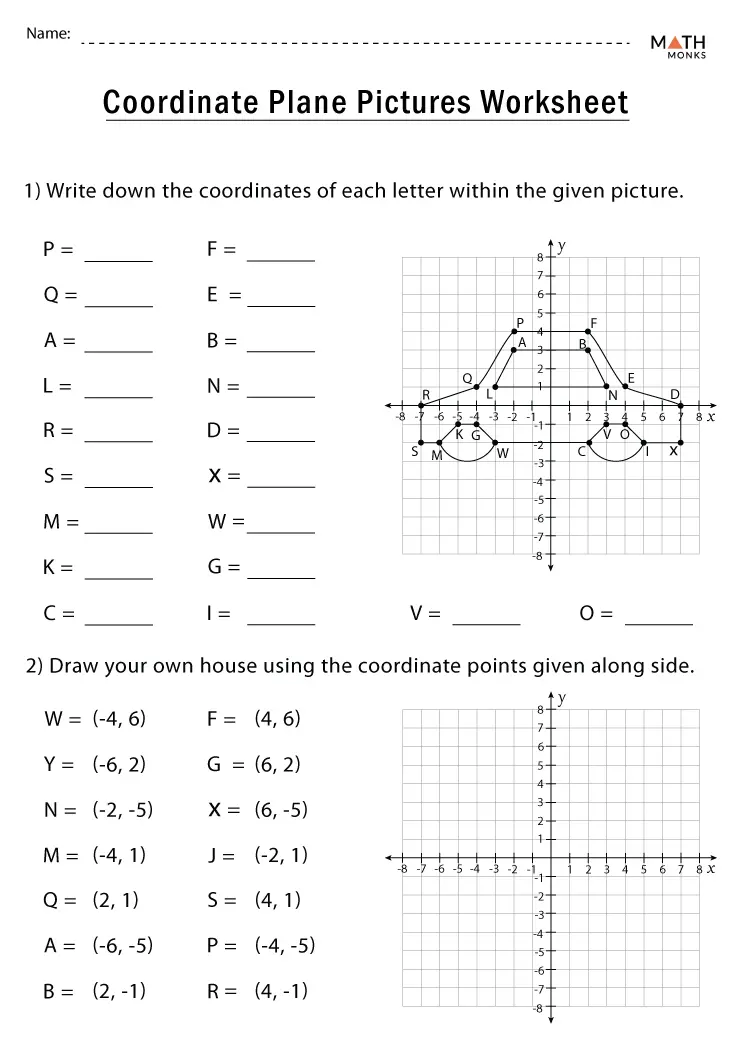
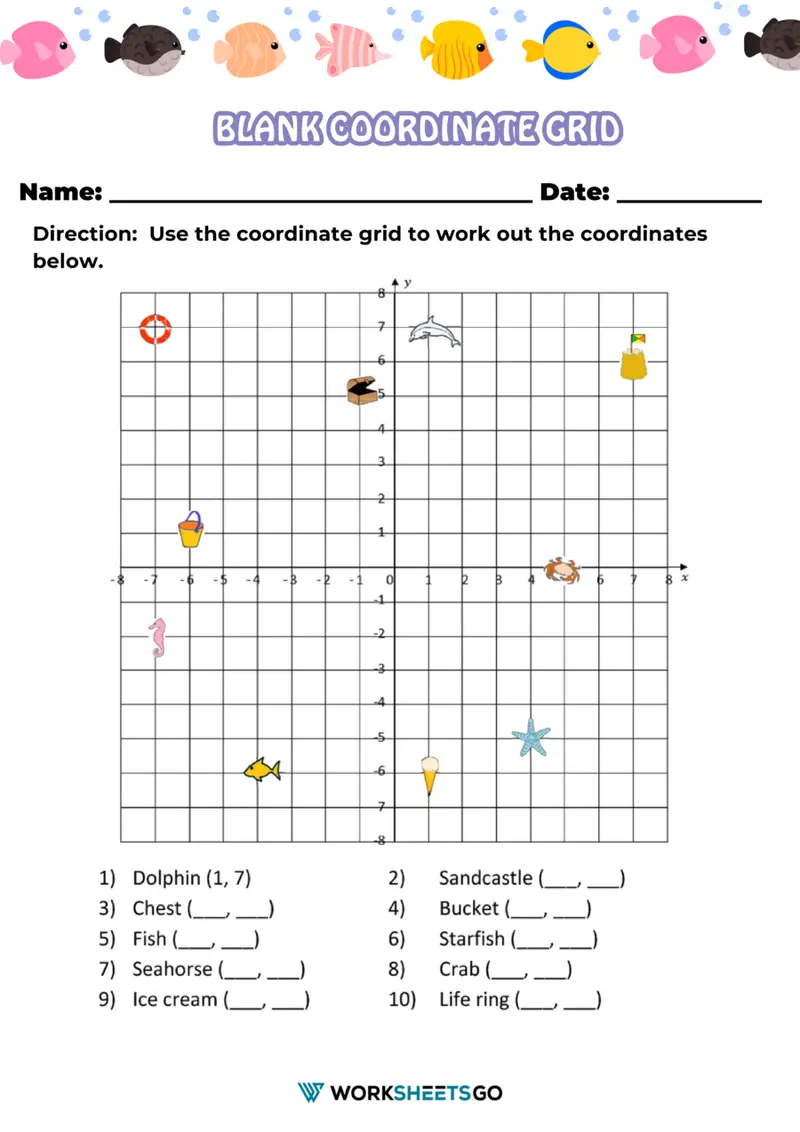
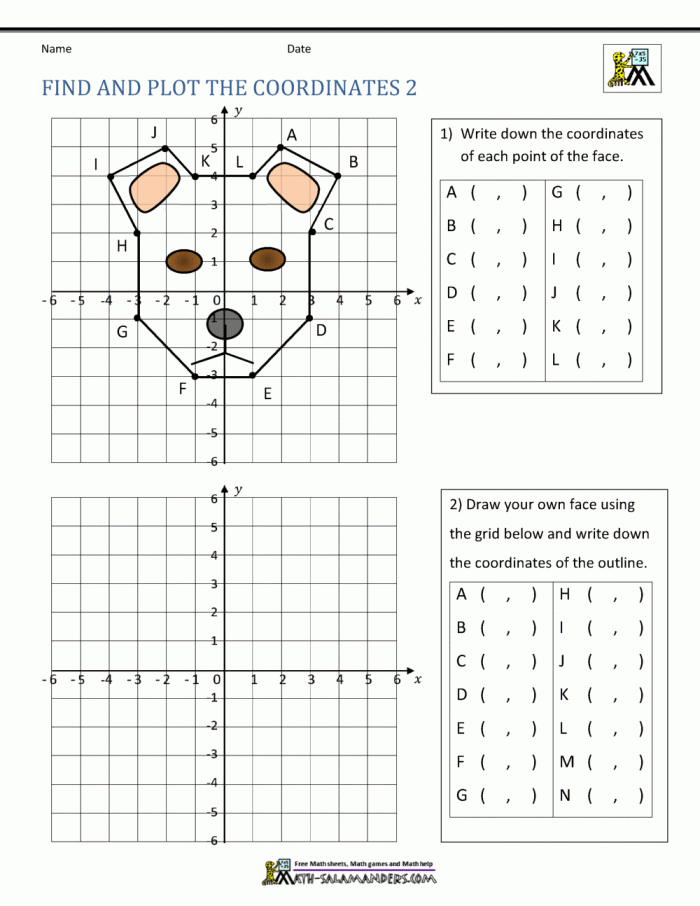
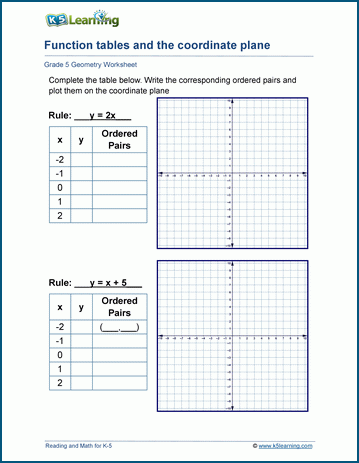
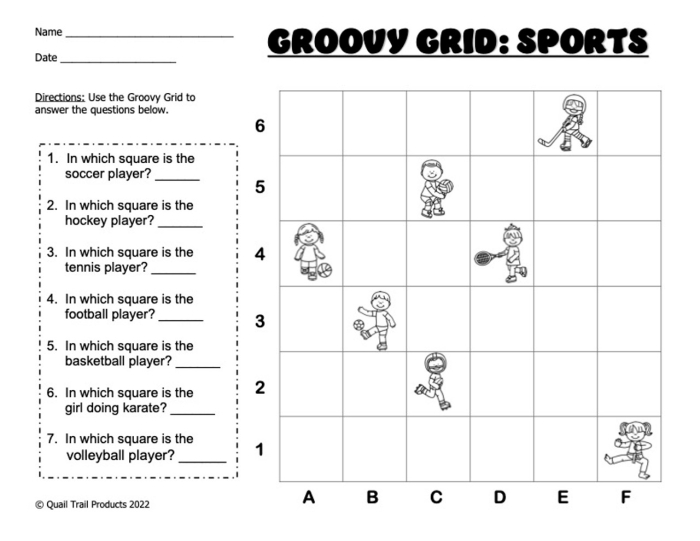
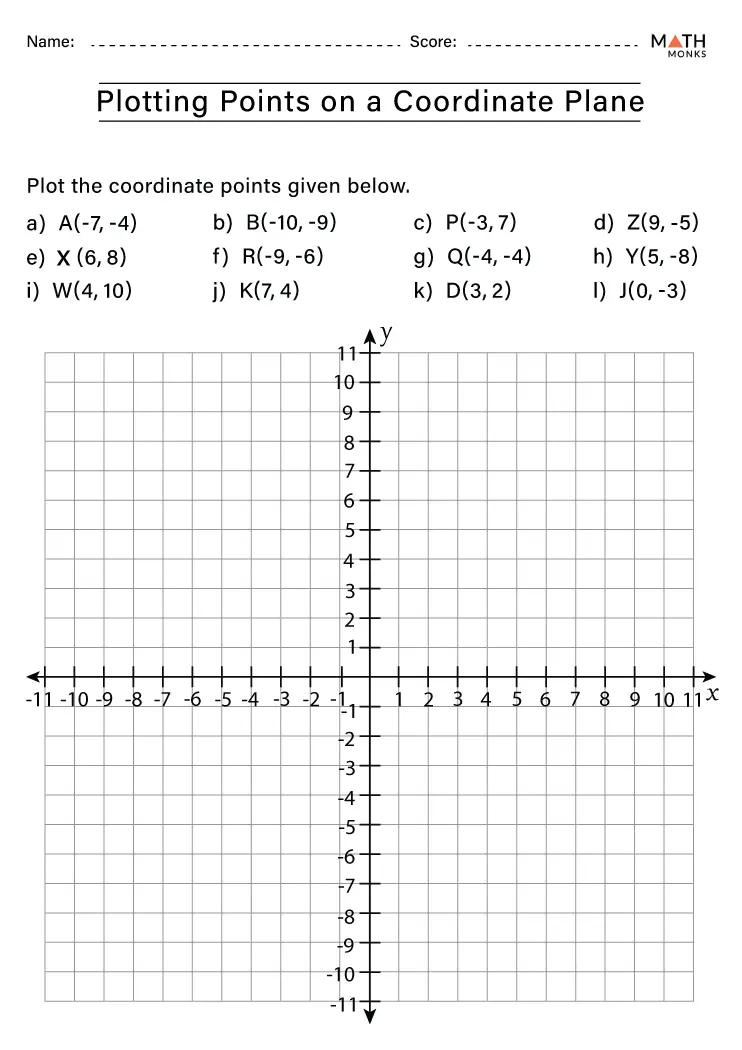
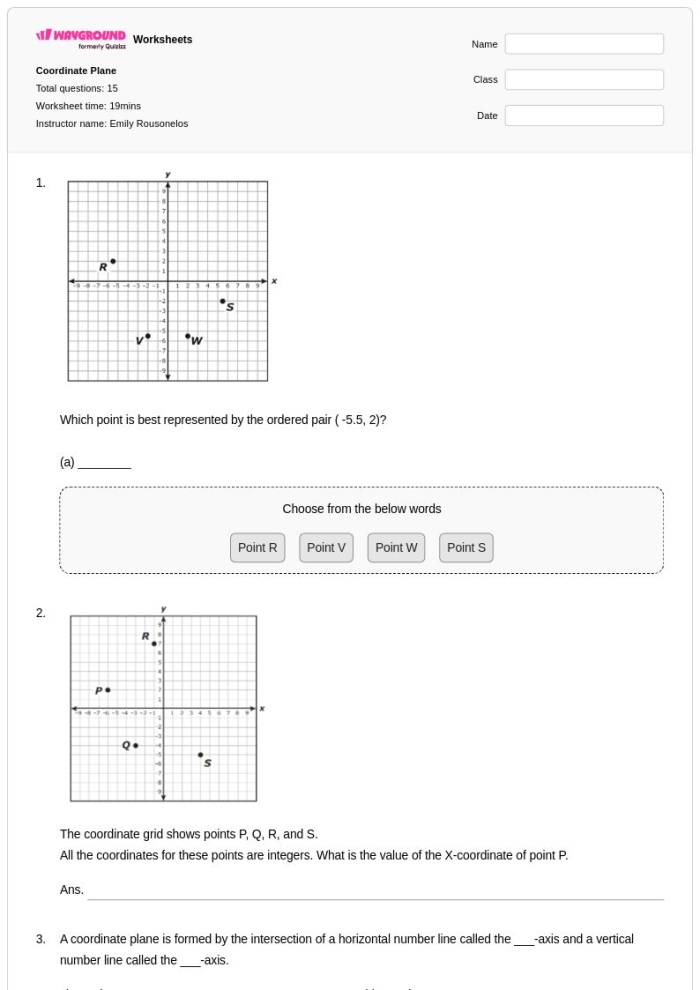
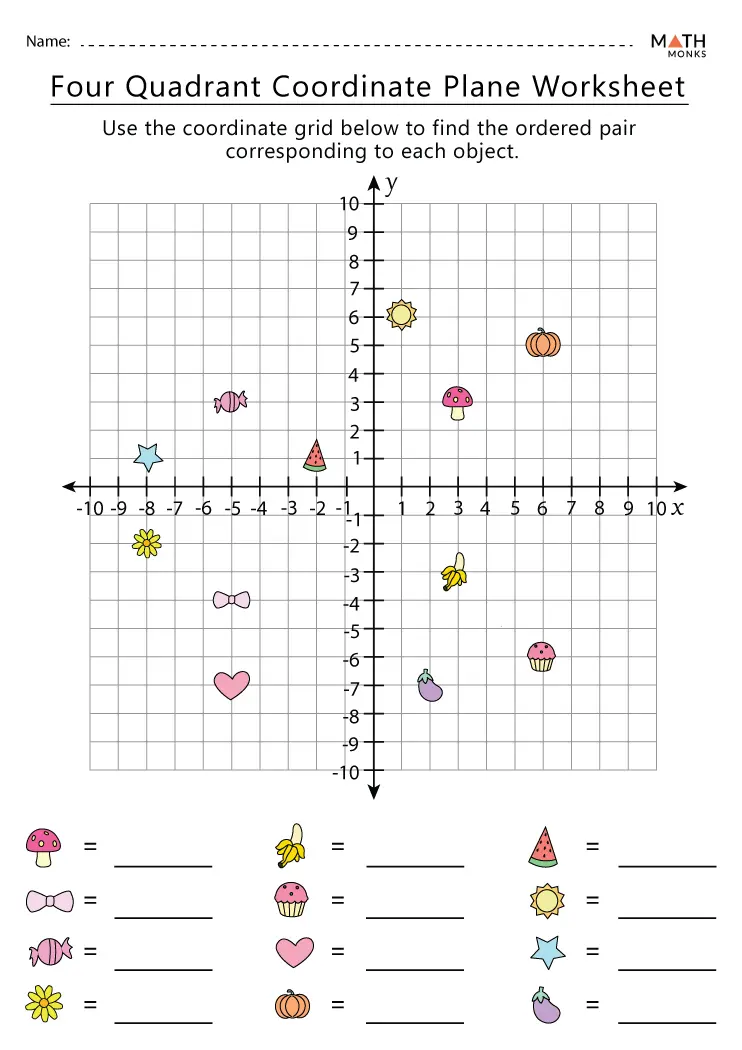
Writing ordered pairs becomes intuitive when students understand they’re recording the exact location of a penguin exhibit or calculating distances between observation points. The coordinate plane shifts from a confusing grid into a map. Each ordered pair tells a story: the first number shows the horizontal position, the second shows the vertical position. A student might write (3, 5) to mark where the lion habitat sits on the zoo layout.
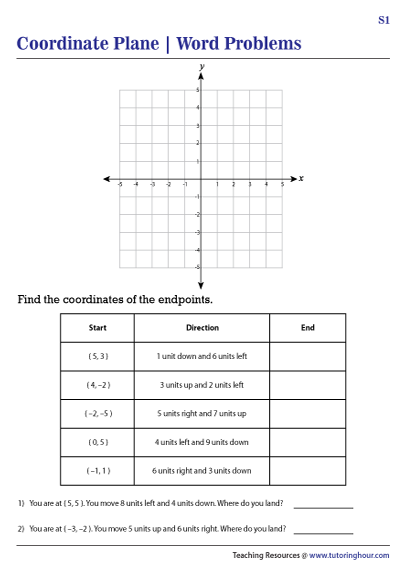
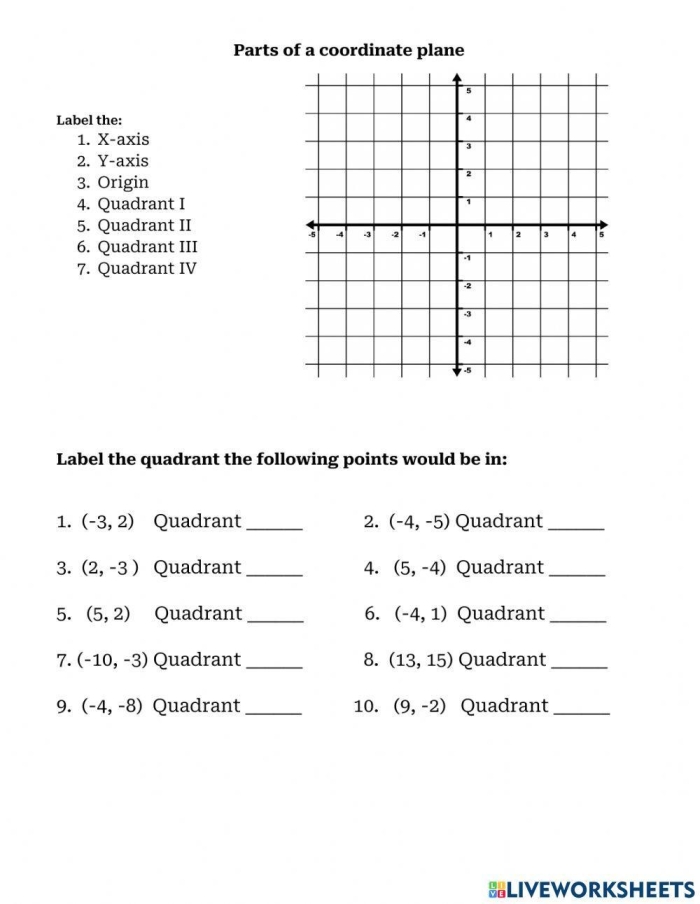
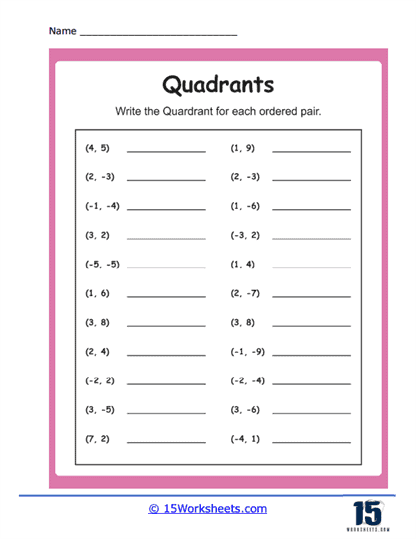
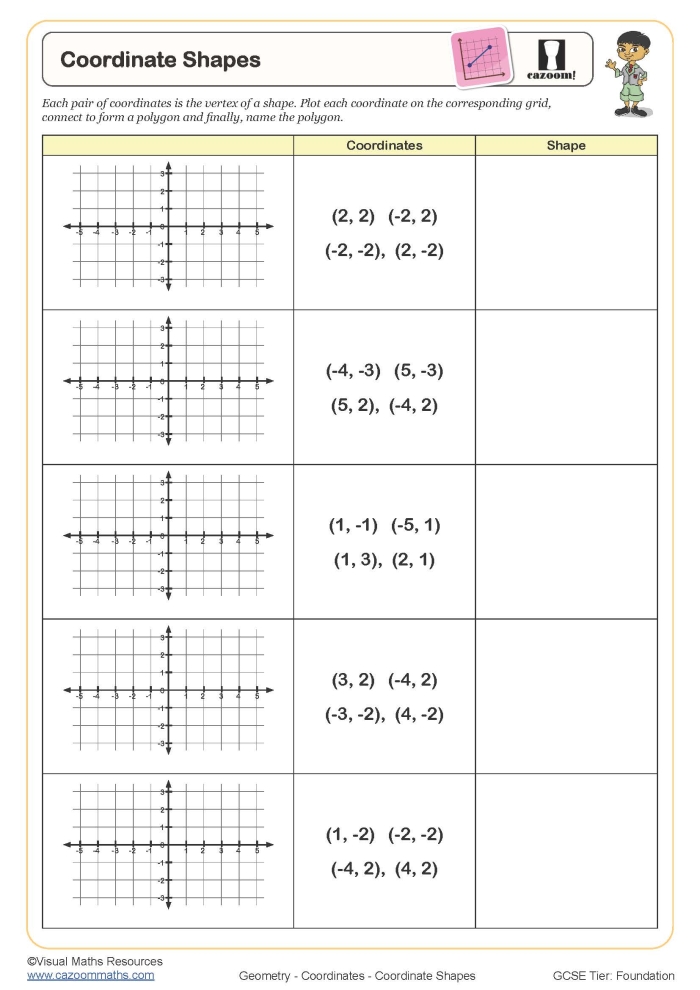
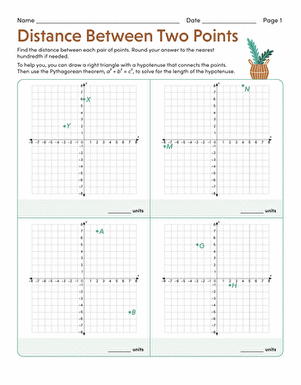
Identifying quadrants takes on new meaning when you’re determining which sections of the zoo fall into positive or negative coordinate regions. Finding the distance between two points stops being a formula exercise and becomes a practical measurement task. If the giraffe area sits at (2, 4) and the savanna observation deck at (7, 8), learners calculate the actual walkway distance visitors need to travel.
Earth and Space Science connections emerge naturally too. Understanding directional positioning and distance calculations supports skills needed for reading maps, interpreting geographic data, and analyzing spatial relationships in natural environments. When you combine these coordinate plane activities with resources like compass rose navigation tools and distance measurement practice, students build a comprehensive spatial reasoning toolkit.
This approach transforms sixth grade mathematics from abstract symbol manipulation into applied problem-solving that students actually remember.
Boost Skills with These Worksheets