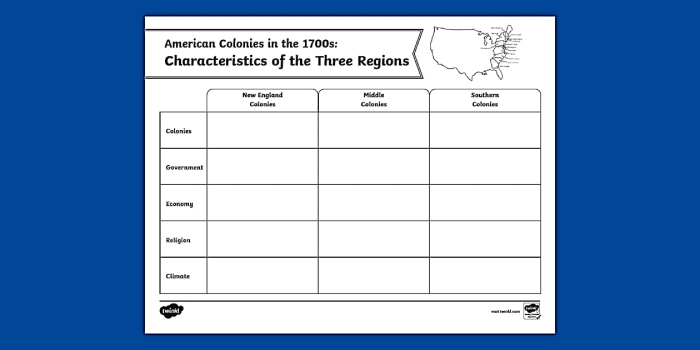
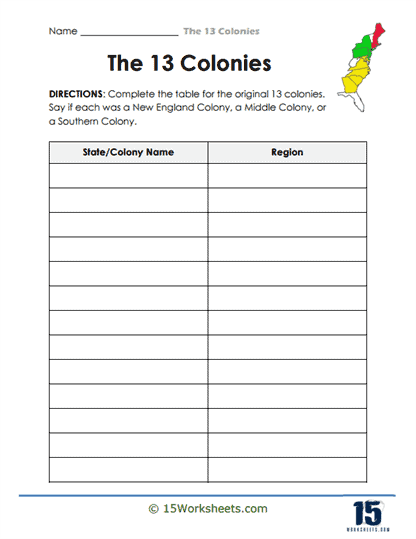
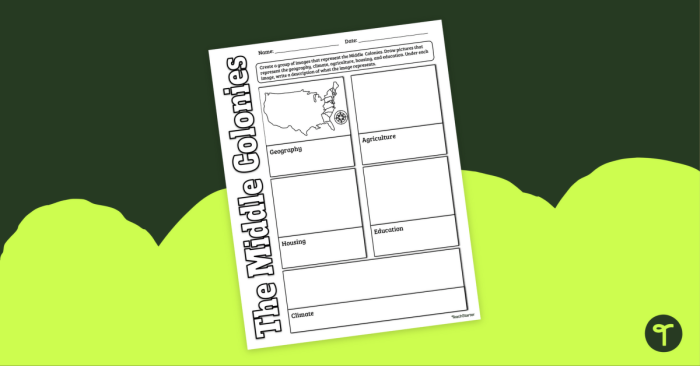
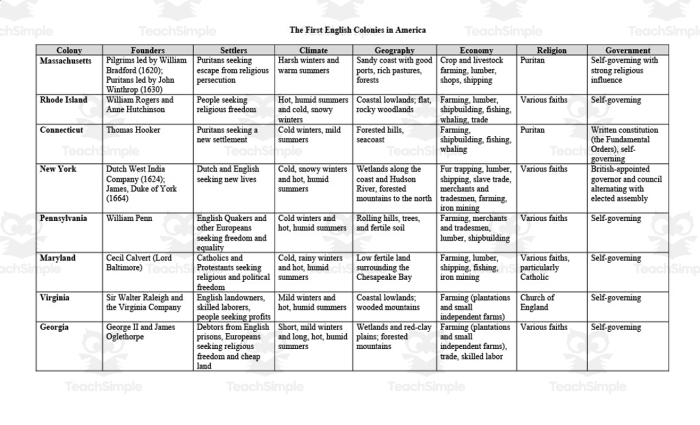
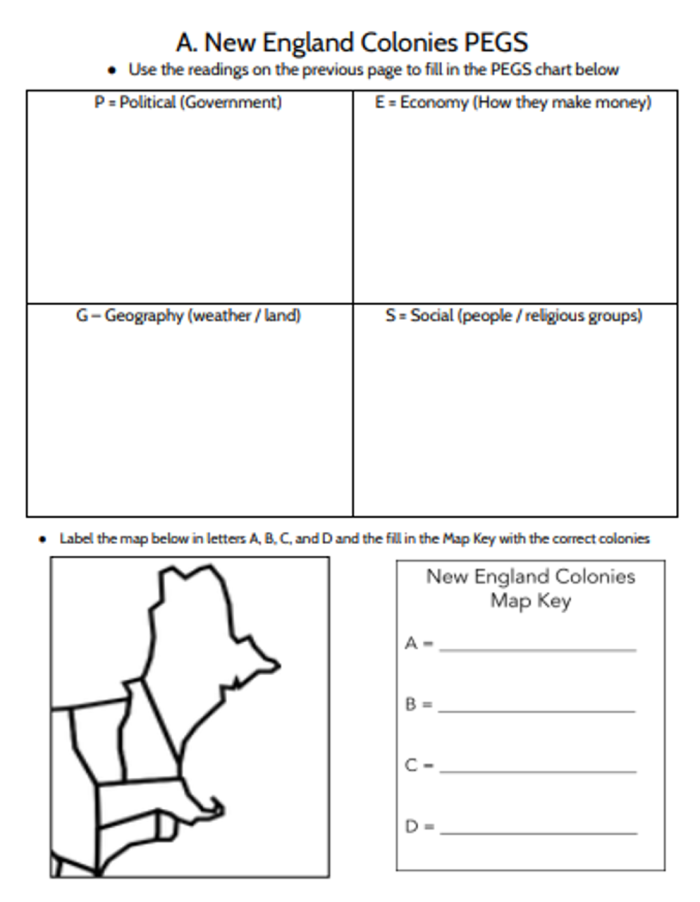
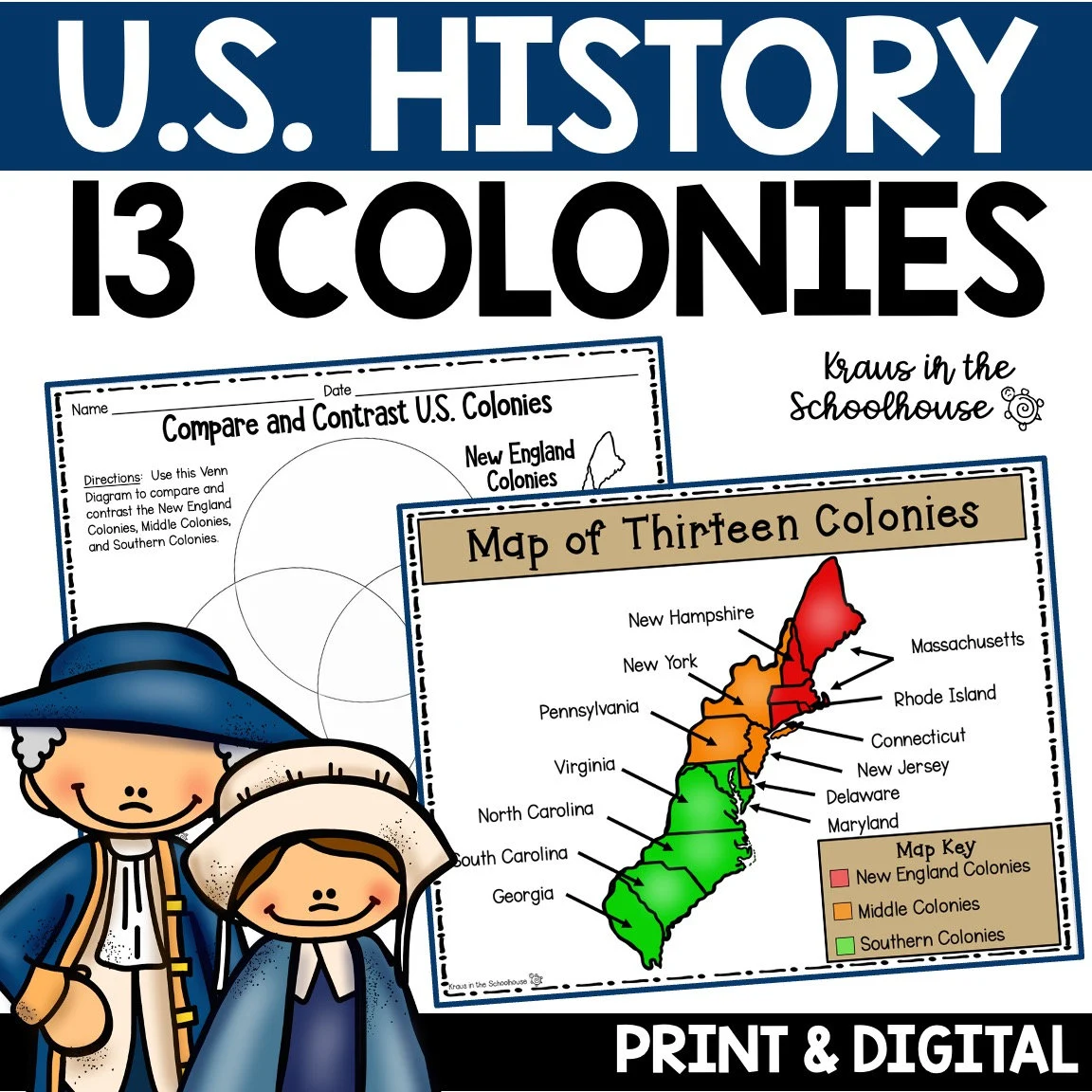
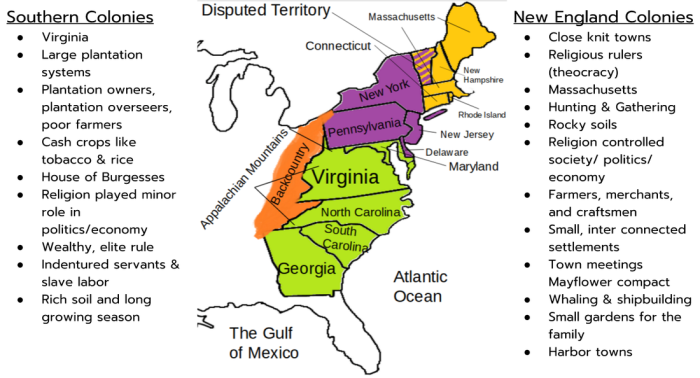
Understanding the distinct characteristics of the New England, Middle, and Southern colonies requires more than memorizing dates and names. A solid three-page worksheet gives sixth graders the chance to actually engage with how geography, economy, and daily life shaped each region differently during the 1700s.
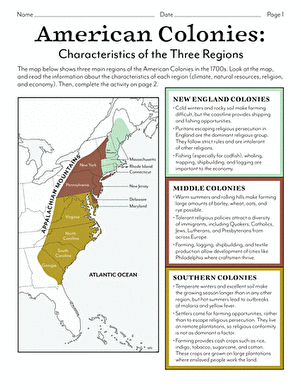
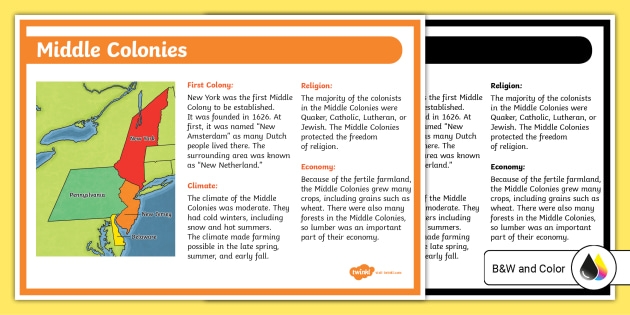
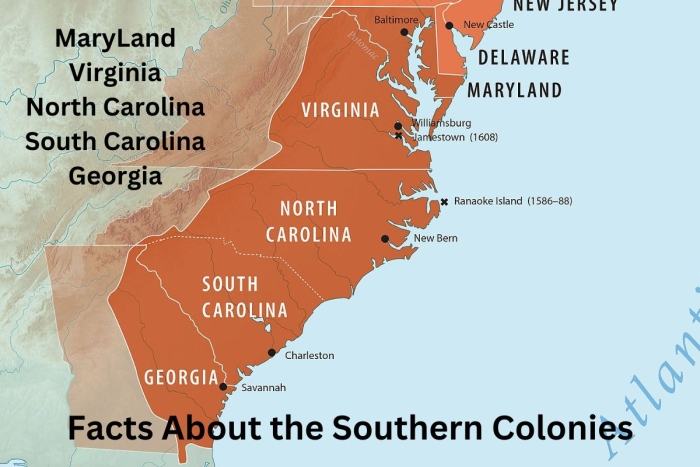
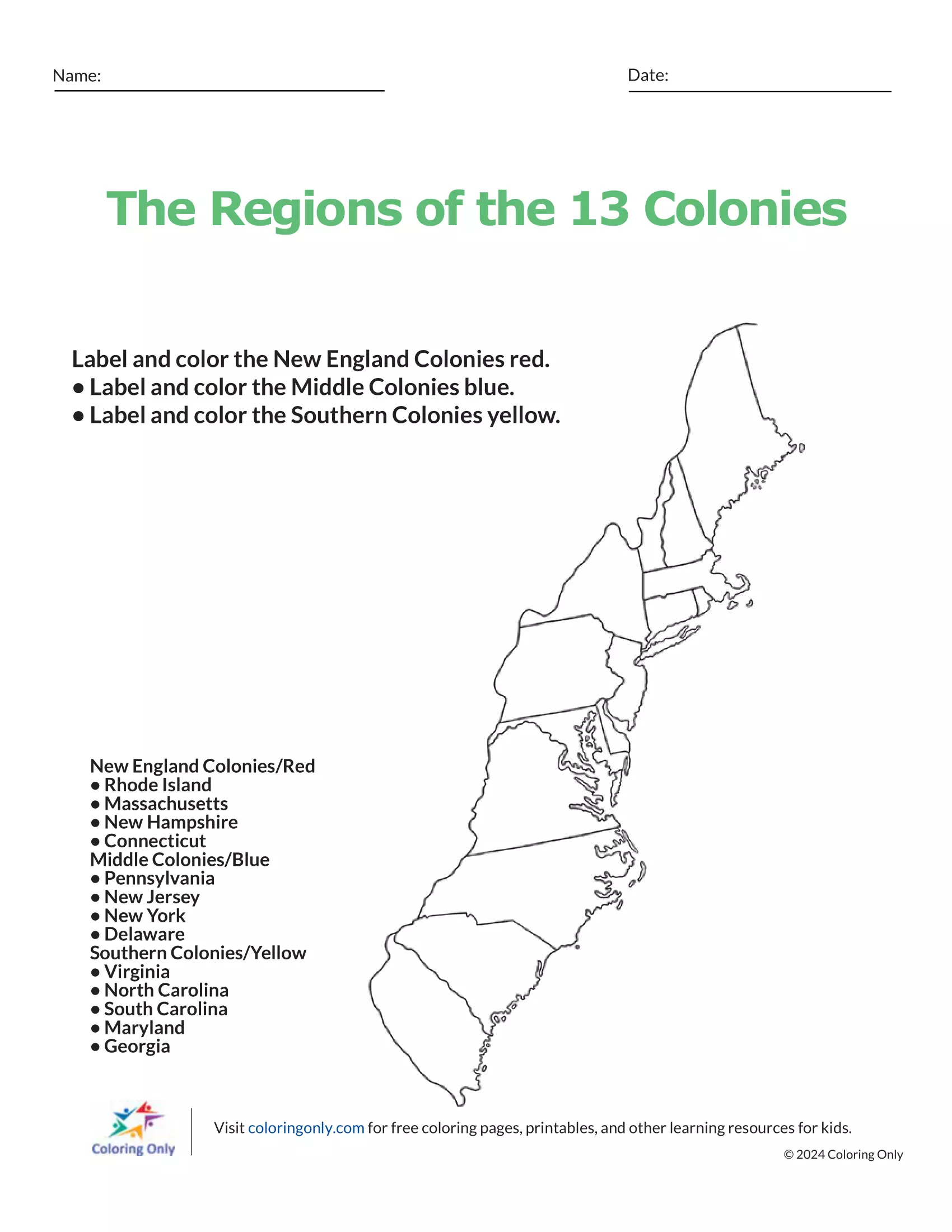
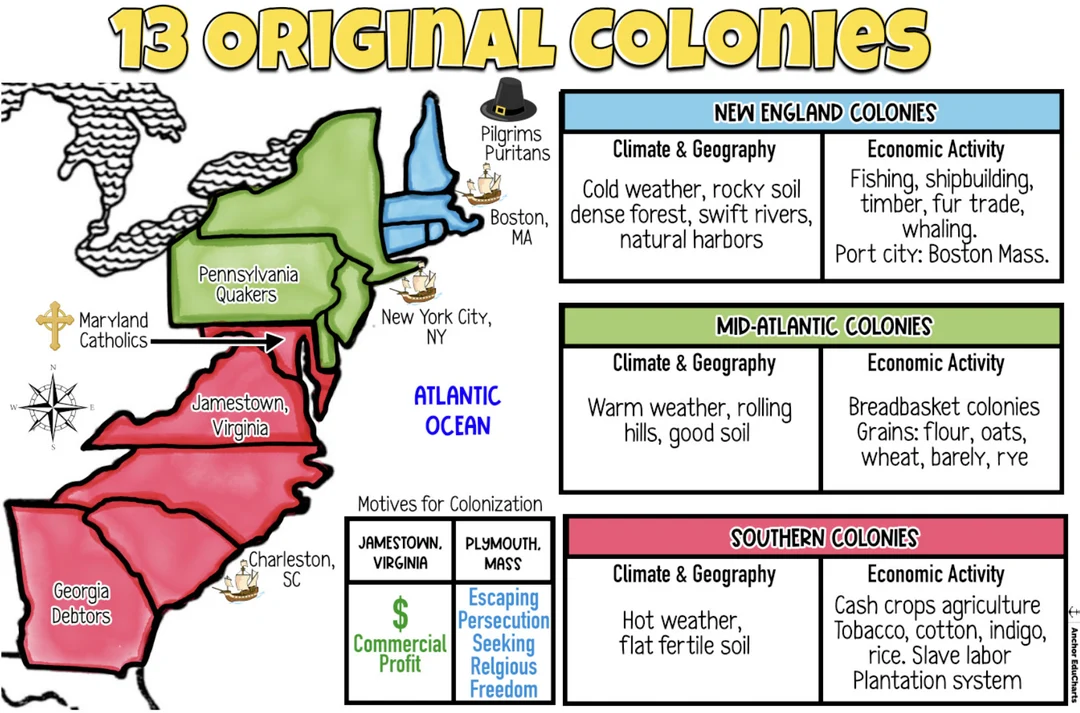
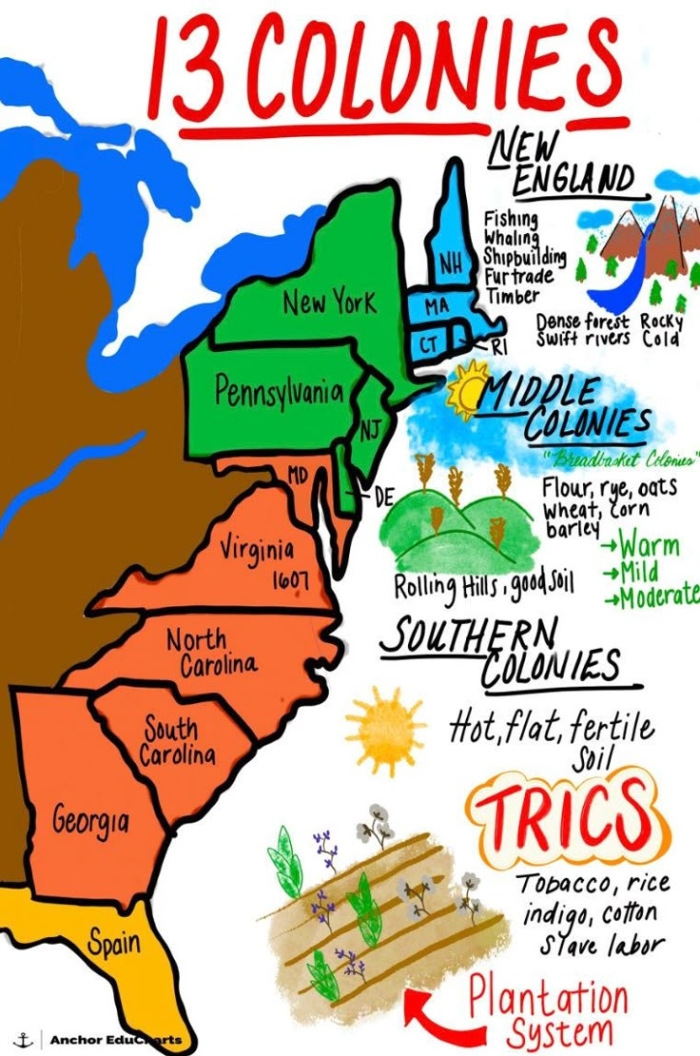
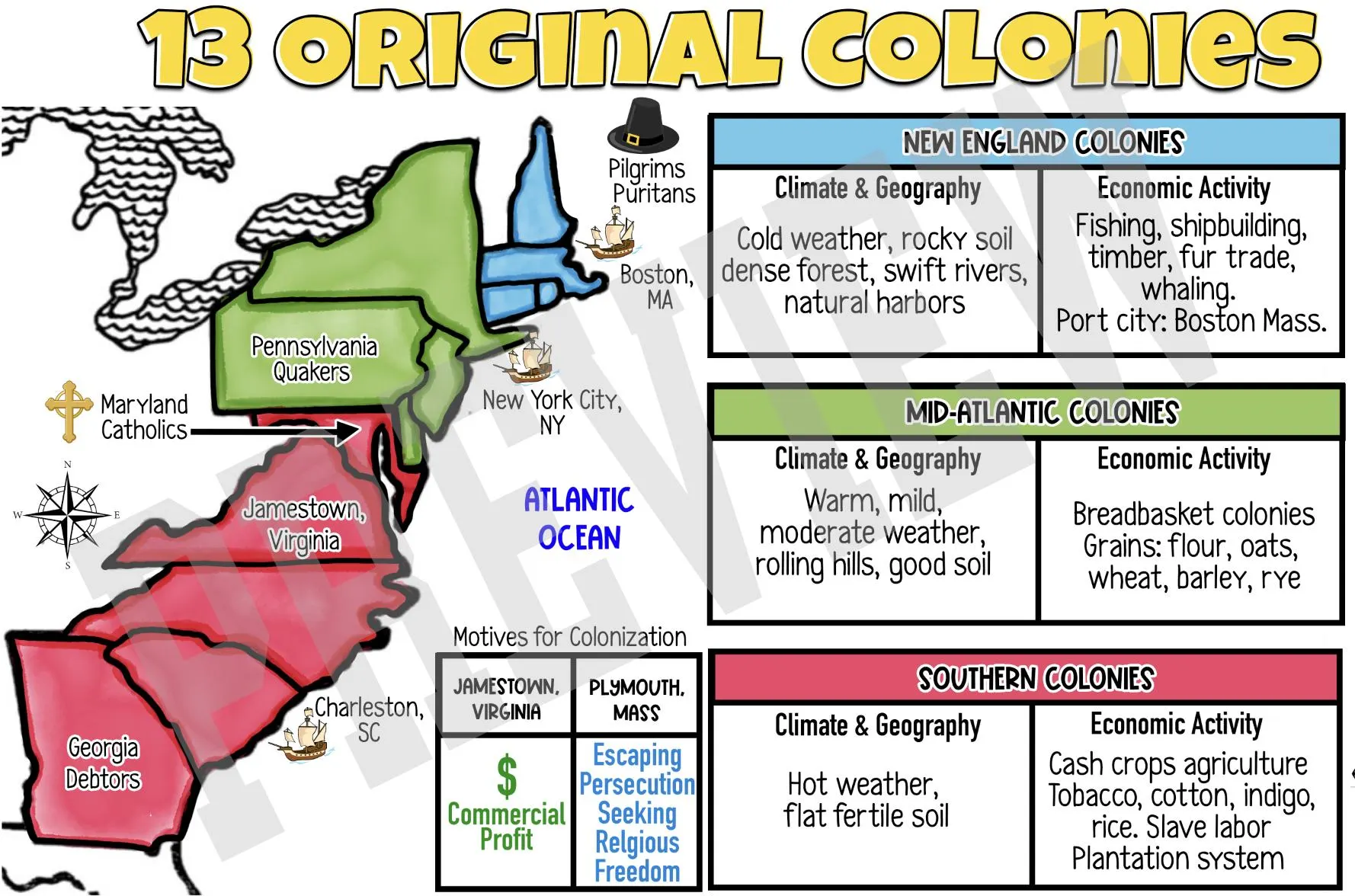
The three colonial regions developed along remarkably different lines. New England colonies, including Massachusetts and Connecticut, built economies around small farms, fishing, and shipbuilding. The Middle colonies, stretching from New York to Pennsylvania, became known as the “breadbasket” because of their fertile soil and grain production. The Southern colonies relied heavily on plantation agriculture and enslaved labor to grow tobacco, rice, and indigo. These weren’t just economic differences either, they shaped everything from family structure to religious practice to population density.
When students work through a structured worksheet covering these regions, they move beyond surface-level facts. They examine why New England developed towns clustered around harbors, why the Middle colonies attracted such diverse immigrant groups, and why Southern colonies had vast plantations with fewer towns. This comparison helps sixth graders see how environment and resources directly influence how societies organize themselves.
A well-designed worksheet also connects to broader skills students need. Just as worksheets on primary source analysis of the Declaration of Independence teach document literacy, colonial region worksheets develop the ability to organize complex information into categories and spot patterns across different societies.
For Earth and Space Science connections, students can explore how climate and geography directly affected colonial settlement patterns. The rocky soil of New England versus the rich lowlands of the South created completely different agricultural possibilities. This hands-on comparison makes abstract concepts concrete and memorable for middle school learners working to build stronger social studies foundations.
Use These Worksheets Today