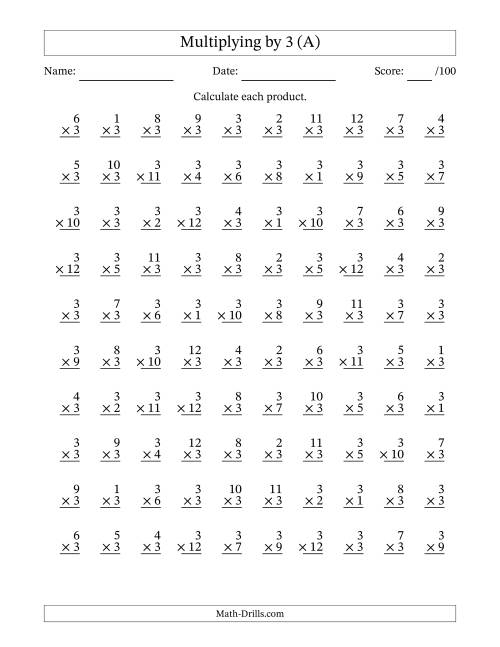
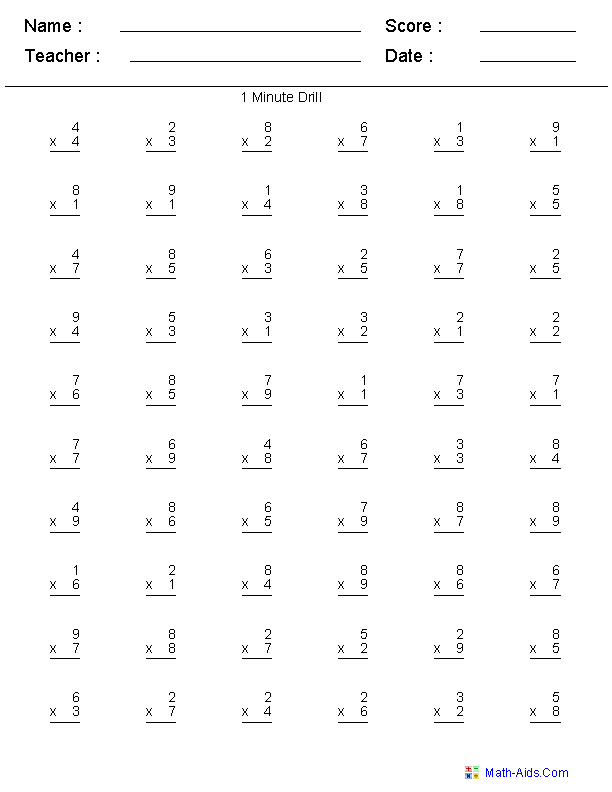
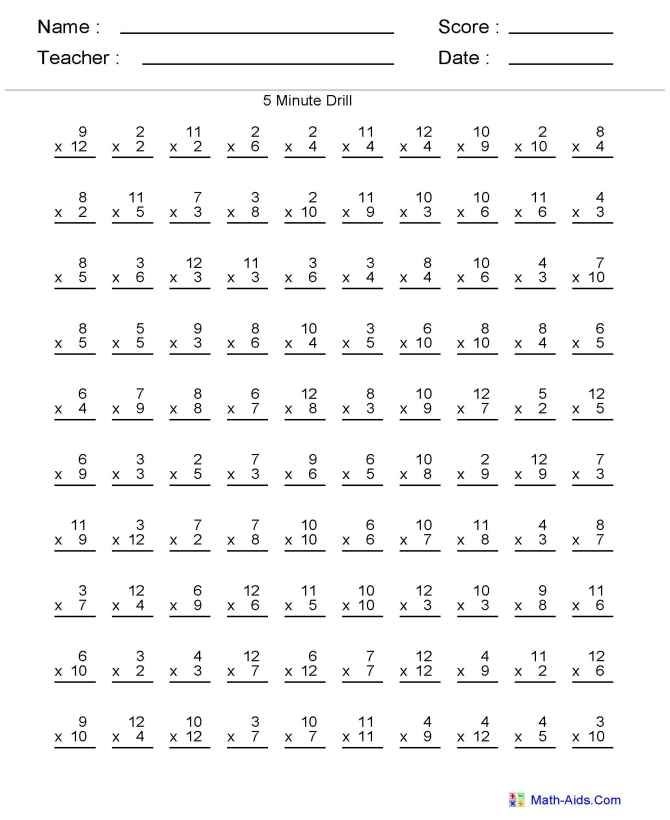
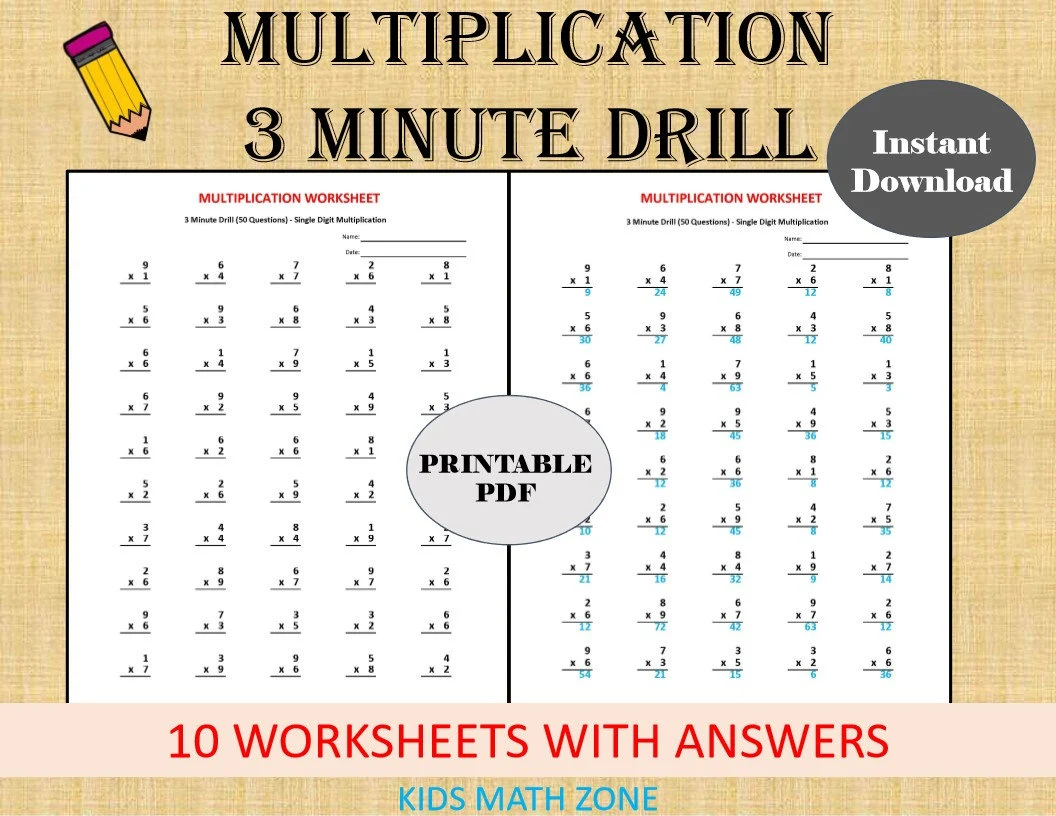
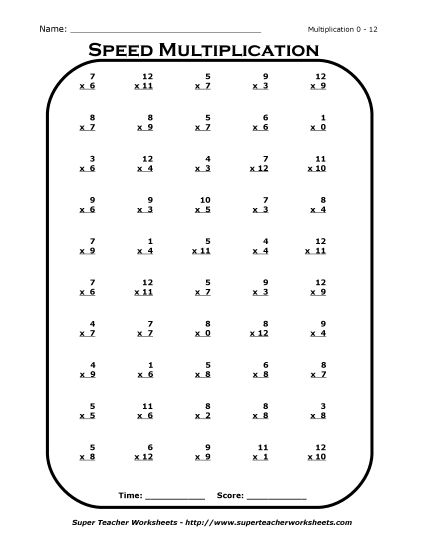
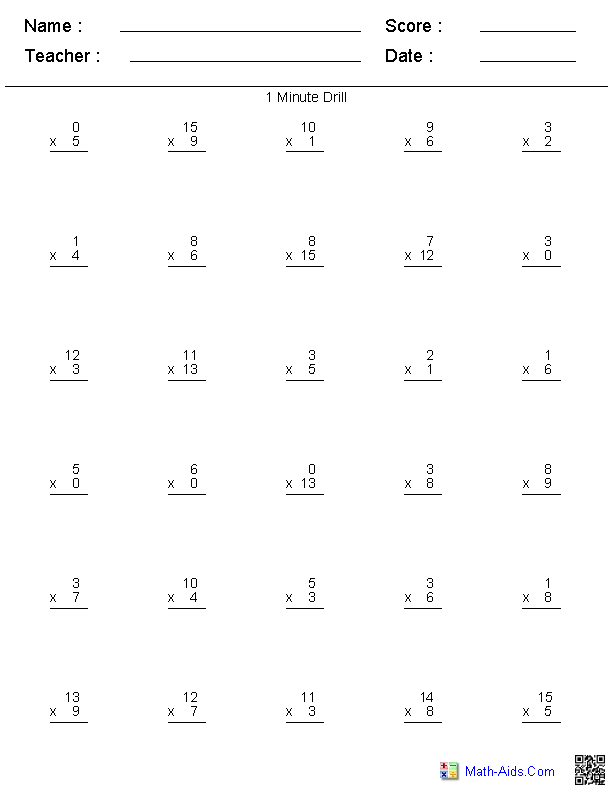
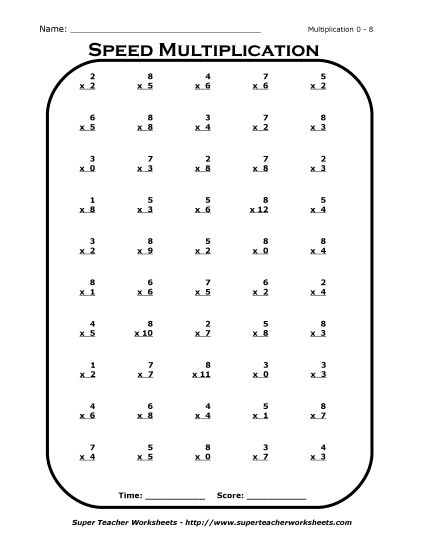
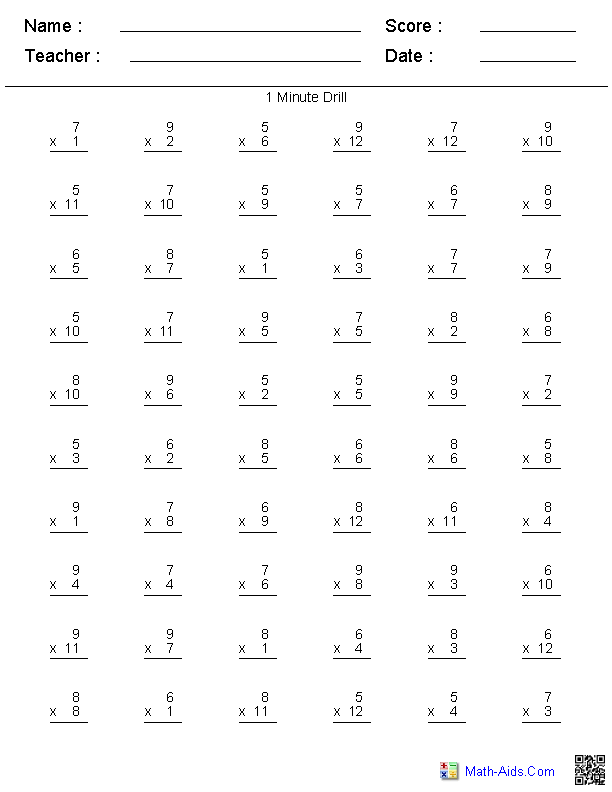
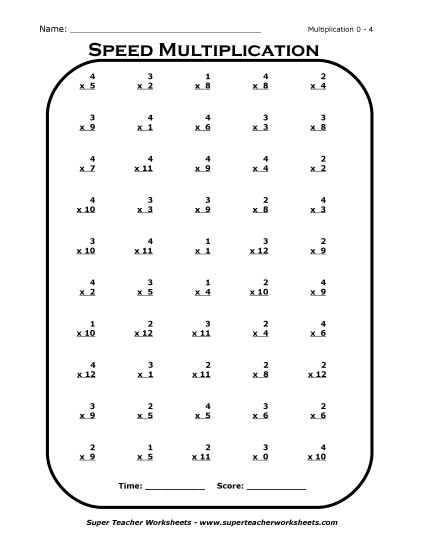
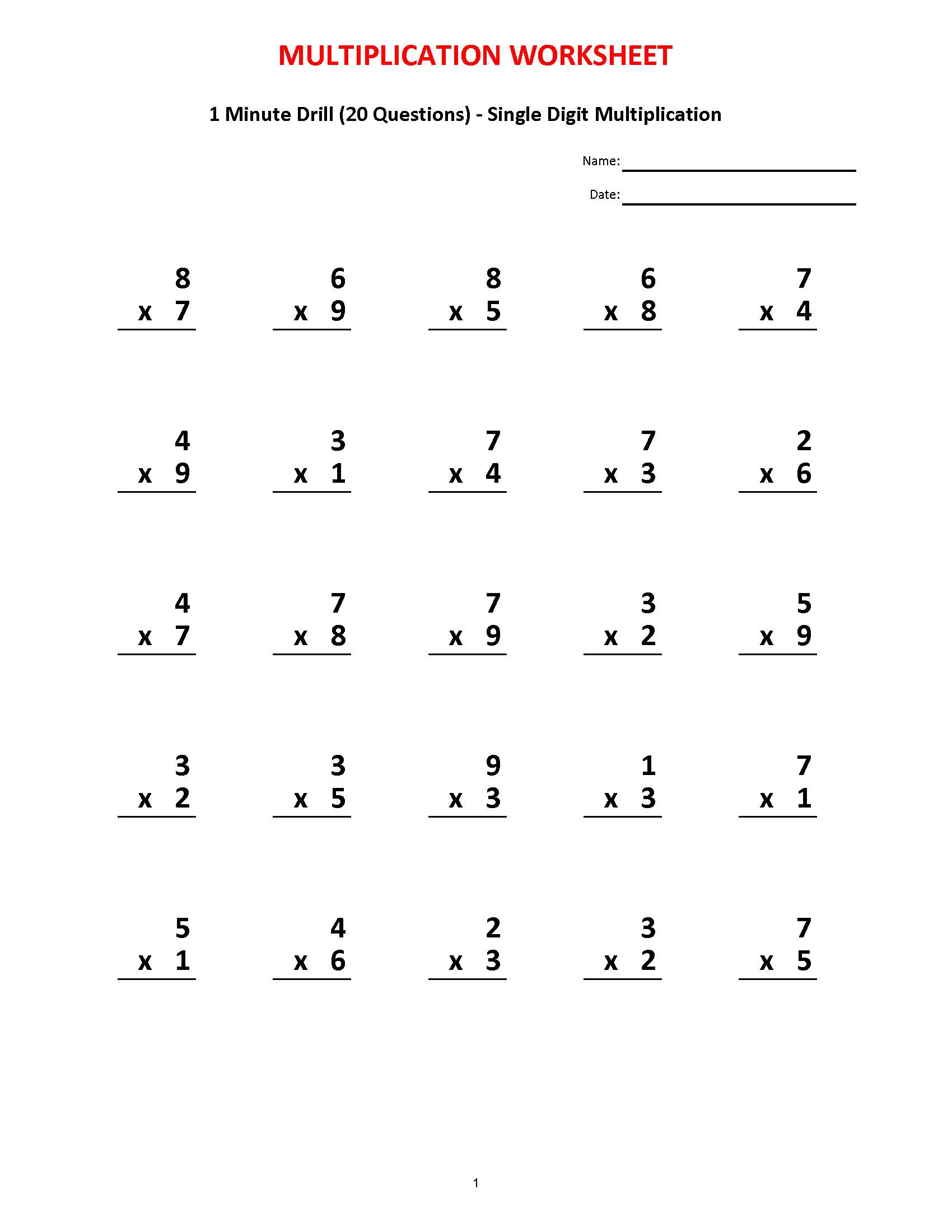
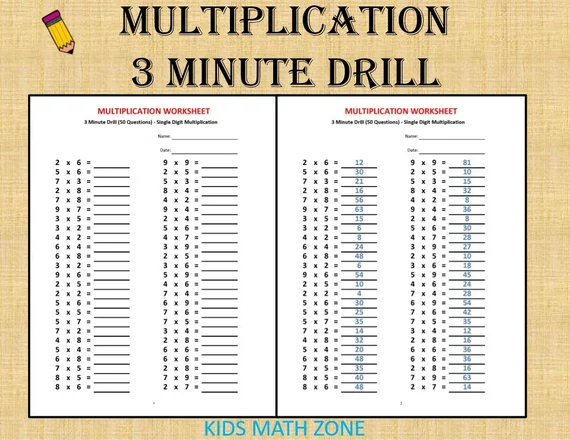
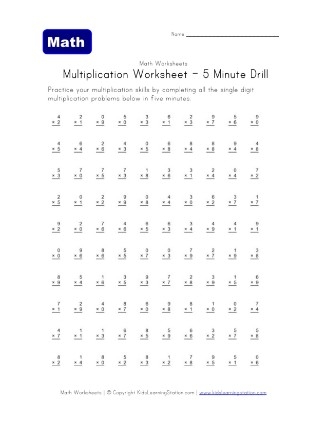
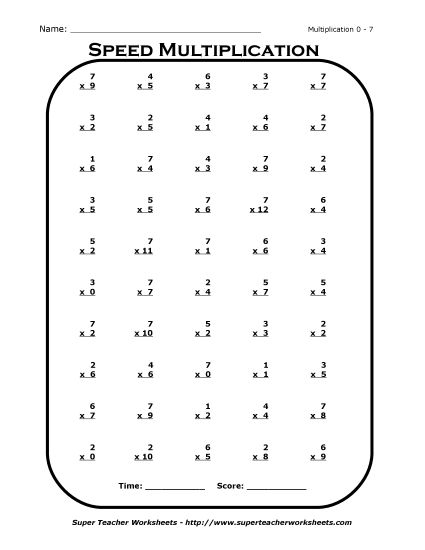
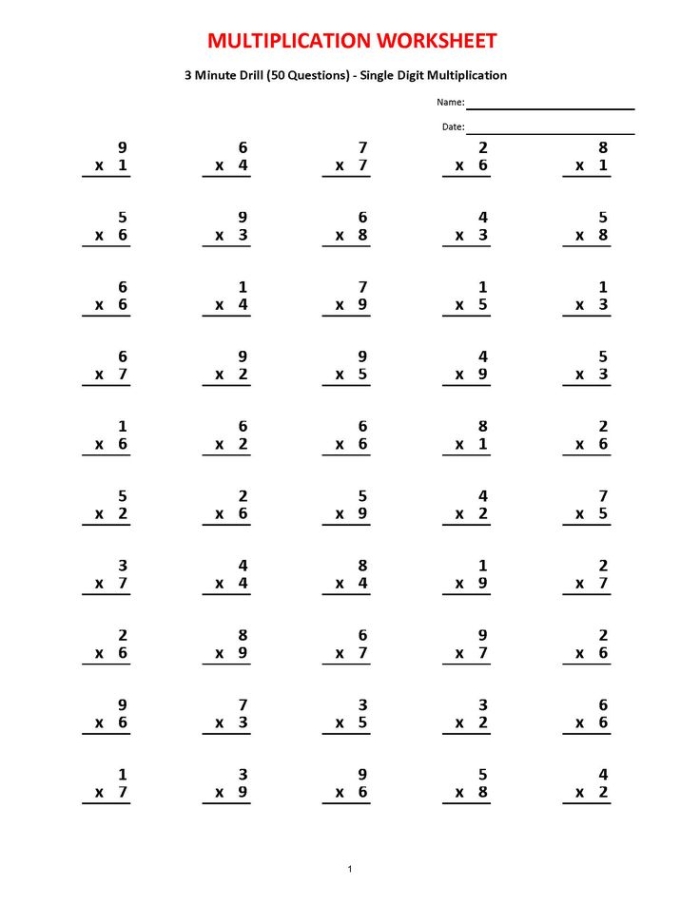
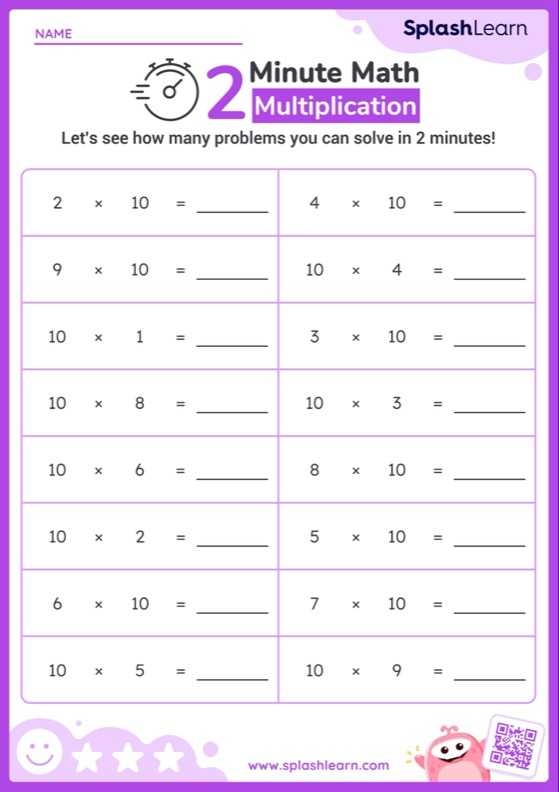
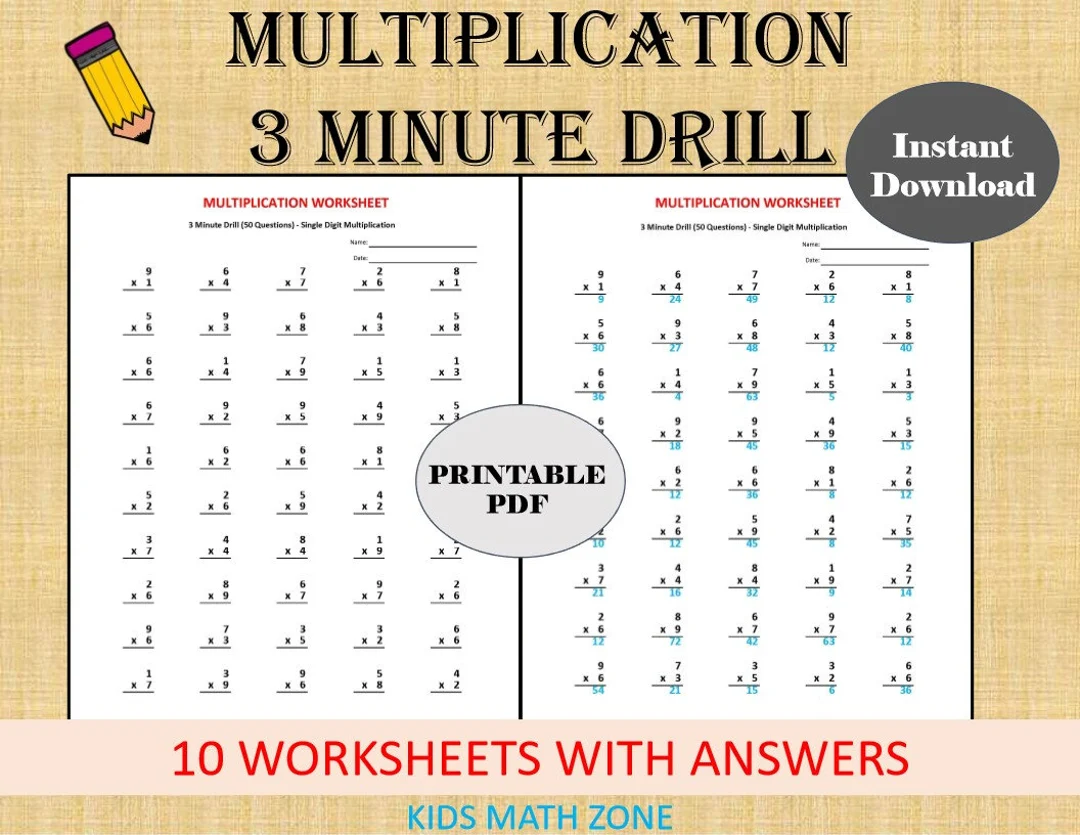
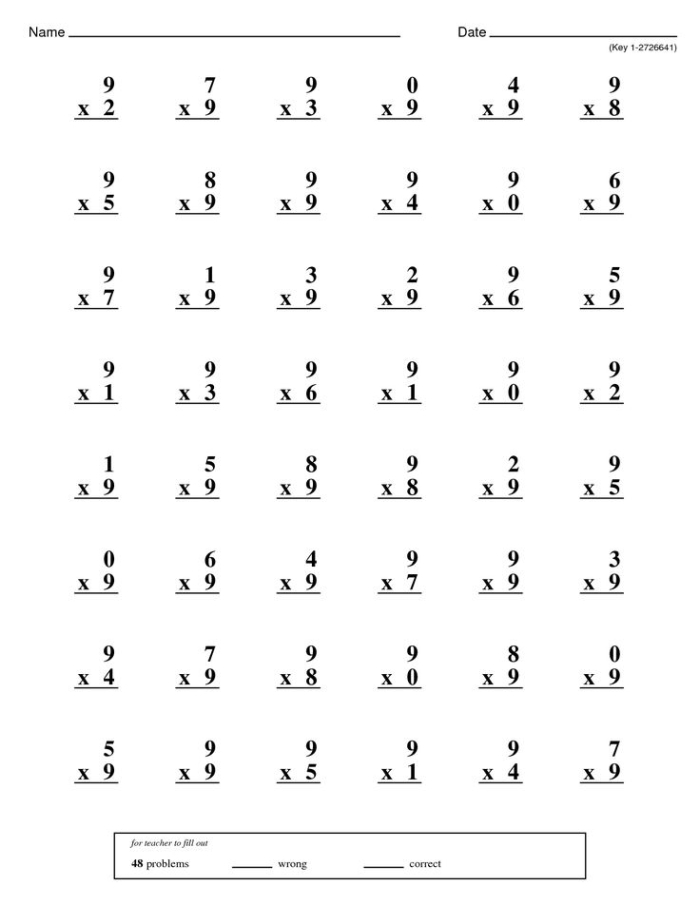
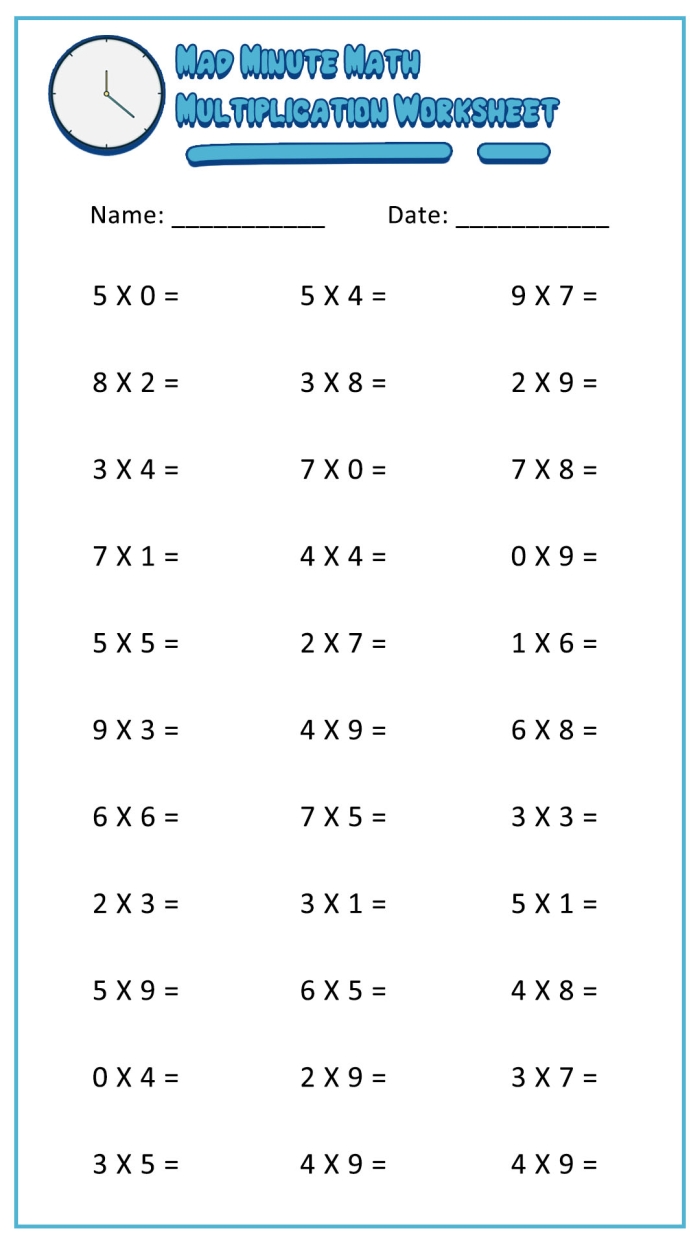
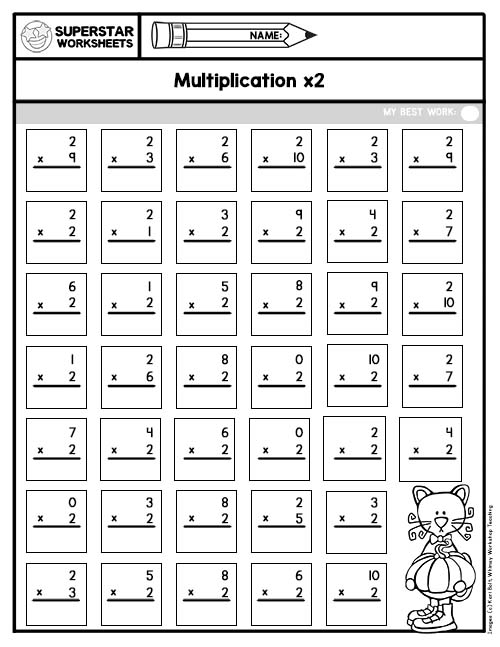
Three minutes might sound like plenty of time, but when your child sits down with a multiplication worksheet, the clock moves faster than you’d expect. This timed math exercise forces quick thinking and accuracy at the same time, which is exactly why it works so well for building real arithmetic fluency.
The beauty of a three-minute multiplication challenge is that it mimics real-world pressure. Your child learns that knowing their times tables isn’t enough, they need to recall facts automatically. When a third grader can multiply without hesitation, their confidence jumps noticeably. They stop second-guessing themselves and start trusting their mental math abilities.
Most third graders benefit from consistent practice with multiplication facts, especially when the stakes feel genuine. A timed worksheet creates that sense of purpose. Unlike casual drills that feel endless, a three-minute window keeps kids focused and motivated to push through. They know exactly when the challenge ends, which makes the effort feel manageable rather than overwhelming.
The real test comes down to accuracy under time constraints. Can your child solve 15 to 20 multiplication problems correctly in 180 seconds? If they can, they’ve genuinely internalized their facts. If they struggle, you’ve identified exactly where to focus practice time. This diagnostic value makes timed exercises invaluable for parents and teachers alike.
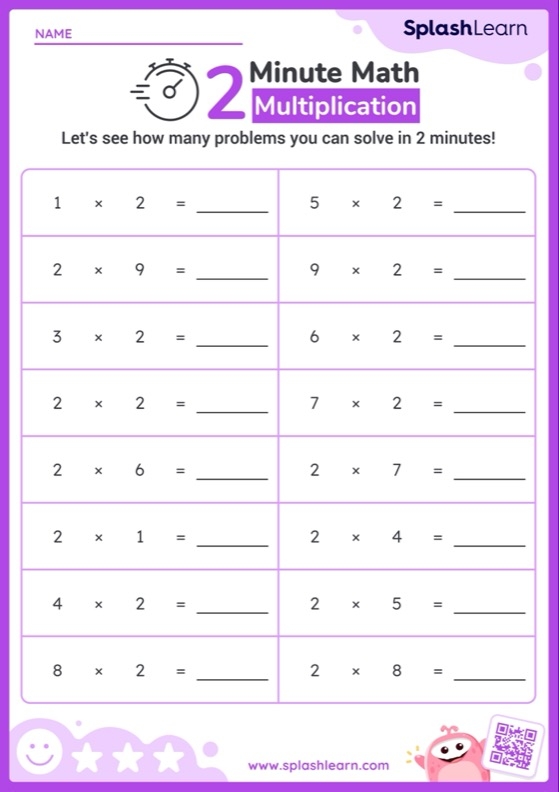
To build toward this goal, consider starting with simpler exercises like multiplying by two or simple multiplication problems before tackling the full three-minute challenge. You might also balance timed work with other third grade activities, such as donut division problems, to keep math practice varied and engaging.
The three-minute multiplication worksheet isn’t just about speed. It’s a concrete way to measure growth and build the automatic recall that makes higher math possible.
Hands-On Worksheet Activities