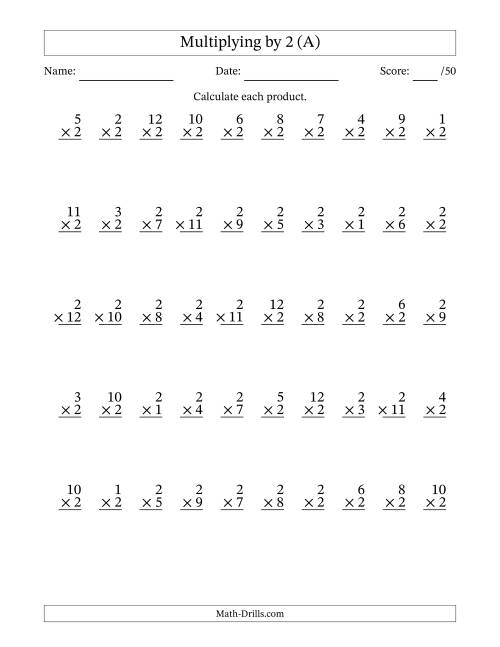
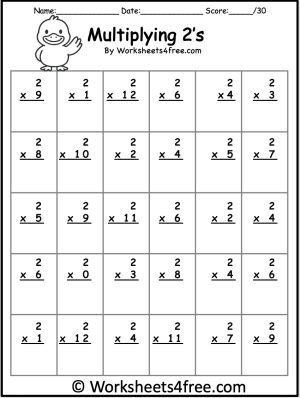
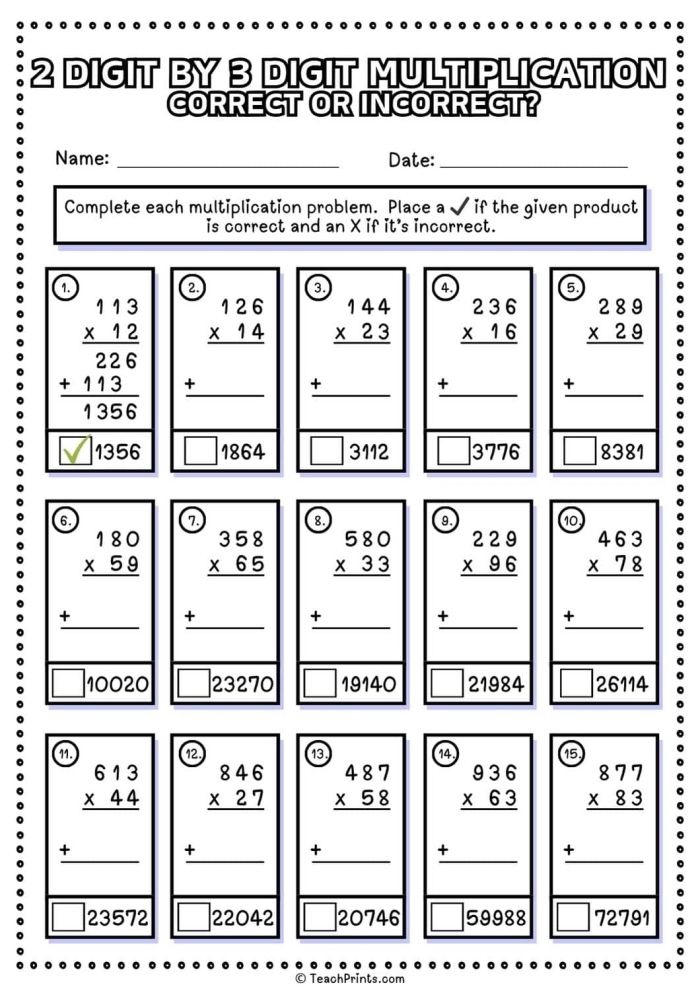
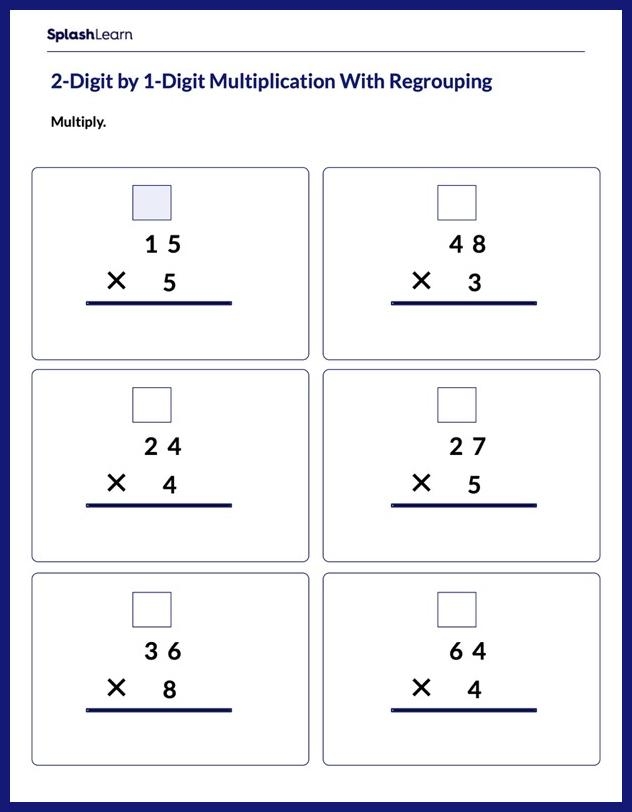
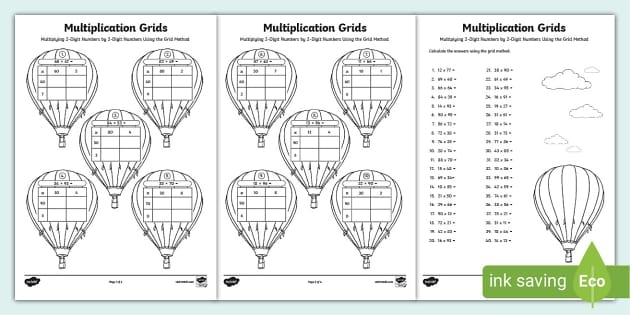
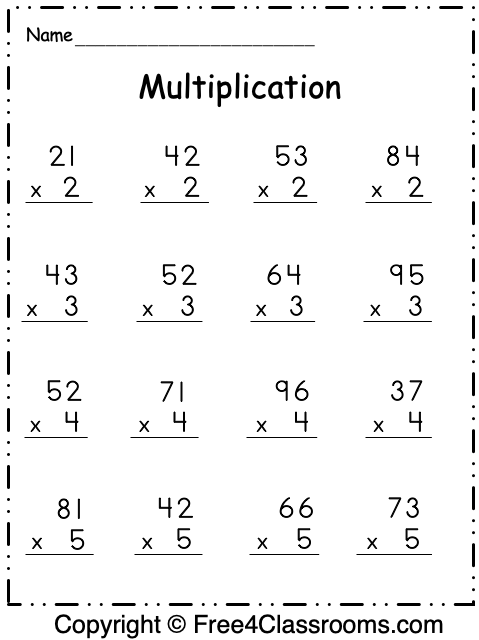
When third graders first encounter multiplication, doubling becomes one of their most practical entry points into the concept. A worksheet focused on multiplying by 2 gives students a concrete way to understand that multiplication is really just repeated addition. Instead of thinking abstractly about what “times” means, kids can visualize 2 groups of 3 items, then count them all together to get 6.
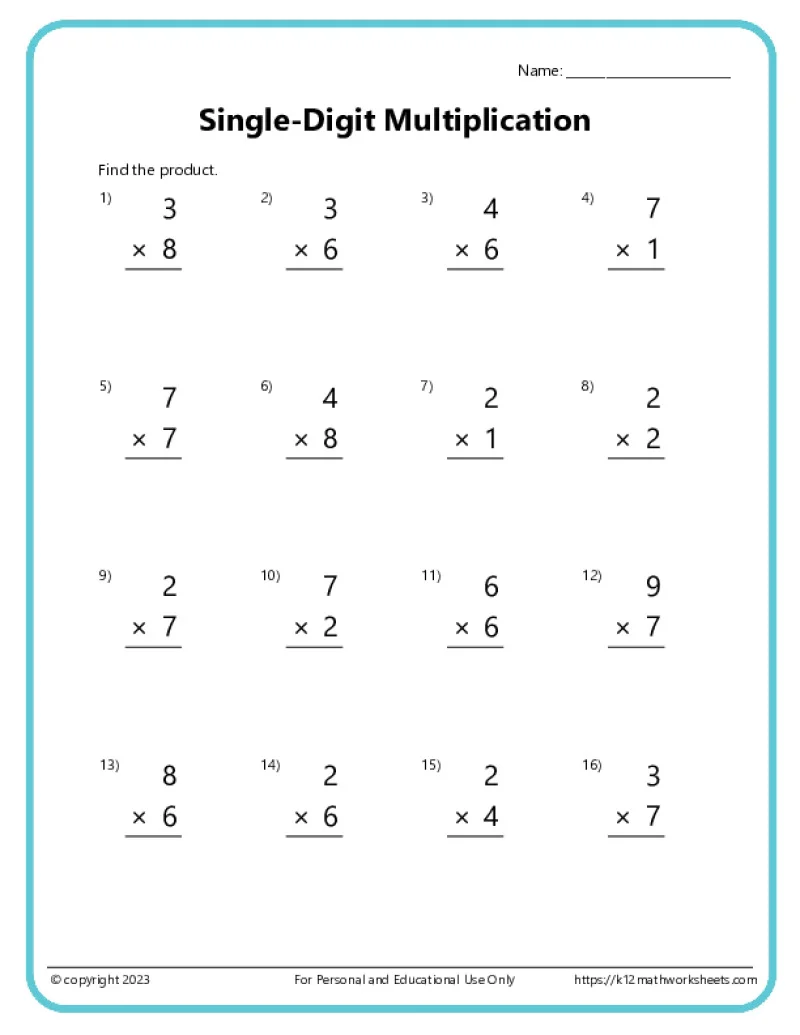
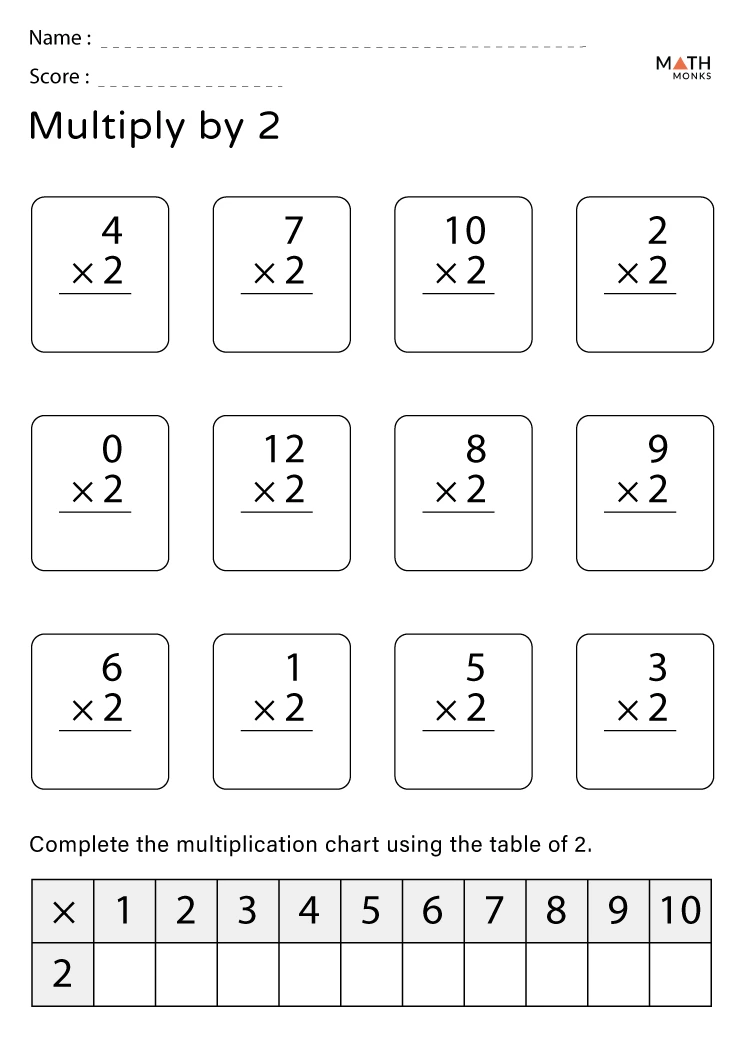
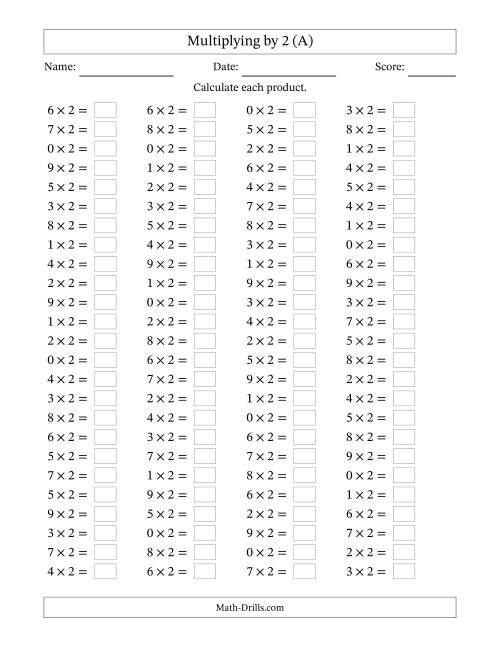
These worksheets typically ask students to work through a series of equations where 2 is the multiplier. A child might see “2 × 4 = ?” and need to figure out that two groups of four equal eight. The repetition across multiple problems builds automaticity, so by the end of the worksheet, students aren’t laboriously counting anymore. They’re starting to recognize the pattern.
The multiplication chart component adds another layer of learning. When students fill in a chart for the number 2, they’re creating a visual reference they can see all at once. The chart shows 2 × 1, 2 × 2, 2 × 3, and so on, usually up to 2 × 10 or 2 × 12. This format helps students spot the pattern themselves: each answer is simply 2 more than the previous one. That insight matters more than memorization.
Third grade is when many students begin building foundational math fluency, and multiplying by 2 is often the easiest multiplication fact to master. Because doubling is such a natural concept (everyone understands having two of something), it serves as a confidence builder before moving to more challenging multipliers. Pairing equation-solving with chart completion ensures that students understand the concept from multiple angles, which strengthens retention far better than drilling facts alone.
If you’re looking for additional practice materials, resources like 3-minute math multiplication worksheets can supplement this work with quick, focused practice sessions.
Use These Worksheets Today