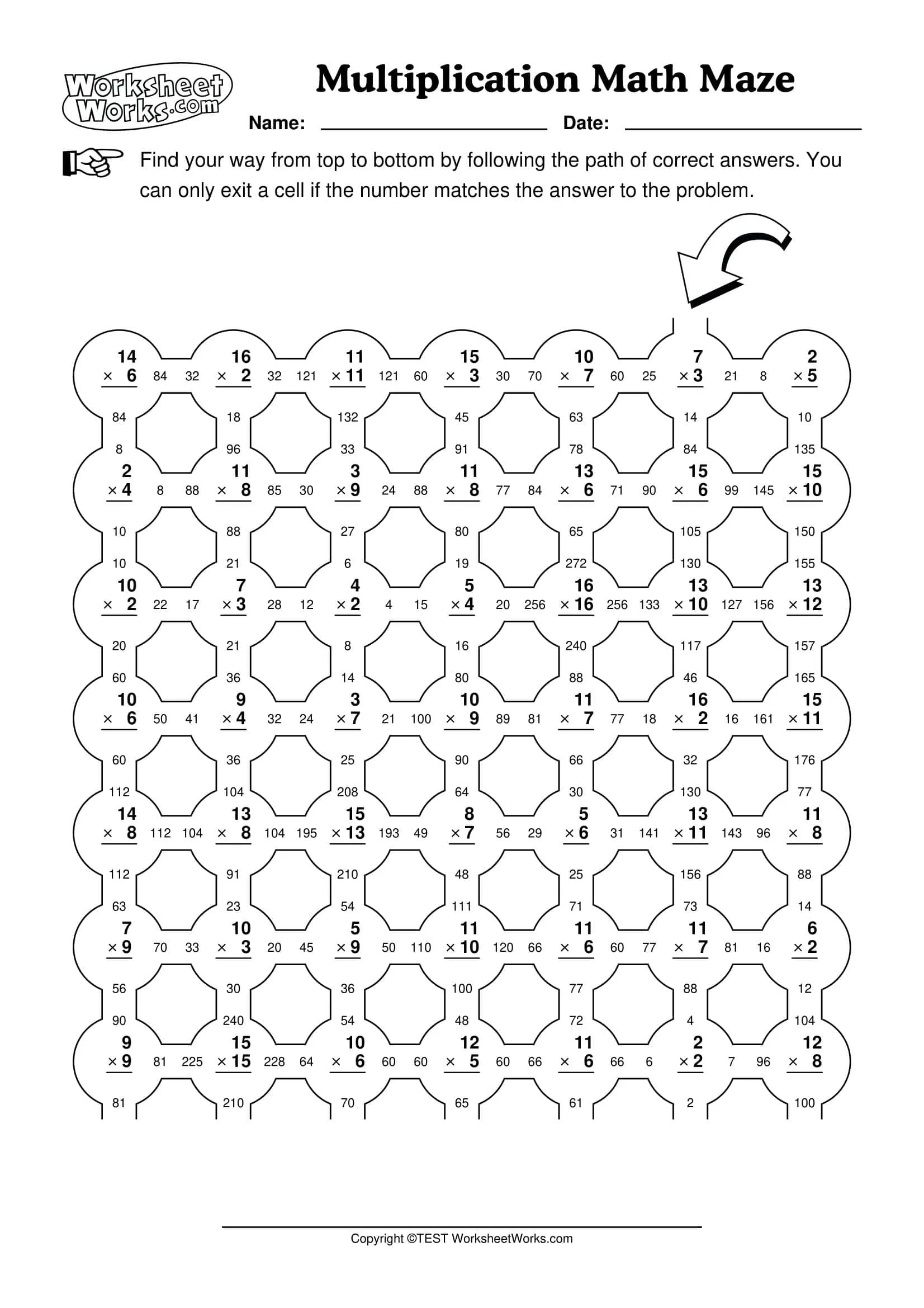
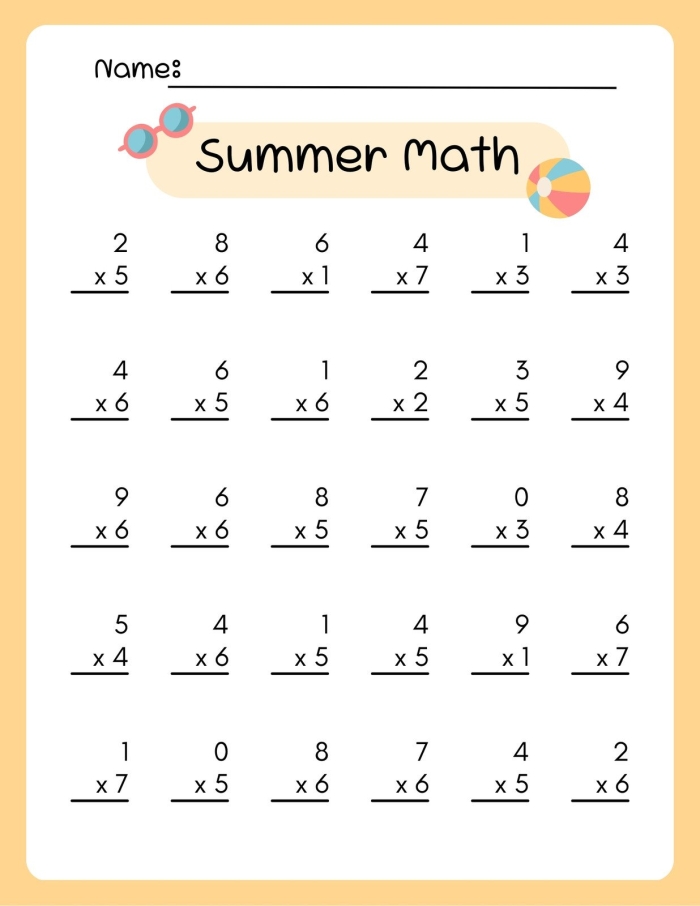
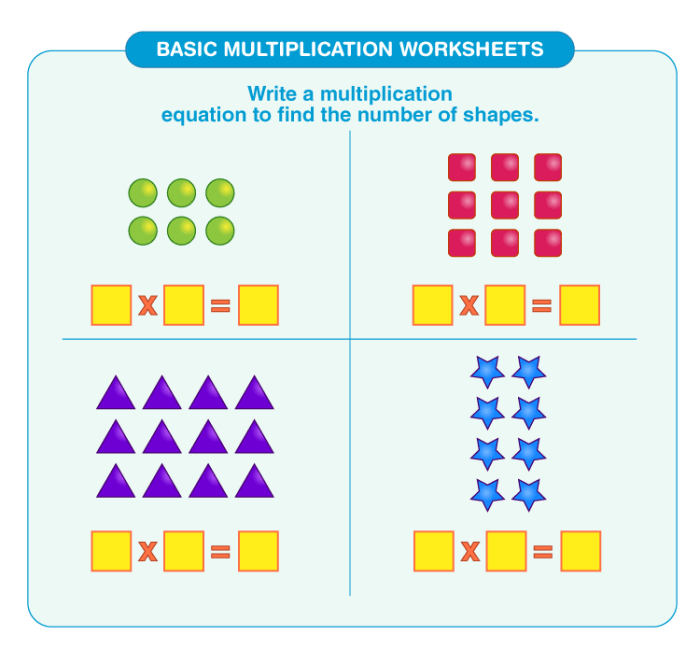
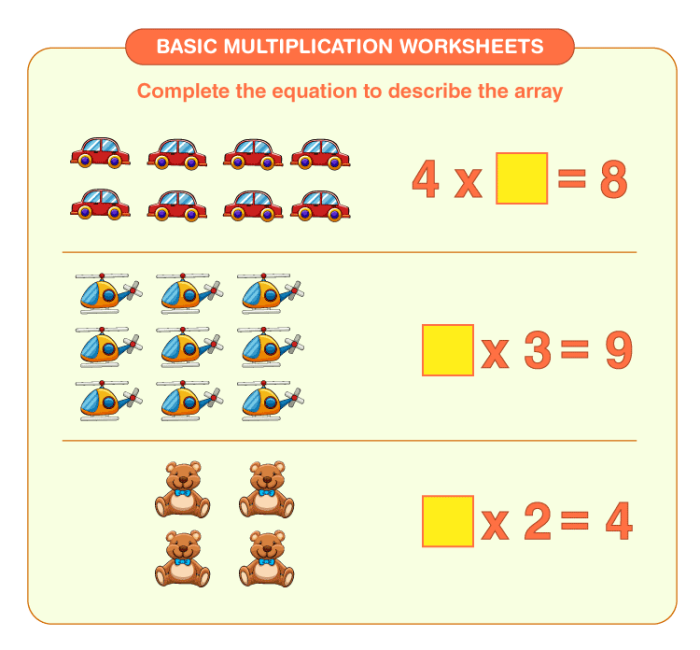
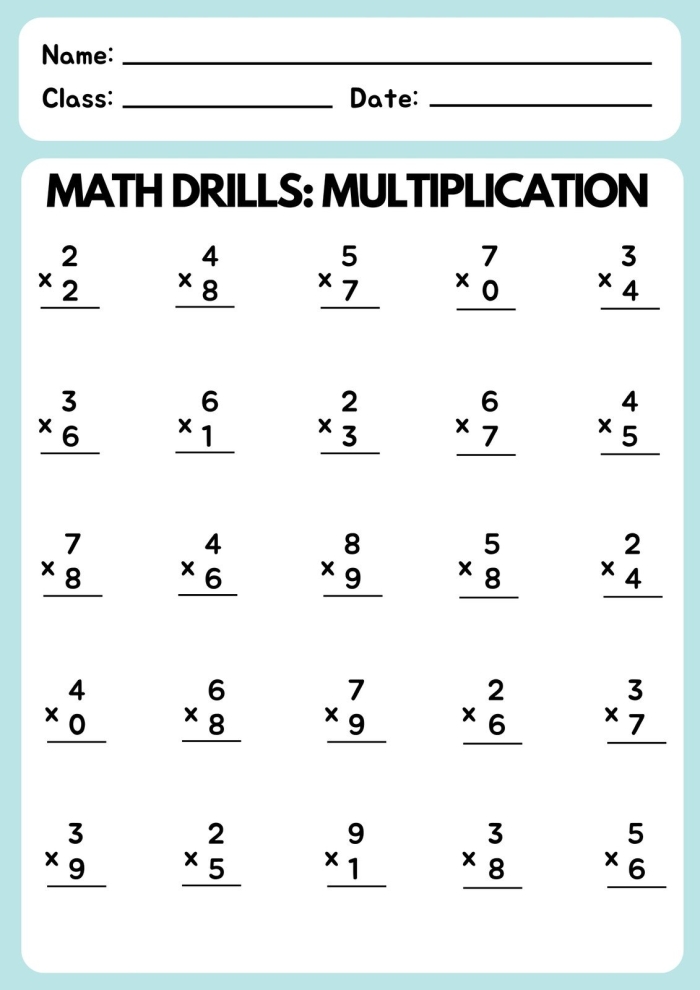
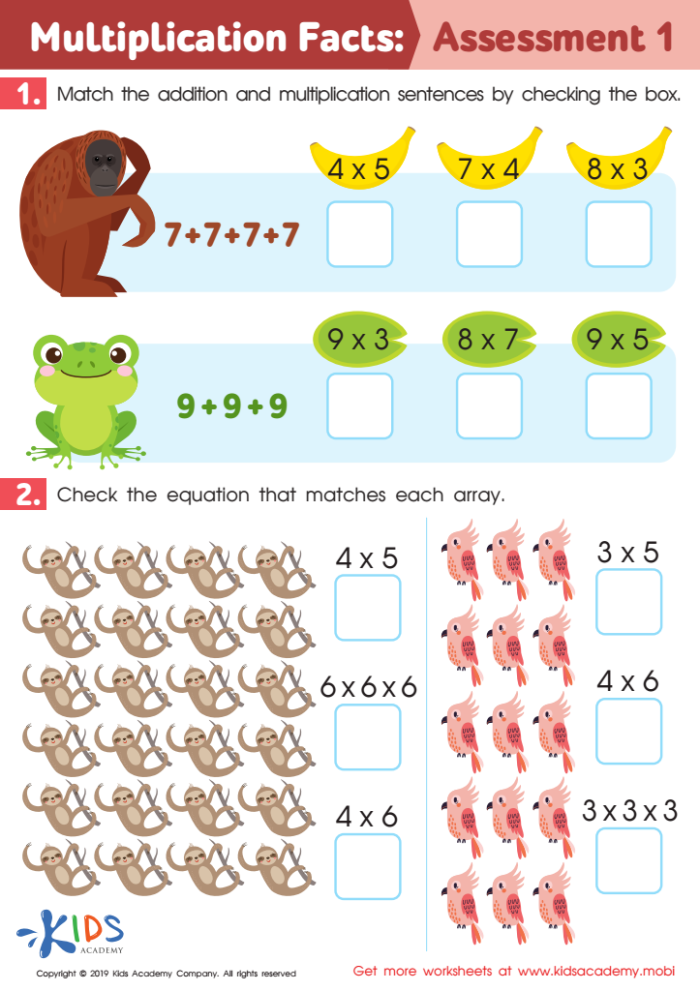
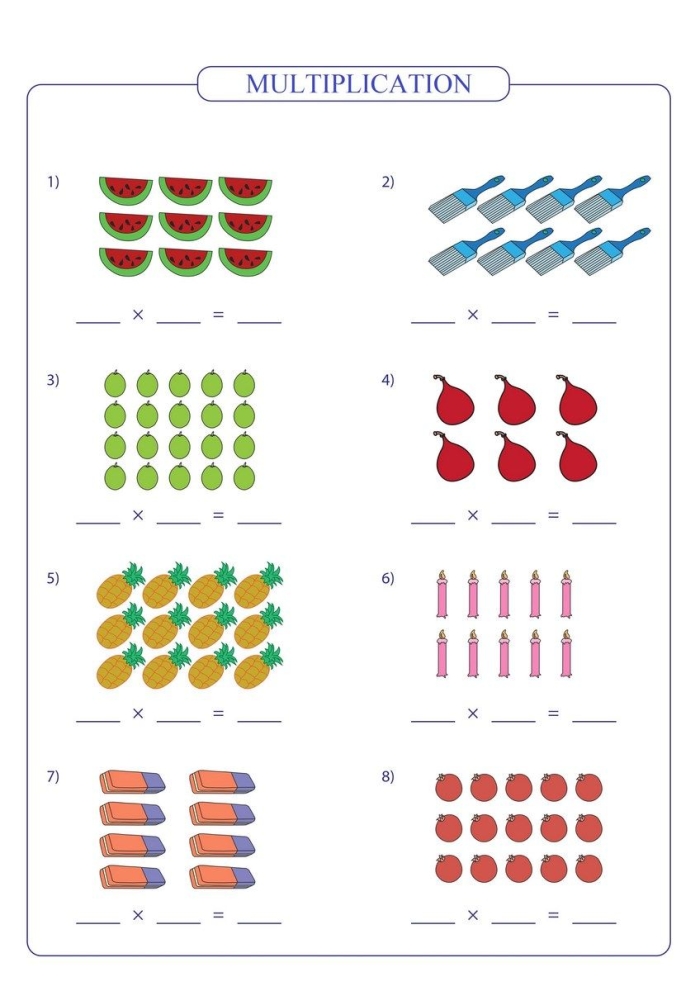
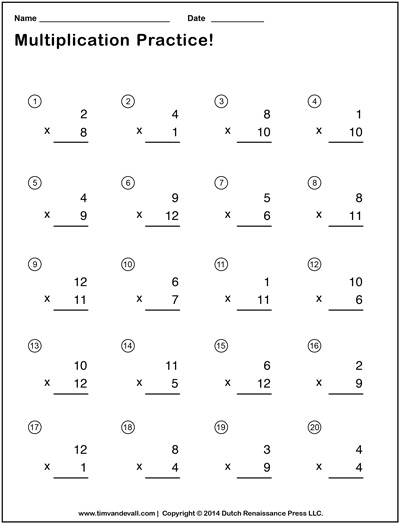
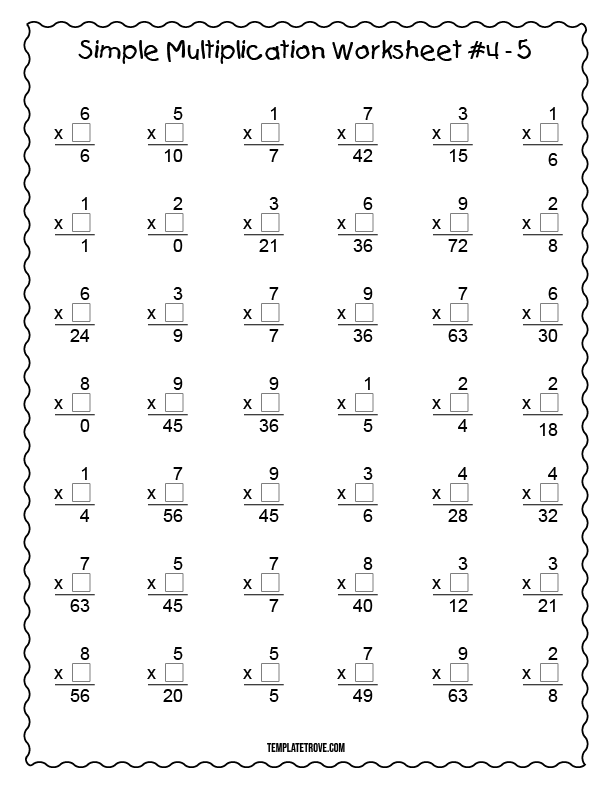
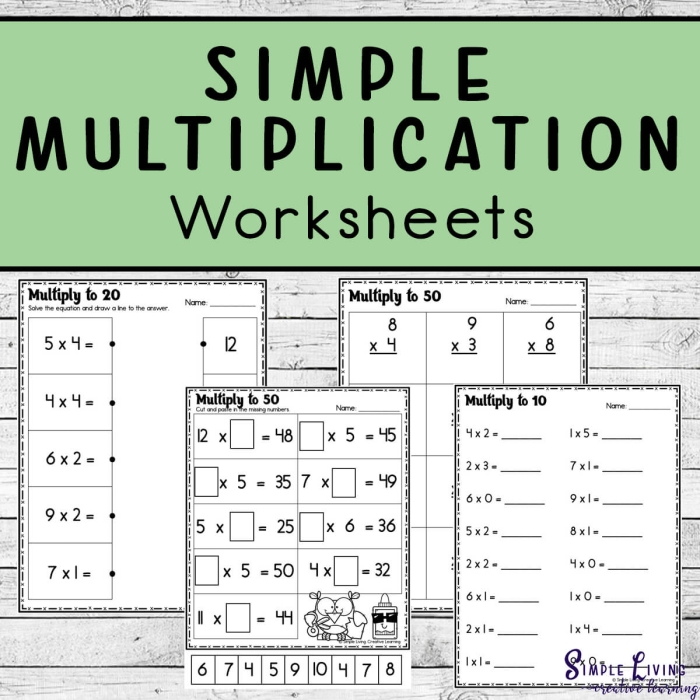
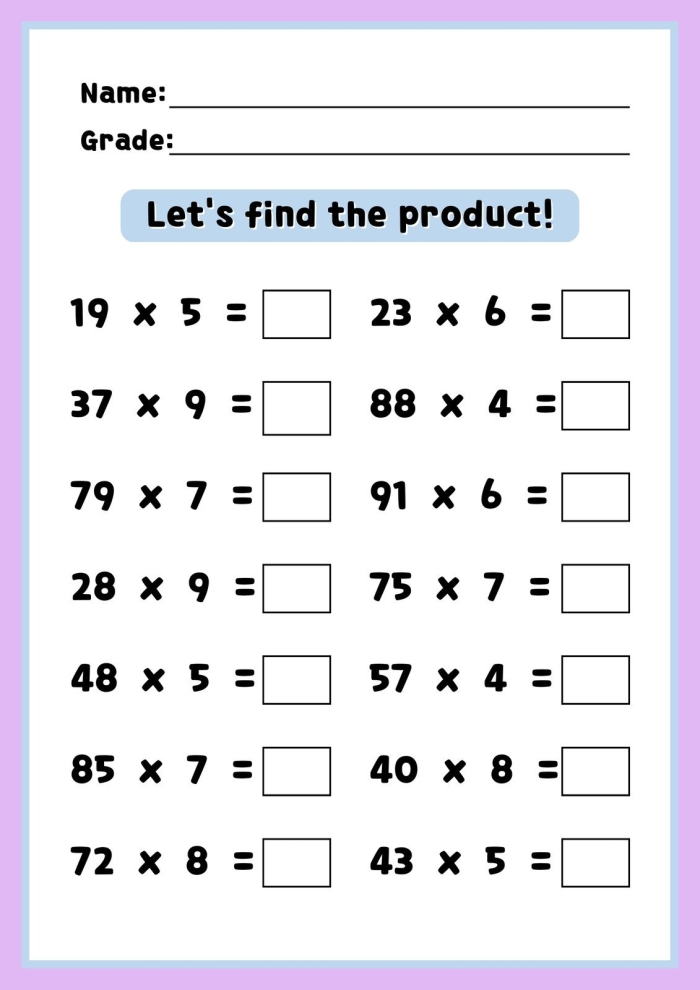
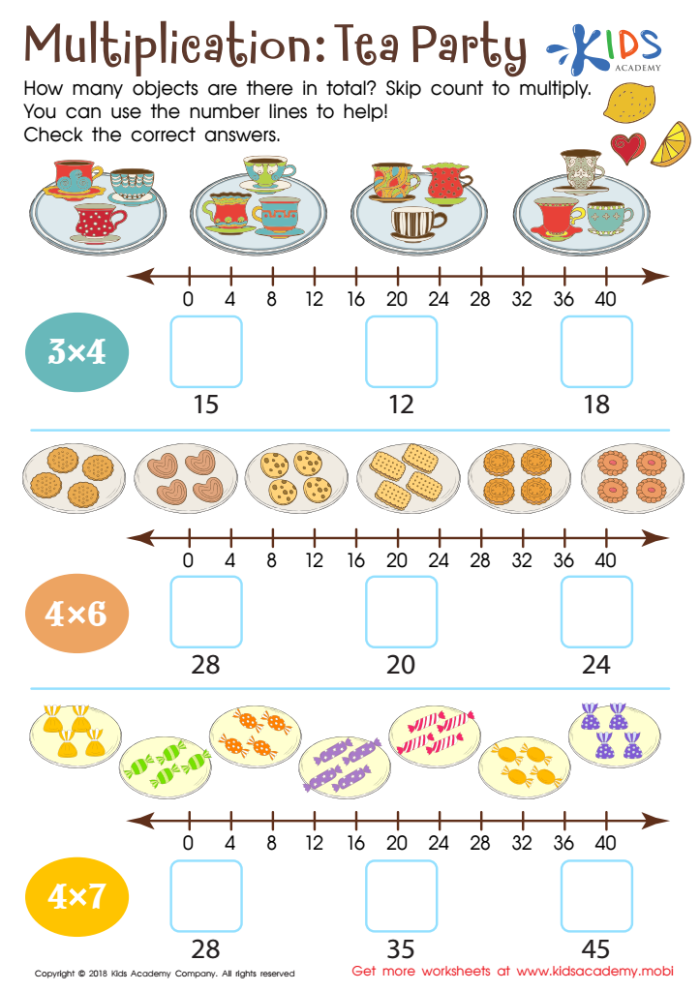
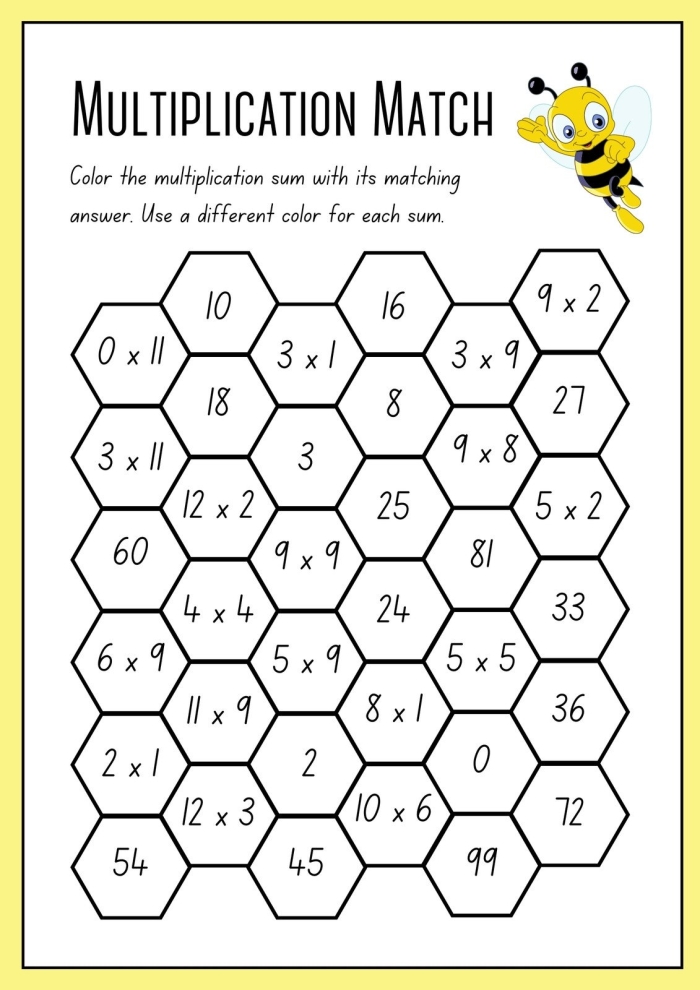
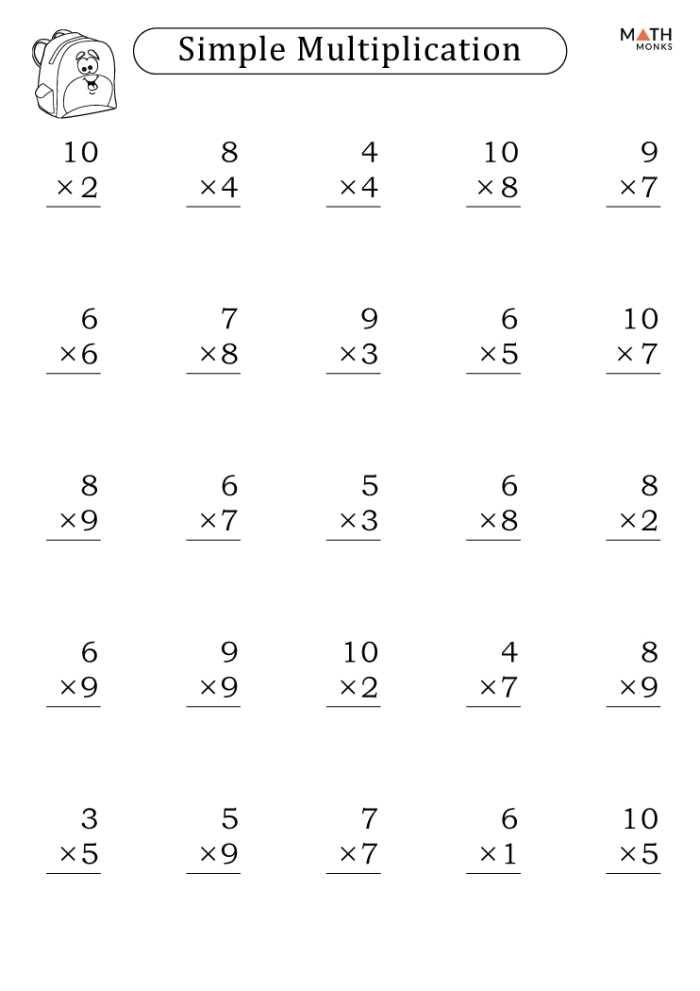
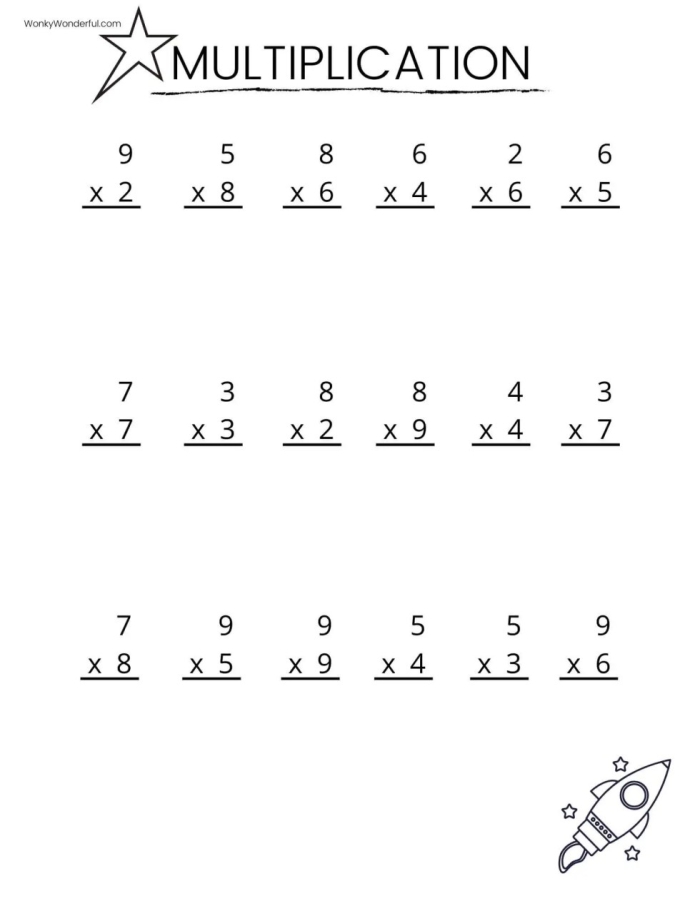
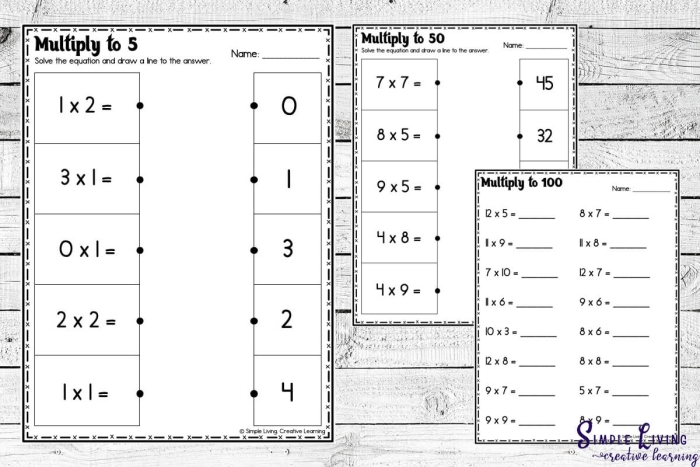
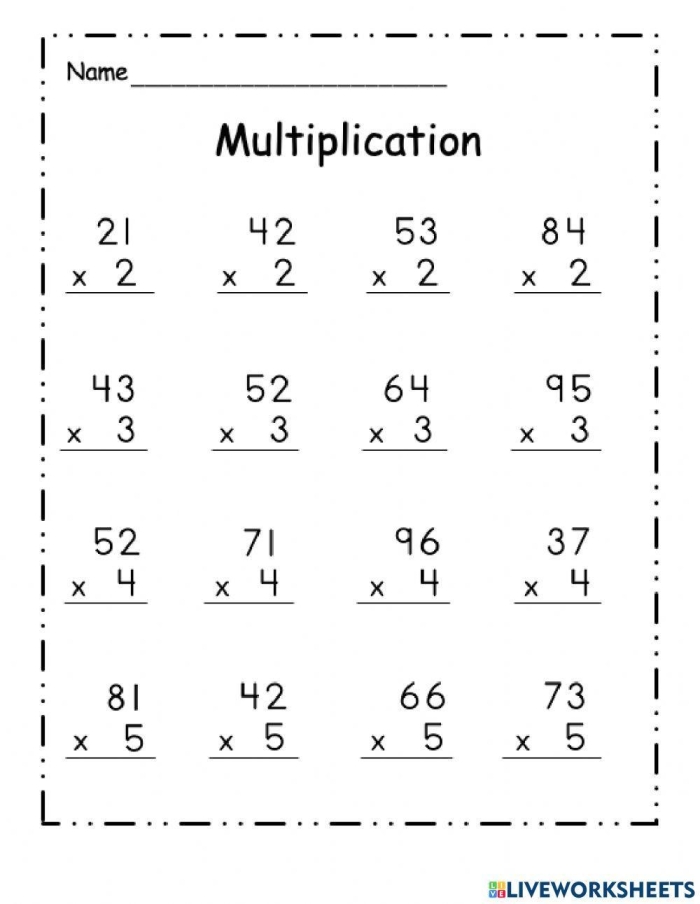
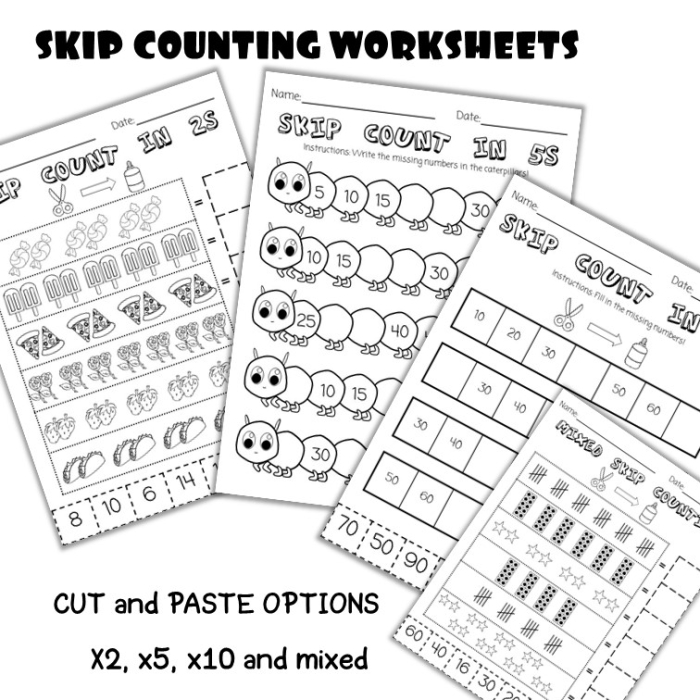
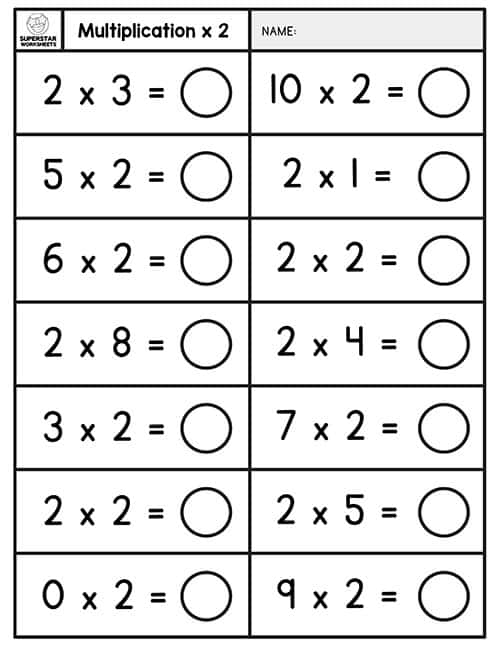
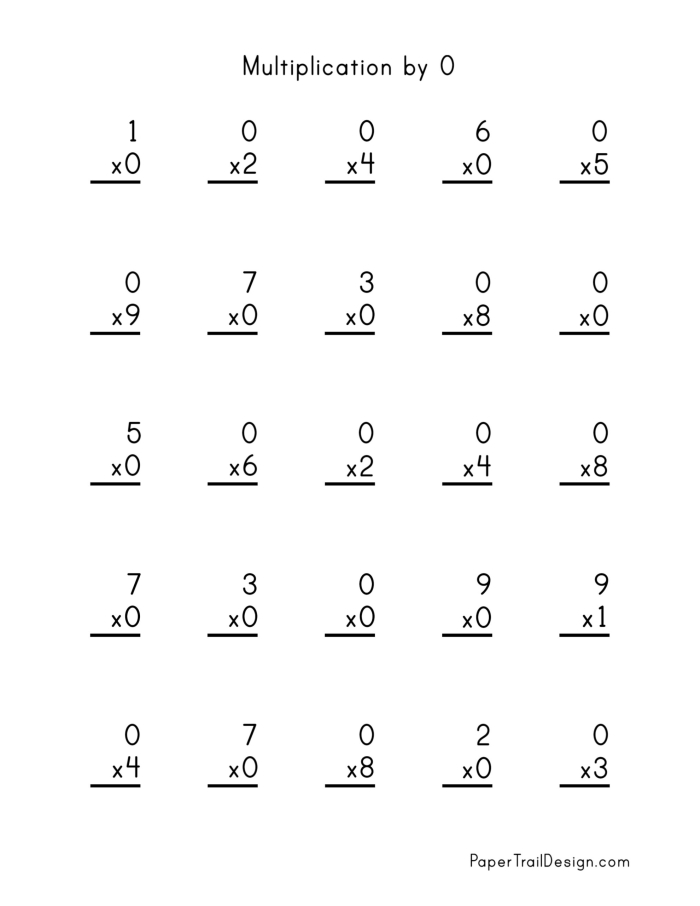
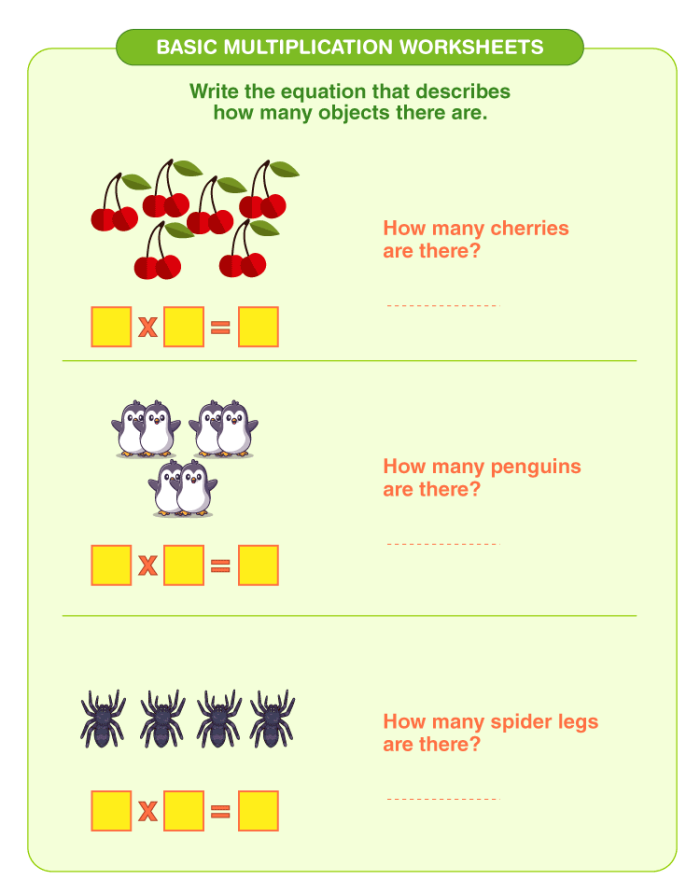
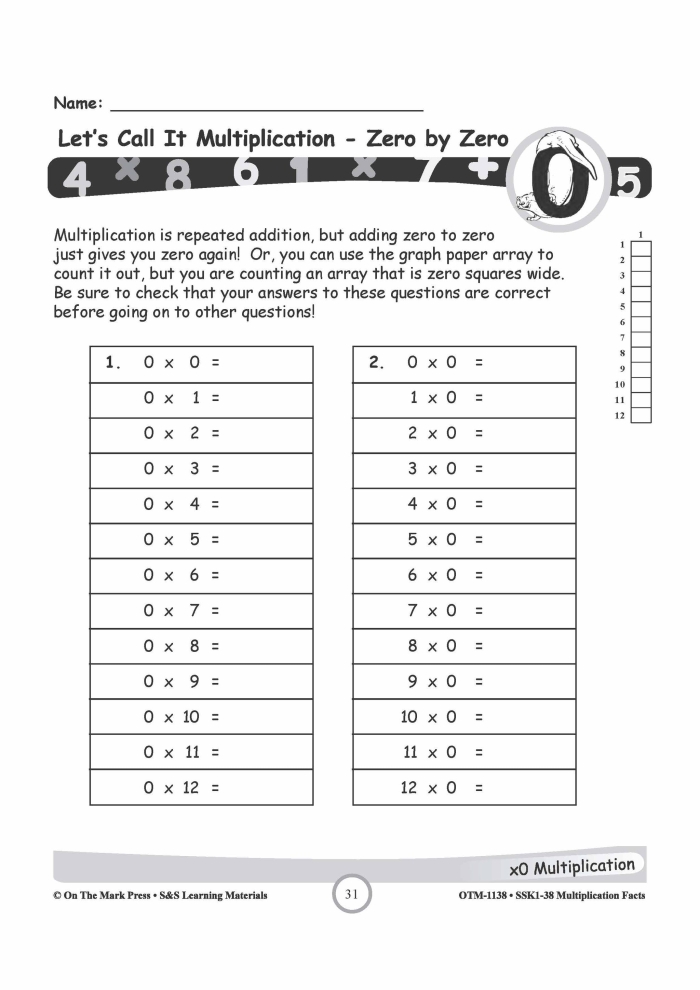
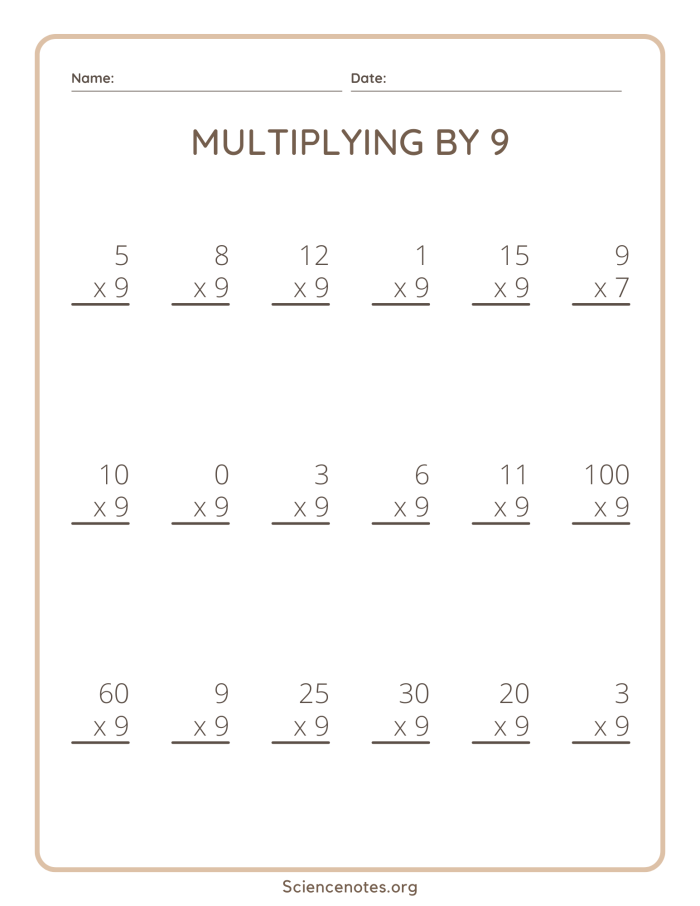
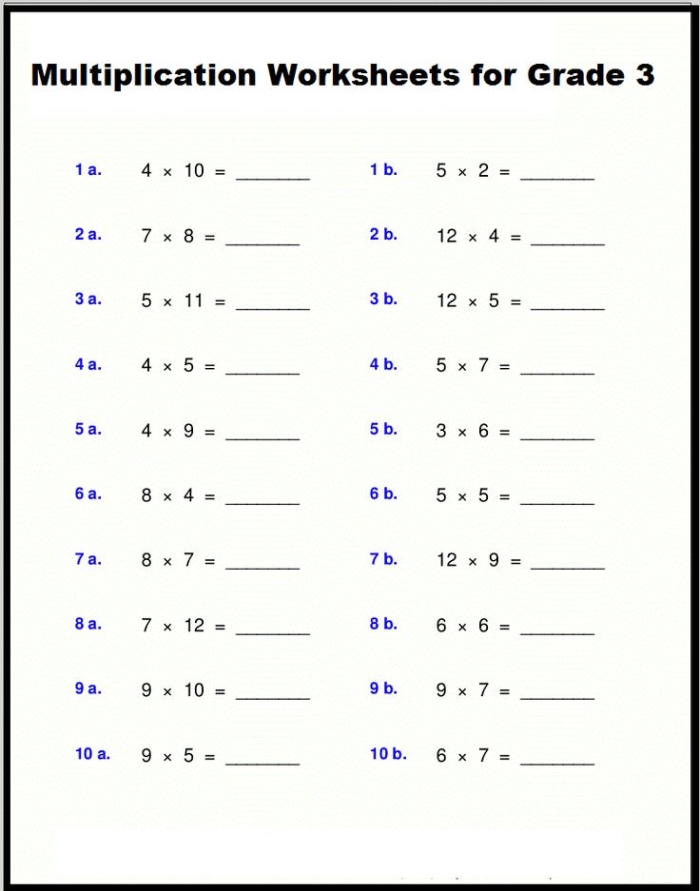
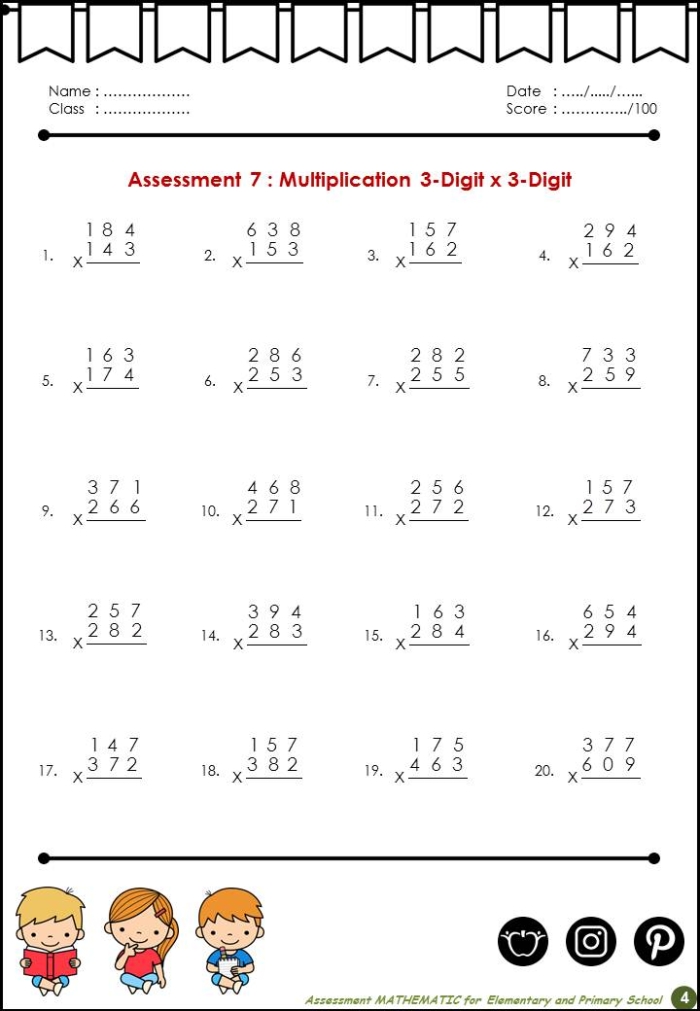
When third graders first encounter multiplication, the abstract nature of repeated groups can feel confusing. Cute worksheets transform this challenge by wrapping math concepts in designs that actually capture kids’ attention. Rather than staring at rows of plain numbers, students work through problems featuring animals, characters, or colorful illustrations that make the practice feel less like a chore and more like a game.
The visual appeal serves a real purpose beyond decoration. When a worksheet features friendly creatures or engaging imagery, children stay focused longer and approach problems with less resistance. A third grader who might groan at “solve 6 × 4” will often tackle the same problem more willingly when it’s framed as “how many legs do 6 dogs have?” The playful design bridges the gap between abstract thinking and concrete understanding that this age group still needs.
These worksheets work particularly well because they acknowledge how third graders learn best. At this stage, students benefit from visual supports and contextual problems. Cute designs also create a sense of ownership over the work. Kids are more likely to show parents a worksheet they find appealing, which opens conversations about what they’re learning and reinforces the skills at home.
The variety in cute worksheet styles matters too. Some feature cartoon animals solving multiplication problems, others use objects kids recognize like toys or food items. This diversity keeps practice from becoming repetitive, which is crucial for maintaining engagement across multiple worksheets.
Beyond third grade fundamentals, these resources pair well with other skill-building materials. Students working on addition practice or advancing to geometry concepts benefit from consistent, inviting design choices across their learning materials. When worksheets feel cohesive and appealing, children develop more positive associations with math overall.
Boost Skills with These Worksheets