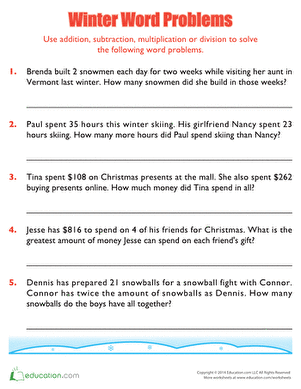
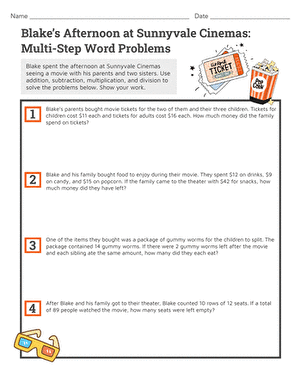
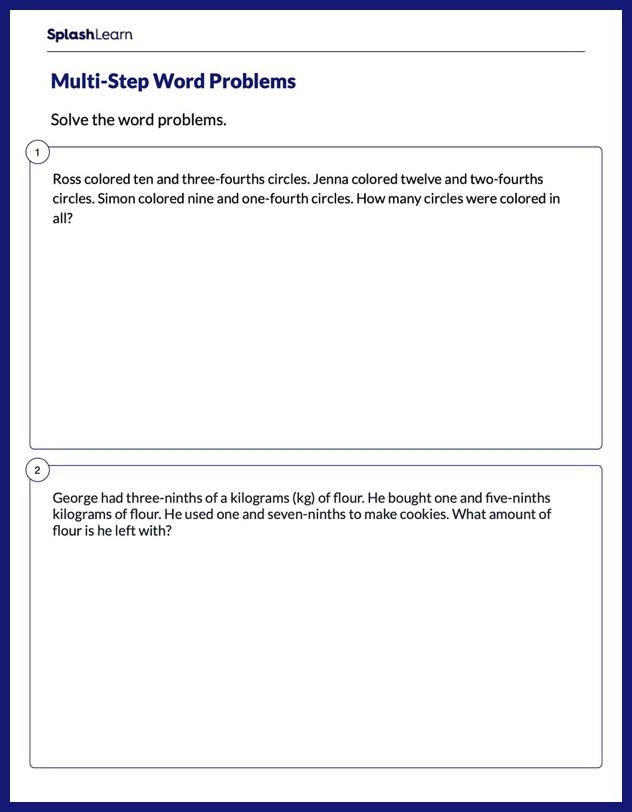
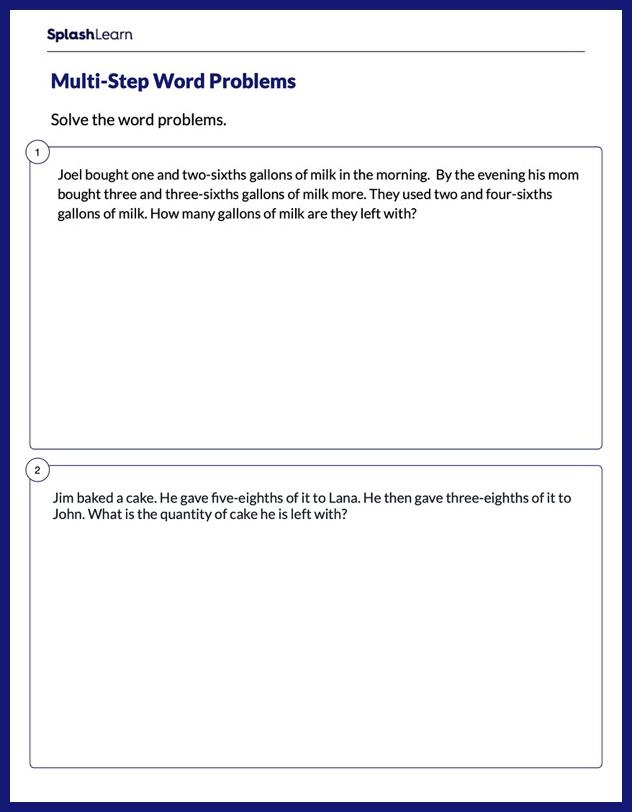
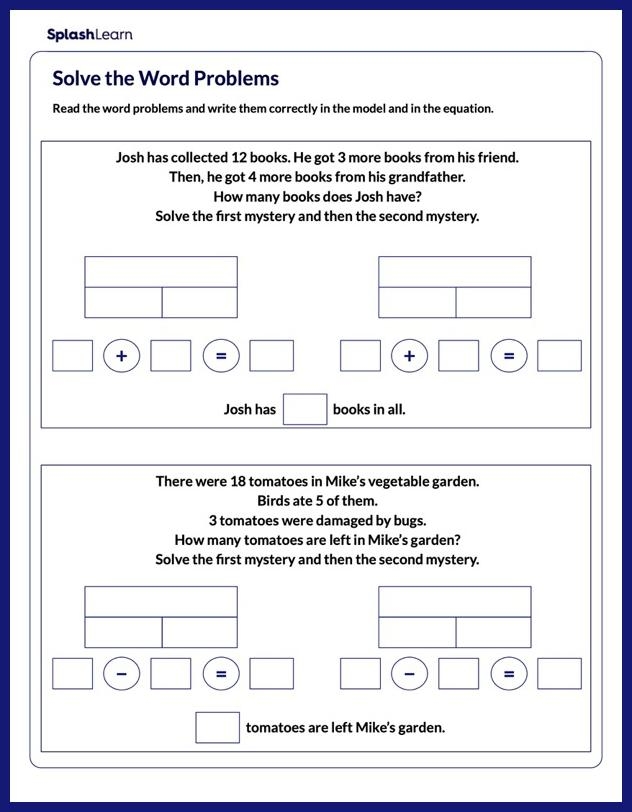
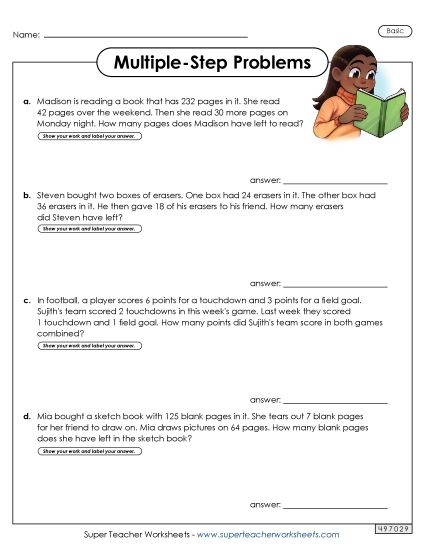
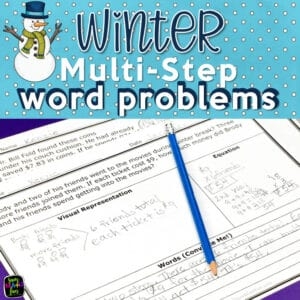
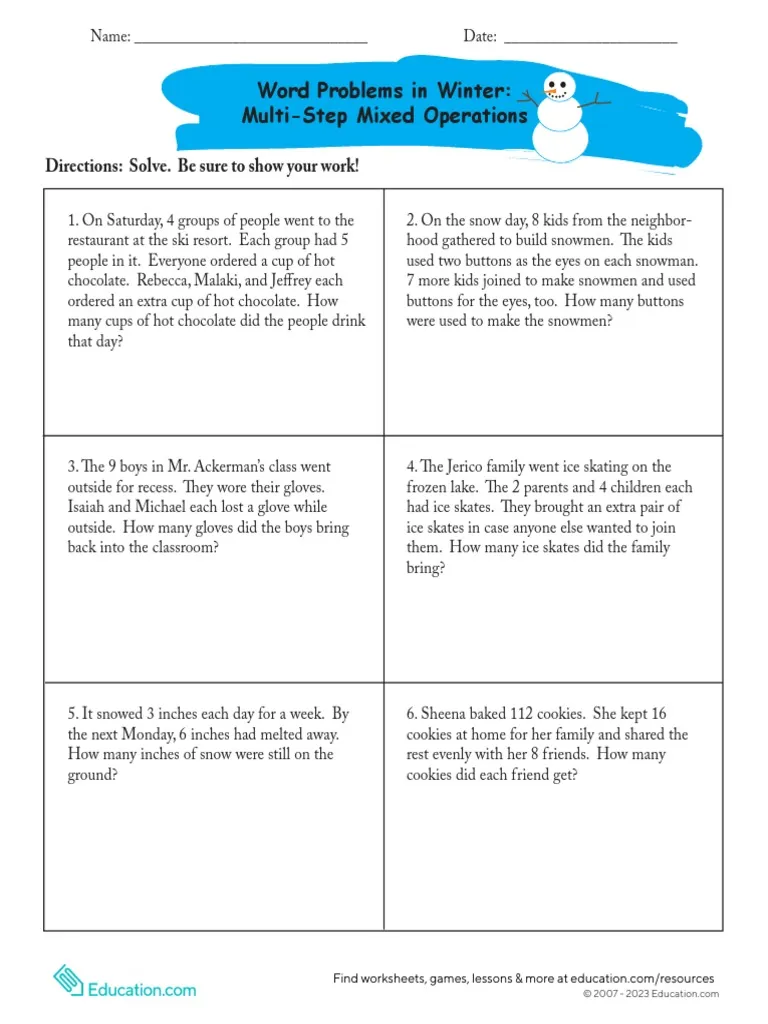
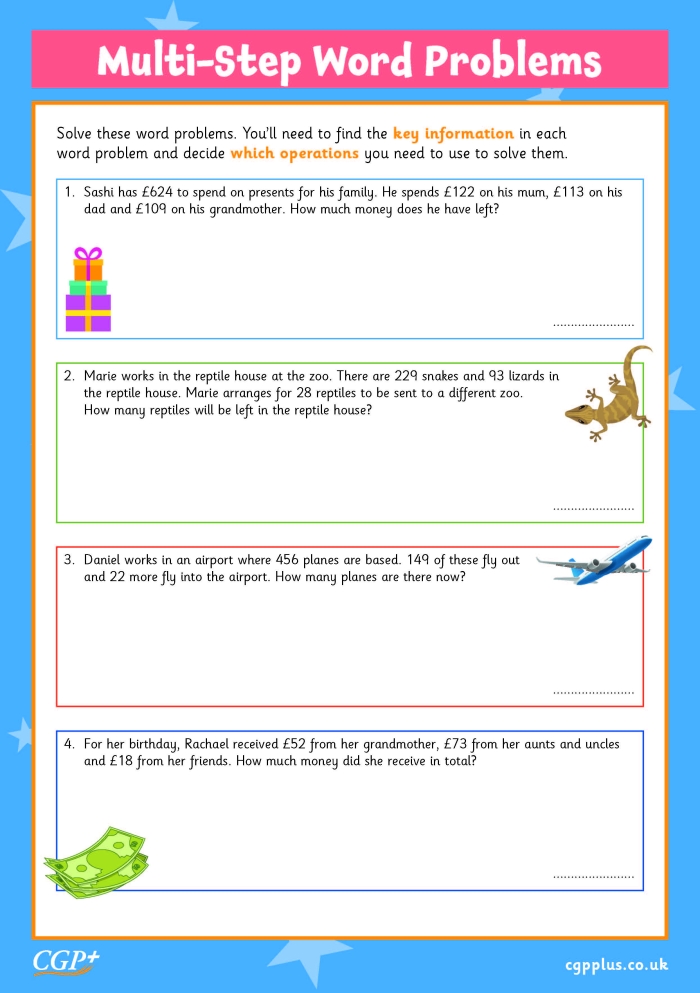
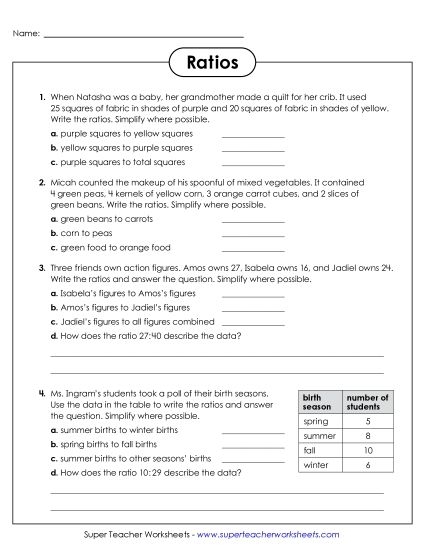
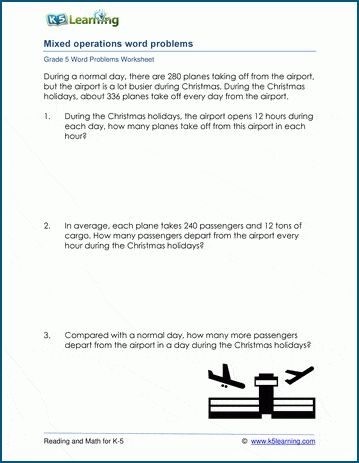
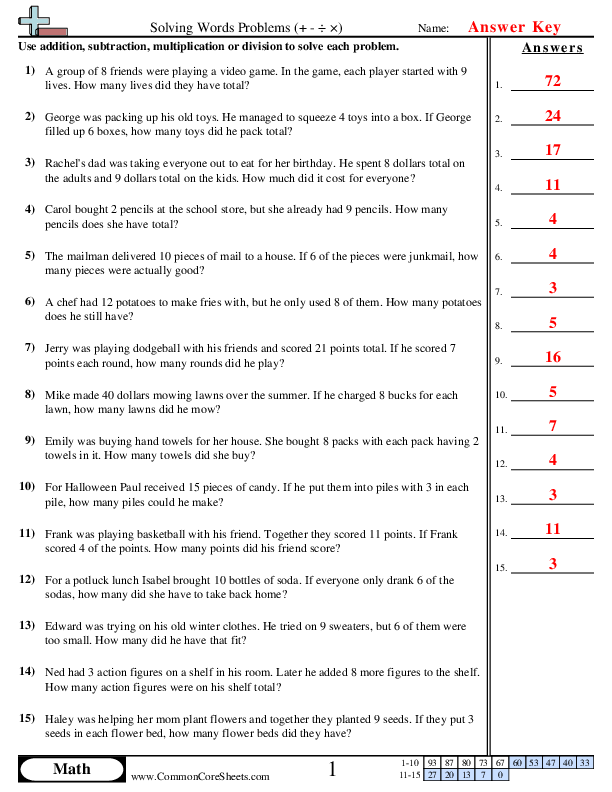
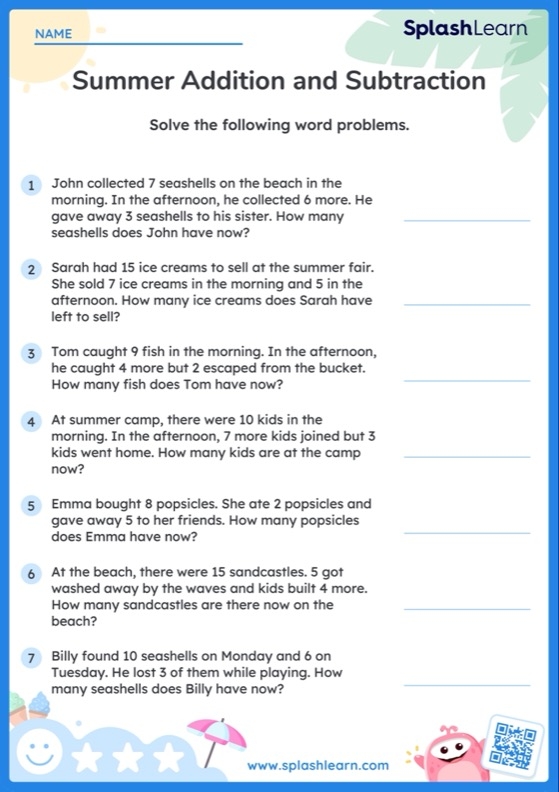
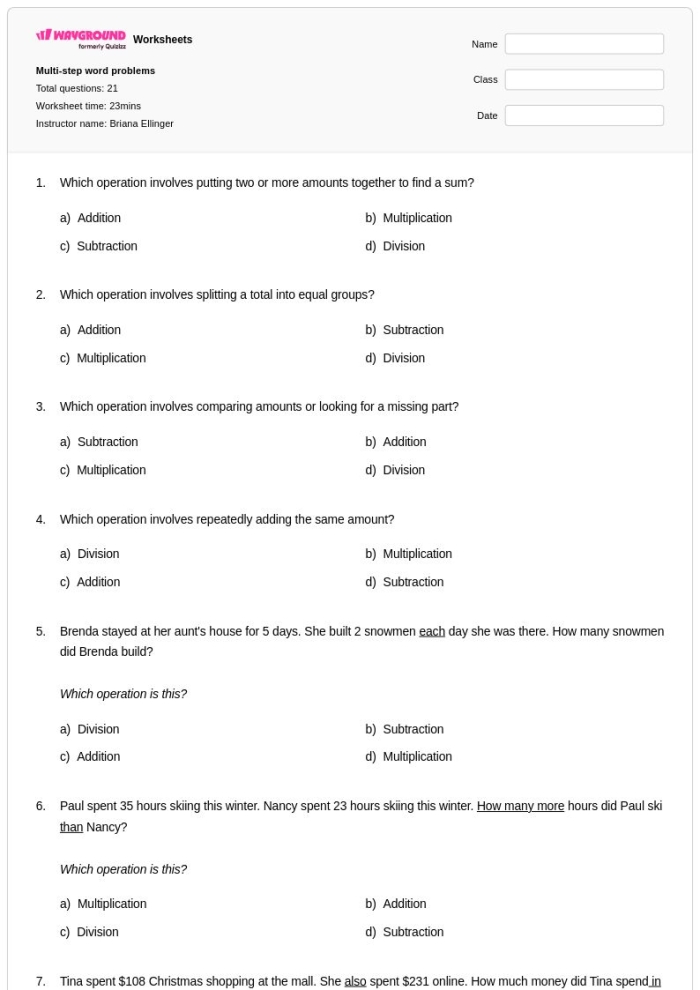
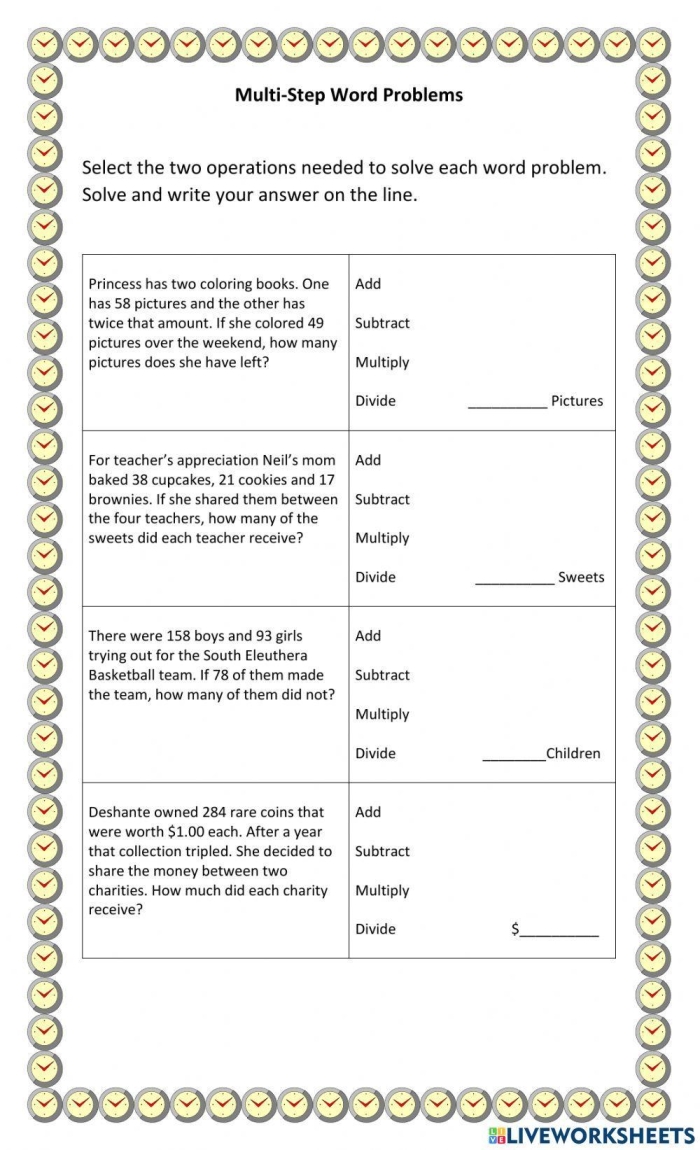
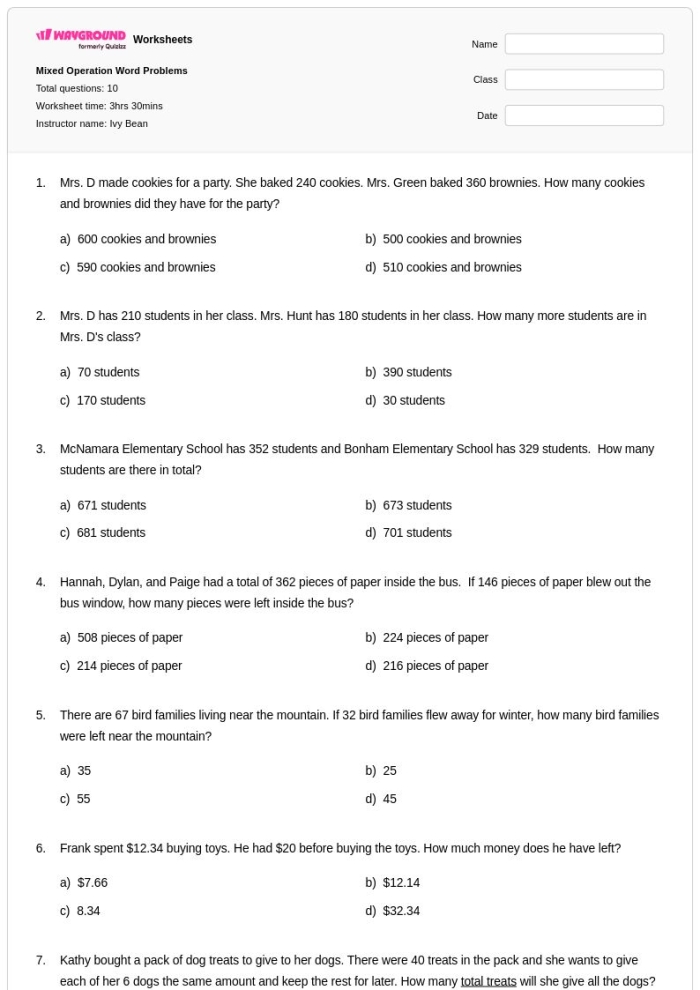
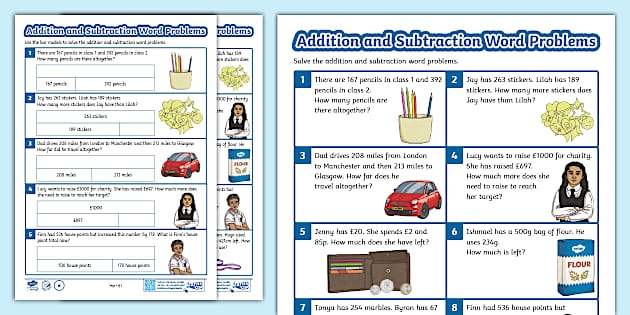
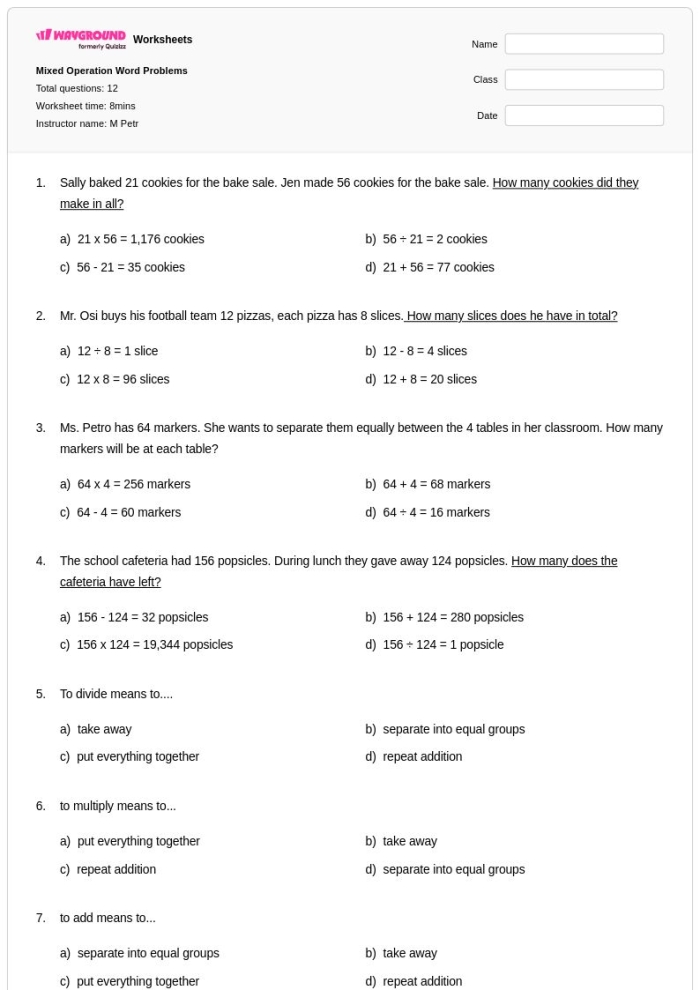
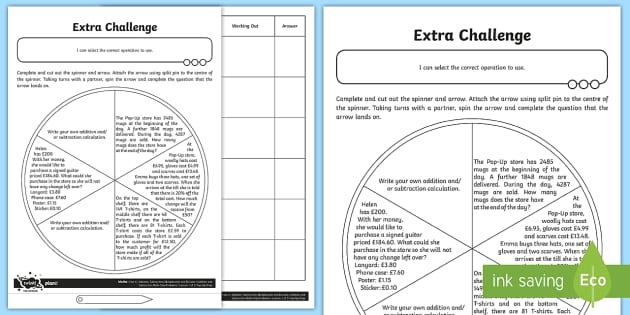
Third grade is when students start connecting abstract math concepts to real situations, and winter provides the perfect backdrop for this learning. A winter-themed resource that focuses on multi-step word problems with mixed operations gives students a chance to practice addition, subtraction, multiplication, and division all in one engaging context.
The appeal of seasonal materials lies in their relevance. When a problem involves counting snowflakes, measuring hot chocolate ingredients, or calculating the cost of winter decorations, students engage differently than they would with generic scenarios. They can visualize the situation, which makes the math feel purposeful rather than arbitrary.
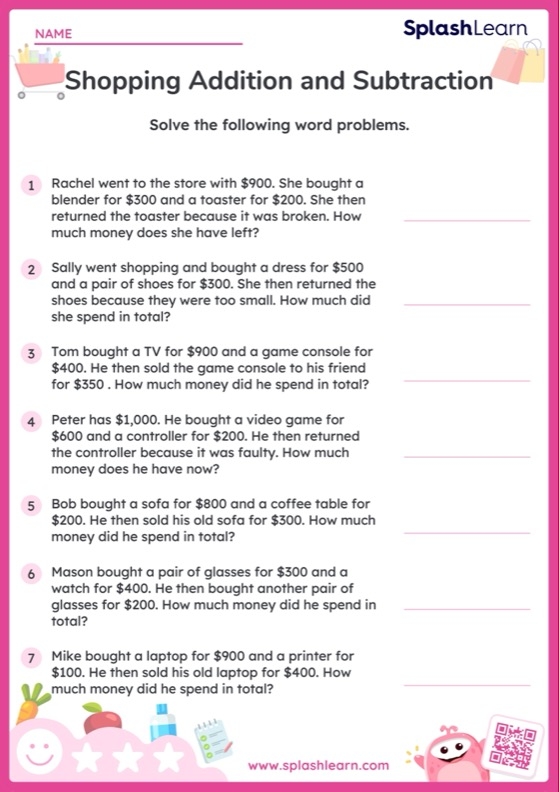
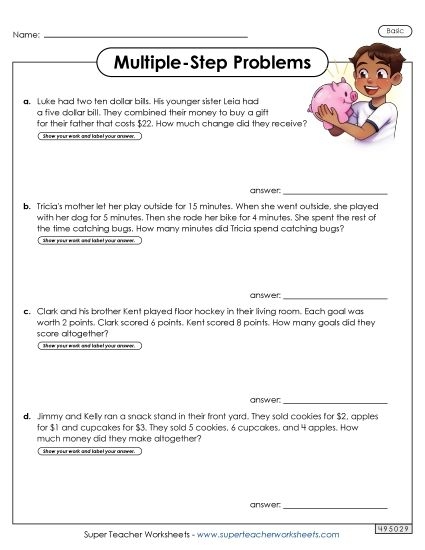
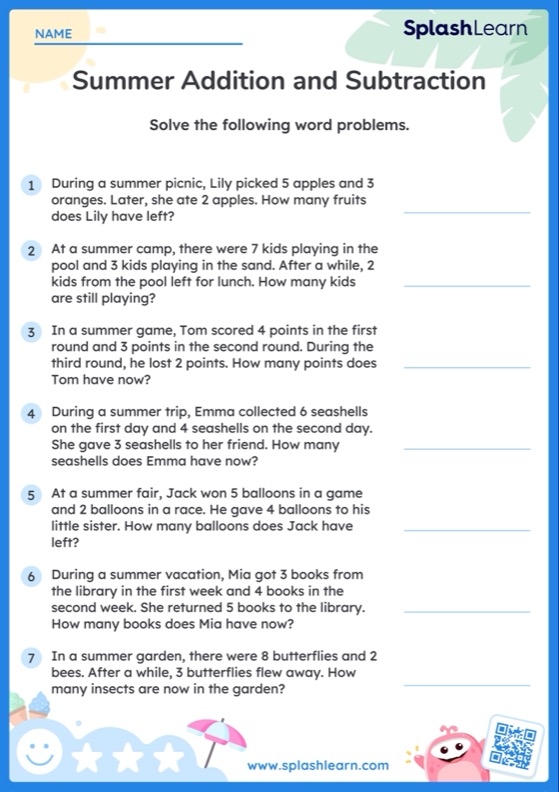
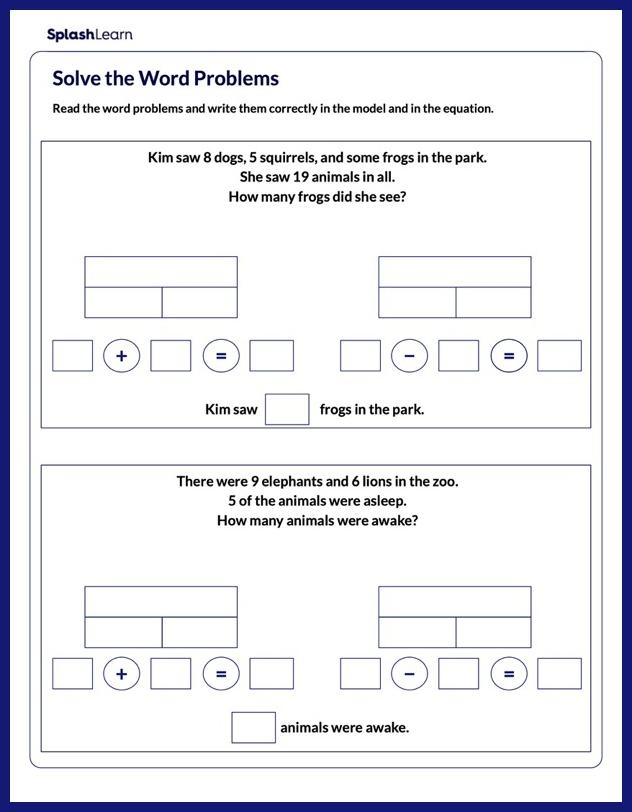
Multi-step word problems require students to break down a scenario into smaller parts, identify which operations to use, and solve in the correct sequence. Third graders tackling these problems develop critical thinking skills alongside computational fluency. For example, a problem might ask: “You have 24 snowflakes. Your friend gives you 15 more. You want to divide them equally into 3 groups. How many snowflakes are in each group?” This single problem demands addition, then division, forcing students to think strategically about order of operations.
When you incorporate fractions into winter word problems, the complexity deepens naturally. Students might work with half-cups of cocoa powder or quarter-portions of a winter recipe. This approach helps third graders see fractions as practical tools rather than abstract concepts.
To support this kind of practice, consider pairing your winter resource with complementary materials. Extra practice with three-digit addition and regrouping strengthens foundational skills, while fraction practice through gardening contexts reinforces part-whole relationships in different seasonal settings.
The winter-themed word problems resource works best when students have time to work through problems independently, then discuss their strategies as a group. This combination of practice and reflection solidifies both procedural understanding and problem-solving confidence.
Grab These Worksheets Now