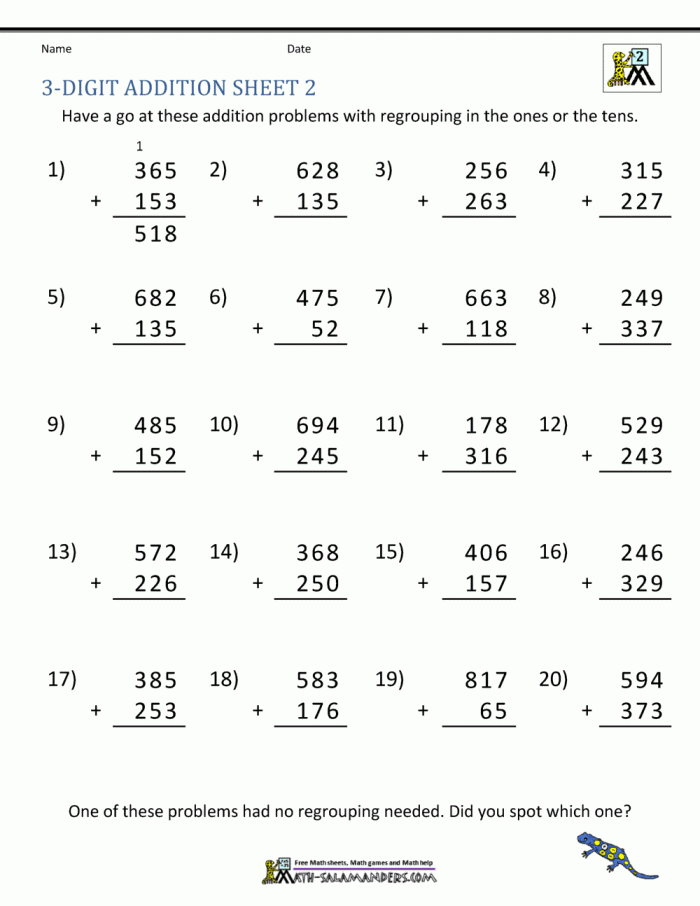
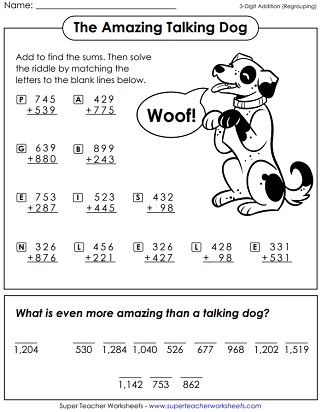
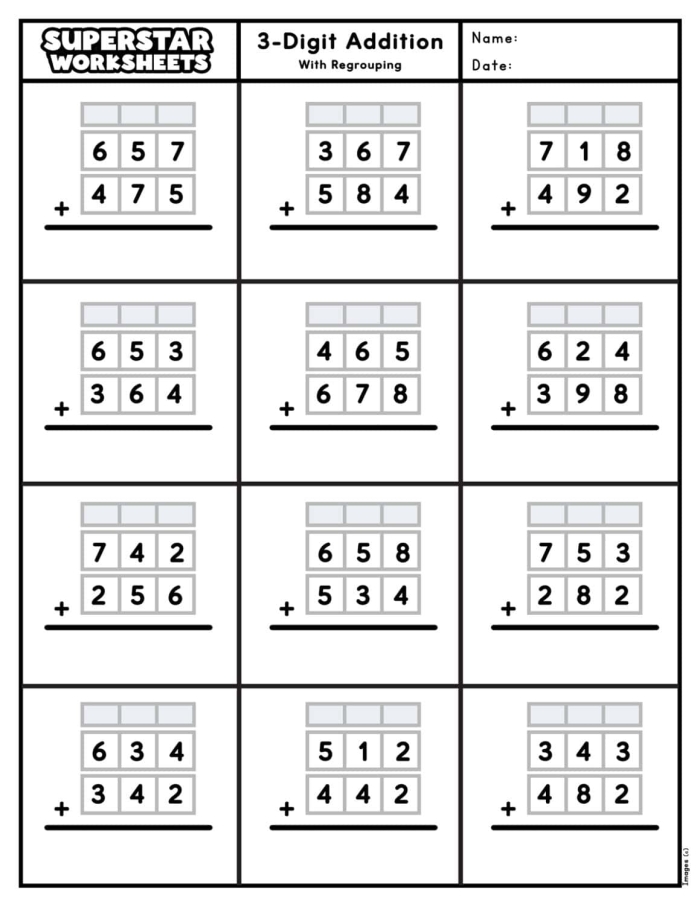
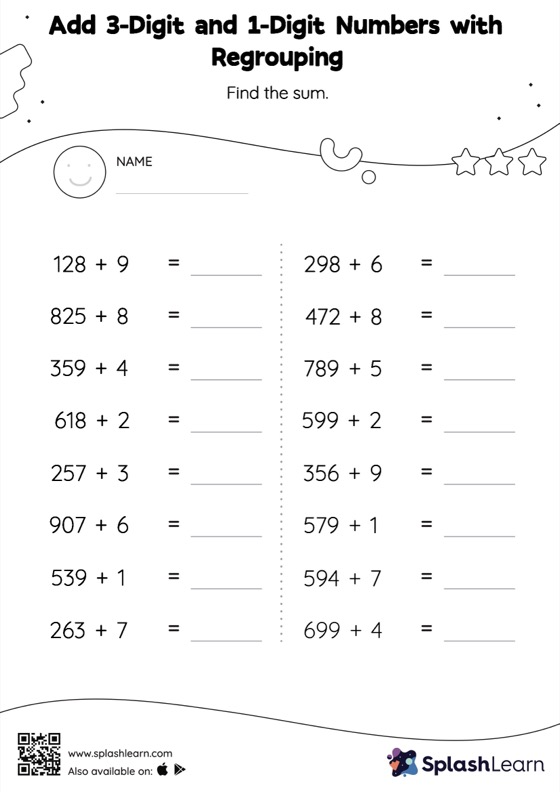
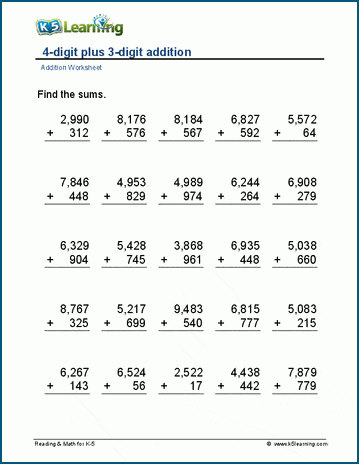
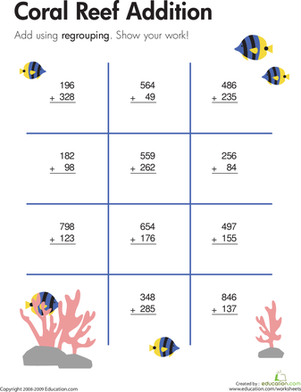
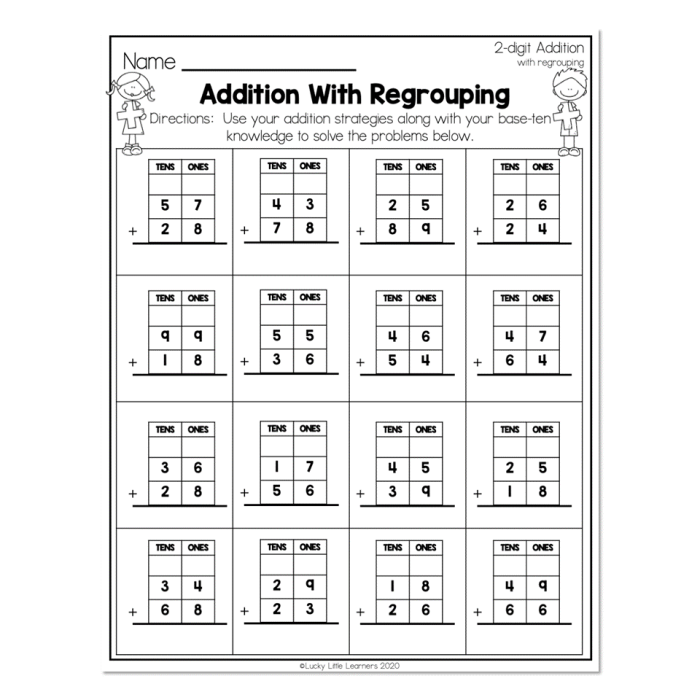
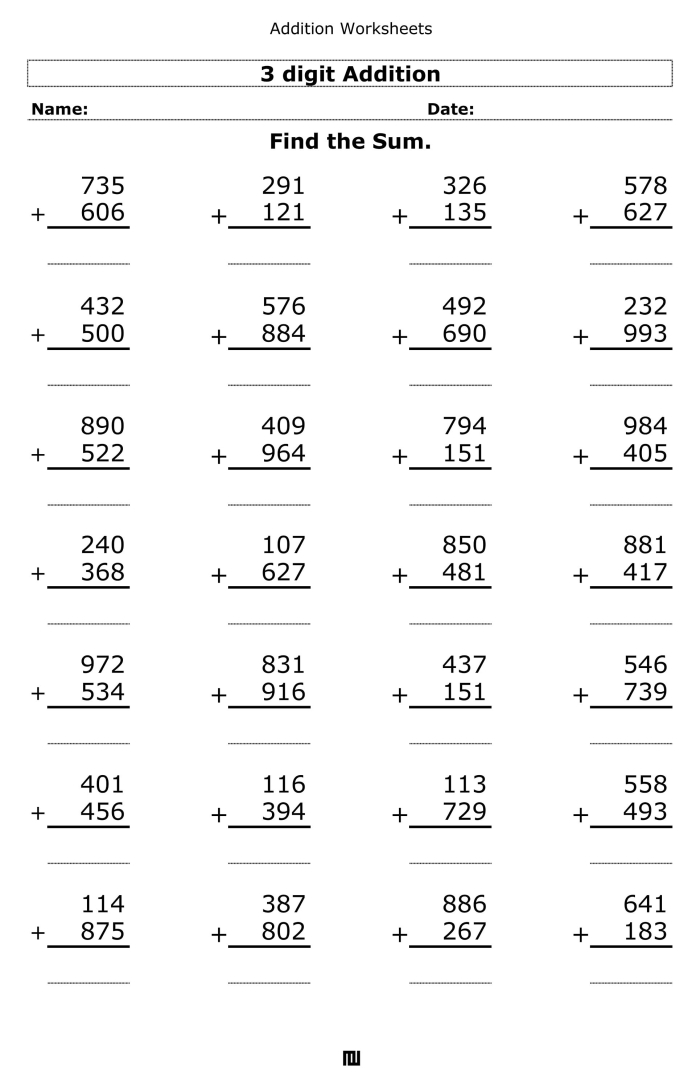
Three-digit addition with regrouping is where many third grade students hit their first real math wall. It’s not just adding numbers anymore, it’s managing place values, carrying tens, and keeping track of what goes where. This skill forms the foundation for everything that comes after, so getting it right matters.
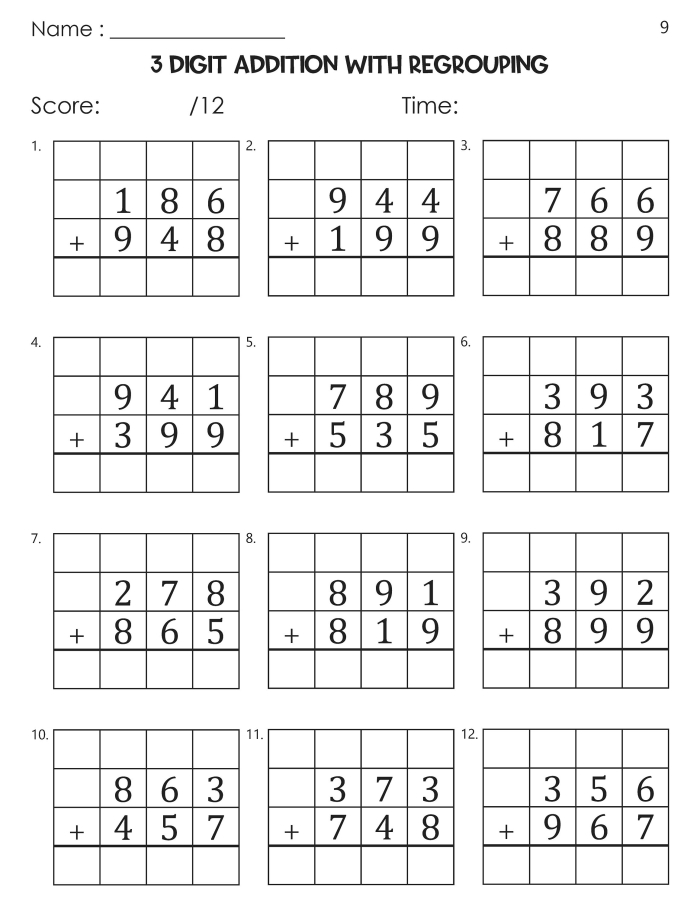
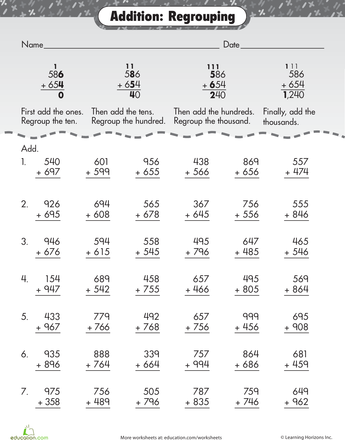
When you’re working with three-digit numbers like 247 plus 185, you can’t just add left to right the way you might naturally think. You start in the ones place, and if your sum reaches 10 or more, you’ve got to carry that extra ten over to the tens column. Then the same thing happens in the tens place, and possibly again in the hundreds place. For third grade learners, this juggling act requires focused practice to become automatic.
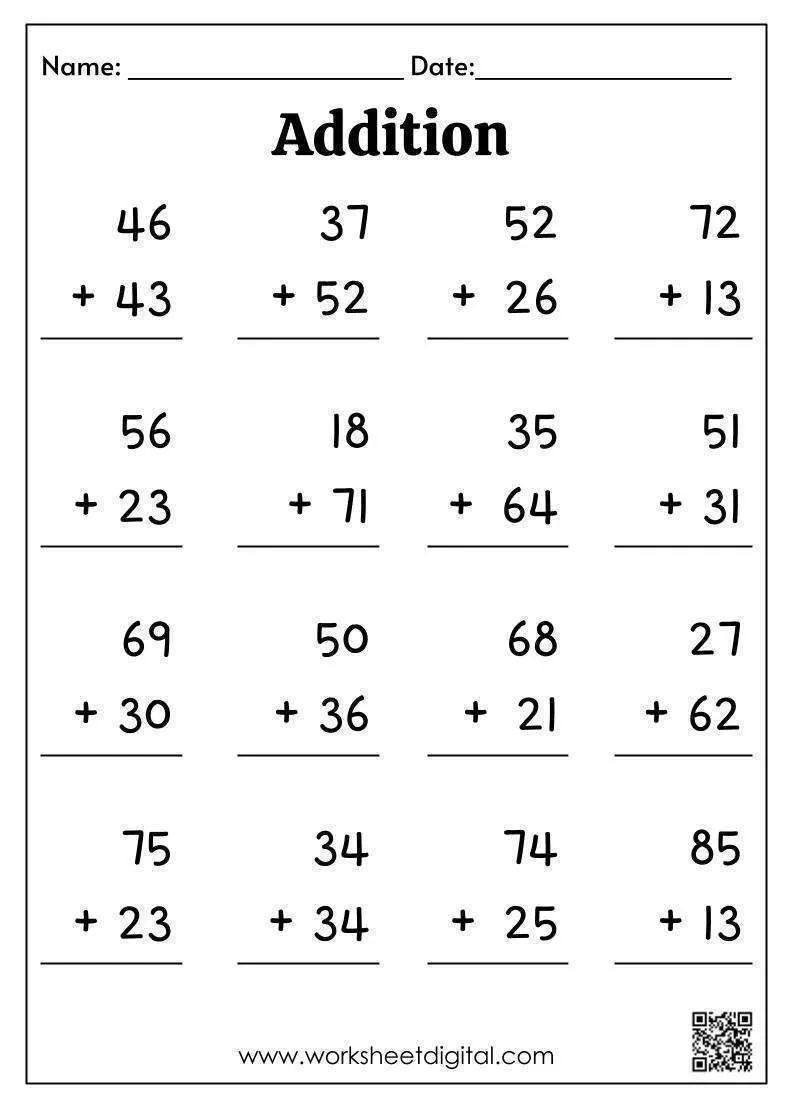
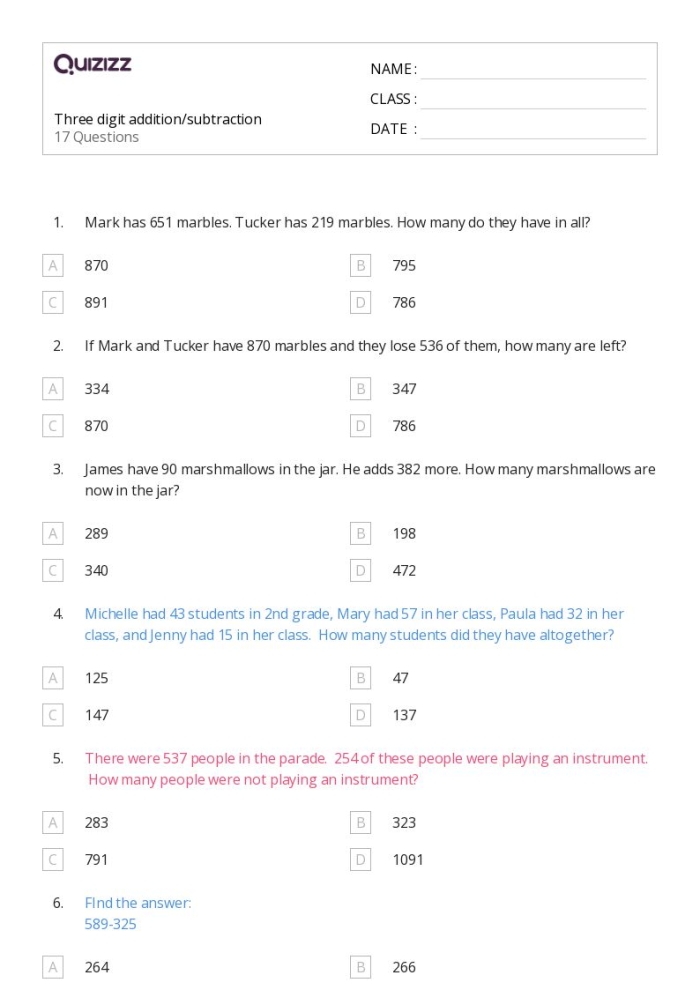
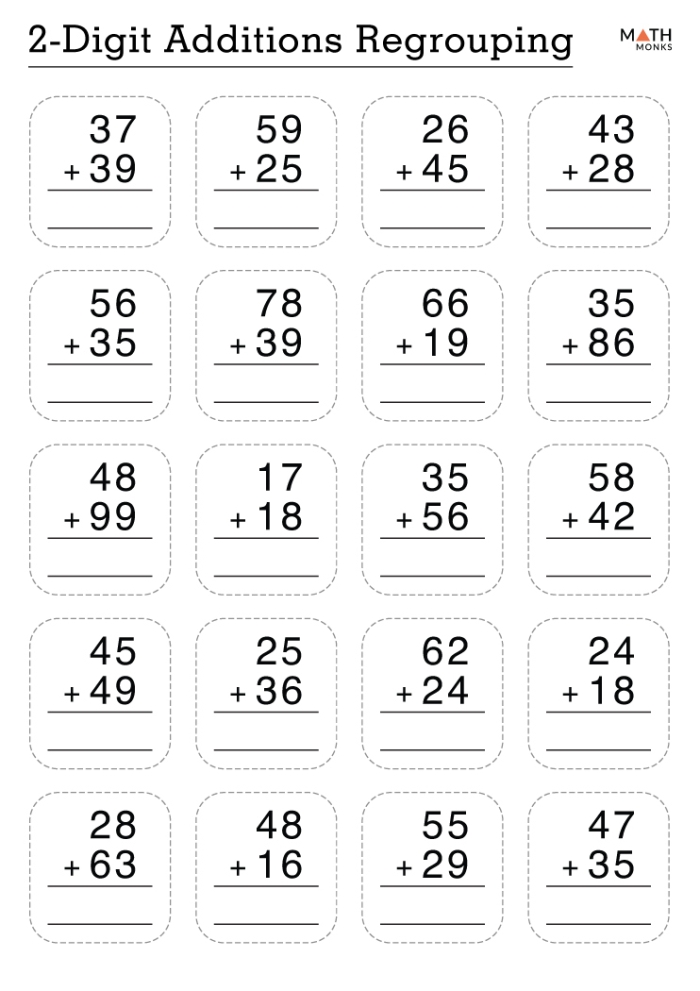
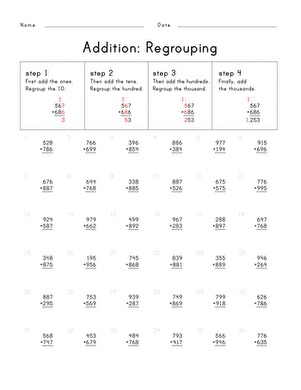
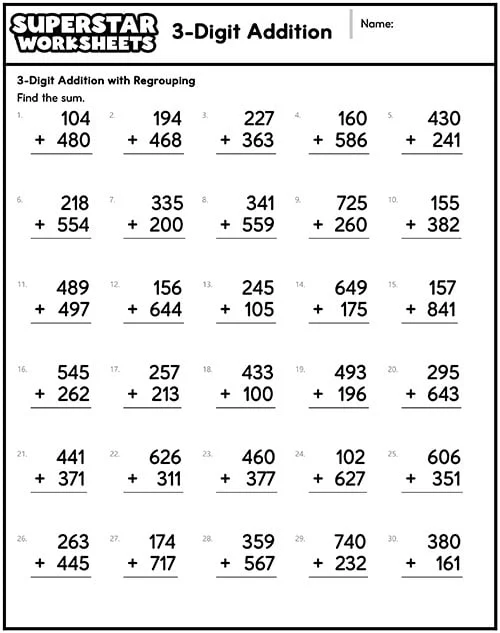
A set of 36 problems gives students enough repetition to move from confusion to confidence without overwhelming them. This volume allows you to space practice across several days or weeks, which research on learning shows is far more effective than cramming all problems into one session. Each problem reinforces the same regrouping mechanics while varying the specific numbers, so students learn the pattern rather than memorizing individual answers.
The problems work best when paired with other mathematical skills. For instance, understanding how inverse equations with multiplication function can actually help students see why regrouping works the way it does. Similarly, working through word problems like those in fraction-based story problems teaches students to recognize when they need to use addition with regrouping in real contexts.
Beyond the worksheet itself, third grade students benefit from manipulatives like base-ten blocks or even drawing pictures of the regrouping process. Seeing the physical representation of bundling ten ones into one ten makes the abstract concept concrete. Once students can visualize what’s happening, the symbolic notation on paper makes much more sense.
Boost Skills with These Worksheets