Understanding why prices go up and down at the grocery store or gas station connects directly to one of the most important concepts in economics: supply and demand. When sixth grade students grasp how these forces work, they start seeing the world through an economic lens that explains real behavior in markets around them.
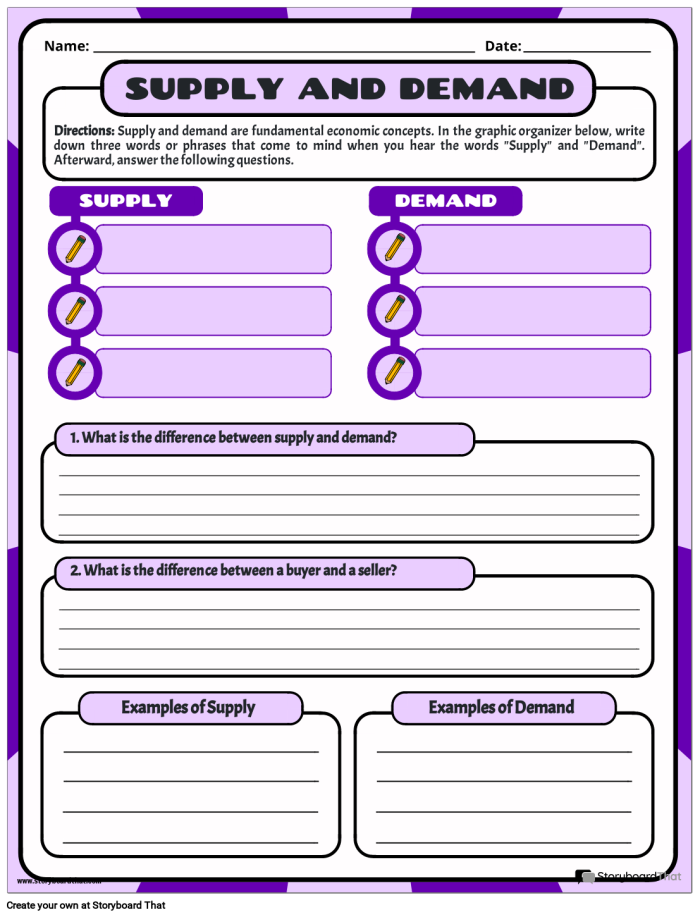
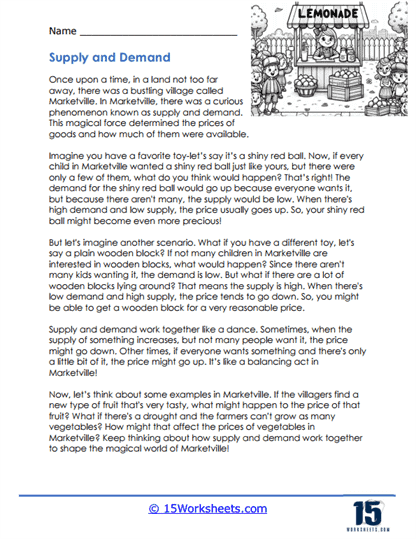
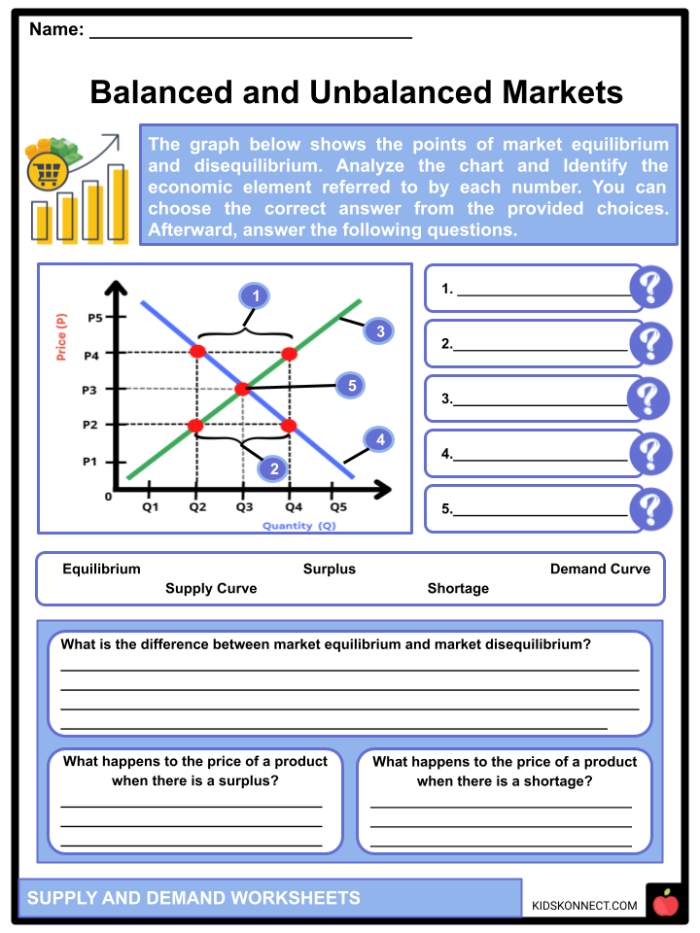
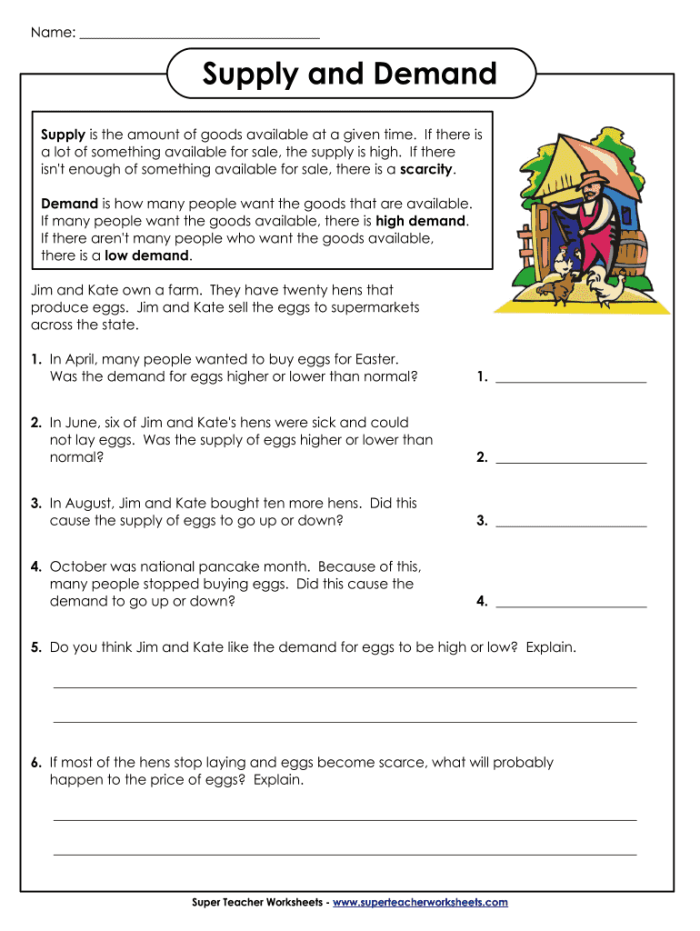
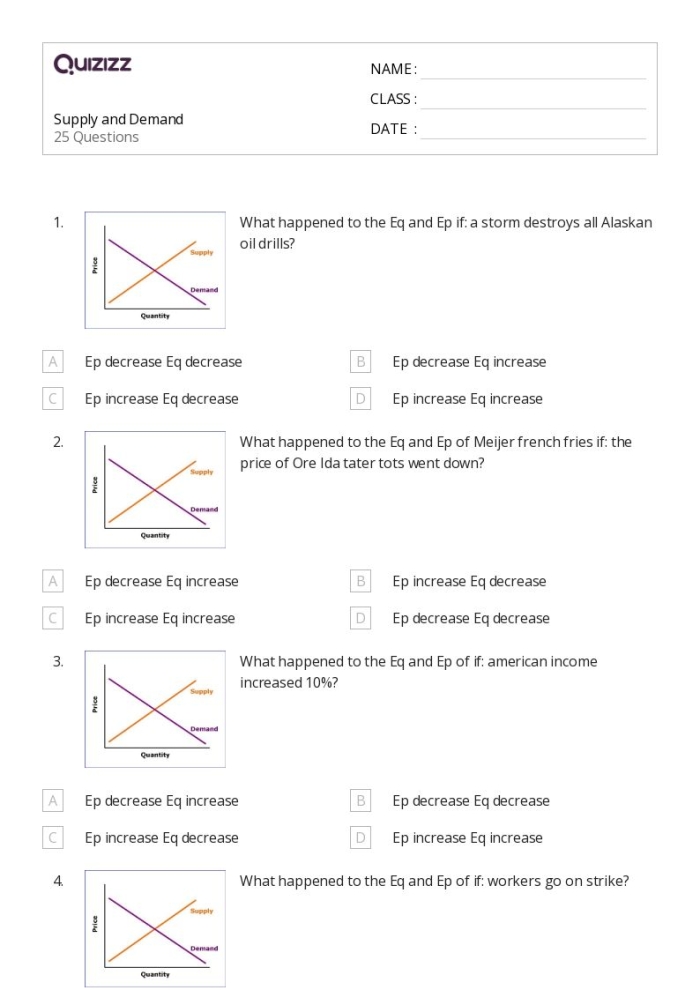
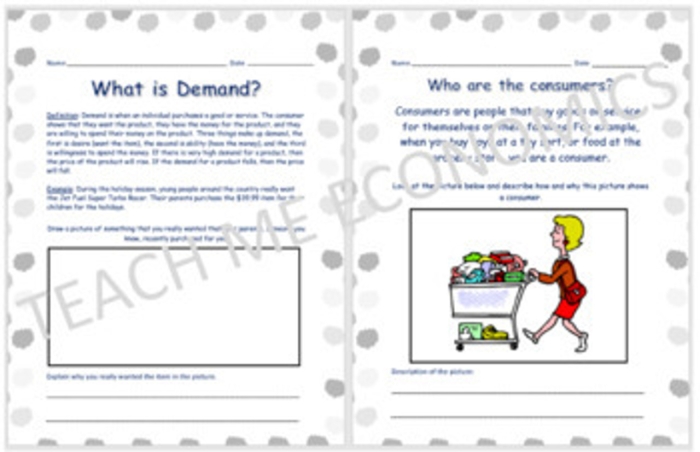
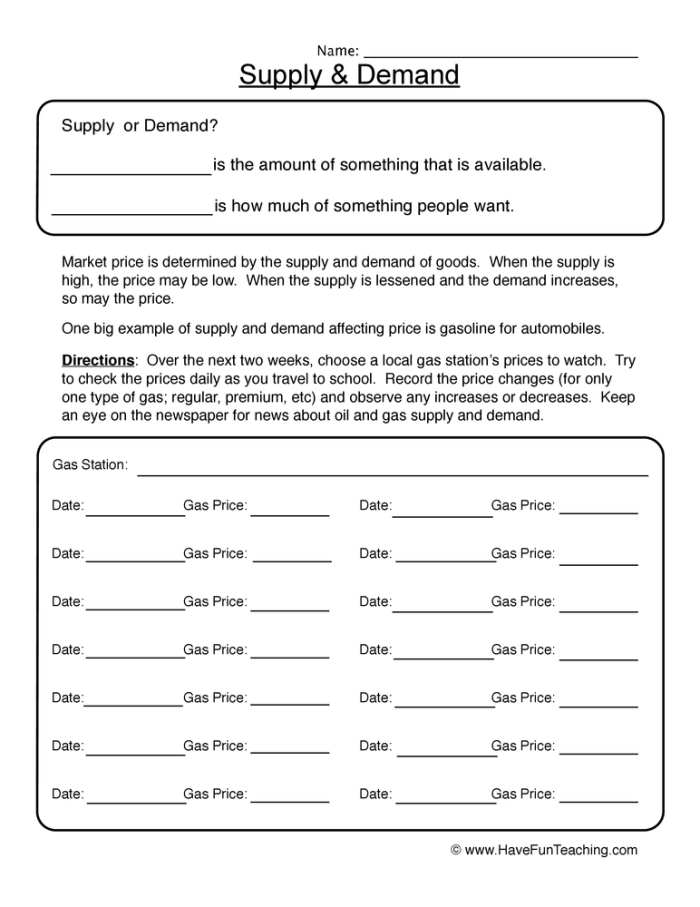
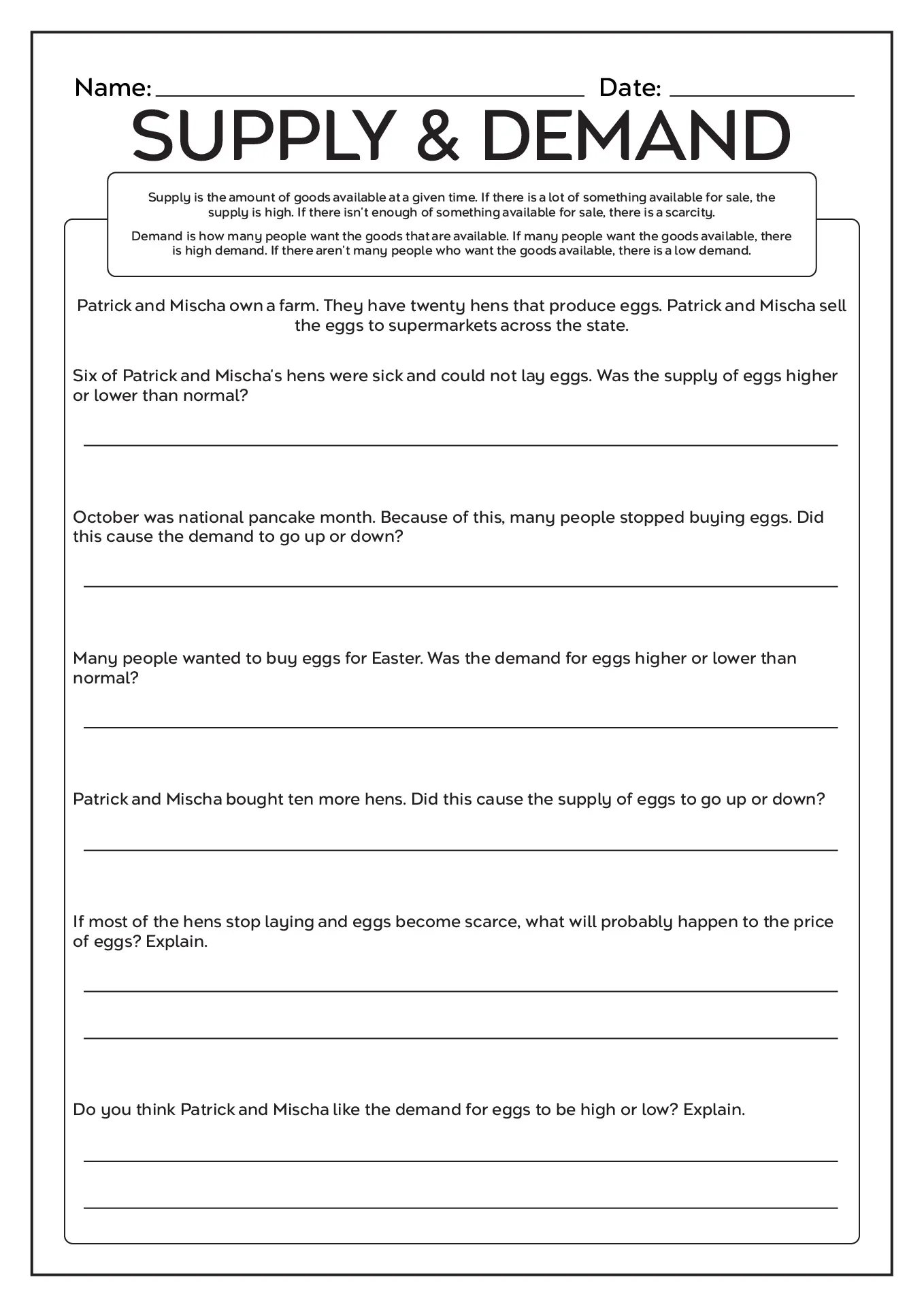
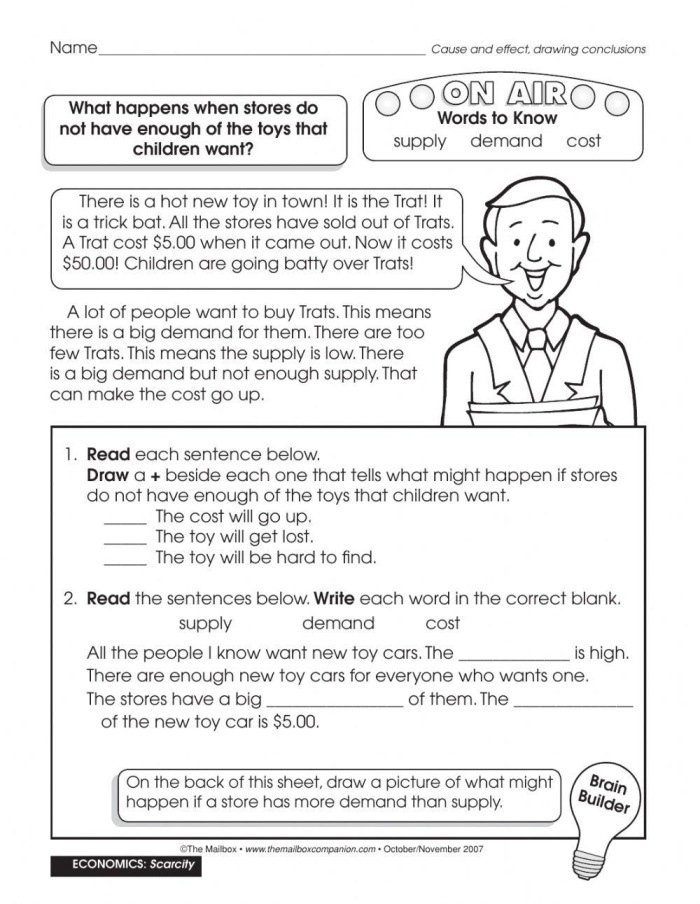
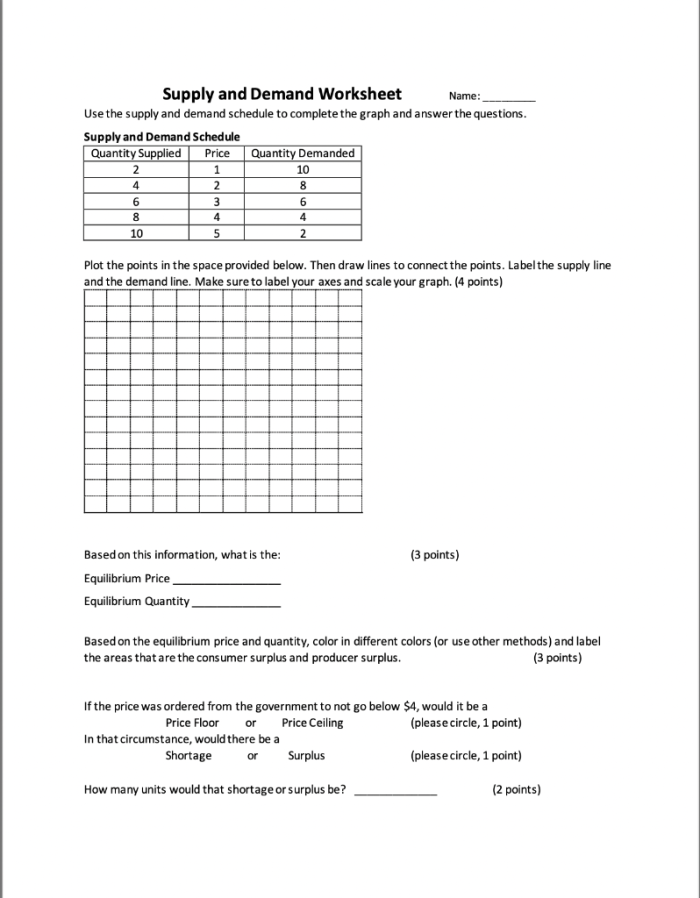
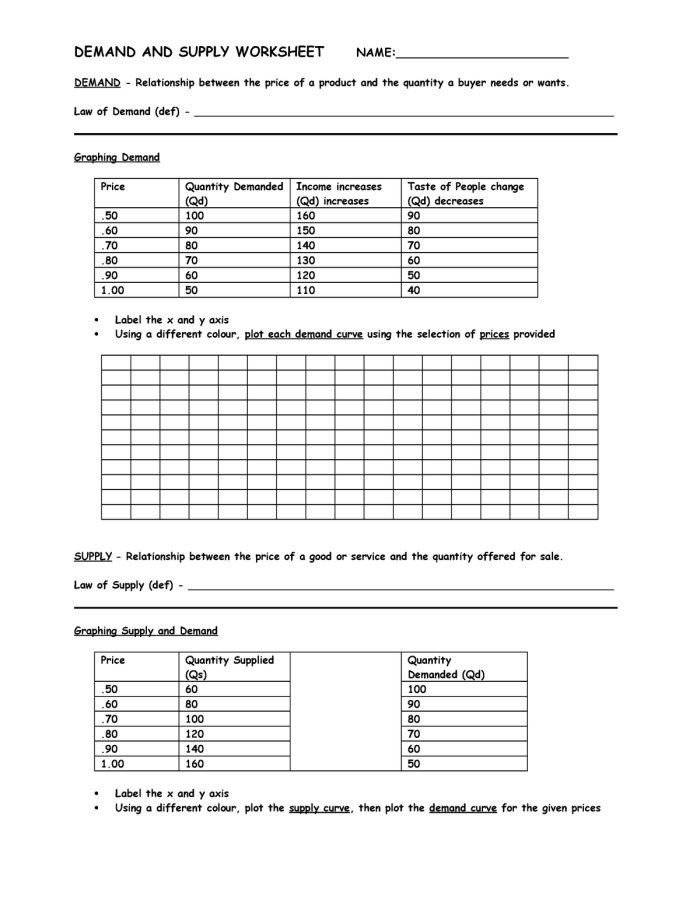
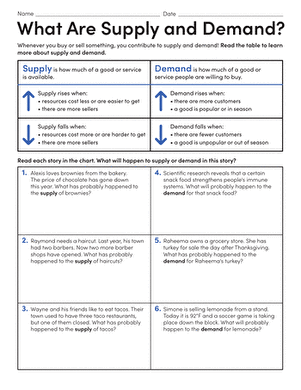
Supply refers to how much of a product is available for sale. Demand is how many people want to buy that product. When demand is high but supply is low, prices typically rise. Think about concert tickets: if a popular band announces only ten shows nationwide but millions want to attend, ticket prices climb quickly. The opposite happens when supply exceeds demand. A clothing store with too many winter coats in spring might discount them heavily to clear inventory.
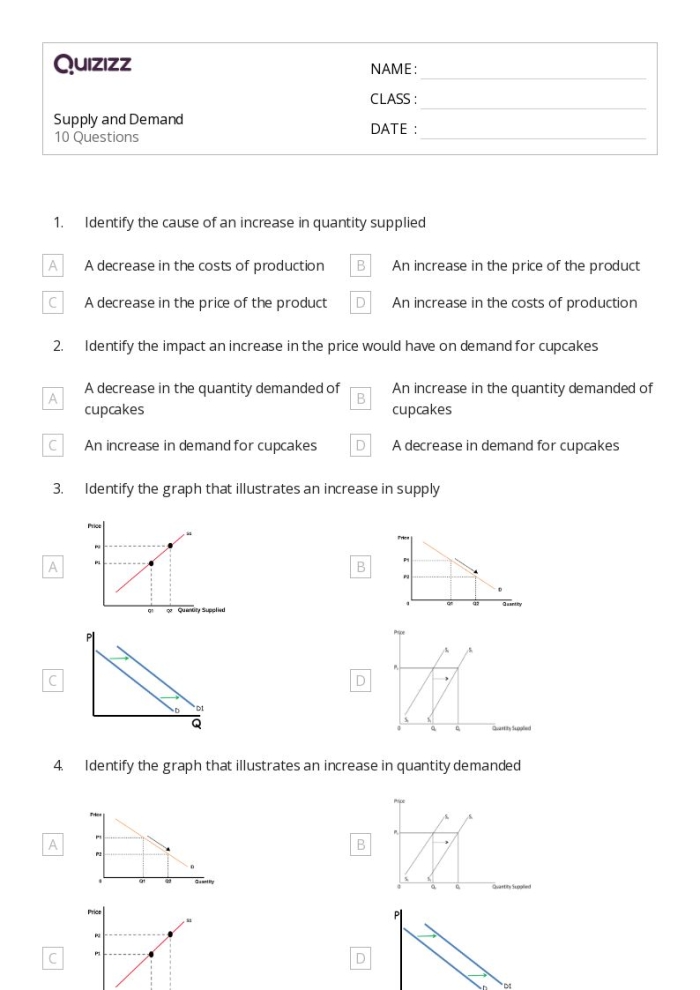
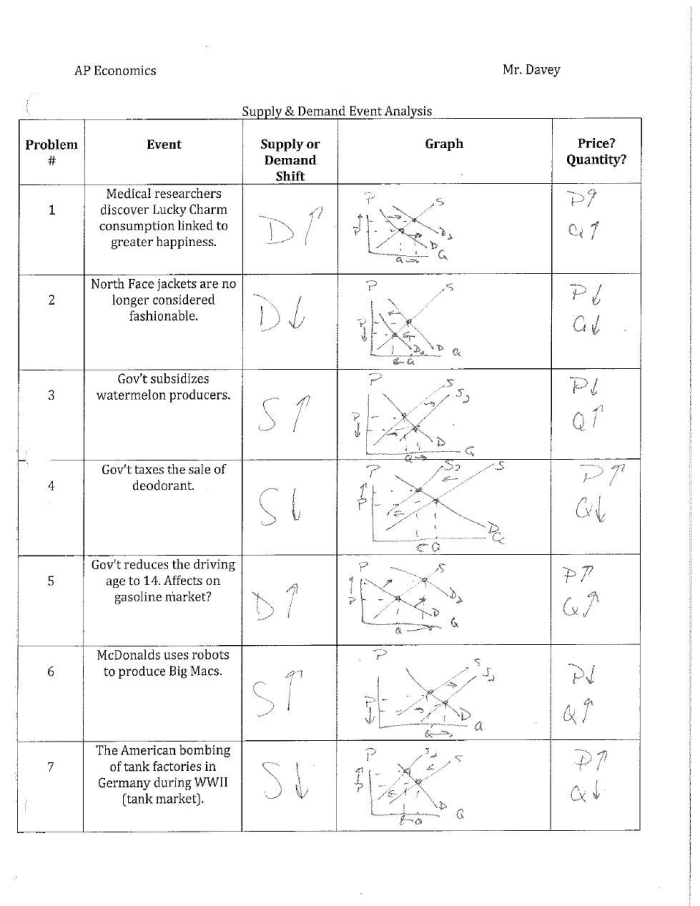
The causes behind these forces matter for understanding economics at a deeper level. Demand increases when people have more money to spend, when a product becomes trendy, or when weather changes (like needing umbrellas during rainy season). Supply changes based on production costs, availability of raw materials, and how many producers enter the market. A drought reduces the supply of wheat, which drives up bread prices. New smartphone technology creates demand that manufacturers struggle to meet initially.
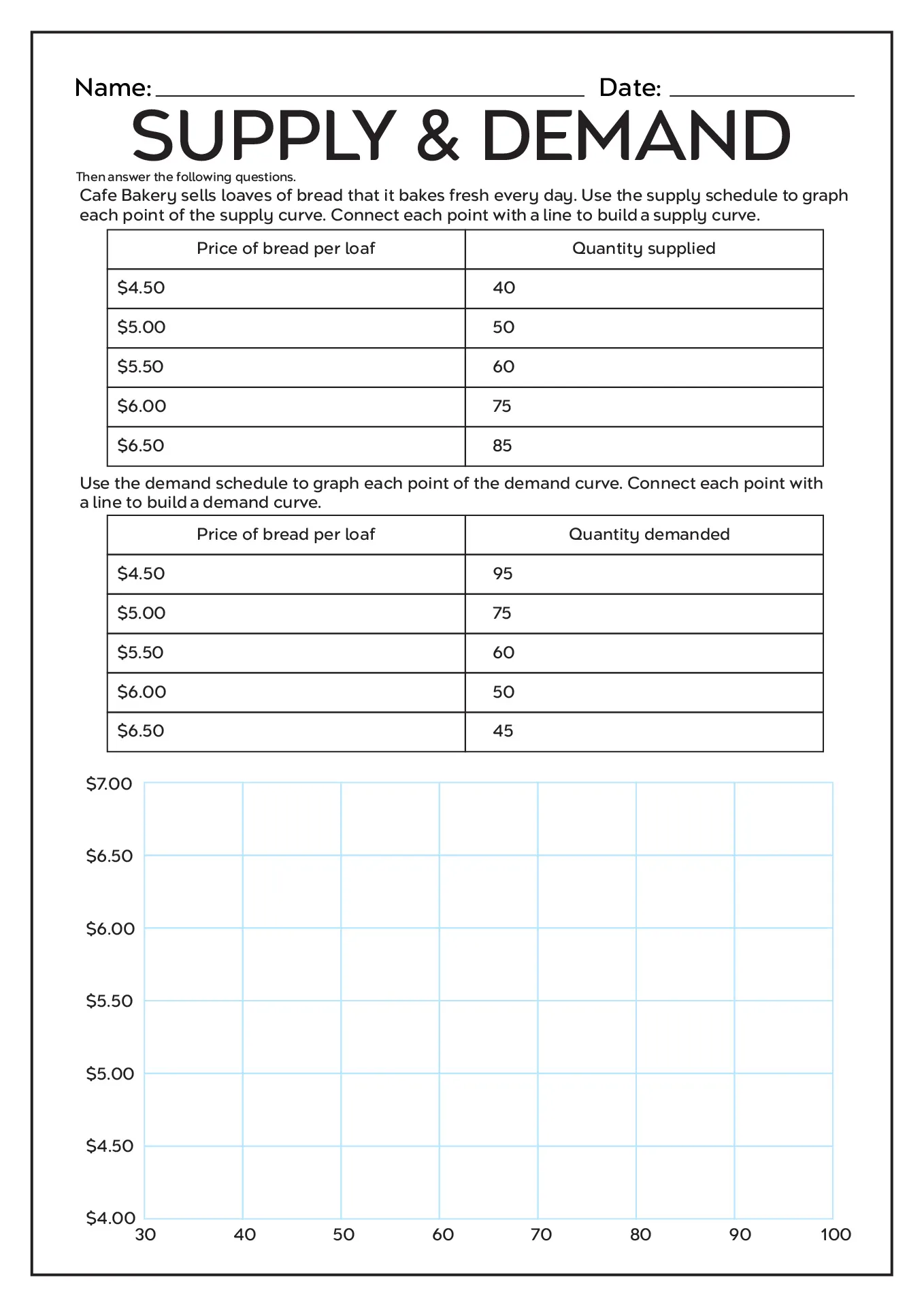
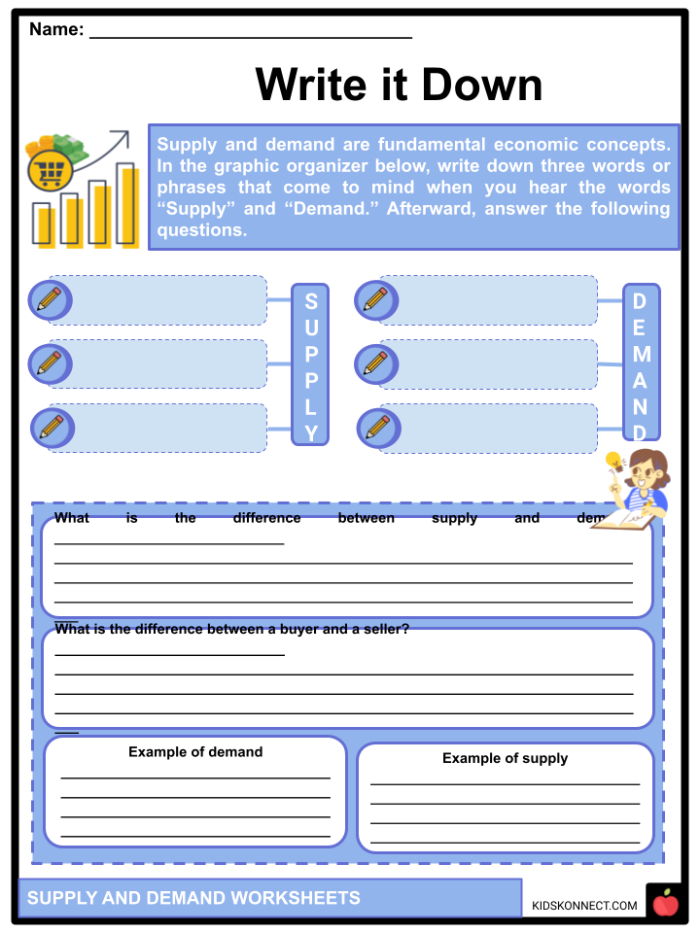
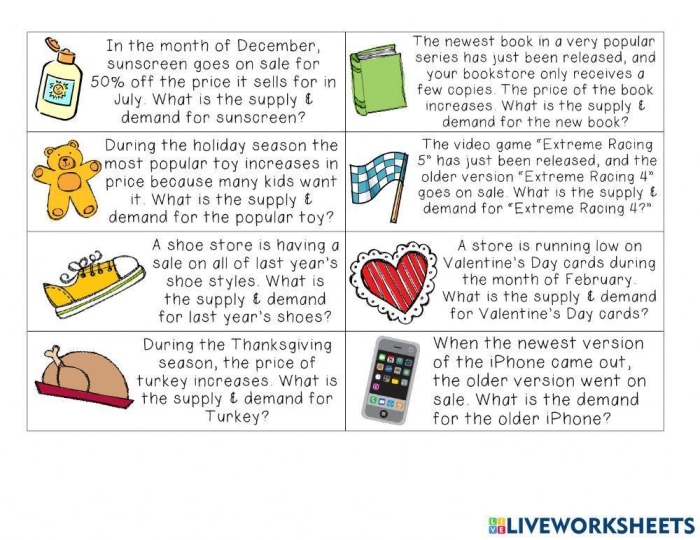
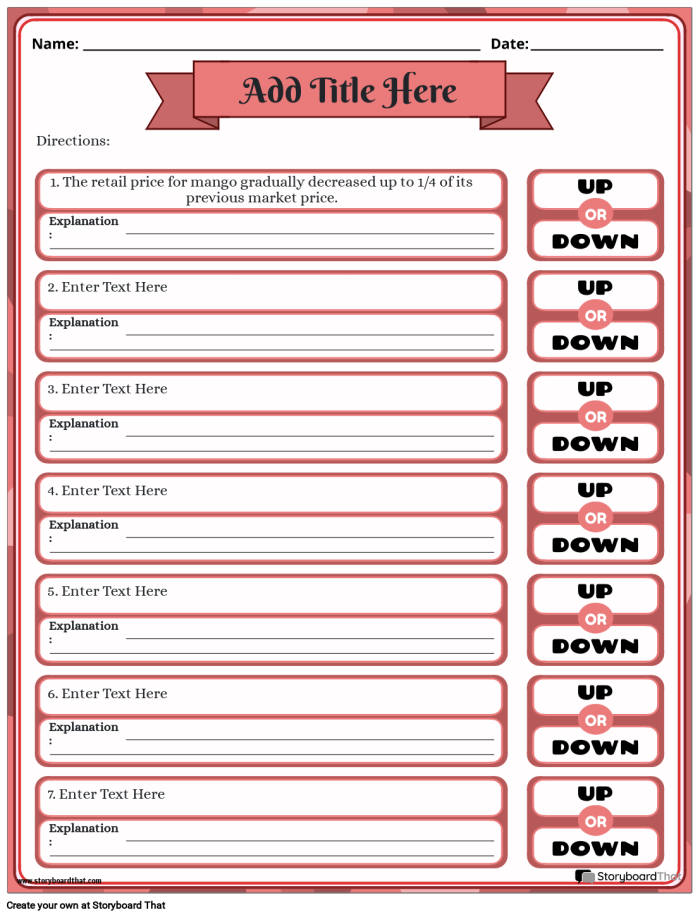
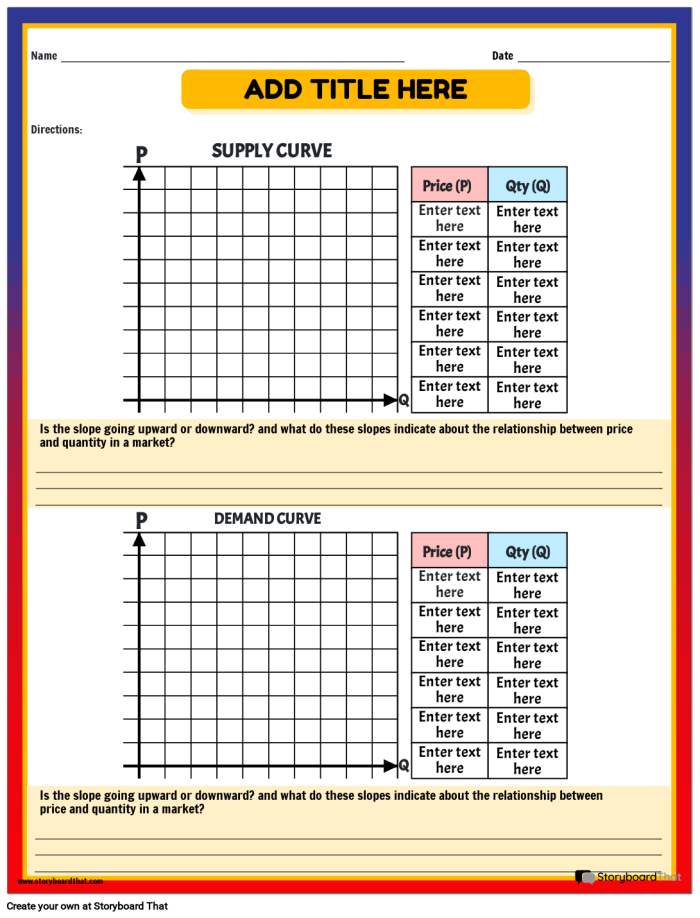
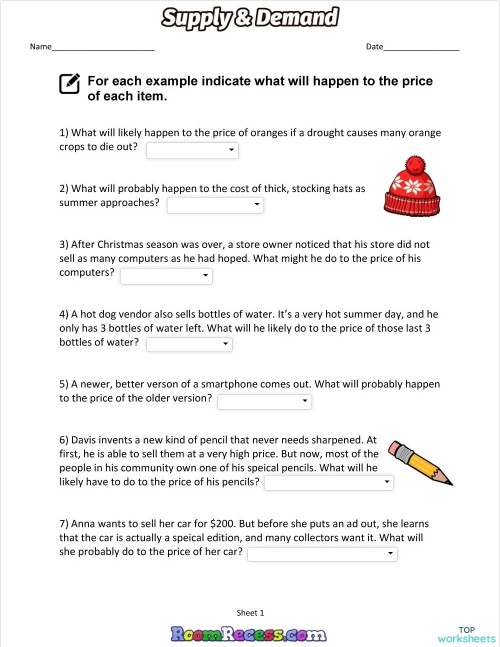
For sixth grade learners, worksheets that explore these concepts help build critical thinking about everyday transactions. These addition-based practice materials guide students through calculating price changes and understanding cause-and-effect relationships in markets. Learning about supply and demand pairs well with other social studies topics, such as ancient civilizations and trade routes or how resources shaped historical conflicts.
By working through structured practice problems, students develop the ability to predict how market changes affect their own lives and communities. This foundation prepares them for more advanced economics courses and helps them become informed consumers and citizens.
Printable Worksheets for Practice