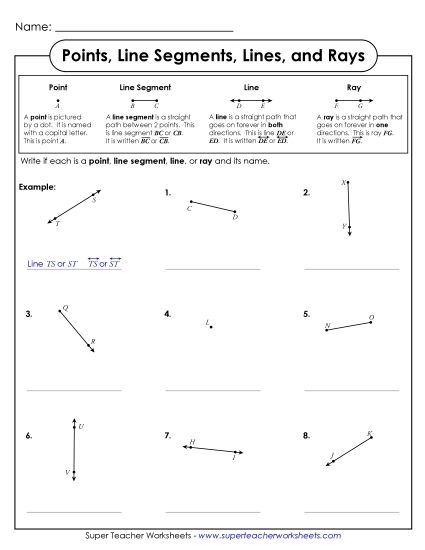
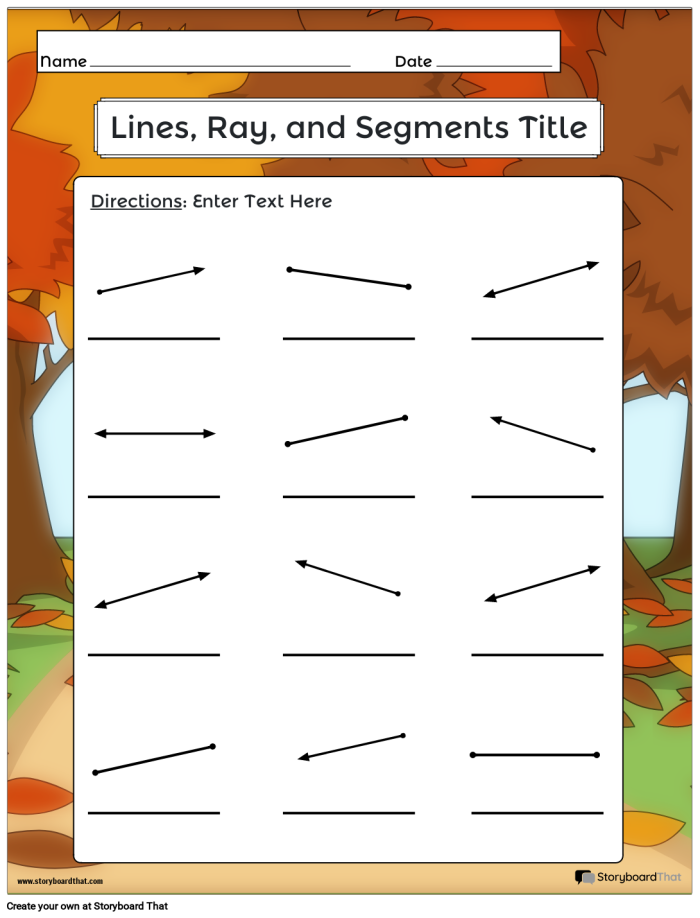
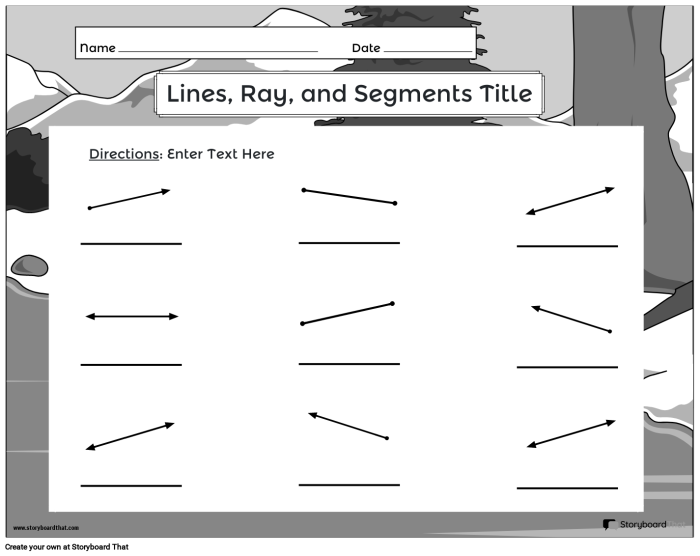
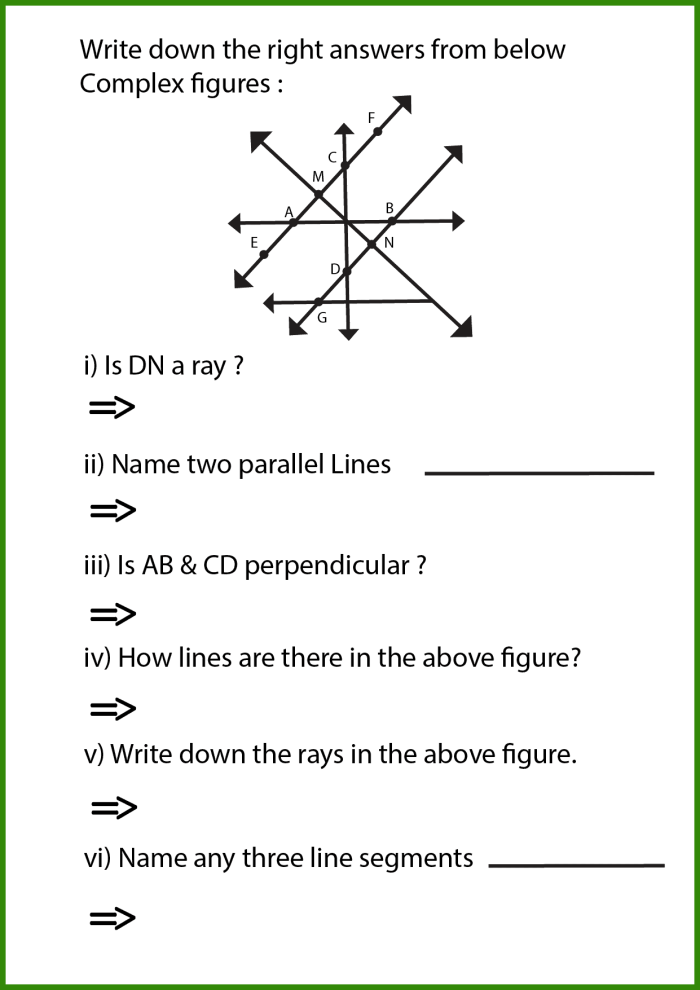
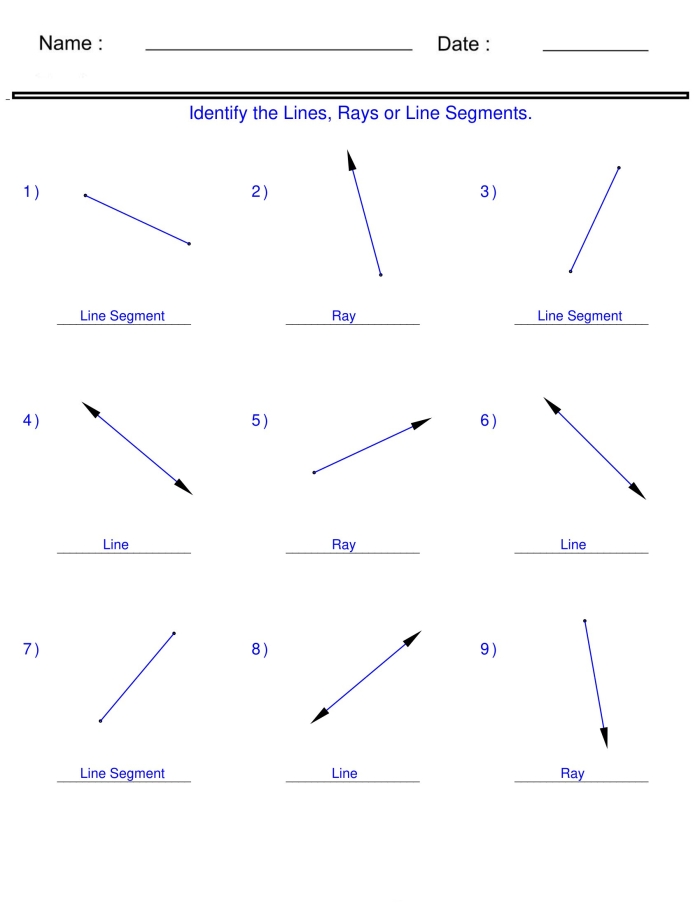
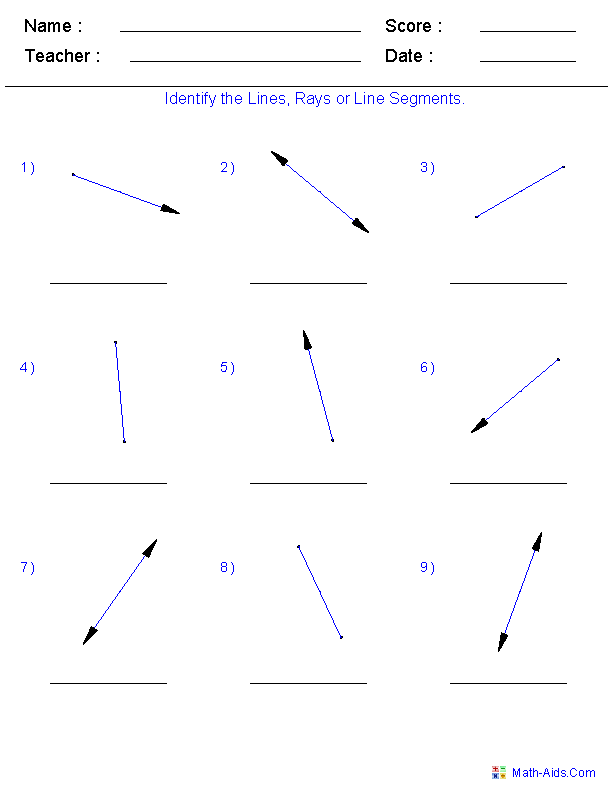
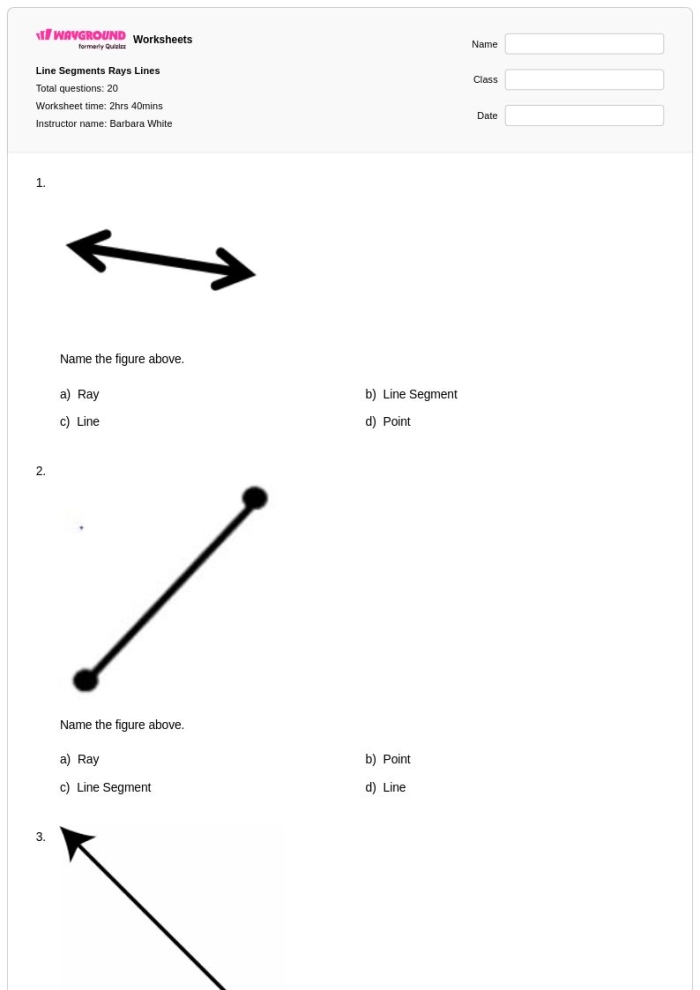
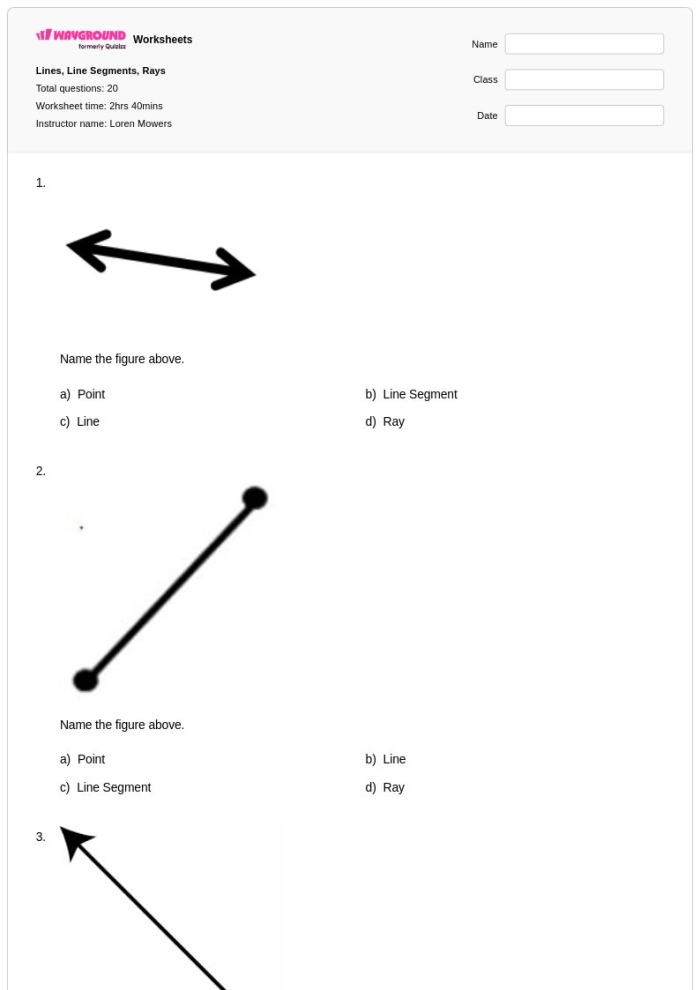
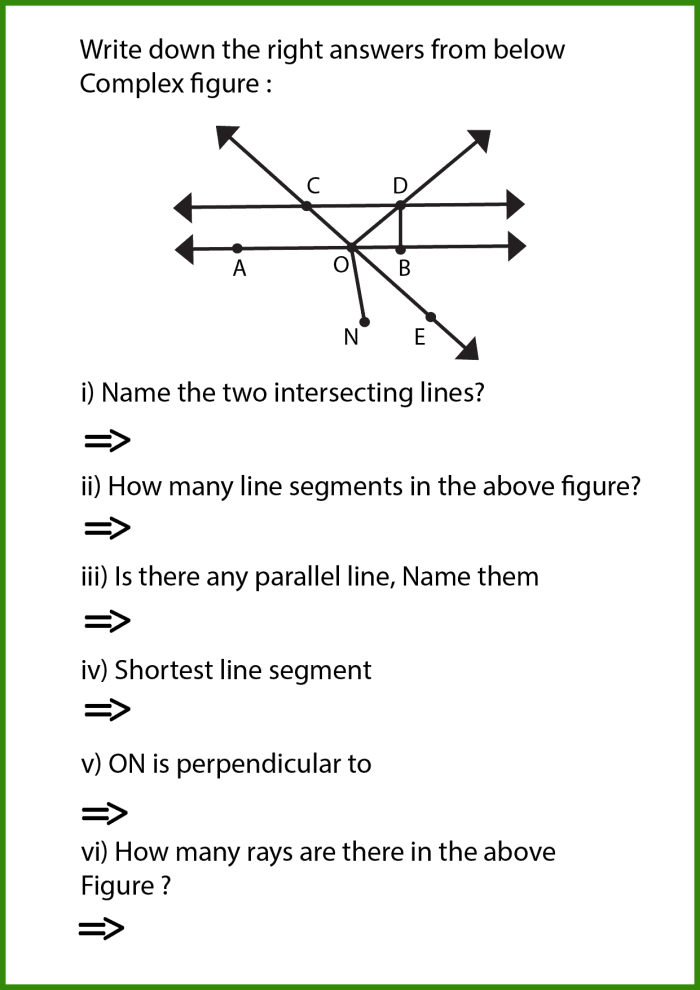
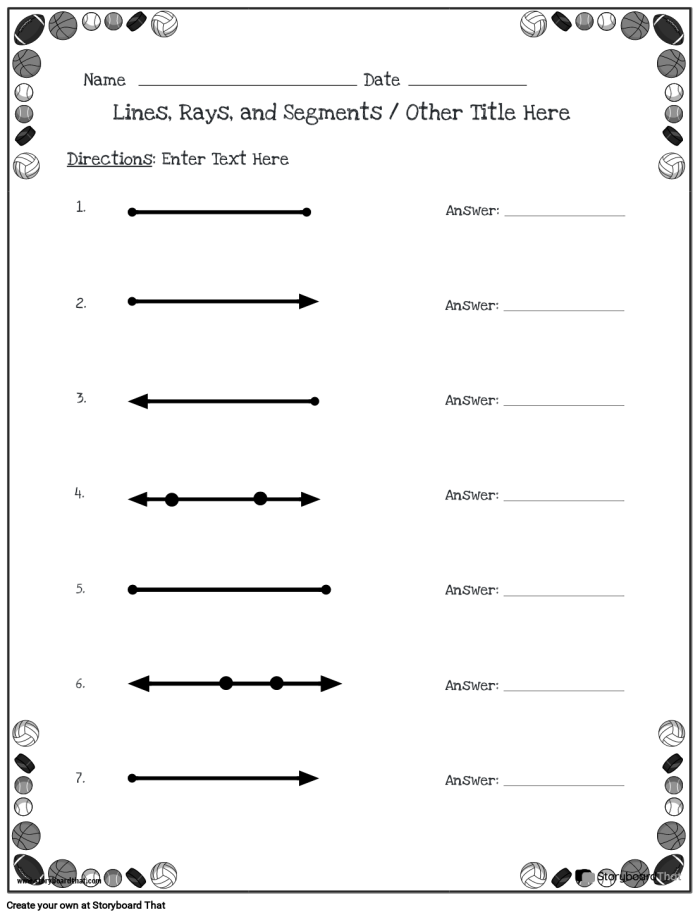
Geometry becomes much clearer when children can actually see the difference between a line, a line segment, and a ray. Third grade is the perfect time to introduce these foundational concepts, and a well-designed worksheet makes the learning stick. Rather than just reading definitions, kids benefit from hands-on practice that lets them identify and label these shapes themselves.
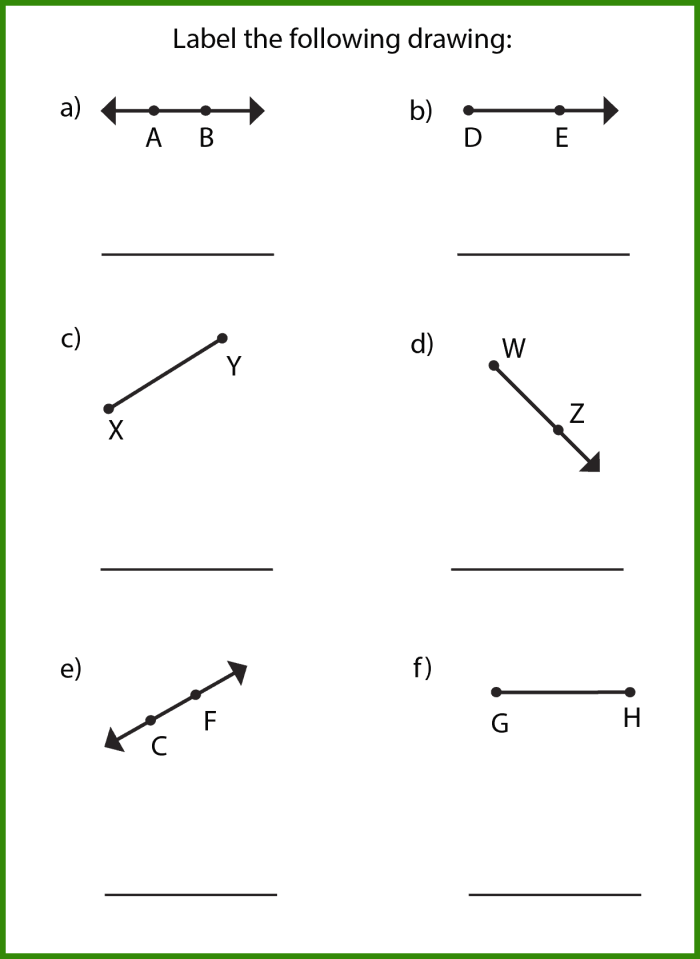
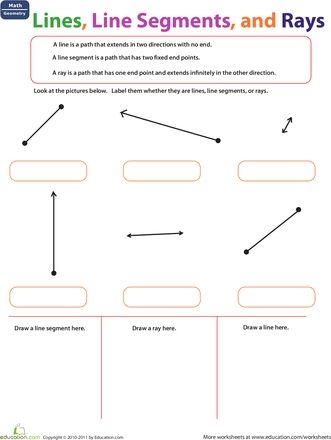
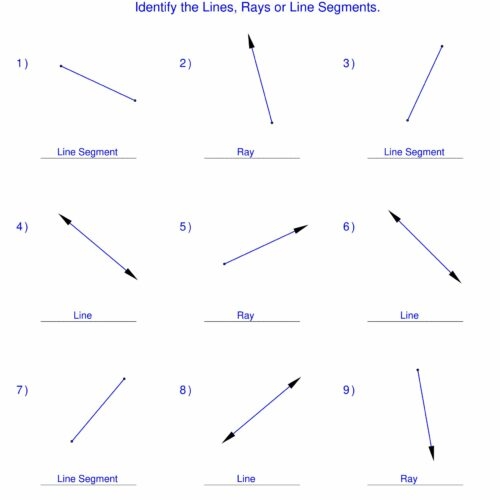
A line extends infinitely in both directions, marked by arrows on each end. A line segment, by contrast, has two definite endpoints and stops there. A ray starts at one point and travels infinitely in only one direction. These distinctions matter because they form the building blocks for understanding angles, polygons, and eventually more complex geometric relationships. When third graders practice identifying these elements on a worksheet, they’re building the visual literacy they’ll need for geometry throughout middle and high school.
The best worksheets include a mix of labeled examples and unlabeled diagrams where students must identify which type of line they’re looking at. Some problems ask children to draw their own lines, segments, and rays based on given instructions. This combination of recognition and creation helps cement the concepts. You might pair this geometry practice with other math skills, such as measurement word problems involving grams and kilograms, since understanding spatial relationships connects to understanding measurement.
When your child works through a geometry worksheet on lines and rays, encourage them to use a ruler and pencil for accuracy. Ask them to explain what makes each shape different from the others. This verbal practice reinforces their understanding beyond what the worksheet alone can accomplish. Over time, these concepts become automatic, and your child will approach geometry with genuine confidence rather than confusion.
Hands-On Worksheet Activities