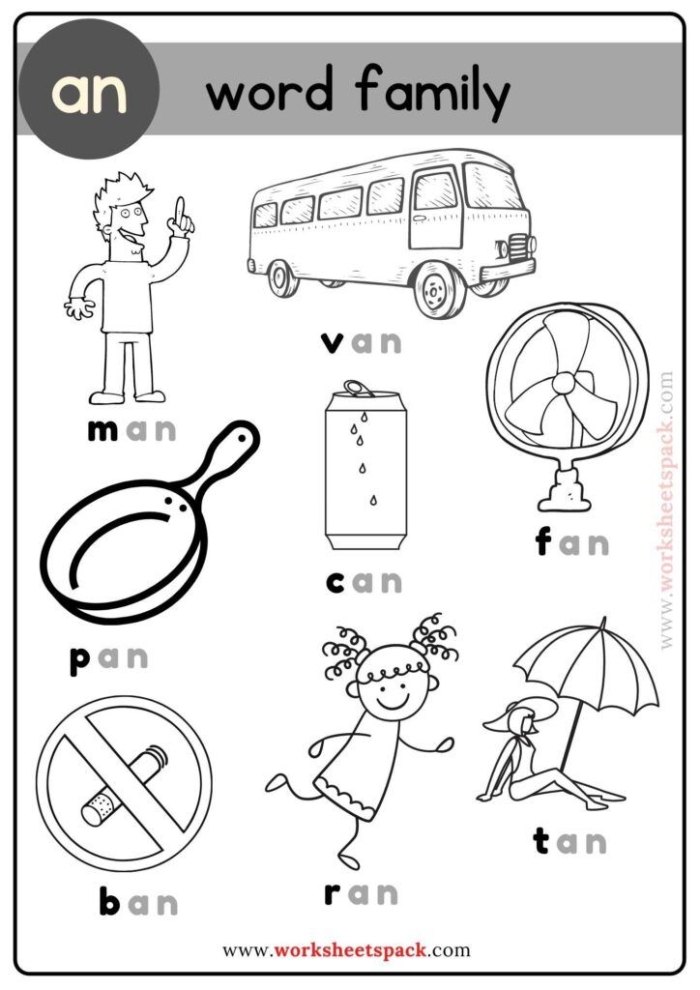
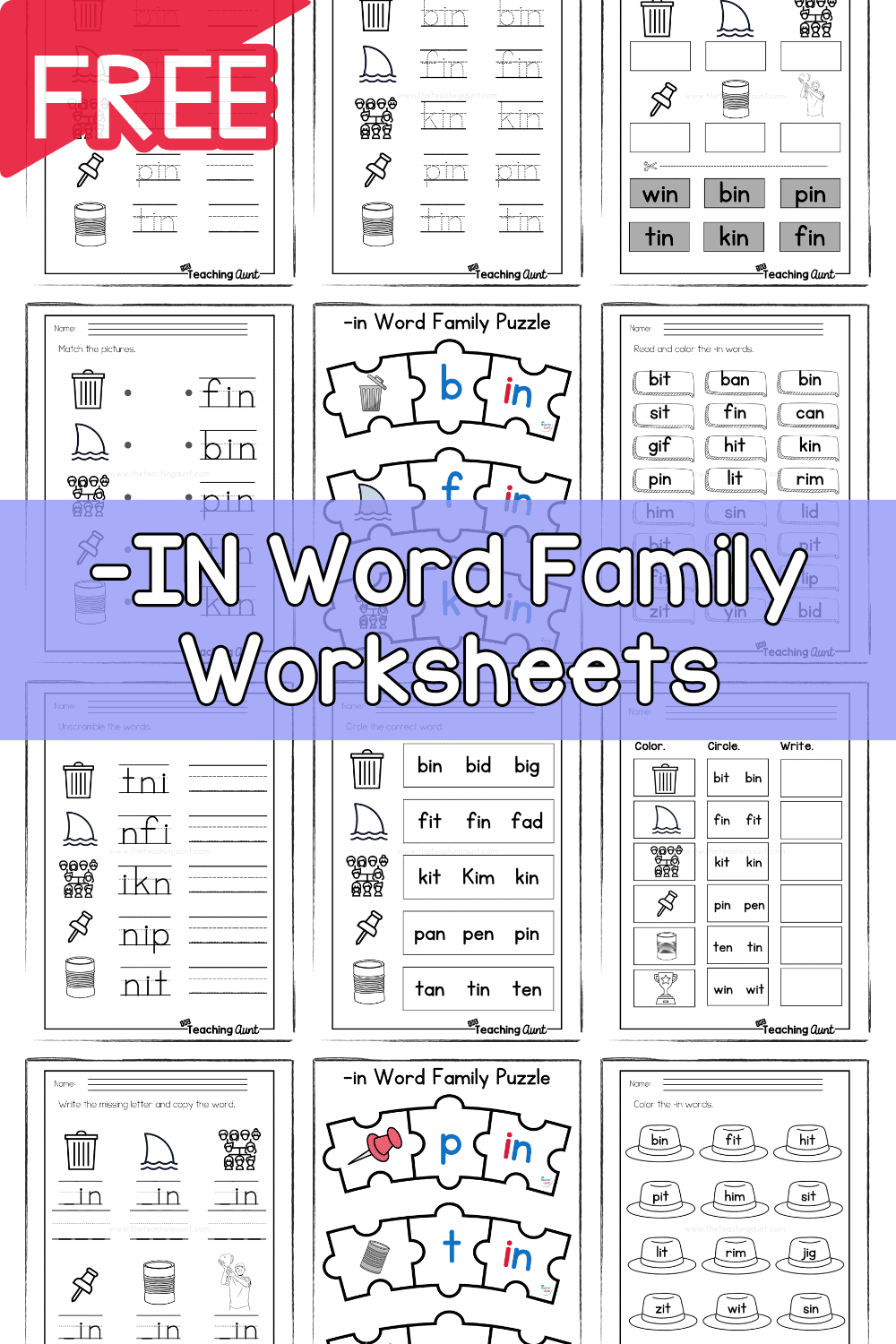
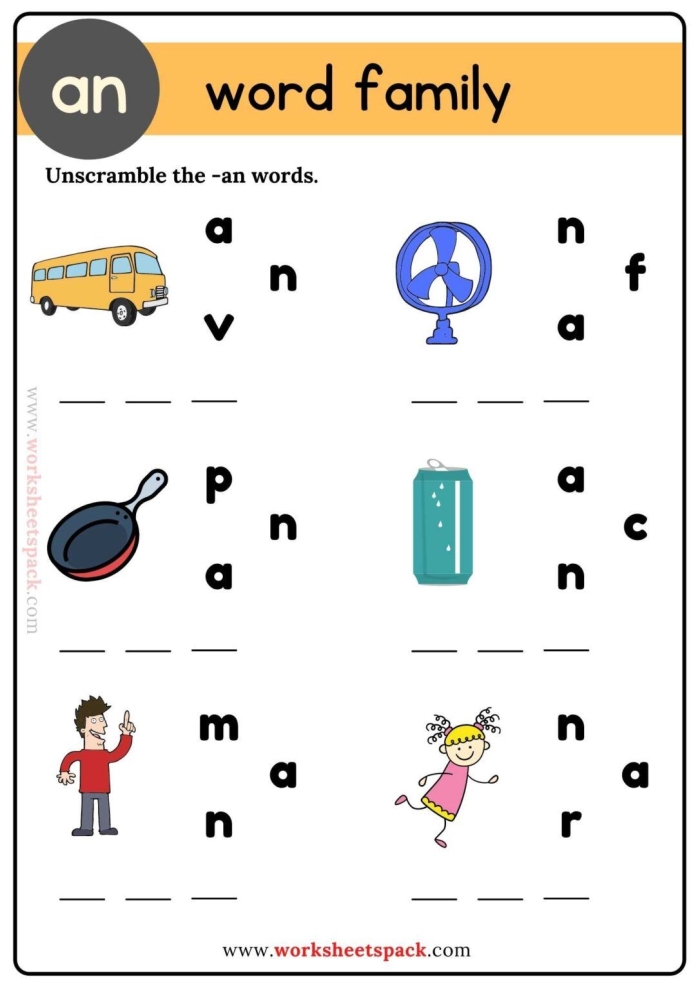
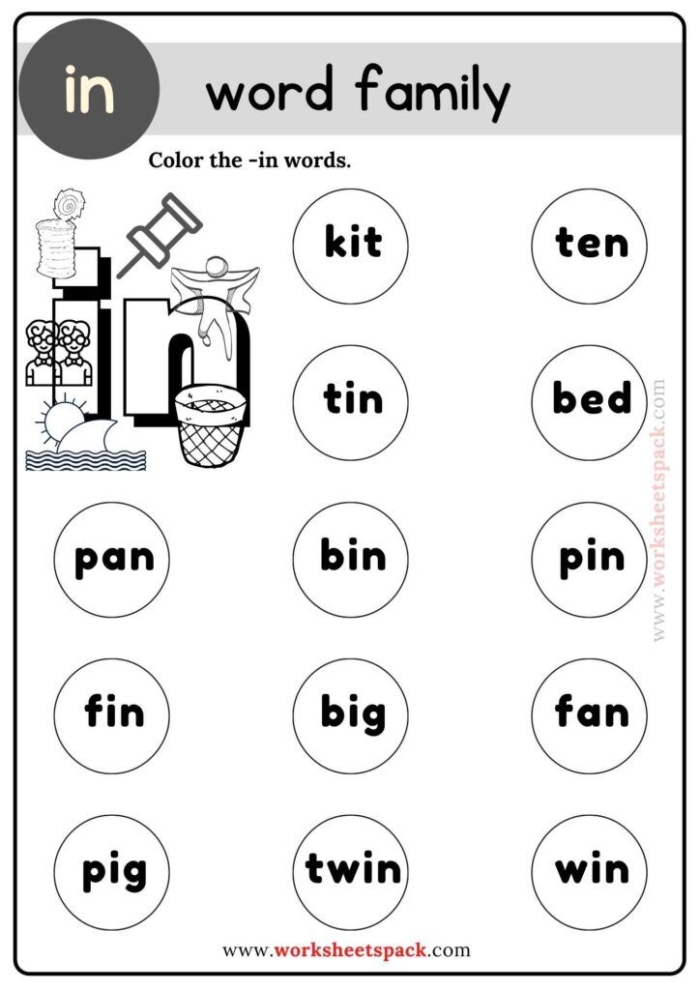
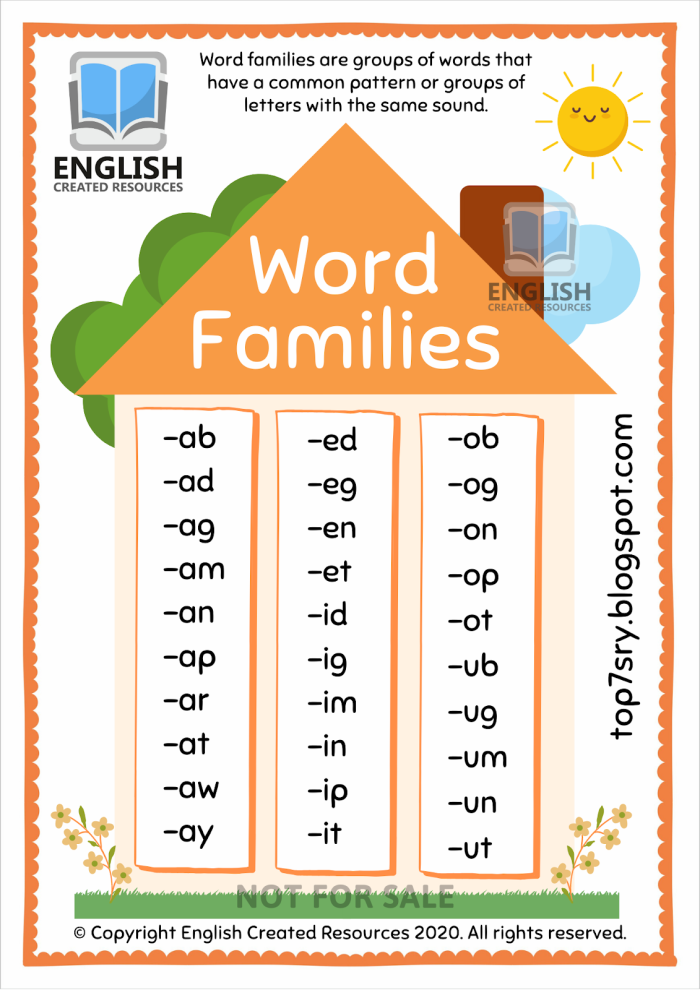
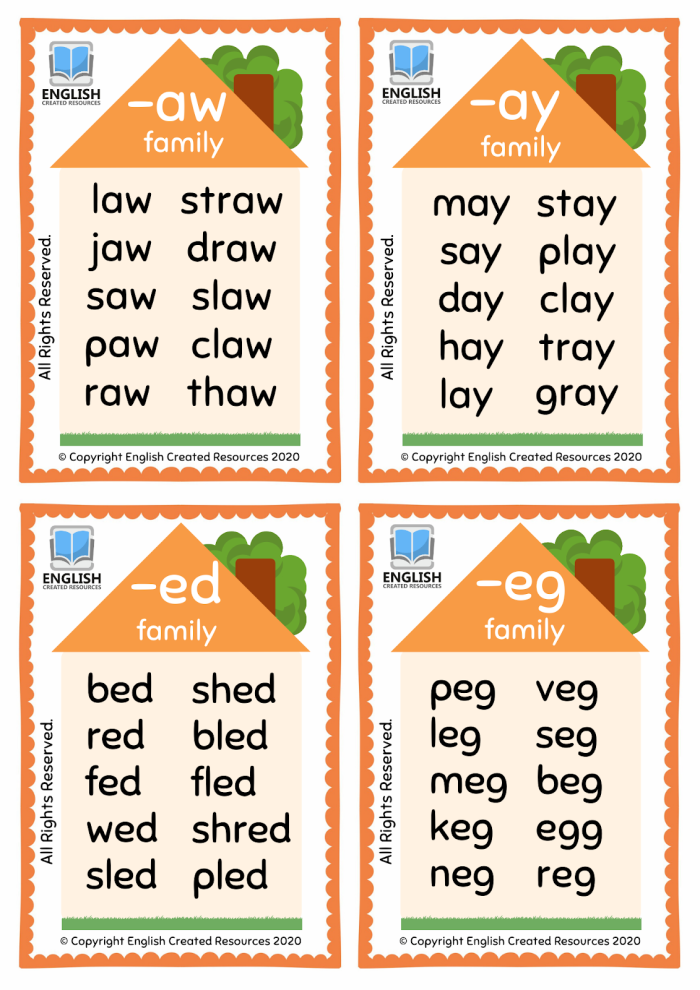
Word families are one of the most effective tools for teaching kindergarten students to read and write with confidence. The “-ug” word family sits at the heart of this approach, offering a simple yet powerful pattern that children can recognize and apply across multiple words.
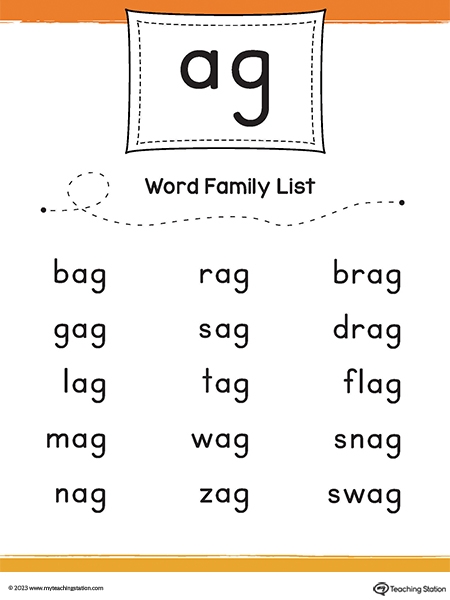
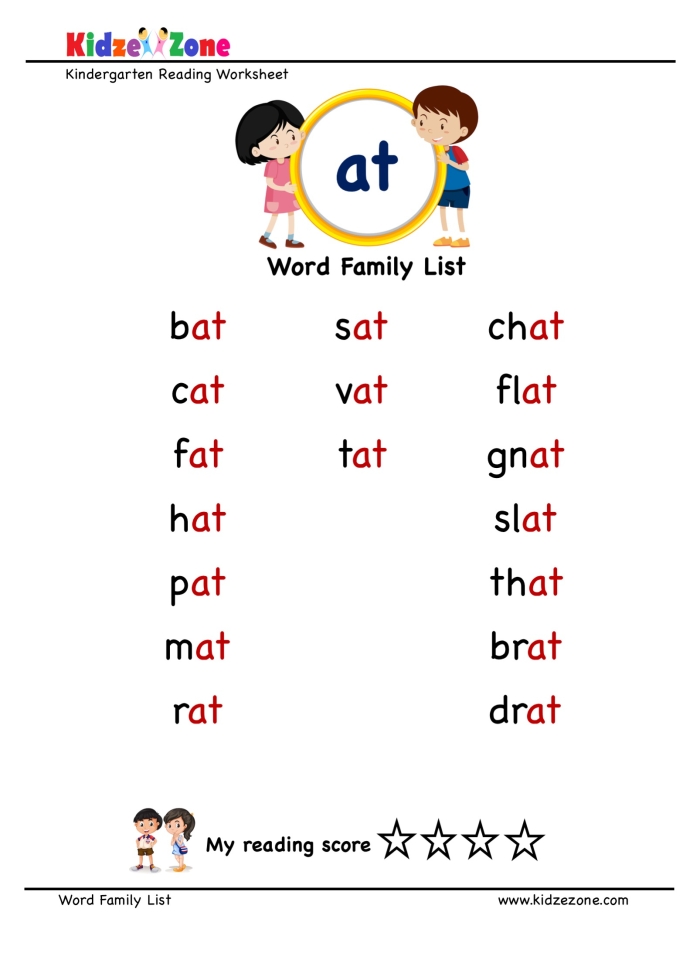
More than a dozen common words end with “-ug”: bug, dug, hug, jug, lug, mug, pug, rug, shrug, slug, snug, thug, and tug. This collection gives young learners plenty of material to work with without overwhelming them. Each word follows the same ending pattern, which means once a child recognizes the “-ug” chunk, they can decode new words much faster. The repetition builds automaticity, a crucial skill for fluent reading.
Using worksheets focused on the “-ug” word family helps children understand that letters work in predictable groups. Rather than memorizing each word as a separate entity, they learn to break words into manageable parts. This phonetic awareness directly supports both reading comprehension and spelling accuracy. When kindergarteners grasp this concept with “-ug” words, they’re ready to apply the same strategy to other families like “-ig” or “-in” patterns.
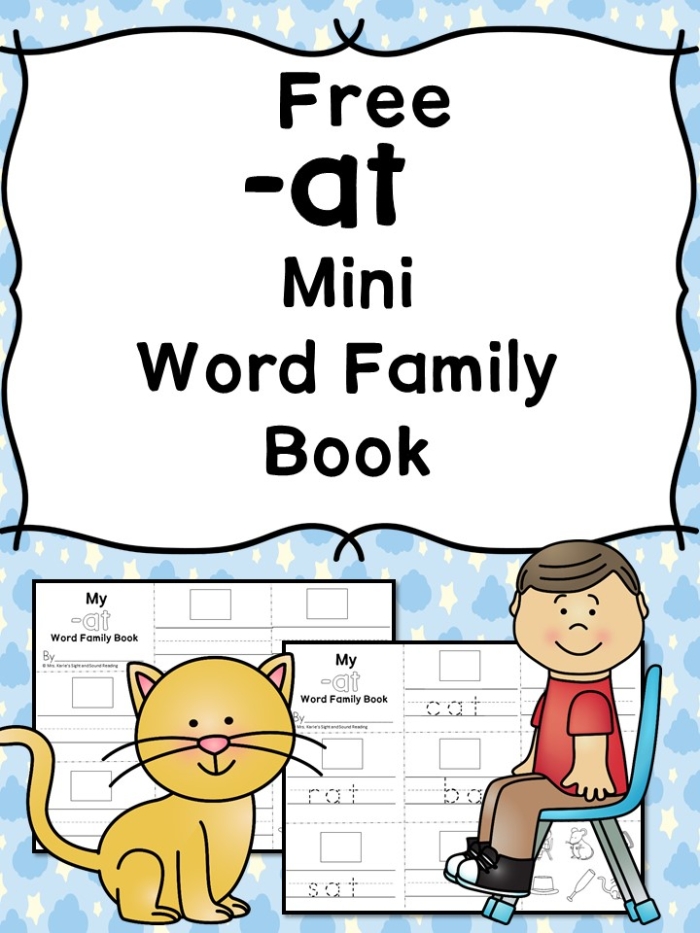
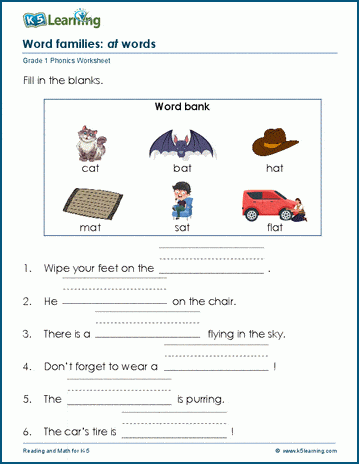
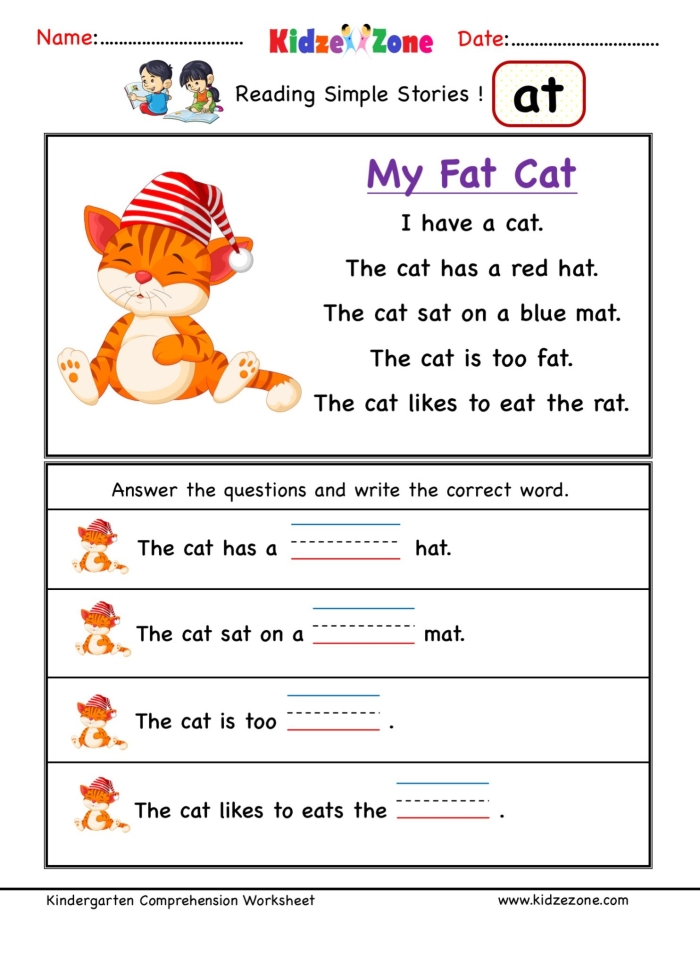
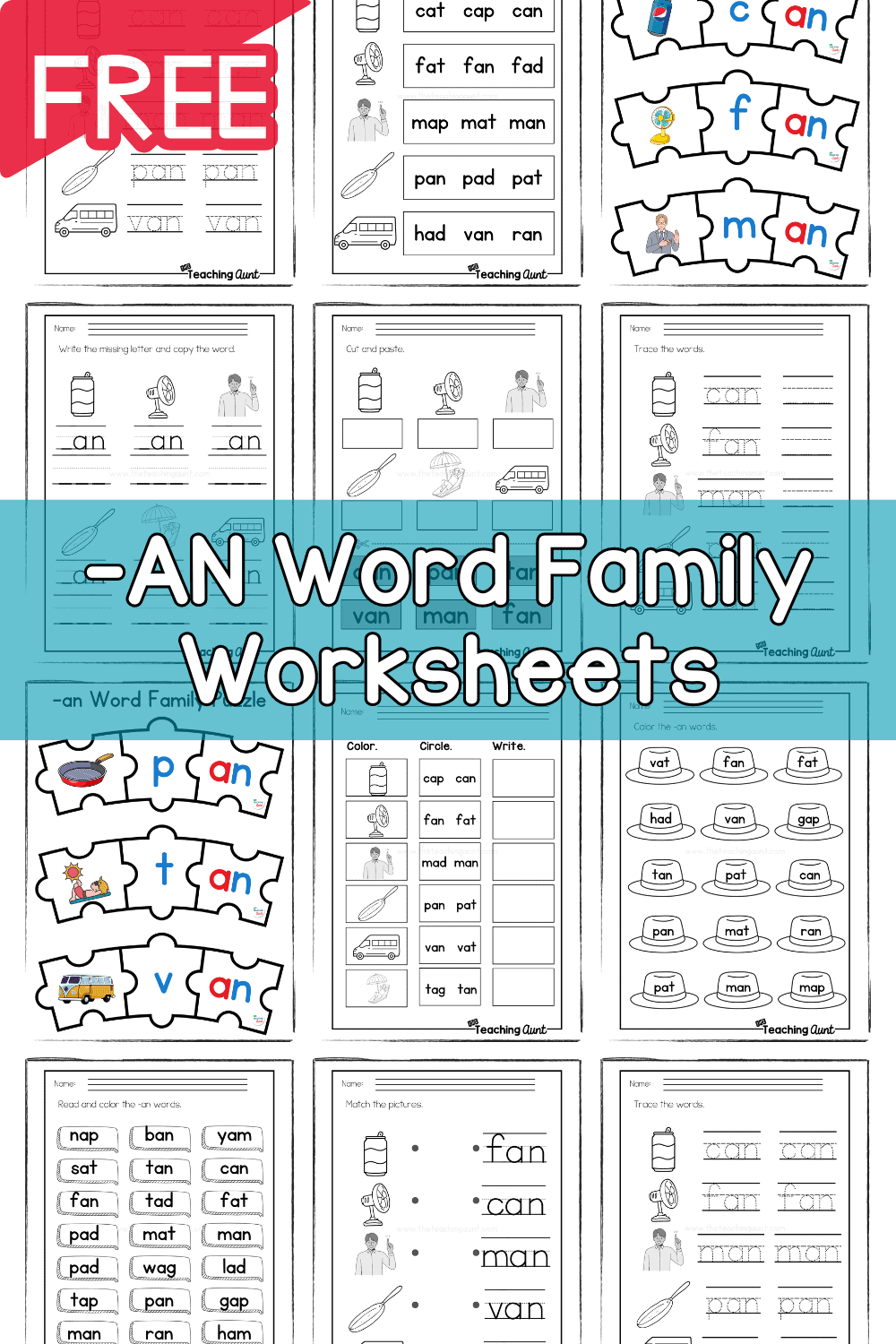
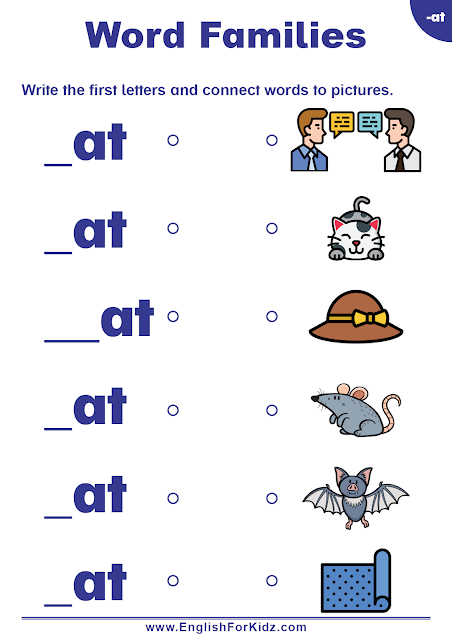
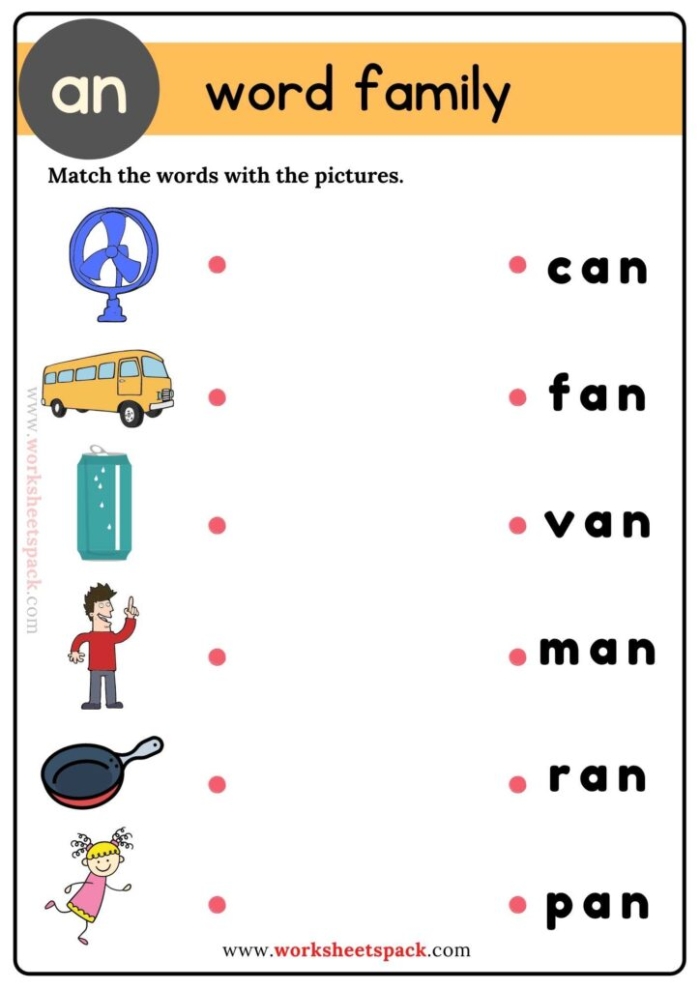
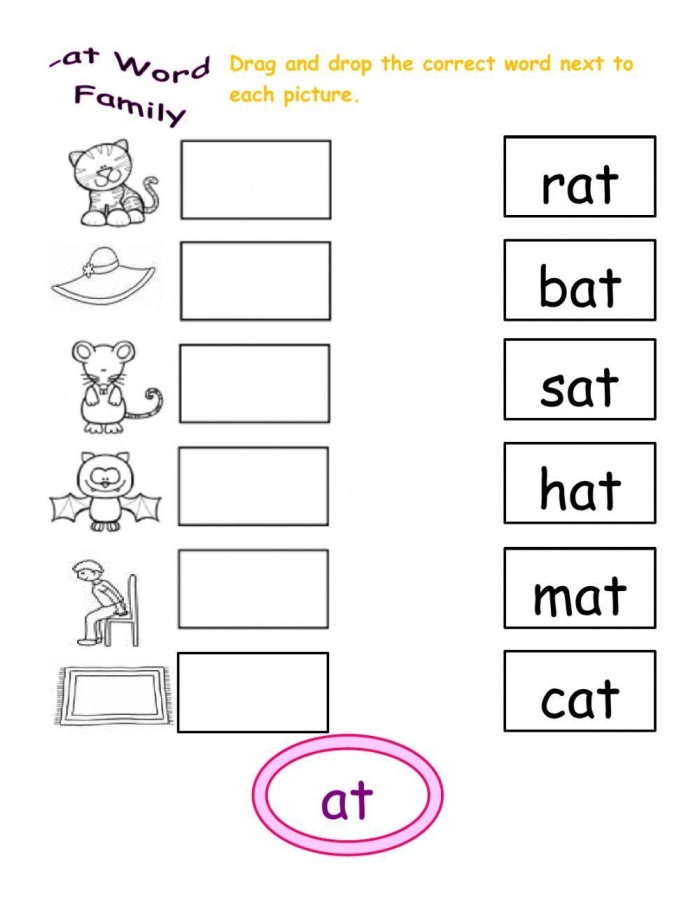
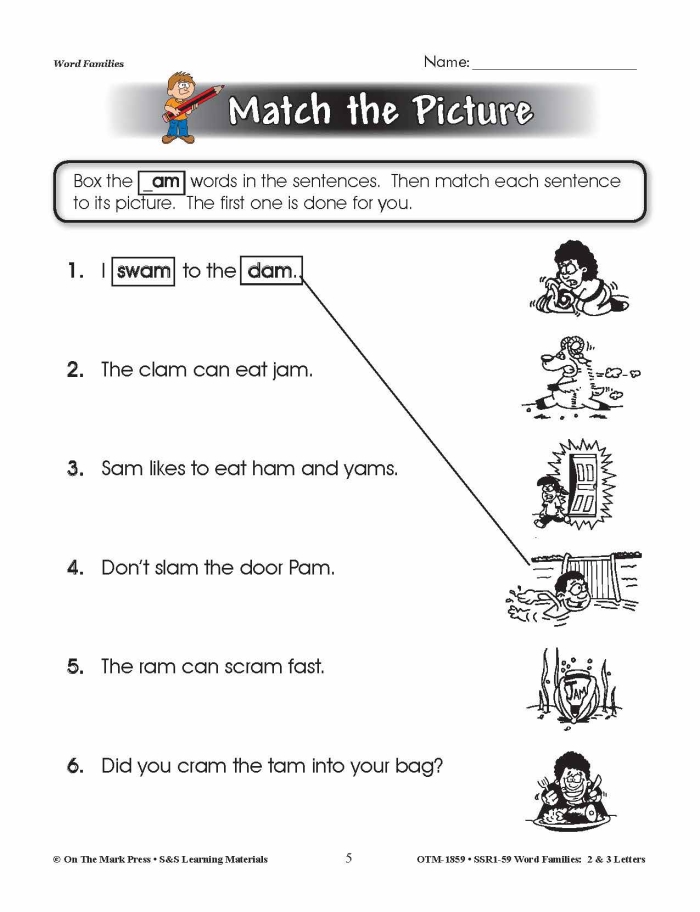
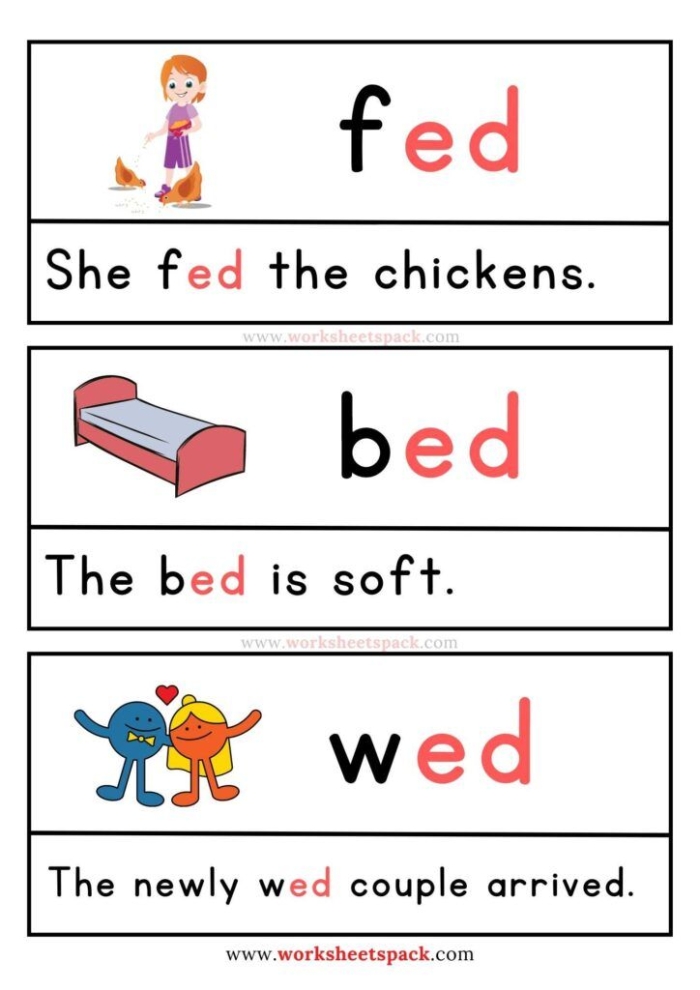
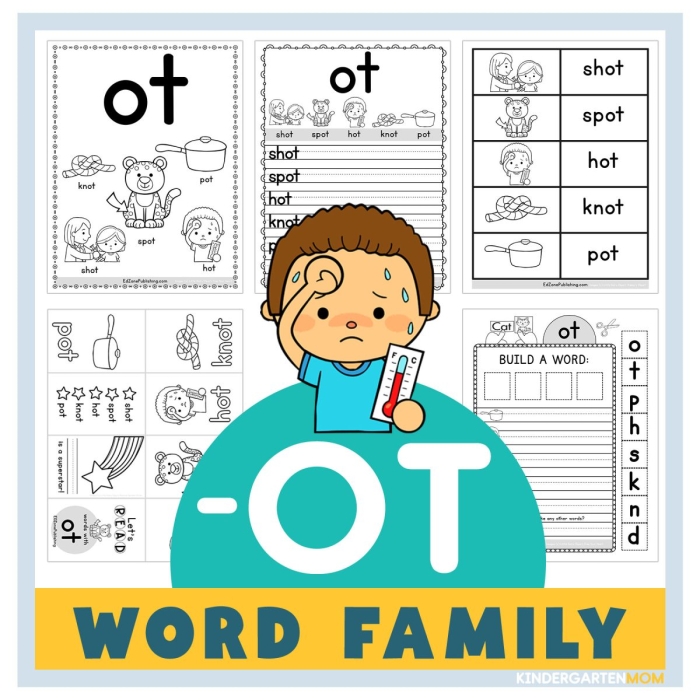
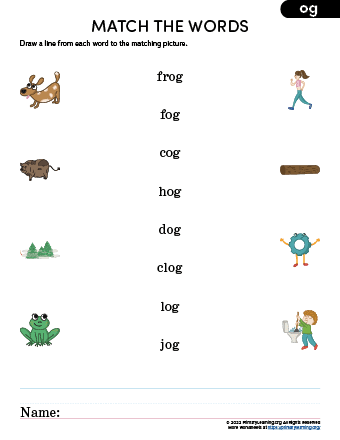
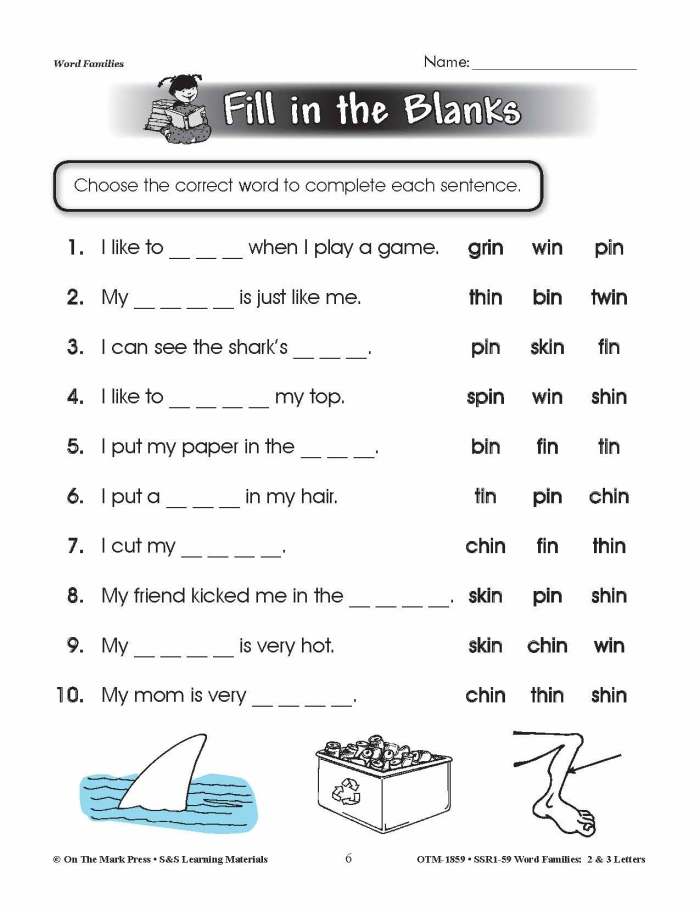
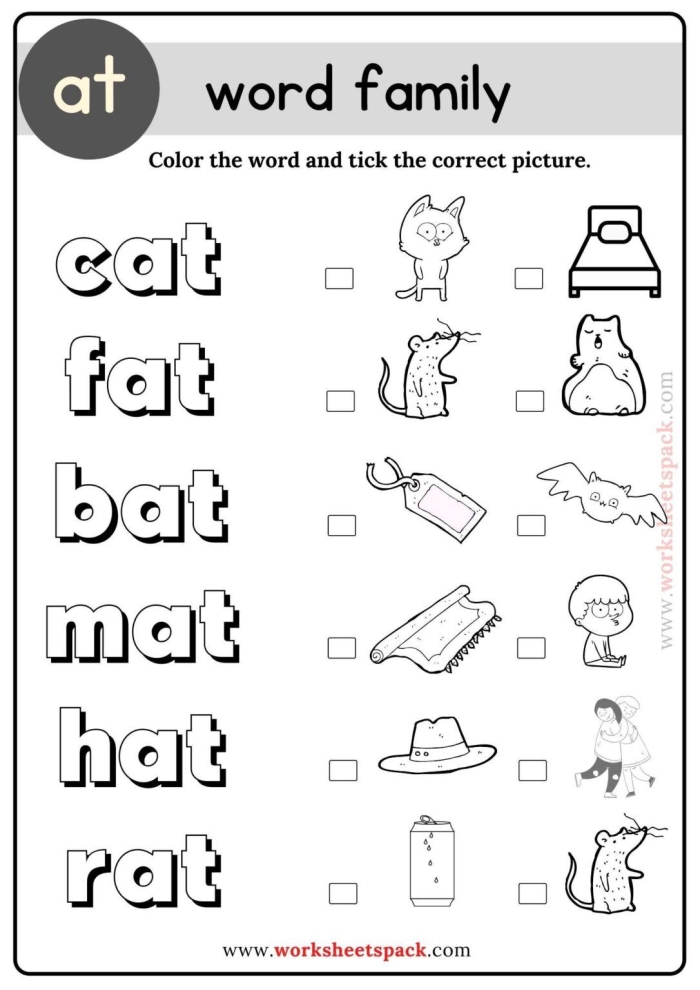
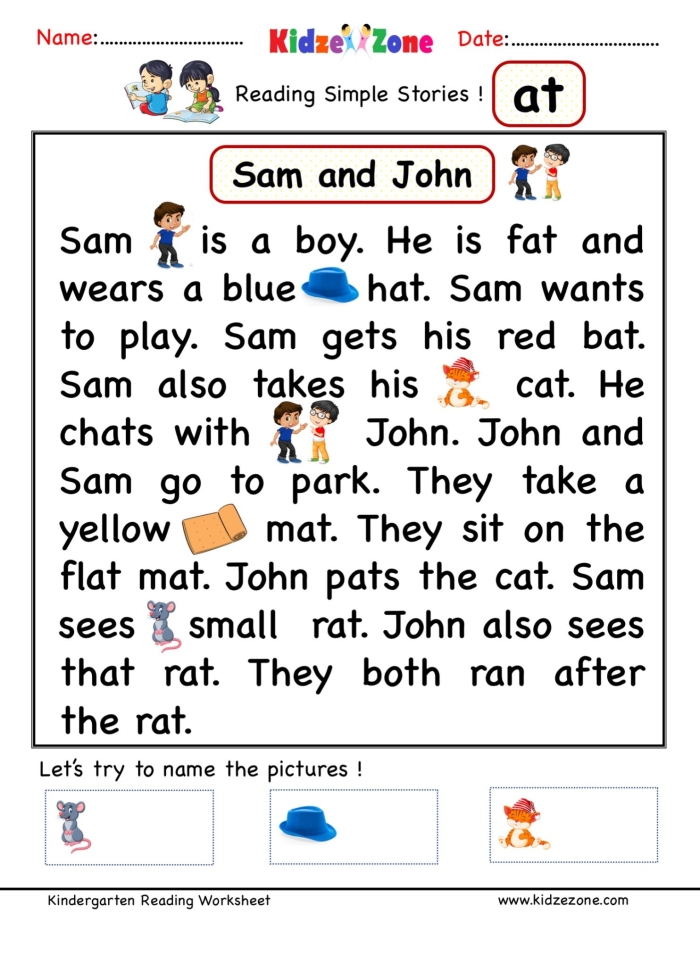
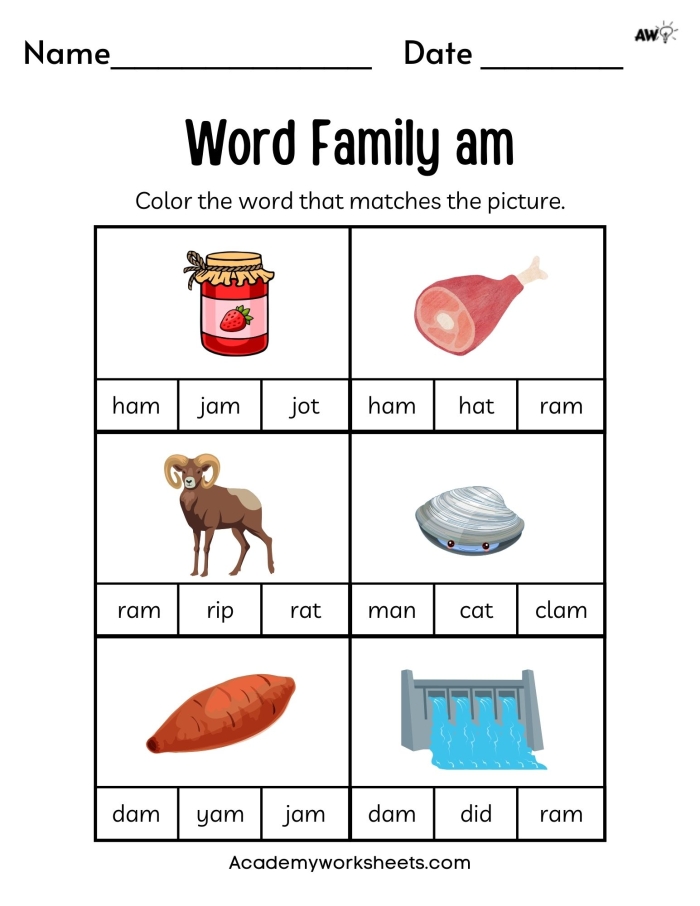
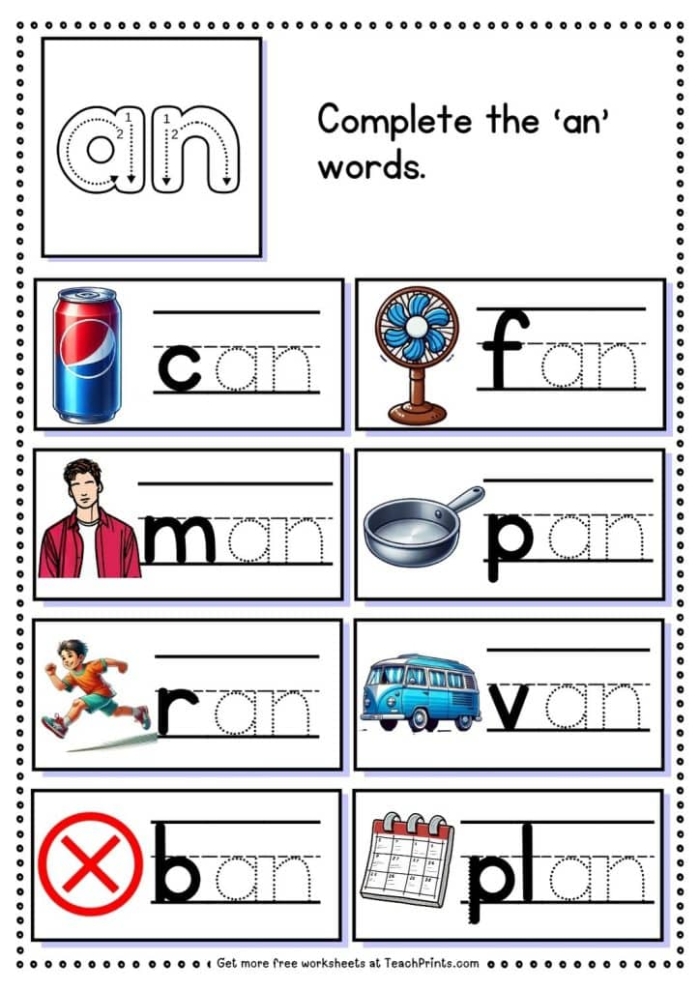
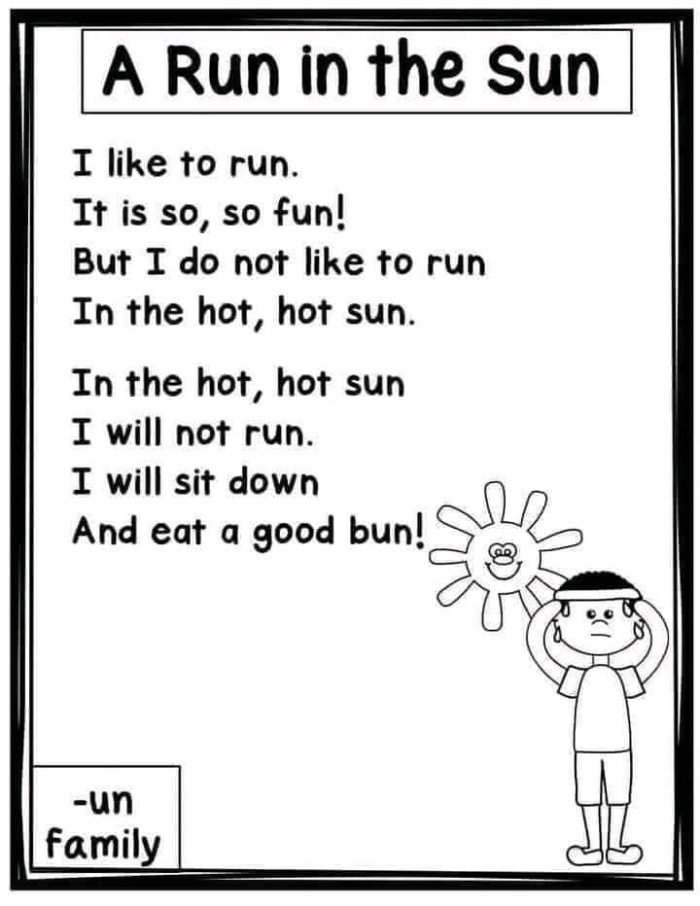
A well-designed worksheet on this topic typically includes activities where children trace the letters, match words to pictures, or complete sentences with “-ug” words. These hands-on exercises reinforce letter formation while building vocabulary. Pairing “-ug” word practice with other foundational activities, such as short i CVC word sorts with “-ig” and “-in” words, creates a comprehensive literacy program.
The beauty of word family instruction is that it transforms reading from a mysterious code into a logical system. Children who understand word families develop stronger confidence and independence as learners, making the transition into first grade smoother and more successful.
Boost Skills with These Worksheets