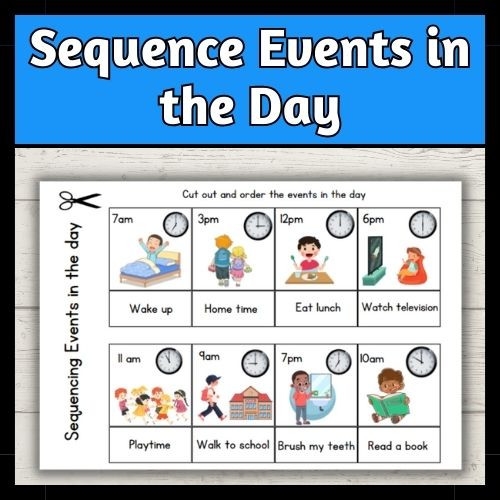
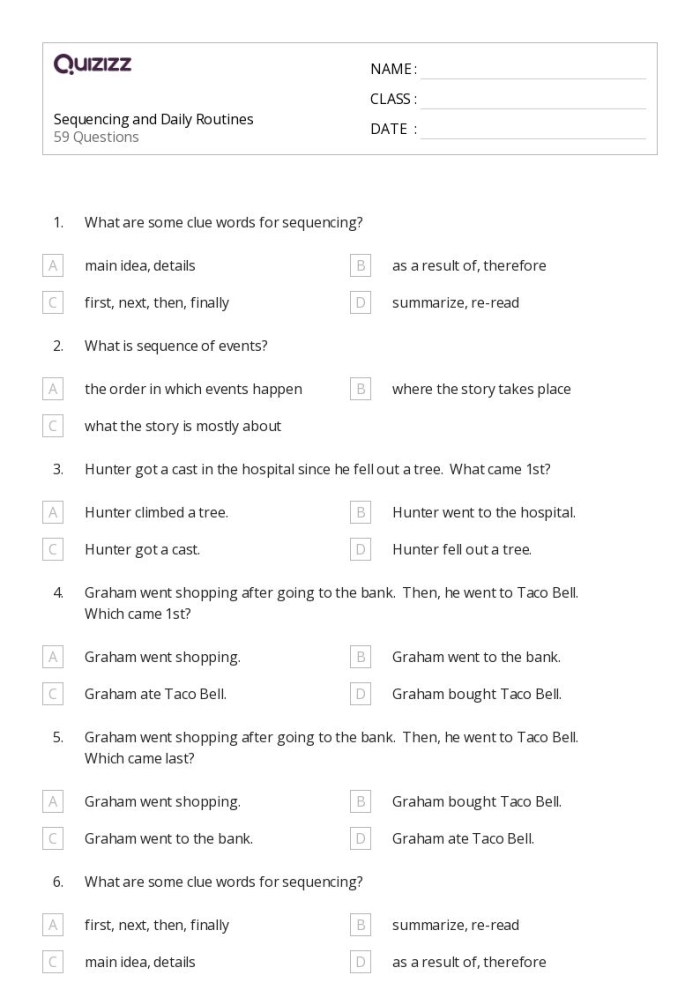
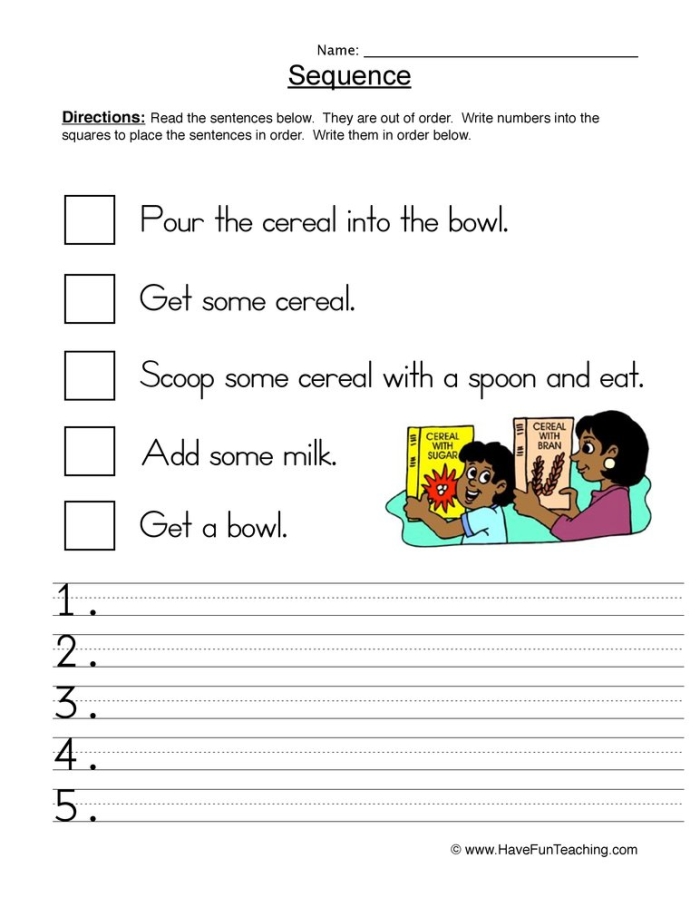
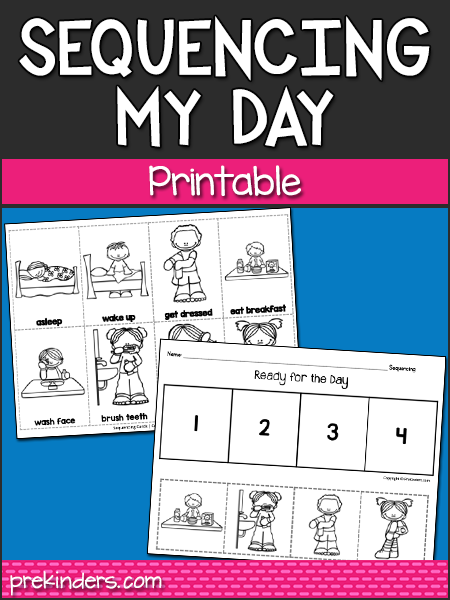
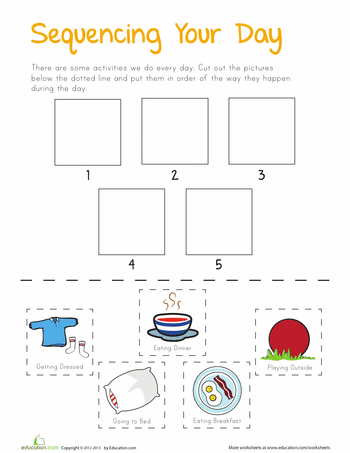
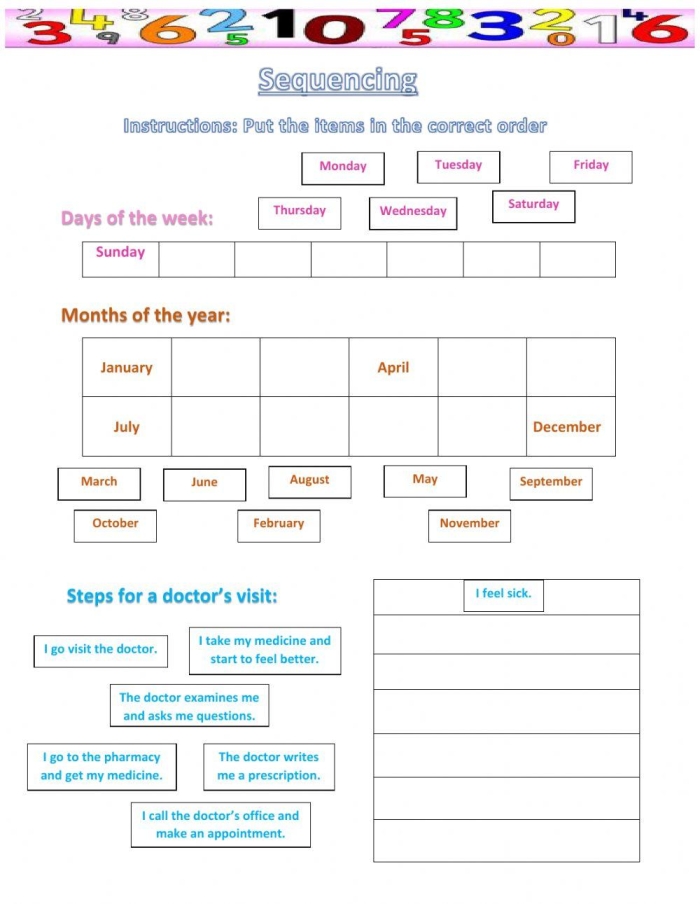
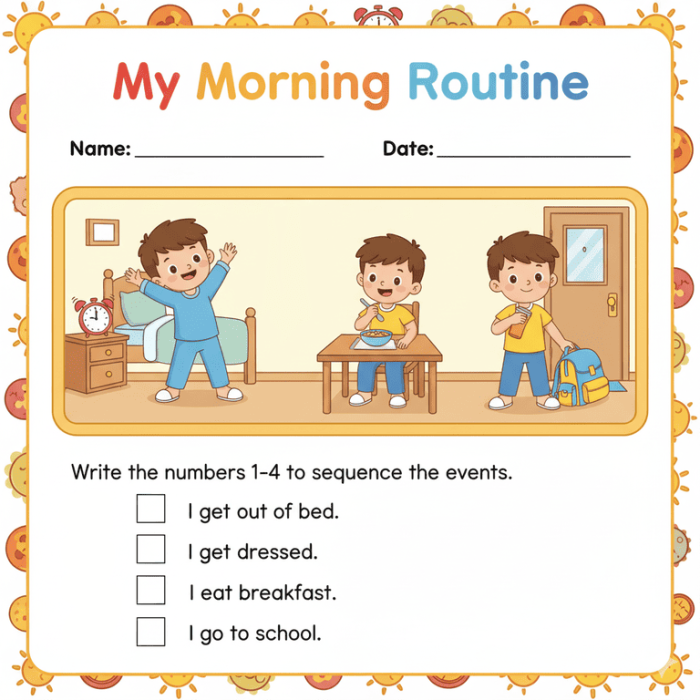
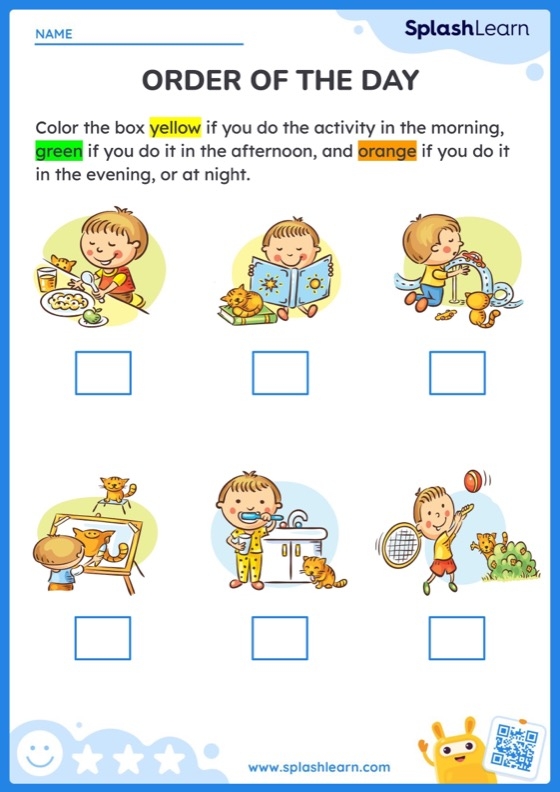
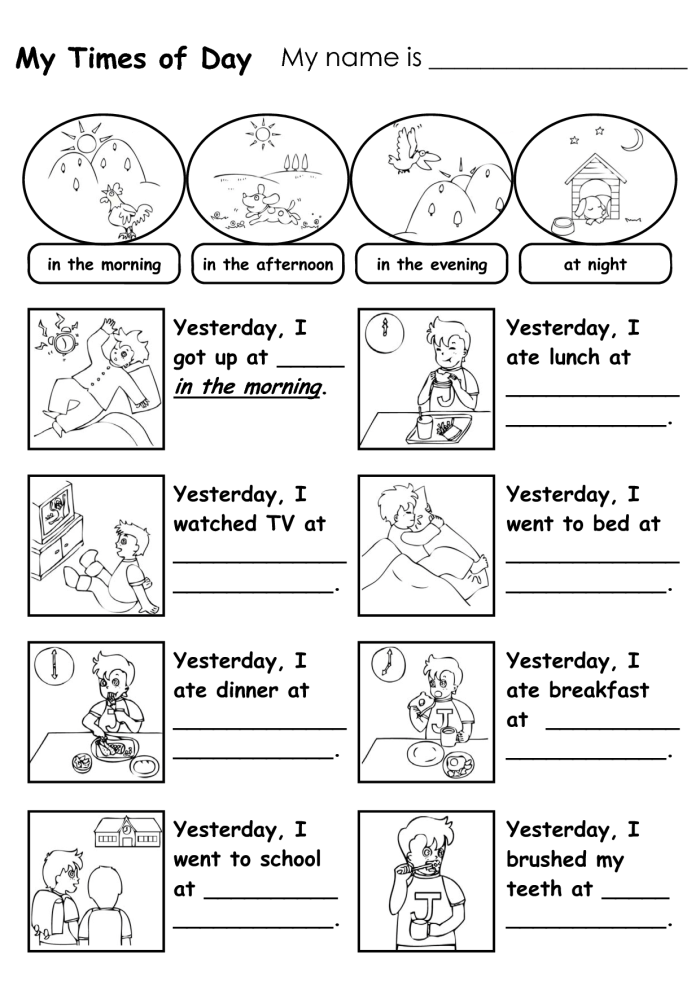
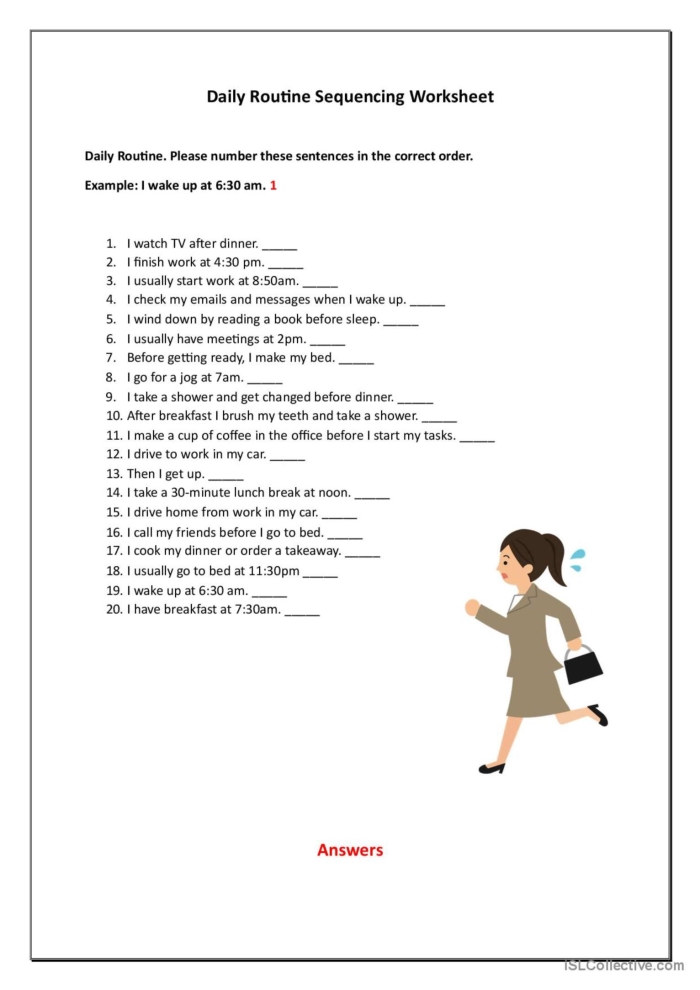
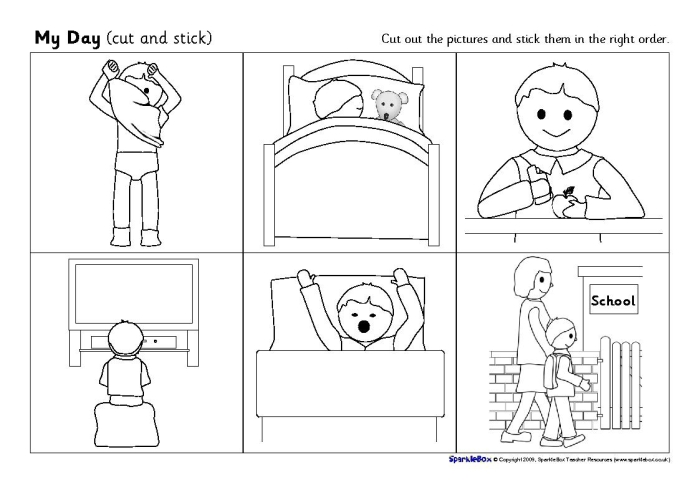
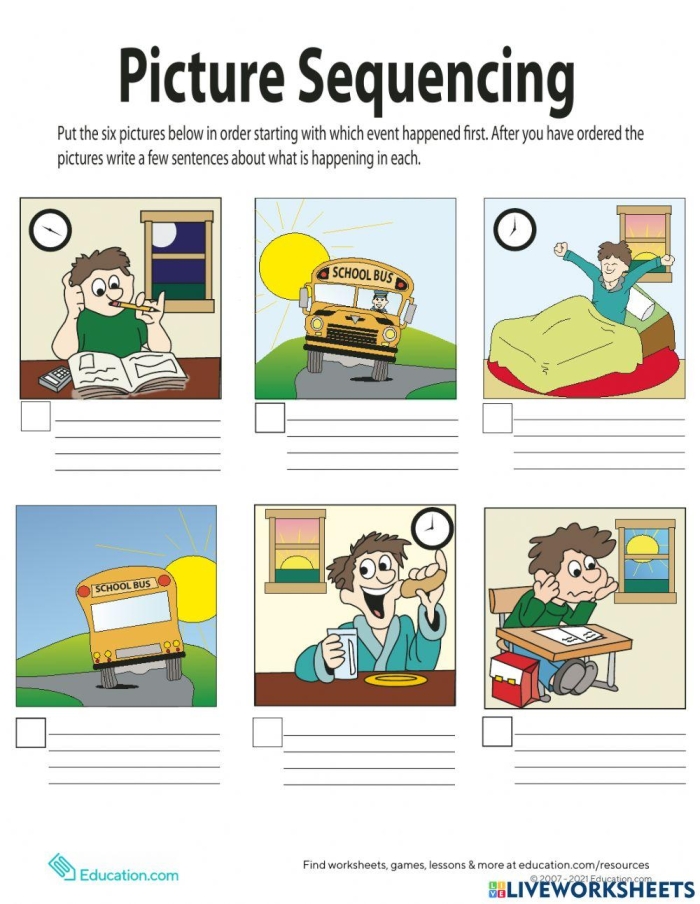
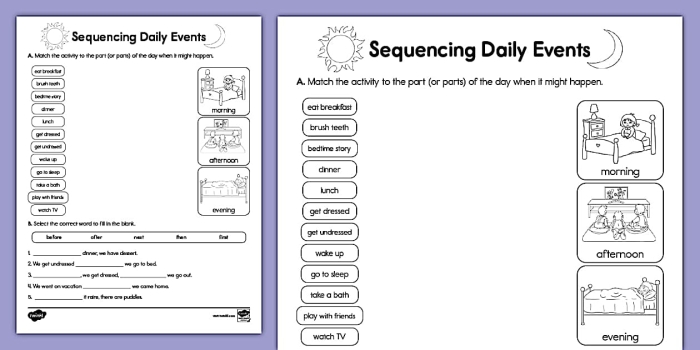
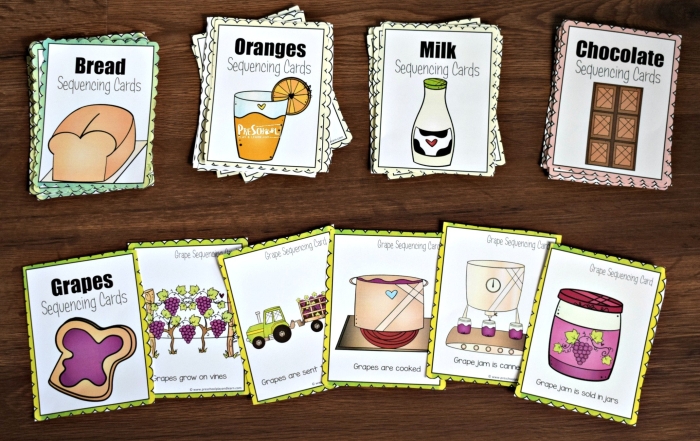
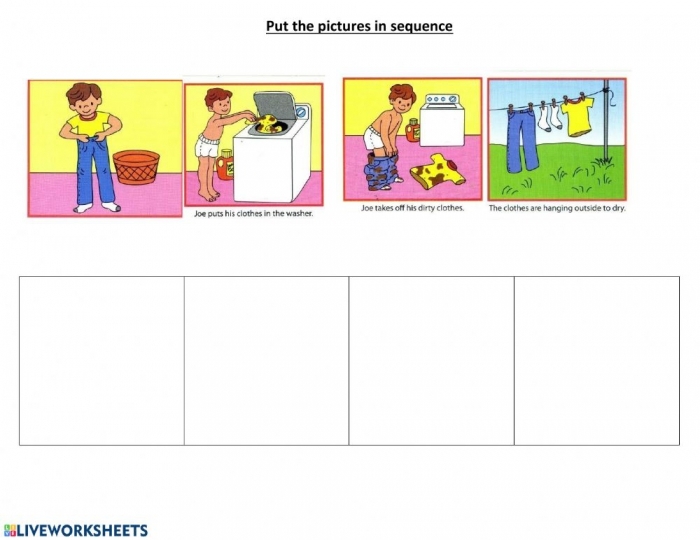
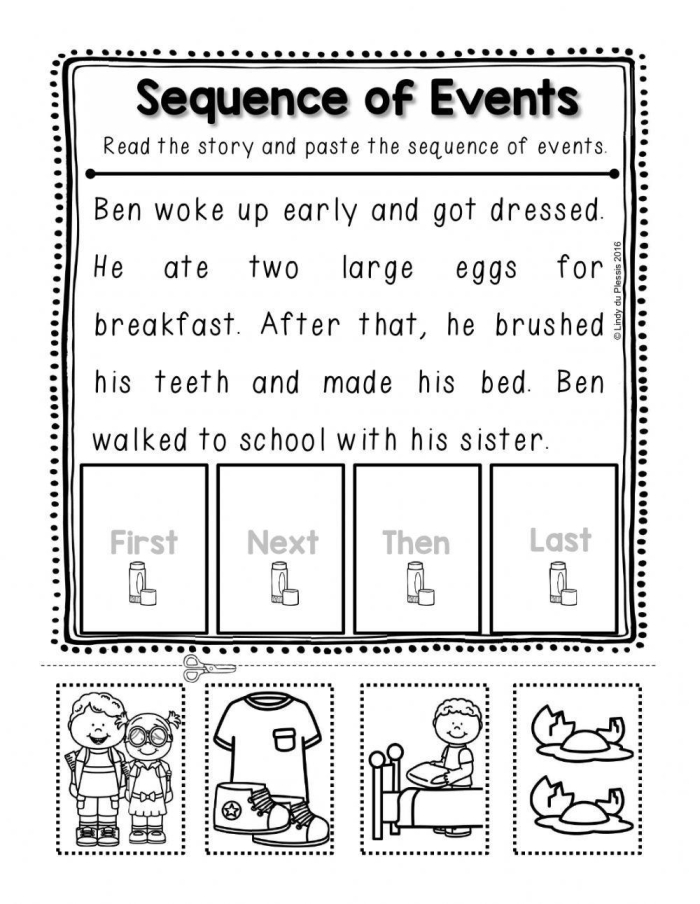
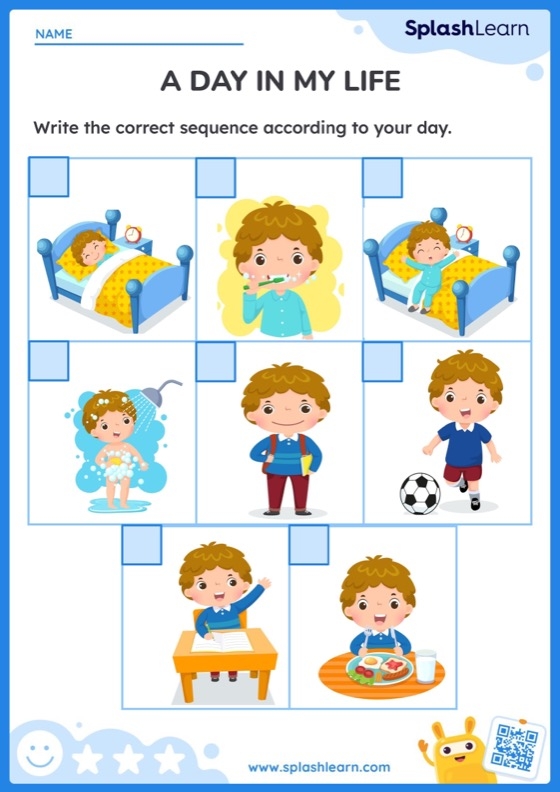
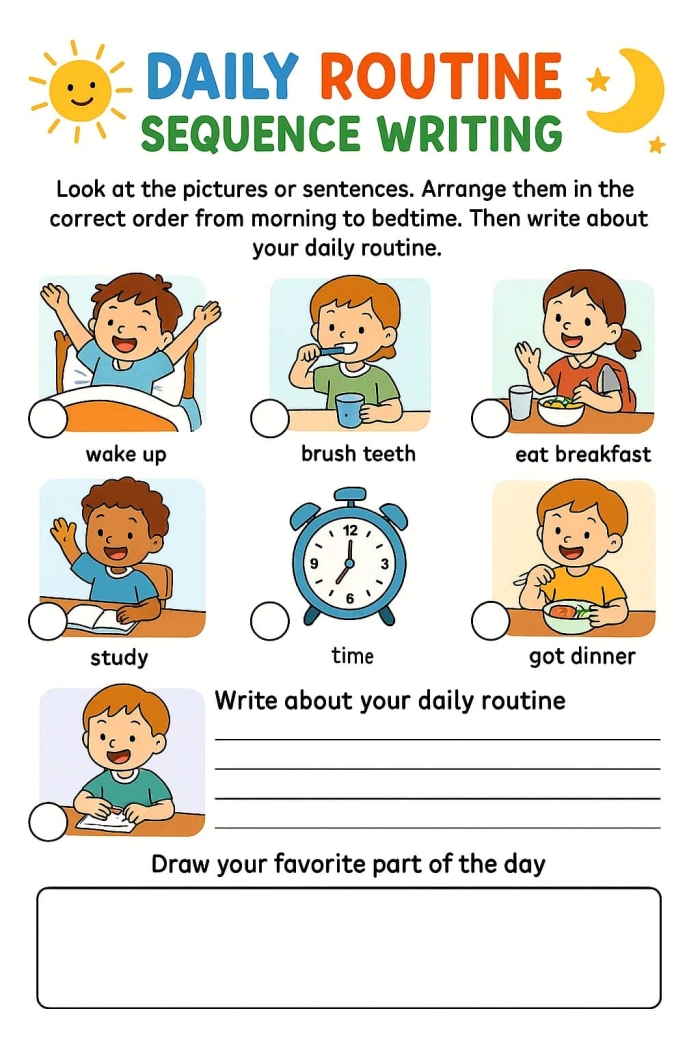
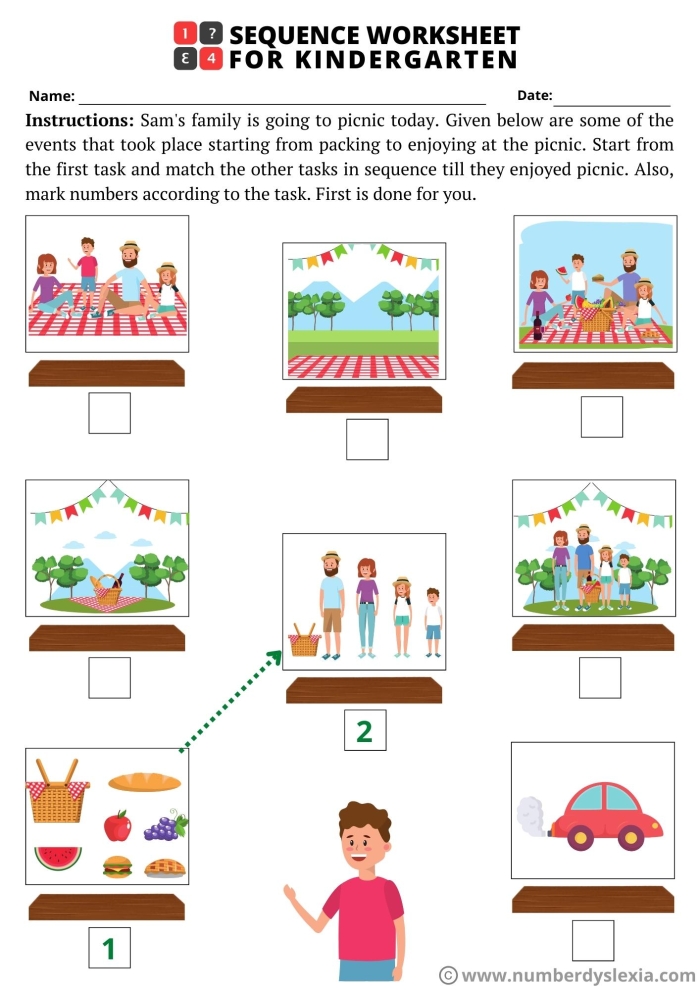
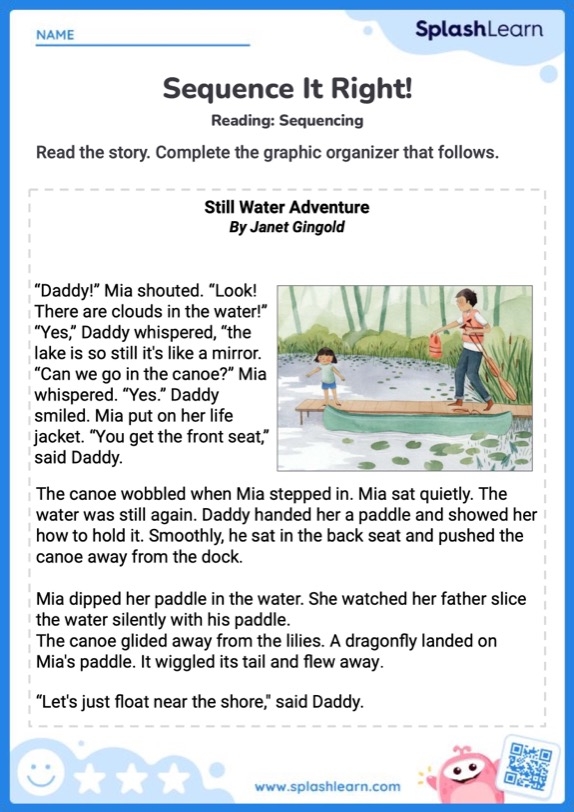
Cut-and-paste worksheets offer Pre-K students a hands-on way to understand how events unfold in order. When children arrange pictures of a daily routine from morning to night, they’re building a crucial reading skill: the ability to recognize sequence and cause-and-effect relationships.
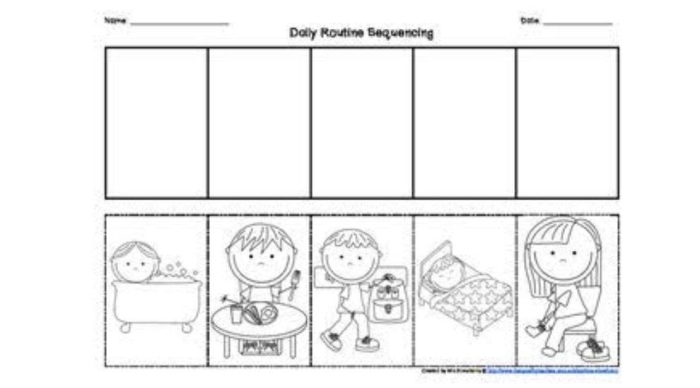
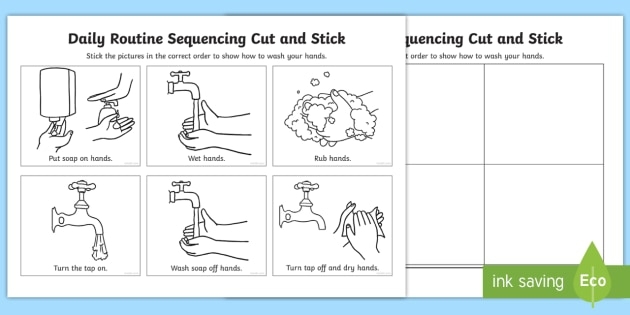
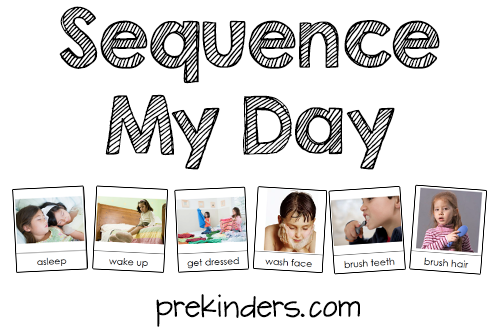
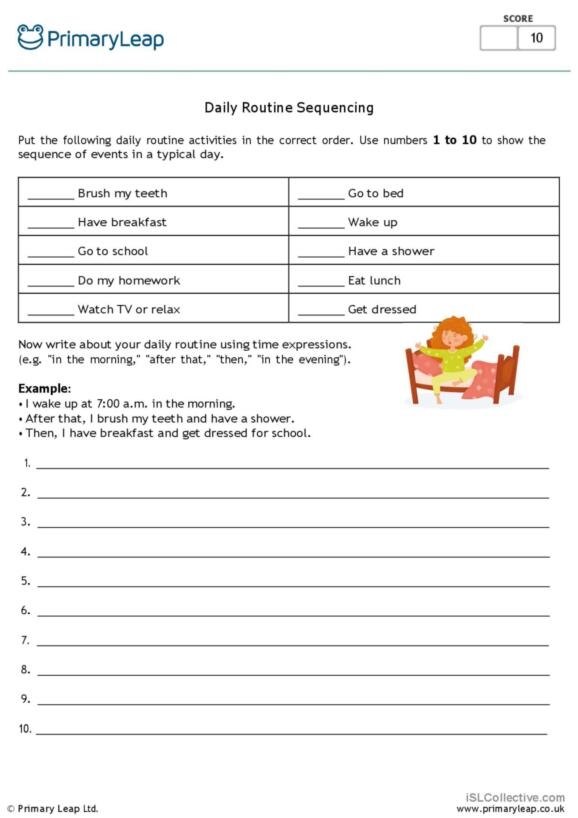
The mechanics are simple but effective. A worksheet presents four to six images showing familiar activities, like waking up, eating breakfast, playing outside, and going to bed. Students cut out each image and glue them onto a numbered sequence. This physical manipulation forces children to think about what happens first, next, and last, rather than passively viewing a picture book. The tactile experience of cutting and pasting creates stronger memory retention than pointing alone would.
Daily routine themes work especially well for Pre-K learners because these sequences match their own lived experience. A child recognizes themselves in the images and can draw from personal memory to order the steps correctly. This connection between worksheet and real life makes the learning feel immediate and relevant. Teachers often report that children become more aware of their own routines after completing these activities, noticing transitions they previously took for granted.
Beyond sequencing itself, these worksheets build fine motor skills. Handling scissors and applying glue strengthens hand muscles needed for later writing. The Reading component extends naturally when teachers ask children to describe each picture or retell the story aloud after pasting.
If you’re looking for structured practice, sequencing your day worksheets provide a solid foundation. You might also explore complementary activities like finding hidden objects to maintain engagement across different skill areas, or practice letter recognition with letter writing exercises to round out a balanced Reading curriculum.
Download These Worksheets for Practice