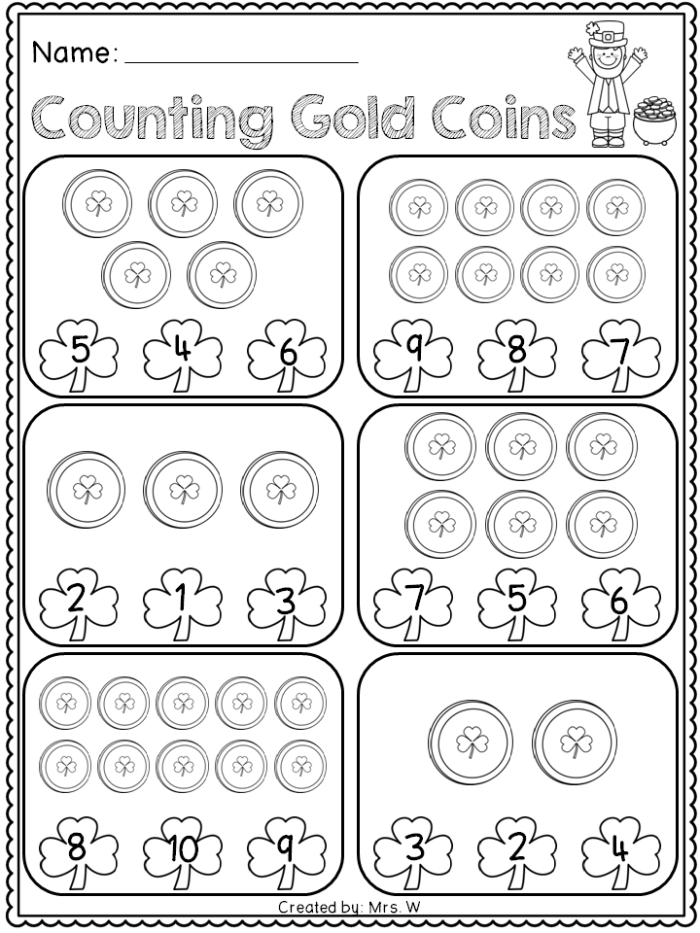
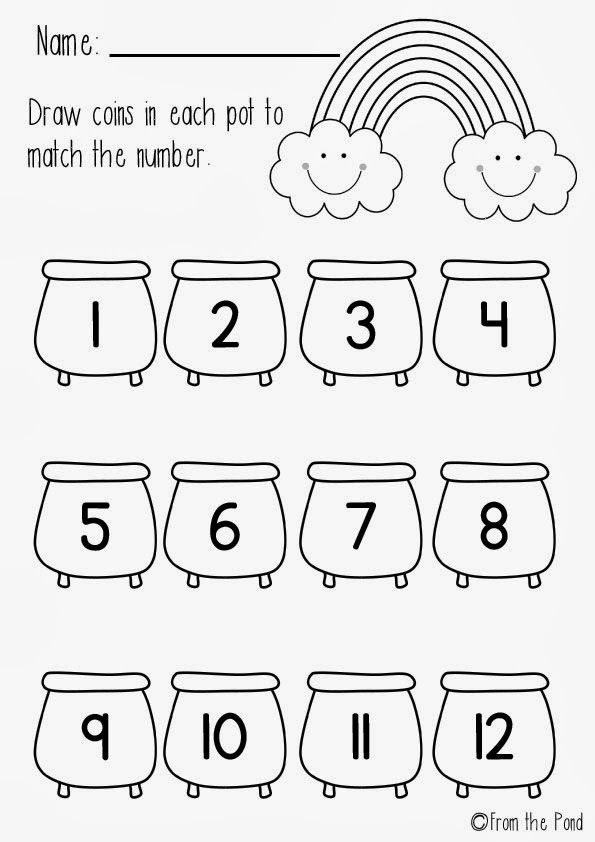
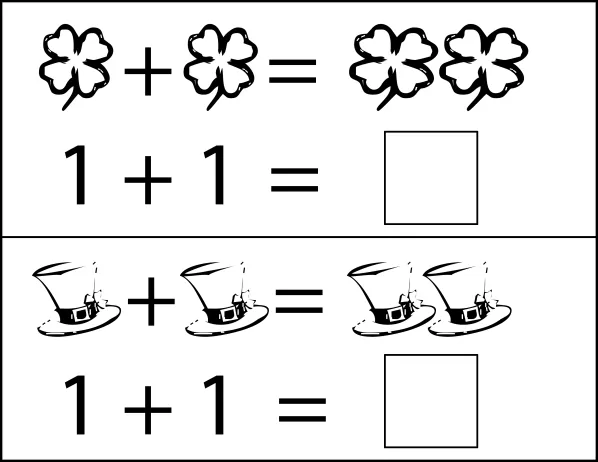
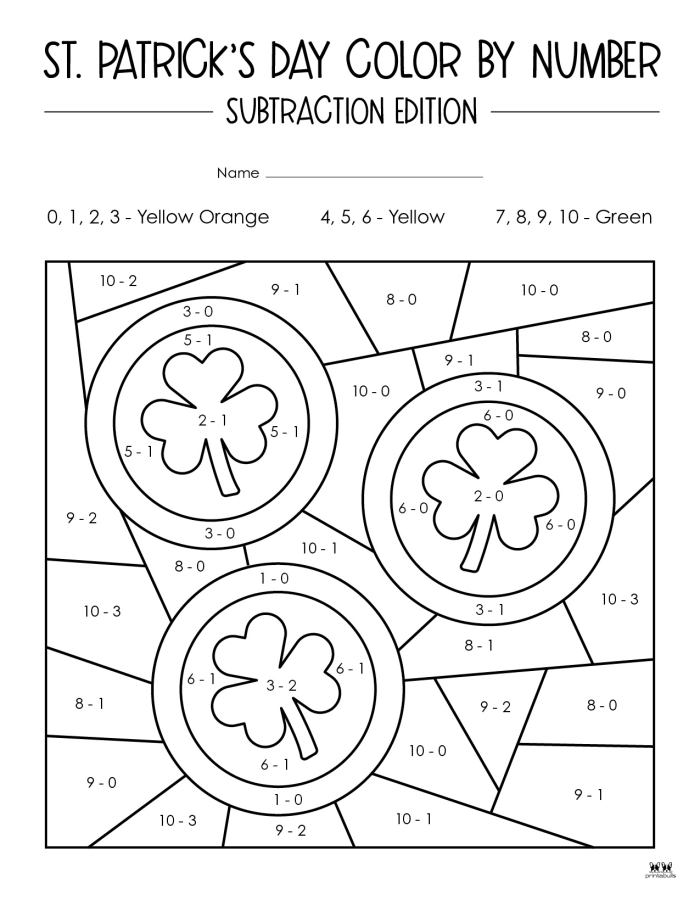
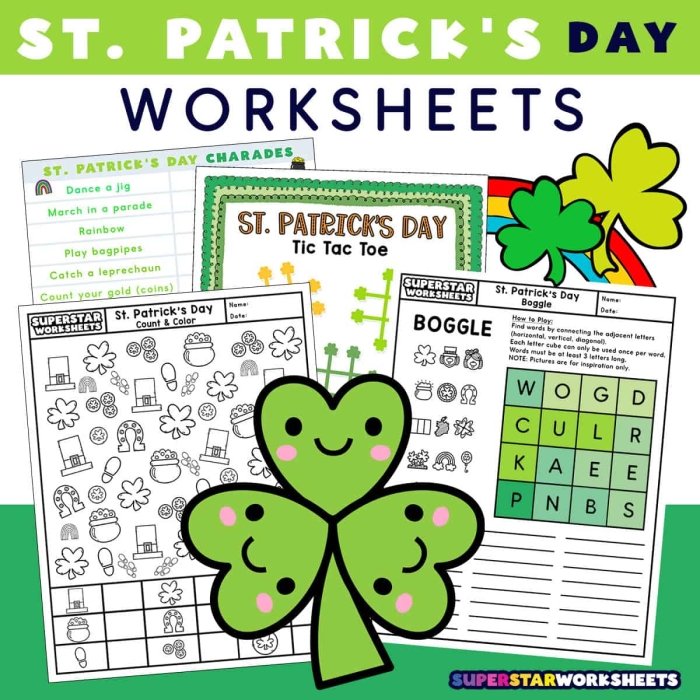
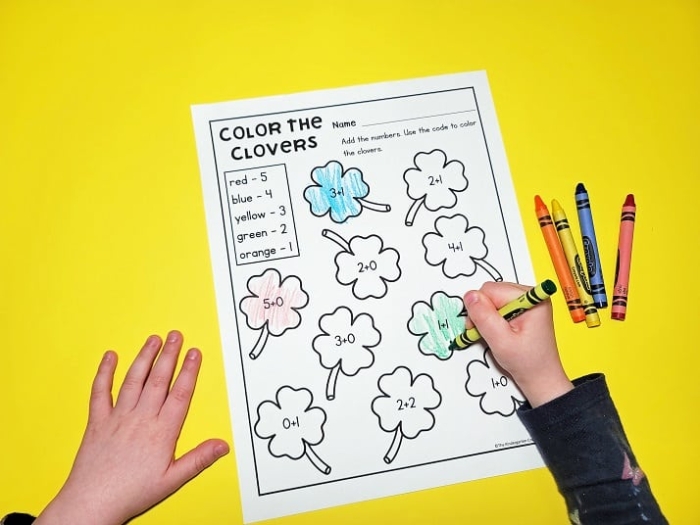
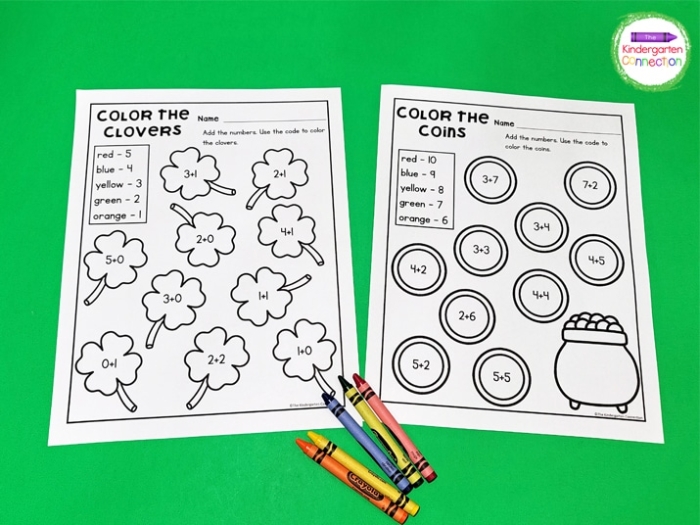
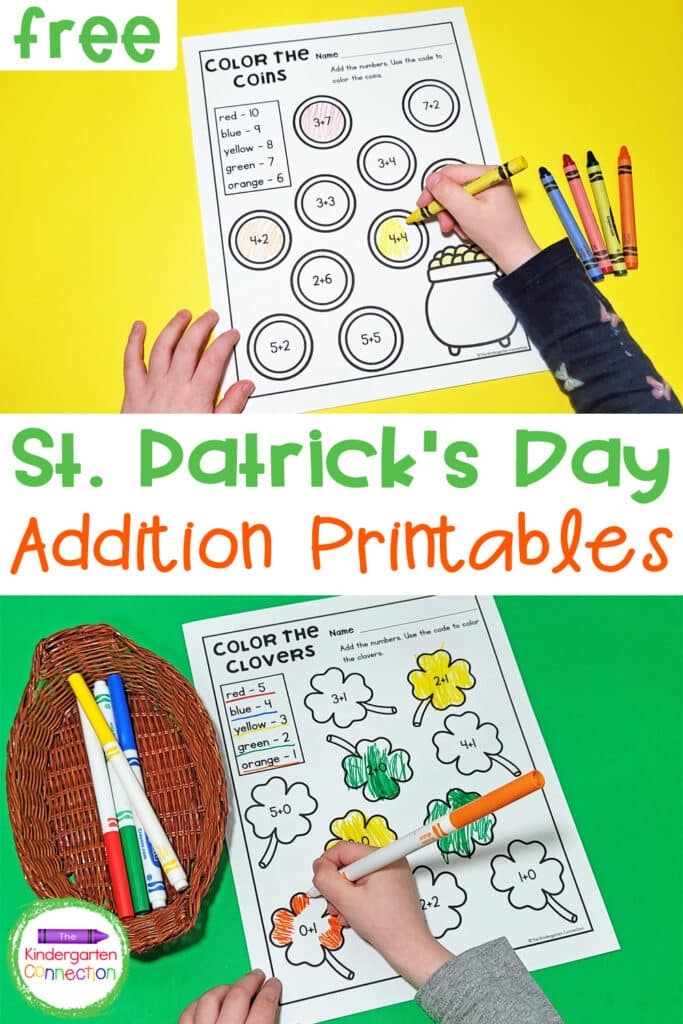
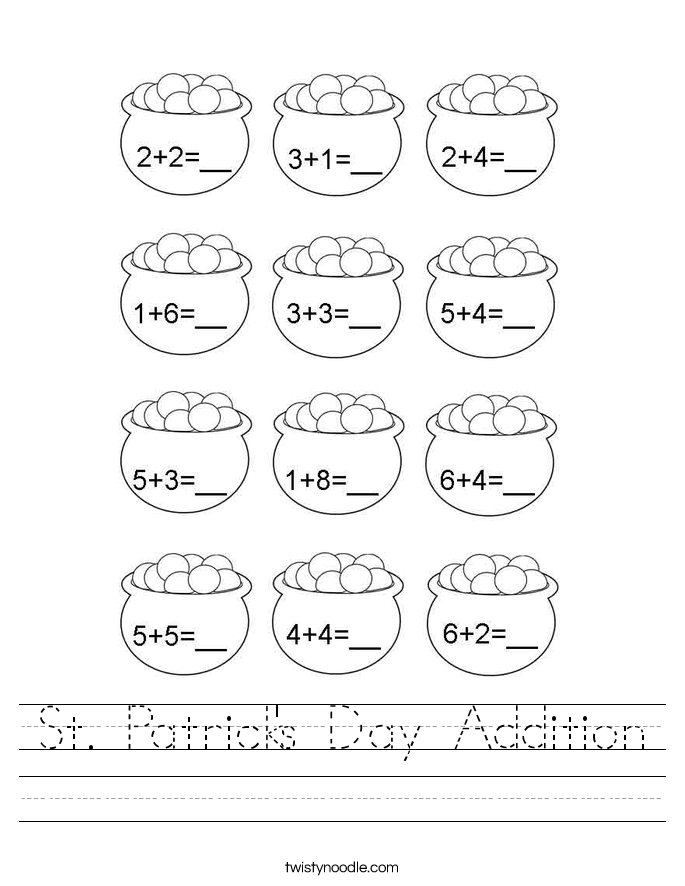
St. Patrick’s Day math worksheets offer kindergarten teachers a creative way to keep addition practice fresh and engaging during the spring season. Instead of drilling the same tired number combinations, children work with festive imagery that naturally captures their attention.
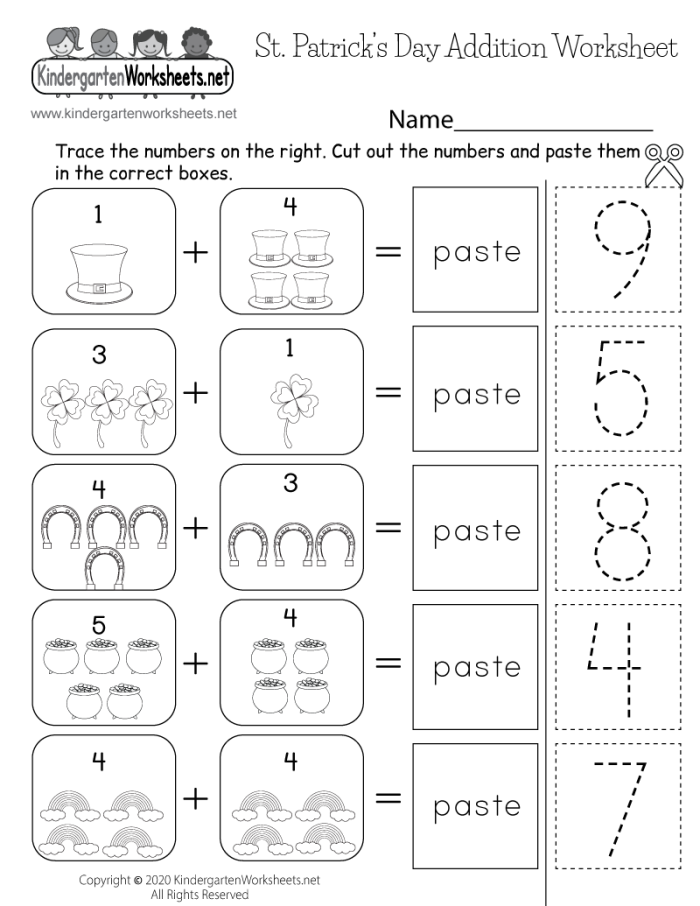
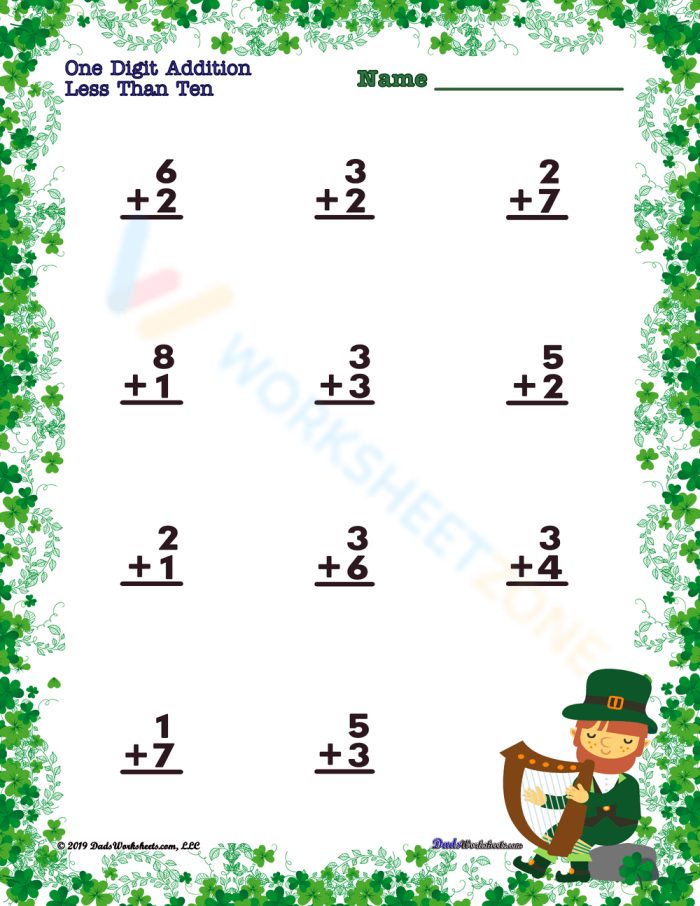
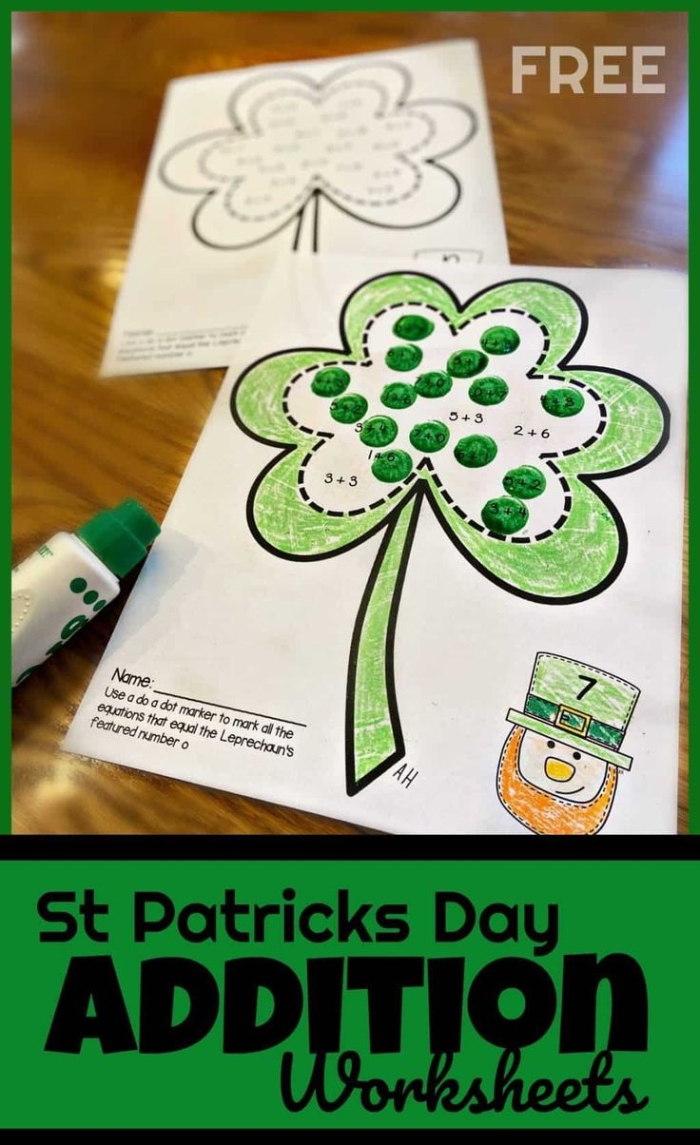
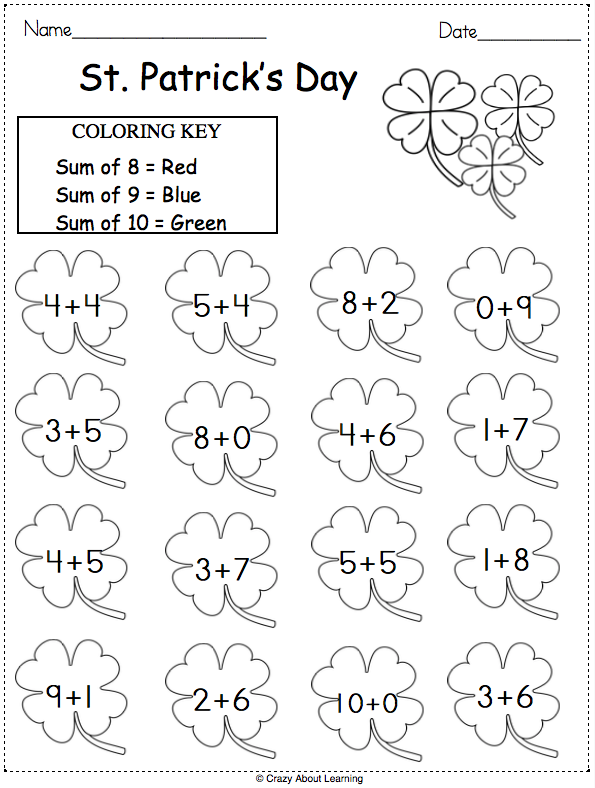
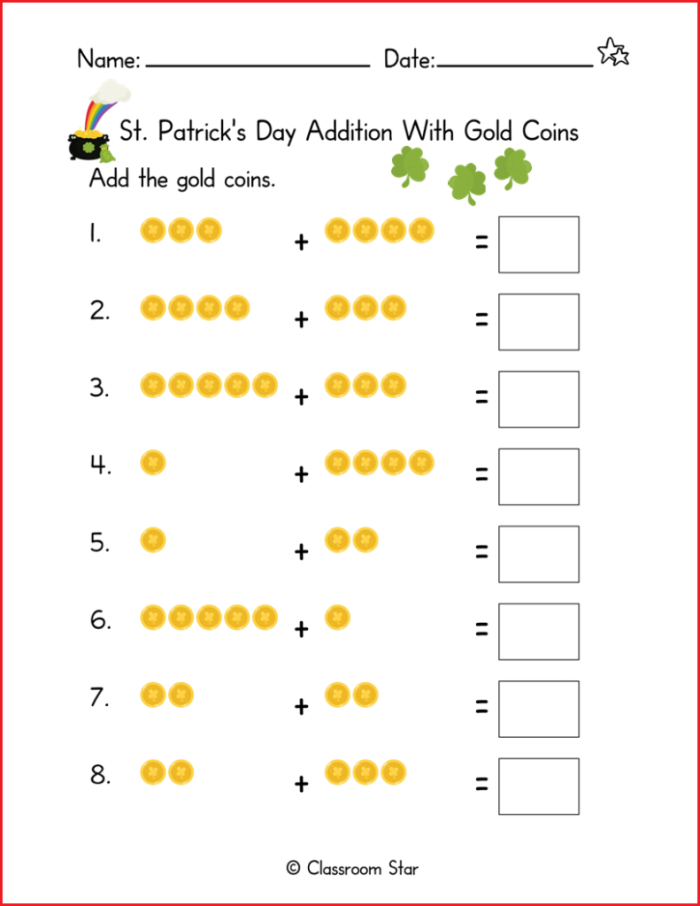
The worksheet format centers on counting and adding familiar St. Patrick’s Day symbols. Rainbows, shamrocks, harps, and sheep appear throughout the activities, each one representing a specific quantity that children must identify and combine. This visual approach works particularly well for kindergarten learners who still think in concrete terms rather than abstract numbers. When a child sees three shamrocks and two more shamrocks, the physical picture helps them understand addition as combining groups rather than simply memorizing facts.
What makes this approach effective is the connection between the theme and the math itself. Sheep and harps feel less random than generic dots or blocks. The St. Patrick’s Day context gives the problems a narrative quality that holds children’s interest longer than standard worksheets. They’re not just adding numbers; they’re counting leprechaun treasures or Irish farm animals.
For kindergarten classrooms, these worksheets fit naturally into word families instruction as well. Teachers often pair St. Patrick’s Day picture addition activities with rhyming and phonemic work to create thematic learning units. Some educators combine this with phonemic awareness activities focused on initial sounds so children practice both math and literacy skills during the same lesson block.
The seasonal timing also matters. Using these worksheets in March keeps math practice aligned with what children see around them, making the learning feel relevant and timely rather than disconnected from their world.
Worksheet Practice Section