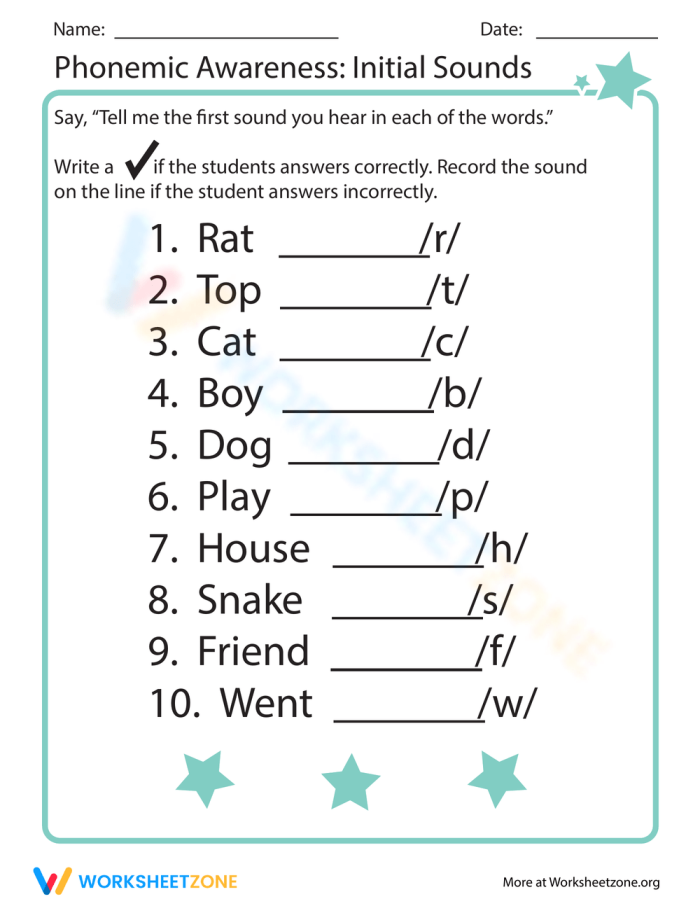
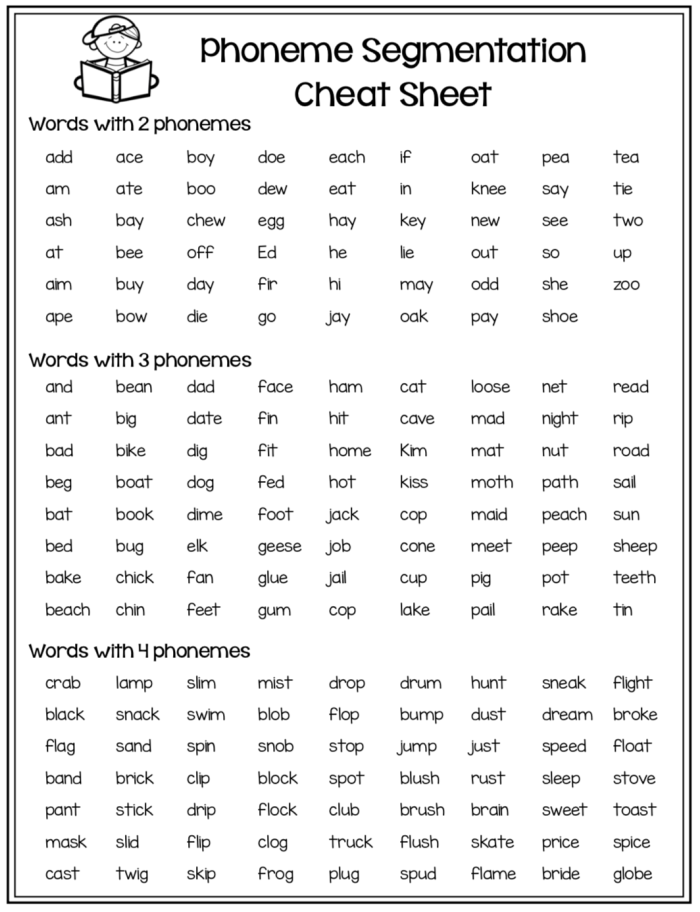
Isolating the initial sound in a word is a crucial skill for young learners, particularly in kindergarten. Mastering this phonemic awareness lays the foundation for reading and writing. When students can identify the first sound of a word, they gain confidence and develop a deeper understanding of language. This skill is often linked to their ability to decode words, making it essential for early literacy.
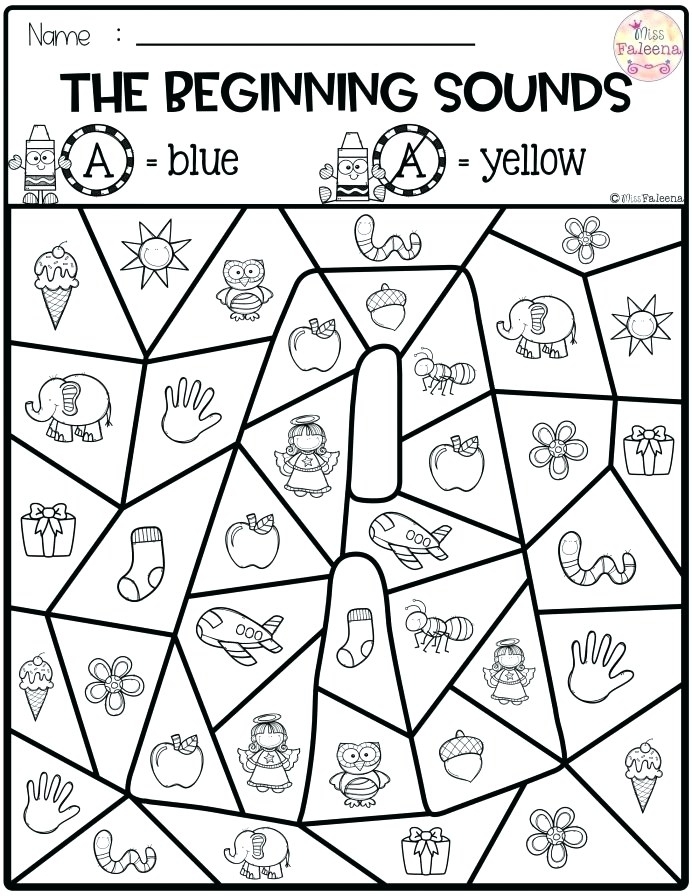
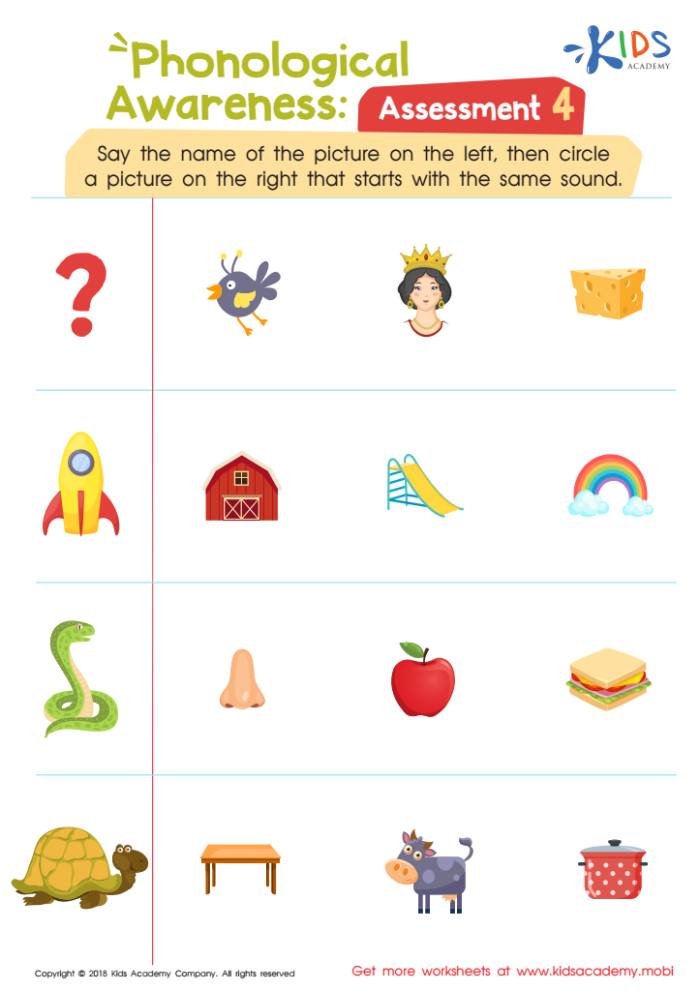
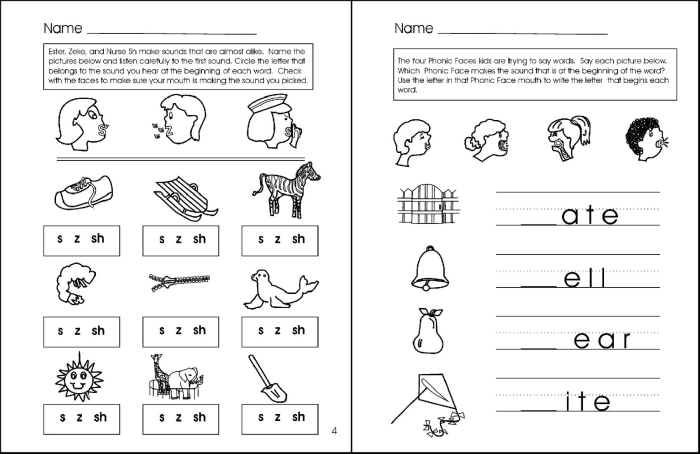
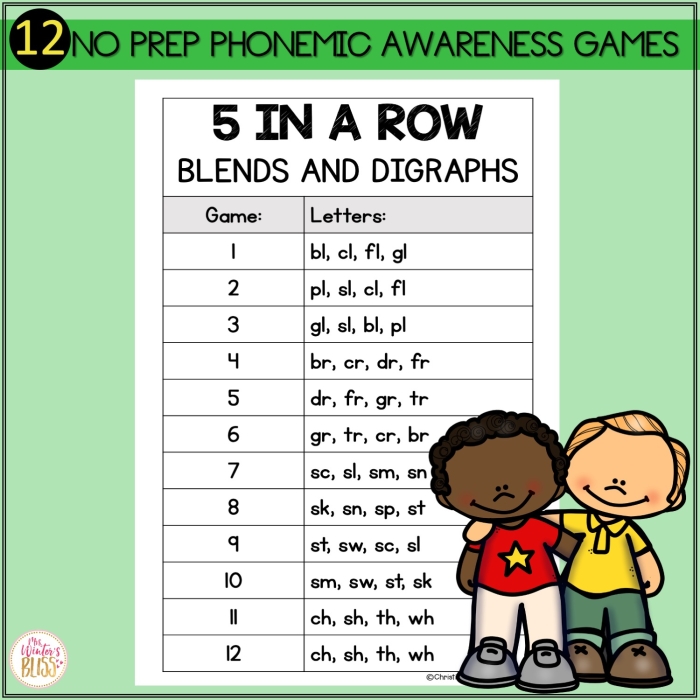
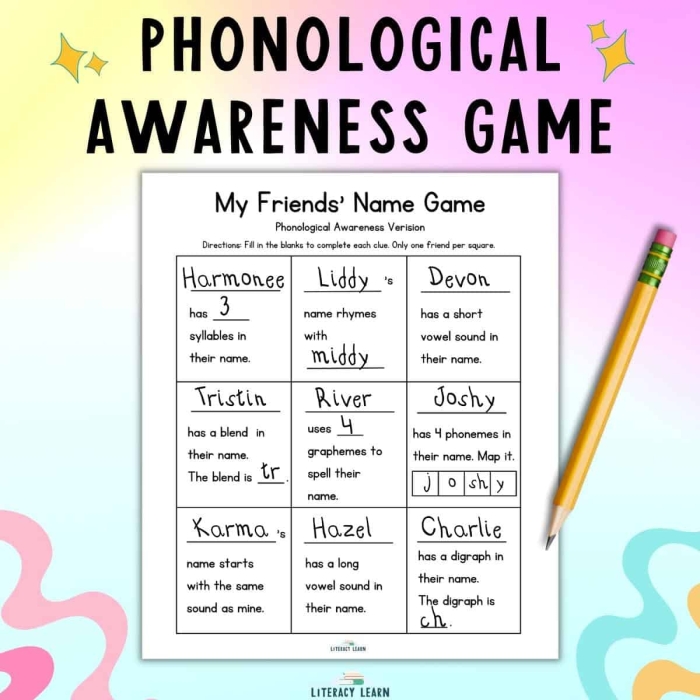
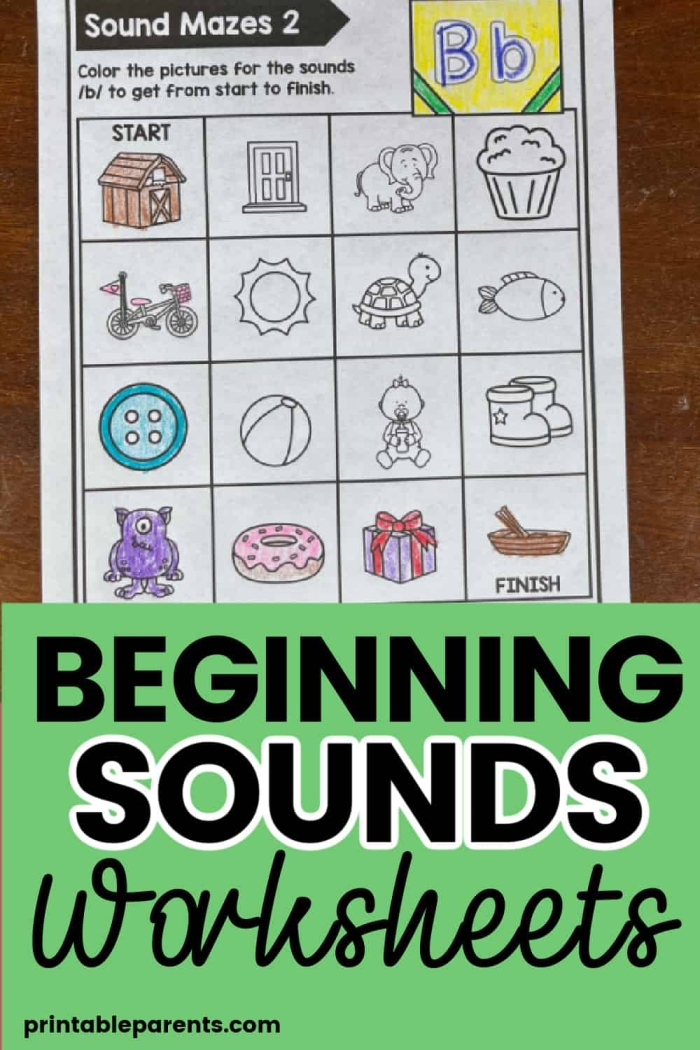
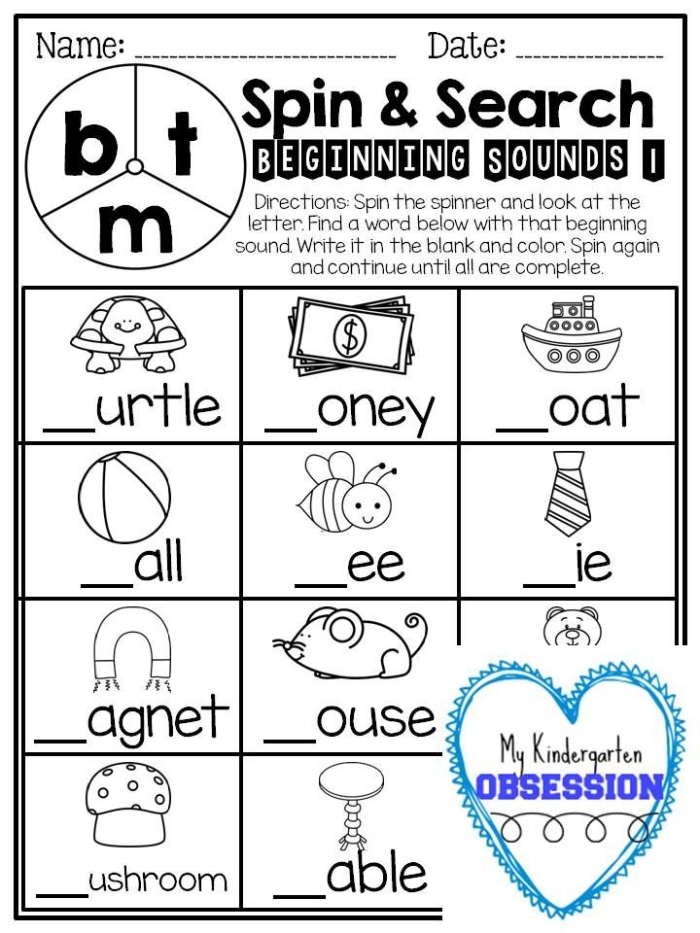
To assess your students’ ability to isolate initial sounds effectively, consider using engaging activities that promote participation. For instance, you could incorporate phonics games where students listen to words and then identify the first sound. A simple yet effective exercise could involve showing them images of common objects, like “cat,” “dog,” and “apple,” and asking them to say what sound they hear at the beginning. This not only makes learning fun but also reinforces their auditory skills.
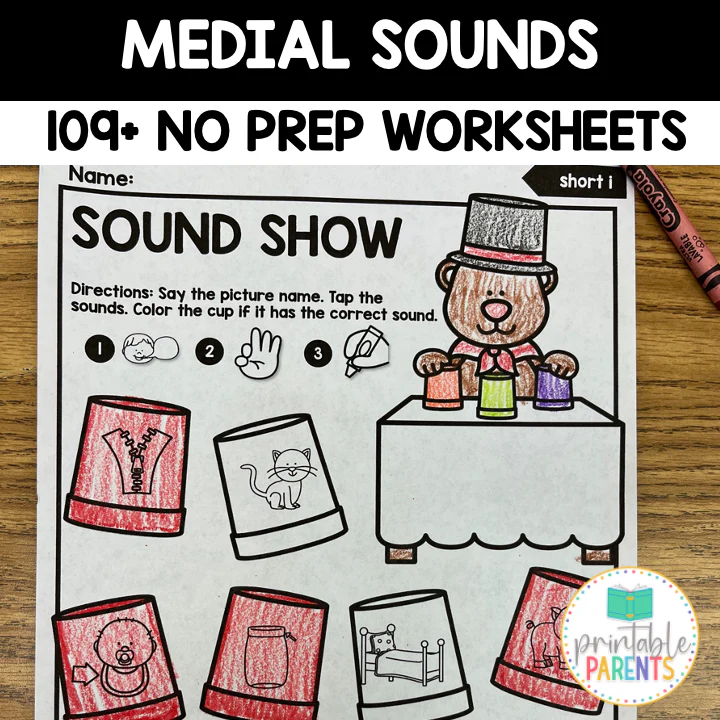
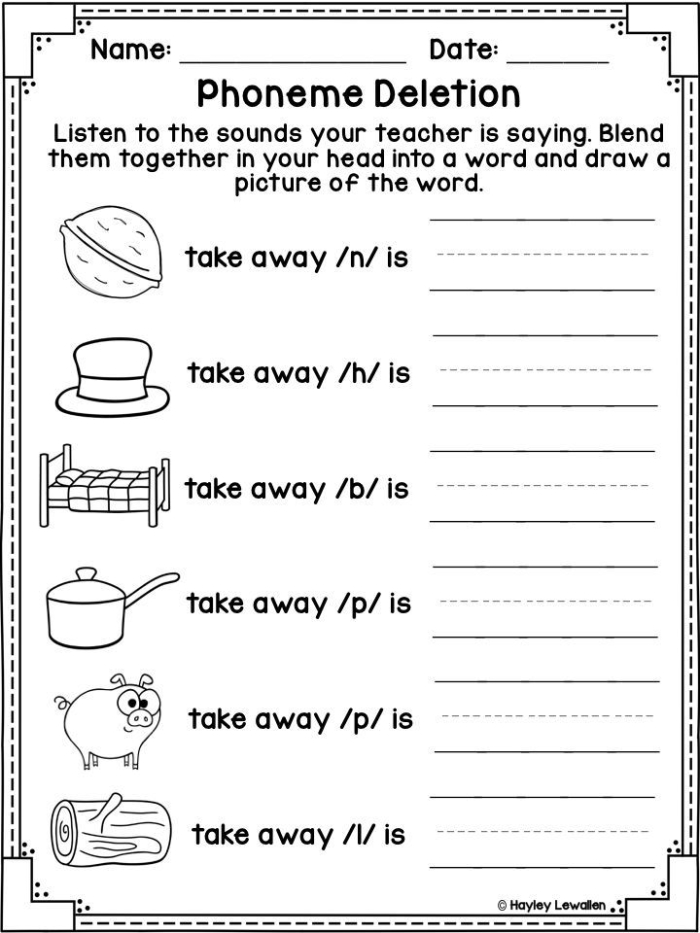
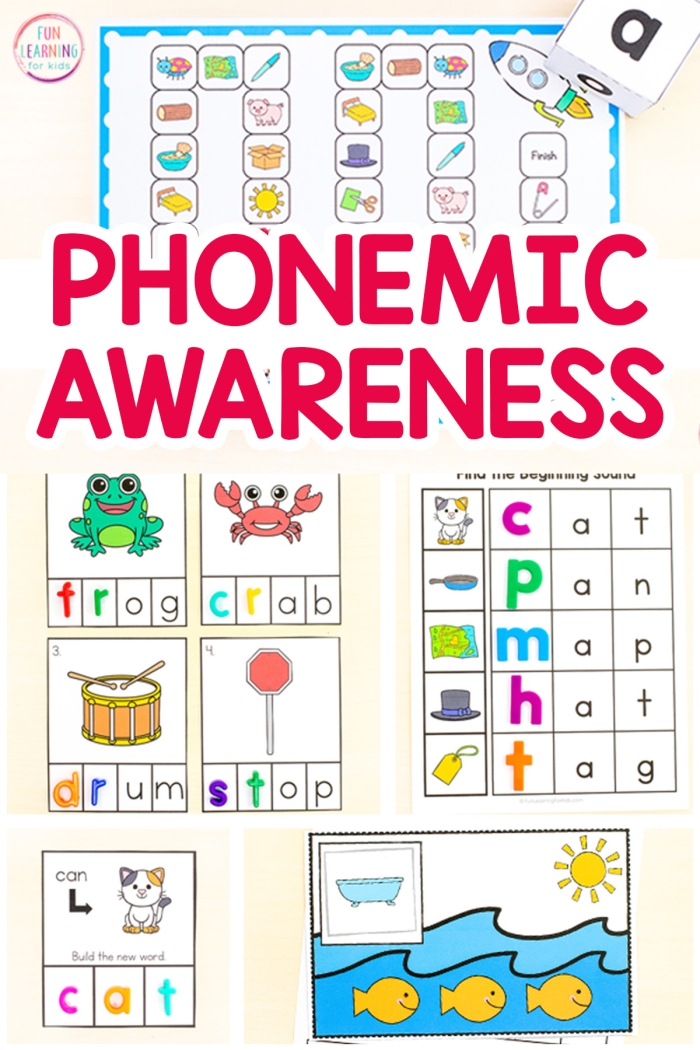
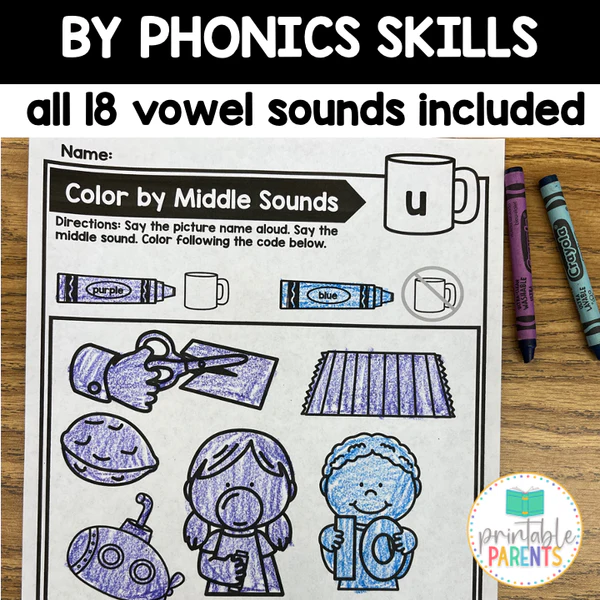
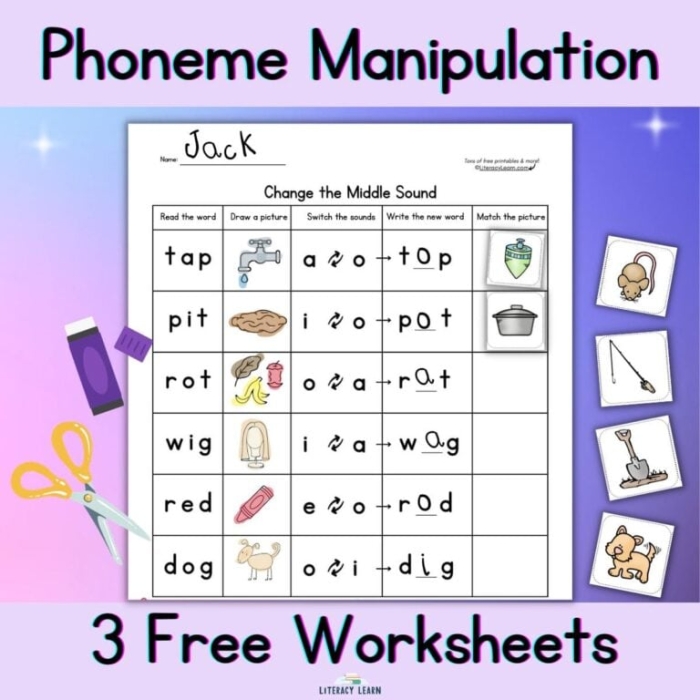
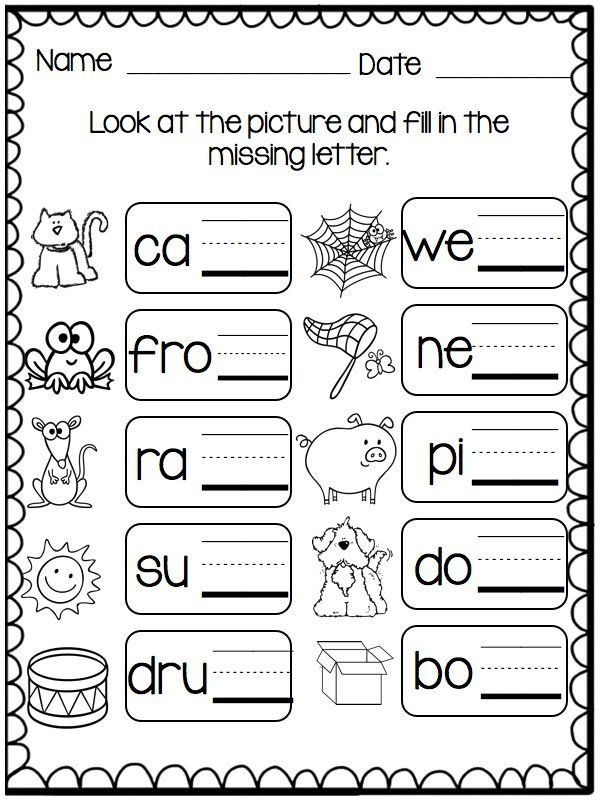
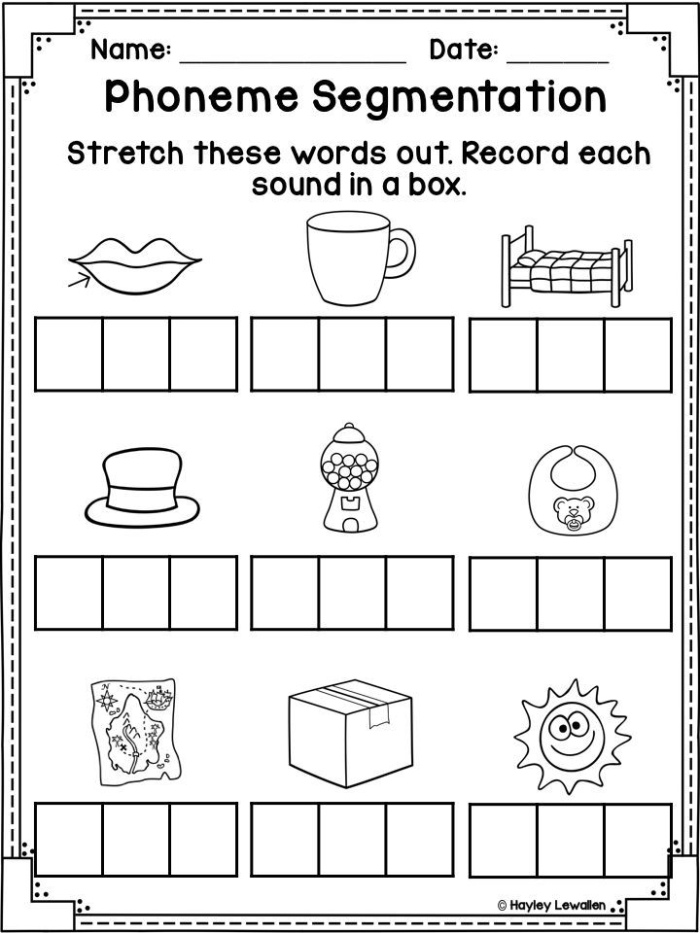
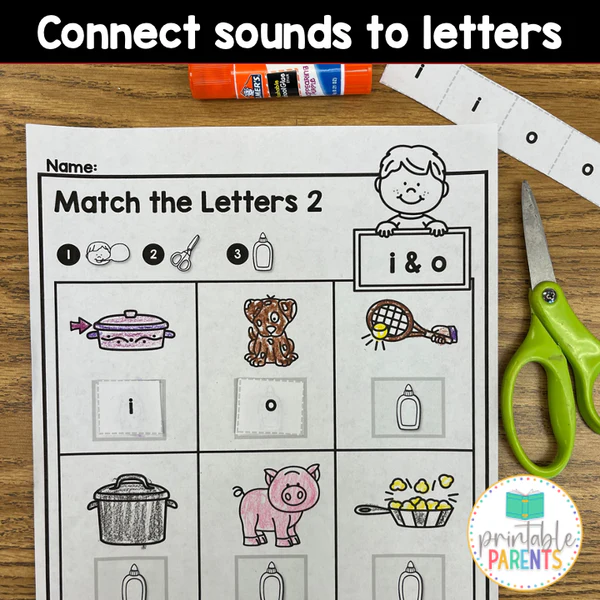
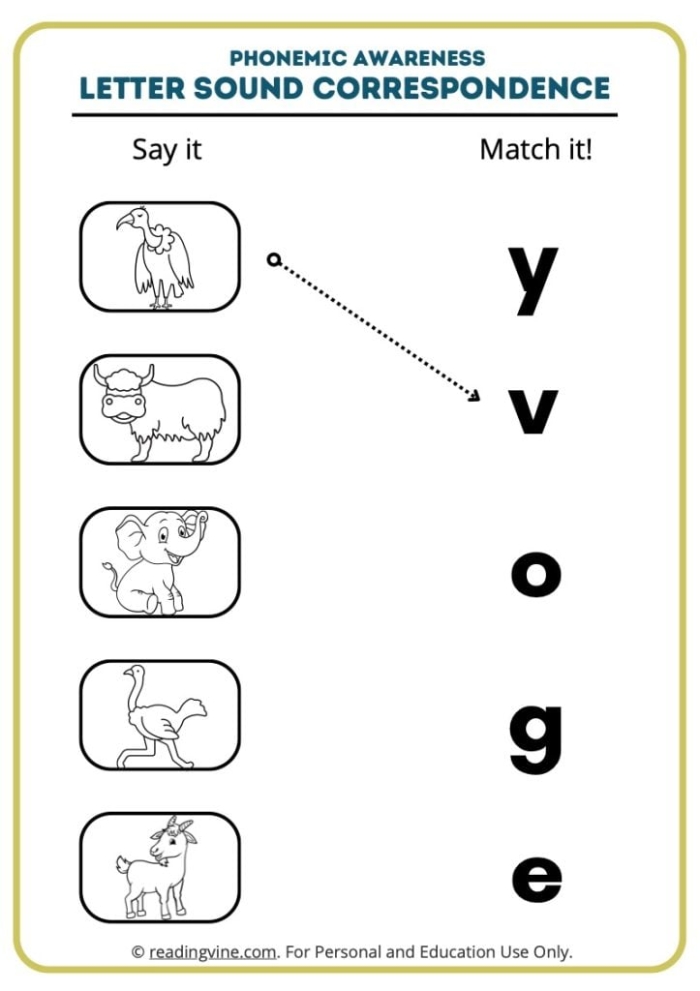
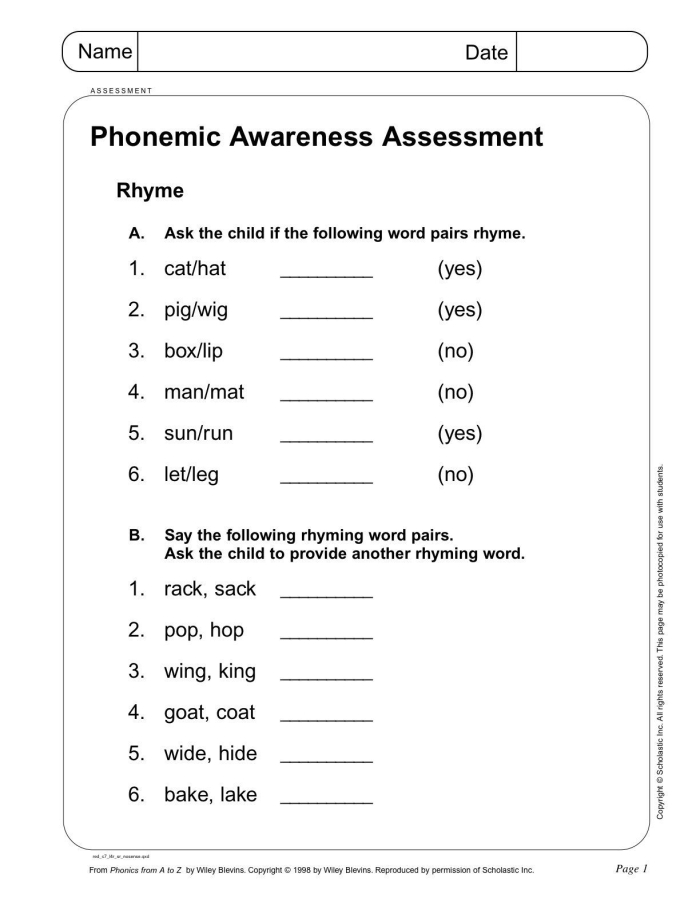
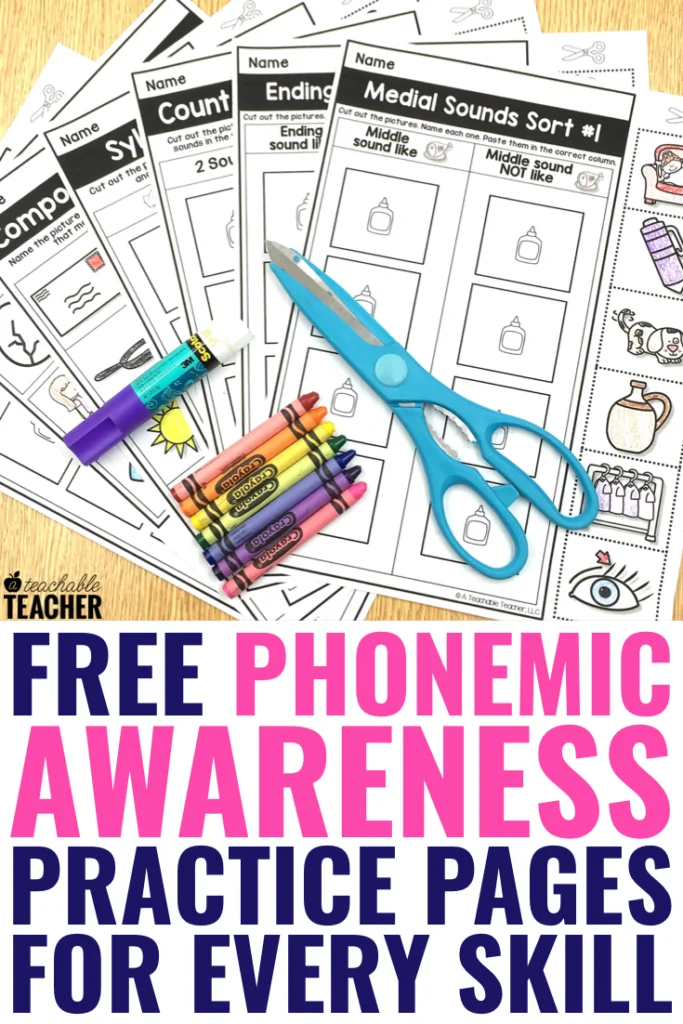
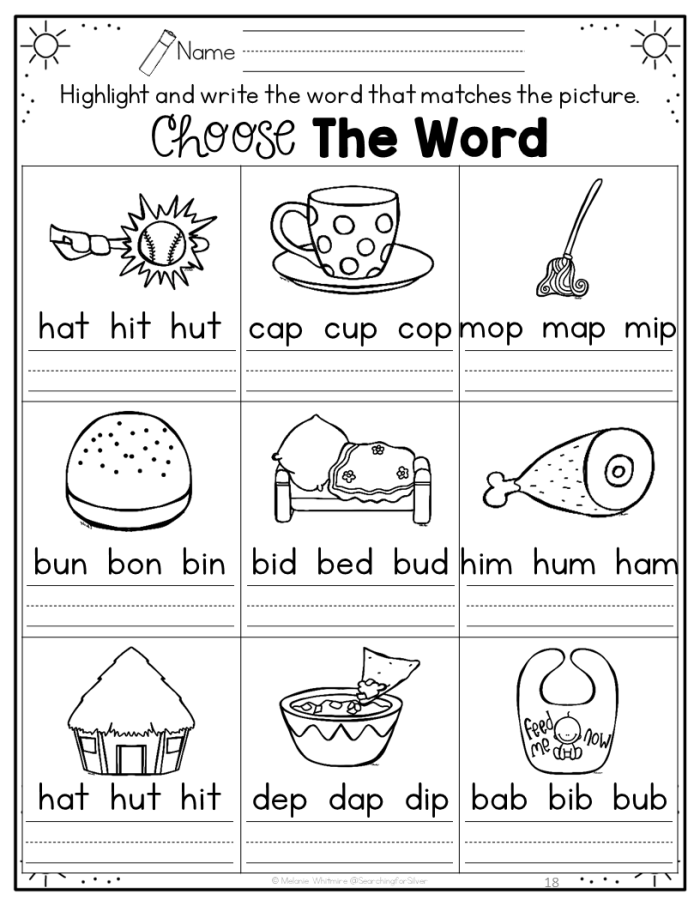
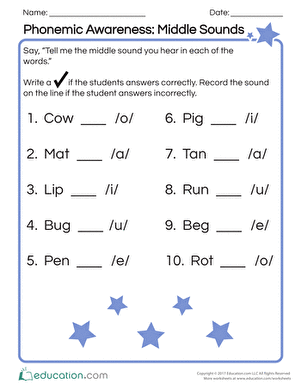
Printable resources can be extremely helpful in this process. Tools such as phonemic awareness worksheets can provide structured practice for your students. These worksheets often include exercises tailored to help children identify and manipulate initial sounds within word families, making it easier for them to grasp the concept.
Moreover, using real-life examples can enhance their understanding. For instance, during a themed lesson, such as St. Patrick’s Day, you might present words like “shamrock” or “gold” and ask students to identify their initial sounds. This approach can make phonemic awareness more relatable and memorable, integrating fun with learning.
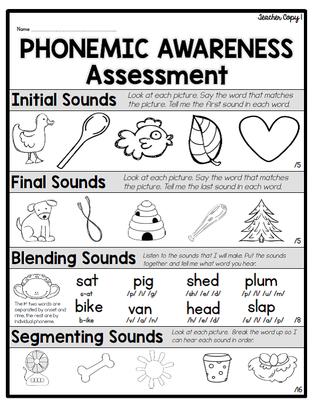
Regular assessment of this skill is vital. You can monitor progress through simple observations or formal assessments, ensuring that each child is developing at their own pace. Creating a supportive environment where students feel encouraged to express themselves will help them thrive in their literacy journey.
Download These Worksheets for Practice